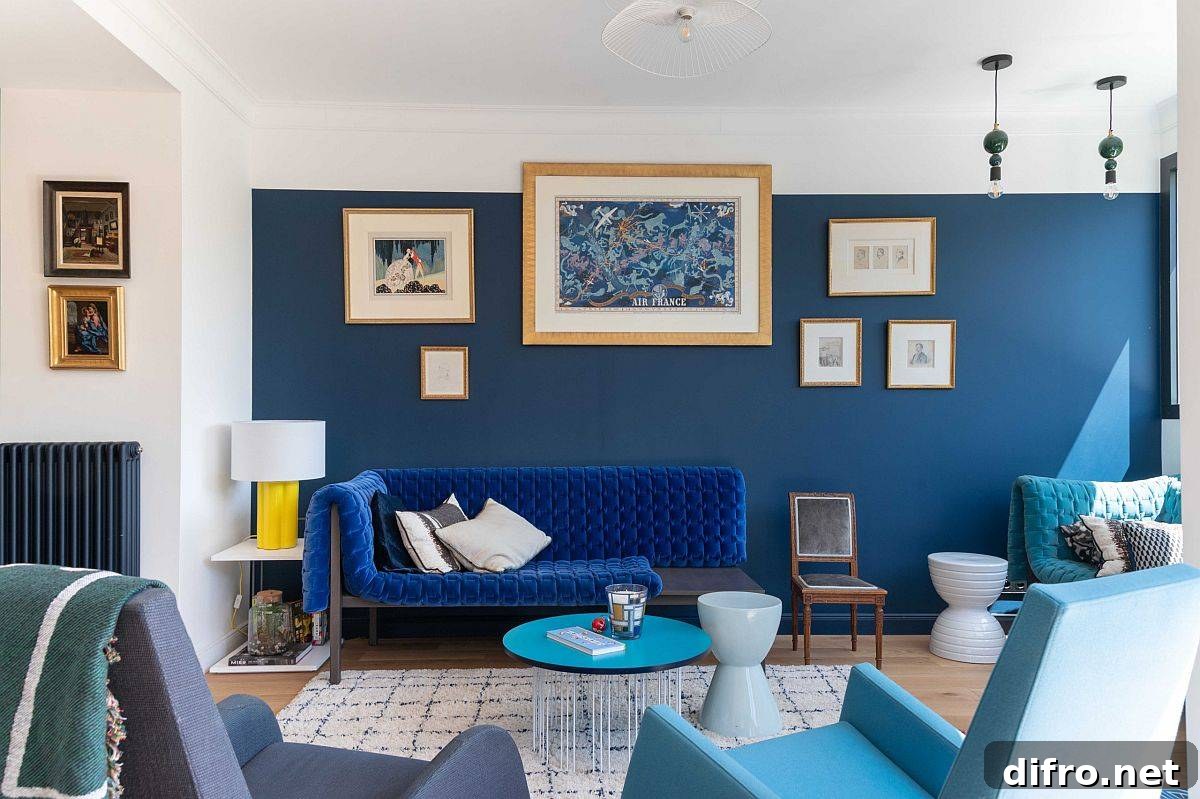
In most homes the living room is the space that leaves the strongest impression on guests and family. It reveals your decorating sensibility and sets a tone that often carries through adjacent areas. That role is even more pronounced in open-plan layouts where the kitchen and dining zones flow directly from the living room. Traditional partitions give way to a partition-free zone, and designers rely on color, texture and furniture arrangement to define areas visually. That is why choosing the right living room colors and color schemes matters so much for a cohesive, welcoming home.
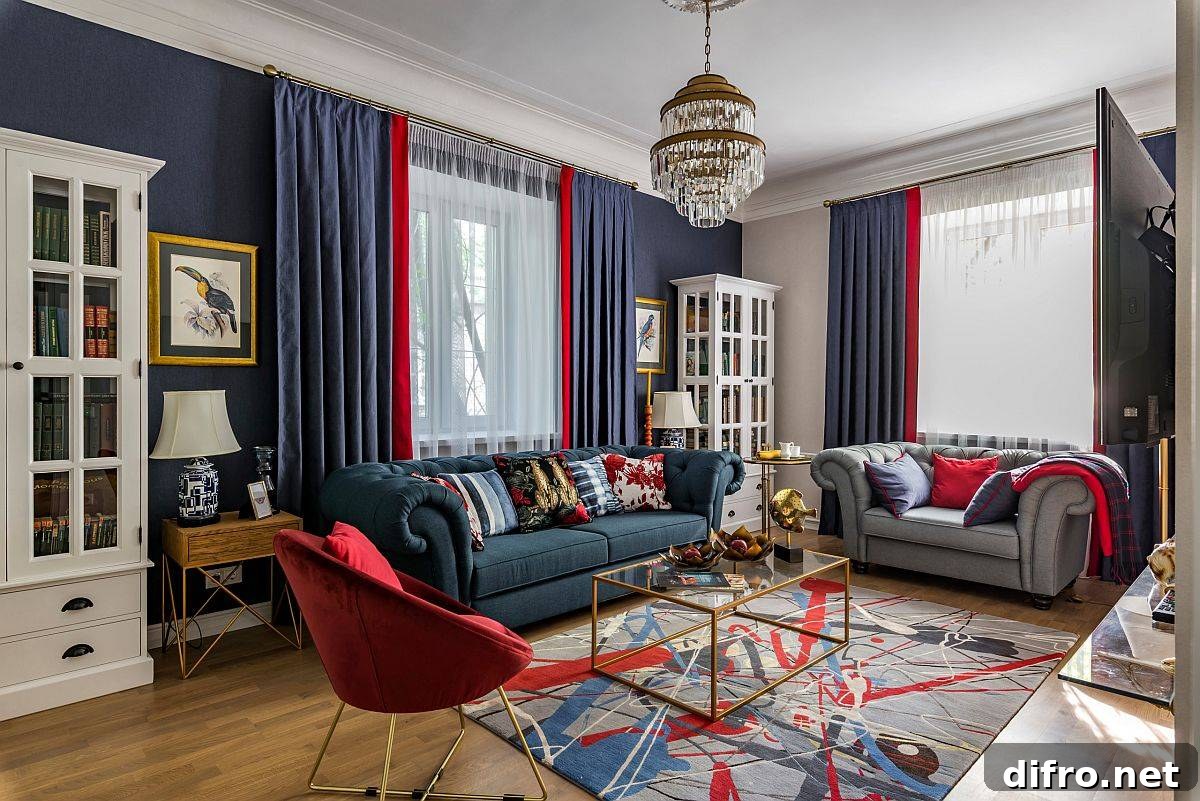
Homeowners and designers often default to safe neutrals for living rooms, cautious about bold or bright backdrops that can provoke a mixed reaction. Yet some colors and palettes have broad appeal and work across many styles. Below are five popular living room colors and color strategies that consistently deliver great results. Each choice can be tailored by shade, finish and accent selections to suit everything from relaxed traditional interiors to crisp contemporary schemes.
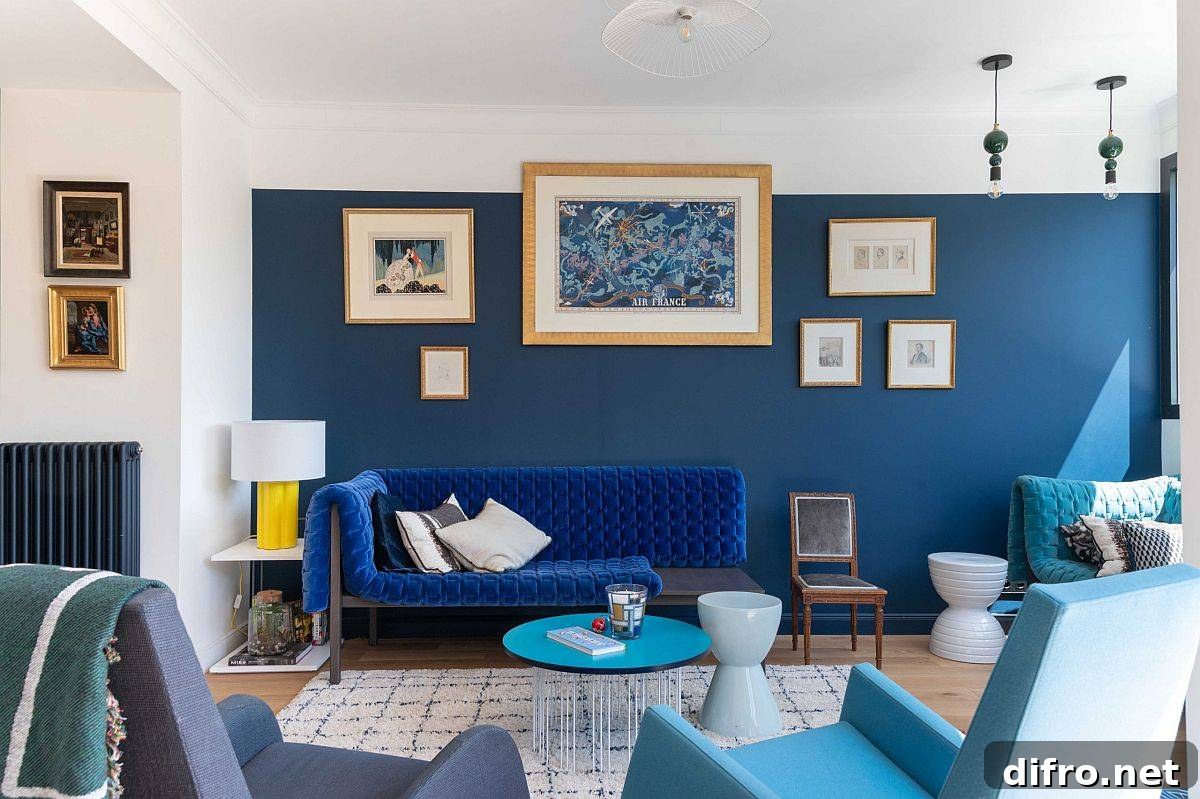
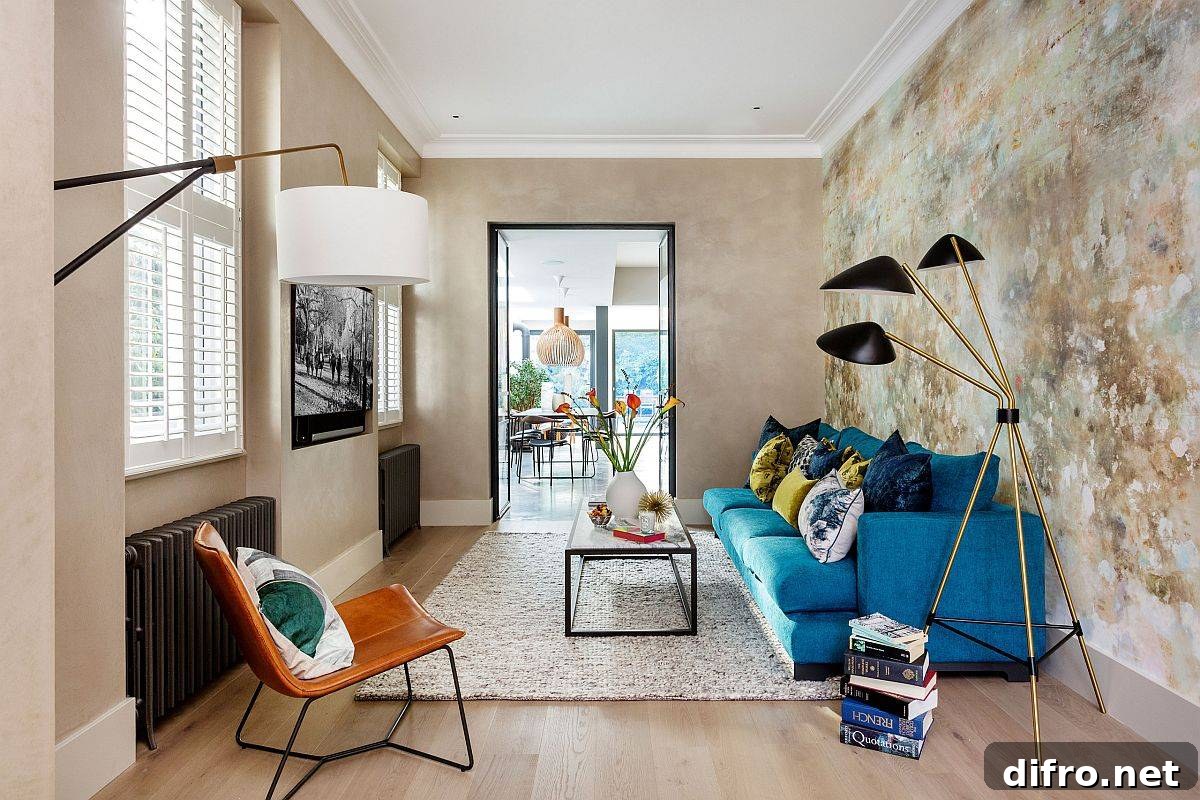
Blue – An Adaptable Favorite
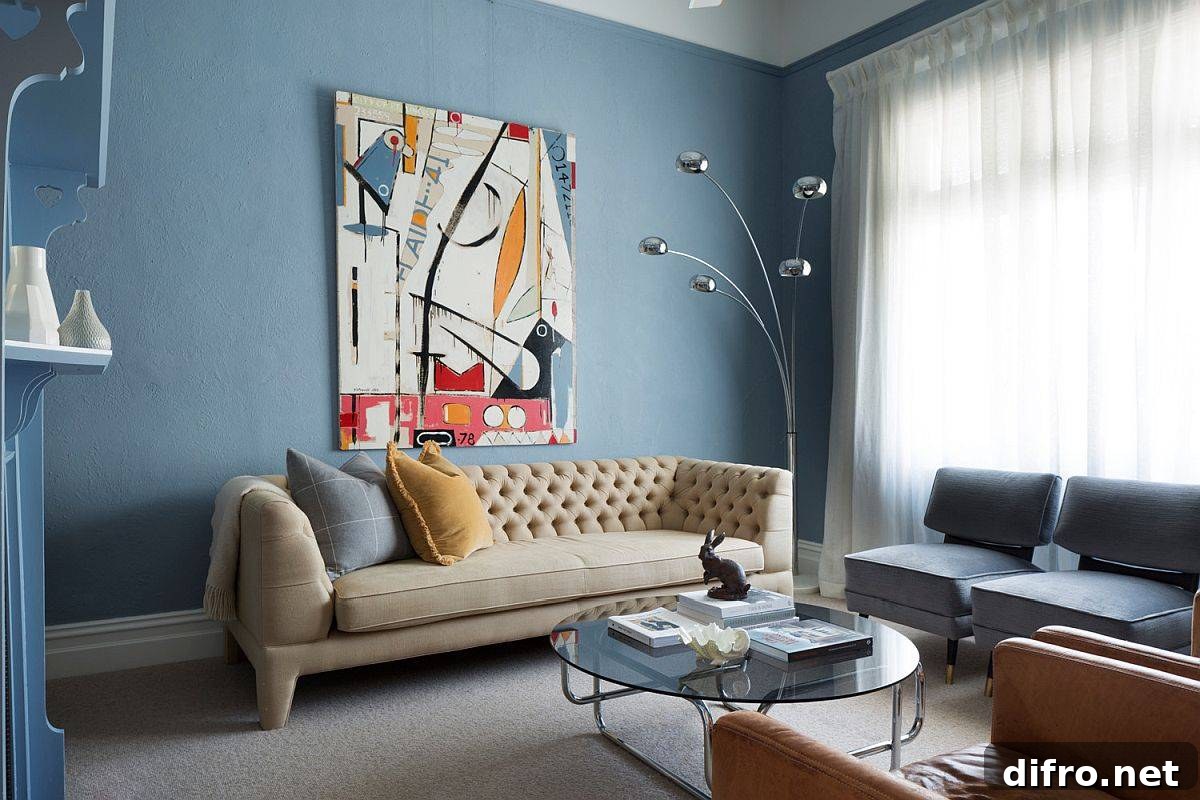
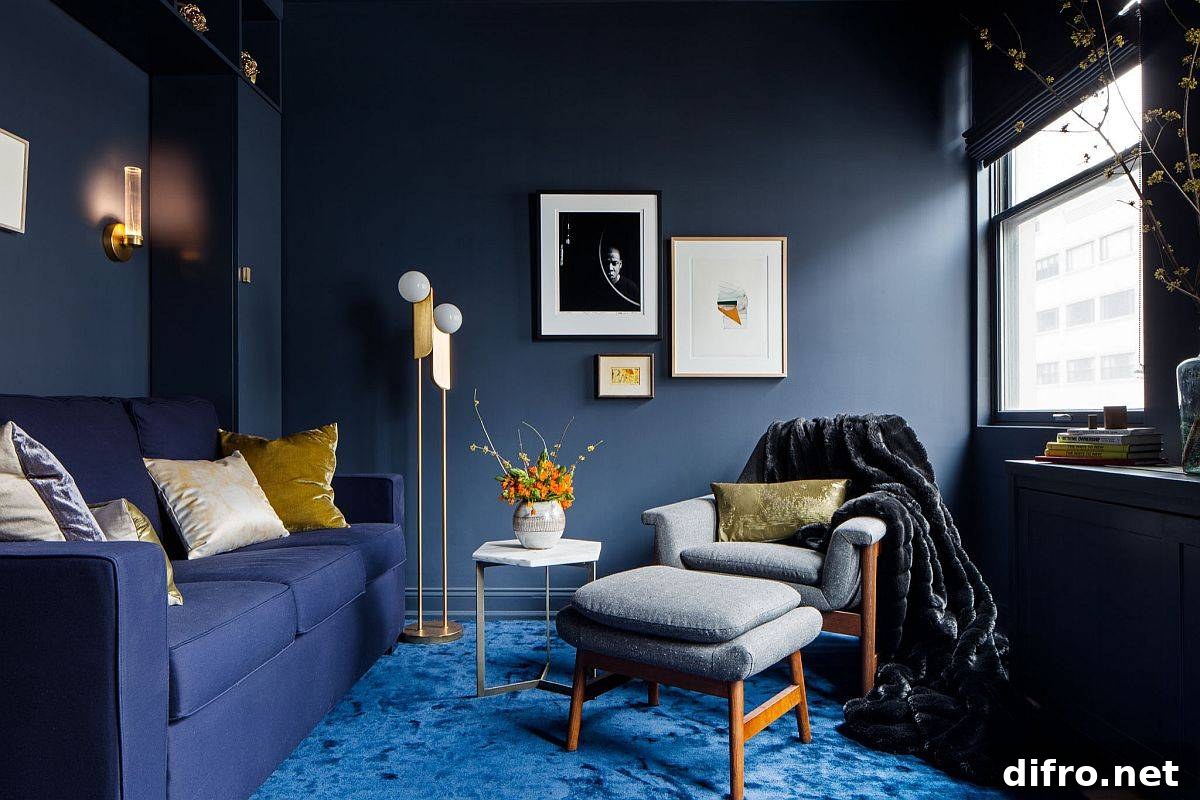
Blue remains one of the most versatile and popular living room colors. We are surrounded by blue in nature, and it lends a calming, familiar energy to interiors. From deep navy and inky blues that add drama to soft powder and sky blues that feel airy and serene, the range is vast. Pair blue with warm woods, crisp whites or muted grays to change the mood. For a contemporary twist, choose blue shades with a subtle gray undertone for a refined, on-trend living space.
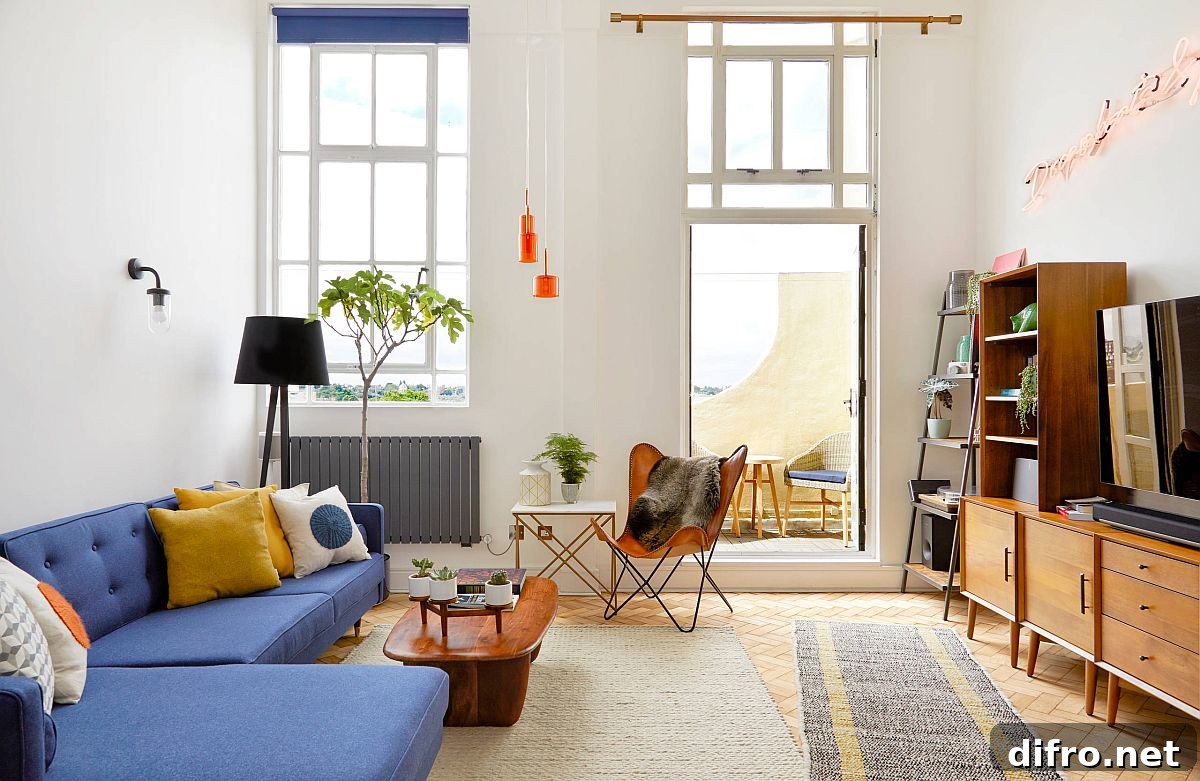
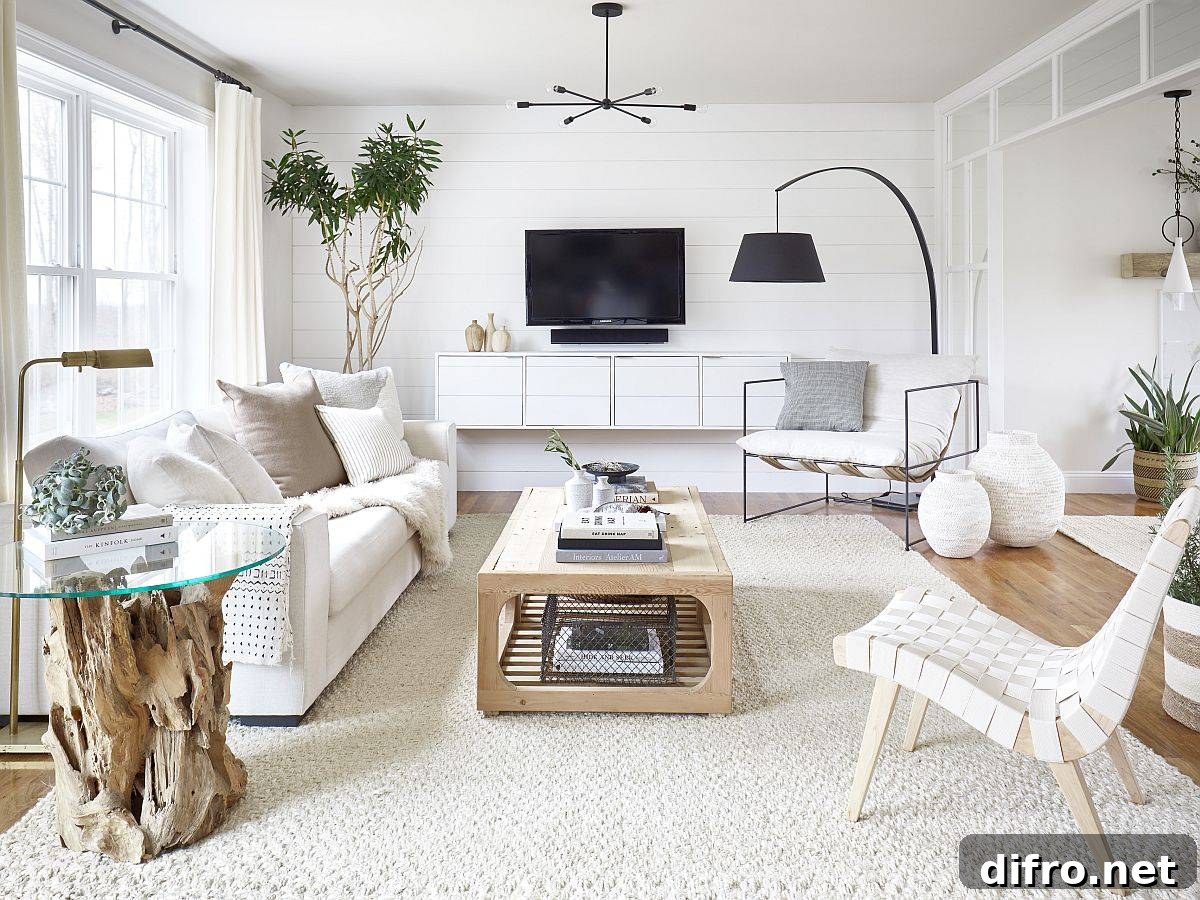
White Combined with Wood
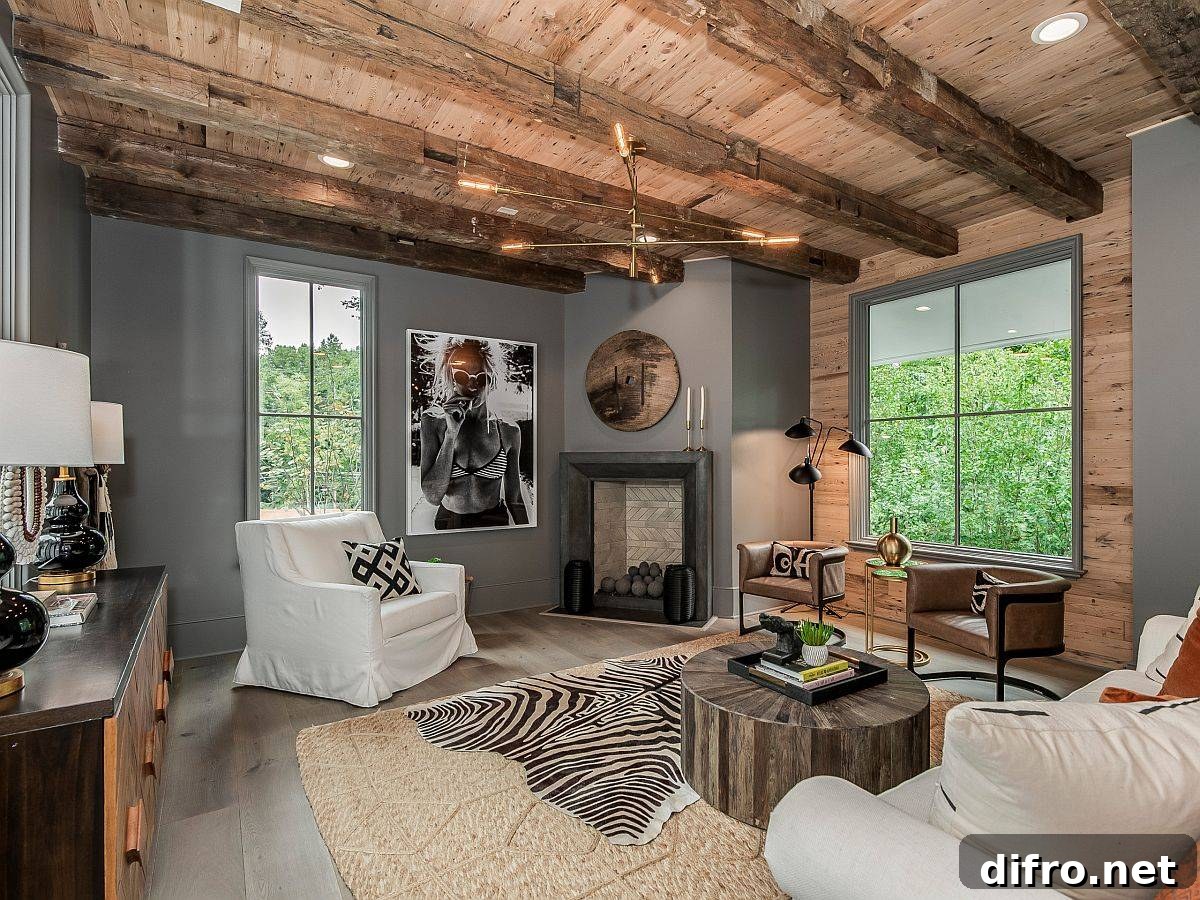
White paired with natural wood finishes creates a timeless, soothing living room palette. White walls and upholstery establish a bright, neutral backdrop, while wood floors, shelving and furniture add warmth and texture. This combination is incredibly flexible: it supports minimalist, Scandinavian and modern rustic styles alike. Introduce wood accents in different grains and tones for depth, and bring in textiles or modest color accents to shift the room’s character without overwhelming the calm base.
Green – A Serene Choice
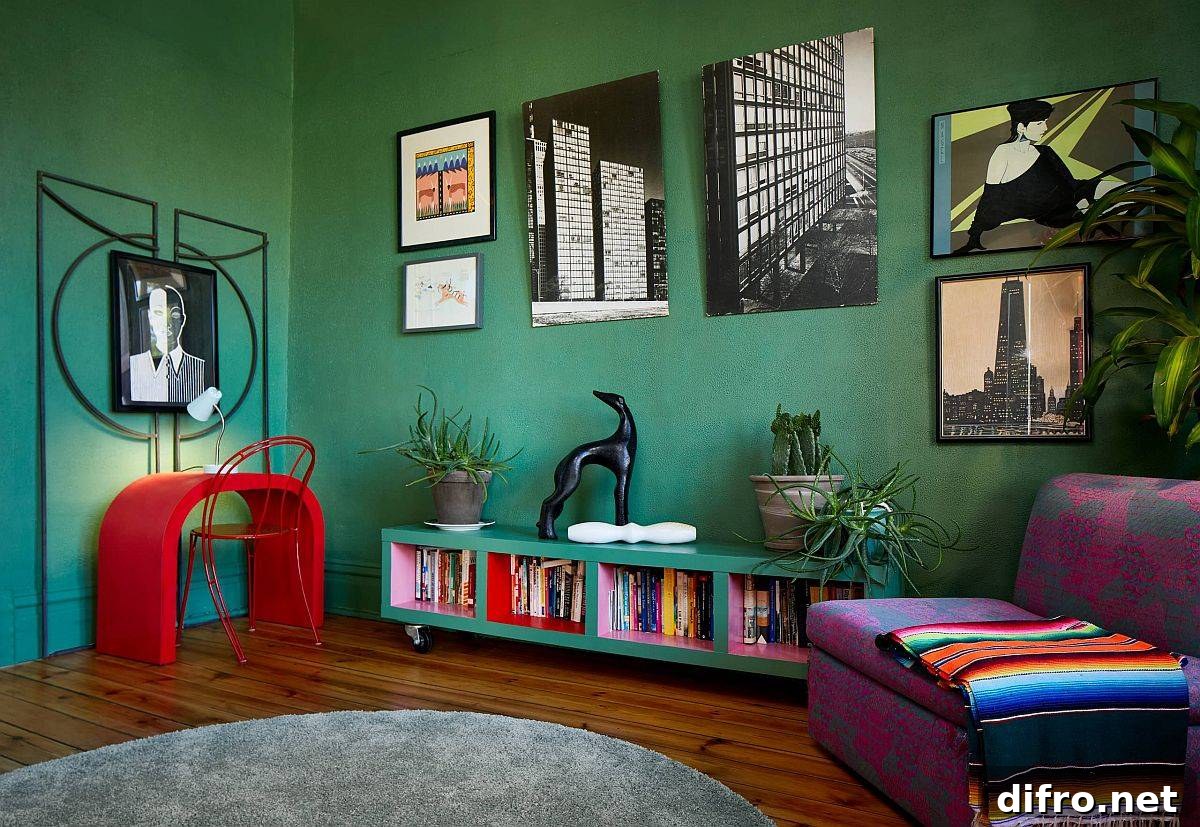
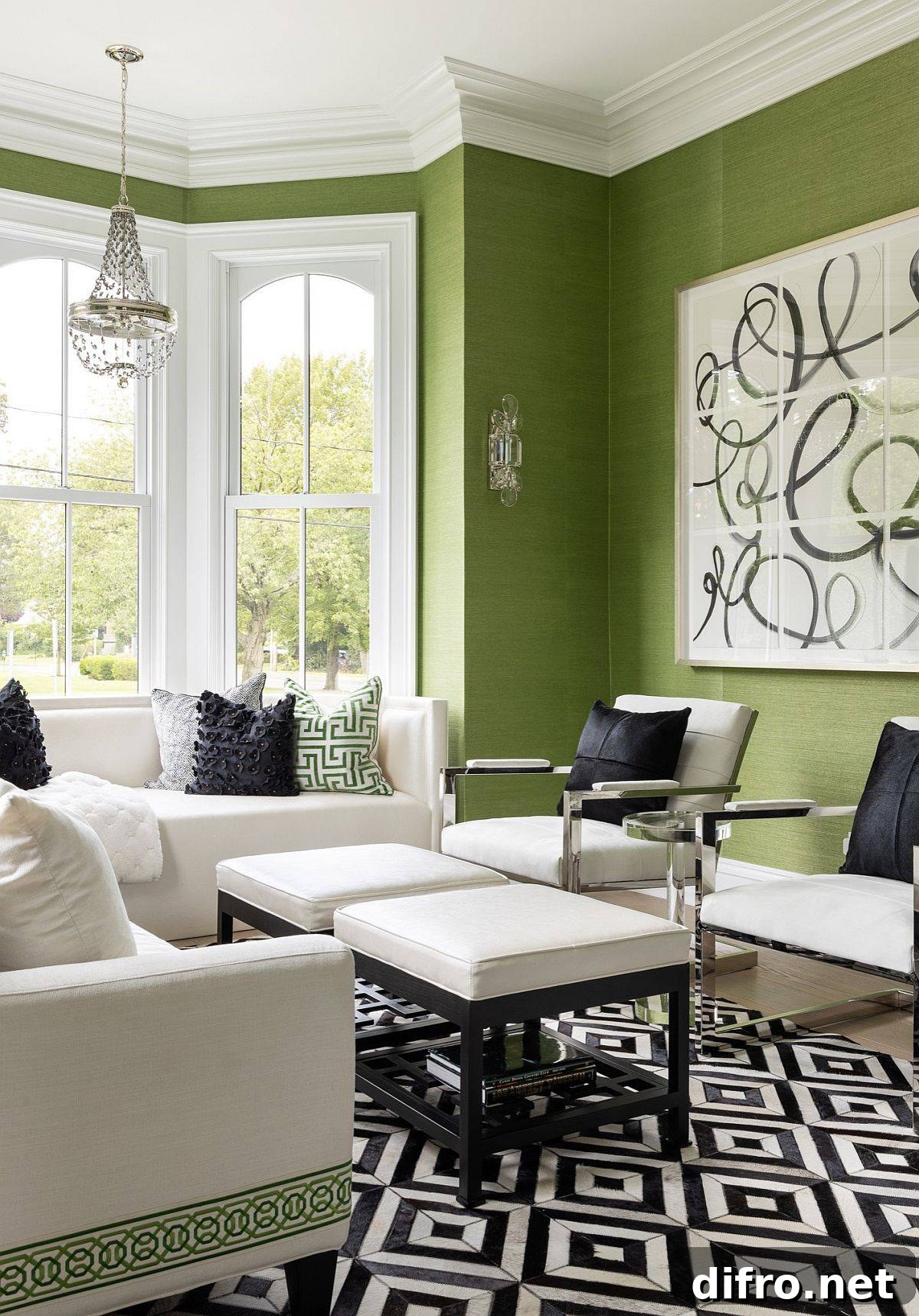
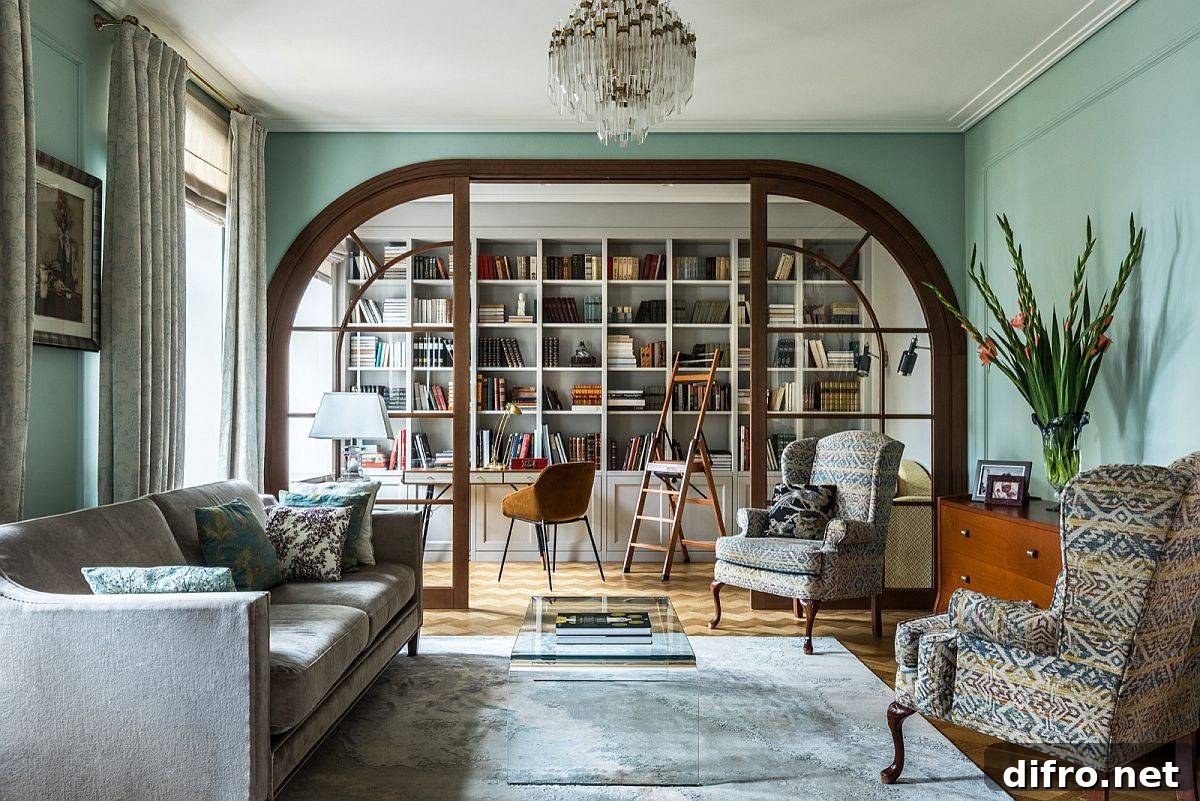
Green brings a sense of calm and connection to nature, but it requires balance. Too much saturated green can feel overpowering, while too little may seem inconsequential. Choose the right shade for the room’s light levels and style: deep forest or emerald tones suit dramatic, traditional or eclectic interiors, while sage and pastel greens offer a gentle, contemporary feel. Bright, well-lit living rooms are the ideal setting for green, and pairing it with warm neutrals or natural textures helps prevent the color from feeling heavy.
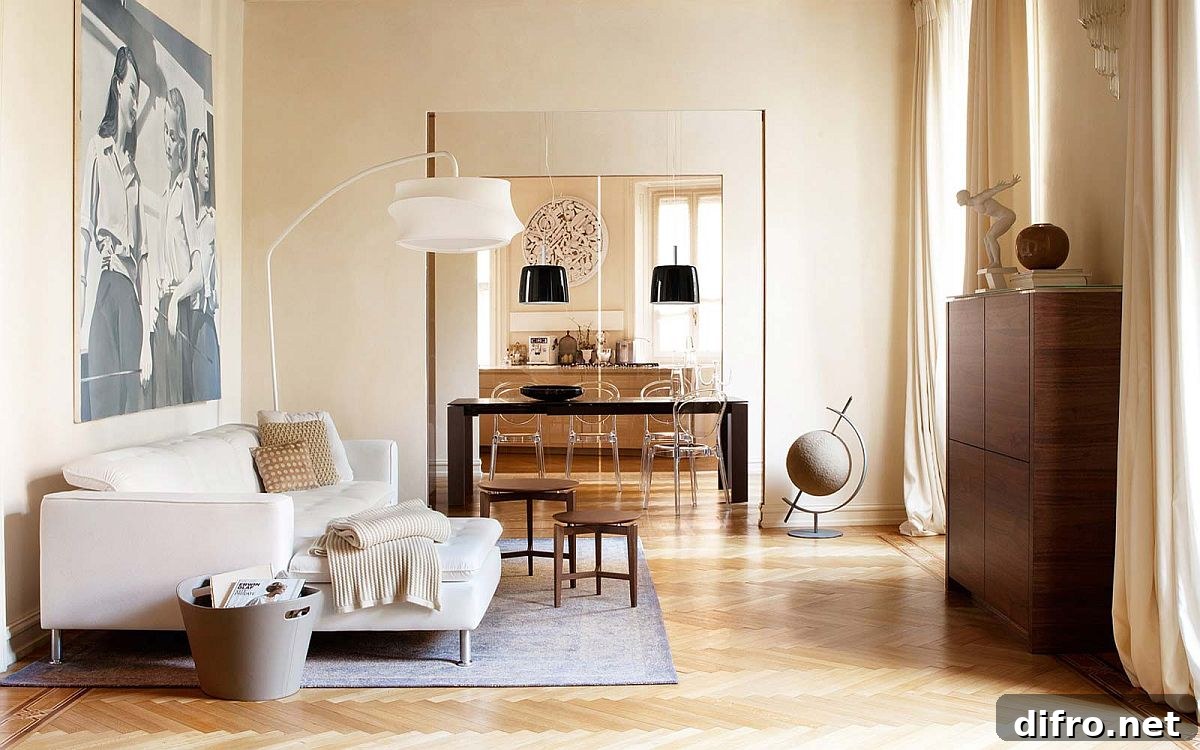
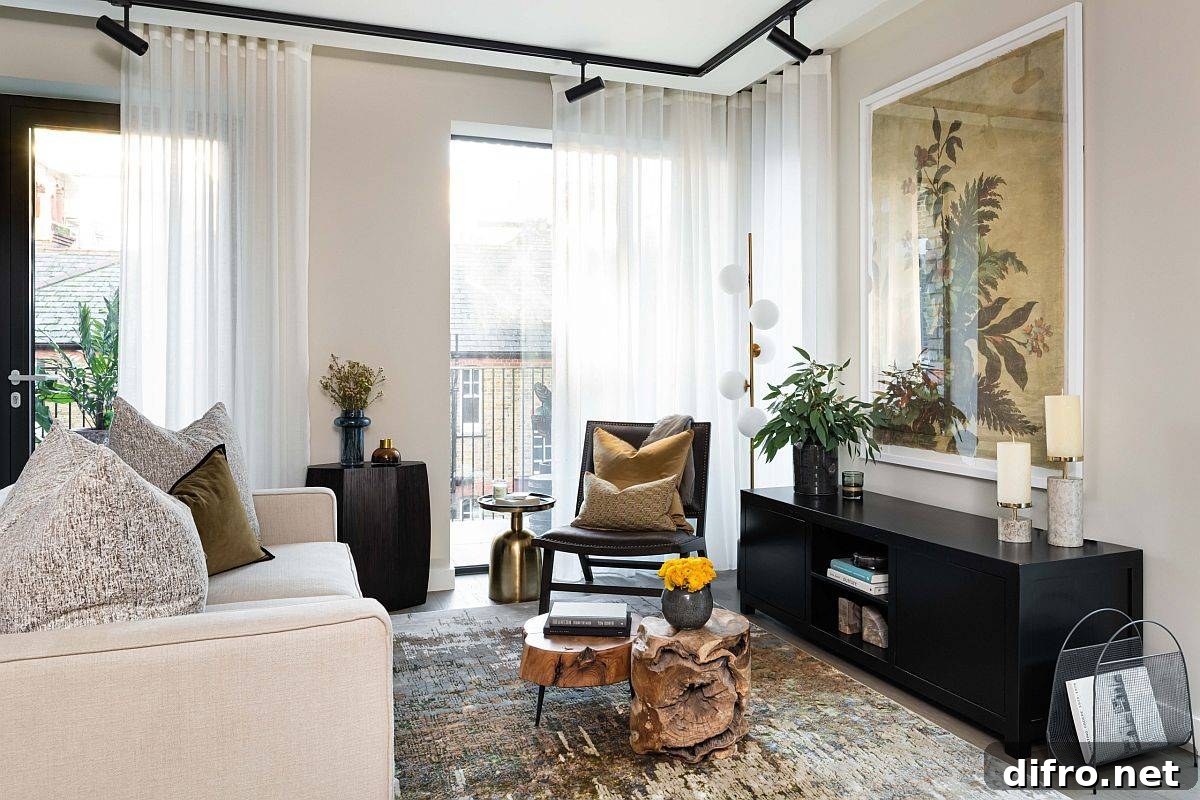
Beige – Versatile and Warm
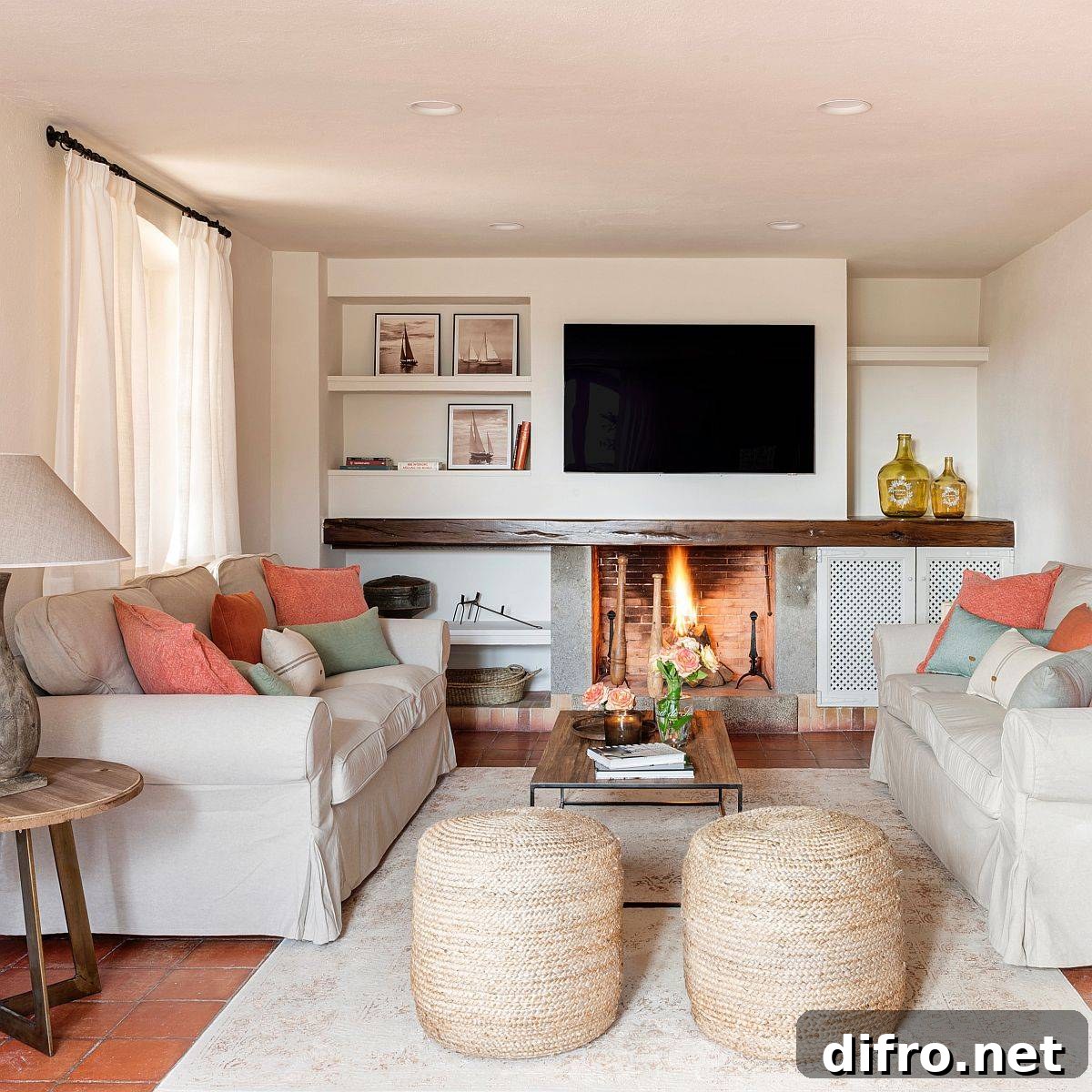
Beige is often pigeonholed as boring, but when used creatively it becomes a rich, flexible foundation. Layered neutrals, varying textures and tone-on-tone accents transform beige walls into an inviting, sophisticated canvas. Beige works with classic, coastal, Mediterranean and modern looks: add attention-grabbing furniture pieces or subtle patterned textiles to create contrast and interest without abandoning the color’s adaptable warmth.
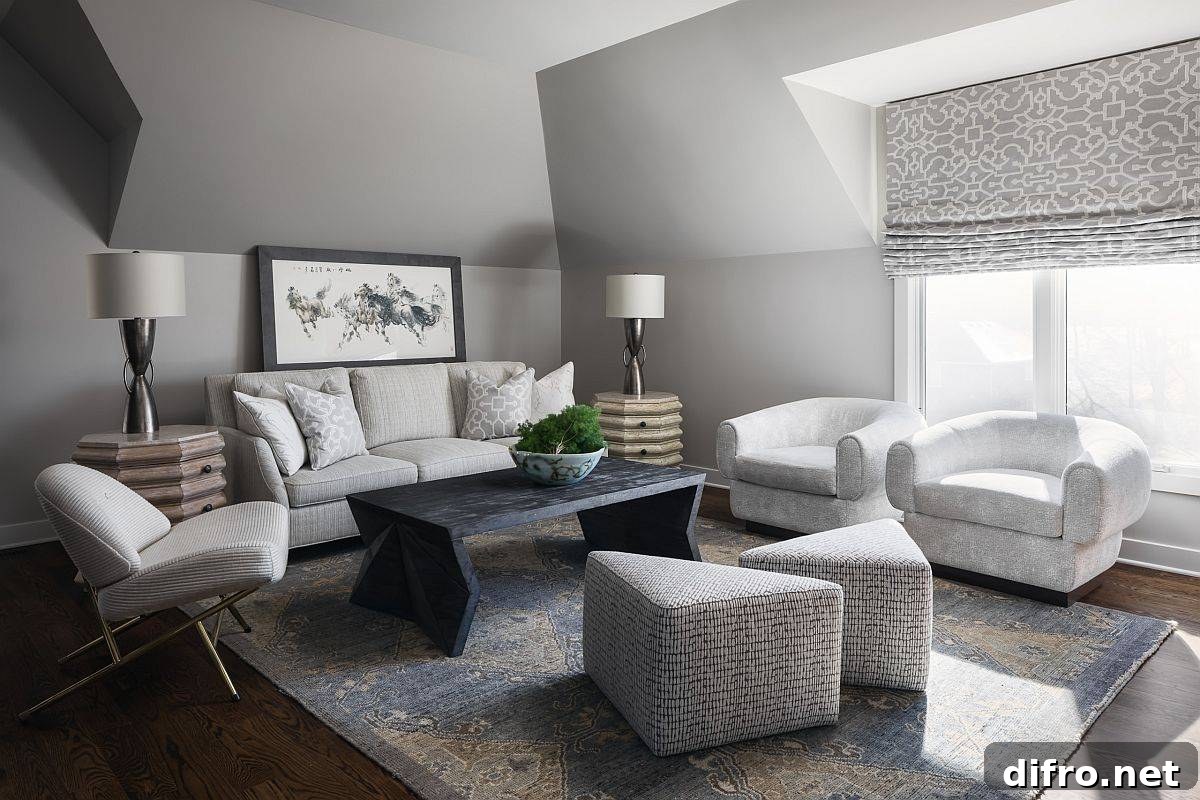
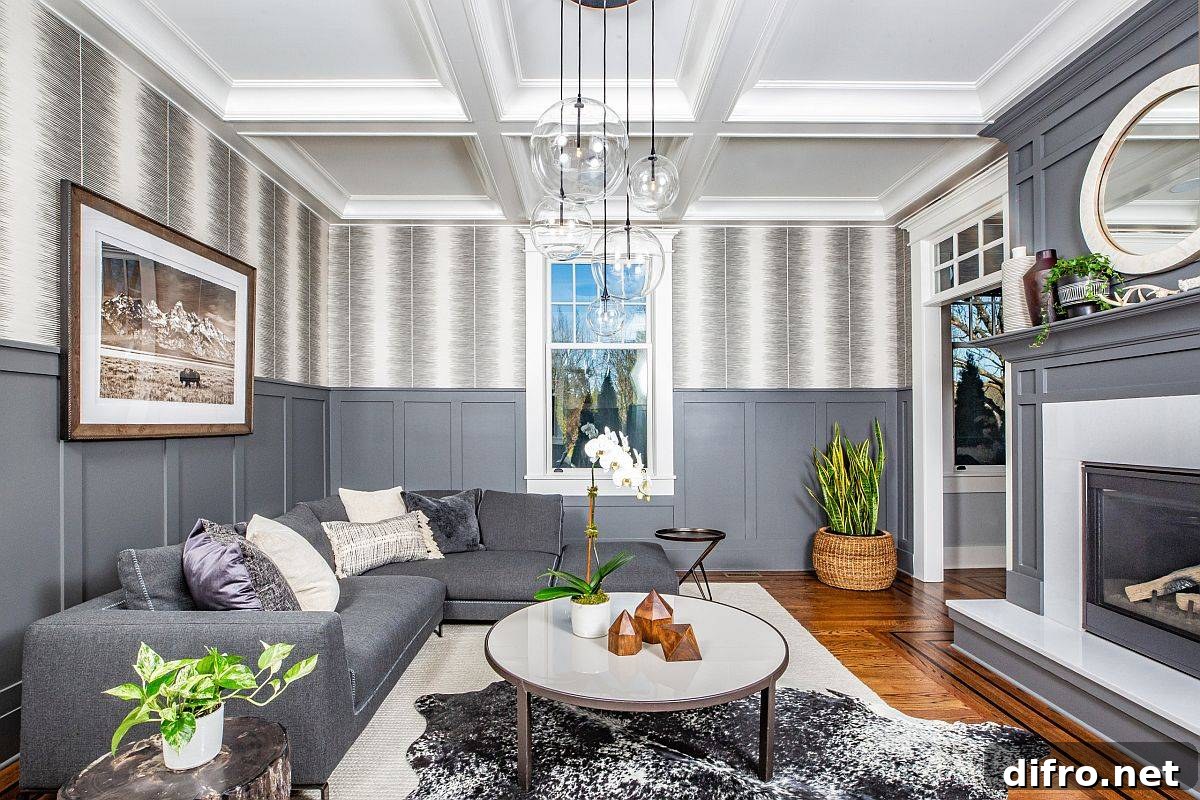
Gray – The Modern Neutral
Gray has dominated interiors for years and remains a leading neutral choice for living rooms. Its many shades—from warm greiges to cool slate—make it easy to tailor mood and style. Gray provides a sophisticated, restrained backdrop that pairs beautifully with crisp white trim, natural woods or bold accent colors. Use lighter grays to keep a space airy and soft, or select deeper charcoals for a moody, contemporary look.
Choosing the right color for your living room depends on light, scale, architecture and how you want the room to feel—calm, dramatic, cozy or airy. The five palettes above—blue, white with wood, green, beige and gray—offer reliable starting points that work across styles and can be personalized with furniture, textiles and accent hues. Think about the mood you want to create, test paint samples on your walls at different times of day, and use layering and texture to achieve a balanced, inviting space.