
Not ready to commit to a single interior style? You’re not alone. The mix-and-match approach to interior design has become increasingly popular, allowing homeowners to combine elements they love from different styles. Whether you want to display inherited pieces alongside modern finds, or simply inject more personality into a uniform space, blending styles can create rooms that feel curated, comfortable, and unique.
If the idea of mixing styles feels intimidating, this practical guide will help. Read on to learn ways to fuse diverse styles into a cohesive interior—without chaos. These strategies focus on common touchpoints, color cohesion, architectural anchors, and simple DIY updates so your space feels both intentional and livable.
Find mutual characteristics
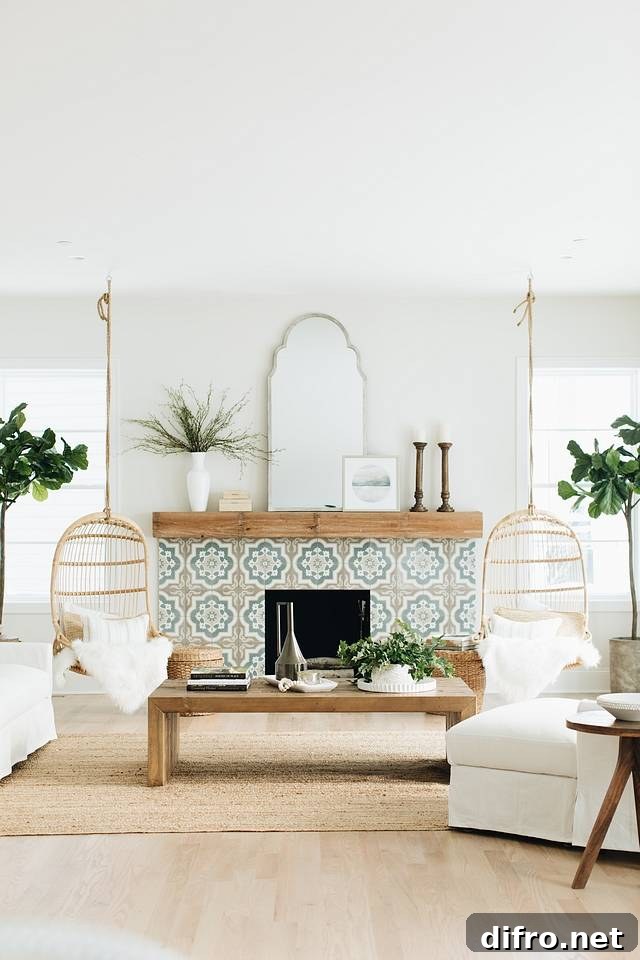
Successful combinations often start by identifying shared characteristics between styles. For example, Scandinavian and Boho both favor natural materials, tactile textures, and a relaxed atmosphere. When styles share core elements—like woven fibers, muted tones, or an emphasis on greenery—they’re much easier to blend. In practice, you might pair a minimalist Scandinavian table with a Boho rattan swing chair and connect them with a textured rug and abundant plants. The overlap in material and mood creates a seamless transition between styles.
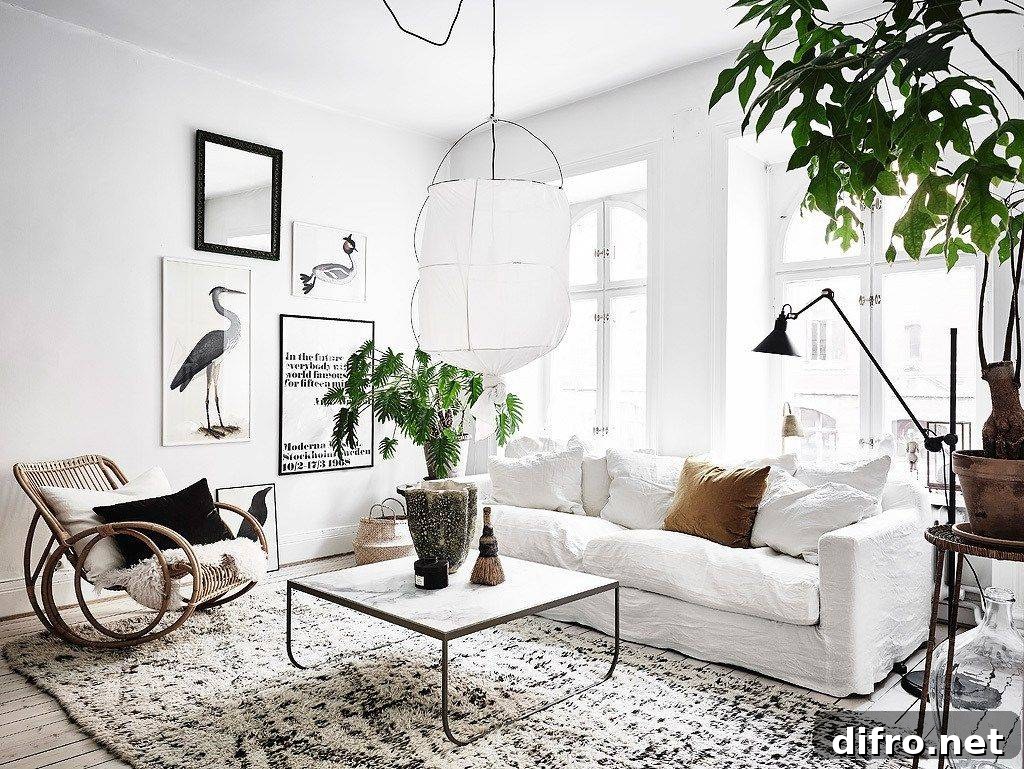
Mix and match dining chairs
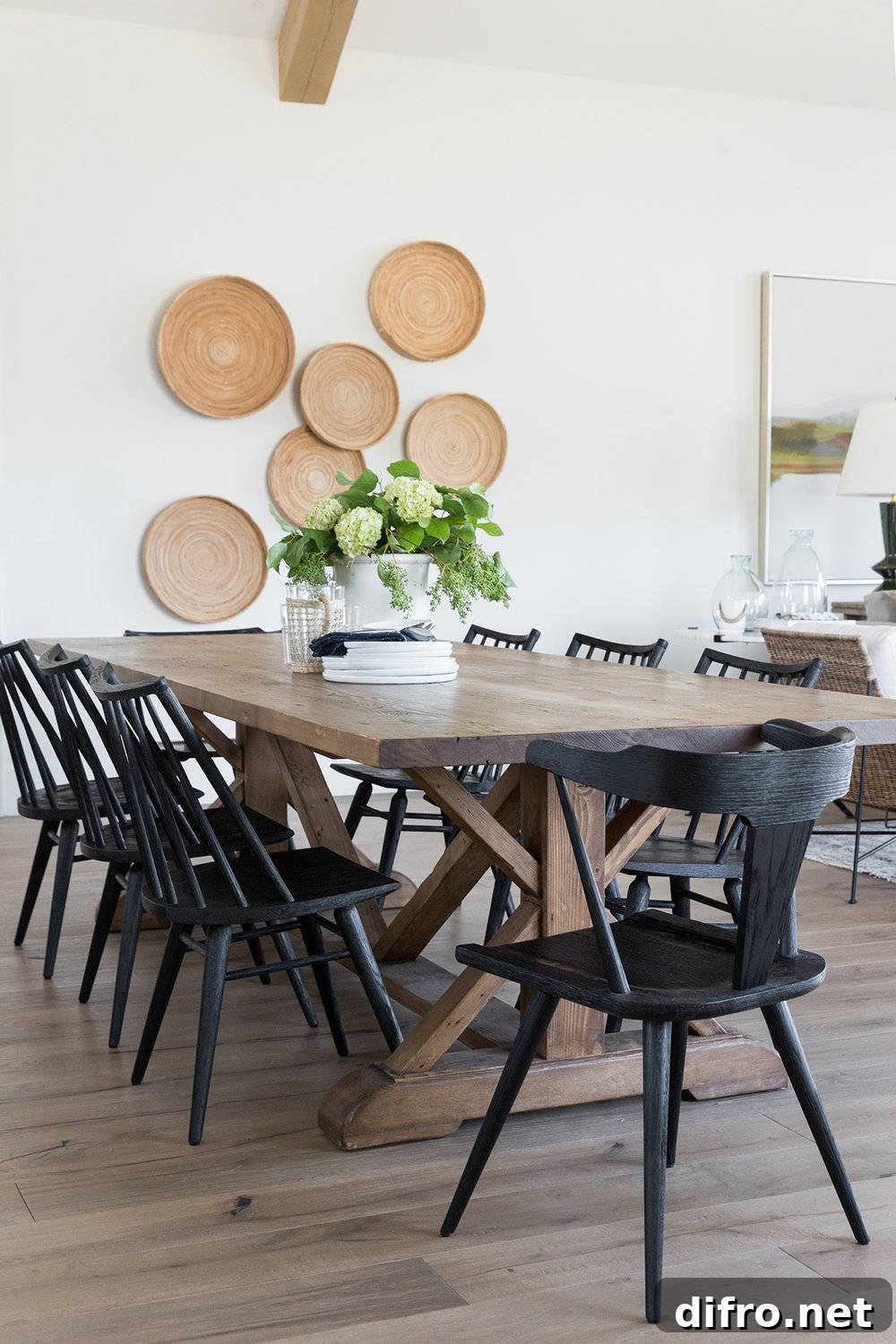
One of the easiest places to experiment is the dining area. Instead of buying a uniform set, consider pairing different chair styles around the same table. This instantly introduces contrast and character—mix modern seats with vintage or rustic chairs for a collected look. If you’re worried about visual clutter, unify the mix by painting the chairs the same color or choosing a single finish. That small step preserves variety while producing a harmonious dining vignette.
Keep the color scheme consistent
Color is a powerful unifier. When combining styles, establish a color palette early and use it consistently across furniture, textiles, and accents. Repeating two or three key colors—such as warm neutrals, deep greens, or terracotta tones—will visually tie disparate pieces together. For instance, an eclectic living room that borrows earthy hues from a Moroccan rug can maintain cohesion by echoing those tones in cushions, art, or a throw blanket.
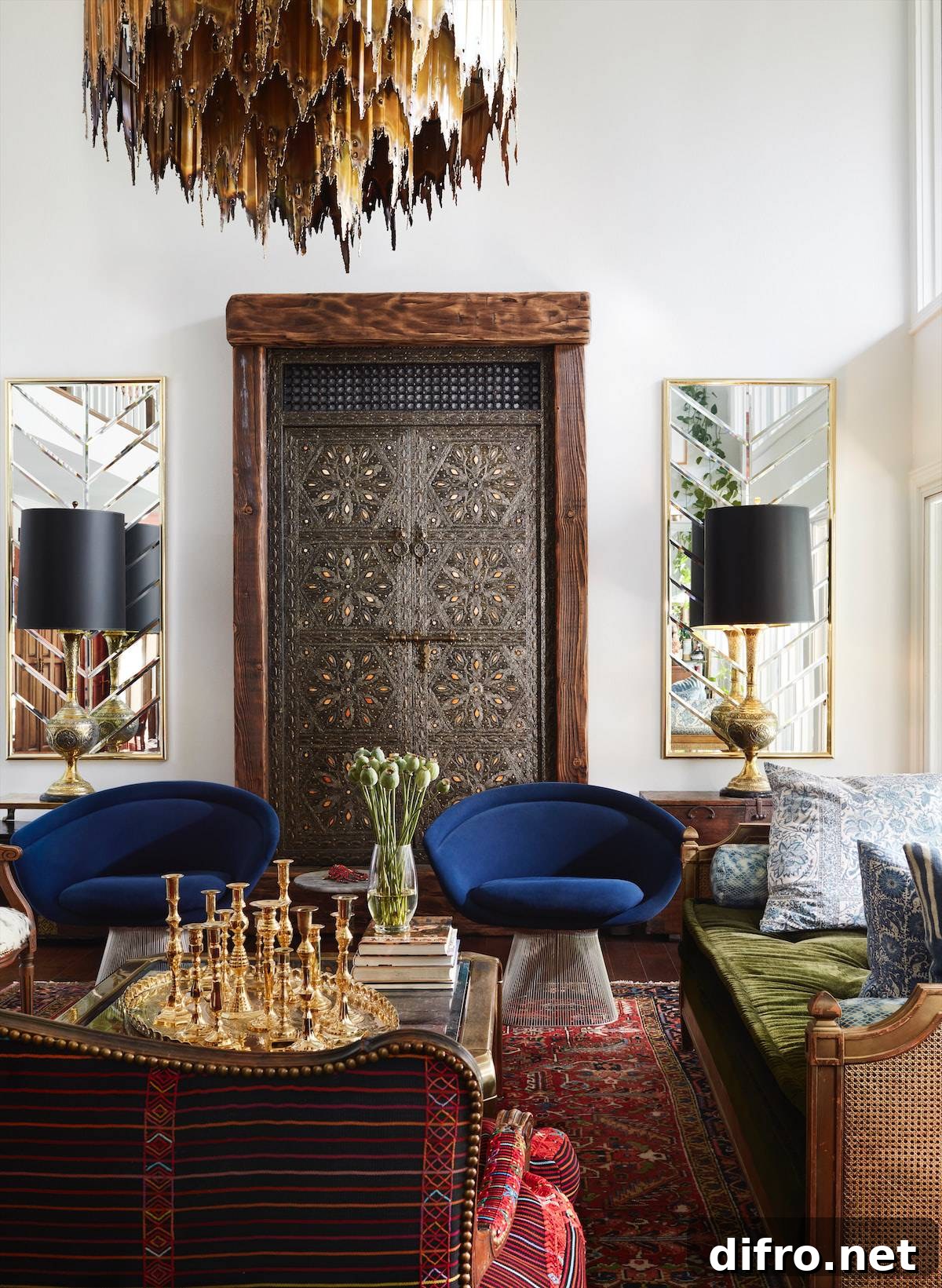
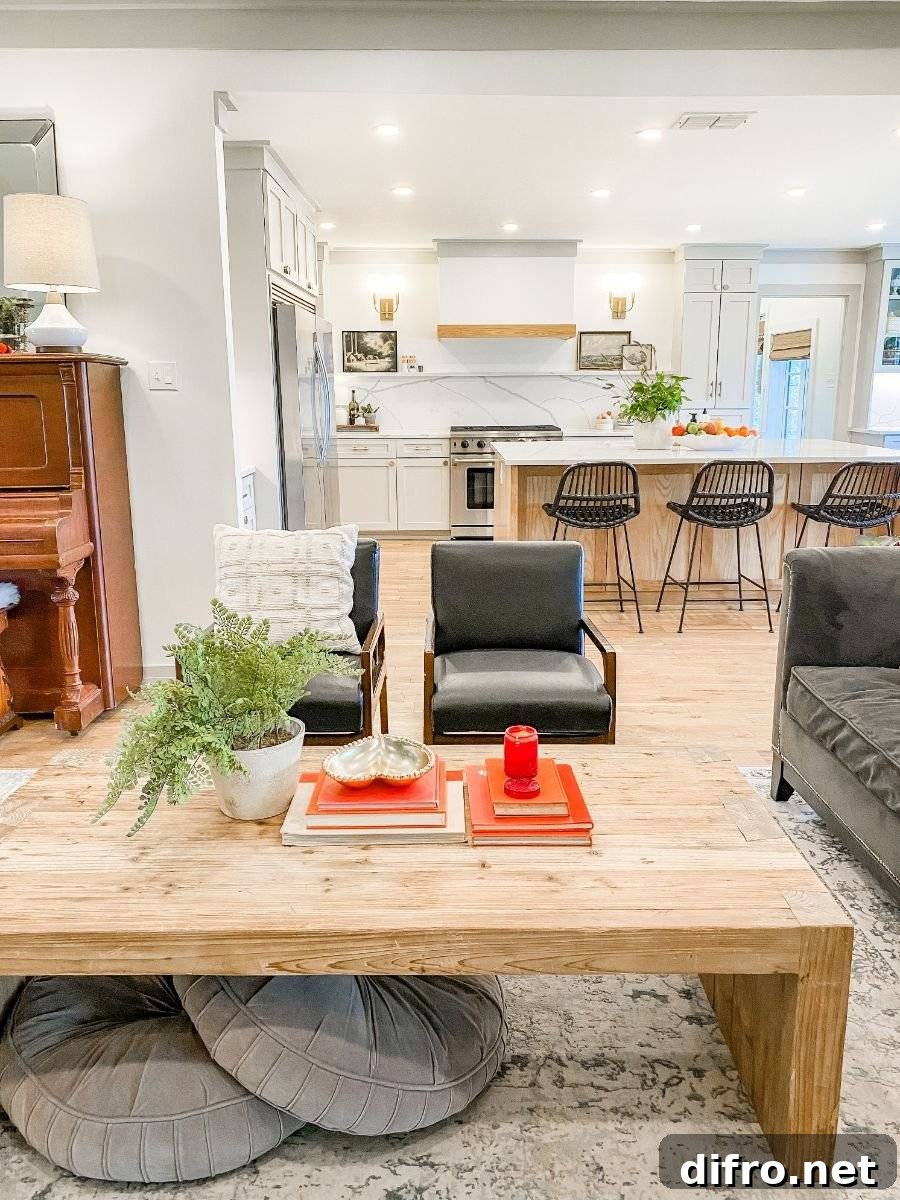
Use architectural details as anchors
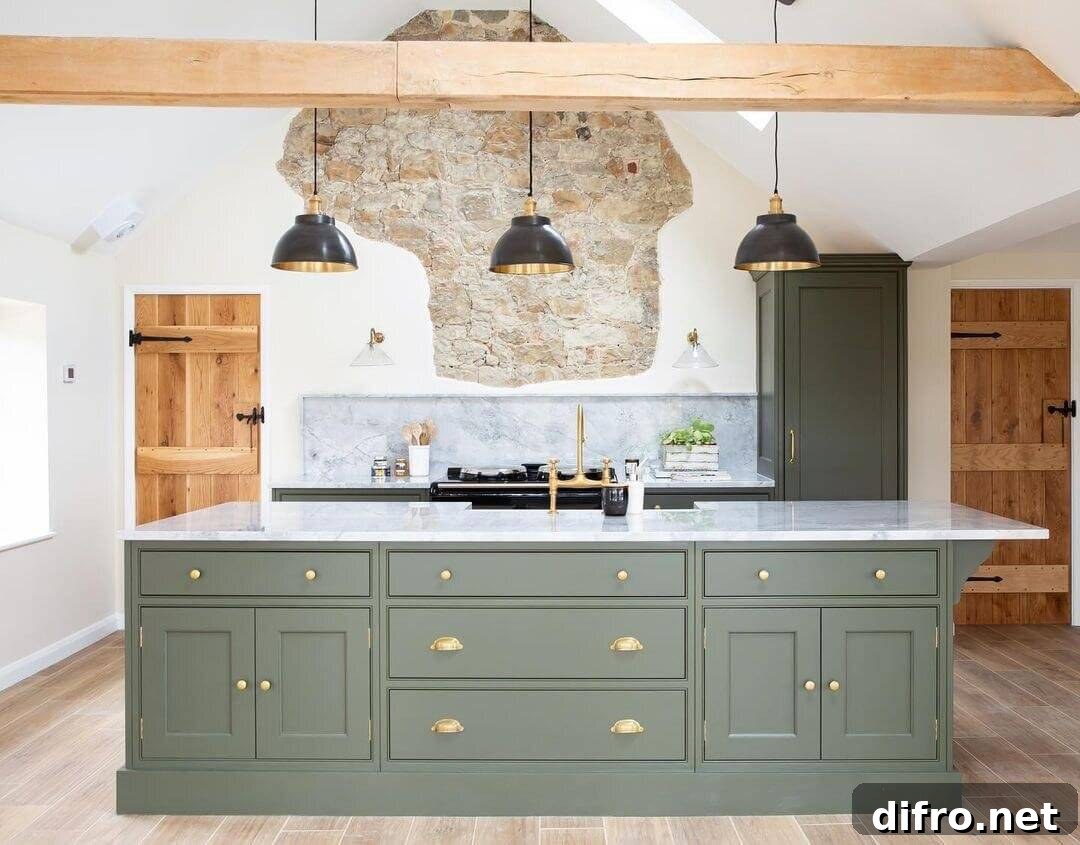
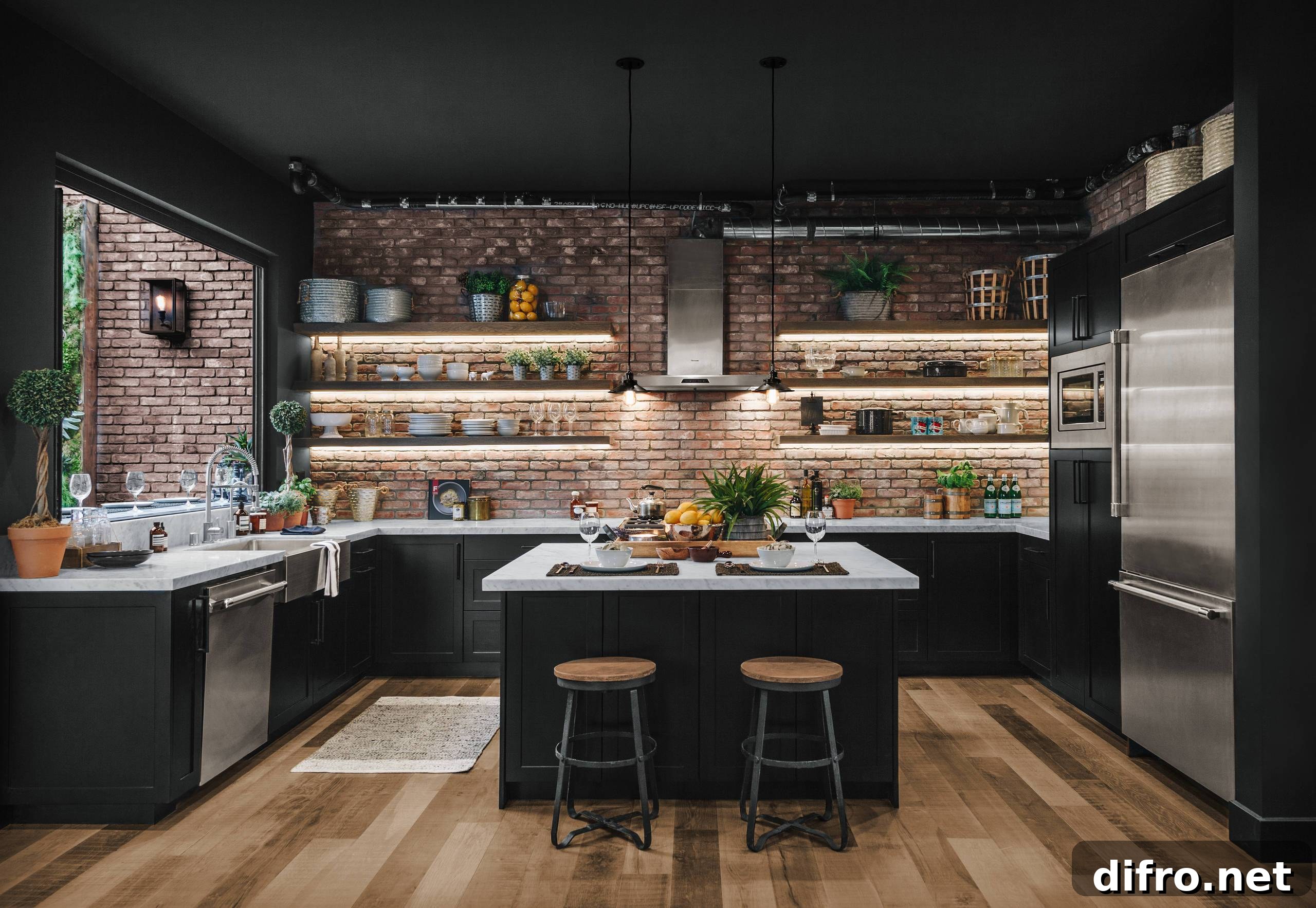
Fixed architectural features can guide your styling choices. Exposed wooden beams, brick walls, moulding, or original floorboards naturally reflect a particular period or aesthetic and can serve as a foundation for mixing styles. For example, a home with farmhouse beams and exposed brick can accommodate modern cabinetry and industrial light fixtures, creating a layered, intentional look. Let those built-in details lead your palette and material selections so new pieces feel like a natural fit.
An exposed brick wall or reclaimed wood can be versatile—it adds texture that complements rustic, industrial, modern, and transitional interiors when balanced with appropriate finishes and furnishings.
DIY and update treasured pieces
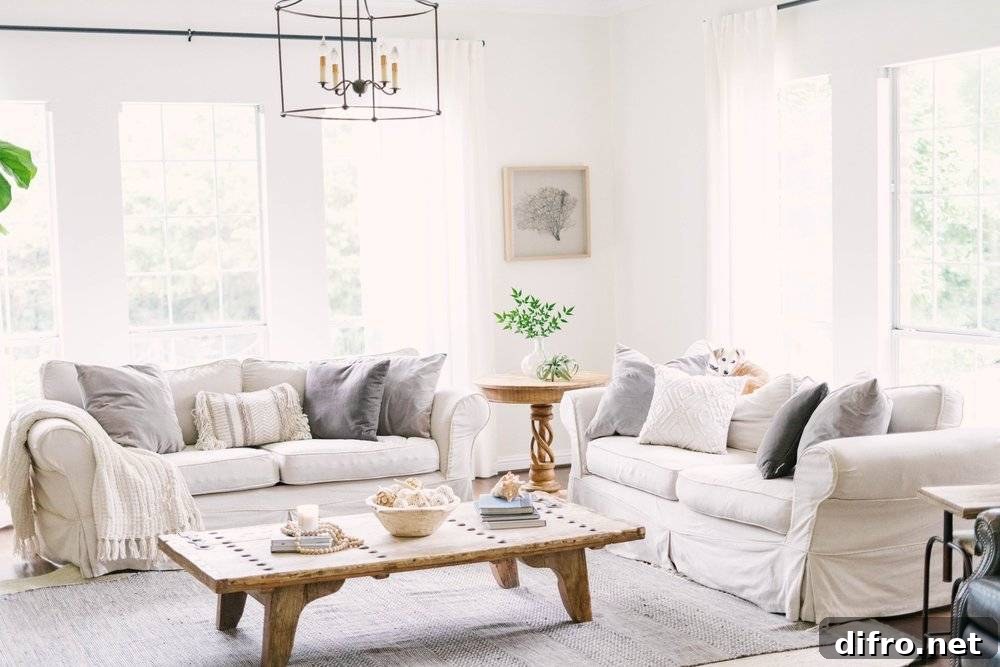
Incorporating sentimental or secondhand pieces is one of the most rewarding aspects of mixed-style decorating. Don’t hesitate to include Grandma’s chair or a thrifted chest—those items add history and personality. If the finish or upholstery feels dated, update it: reupholstering, refinishing, or repainting can modernize a beloved piece and help it sit comfortably within your new scheme. Small DIY projects—like swapping hardware, adding fresh fabric, or refinishing wood—can transform older pieces into cohesive, contemporary accents.
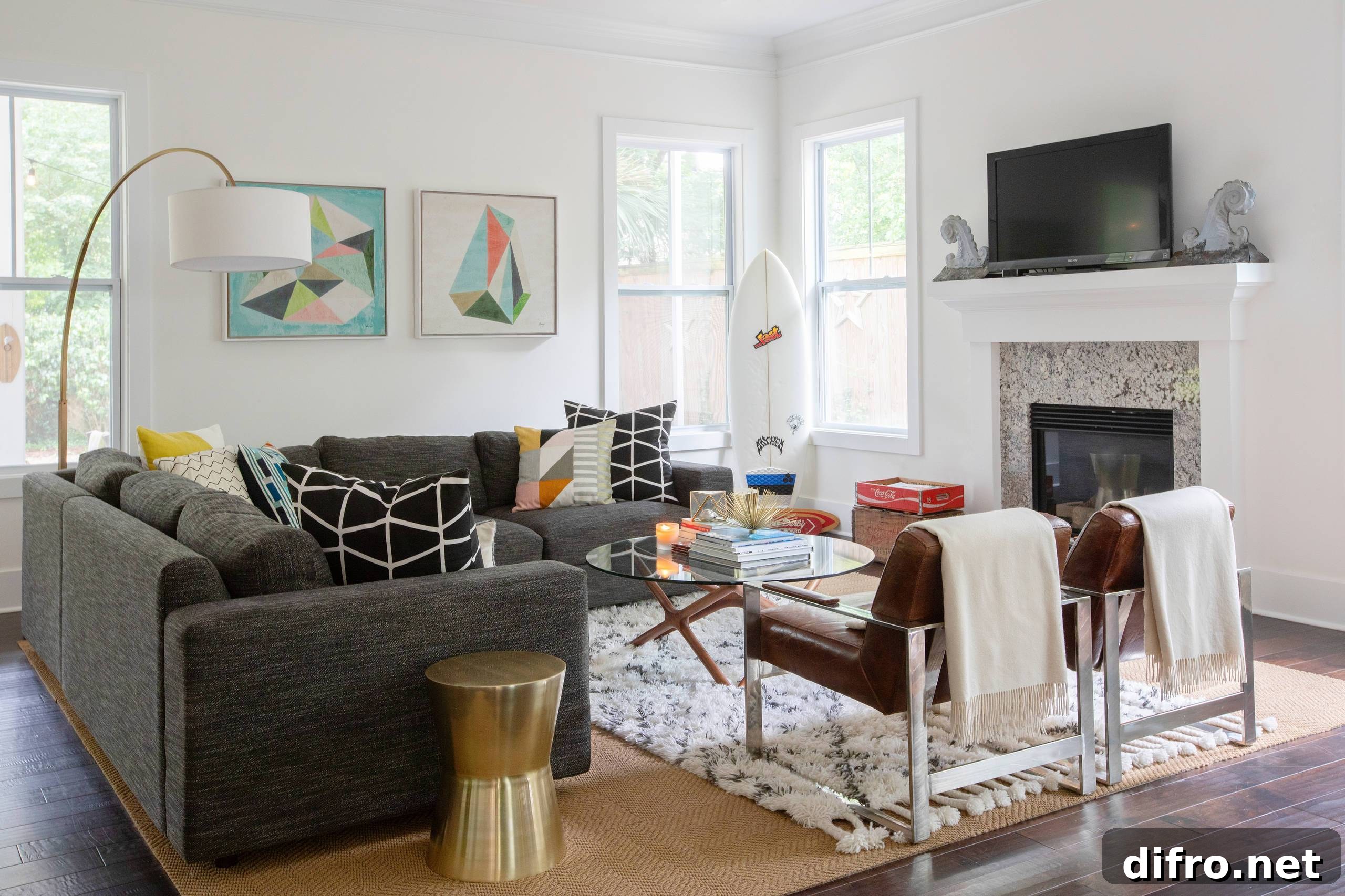
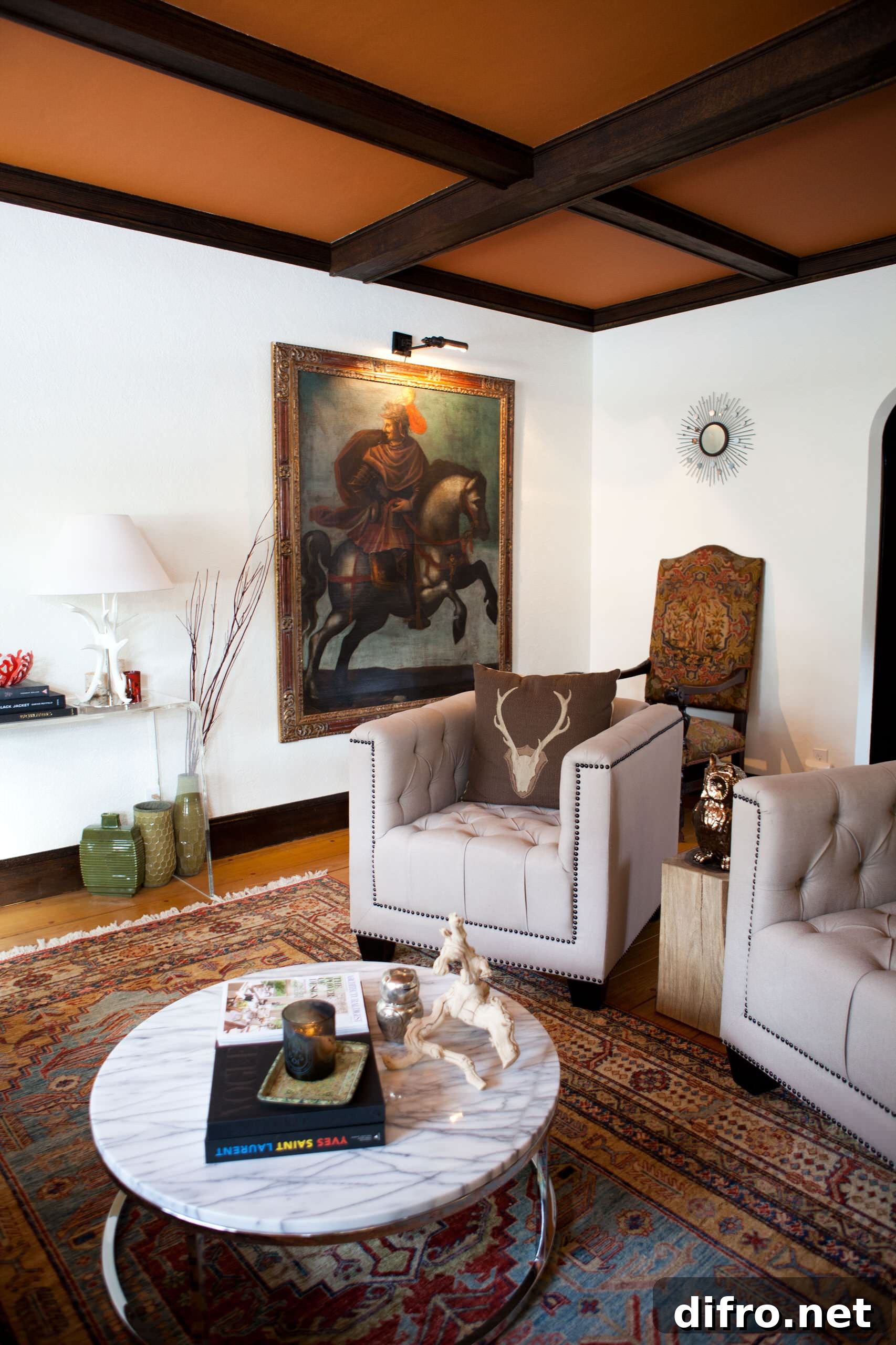
Mixing styles is less about following strict rules and more about thoughtful decisions: choose shared materials, stick to a cohesive color palette, let architectural elements guide you, and update meaningful pieces so they feel current. With these strategies, you can create an interior that feels layered, personal, and beautifully balanced.