The last two years have reshaped interior design in ways no gradual trend could. A global pandemic altered how we live, work and use our homes: remote work, hybrid schooling, and the need for healthier living and better ventilation changed priorities. As families carved out ergonomic home offices and flexible living spaces, room dividers rose in popularity—especially smart, multifunctional solutions that define spaces without closing them off.
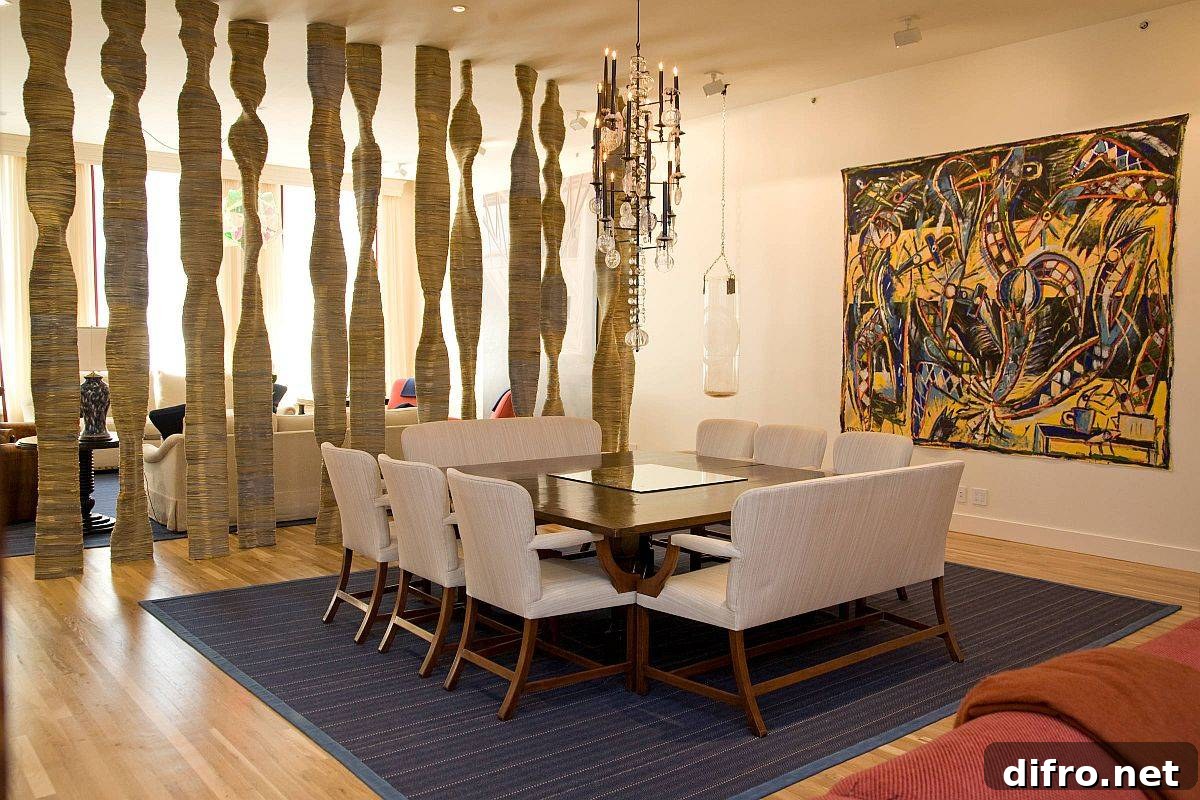
Room dividers offer an ideal way to create a room-within-a-room without committing to a permanent wall. They give privacy, organize space, and preserve light and airflow—key considerations for healthier living and multifunctional homes. With many homeowners looking to delineate zones while maintaining an open-plan feel, clever room dividers are a practical and stylish solution.
Finding the One You Need
Choosing the right room divider starts with understanding what you need it to do. Consider three core questions: What function should it serve (privacy, storage, display, acoustic control)? How will it fit with the room’s materials and scale? And what is your budget? Matching material and finish to the existing décor ensures the divider feels intentional rather than tacked on.
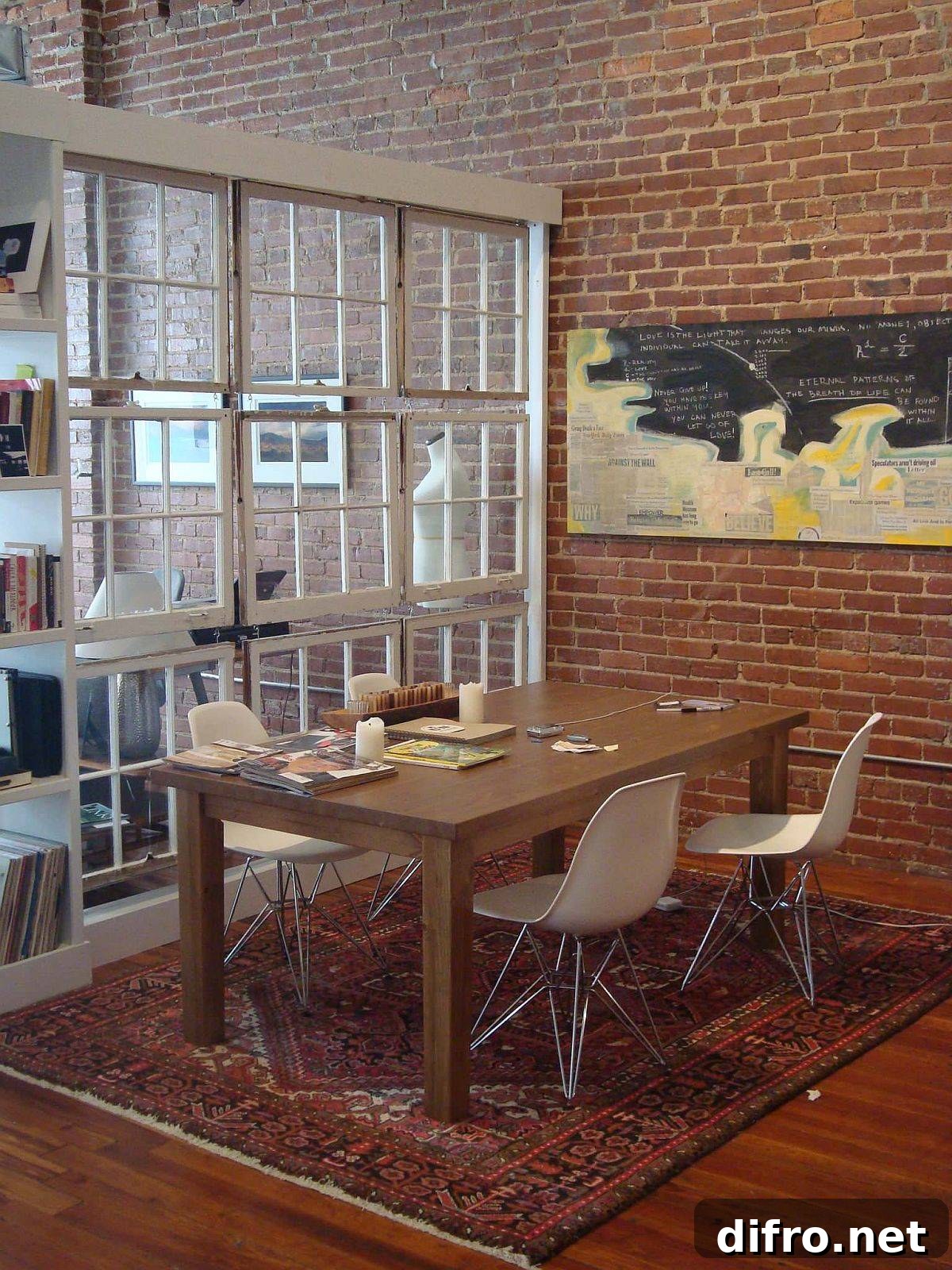
Custom or bespoke dividers are an excellent option when standard pieces don’t meet your needs. Working with a craftsman, carpenter or local designer makes it easier to pick the right material—wood, metal, glass, or a hybrid—and to include custom features such as shelving, integrated desks, or cable management for a home office setup.
Multifunctional Room Dividers
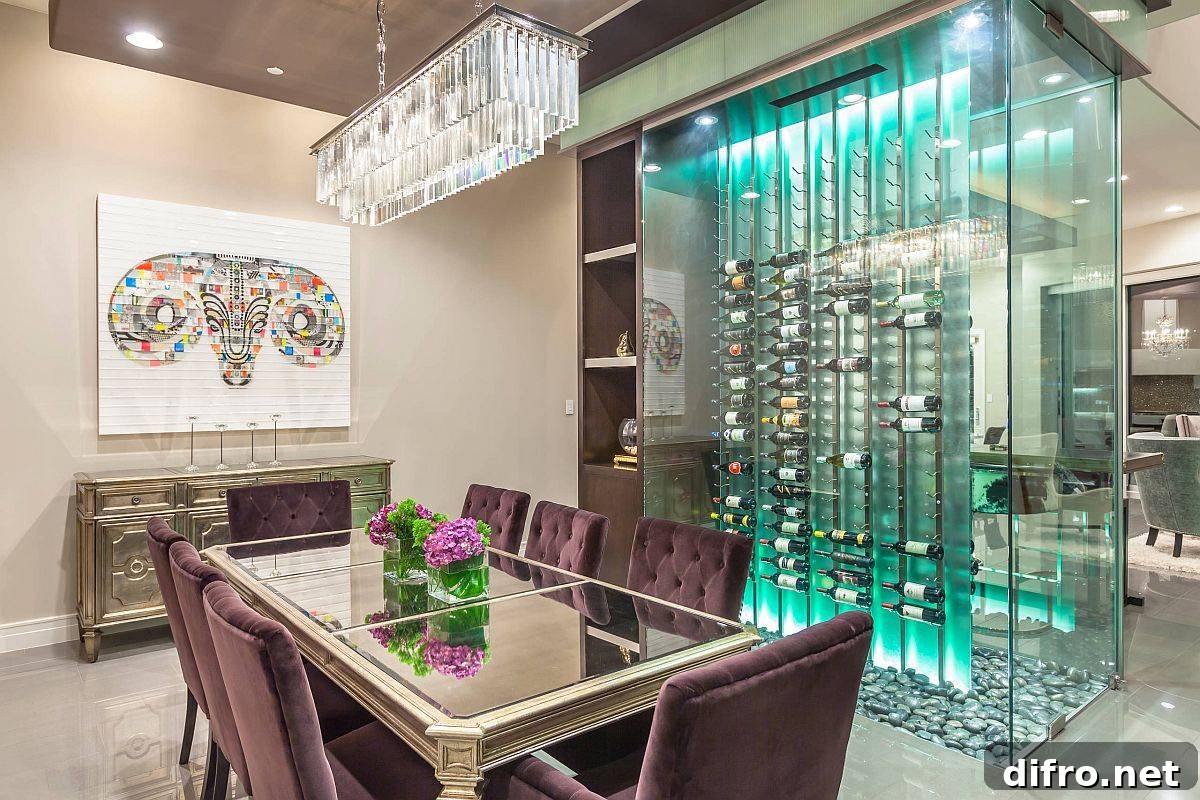
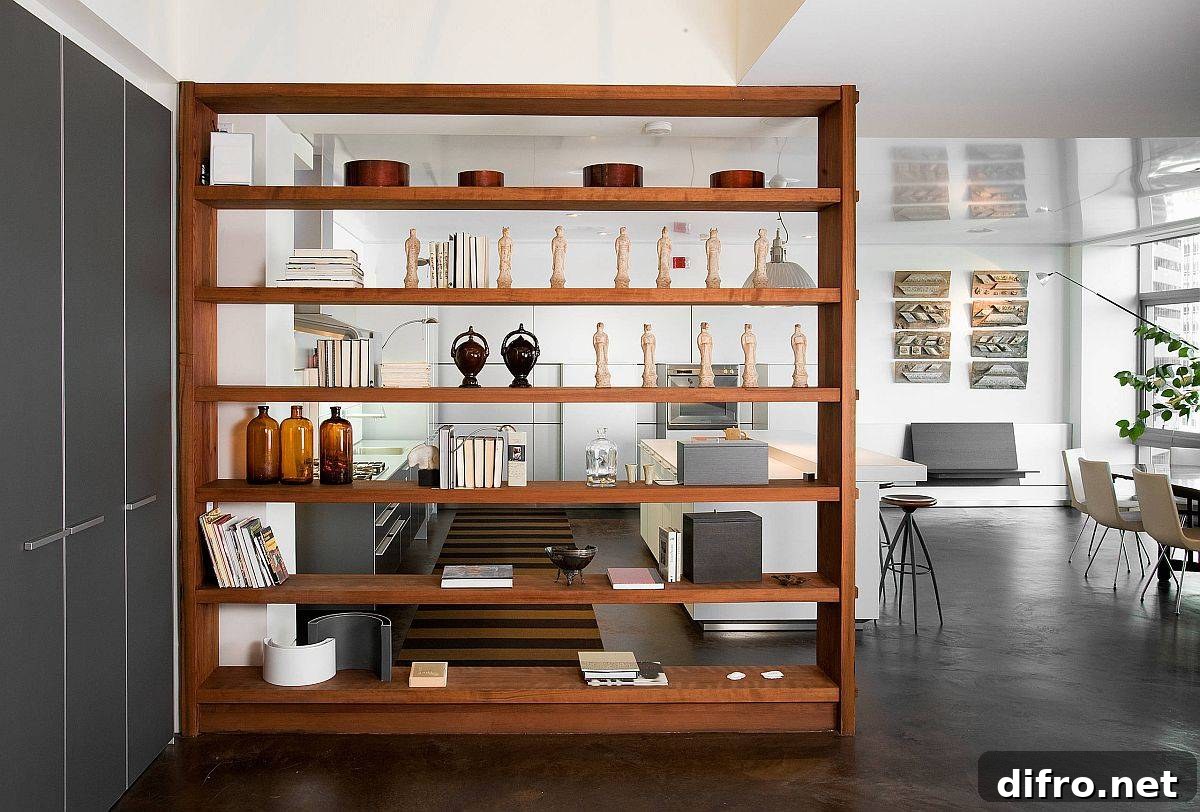
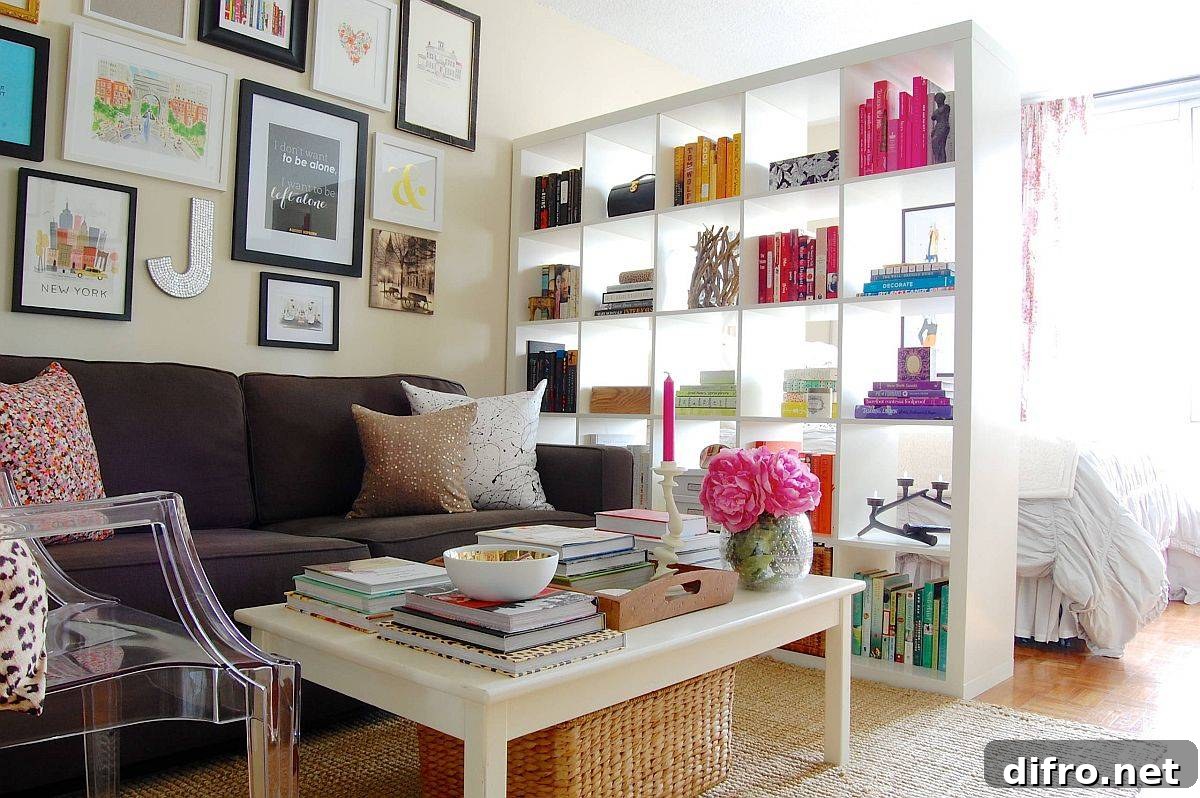
Homes today need to multitask, so room dividers should, too. Popular multifunctional options include open bookcase dividers that offer display and storage, double-sided fireplaces that define adjacent zones, half-walls with cabinets, and glass enclosures that showcase collections while preserving sightlines. You can even hide a compact single-wall kitchen behind carefully designed panels or disguises to maintain a calmer living area when the kitchen isn’t in use.
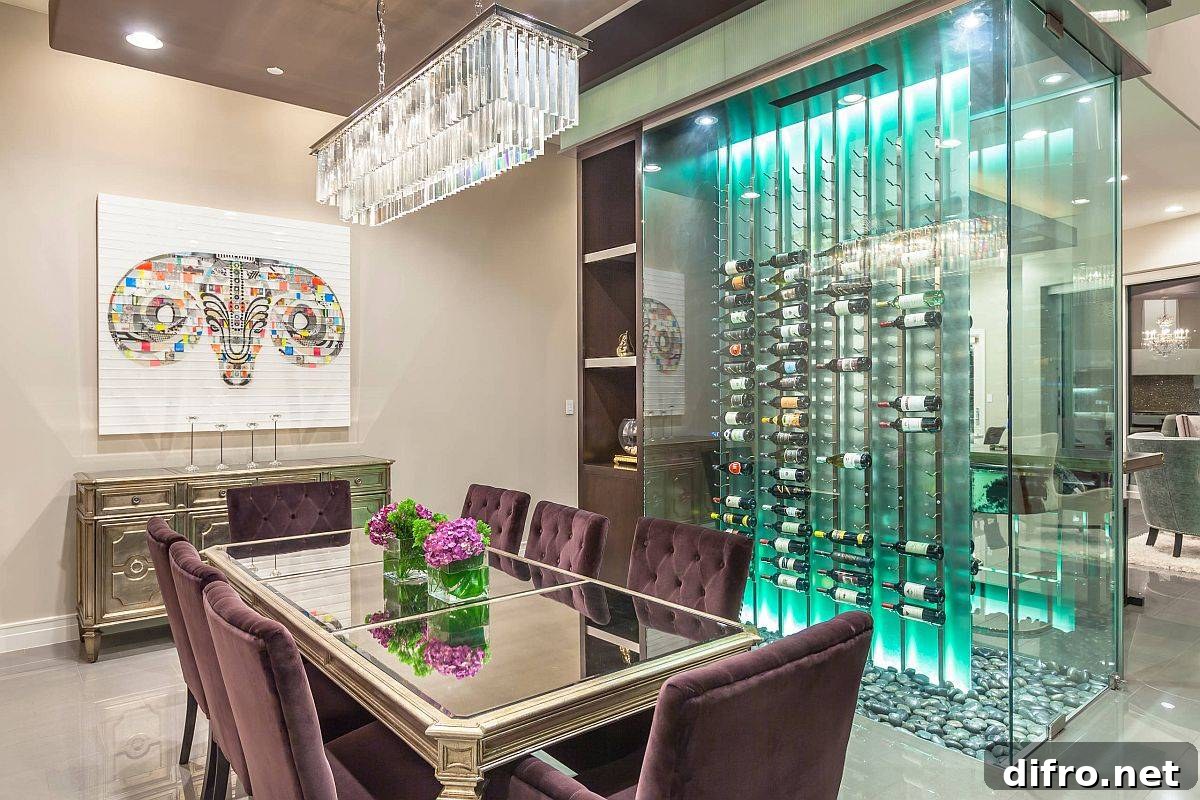
Think about how a divider can add value beyond separation. Add a fold-down desk to create a tucked-away home office, integrate a wine rack or cellar for entertaining, or include adjustable shelving to adapt as your needs change. These multifunctional solutions maximize square footage while keeping the space visually open and airy.
Contrast and Style
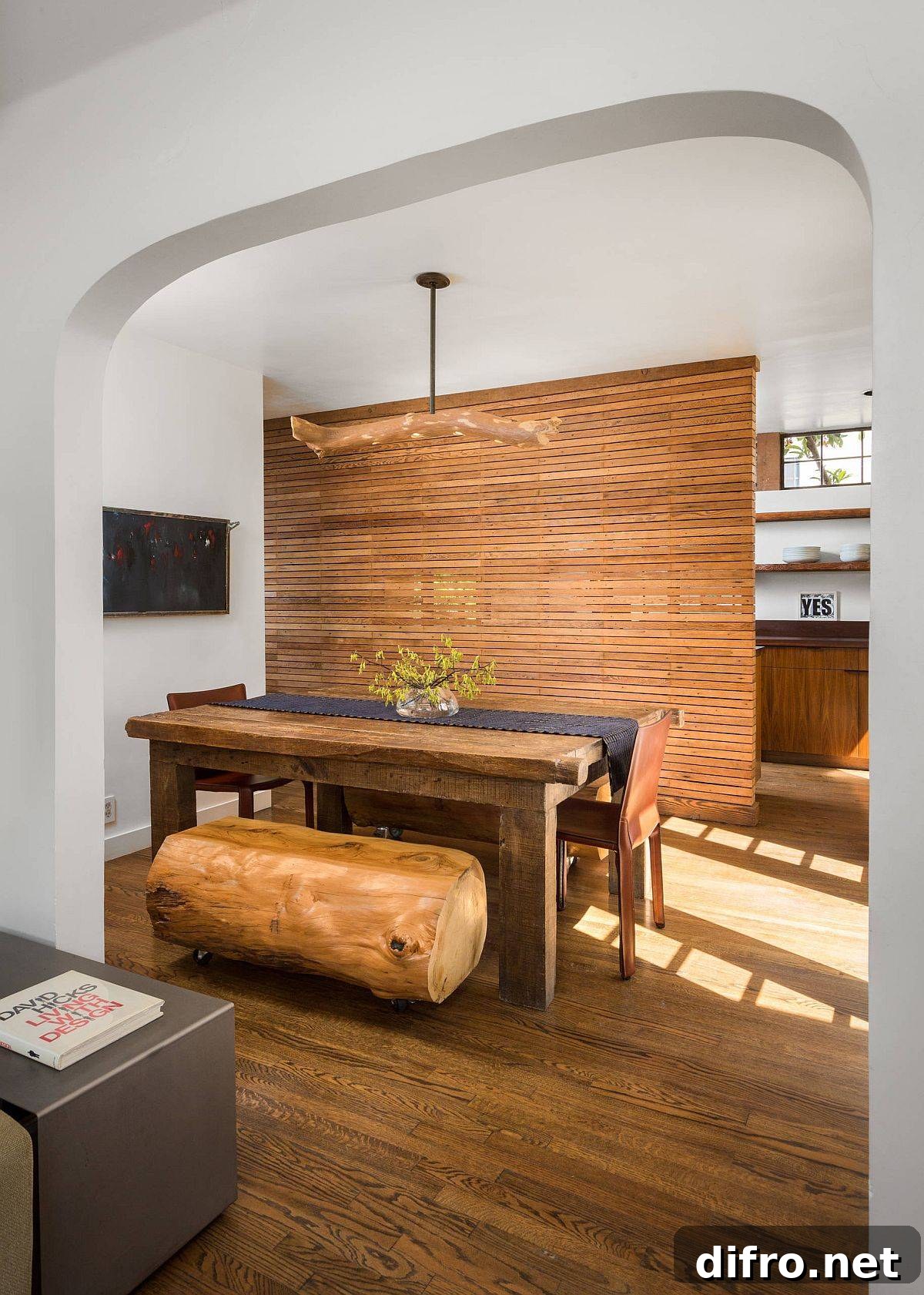
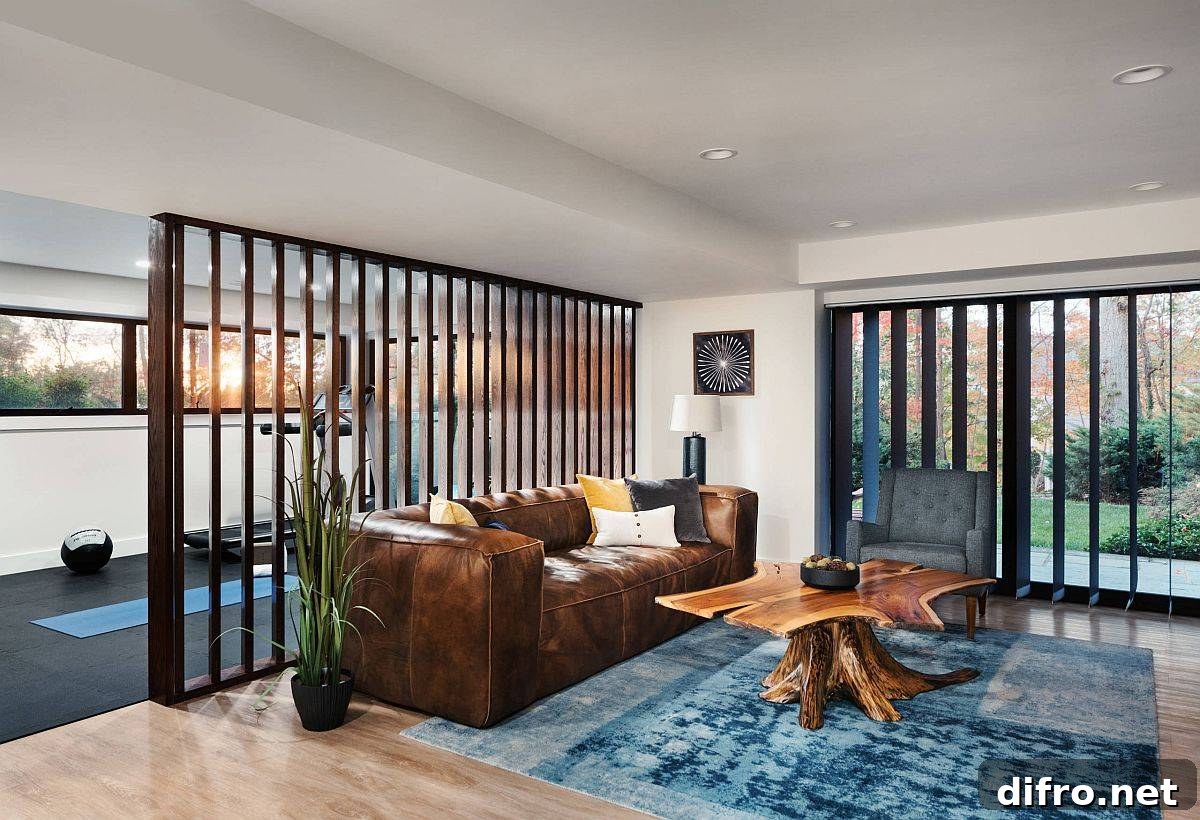
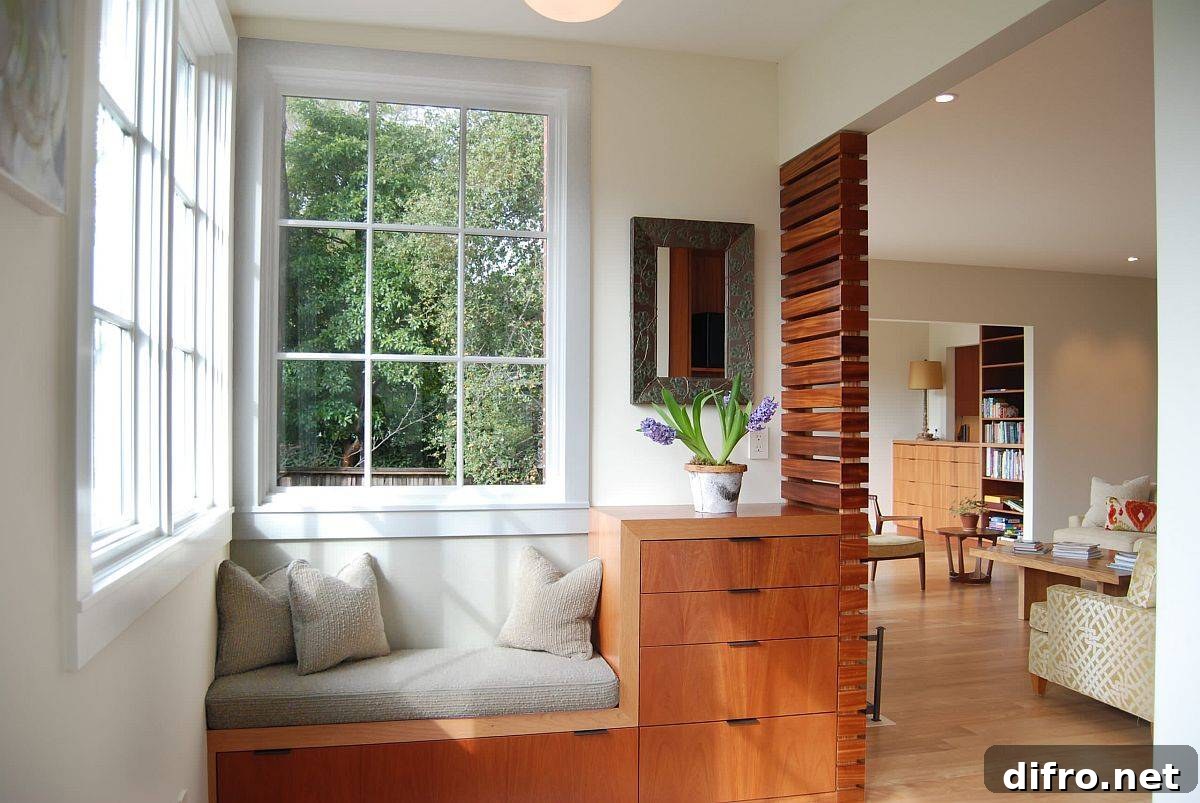
Beyond function, a room divider contributes to a room’s visual language. Wood slats are trending because they add texture, maintain sightlines, and take up minimal floor space. Vertical slats emphasize height, while horizontal slats read wider and can visually lower a ceiling—choose the orientation to influence the room’s proportions.
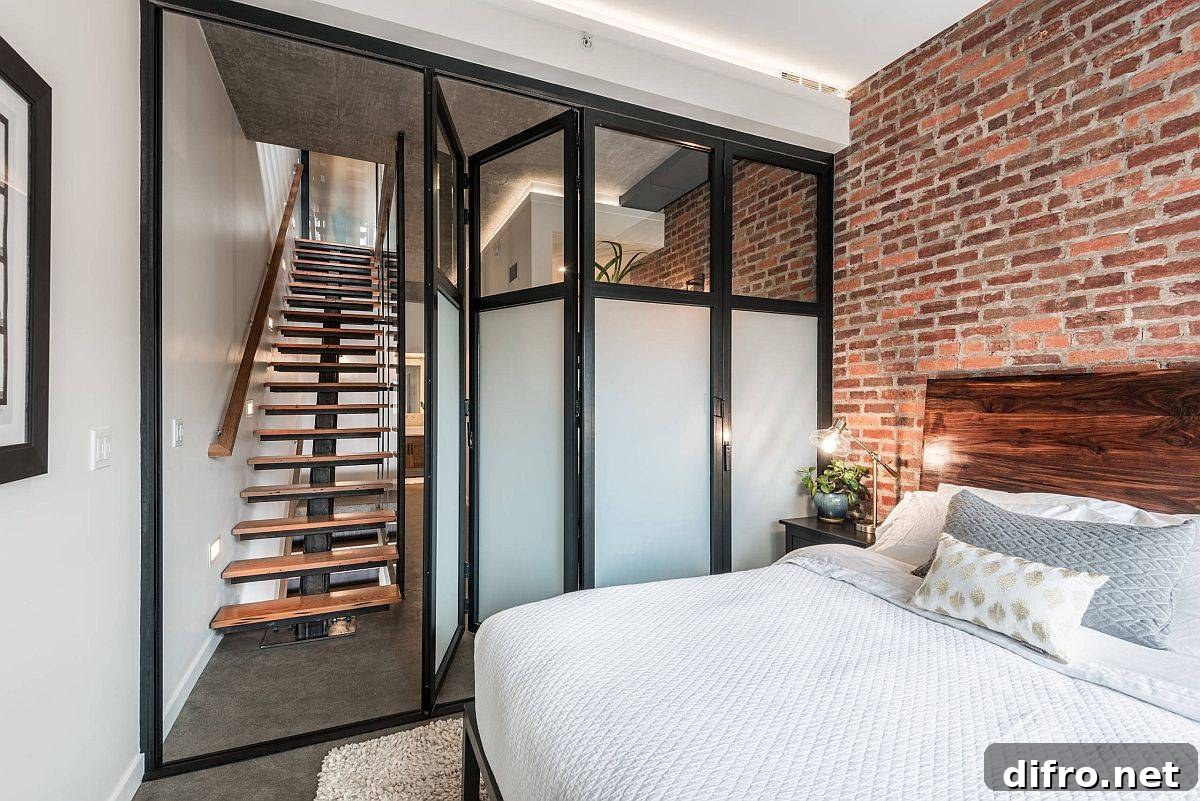
Material choices—from warm, grainy oak to black metal framing or frosted glass—create different moods. Open designs preserve light and sightlines for small spaces, while denser options provide more acoustic privacy. Consider finishes that complement existing furniture and flooring, and think about how the divider will read from both sides, especially in open-plan layouts.
When planning a divider, test sightlines, light and traffic flow before finalizing placement. Measure twice and account for door swings, window light and electrical needs if you plan to add lighting or electronics. With careful planning, a well-chosen room divider will bring privacy, flexibility and style—turning a single large room into a collection of purposeful, beautiful spaces.