Plaid often brings to mind cozy holidays, rustic cabins and timeless charm. It’s not for everyone—some consider it old-fashioned—but in recent years plaid has returned to interior design alongside farmhouse, rustic and industrial styles. Plaid adds pattern and a traditional touch to contemporary rooms, especially those with neutral palettes or layered textures. Below we explore practical, stylish ways to introduce plaid into your home, from wallpaper and sofas to carpets, drapes and small accents.
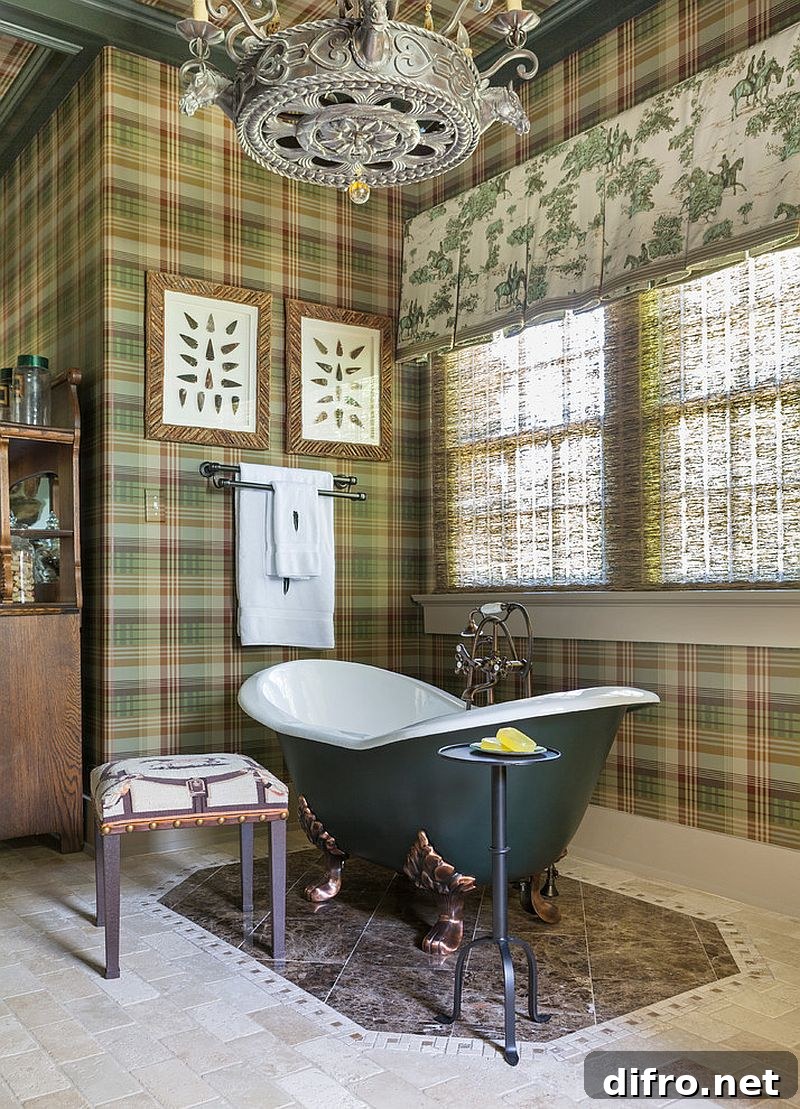
Plaid is immediately recognizable: intersecting lines that form checks in a range of scales and colors. Whether subtle or bold, plaid appears across wallpaper, upholstery, rugs, bedding and accessories. Reds, grays and blues work particularly well, but plaid can be tailored to almost any color scheme to bring cohesion and visual interest.
Wallpaper that Rolls Back Time!
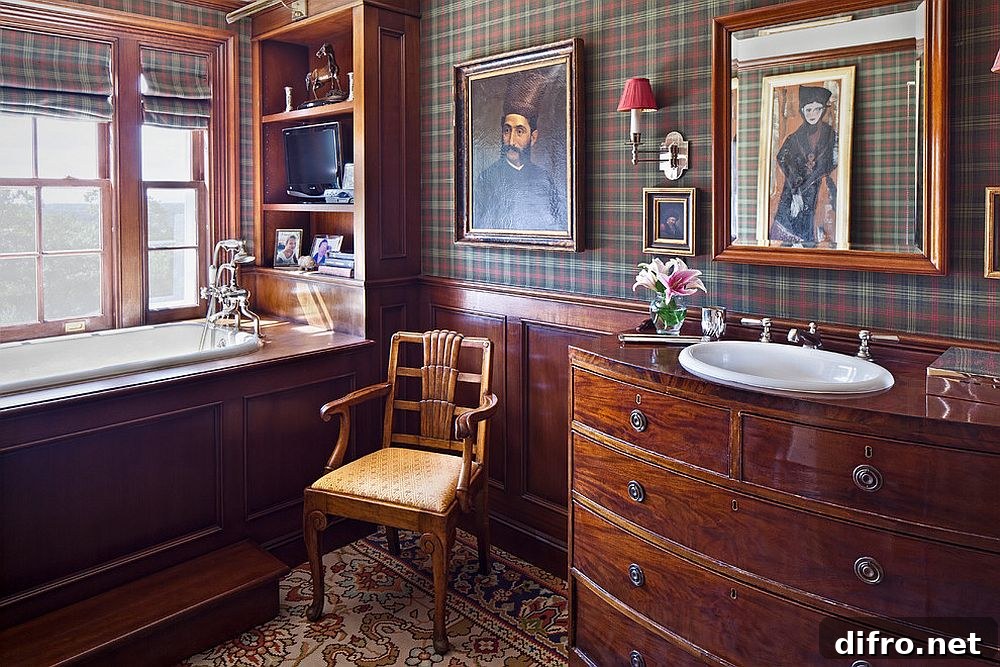
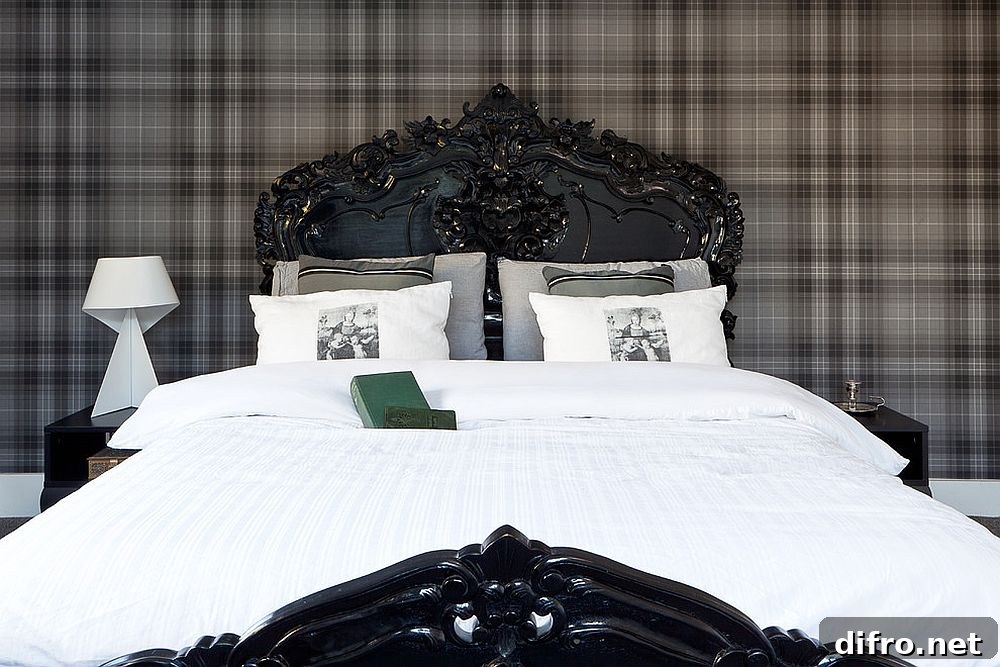
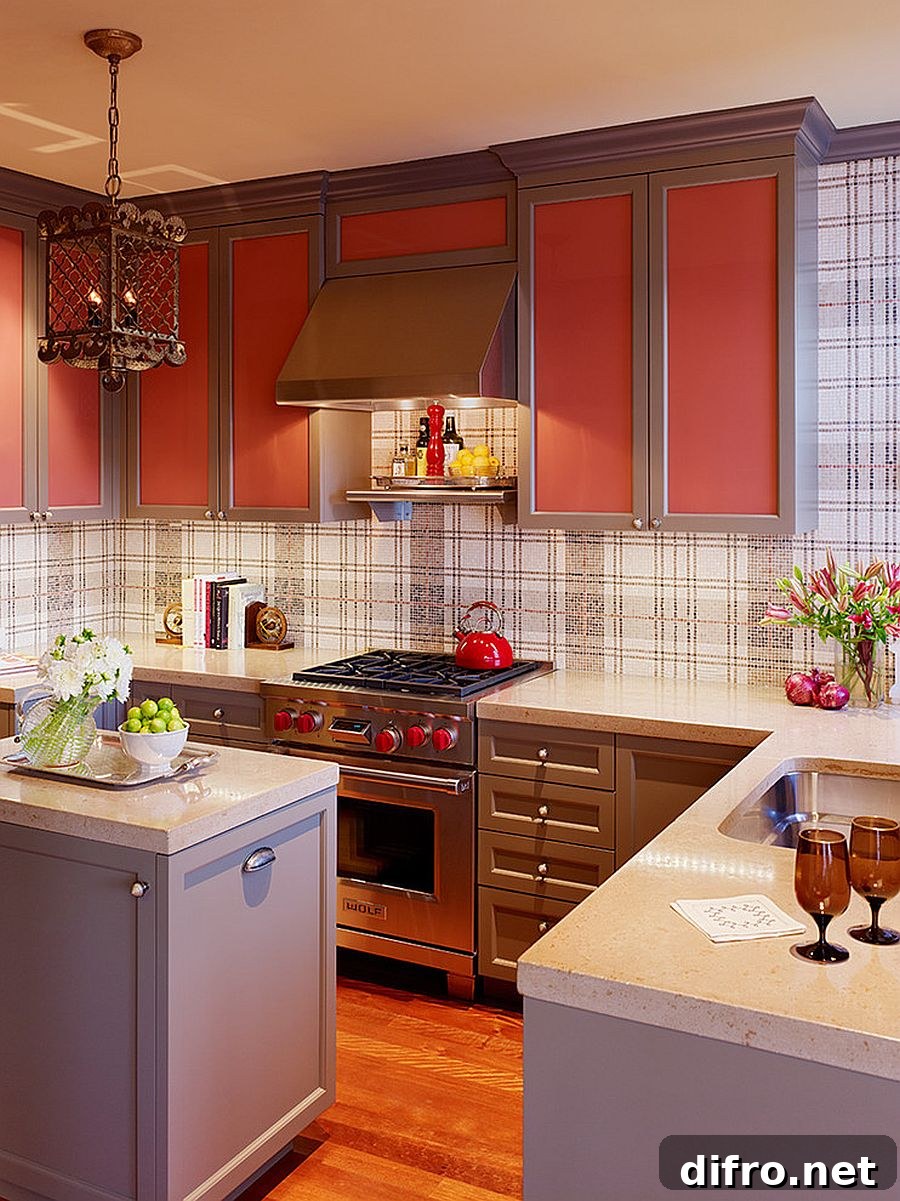
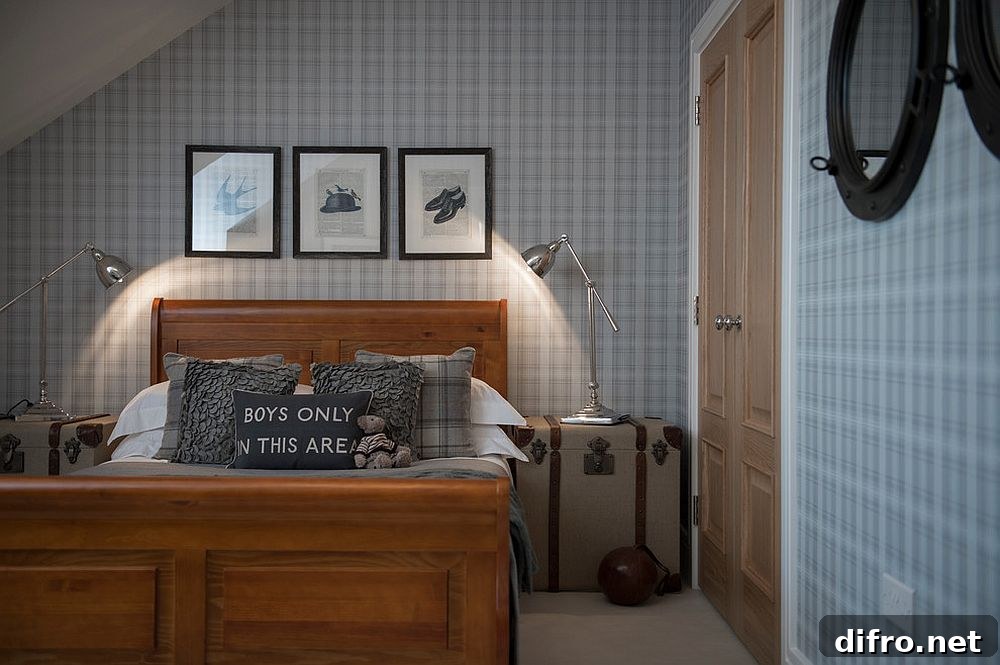
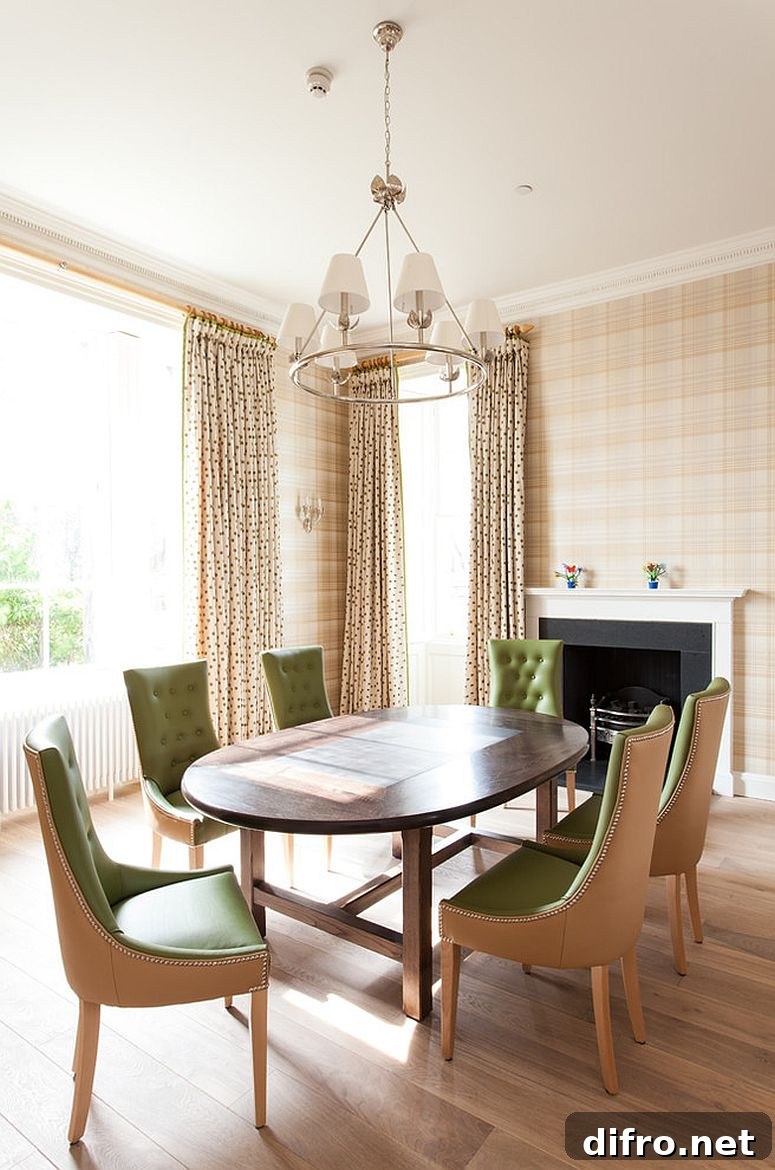
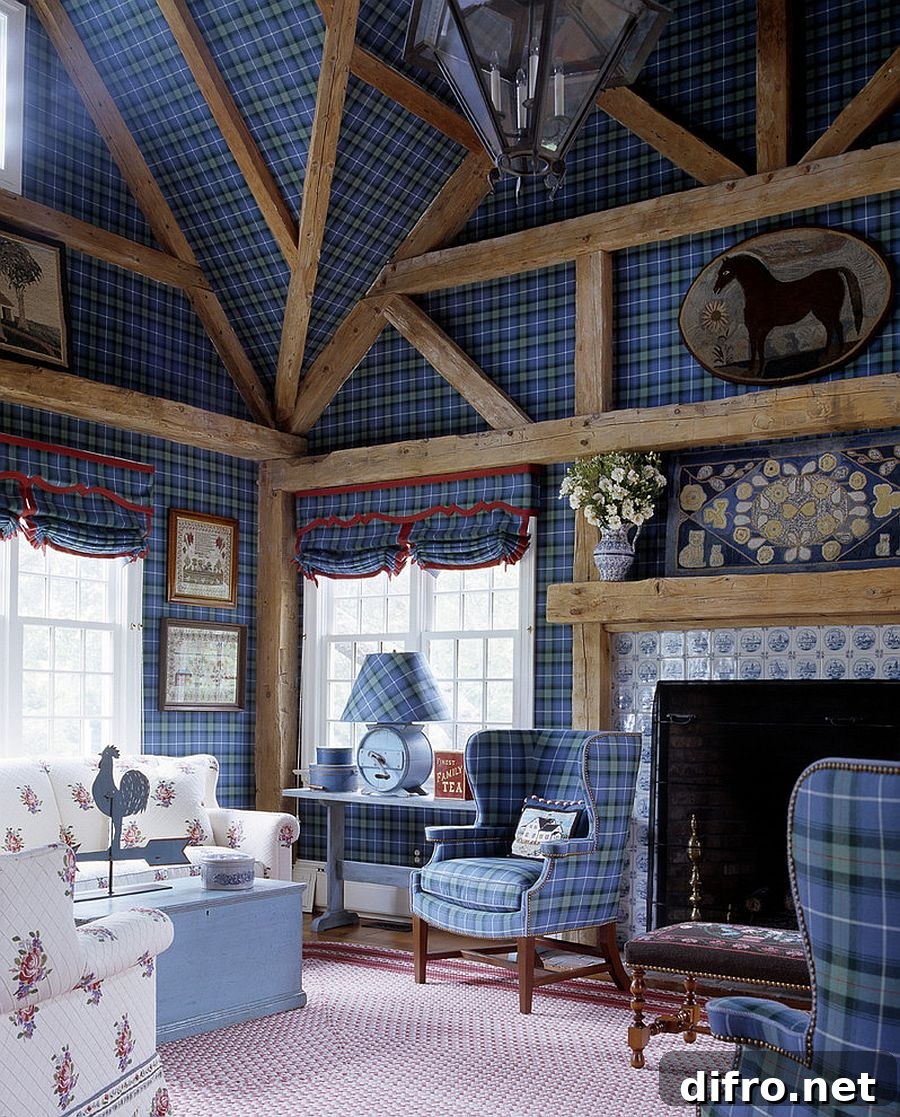
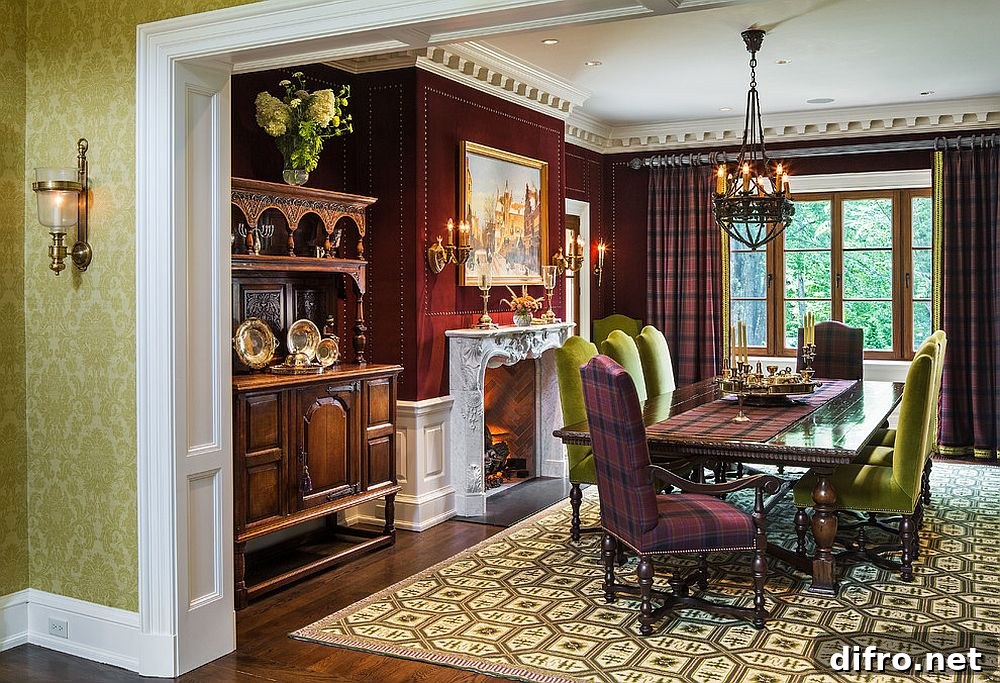
Wallpaper and plaid were largely set aside during the minimalist trends of the 1990s, but wallpaper has enjoyed a modern resurgence. Plaid wallpaper delivers pattern without overwhelming a room and can work equally well as a soft, neutral backdrop or as a bright, characterful focal point. Use plaid wallpaper to anchor a dining room, define a bedroom accent wall or introduce texture in a kitchen or entryway. Pair it with simple moldings, warm woods and solid-color furnishings to keep the look contemporary while honoring classic style.
Sofas in Plaid
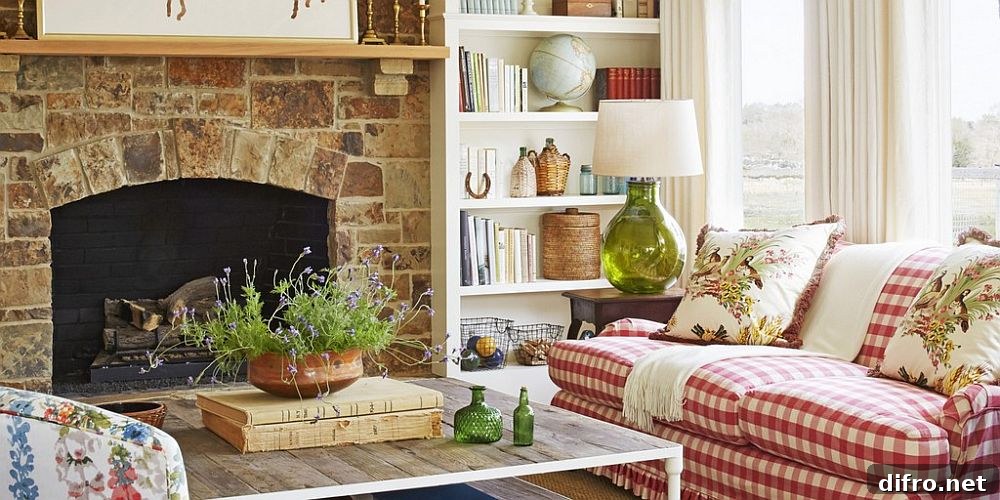
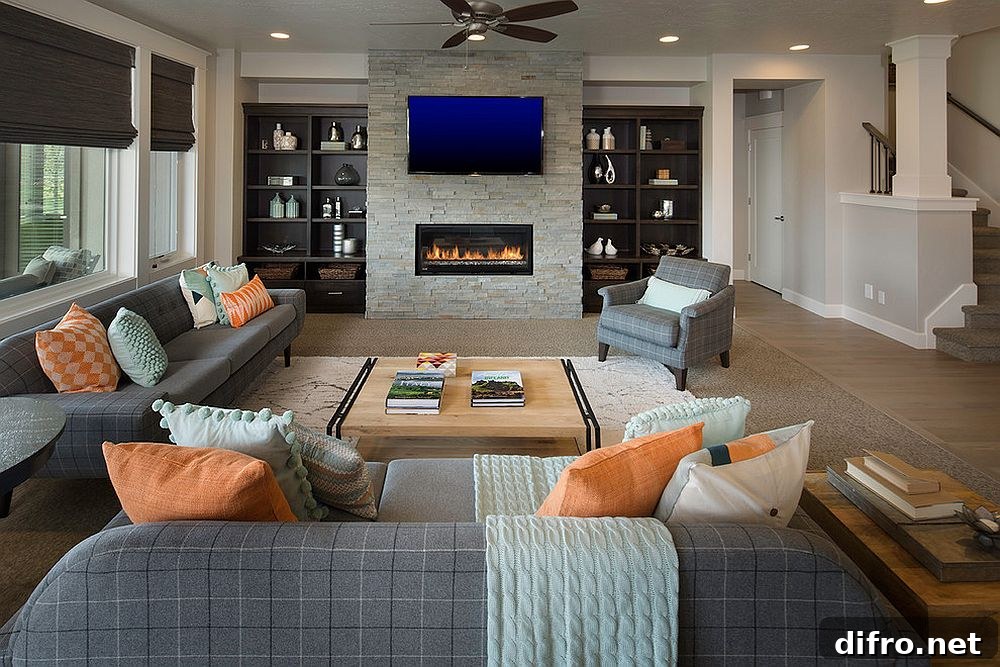
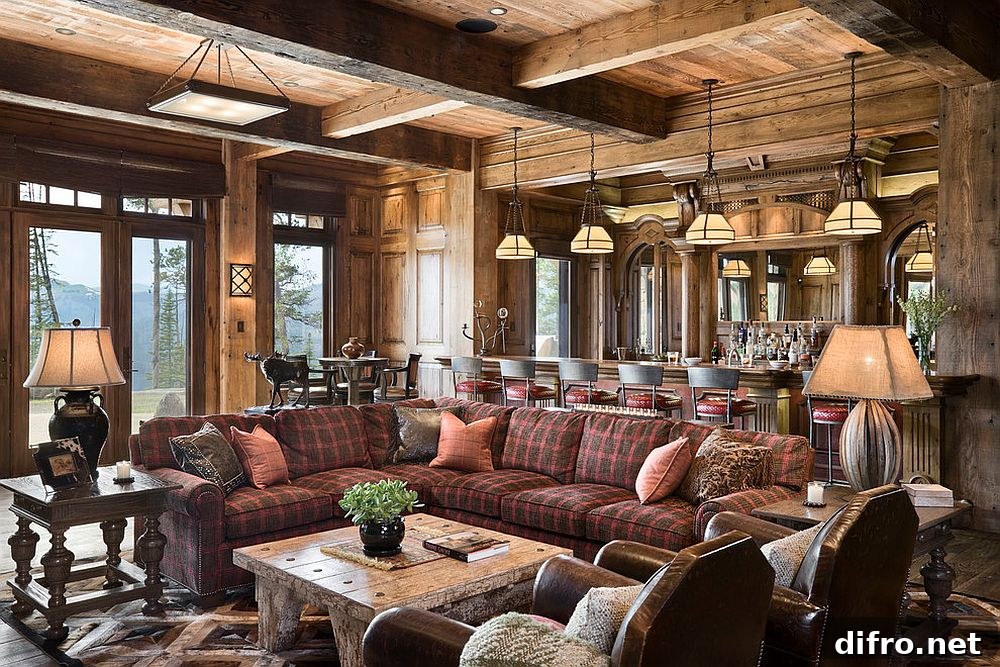
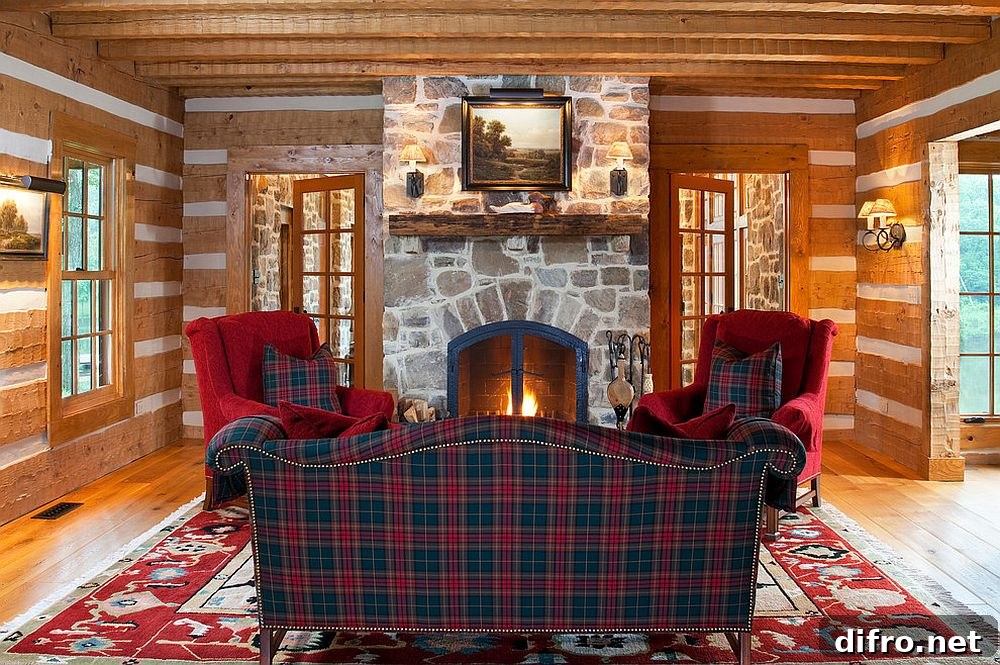
Plaid sofas are less common than wallpaper but they make a bold, committed statement. They suit rustic and farmhouse interiors, cozy cabins and traditionally styled family rooms. A red plaid sofa can feel especially fitting in a masculine den or a classic man cave, while neutral plaids—grays, blacks, blues—fit easily into contemporary schemes. When choosing a plaid sofa, balance the pattern with simpler surrounding pieces: solid throws, textured rugs and understated side tables help keep the room grounded.
A Carpet that Steals the Spotlight
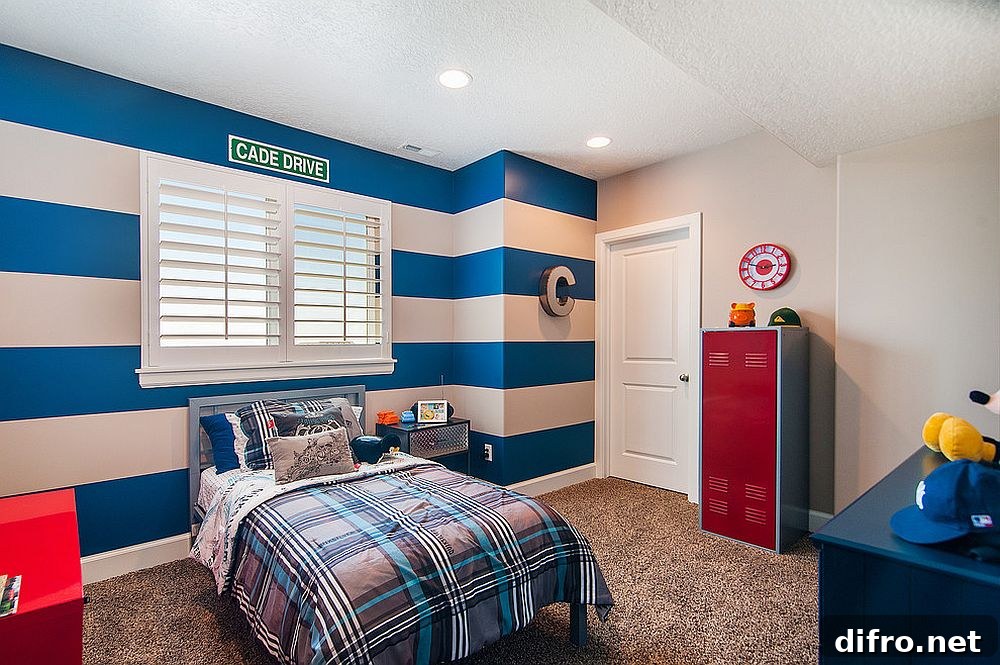
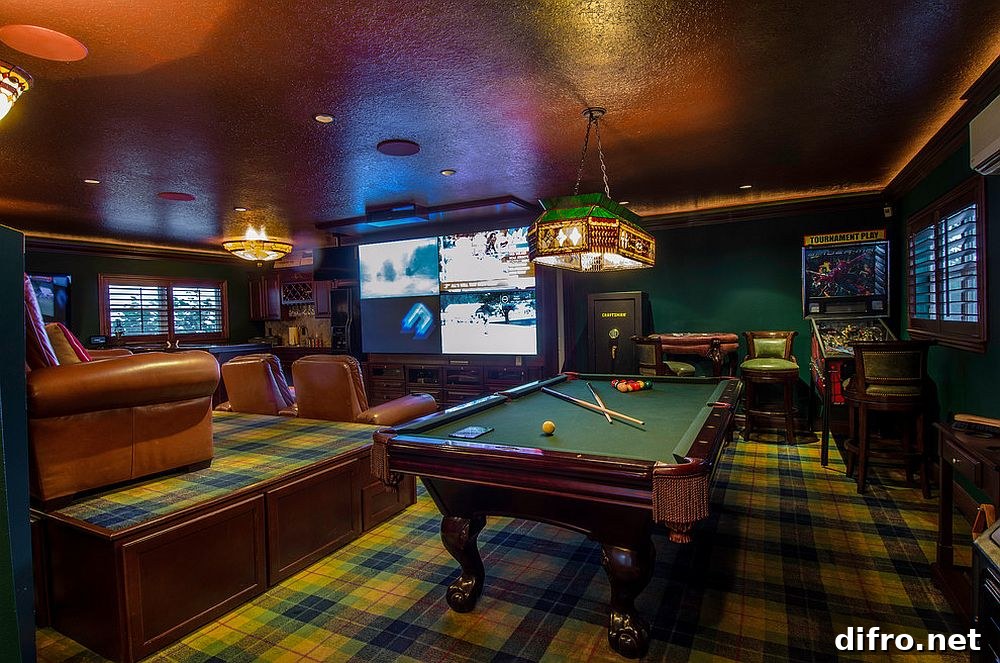
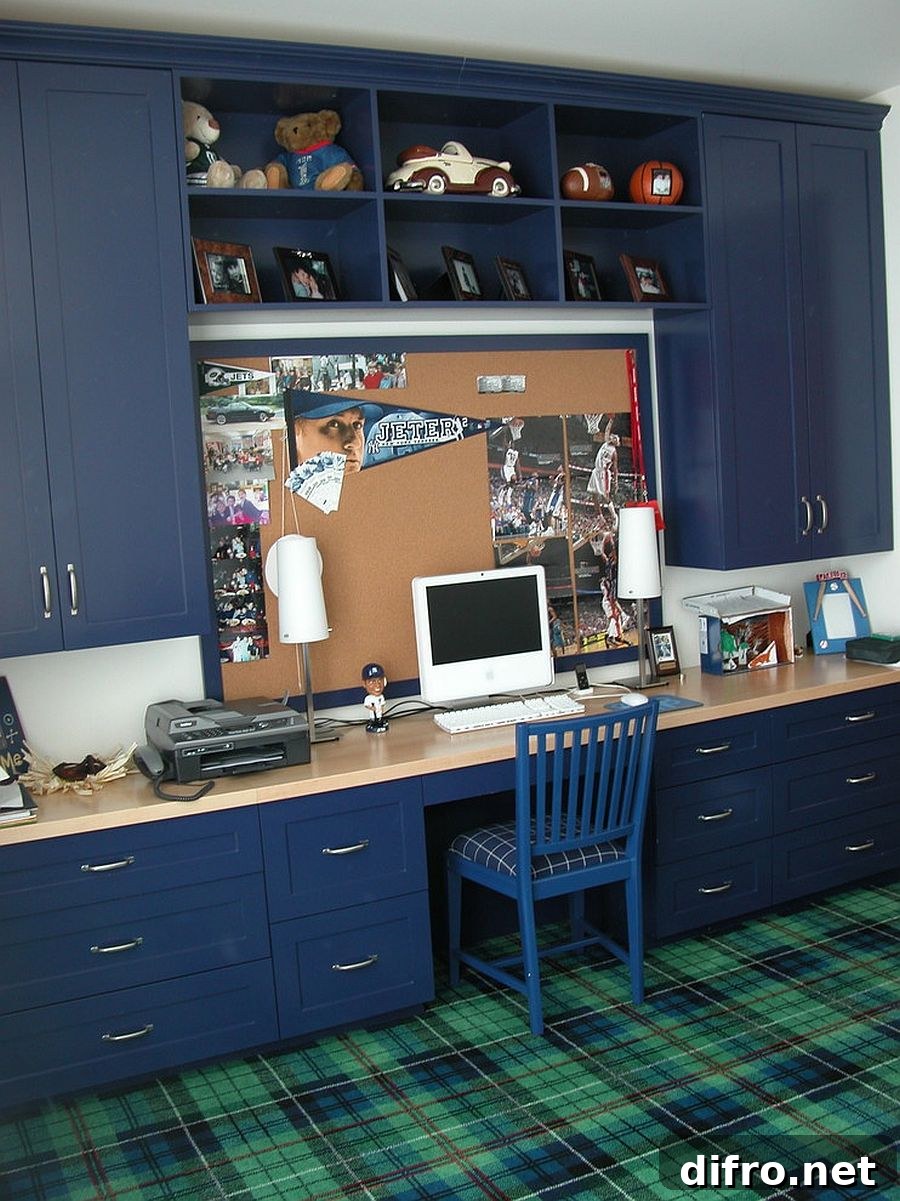
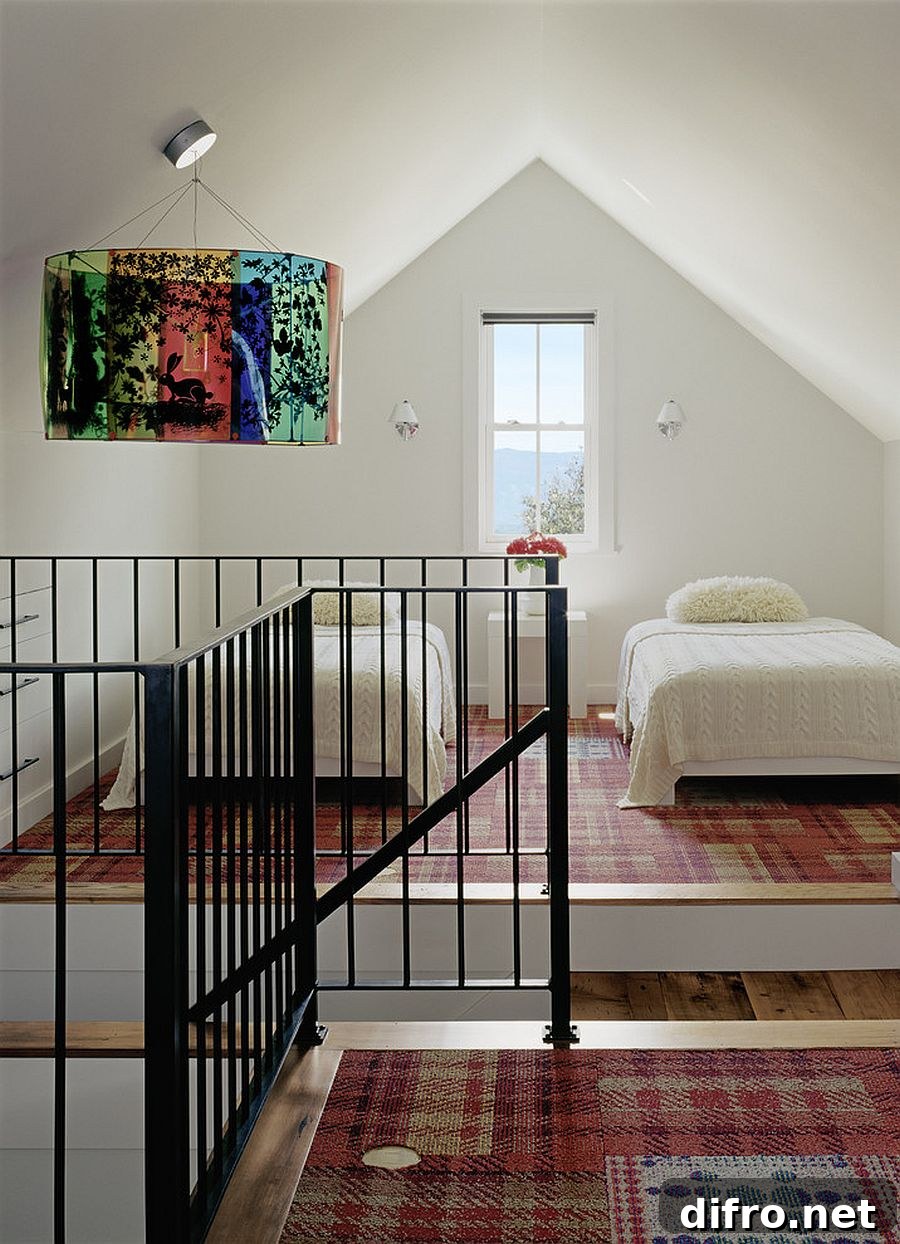
Plaid carpet can feel daring in a colorful room, but it shines in contemporary or neutral interiors where it becomes the focal point. Use a plaid rug to tie together various accents—cushions, throws, art or furniture—so the space reads as curated and cohesive. Plaid carpets are excellent in bedrooms, home offices and children’s rooms, where the pattern adds energy without cluttering the visual field.
Drapes with a Difference
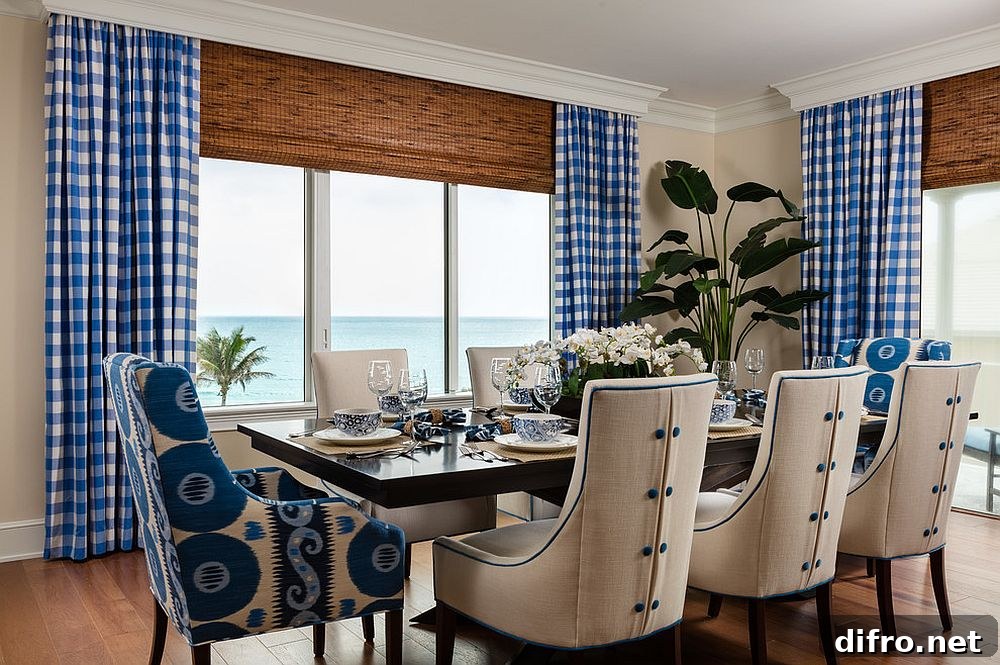
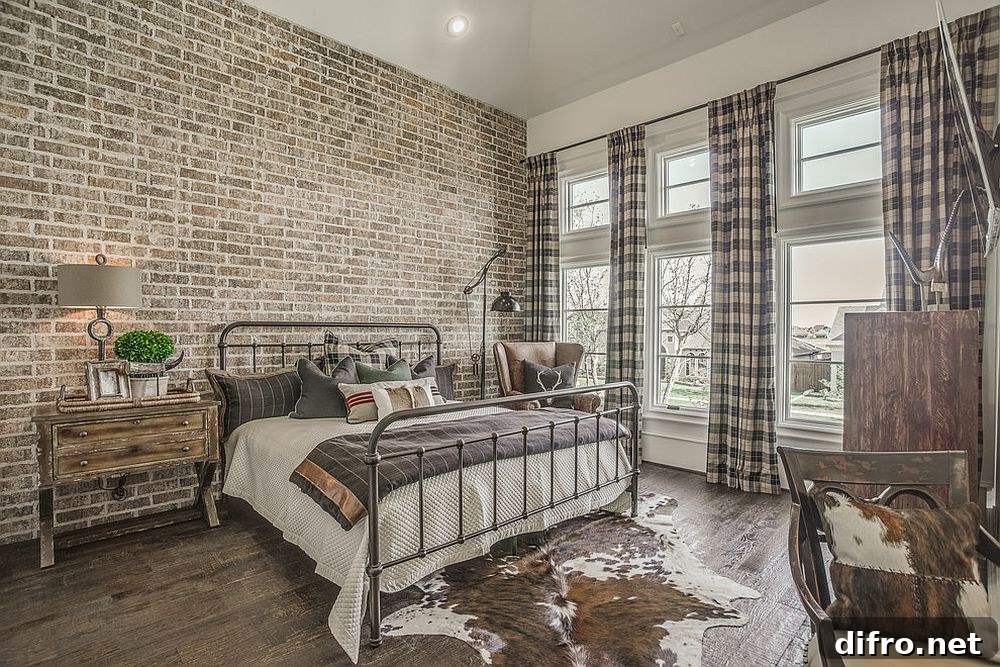
Plaid curtains are among the most enduring applications of the pattern. Even during neutral design phases, plaid drapes remained popular for their warmth and seasonal appeal. They’re a staple of country-chic interiors, but they also complement industrial and modern-traditional rooms. Plaid curtains frame windows beautifully and can be layered over woven shades for added texture and dimension.
Start Small and Stylish
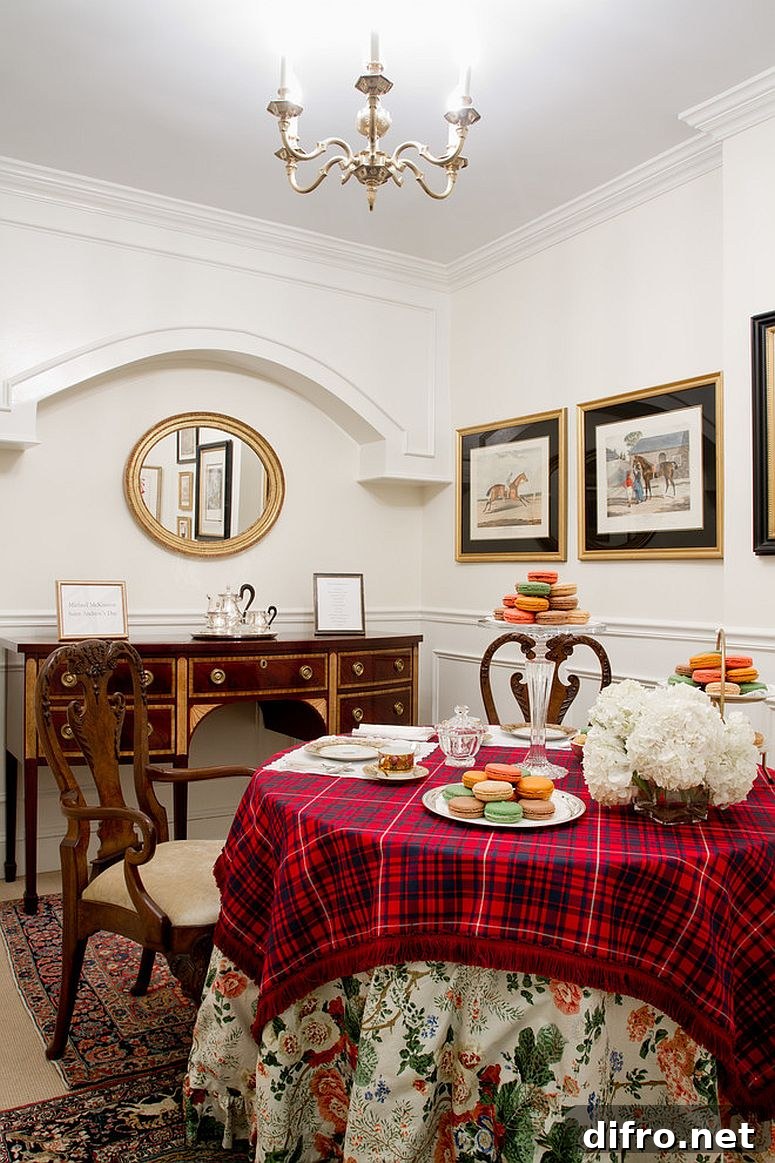
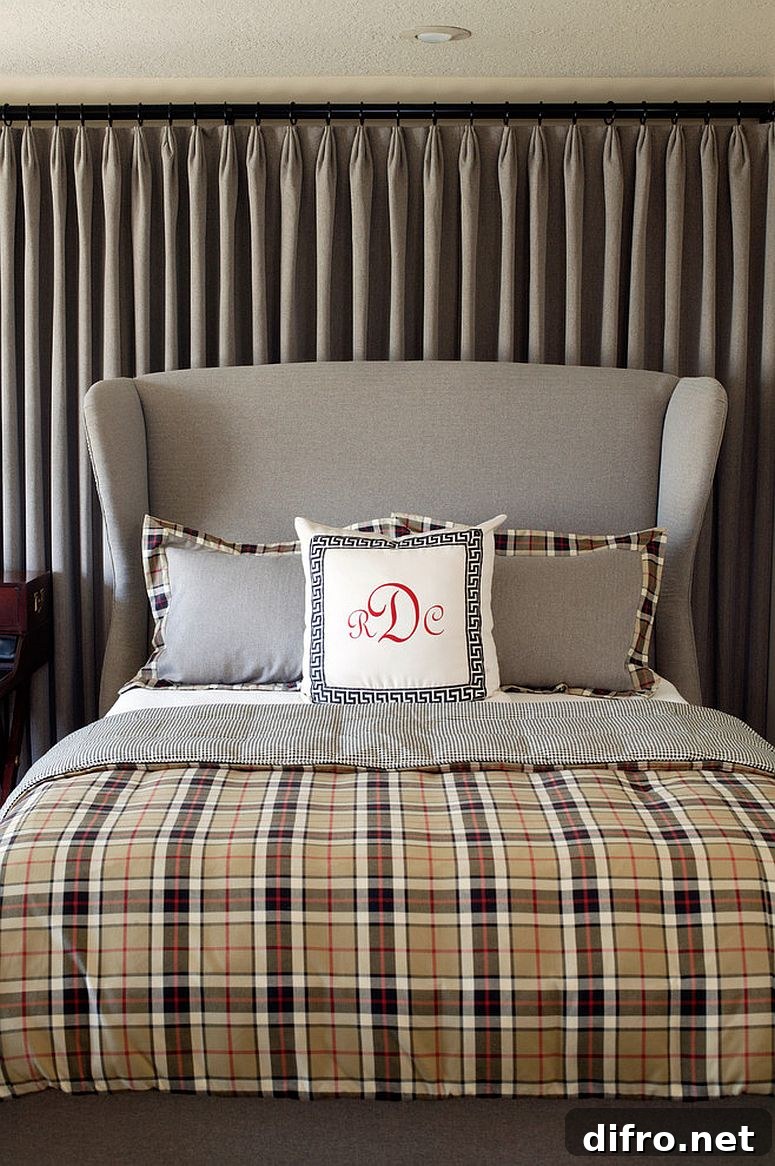
If you’re unsure about a big commitment, introduce plaid through accessories first. A plaid table runner, a tablecloth for outdoor gatherings, throw pillows, bedding or a single accent chair can test the pattern without overwhelming your space. Once you see how plaid interacts with your palette and furnishings, you can scale up—adding wallpaper, rugs or a sofa—while keeping the overall composition balanced and intentional.