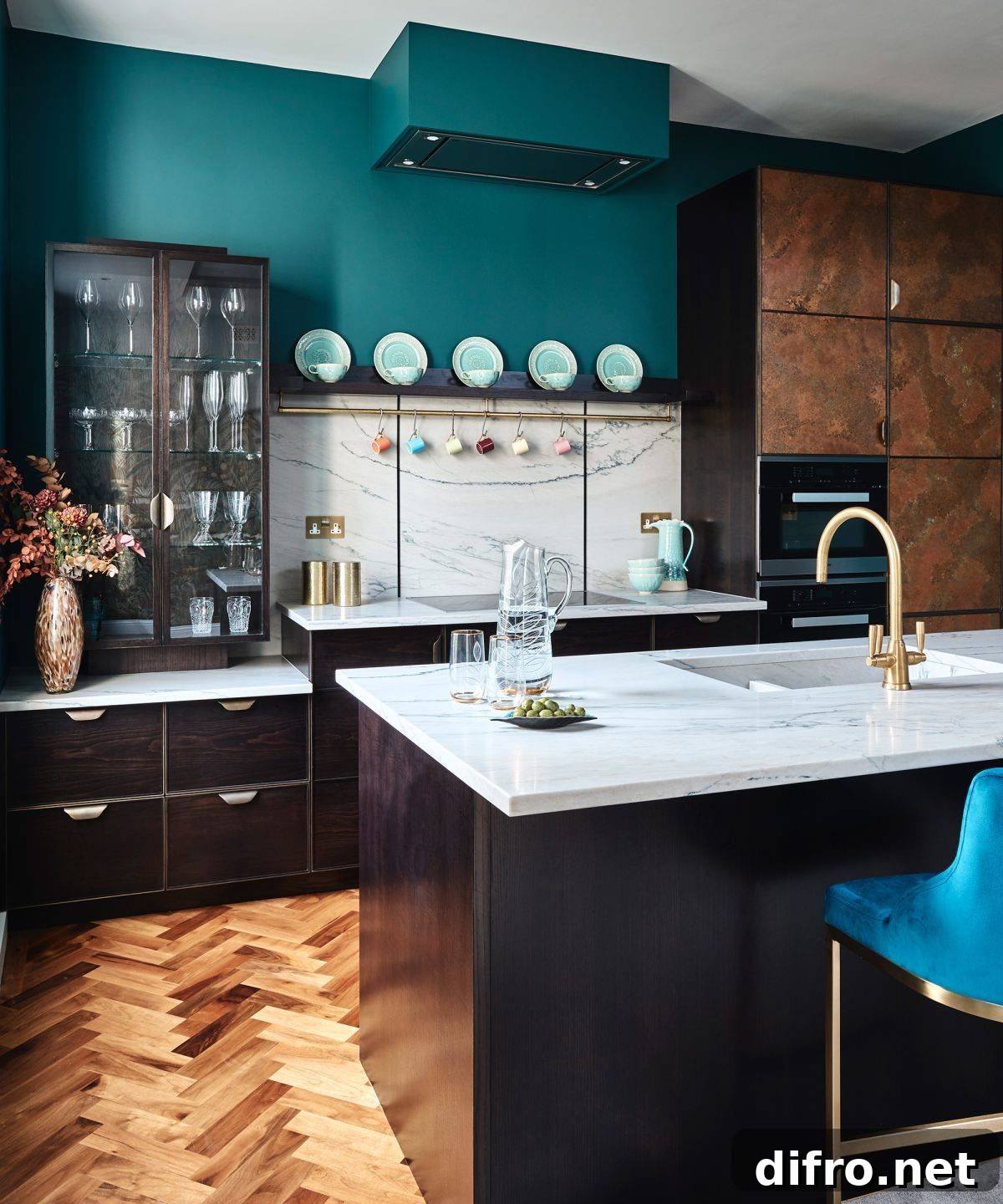
Undertaking a kitchen renovation is a major project that requires careful planning and thoughtful decision-making. Whether you’re building a new kitchen from scratch or refreshing the one you already have, choosing the right colors plays a huge role in the final result. Color sets the mood for the space—making it feel modern, cozy, airy, bold, or traditional—and it’s one of the quickest ways to transform the tone and perceived size of a room.
When picking paint or cabinet colors, consider how the hue will interact with light, finishes, countertops, flooring, and hardware. The right shade can highlight architectural details and materials, while the wrong choice can date the space or make it feel smaller. Below are five top color choices that work especially well in kitchens, followed by five colors to avoid if your goal is longevity, resale value, and overall visual appeal.
5 Best Colors
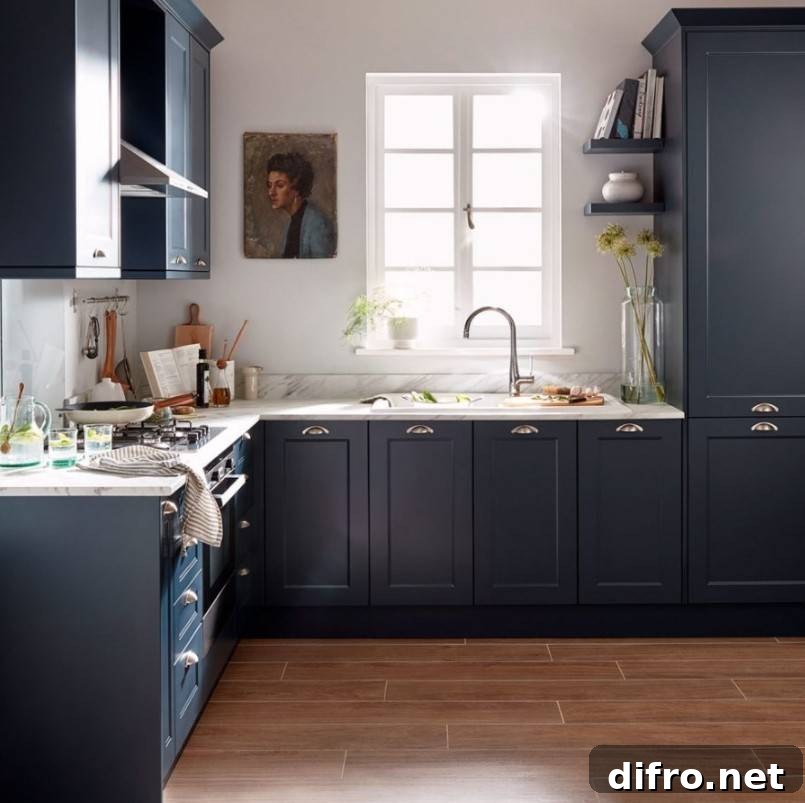
Dark colors
Dark shades—such as deep navy, charcoal, chocolate brown, and black—create dramatic contrast and a sophisticated, modern look. When balanced with lighter countertops, reflective backsplashes, or brass and stainless hardware, dark cabinetry or accent walls read as intentional and upscale rather than heavy. Use dark colors to anchor an island, frame a cooking zone, or add depth to an open-plan kitchen.
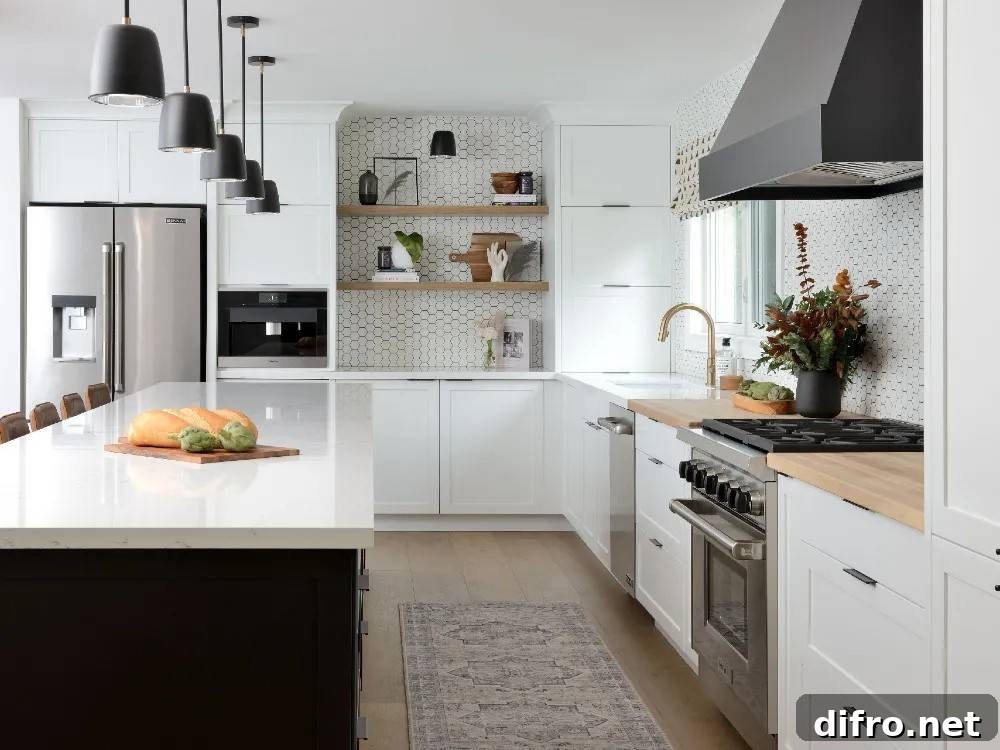
Classic White and Black
The black-and-white palette remains a timeless choice for kitchens. This high-contrast combination looks crisp with wood accents, marble or quartz countertops, and metal fixtures. White brightens the space and reflects light, while black adds definition and modern edge. Together they create a versatile backdrop that pairs well with nearly any accessory or finish.
Green
Green has surged in popularity because it brings a sense of calm and connection to nature indoors. From soft sage and olive to richer emerald and hunter greens, green cabinetry or painted walls create warmth and personality. Pair green tones with warm wood, marble, or metallic accents—brushed brass and stainless steel both complement green beautifully.
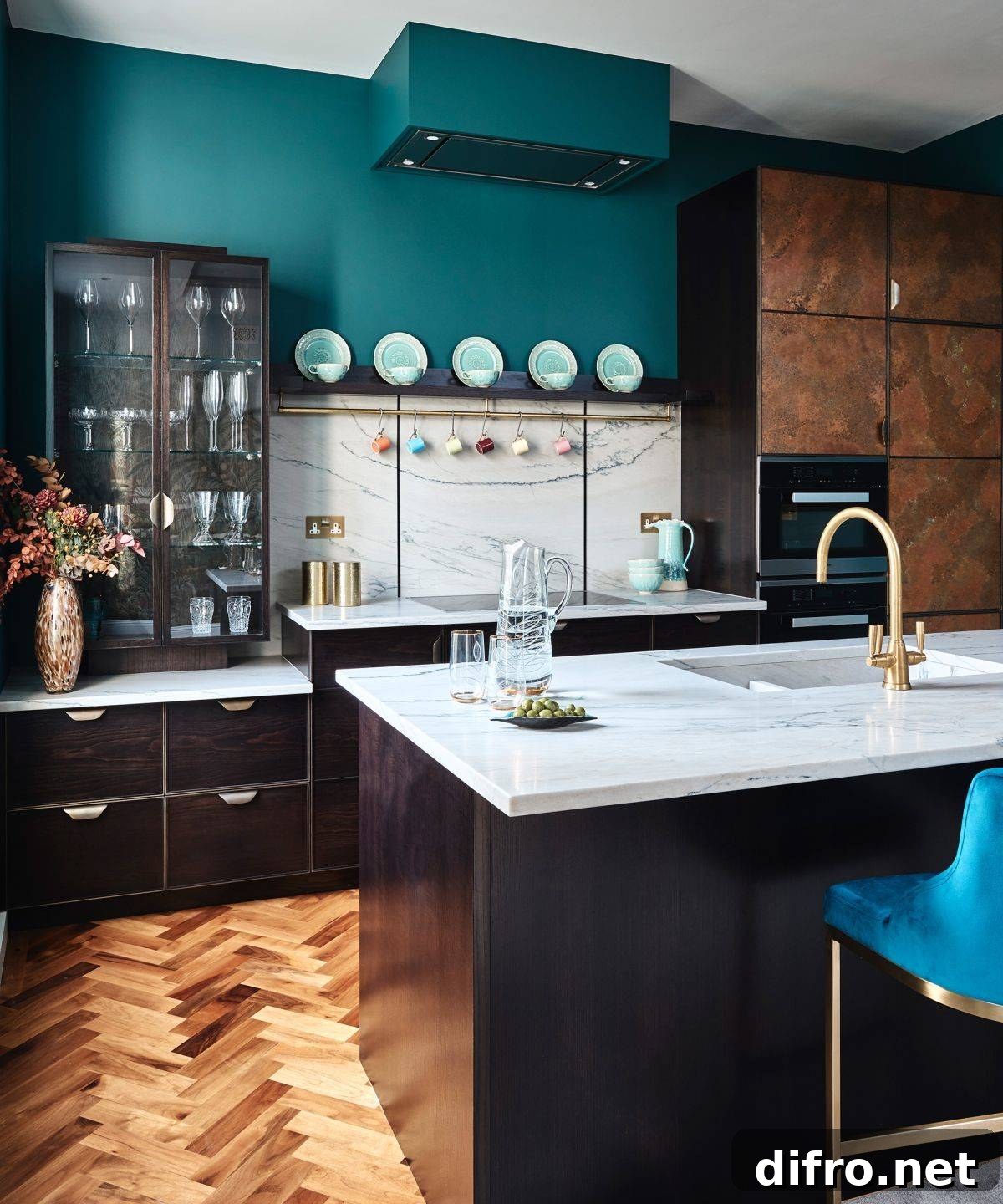
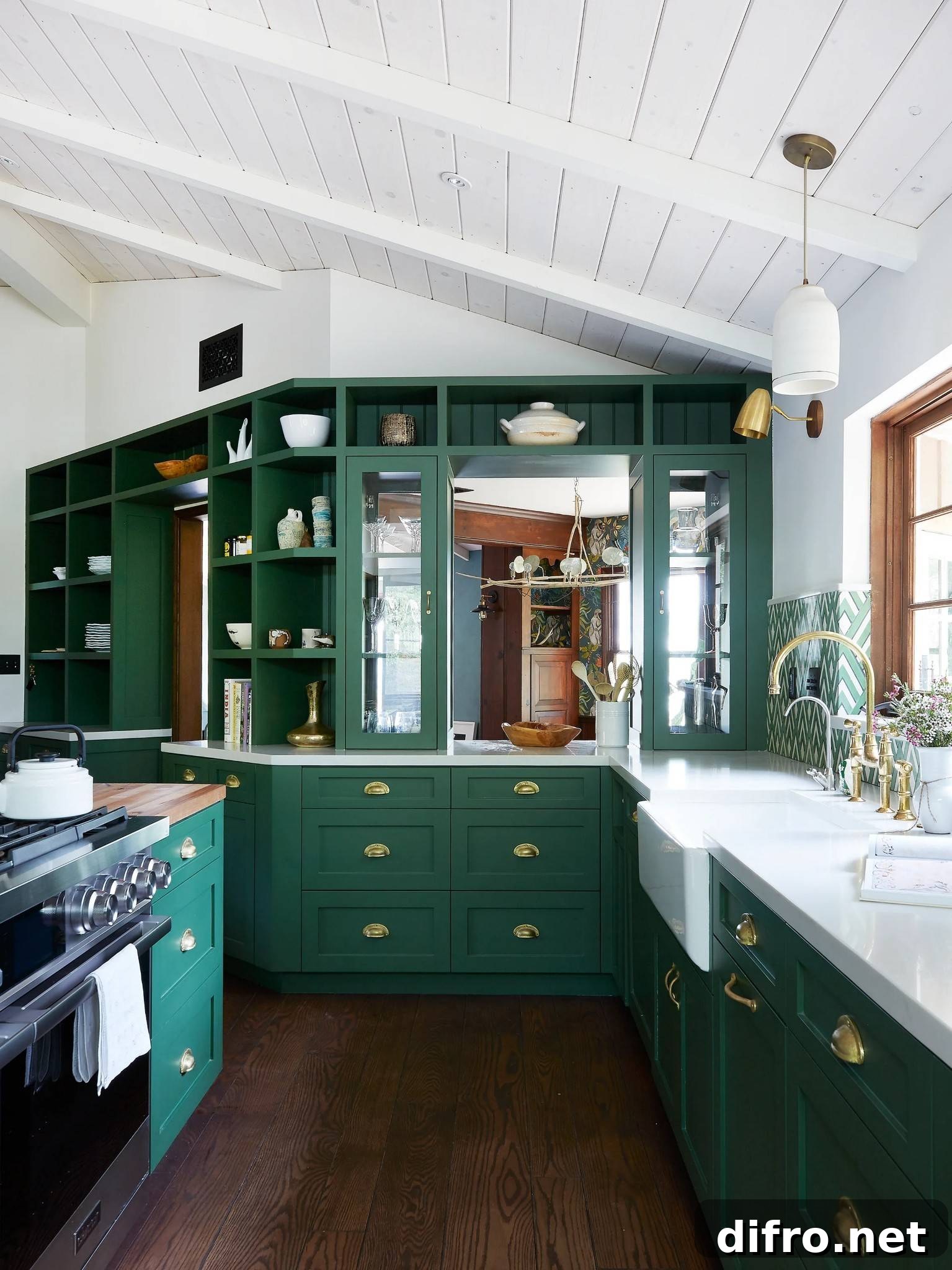
Tip: Use green as a main color for cabinets or as an accent on an island, and offset it with metallic fixtures and neutral countertops to avoid overwhelming the space.
Red
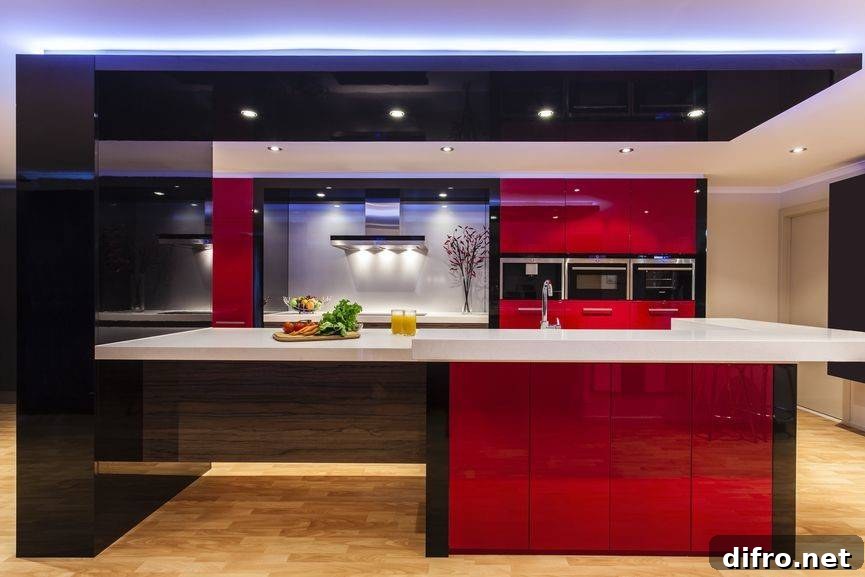
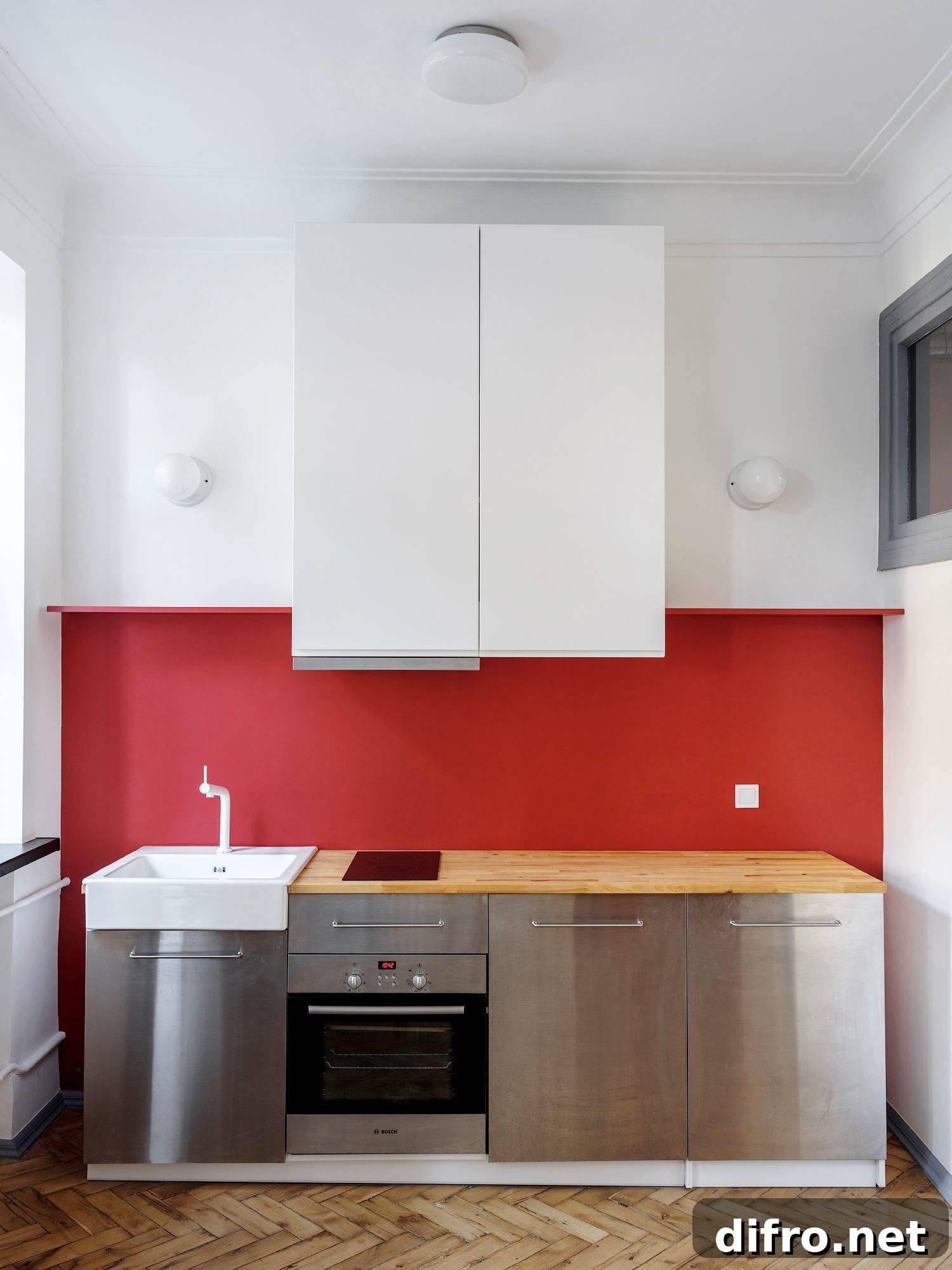
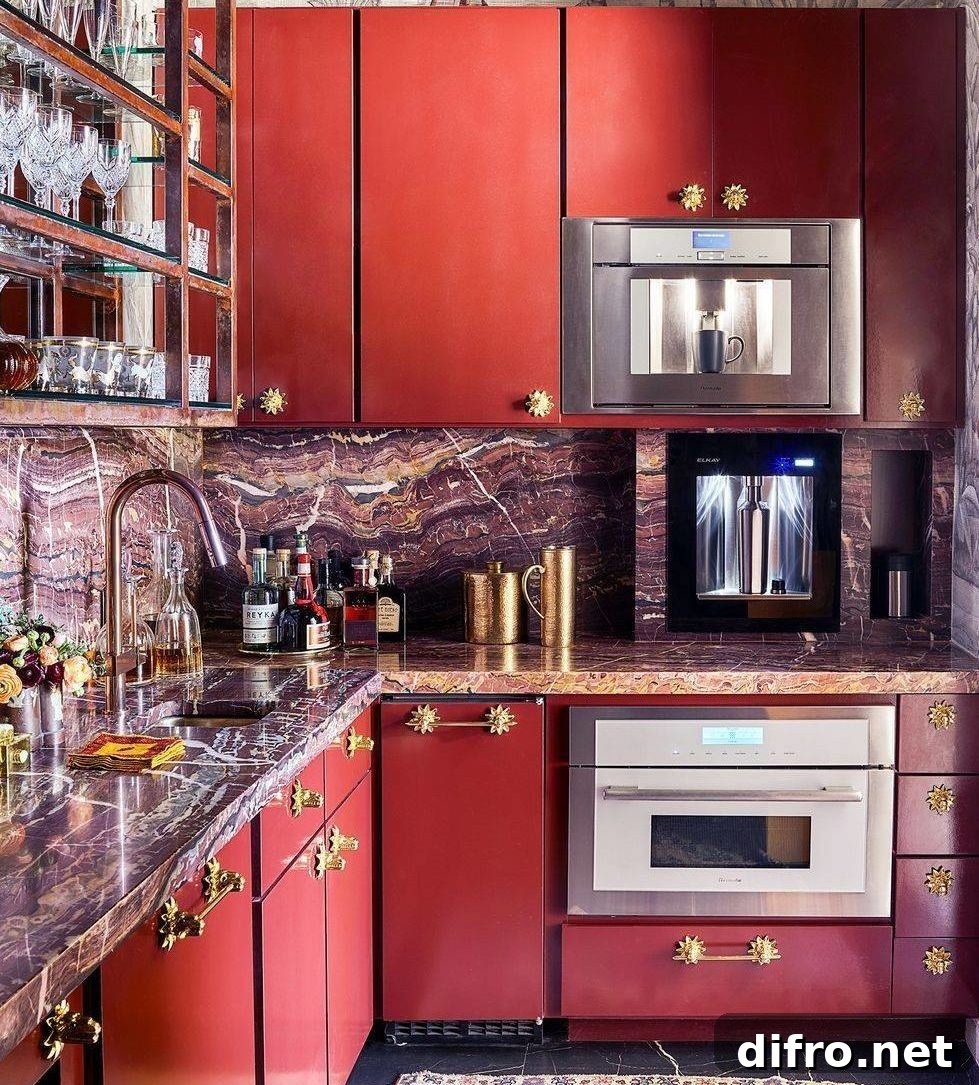
Red is a bold, energizing choice that can make a strong design statement when used thoughtfully. Deep reds and burgundies lend a sophisticated, warm atmosphere, while brighter reds create a playful focal point. Because red is so attention-grabbing, it’s often best applied to islands, feature walls, or a single run of cabinetry rather than every surface.
Multicolor
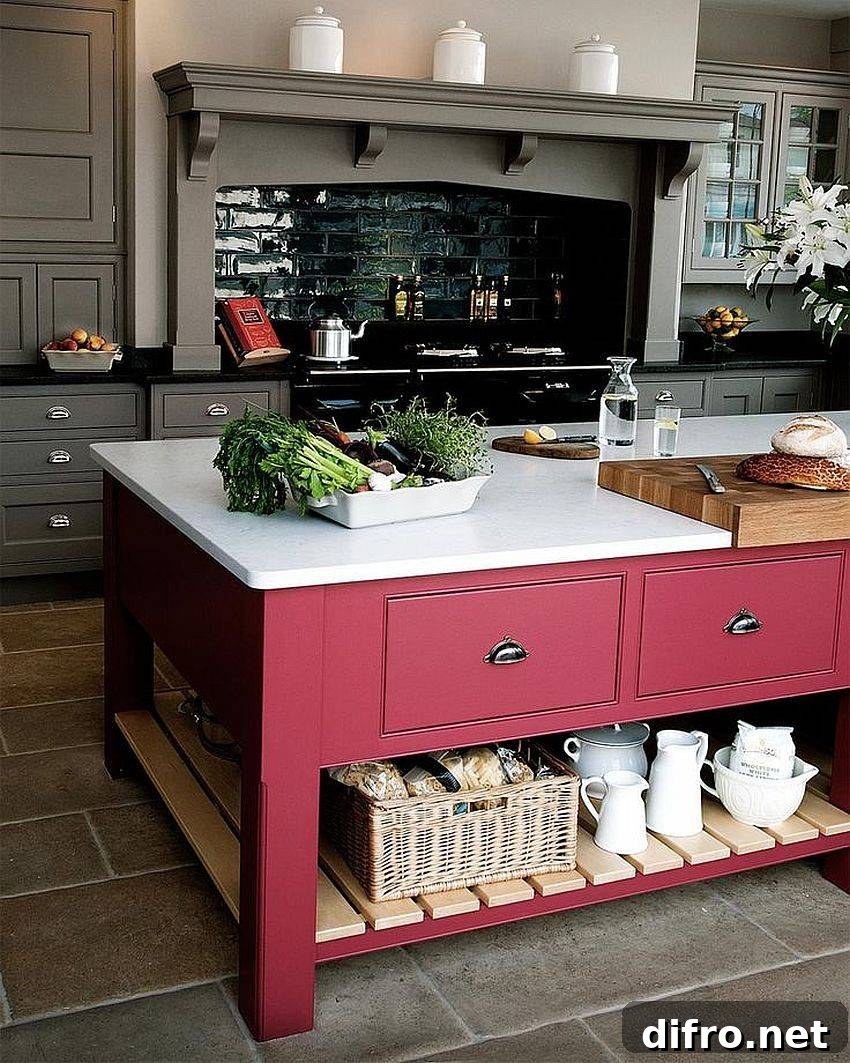
Combining multiple colors creates visual interest and lets you highlight different elements—upper cabinets, lower cabinets, and the island don’t have to match. Keep the palette limited (two or three complementary shades) to avoid chaos. Thoughtful contrasts, such as a neutral base with one bright accent, will make the kitchen feel curated rather than cluttered.
5 Worst Colors
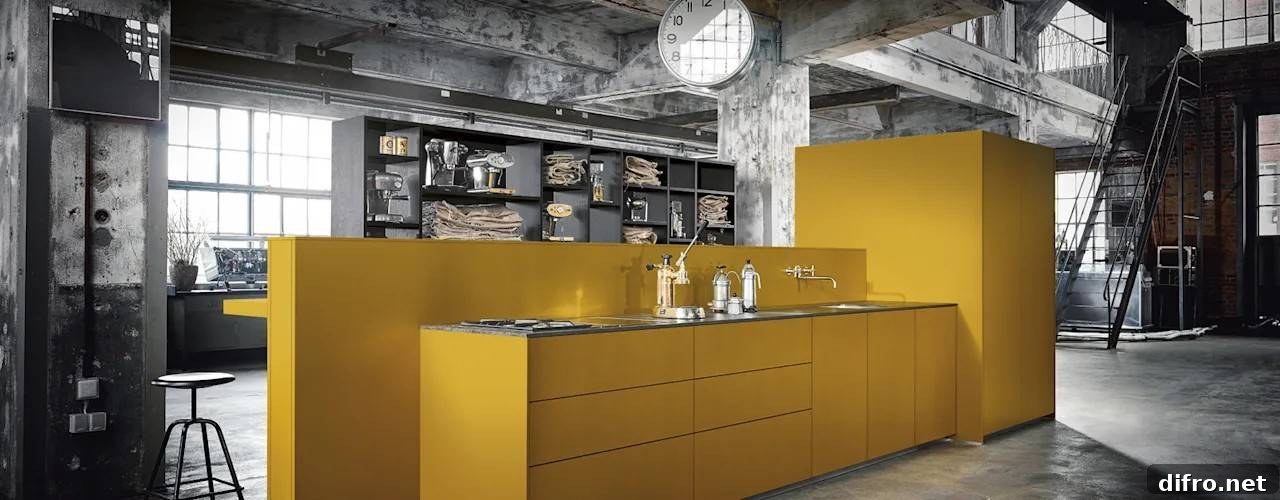
Mustard Yellow
Mustard yellow leans toward dated and can feel heavy or muddy in large areas. It often clashes with modern finishes and may not appeal to buyers if you plan to sell. If you love yellow, consider a softer or warmer shade and use it as an accent rather than the primary color.
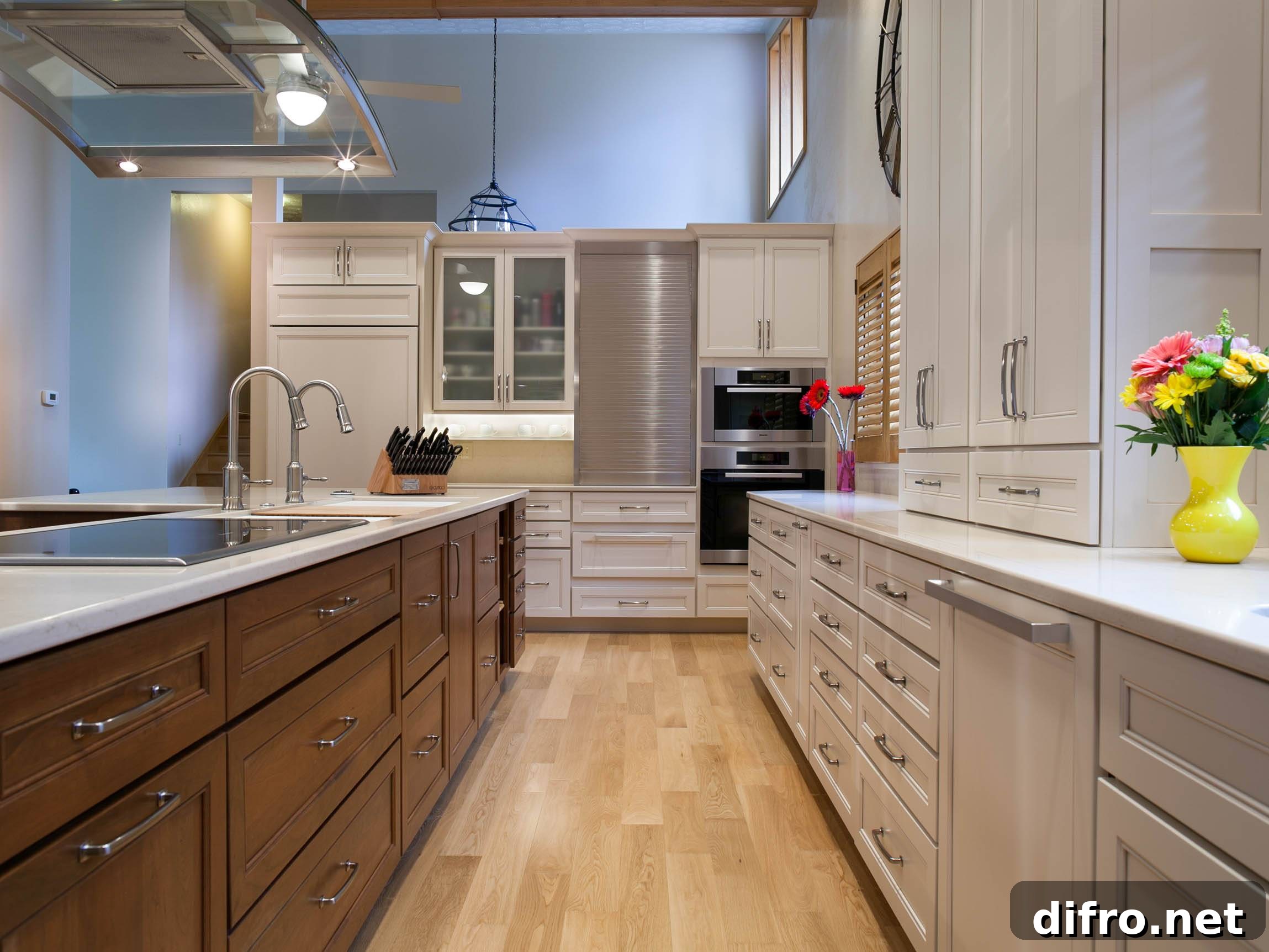
Eggshell
Eggshell and similar neutral beiges were once safe default choices, but they can make a remodeled kitchen feel bland or forgettable today. If you prefer neutrals, choose warmer or cooler tones intentionally and layer texture and contrast through hardware, lighting, and backsplashes to avoid a washed-out look.
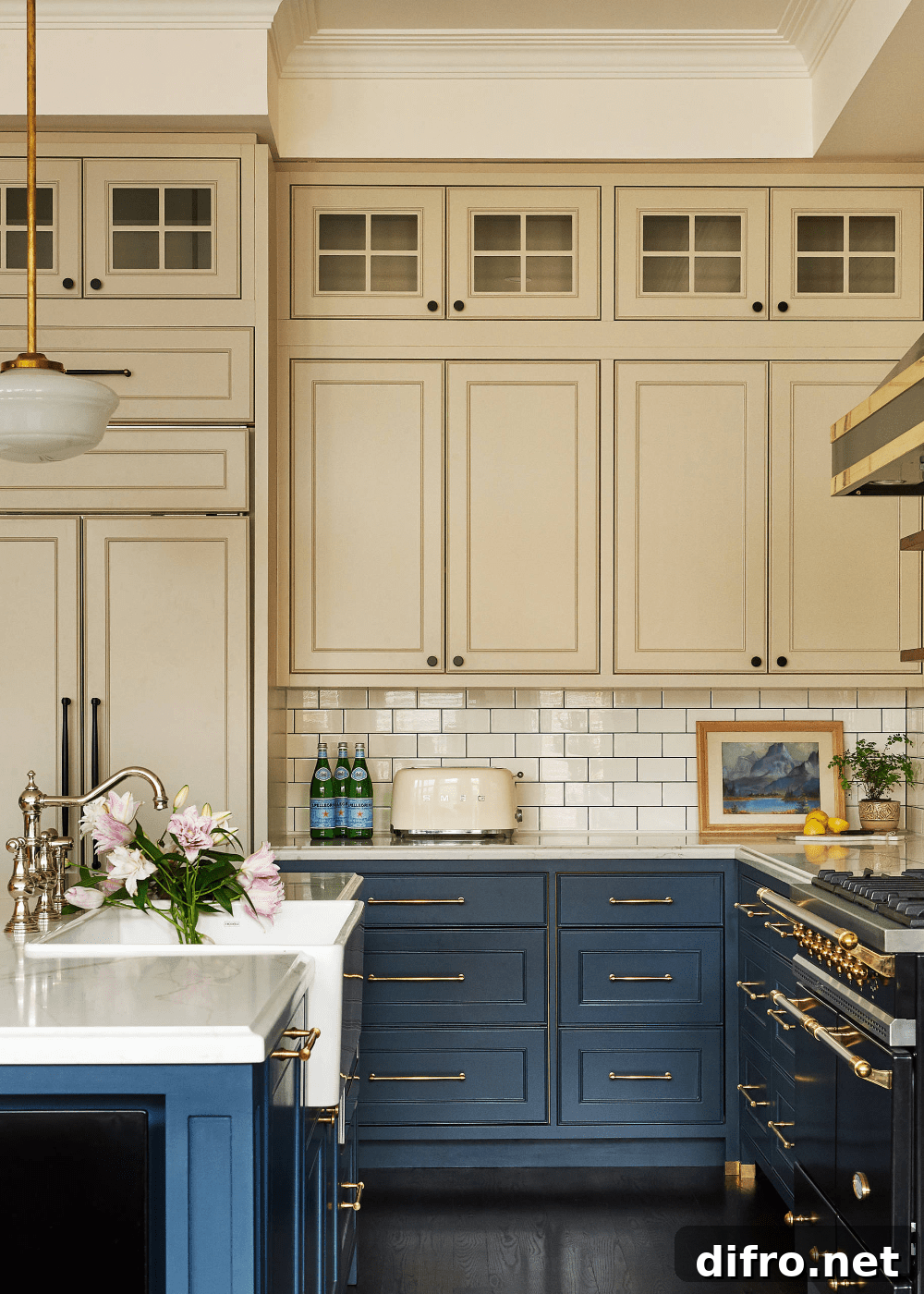
Warm beige
Warm beige or taupe can date a kitchen if used across all surfaces. It often feels safe but uninspired. If you choose these tones, combine them with contemporary materials—sleek countertops, bold hardware, and modern lighting—to keep the design fresh.
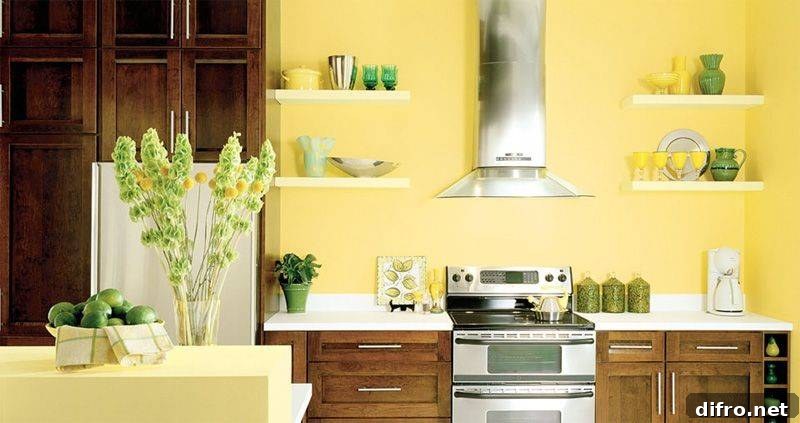
Bright yellow
Bright or canary yellow can feel cheerful, but it’s challenging to use at scale without appearing gimmicky. When overused, it may look tacky rather than stylish. Reserve vivid yellow for small accents or accessory pieces to keep the kitchen lively without overwhelming the space.
Red
Although red can be striking and successful when applied with care, it’s polarizing. Deep reds might age well for some, but bright red walls or cabinets can be off-putting to others and may limit resale appeal. If you love red, consider using it in a focal area while keeping the rest of the kitchen neutral.
Choosing a kitchen color is both a creative and practical decision. Consider natural and artificial light, the size and layout of the room, and how the color will pair with existing finishes. Test samples on cabinet doors or walls and live with them for a few days before committing. With the right balance of color, texture, and finishes, your kitchen can become a space that feels both current and timeless.