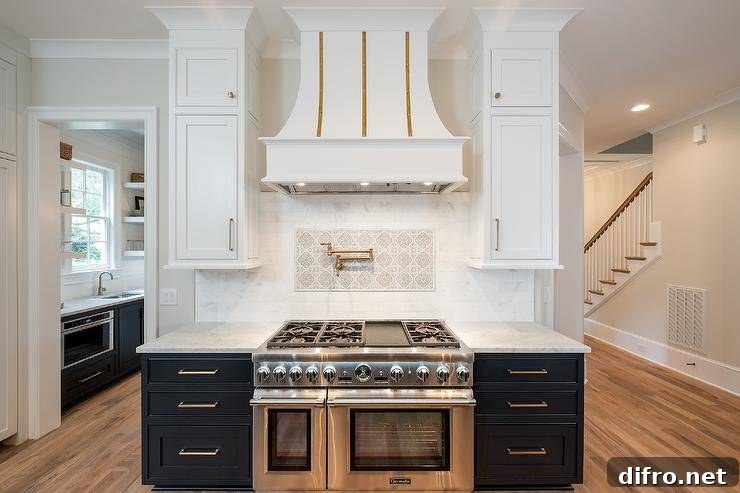
A range hood is essential in any kitchen where you cook frequently. Beyond removing odors, grease and steam, a well-chosen hood can become a striking focal point that elevates your kitchen’s style. Below you’ll find practical guidance on sizing, styles and materials, plus inspirational examples to help you choose the right range hood for your space.
We’ve also included numerous designer kitchens that show how range hoods can be both functional and beautiful.
Suit Your Space
When selecting a range hood, balance function and aesthetics. Start with scale: most codes and manufacturers recommend positioning a hood 30–36 inches above the cooktop. Depending on how high your ceilings are and the width of your range, that requirement can make a hood appear large. A hood should read as intentional, not overpower the room.
To avoid a bulky look, consider venting the hood through the wall instead of the ceiling. Wall venting lets you design a hood that tapers or narrows toward the top, creating a lighter, more refined profile instead of a heavy rectangular chimney.
Range Hood Ideas
Think about the visual role your hood will play. Popular styles include:
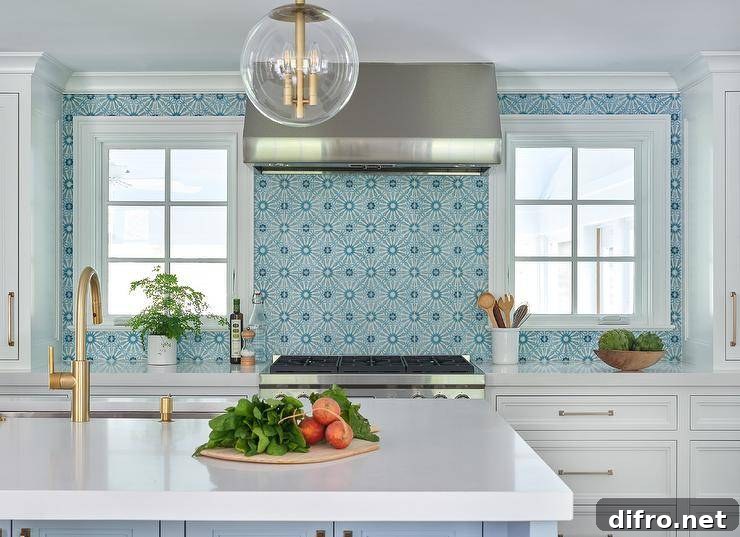
- Metal range hoods: Usually stainless steel, these offer a classic, often industrial look and pair well with professional ranges.
- Wood-paneled range hoods: Transitional and warm; can be finished to coordinate with cabinetry for a cohesive look.
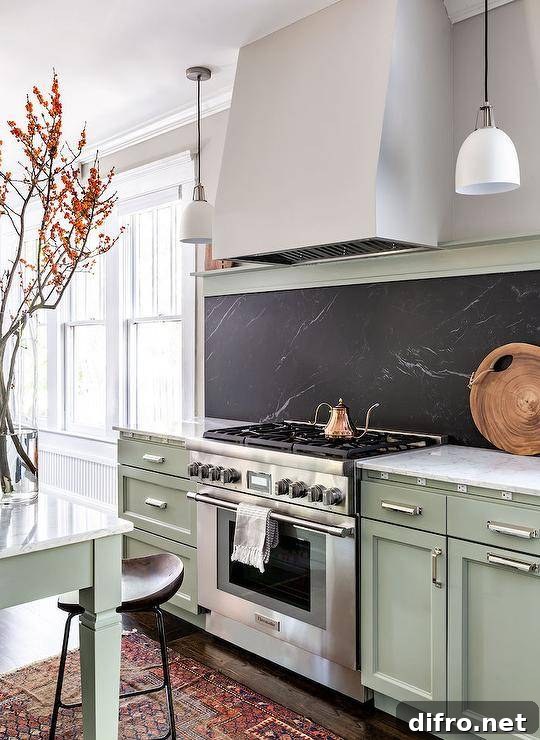
- Drywalled or plastered hoods: Smooth, architectural and contemporary; work especially well with stone or tile backsplashes.
Things to Know About Different Styles and Materials
Range Hoods by Material
Metal Range Hood
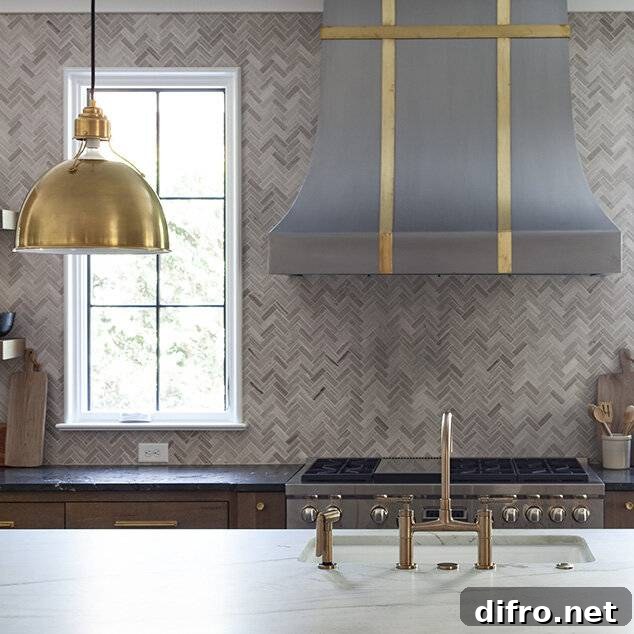
Metal hoods, commonly stainless steel, are durable and easy to clean. Design details like rivets, grommets or brass straps can add a vintage or industrial character. Because metal finishes contrast with cabinetry, they tend to draw attention—so be mindful of scale and proportion relative to the rest of the kitchen. Matching the hood finish to the range is a practical approach, but many designers create custom metal hoods to complement other kitchen elements.
Wood Range Hood
Wood hoods can be purchased pre-built, finished or unfinished, and are also commonly custom-built with cabinetry for a seamless appearance. If buying a pre-made wood hood, confirm that the blower insert you plan to use will fit safely inside. Wood hoods are a popular DIY option: buy a blower and build the surround to match your design.
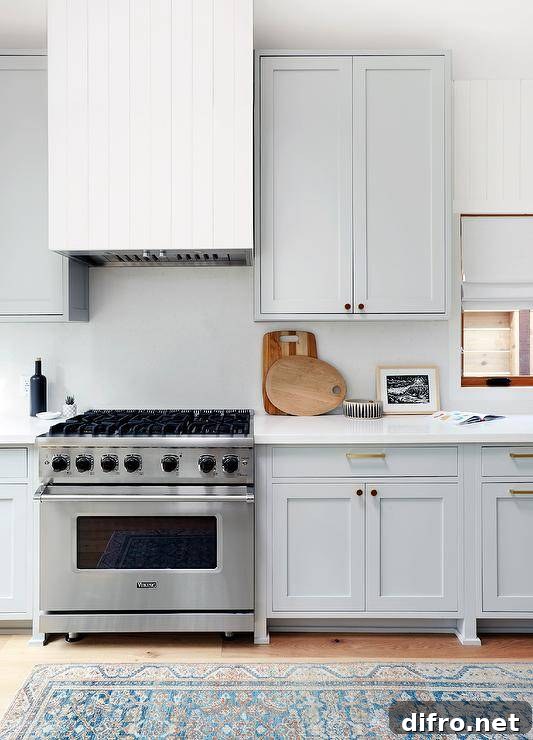
Drywall Range Hood
Drywall or plaster hoods are built from the same materials as the walls, with a hood blower installed inside. They can be painted, plastered or given decorative treatments and often include a rustic beam or soffit detail. This style is common in California and Mediterranean-influenced homes.
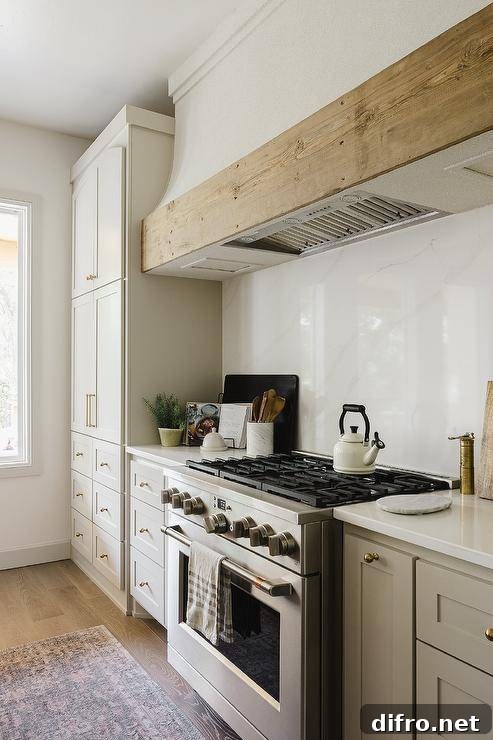
Range Hoods by Style
Concealed
Concealed hoods are hidden behind cabinetry and are ideal when you want the hood out of sight and need extra storage. They’re a practical option for compact kitchens or when you prefer a seamless cabinet run.
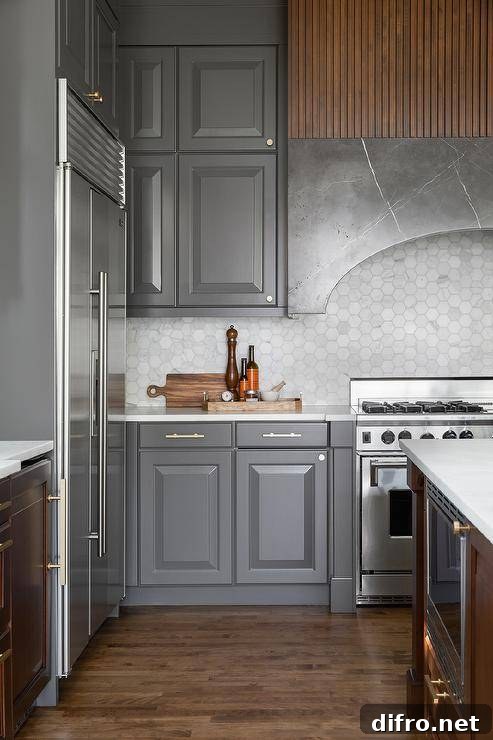
Island Hood
Island hoods hang from the ceiling above a cooktop located on an island. They typically include a chimney system that vents smoke and steam upward. Island hoods are often designed to read as floating architectural elements that anchor the center of the kitchen.
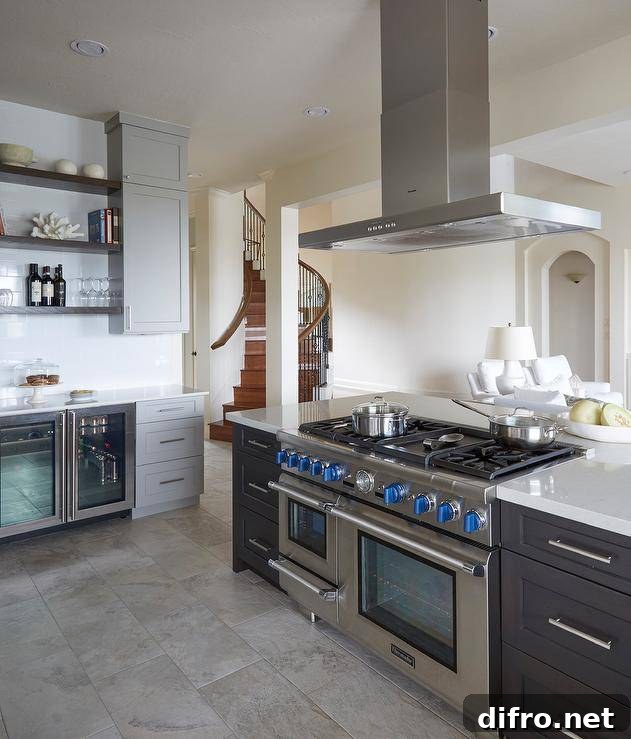
Mantle Hood
Mantle hoods resemble a fireplace mantle and give you latitude to incorporate decorative moldings, trim and finishes that match the kitchen’s aesthetic. They’re a design-forward option that makes the hood a central decorative feature.
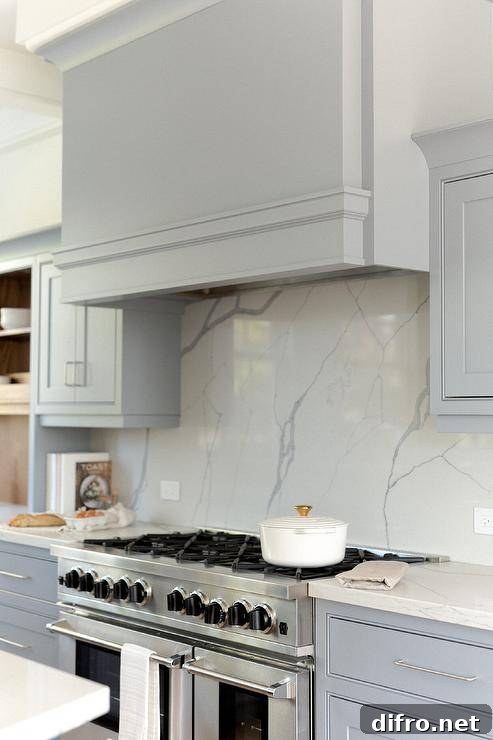
Chimney
Chimney hoods attach directly to a wall and work well when there are no surrounding cabinets. You can design them to reach the ceiling or to visually match nearby cabinetry or finishes.
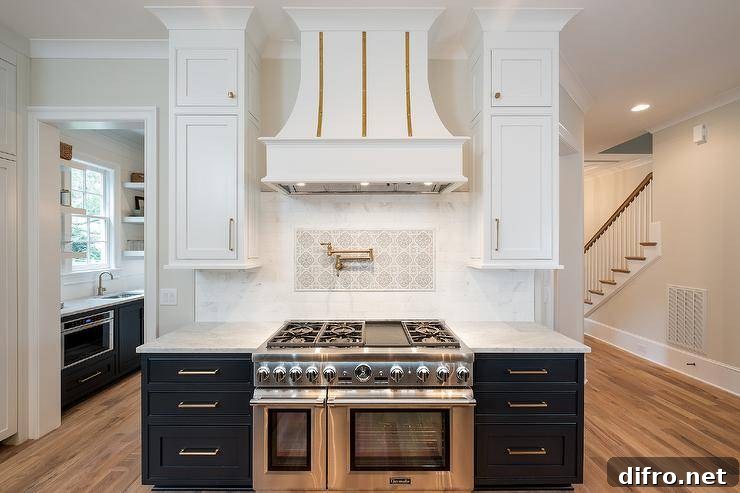
No matter your style, a well-installed range hood improves air quality, controls grease and odors, and adds character to your kitchen.
Design Favorites and Inspirations
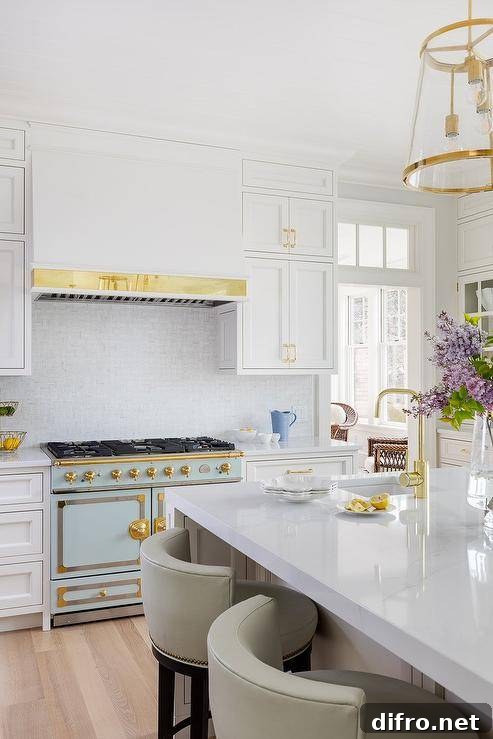
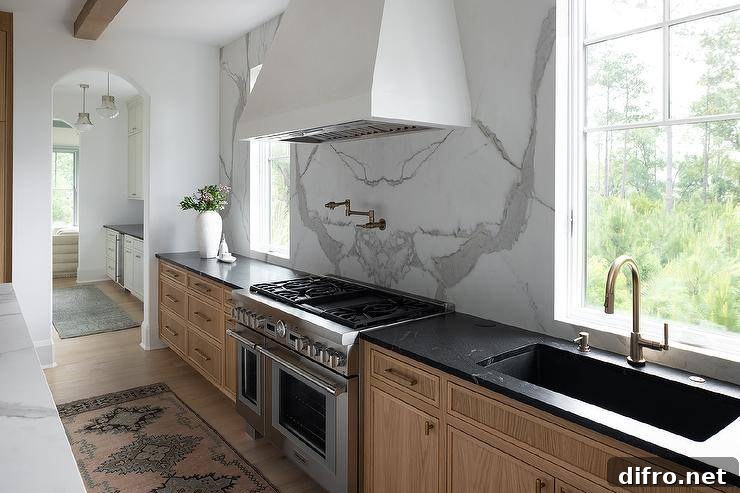
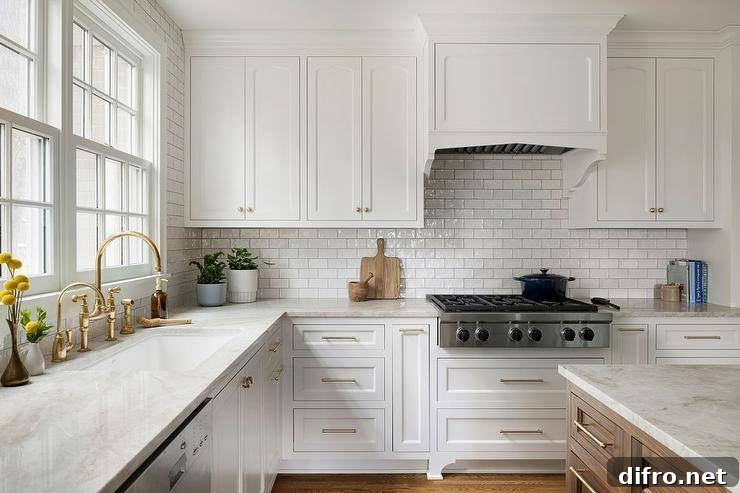
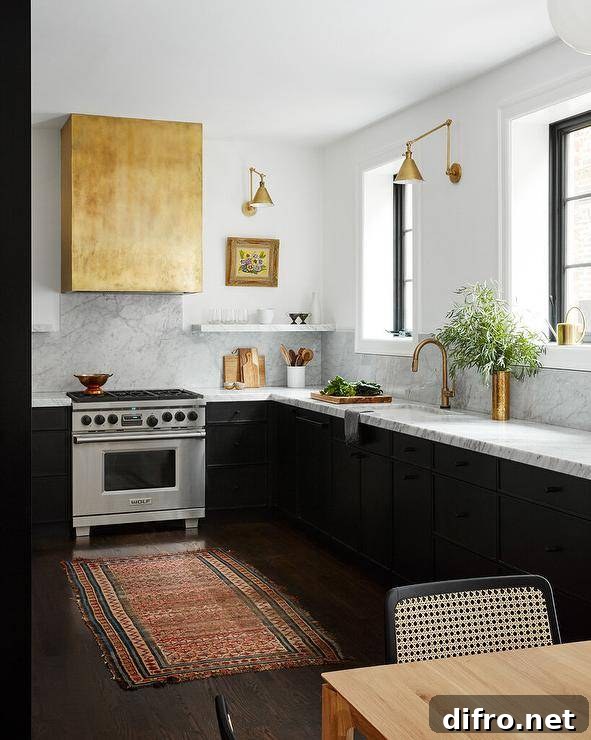
Frequently Asked Questions (FAQs)
Does the range hood have to match my appliances?
No. A hood can match appliances, coordinate with cabinetry, or deliberately contrast for visual interest. Matching provides a unified look, while a contrasting hood can serve as a focal point.
Does the range hood need to match the range size?
Ideally the hood width should match or slightly exceed the cooktop width for the best capture of smoke and steam. Common cooktop and hood widths are 30″, 36″, 42″ and 48″. If you have an unusually wide cooktop, choose a hood that covers the full cooking surface.
What is a ductless range hood?
A ductless (or recirculating) range hood filters smoke and odors through charcoal and grease filters and returns the cleaned air to the kitchen. They’re useful where ductwork isn’t feasible, but they don’t remove moisture and heat as effectively as ducted systems.
Is there an alternative to a range hood?
When a hood isn’t an option, a window exhaust fan used during cooking can help remove odors and heat. However, for heavy cooking and grease control, a properly sized hood—ducted when possible—is the most effective solution.
If you’re planning a kitchen remodel, consider how the hood will fit proportionally, how it will ventilate (ducted vs ductless), and how its finish and style will contribute to the overall design. The right range hood enhances both performance and appearance.