We spend a lot of time collecting and sharing design and decorating inspiration, and sometimes we overlook practical steps that keep our existing interiors functioning well. Not every day is about finding new furniture, accent colors, or fresh styles. Occasionally we need to focus on the basics: cleaning, small repairs and regular maintenance that prevent bigger problems later. Today we look at the kitchen and practical ways to maintain a healthy, pest-free kitchen environment.
Few things are more alarming than spotting a cockroach or rodent in the kitchen. Beyond removing the individual pest, the discovery usually signals an underlying issue that needs attention. A well-organized, regularly maintained kitchen reduces the need for recurring pest-control treatments and helps protect your home’s condition. Below are practical, easy-to-follow tips to help you keep pests out of your kitchen for good.
Keep Your Kitchen Clutter-Free
Reducing clutter makes it harder for pests to find hiding places and nesting material. Adopting a minimal approach to storage—keeping only what you use—helps maintain airflow, makes cleaning easier and eliminates many potential shelter spots. Even kitchens with eclectic or layered styles can benefit from simple organization: purge duplicate gadgets, store rarely used items elsewhere, and keep countertops mostly clear to reduce places for crumbs and spills to accumulate.

Use Closed Cabinets—and Maintain Them
Closed cabinets protect food and dishes from dust and pests, but they require regular attention. Wipe down shelves, remove expired items and rotate pantry stock. Forgotten crumbs or damp items inside cabinets create ideal conditions for insects. Periodic checks and a quick deep clean every few months will prevent small problems from becoming infestations.
Clean Immediately After Use
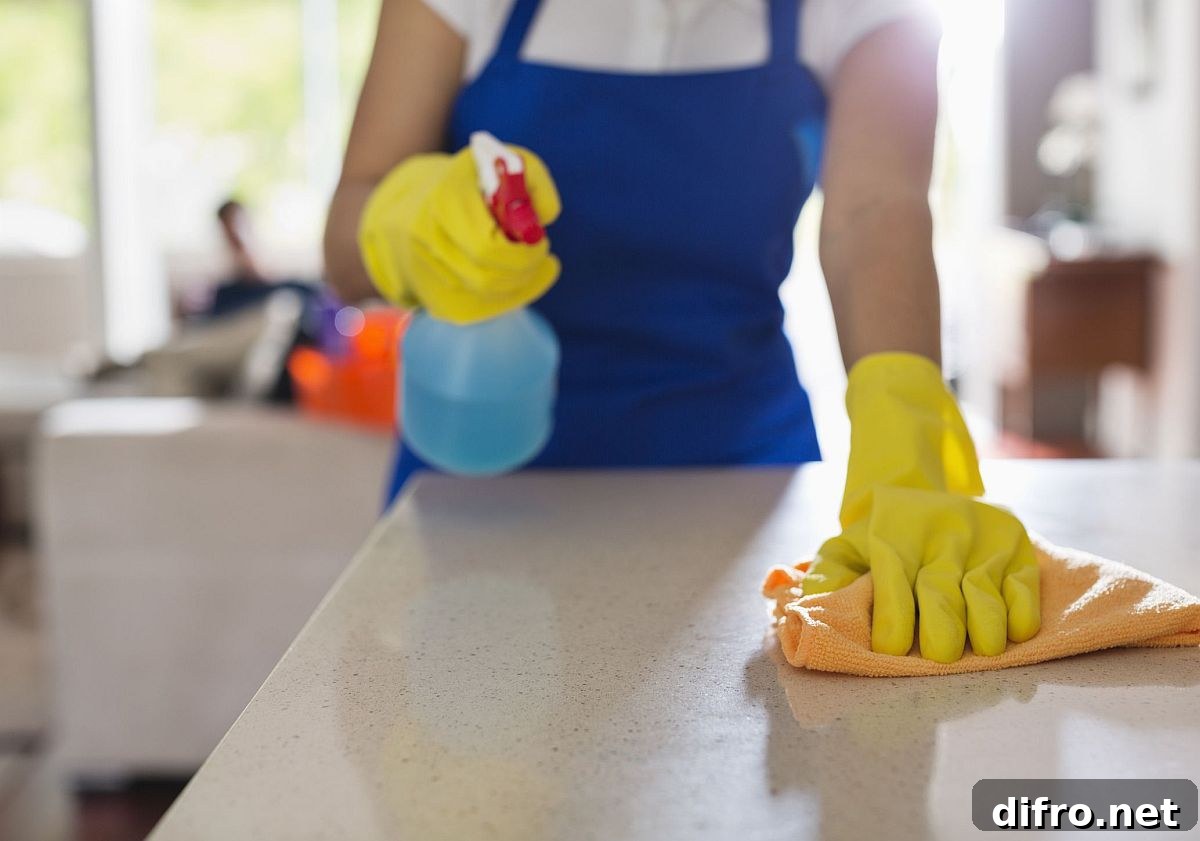
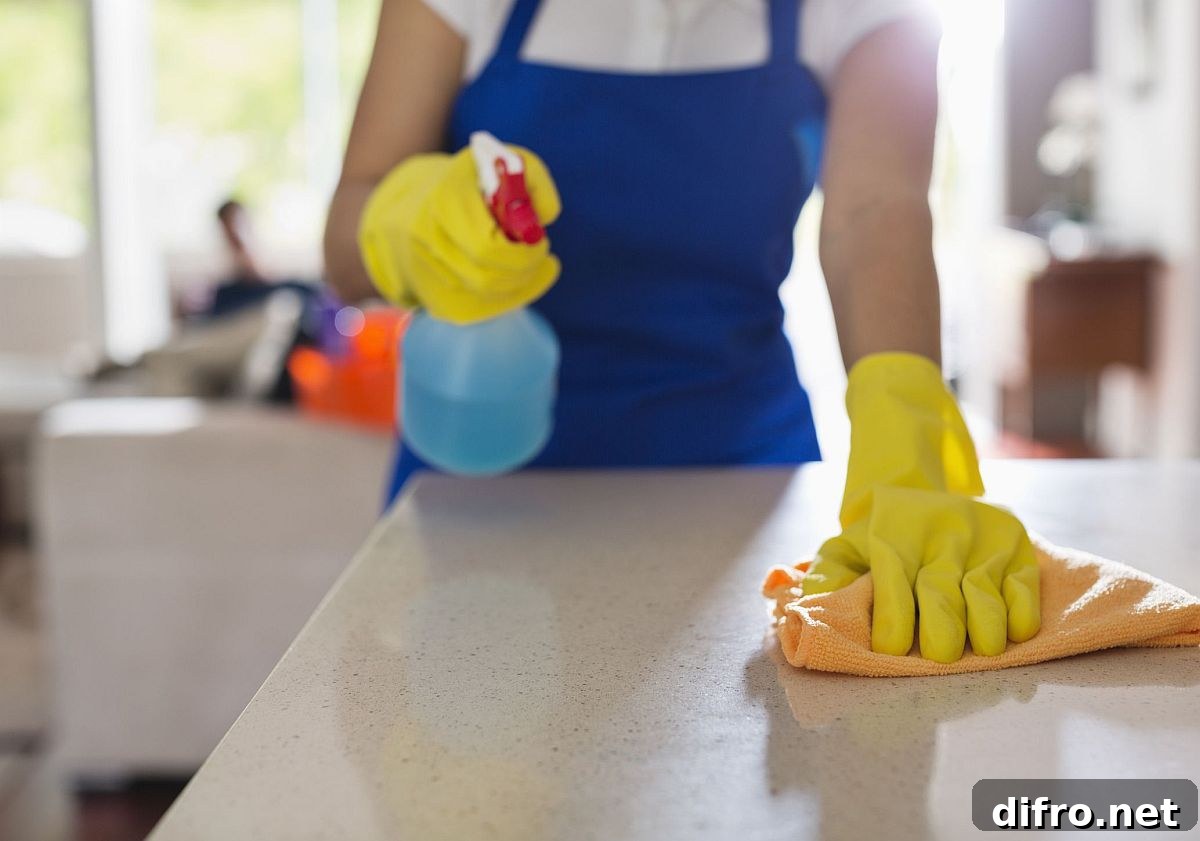
One of the most effective habits for a pest-free kitchen is prompt cleaning. Wipe counters, sweep floors, and wash dishes or load the dishwasher after meals. Take out garbage regularly and keep lids tightly closed. Even small spills left overnight invite ants and other pests, so a little daily effort prevents larger problems and keeps your kitchen hygienic.
Let Sunlight and Fresh Air In
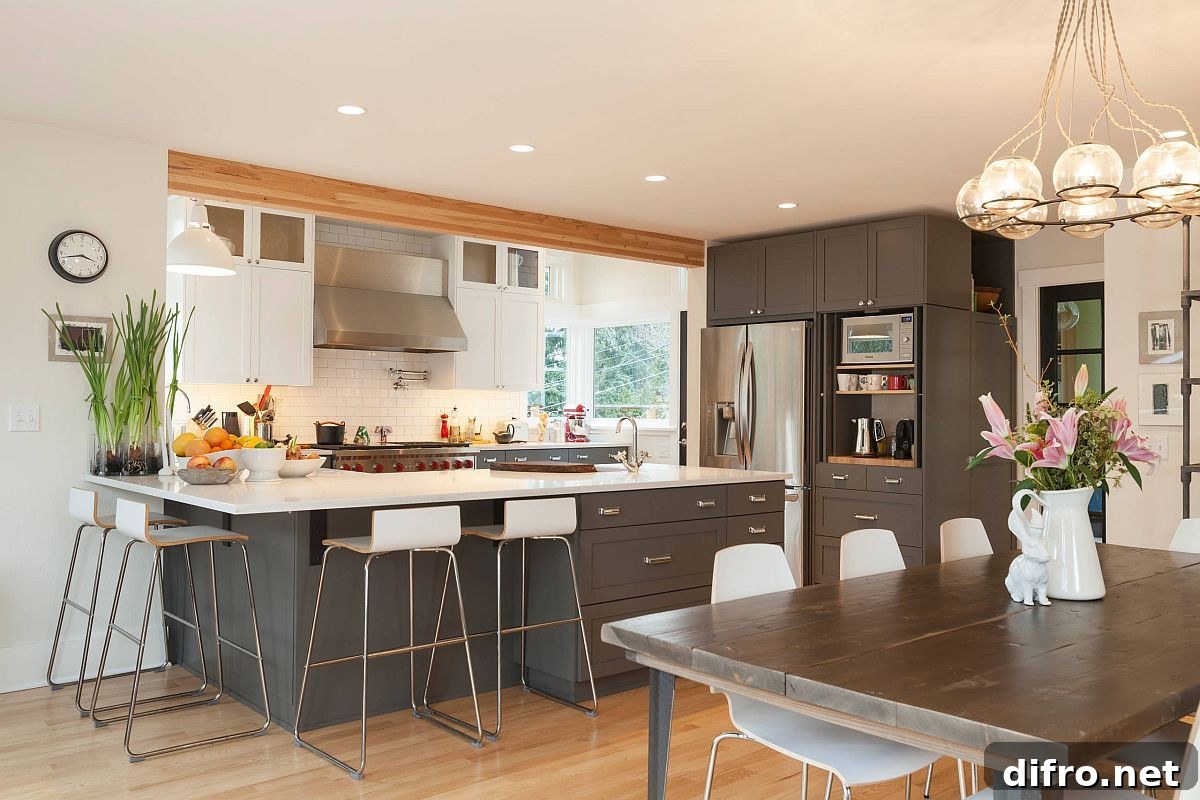
Natural light and good ventilation make kitchens less hospitable to pests and help control moisture. Whenever possible, open windows or use a skylight to increase airflow and reduce humidity. A bright, well-ventilated kitchen dries faster after cleaning and discourages insects that thrive in damp, dark spaces.

Inspect Nooks, Pipes and Under-Sink Areas
Small gaps around pipes, drains and baseboards are common entry points for rodents and insects. Regularly inspect the space under sinks and around plumbing for leaks, gaps or staining, and repair seals and pipe collars as needed. Fixing even a tiny crack or leak removes both shelter and a moisture source that attracts pests.
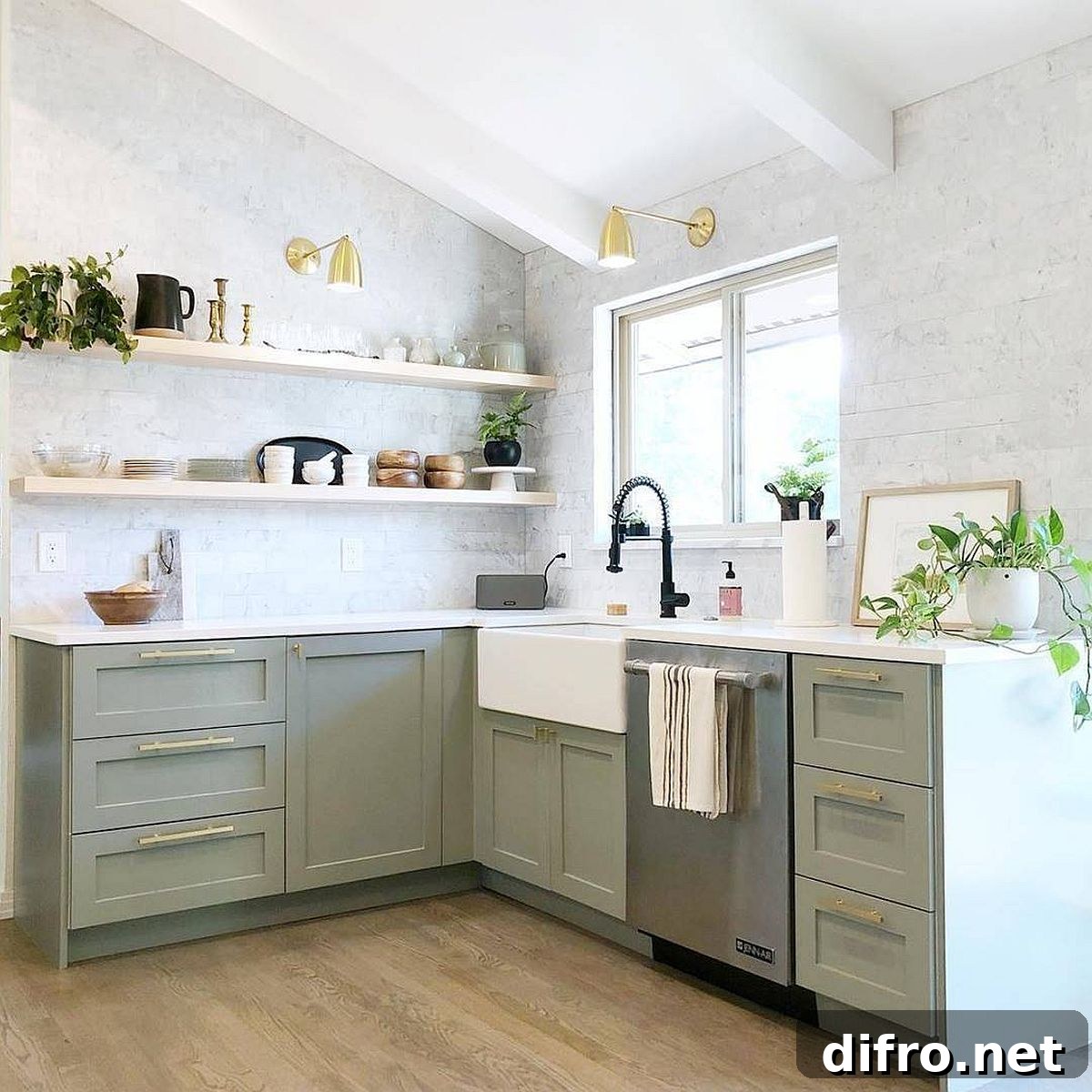
Repair Cracks and Replace Damaged Surfaces
Cracked tiles, chipped grout and damaged countertops can trap food particles and moisture, creating ideal breeding grounds for insects. Inspect surfaces every few months and repair nicks and gaps promptly. Keeping finishes intact not only improves appearance but also reduces opportunities for pests to enter and hide.
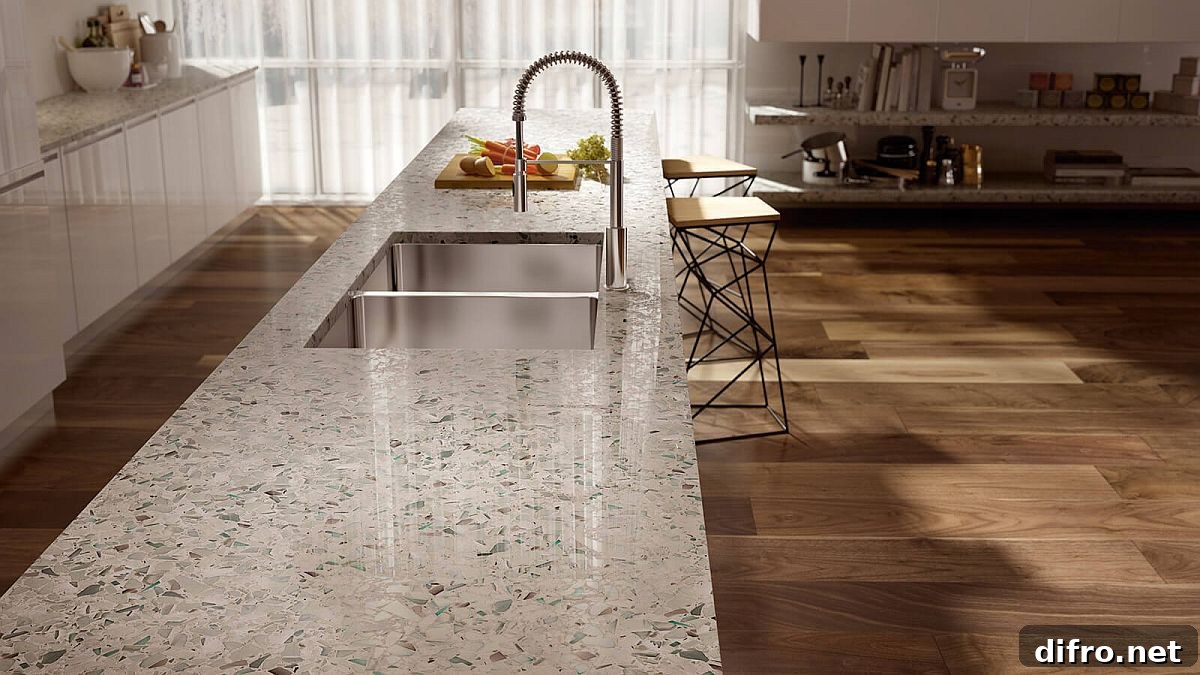
Store Food in Jars and Airtight Containers
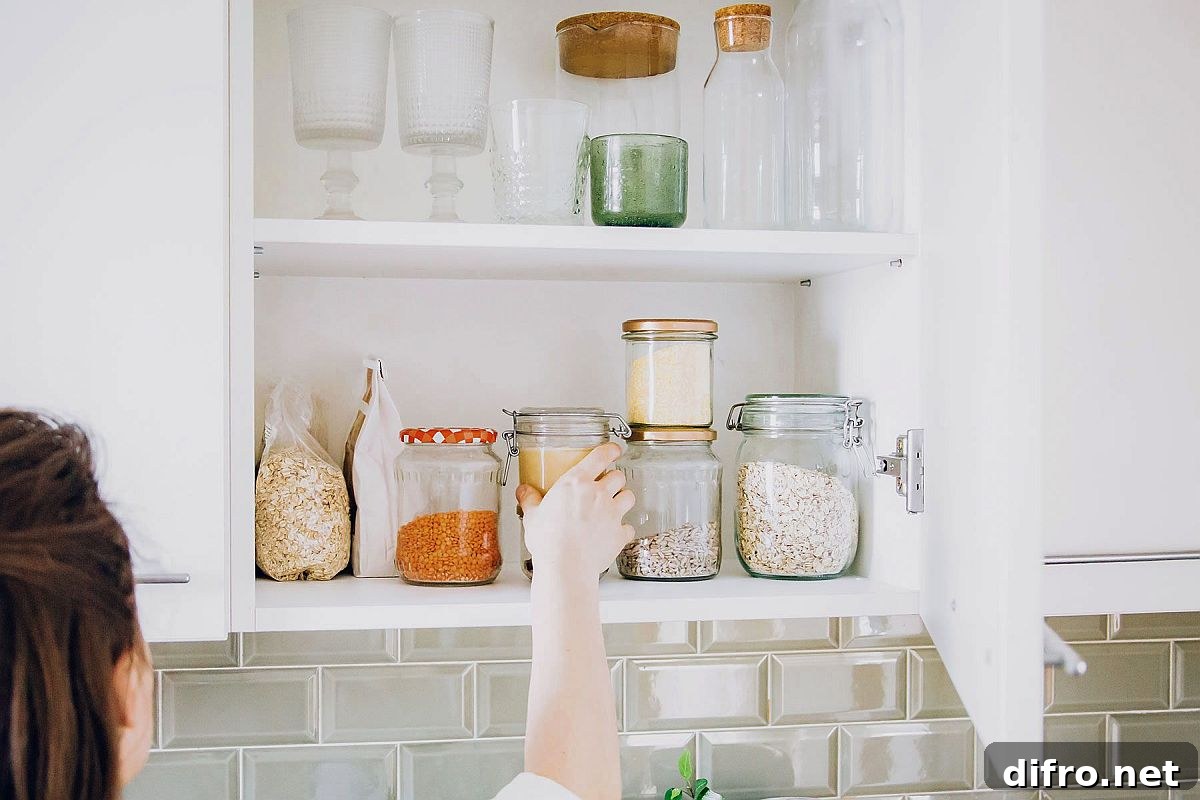
Cardboard and thin plastic packaging are easy for pests to chew through and often conceal food contamination. Transfer grains, cereals, flour and pet food into glass or rigid plastic jars with tight lids. This keeps food fresher, makes it easy to spot signs of infestation and eliminates many hiding places for insects.

Maintaining a pest-free kitchen is an ongoing process rather than a one-time task. Combine daily habits—wiping surfaces, taking out trash and storing food properly—with monthly inspections of plumbing, seals and cabinets. These practical steps preserve both your kitchen’s appearance and its hygiene, reducing the chance that pests will take hold and keeping your home healthier for everyone.