Moving to a major city can feel overwhelming, especially in places like New York, London or Melbourne where space is at a premium and finding an affordable apartment is an achievement. In these dense urban environments, the one-bedroom apartment—often called a single-bedroom apartment—becomes a practical solution. Compact and efficient, these units are popular with young professionals, couples starting their careers, and friends sharing a place who want a bit more privacy than a studio can provide.
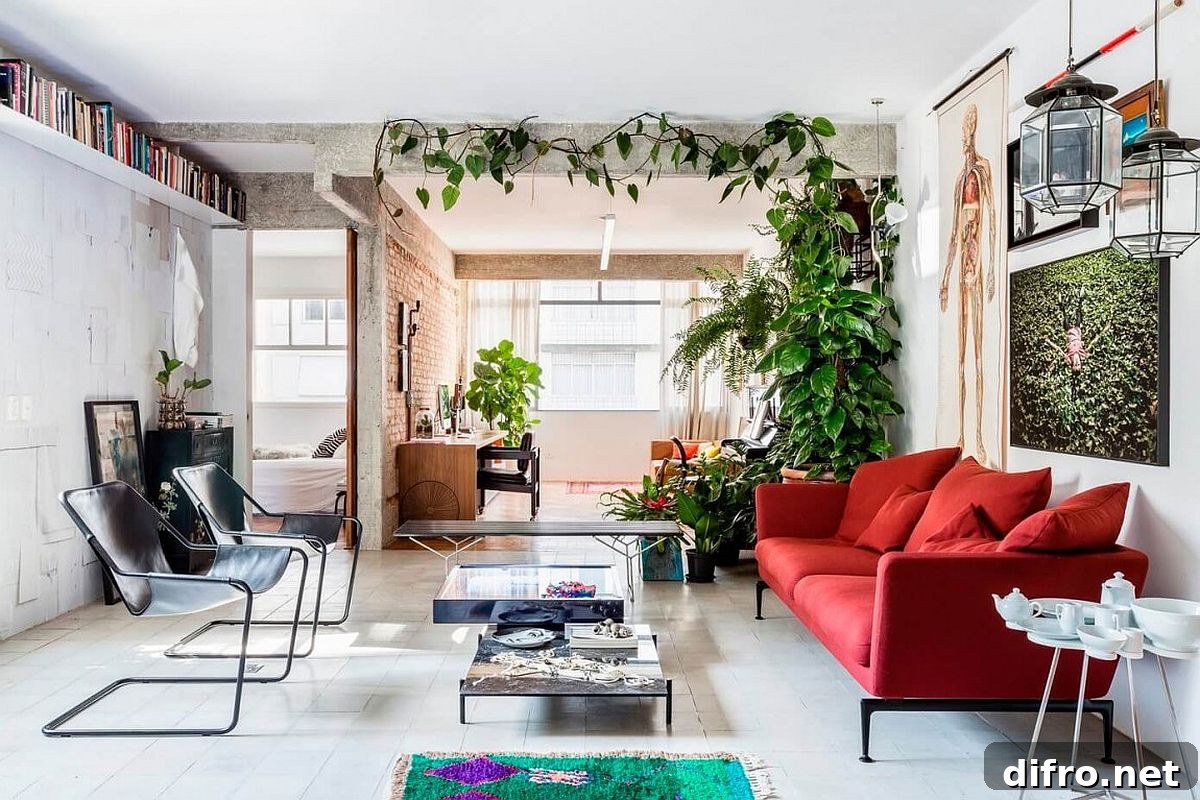
So what makes a one-bedroom apartment different from a studio, and how can you make a small one-bedroom feel welcoming and organized? This guide covers the basics of what a one-bedroom apartment is, compares it to studio living, and offers practical ideas for saving space and creating a comfortable, stylish home.
What Is a One-Bedroom Apartment?
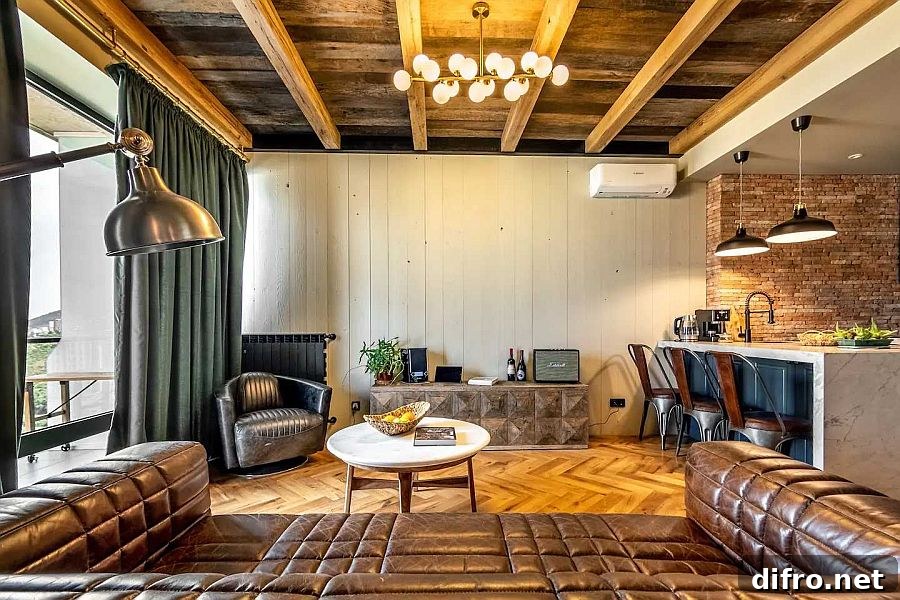
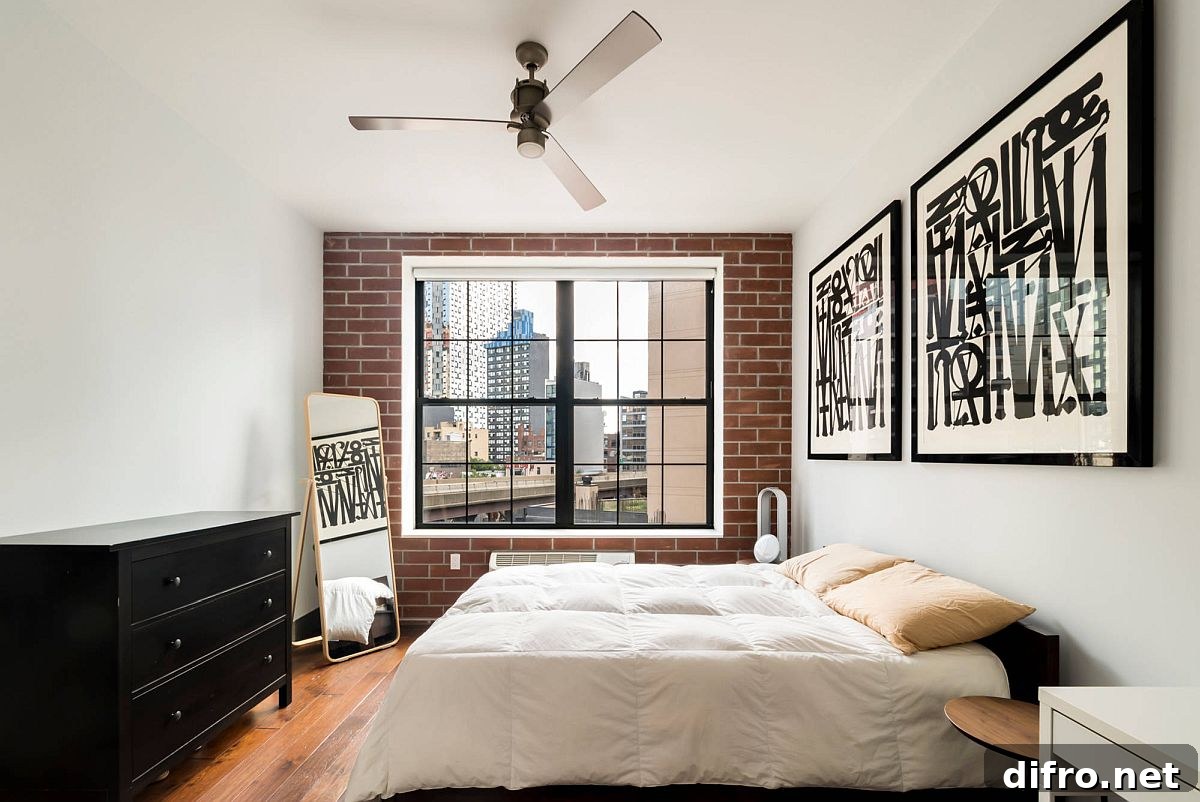
A one-bedroom apartment typically includes a separate bedroom, a bathroom, and an open living area that combines the kitchen and dining space. The defining feature is that the sleeping area is distinct from the living room, offering more privacy than a studio. Layouts vary based on building design and available square footage, but this separation makes one-bedrooms well suited for young couples, roommates who want privacy, or anyone who prefers a dedicated sleeping space.
Small Studios: How They Differ
A studio apartment compresses all living functions into a single open space. Instead of a separate bedroom, the sleeping area sits within the main living room, with the kitchen usually tucked into a corner. Studios are generally more affordable than one-bedrooms and are ideal for people who prioritize cost and minimal upkeep over privacy. They can also be a good option for roommates comfortable with shared, open living.
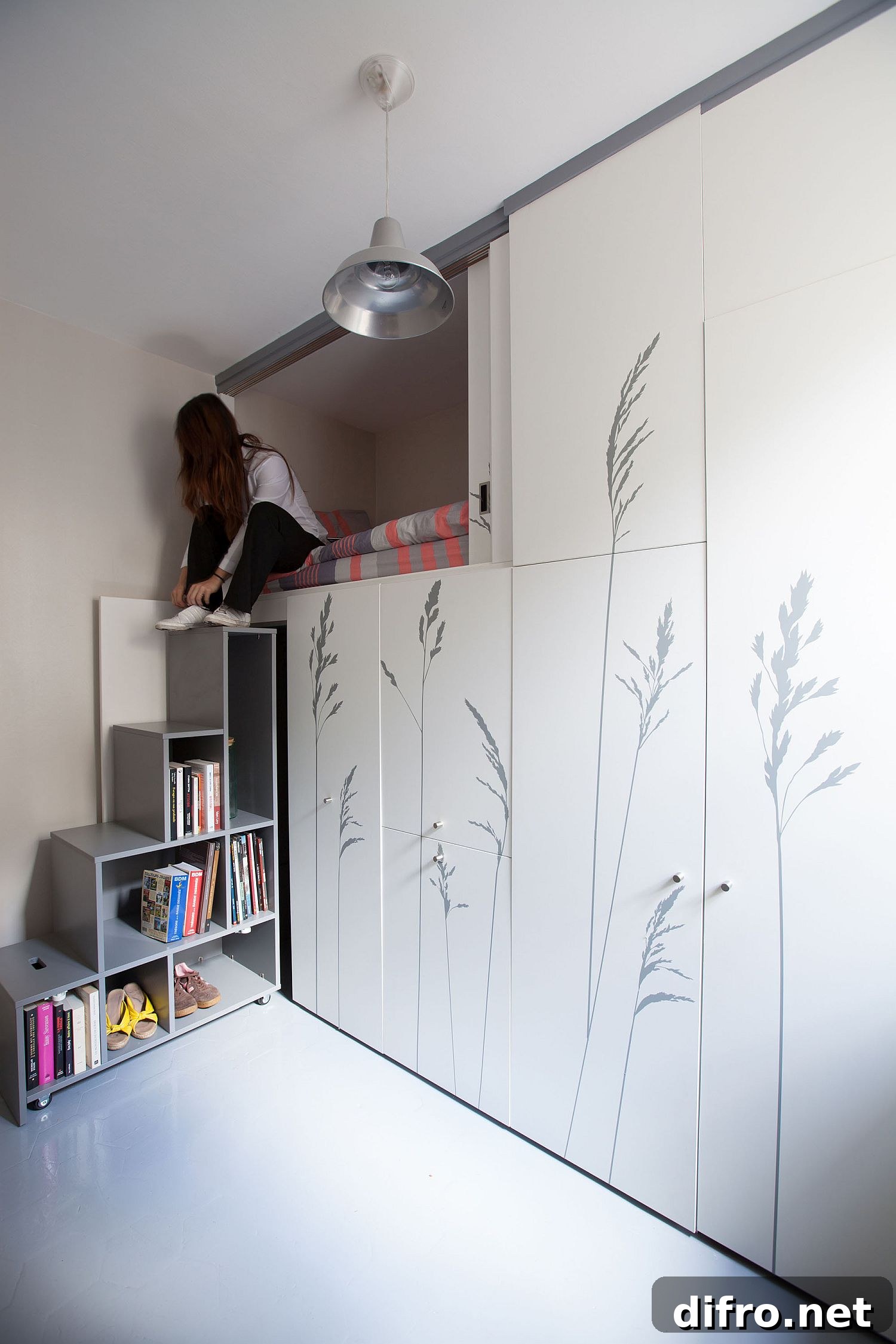
Choosing What Works for You
Deciding between a one-bedroom and a studio comes down to space needs, lifestyle and budget. One-bedrooms usually cost a bit more but provide the privacy of a separate sleeping area. Many rentals in big cities come partially or fully furnished, which can simplify moving in. If you prefer to customize your layout and finishes, look for an unfurnished unit to make the space truly your own.
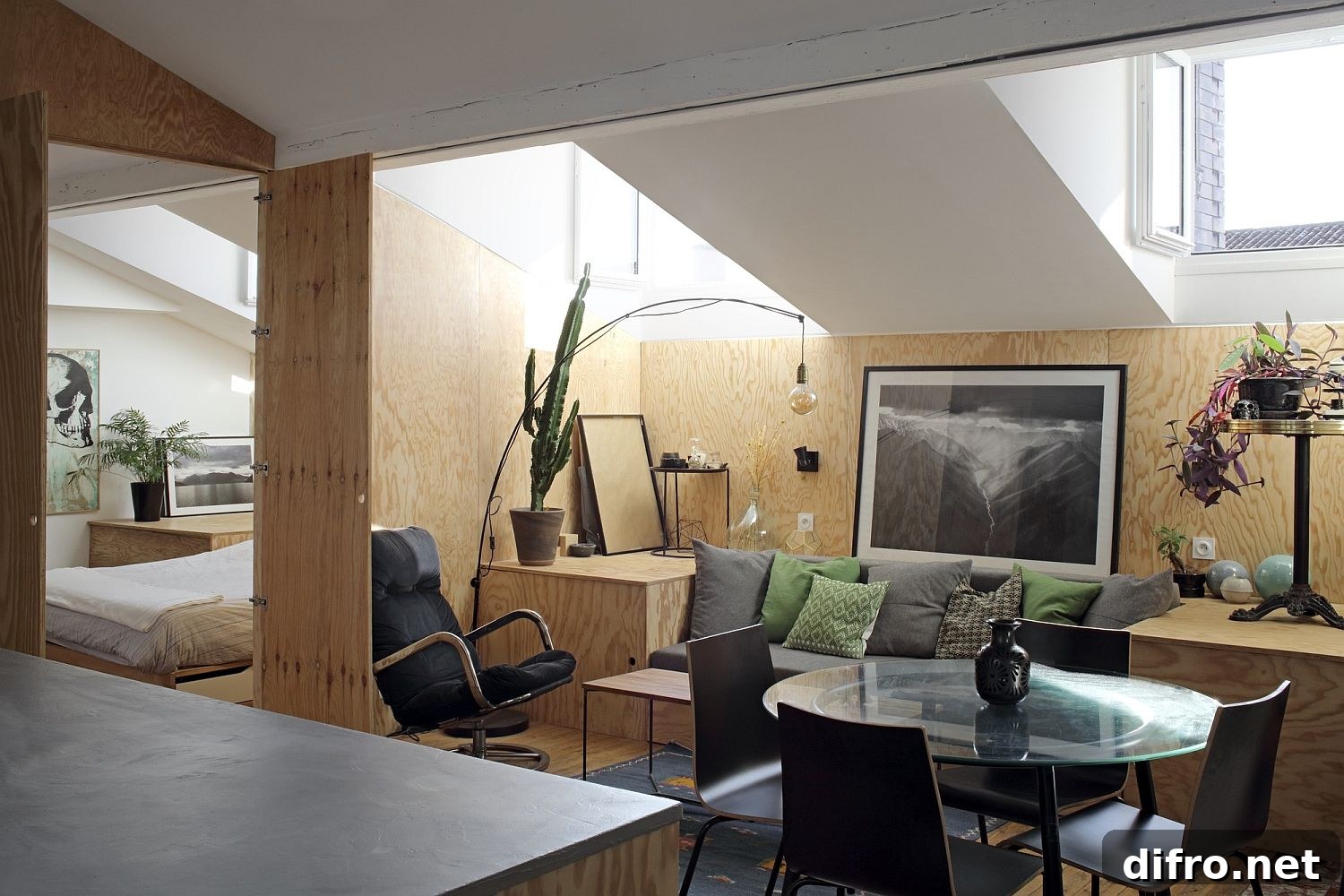
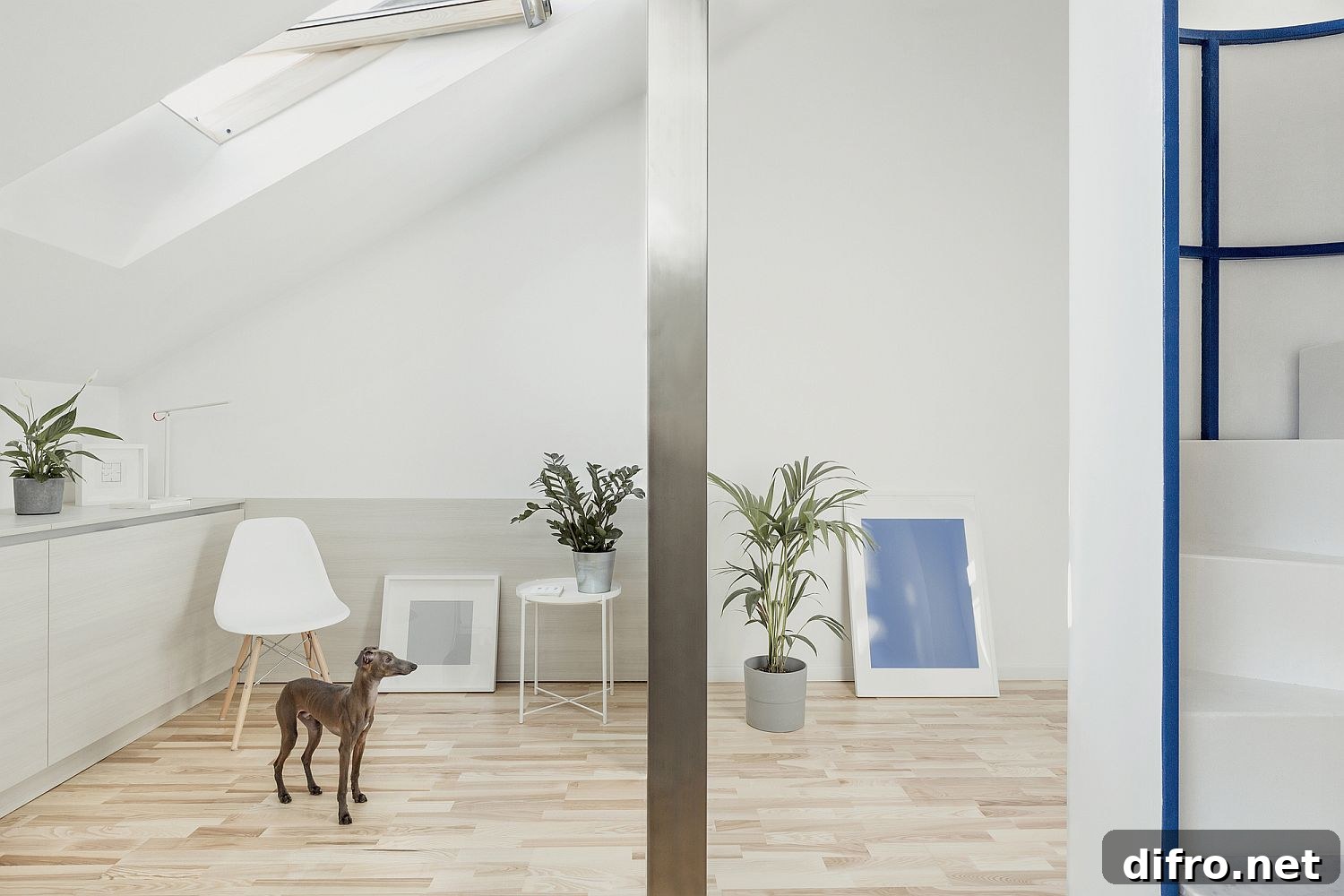
Settle on a Style
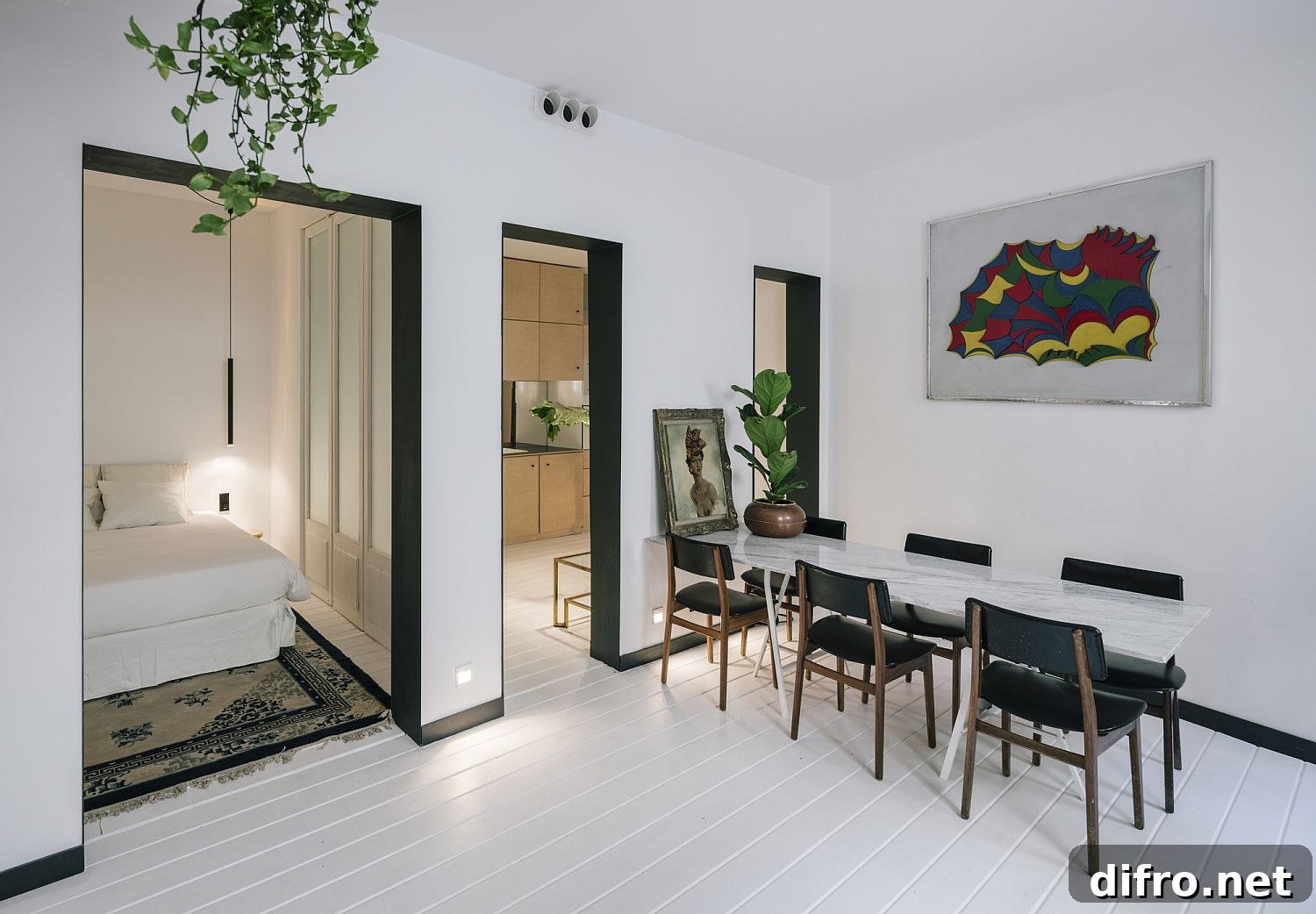
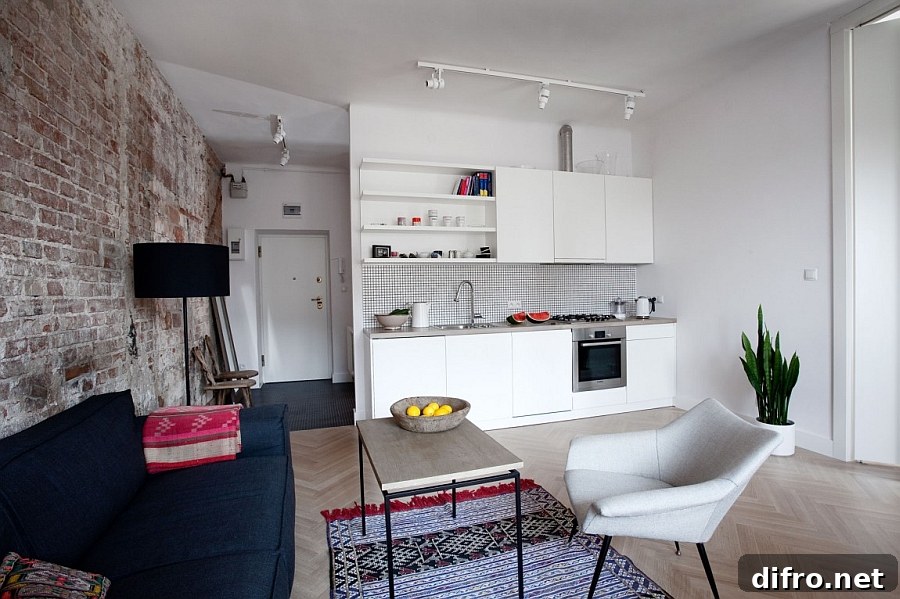
When furnishing a compact one-bedroom, choose a clear style and color palette. Light neutrals—white, off-white and light gray—help maximize perceived space and reflect light. Lean toward clean, minimalist aesthetics such as Scandinavian or contemporary modern. These styles emphasize functional furniture, uncluttered surfaces and balanced color, which work especially well in small footprints.
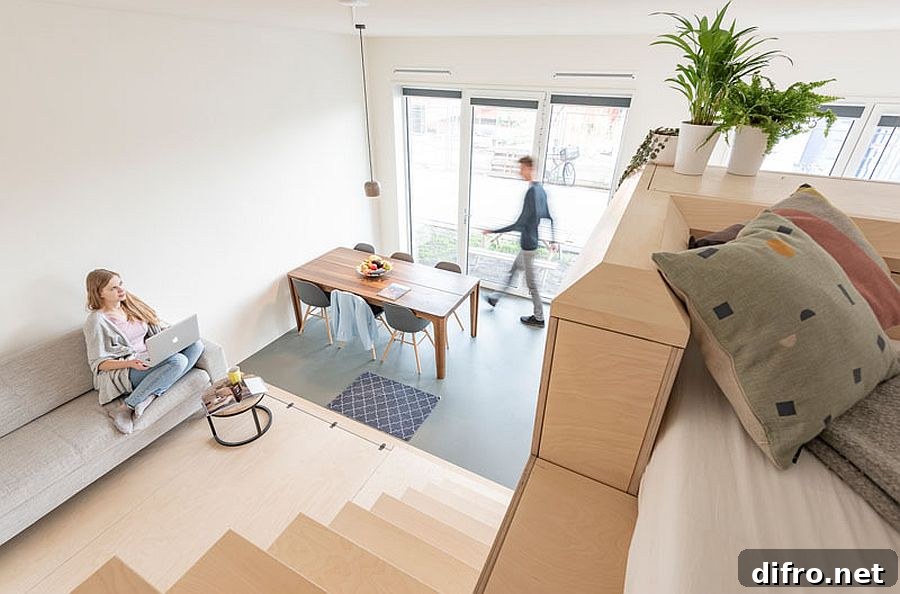
Gain Space with Loft and Mezzanine Levels
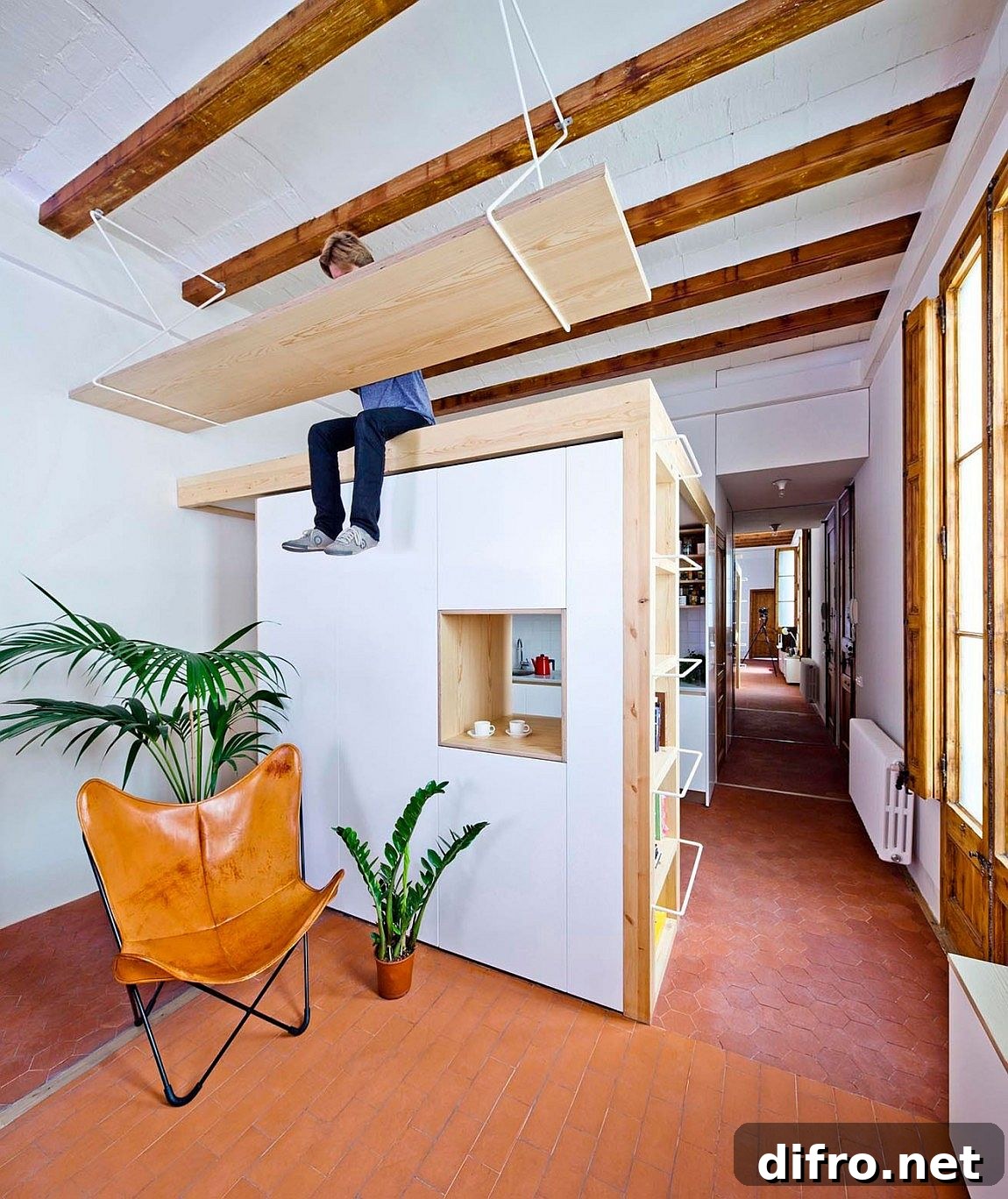
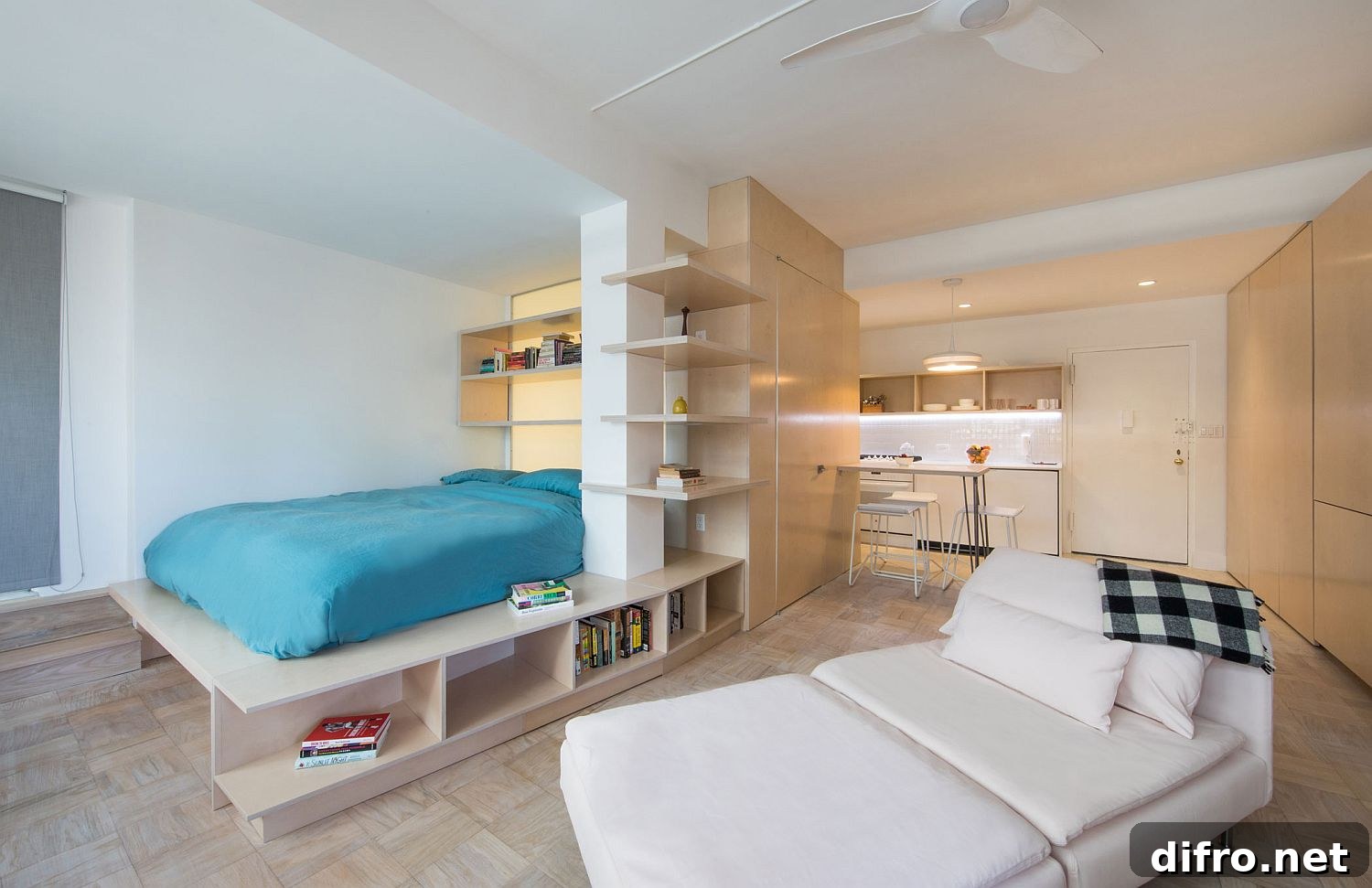
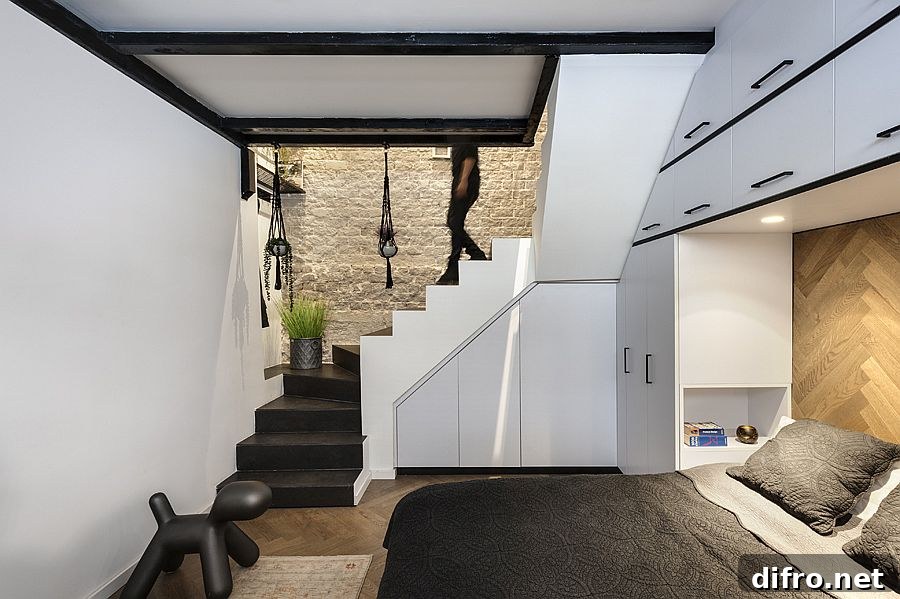
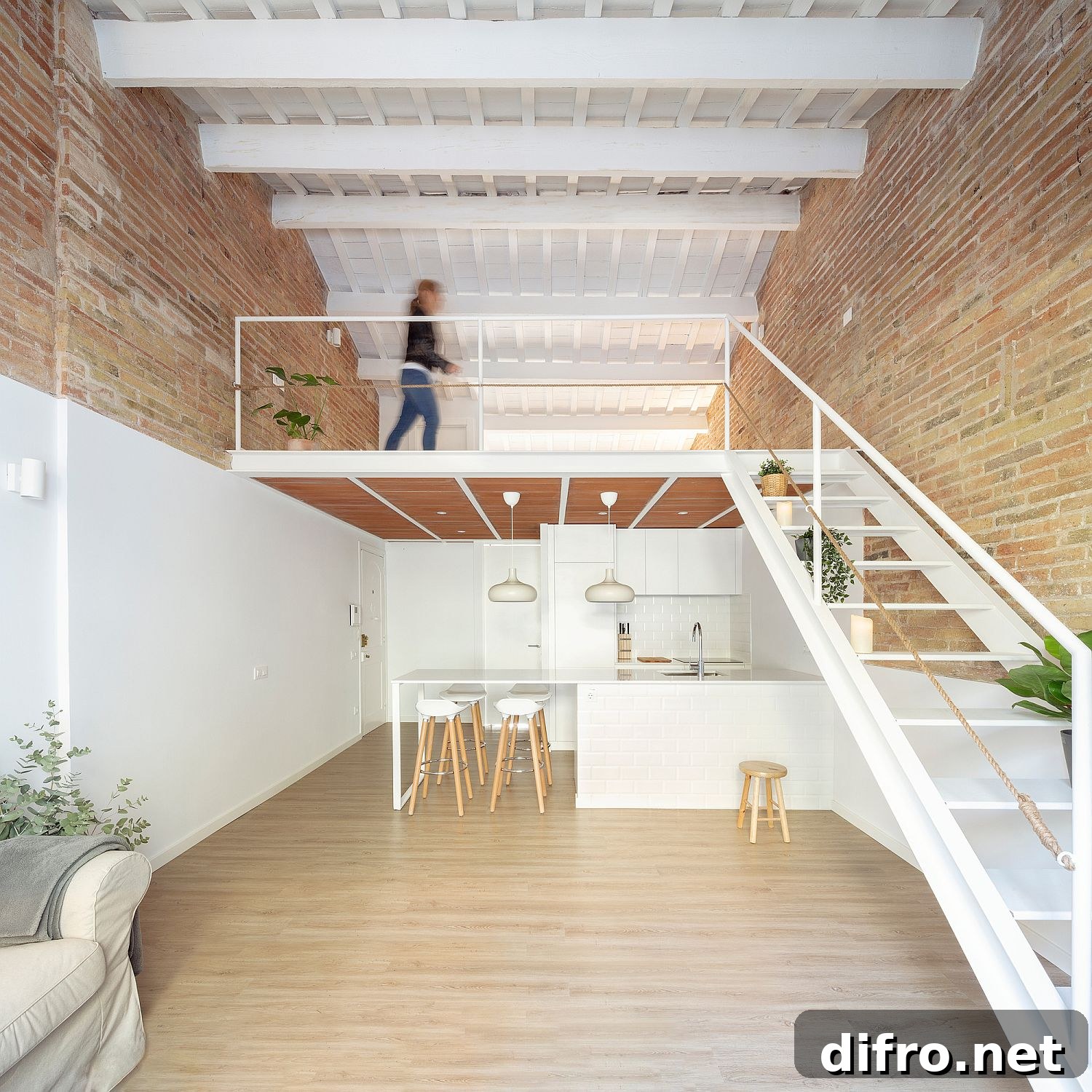
Vertical space is a valuable asset in compact apartments. Adding a loft, mezzanine or raised platform can create a separate sleeping area, a cozy reading nook, or an elevated workspace. Moving the bed to a loft frees the floor level for an office, dining area or living room. Mezzanines can dramatically increase usable square footage without expanding the apartment’s footprint.
Space-Saving Kitchens and Multipurpose Decor
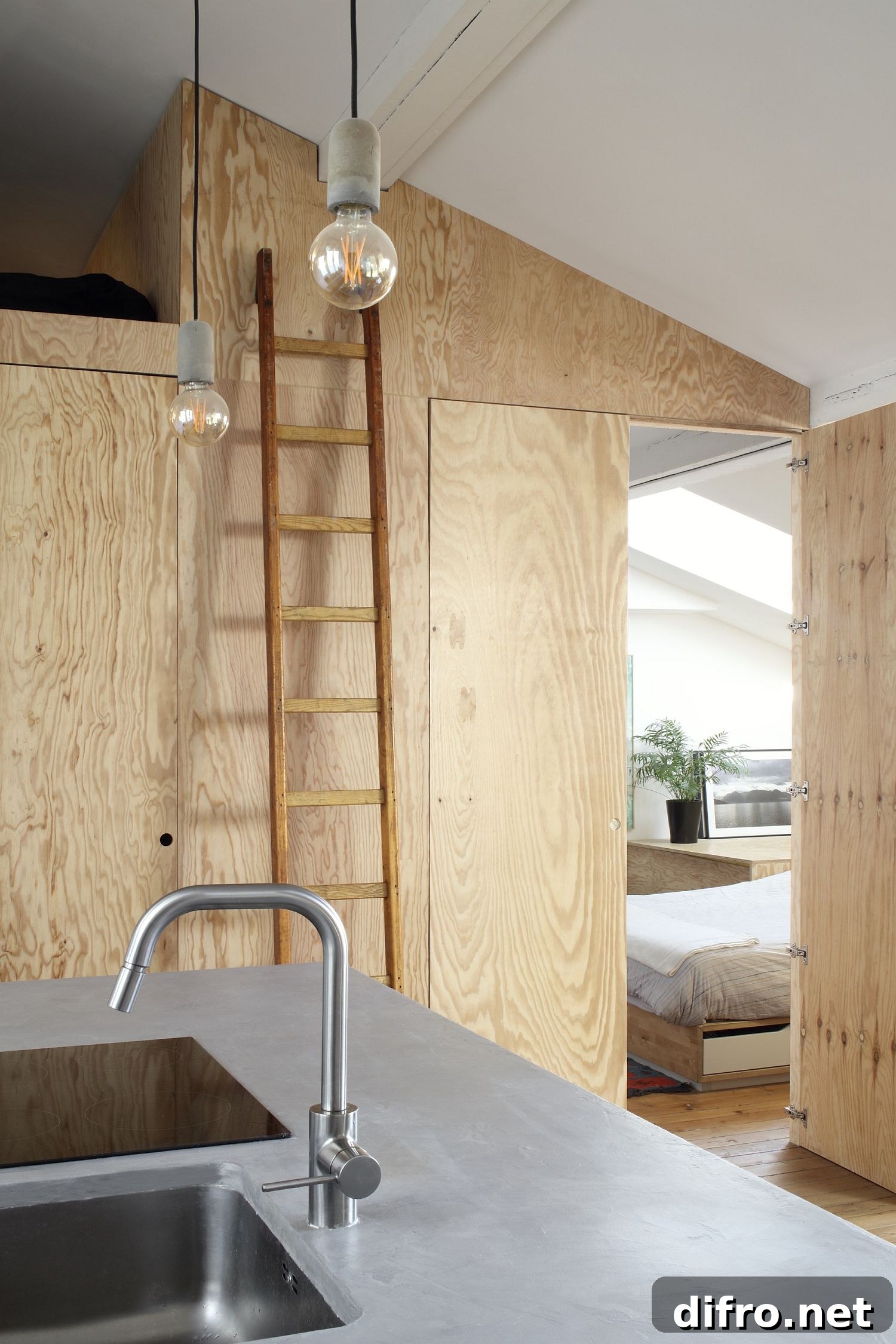
Single-wall kitchens are ideal for compact one-bedrooms. Keep appliances and surfaces pared down to essentials: a modest countertop, efficient storage, floating shelves and a small movable island or cart that tucks away when not in use. For furniture, prioritize multifunctional pieces like Murphy beds, fold-away desks, modular shelving and convertible sofas. These choices free up floor area and maintain a light, open feel.
Finishing Touches
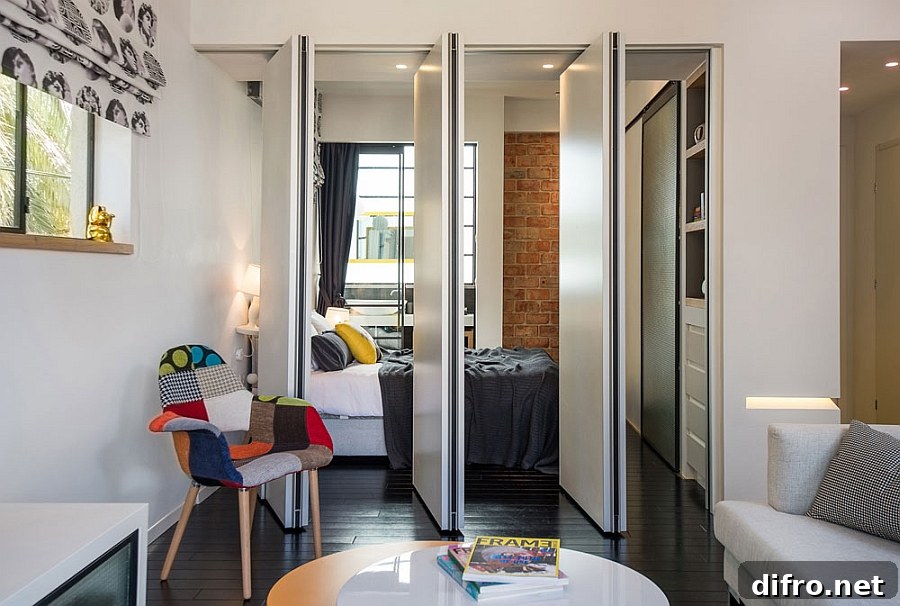
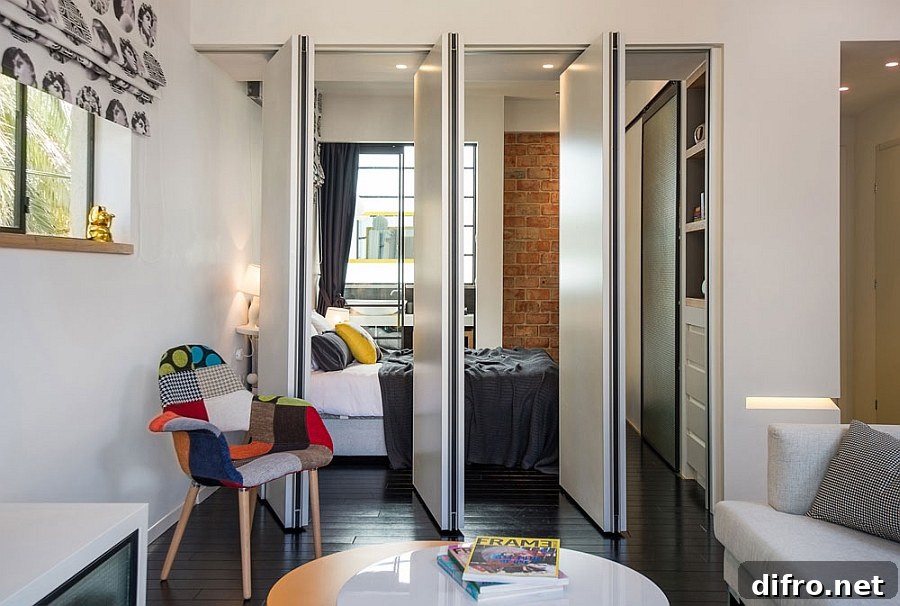
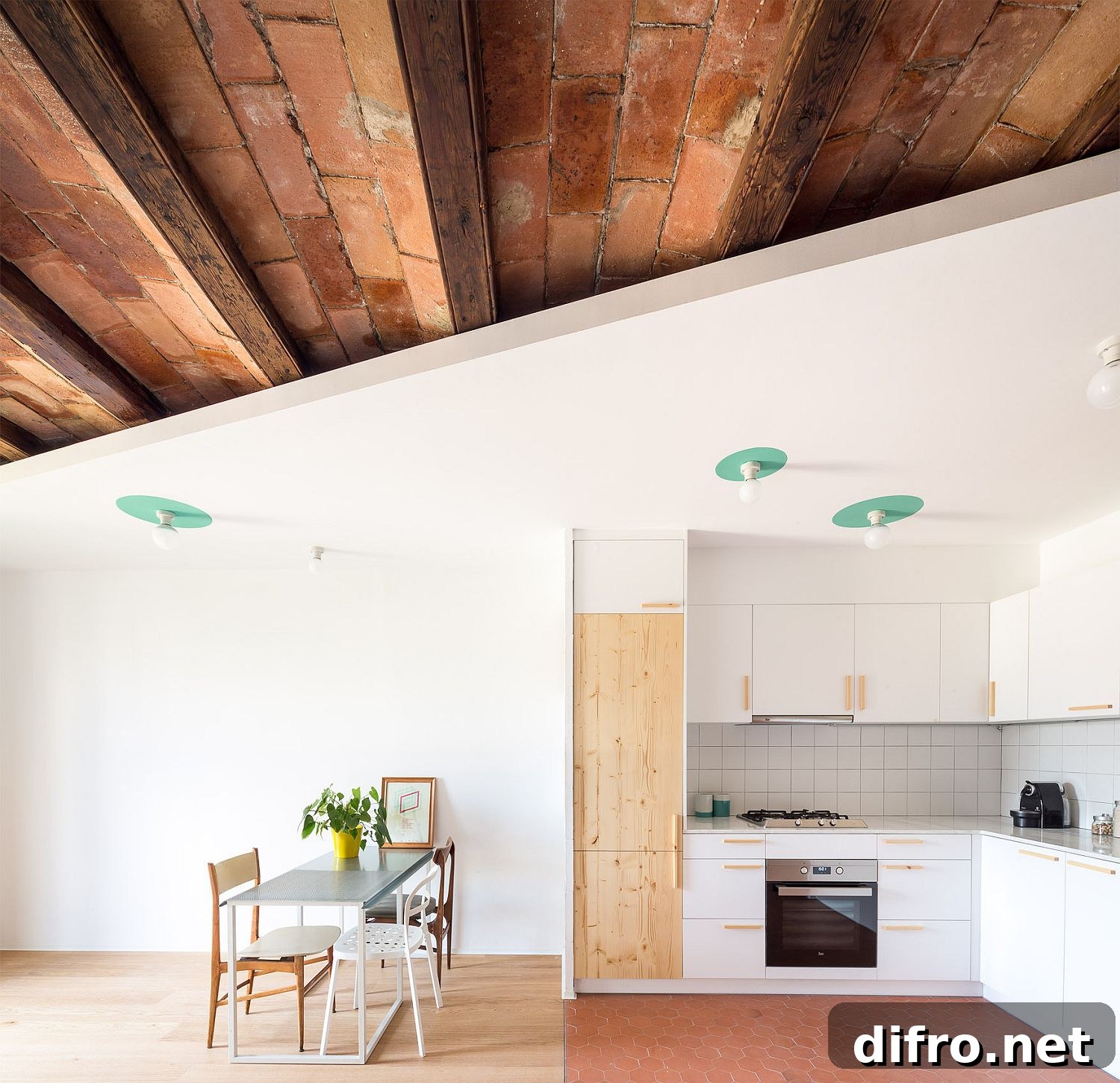
Keep color to a minimum and use layered lighting to make small spaces feel larger and more inviting. Folding dividers, sliding panels and translucent screens help define zones without blocking light. Thoughtful storage, clean lines and adaptable furniture can turn a small one-bedroom into a functional, stylish home—one that feels open, organized and uniquely yours.