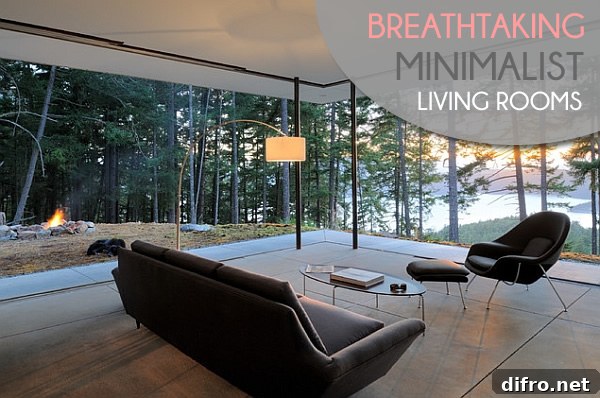
Minimalism is the art of living comfortably, conveniently and beautifully with less. While it may sound straightforward, achieving a refined, functional minimal interior is often more challenging than it appears. A successful minimal living room demands restraint, thoughtful choices and consistency. Rather than adding layers of detail, minimalism is about removing excess and emphasizing clarity, proportion and purpose.
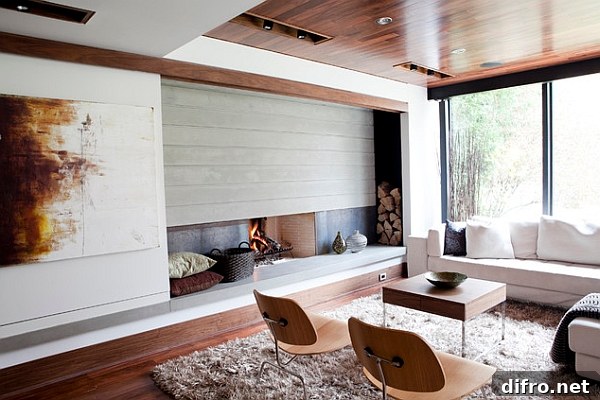
by Capoferro Design Build Group
The journey usually begins in the living room. A minimal living room can feel sophisticated, elegant and calm while still expressing personality. Thoughtful choices in color, texture and form let you balance functionality with style. Below are curated ideas and inspirations to help create a minimal living room that feels warm, purposeful and visually compelling.
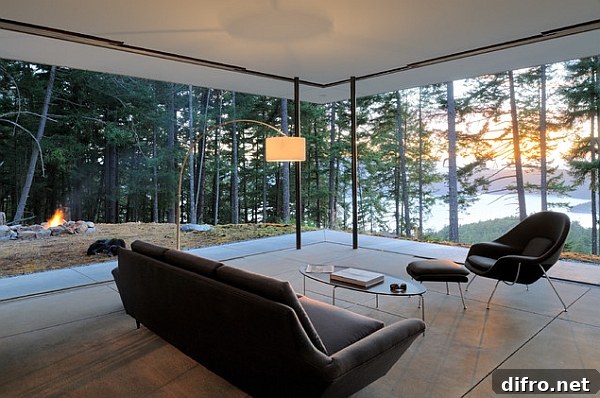
by Gary Gladwish Architecture
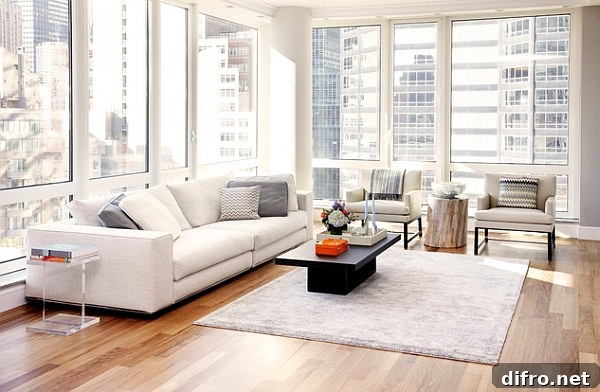
by Tara Benet Design
Playing with the Undertones
Minimal design doesn’t mean a sterile black-and-white formula. The challenge is to avoid monotony while preserving the clean lines and calm atmosphere minimalism provides. Introduce subtle undertones—warm woods, restrained color accents, or soft textiles—to add personality without clutter. Popular complementary styles include industrial minimalism, Soho-inspired loft aesthetics and gentle Oriental influences. The key is to keep these influences understated so the room remains clearly minimal and visually balanced.
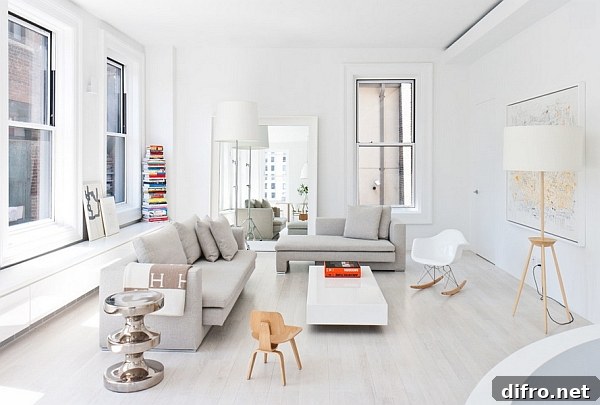
by Resolution: 4 Architecture
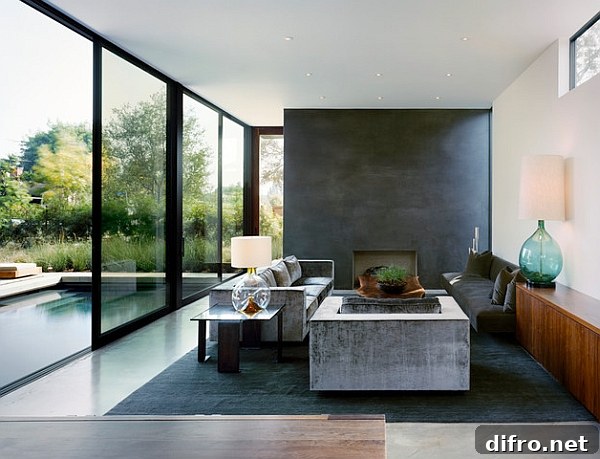
by World Architecture News
Mid-Century Modern Magic
Mid-century modern pieces pair beautifully with minimal interiors. Iconic designs such as Eames lounge chairs, Noguchi coffee tables or sculptural floor lamps introduce curves and visual interest while maintaining a restrained palette and clean lines. These furnishings offer warmth and character without overwhelming a minimal scheme, creating a timeless look that blends comfort with form.
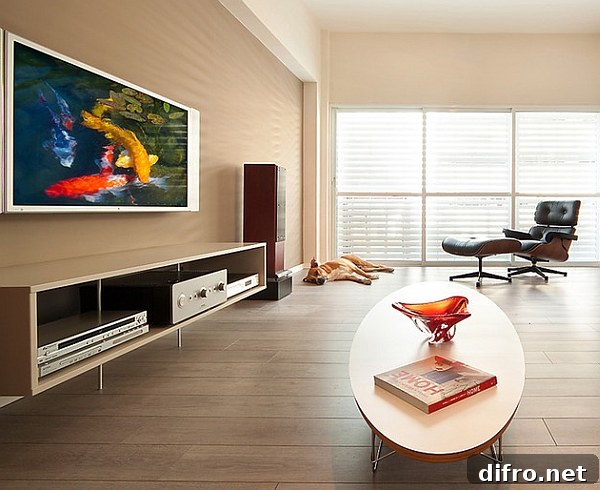
by Davidov Partners Architects
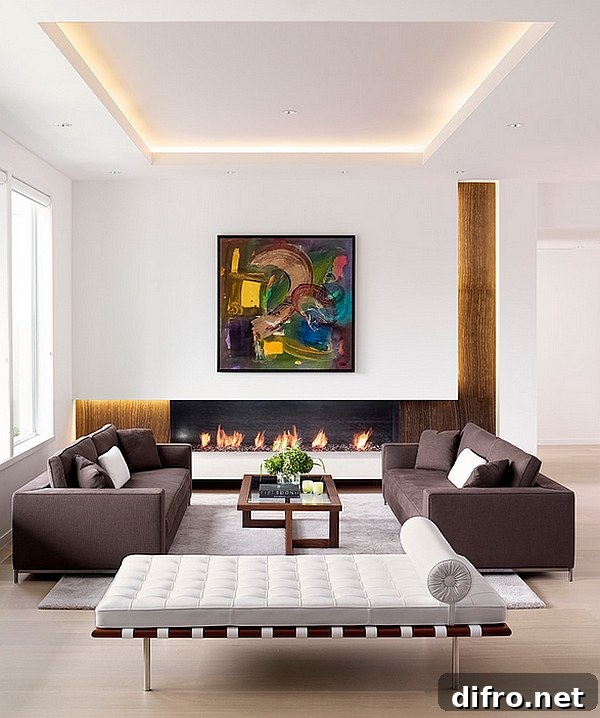
by Stuart Silk Architects
Creating a Focal Point
Minimal rooms make it easy to highlight a single focal point. A well-placed light fixture, a bold accent color, a sculptural coffee table or a simple fireplace can become the star of the room. With a neutral backdrop, these elements stand out and can be rotated seasonally to refresh the space. Plants, art or a single statement furniture piece often work best in minimal settings because they’re given room to breathe.
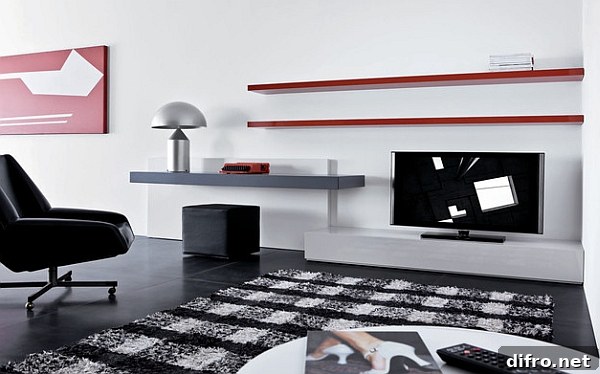
by Elad Gonen
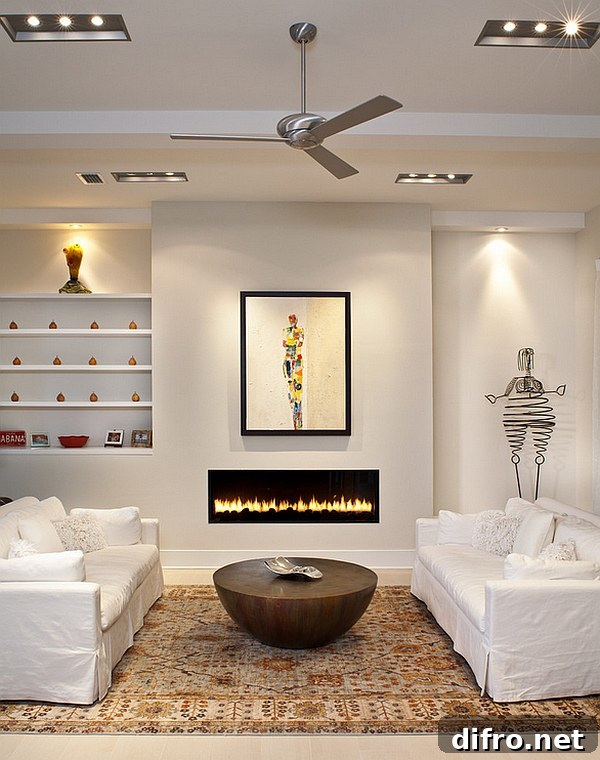
by Murray Homes
Less Is More
“Less is more” captures the spirit of minimal living rooms. Prioritize space and clarity: keep abundant open areas around each object and use proportion to create visual balance. Transparent materials like glass or acrylic, wall-mounted storage and floating shelves preserve sightlines and enhance the feeling of airiness. But minimalism shouldn’t sacrifice comfort—select furnishings that are both functional and inviting. Discipline in shopping and editing is the most reliable design tool for maintaining a minimal home that’s both beautiful and livable.
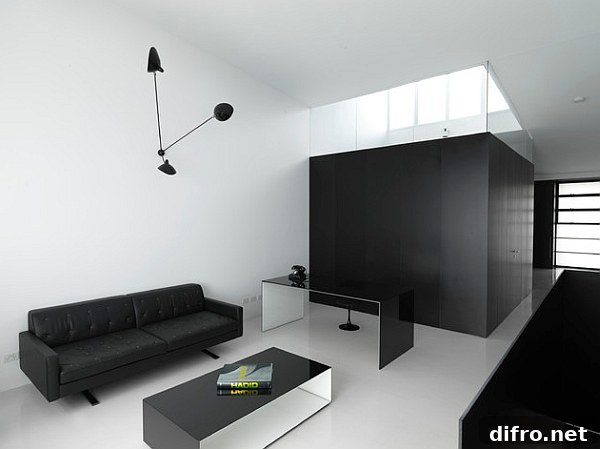
by Ian Moore Architects
To sum up: create a calm neutral foundation, introduce subtle undertones or a single contrasting accent, choose timeless pieces—especially mid-century modern classics where appropriate—and always resist the urge to overcrowd. The result is a minimal living room that feels intentional, comfortable and enduring.
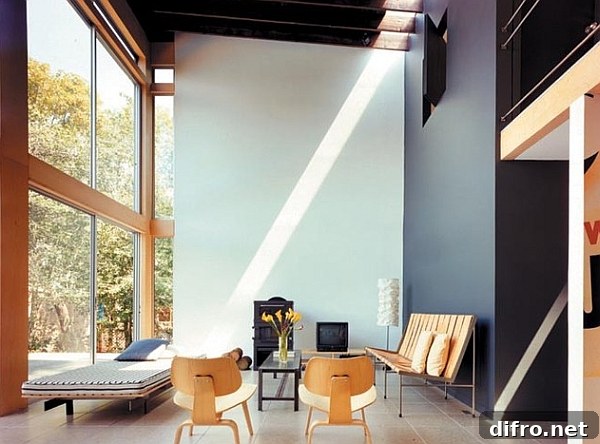
by Roger Hirsch Architect