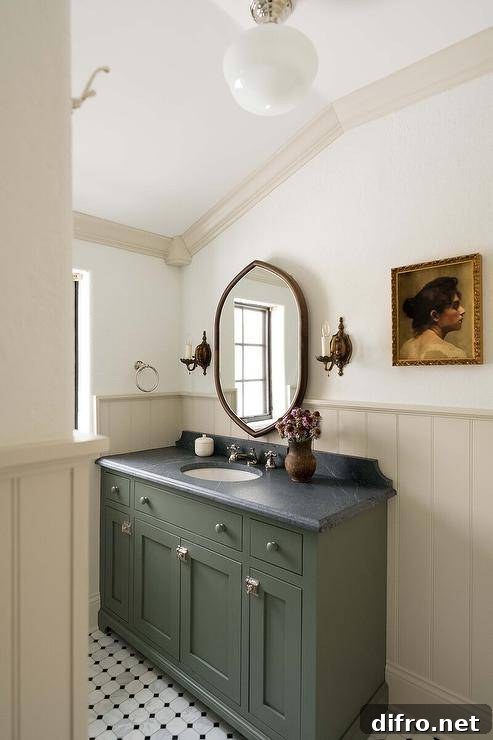
Modern vintage design blends the warmth and character of older styles with the clean lines and functionality of contemporary interiors. This hybrid aesthetic balances nostalgia with simplicity, producing spaces that feel curated, comfortable, and timeless. Below are the essential principles and practical tips to help you create a modern vintage home that feels both fresh and familiar.
Key principles of modern vintage design
1. Neutral color palette
Start with neutral walls and large surfaces to create a calm, cohesive backdrop. Whites, creams, soft grays, warm beiges and muted blacks allow vintage pieces to stand out without competing with strong background colors. Neutrals also make it easier to layer textures and introduce accent colors selectively.
2. Natural materials
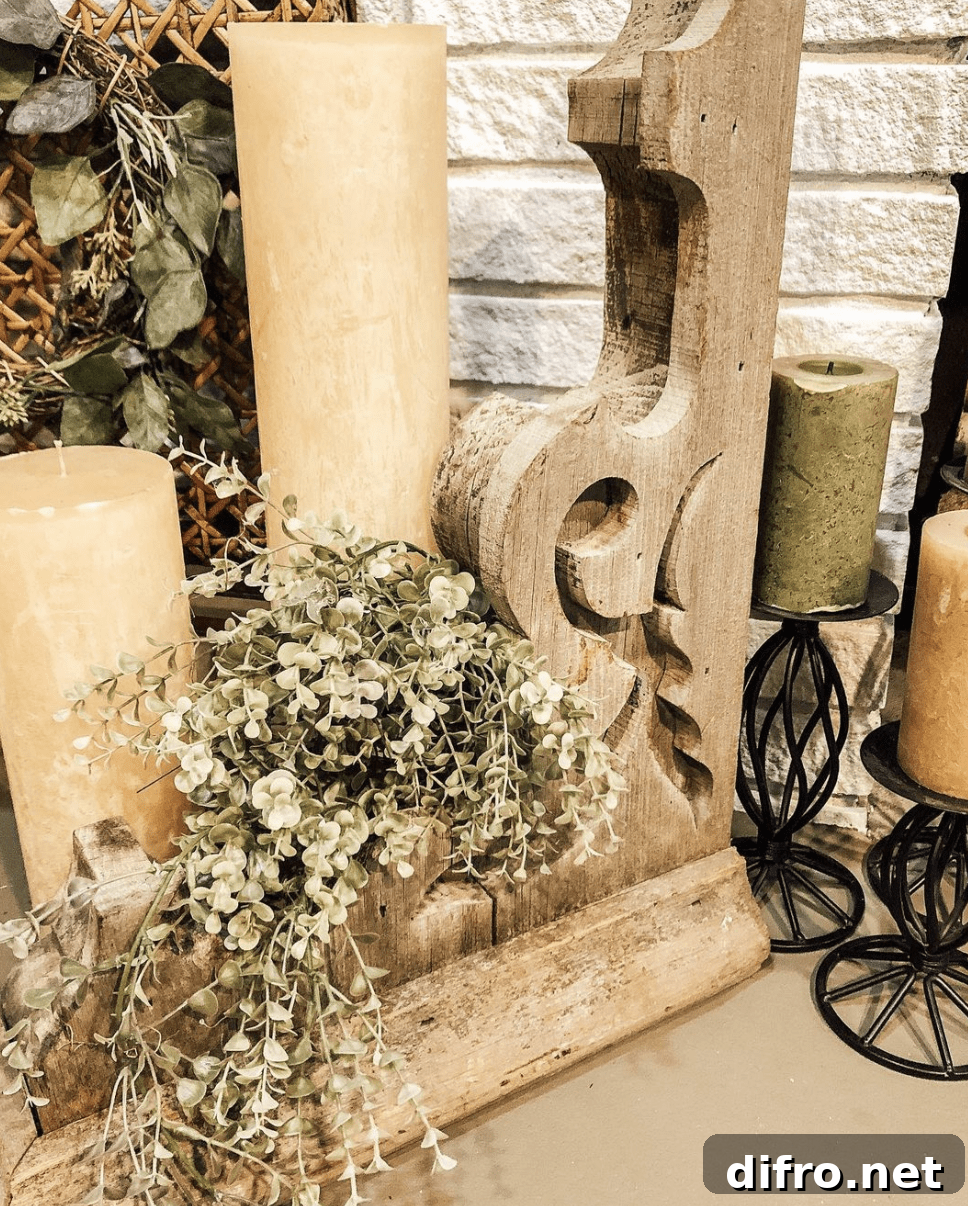
Wood, stone, metal and leather introduce warmth, texture and an authentic aged quality that defines vintage charm. Pair reclaimed or distressed wood with polished metal or matte stone to create a layered, tactile environment that feels grounded and lived-in.
3. Vintage-inspired patterns and textures
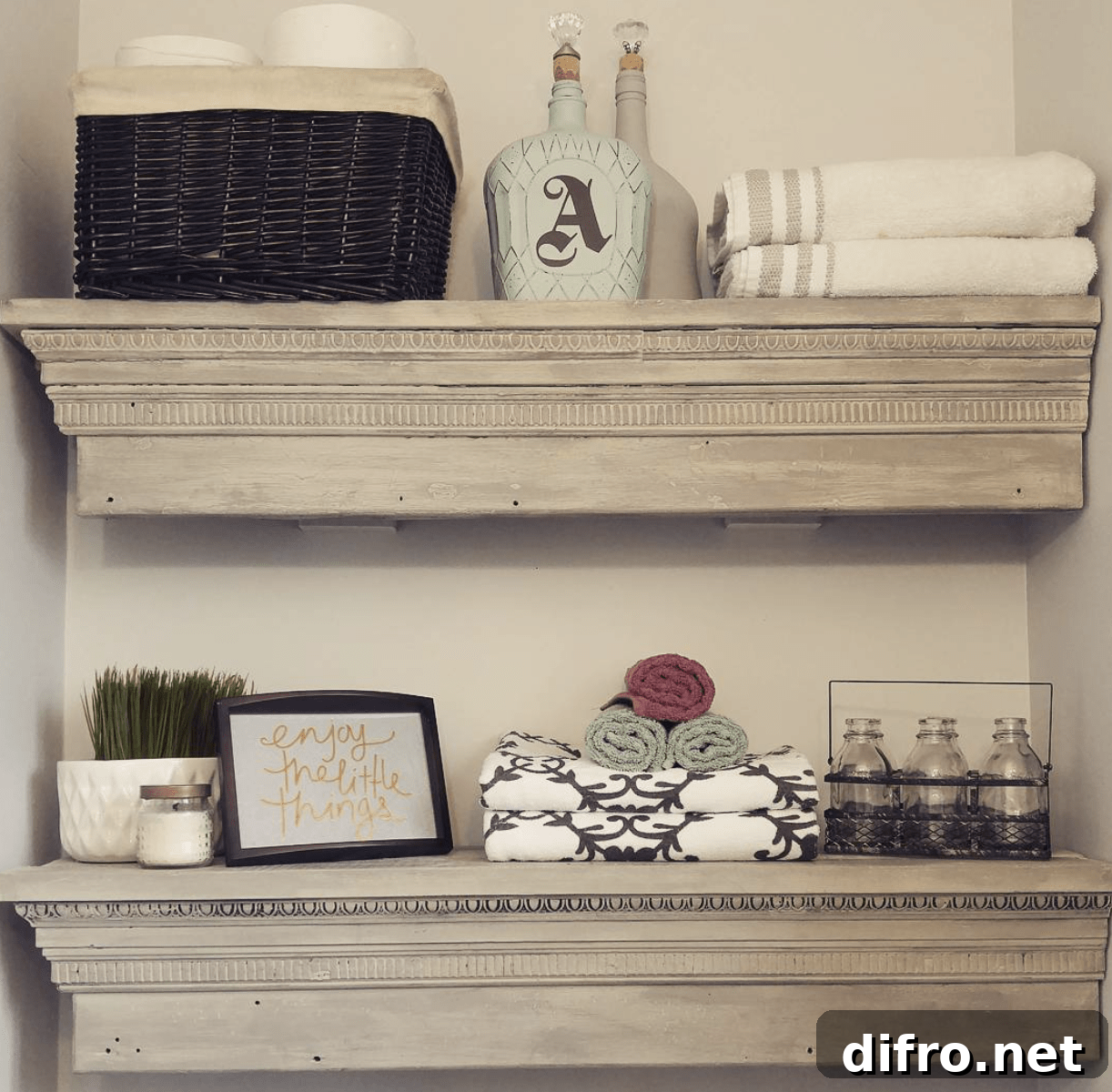
Introduce subtle vintage patterns—florals, lace-like motifs, heirloom embroidery—alongside modern geometric or solid textiles. Textured throws, embroidered cushions and patterned wallpaper used sparingly add charm without overwhelming the space.
4. Vintage-inspired furniture and decor
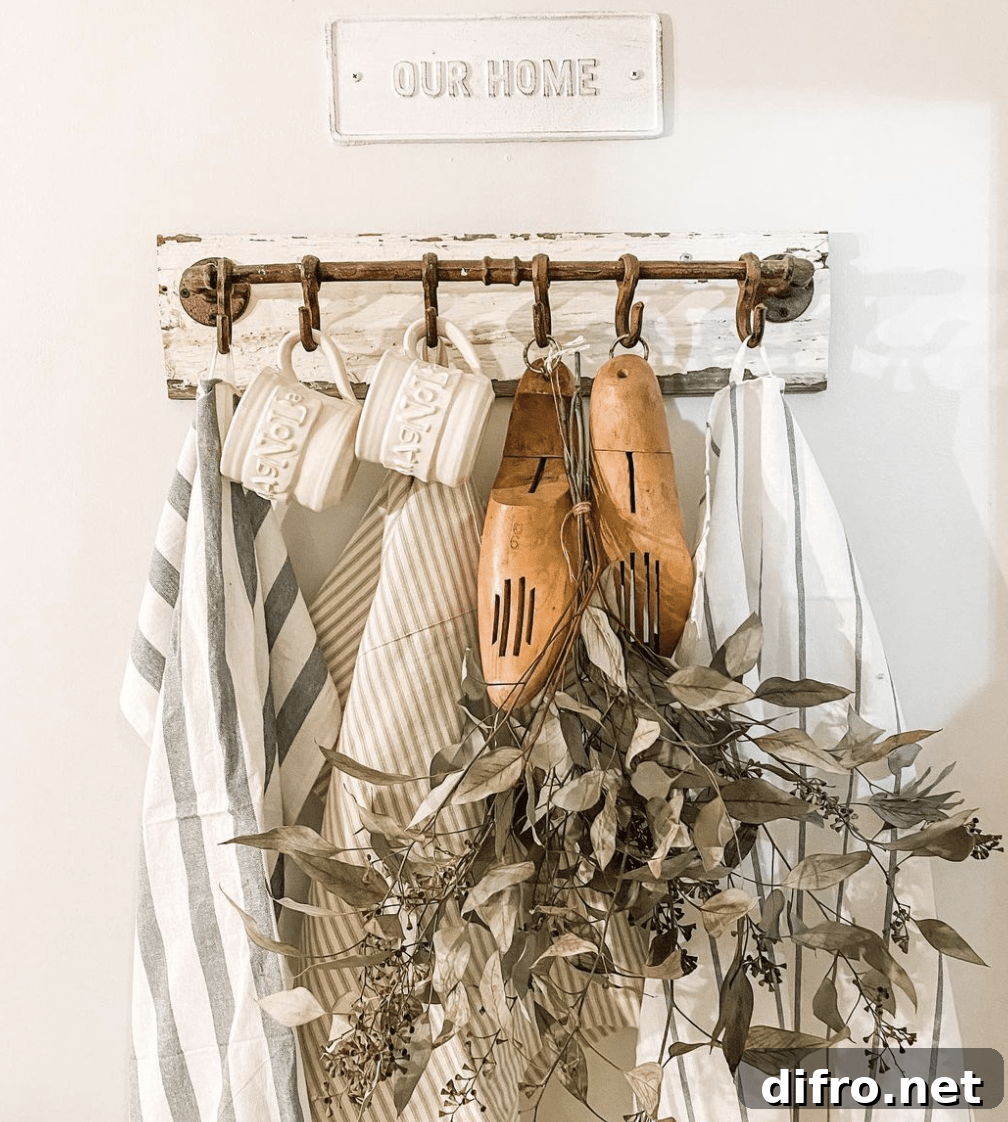
Select statement vintage or vintage-style furniture—mid-century chairs, a rustic dresser, or industrial lighting—to give rooms character. Balance these with modern pieces to maintain functionality and prevent the room from feeling like a period reproduction.
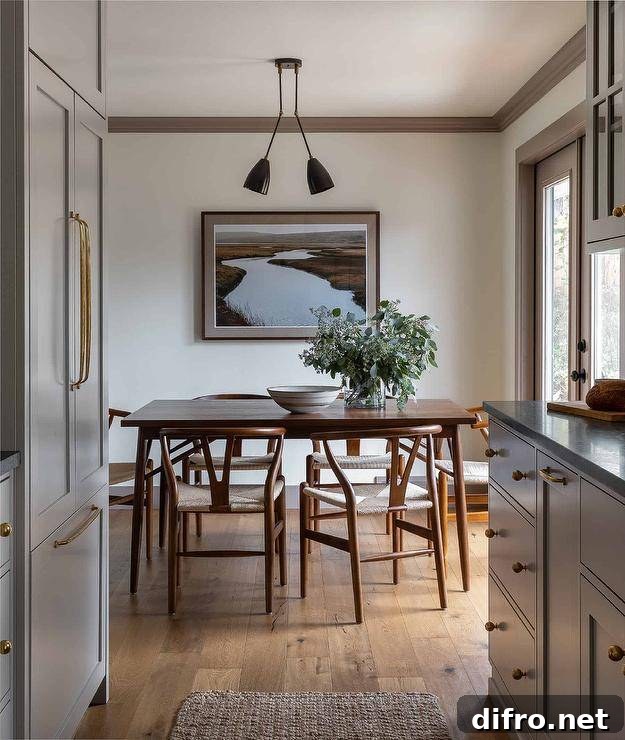
5. Clean lines and simple shapes
Modern design brings structure to the vintage elements. Use furniture with simple silhouettes and uncluttered layouts to create visual balance. This contrast between ornate or textured vintage pieces and streamlined modern forms is central to the style.
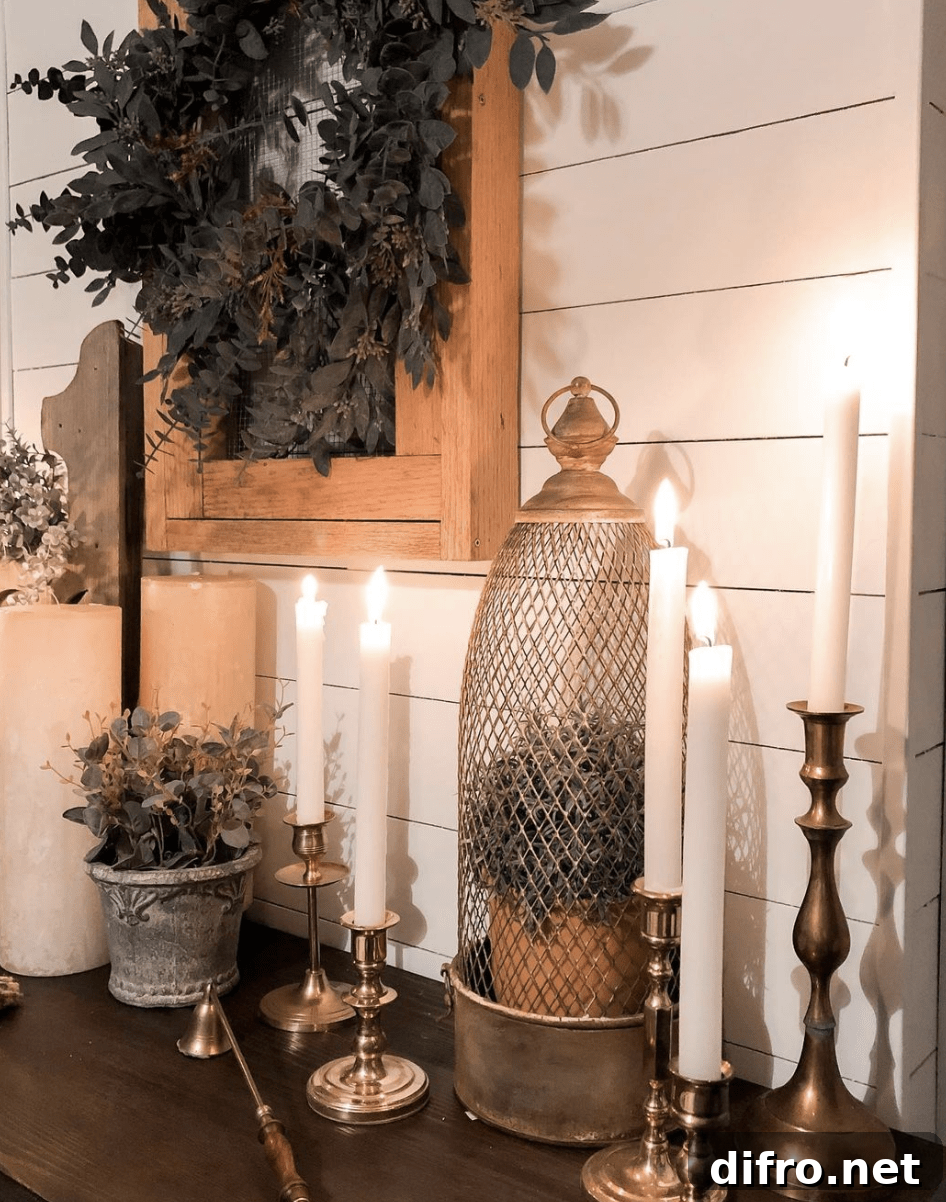
6. Statement pieces
Choose one or two focal items—a bold artwork, an antique console, or a distinctive light fixture—to anchor the room. Statement pieces bring personality and tell a story while the rest of the design supports and highlights them.
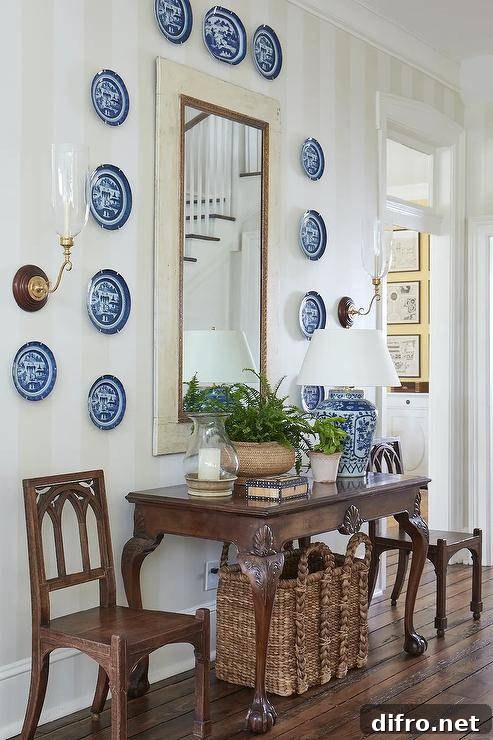
7. Layering
Layer textures, textiles, lighting and accessories to create depth. Rugs over wood floors, layered lighting levels, and mixed textiles make rooms feel rich and purposeful. Vary scale and material to avoid monotony and to create visual interest.
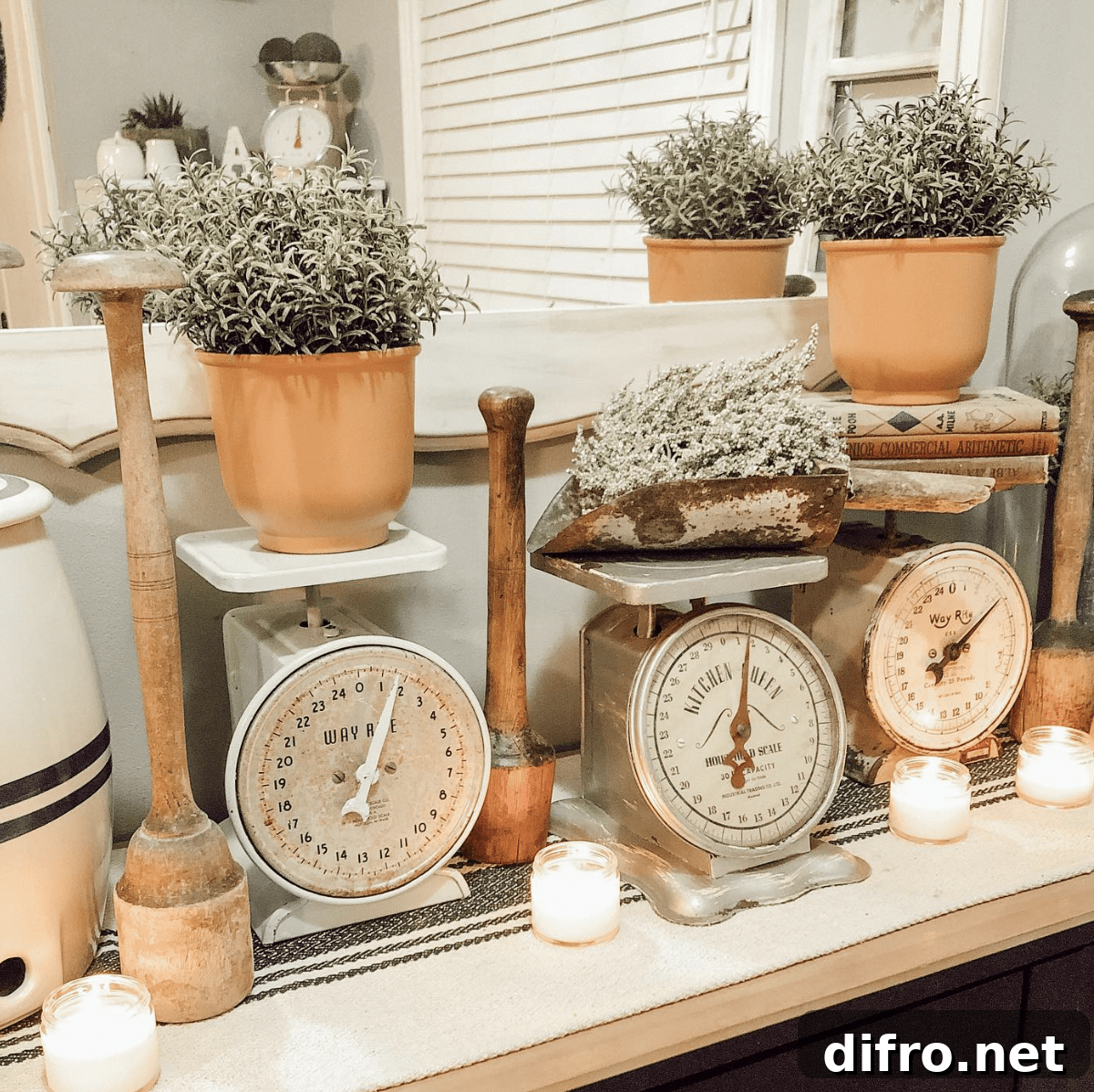
How to achieve the modern vintage look
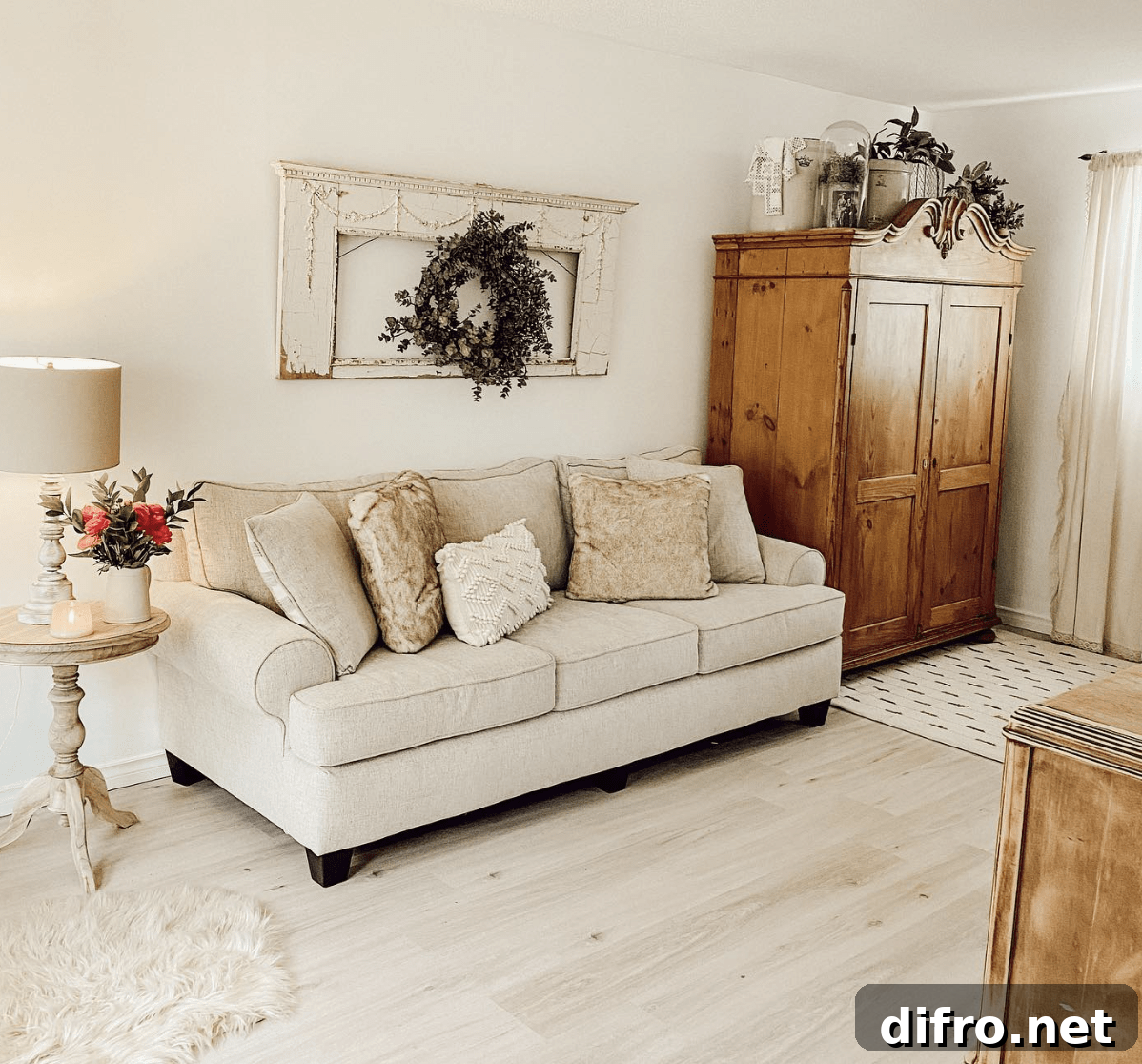
Start with a neutral base
Paint walls and larger furnishings in neutral tones so vintage accents become focal points. Neutrals also make it simpler to add or change pieces over time while keeping the overall look cohesive.
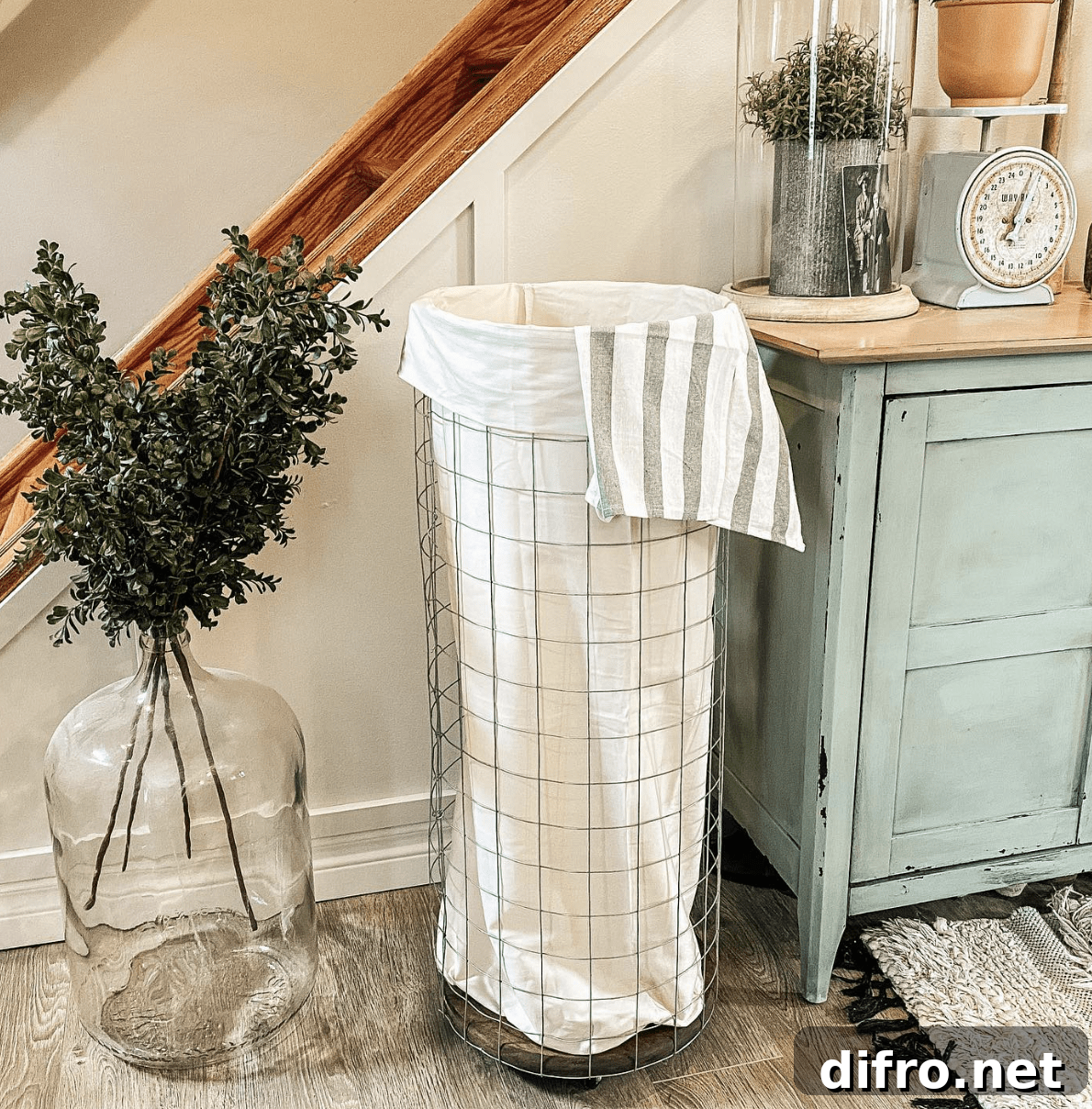
Mix vintage and modern furniture
Pair a vintage sofa with a contemporary coffee table, or combine an antique dresser with a modern lamp. The goal is complementary contrast—pieces that work together in scale, color and proportion.
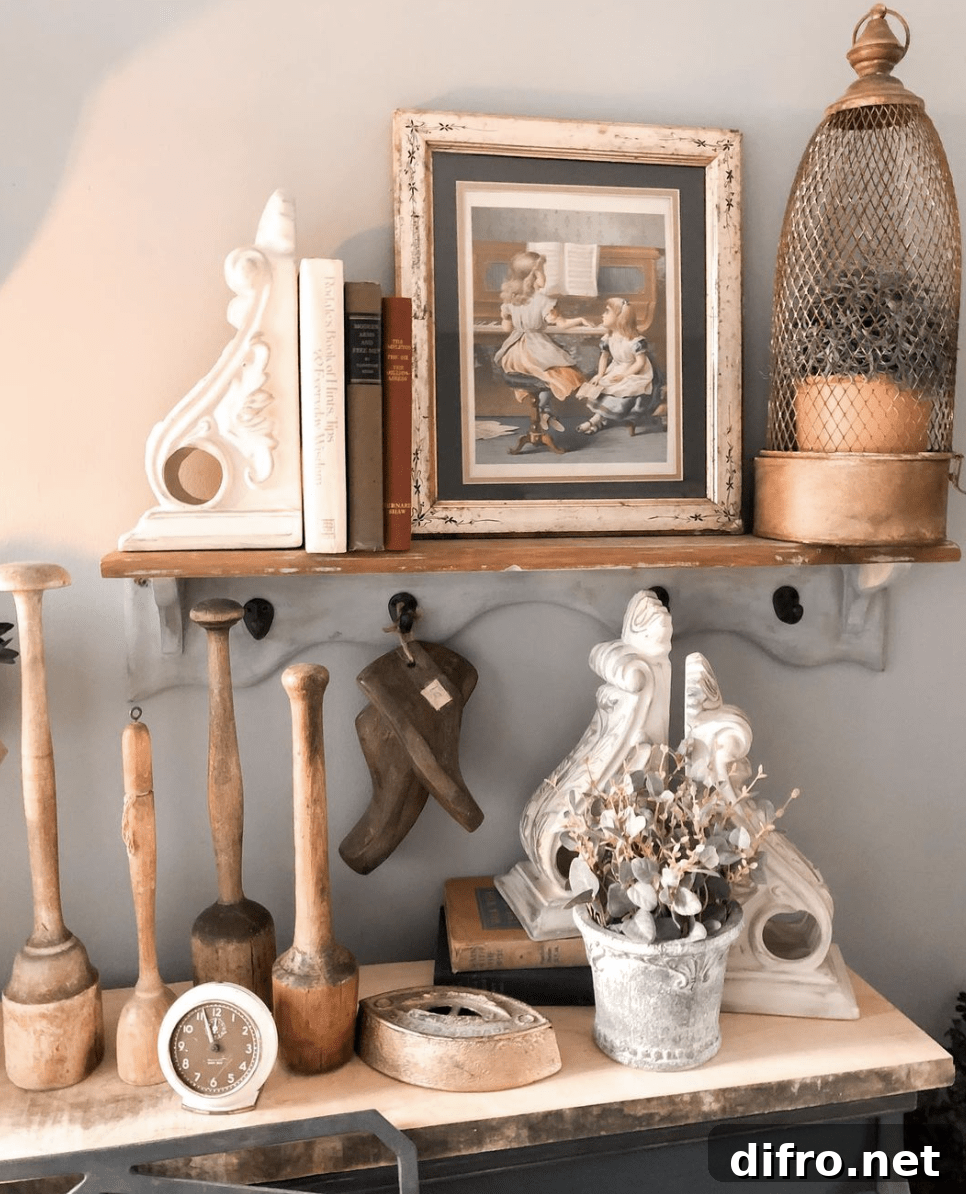
Use vintage artwork and accessories
Framed vintage posters, family photographs, old books and curated finds add personality. Combine them with contemporary objects—simple vases, modern throws—to bridge eras and maintain balance.
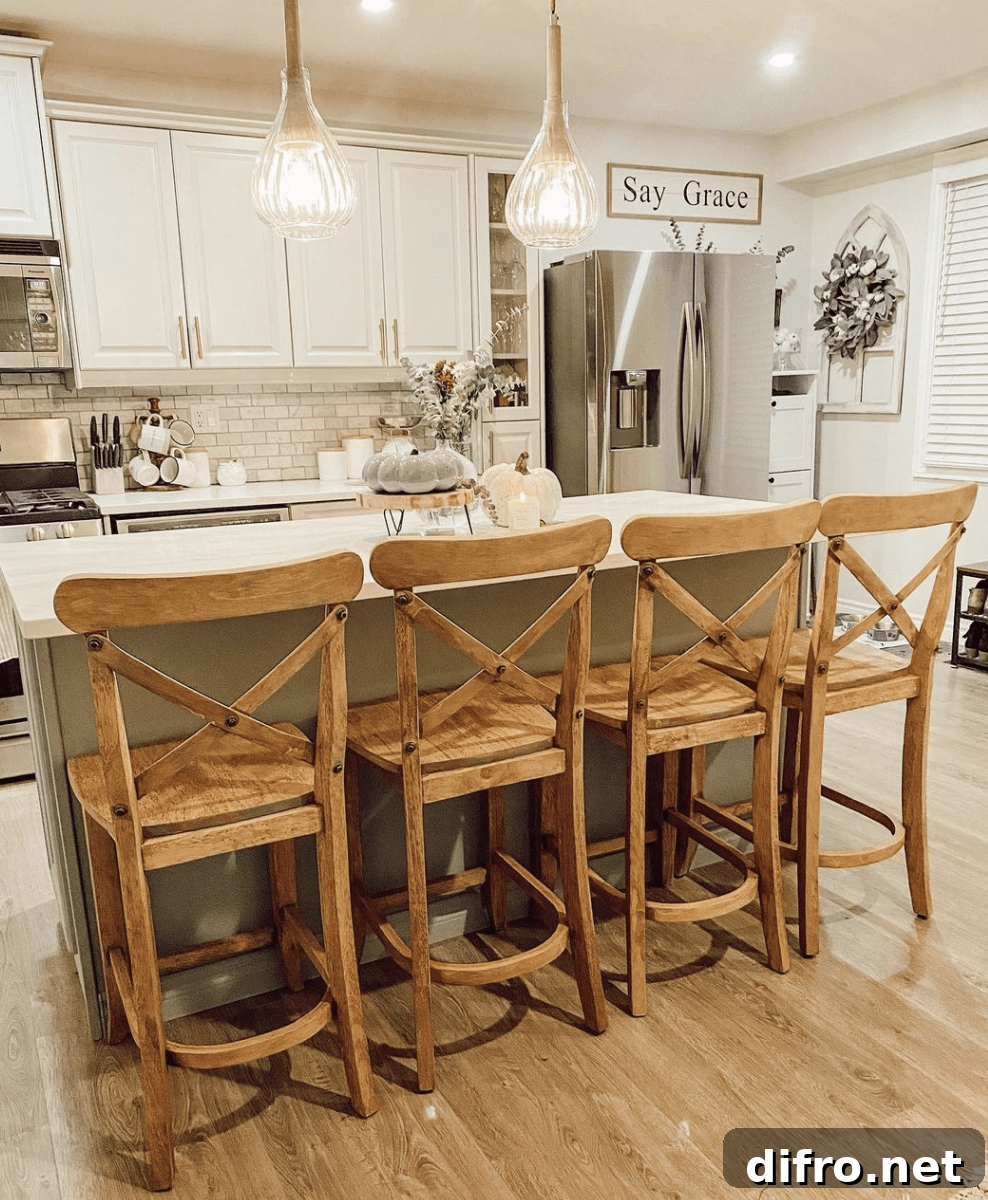
Incorporate natural materials and finishings
Choose wooden tables, leather seating, stone counters and metal accents to add age and texture. These materials invite warmth and help ground cool modern elements.
Mix patterns carefully
Combine a small-scale vintage floral with a larger modern geometric, or pair plaid with a neutral textured fabric. Limit your palette so patterns harmonize rather than clash.
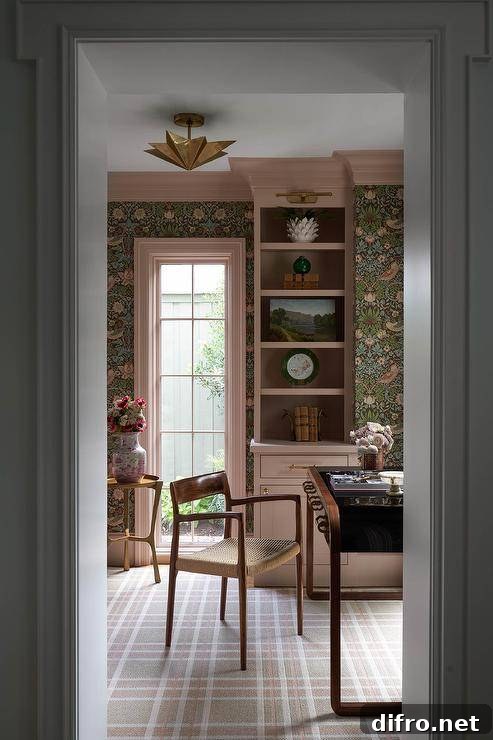
Keep it uncluttered
Resist the urge to fill every surface. A few well-chosen vintage pieces will make a stronger statement than an overcrowded display. Simplicity keeps the style modern and elegant.
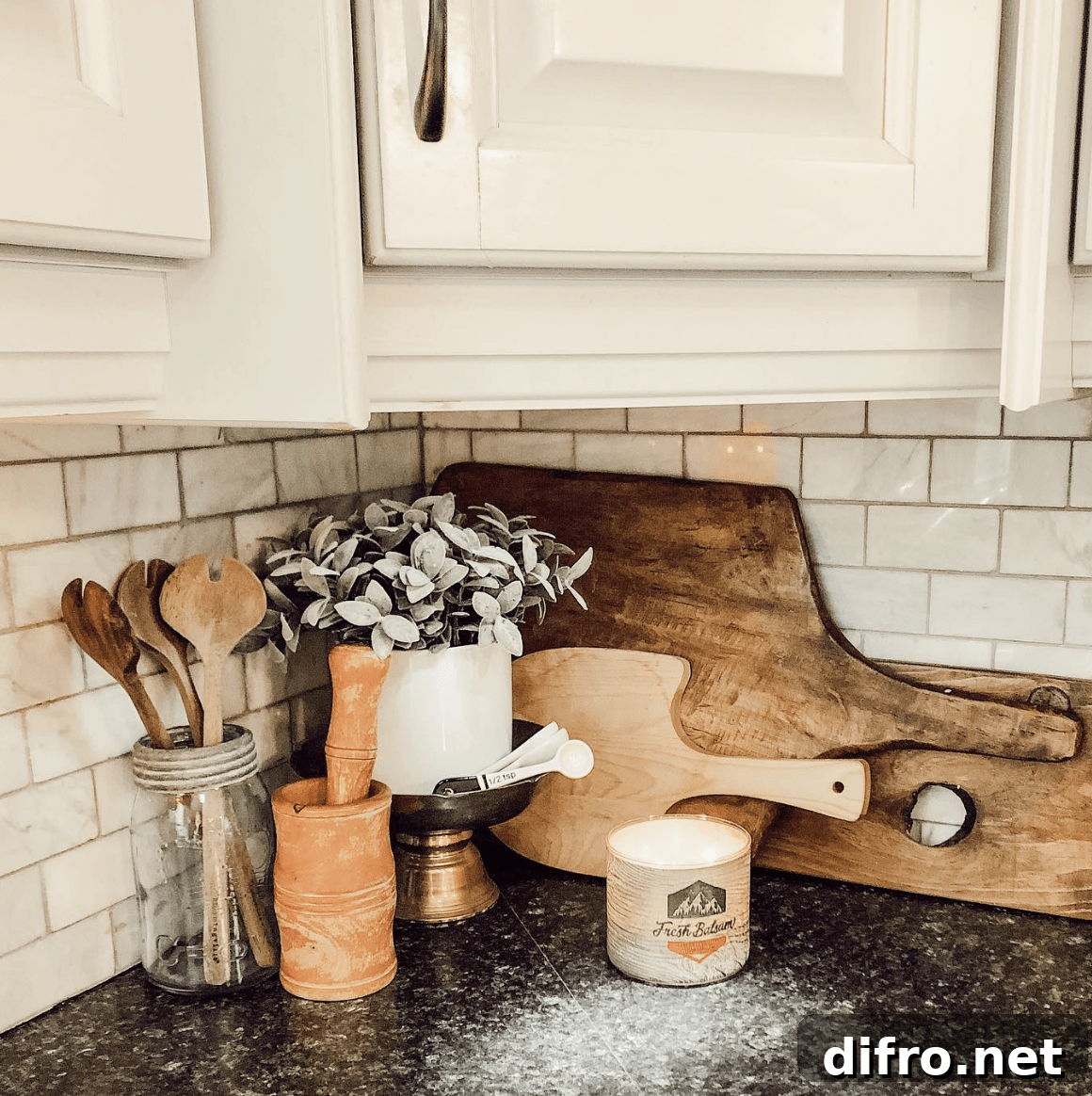
Quick tips
- Mix vintage and modern pieces: Combine old and new for a personalized look.
- Stick to a neutral palette: Use beige, gray, cream and white as your base.
- Play with texture: Wood, metal, leather and woven textiles add depth.
- Choose vintage lighting: Antique-inspired fixtures give character.
- Use patterned wallpaper sparingly: Create a focal point without overwhelming the space.
- Hunt for unique decor: One-of-a-kind vintage finds add personality.
- Mix seating styles: Combine modern chairs with vintage benches for an eclectic feel.
- Add plants: Greenery softens the space and brings it to life.
- Include vintage art and books: They create narrative and nostalgia.
- Use vintage rugs: They anchor seating areas with warmth and pattern.
- Keep displays curated: Let standout vintage items breathe.
Frequently Asked Questions (FAQs)
What is modern vintage design?
A style that blends vintage-inspired objects and materials with contemporary layouts and clean lines to create interiors that feel both nostalgic and modern.
What features define modern vintage design?
Key features include neutral palettes, natural materials, mixed-era furniture, layered textures, and carefully chosen statement pieces.
How do I get started?
Begin with a neutral base, add a few vintage statement pieces, and balance them with modern furniture and simple silhouettes.
Which color schemes work best?
Neutral tones (beige, gray, white) with muted pastels or occasional bold accents like mustard, teal or rust for interest.
Can this style work in commercial spaces?
Yes—restaurants, cafes and shops often use modern vintage design to craft memorable, welcoming atmospheres.
Modern vintage design is flexible and highly personal. By balancing neutral backgrounds, natural materials, and a thoughtful mix of vintage and modern elements, you can build a space that feels curated, comfortable and uniquely your own.