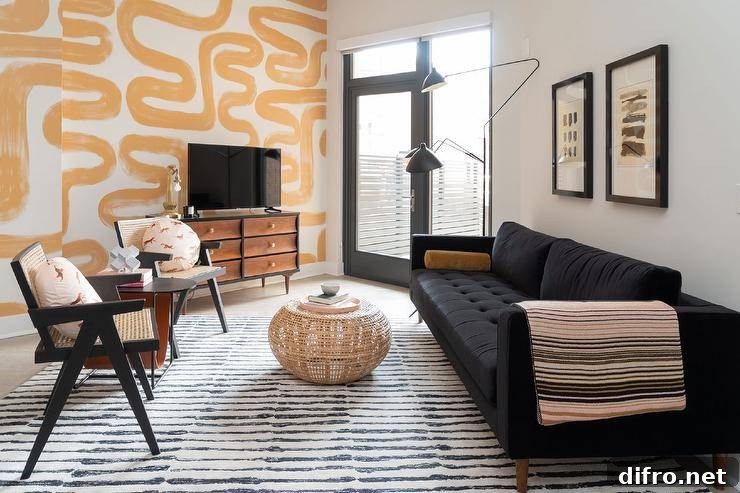
The living room is often the heart of the home — the place where family and friends gather to relax, entertain, and create memories. One of the simplest and most effective ways to elevate this space is to introduce an accent wall. An accent wall creates a clear focal point, adds visual depth, and expresses personality without overwhelming the entire room.
Accent walls can be executed in many ways: paint, wallpaper, reclaimed wood, stone, brick, panels, or even fabric and upholstery. In the sections below you’ll find practical ideas and tips to help you choose the right style for your living room, plus inspiration for how to balance color, texture, light, and scale.
Whether you want a bold statement, a calm retreat, or a textured backdrop for art and shelving, these living room accent wall ideas will help you design an attractive, well-considered focal point that fits your home and taste.
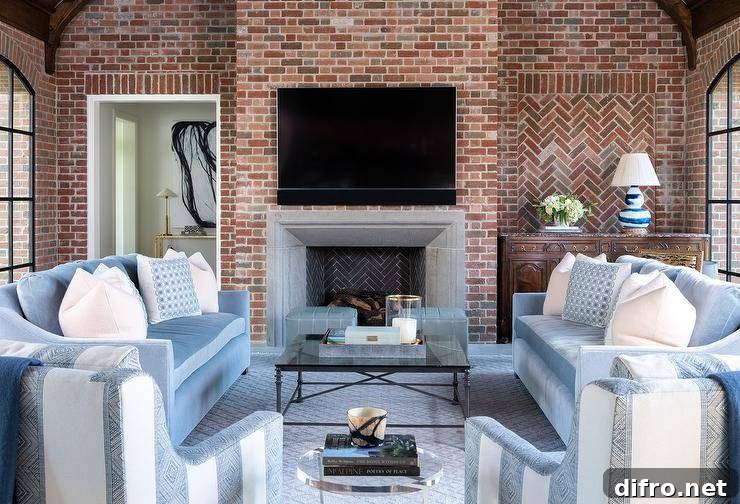
Stone or Brick
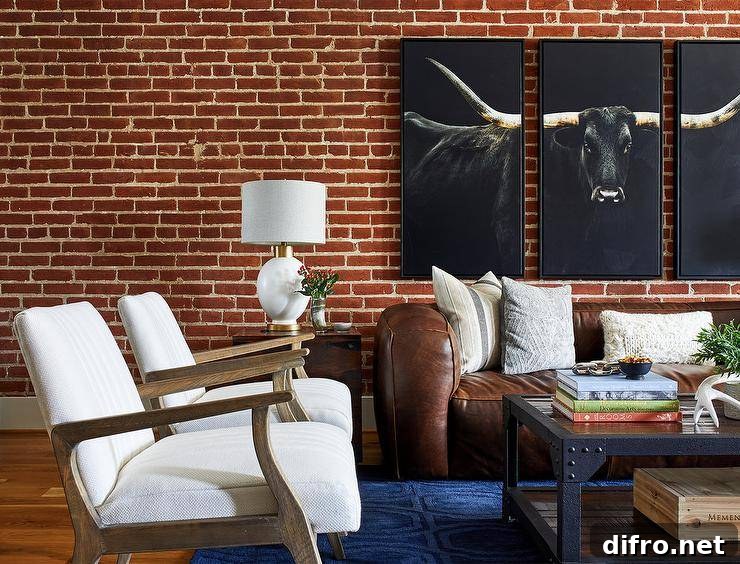
Stone or brick lends a warm, tactile quality to a living room. A brick wall can feel urban and cozy, while stacked stone or a stone veneer offers natural texture and architectural interest. These materials work especially well behind fireplaces, media walls, or behind seating to create a grounded, timeless look.
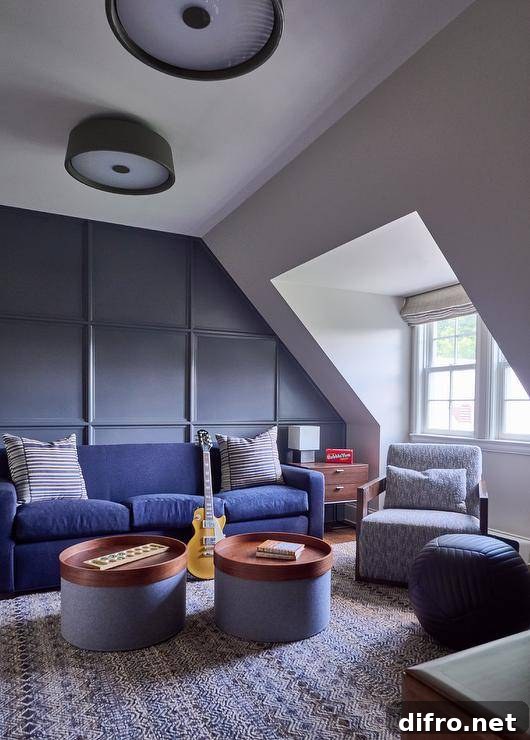
How To Make Bold Paint Colors Work For A Living Room Accent Wall
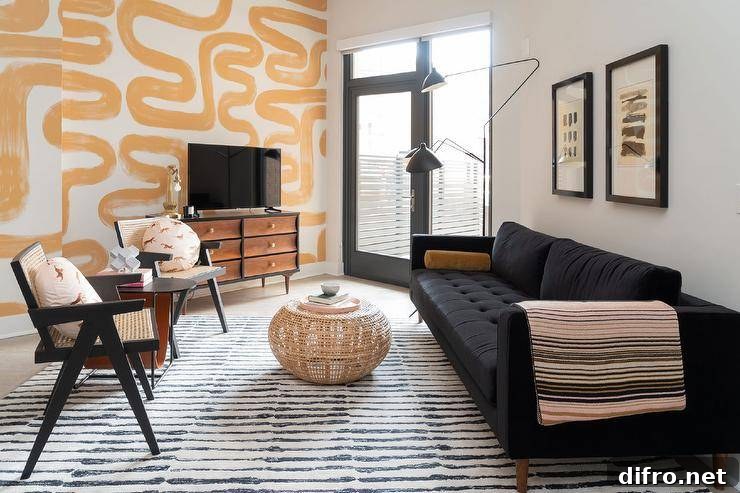
Paint is the fastest, most budget-friendly way to create an accent wall. Bold colors—navy, emerald, mustard, or deep charcoal—can make a dramatic statement. To make bold paint work, tie the color to your furnishings or accessories: use cushions, throws, or artwork that repeat or complement the hue. If you prefer something playful, geometric patterns or a painted mural can add movement without a permanent commitment.
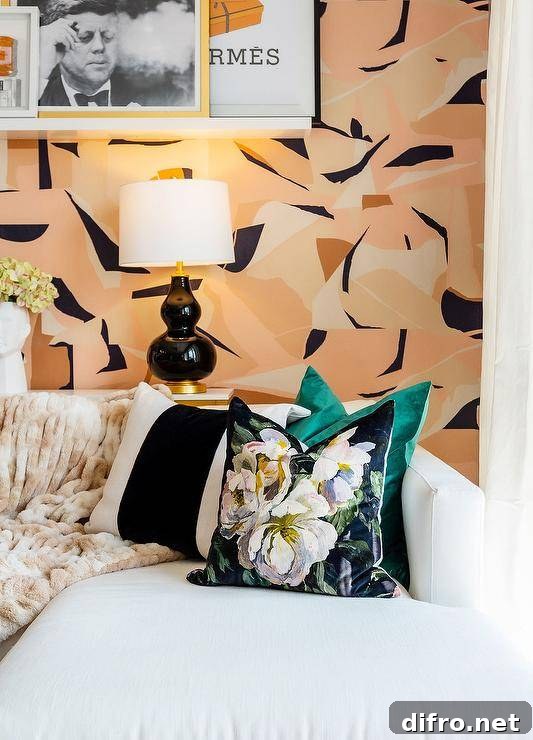
Wallpaper
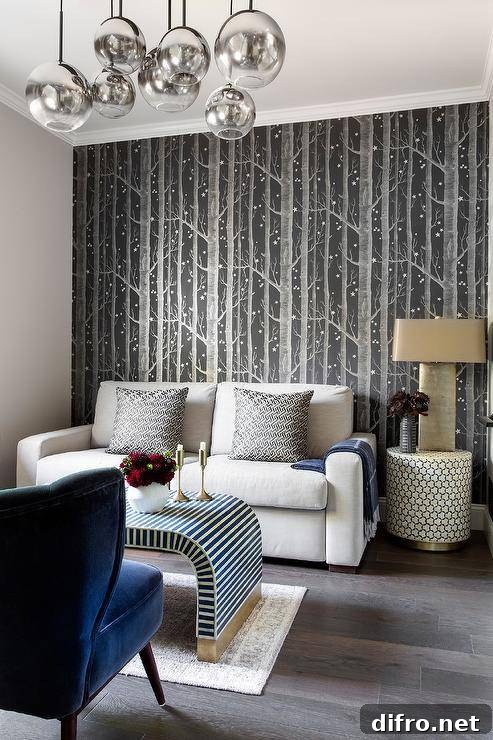
Wallpaper remains a classic way to introduce pattern and texture. From bold florals and geometric prints to metallic or grasscloth textures, wallpaper can define a space while adding visual richness. Choose a pattern that complements your furniture scale and room palette—busy prints suit large walls, while subtler textures work well in smaller rooms.
Wood Paneling
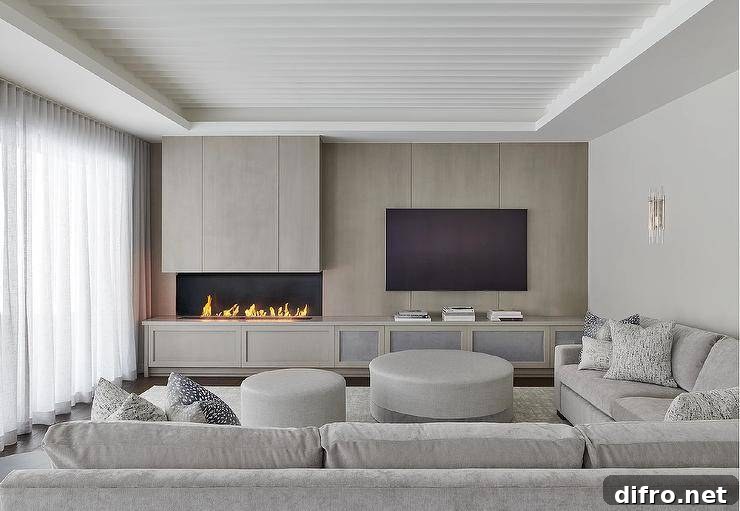
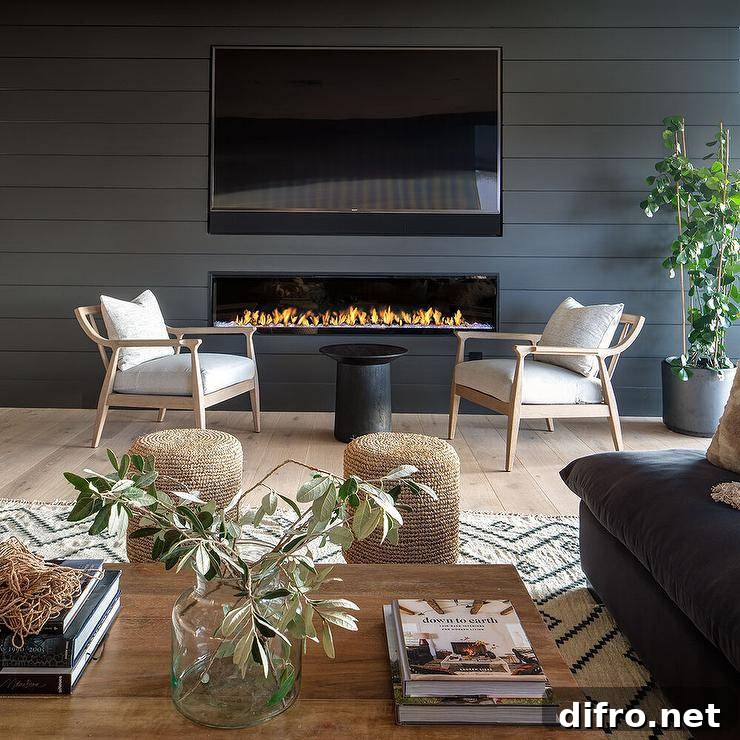
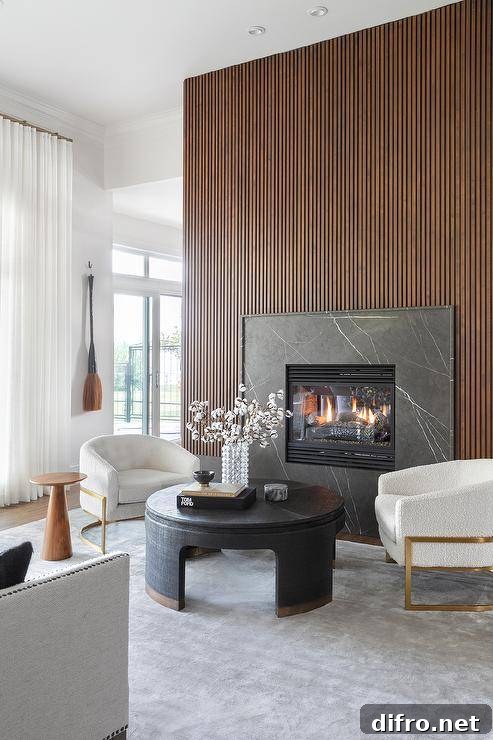
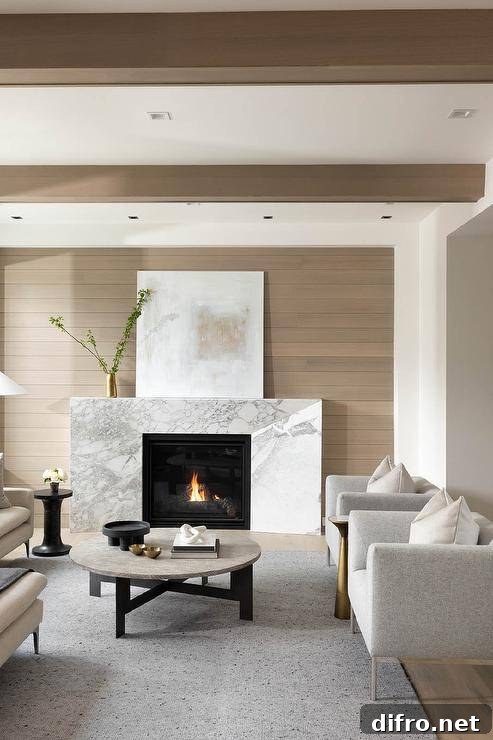
Wood paneling adds warmth and architectural texture. Reclaimed wood lends rustic charm, shiplap adds a farmhouse touch, and painted panels can read contemporary. Consider vertical planks to raise the perceived ceiling height or horizontal boards to emphasize a wall’s length. Wood works beautifully behind media centers, mantels, or built-ins.
Consider the Size of Your Room
Room size should guide your accent wall choices. In smaller living rooms, lighter tones and subtle textures can make the space feel more open. In larger rooms you can experiment with stronger colors and larger-scale patterns. Always balance an accent wall with the rest of the room so the space feels unified rather than fragmented.
Look at Your Existing Decor
Your accent wall should enhance the palette and style you already have. Pull accent colors from pillows, rugs, art, or window treatments to create cohesion. If your decor is richly patterned, choose a calmer wall; if your furniture is neutral, use the wall to introduce pattern, color, or texture.
Think about Natural Light
Light levels affect how color and texture read. Bright natural light will make bold colors appear more vivid, while darker rooms may benefit from deeper tones that add warmth. Test paint samples on the wall at different times of day to see how they change with light before committing.
Choose the Right Wall
Select a wall that naturally draws the eye: the wall opposite the main entrance, the wall behind a sofa, or the space around a fireplace or media center. A successful accent wall should enhance the room’s flow and highlight its best elements.
Don’t Be Afraid to Experiment
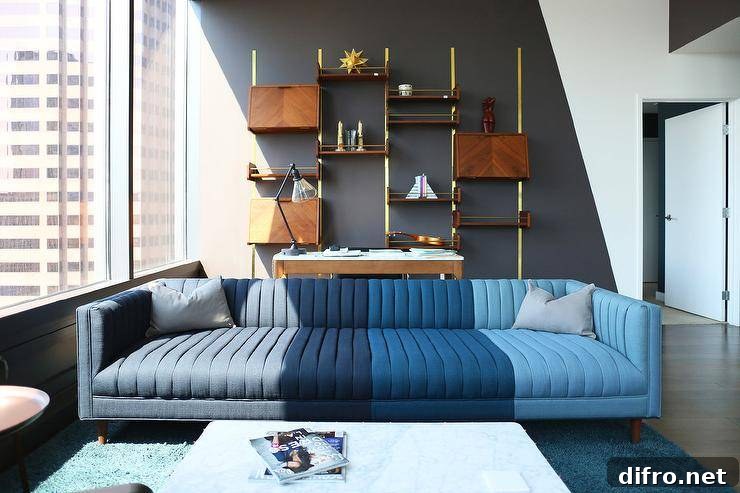
Your living room is a place to express personality. Try combining materials—paint with molding, wallpaper with shelving, or wood paneling with integrated lighting—to create interest. Small test areas, removable wallpaper, or peel-and-stick options make it easier to try new looks without long-term commitment. Above all, have fun and let your accent wall reflect your style.
Different Ideas for Living Room Accent Walls
Below is a curated list of accent wall concepts to spark your creativity. Each option can be adapted to match your room size, lighting, and existing decor.
- Bold color: Bright hues create energy and make a strong statement.
- Subtle color: Muted or pastel shades produce a calm, soothing atmosphere.
- Wallpaper: Patterned wallpaper adds visual interest and personality.
- Textured wallpaper: Grasscloth or textile papers add depth and a tactile feel.
- Shiplap: Horizontal boards offer farmhouse charm and rhythm.
- Stone: Natural stone imparts an earthy, sculptural presence.
- Brick: Brick brings warmth and rustic character.
- Wood paneling: Planks or panels introduce warmth and architectural detail.
- Gallery wall: A curated display of art or photos becomes a personal focal point.
- Mirrors: Mirrored tiles or panels increase light and create a sense of space.
- Stenciling: Stencils let you add custom patterns without full wallpaper installation.
- Decals: Removable decals are ideal for renters or changing tastes.
- Geometric shapes: Triangles, hexagons, or chevrons create a modern, graphic look.
- Stripes: Horizontal or vertical stripes add classic interest and visual direction.
- Ombre: A gradient effect softens transitions and adds subtle drama.
- Metallic accents: Metallic paint or wallpaper introduces glamour and light reflection.
- Chalkboard paint: Fun and interactive for family rooms or creative zones.
- Textured paint: Specialty paints can mimic plaster, suede, or sand finishes.
- Faux finish: Faux marble or concrete finishes offer high-style looks without the cost.
- Mural: A painted scene or large-scale design becomes an artistic centerpiece.
- Accent lighting: Wall washers, sconces, or LED strips highlight texture and color.
- Bookshelves: Built-in shelving turns storage into an attractive feature wall.
- Tapestry: Fabric hangings create a bohemian, layered texture.
- Upholstered wall: Padded or tufted panels add luxury and sound absorption.
Frequently Asked Questions (FAQs)
What is an accent wall?
An accent wall is a single wall that is treated differently from the others—through paint, texture, or materials—to create a focal point and reinforce the room’s style.
What are popular colors for accent walls?
Popular accent wall colors range from rich jewel tones like navy and emerald to warm neutrals such as charcoal, taupe, and soft beige. The best choice depends on the room’s lighting, size, and existing decor.
What materials can be used for an accent wall?
Common materials include paint, wallpaper, wood paneling, brick or stone veneer, tile, and fabric or upholstered panels. Each offers different benefits in terms of texture, cost, and installation.
How do I choose which wall to make the accent wall?
Pick the wall that naturally captures attention—behind a sofa, fireplace, or media center, or the wall you see first when entering the room. Avoid walls heavily interrupted by doors or many windows unless the design intentionally works around them.
How do I decorate an accent wall?
Decorate an accent wall with art, mirrors, floating shelves, sconces, or a single large statement piece. Leave enough negative space so the wall can breathe and remain the room’s focal point without appearing cluttered.
Are accent walls still popular in interior design?
Yes. Accent walls continue to be a versatile tool in interior design, offering an economical way to introduce color, texture, and personality while preserving flexibility for future updates.