Mapungubwe Interpretation Centre by Peter Rich Architects
The Mapungubwe Interpretation Centre, a striking cultural and architectural landmark on South Africa’s northern border with Botswana and Zimbabwe, occupies approximately 1,500 square meters and was designed by Peter Rich Architects. The centre interprets the extraordinary archaeological and natural heritage of Mapungubwe, a site that played a pivotal role in early southern African history. Built to engage visitors with both the region’s deep-time human story and its remarkable biodiversity, the facility blends contemporary design with traditional building knowledge to create a memorable, low-impact visitor experience.
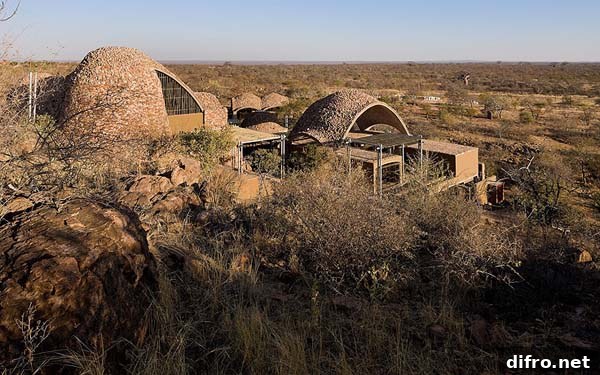
Mapungubwe was one of the earliest regions in southern Africa to produce and trade gold, and archaeologists recognize the society that flourished here as among the most complex of its time. Evidence suggests it developed a class-based social system earlier than neighboring communities, making the site crucial for understanding social and economic development in the region. The interpretation centre serves to communicate that history to the public, drawing connections between ancient lifeways, trade networks and the landscapes that sustained them.
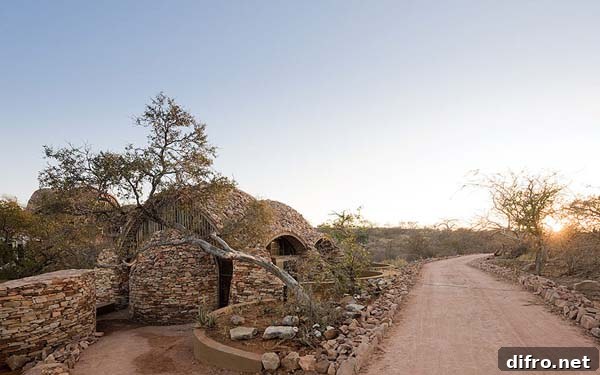
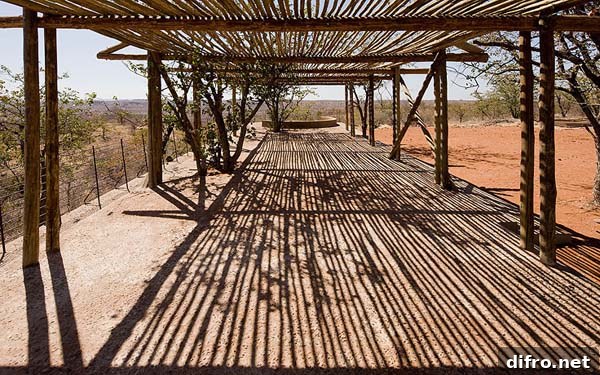
Beyond its archaeological importance, Mapungubwe is home to rich flora and fauna. The landscape includes ancient baobab trees, some estimated to be over a thousand years old, and supports a high diversity of birdlife, with roughly 400 species recorded in the region. The interpretation centre was conceived not only as a place to display artifacts but as a gateway to the surrounding natural environment, encouraging visitors to appreciate the interwoven cultural and ecological values of the site.
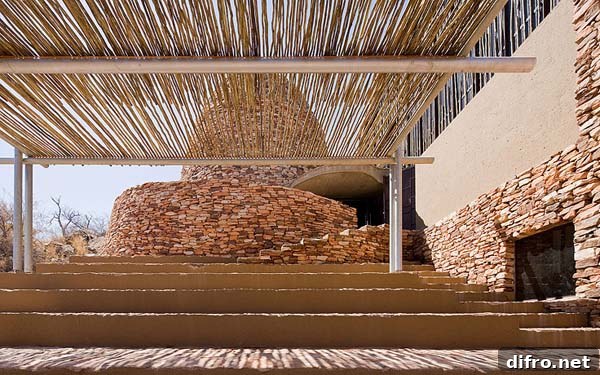
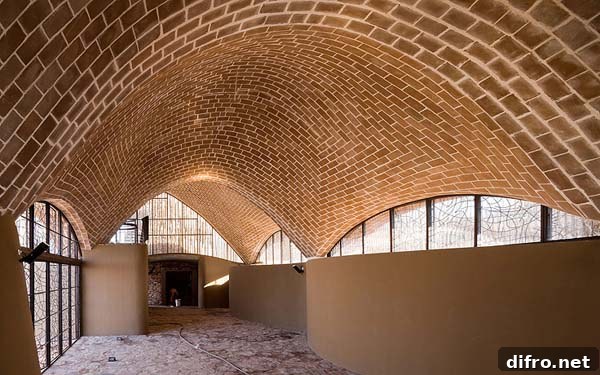
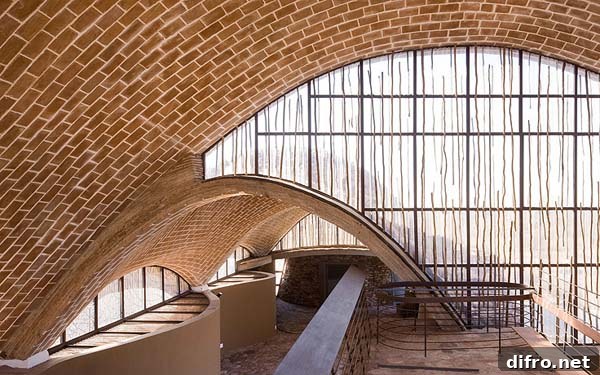
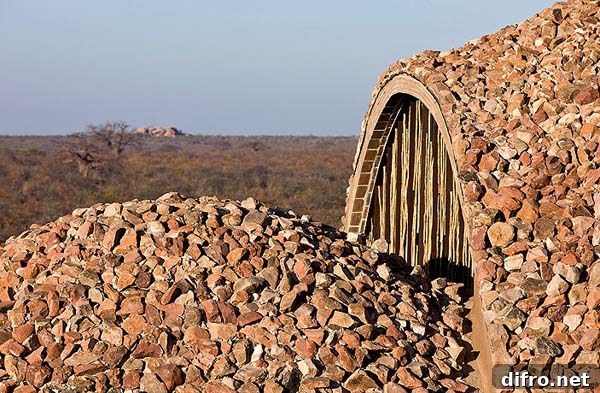
The building itself is composed of a series of stone-clad vaults. This formwork draws on a construction technique with deep historical roots—an approach that is more than aesthetic. By using a 600-year-old method adapted for modern needs, the architects achieved a structure that responds well to local climate conditions and minimizes both environmental impact and operational costs. The heavy masonry offers thermal mass that moderates interior temperatures, while the vaults provide a sequence of intimate and monumental spaces for exhibitions and interpretation.
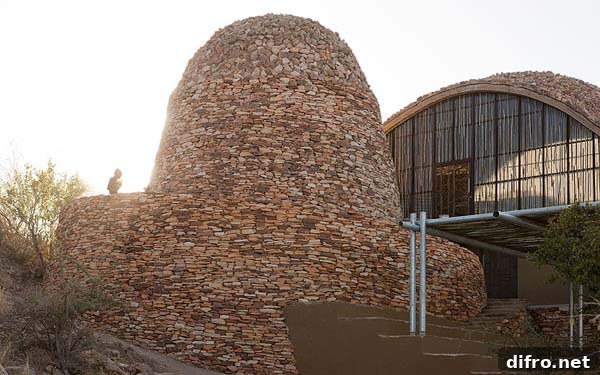
A notable aspect of the project is the engagement of local craftsmen in the construction process. Approximately 200,000 tiles used across the domes were produced locally, creating employment and helping to root the building within the community’s traditions and skills. This focus on local materials and labour supports cultural continuity and contributes to the project’s social sustainability.
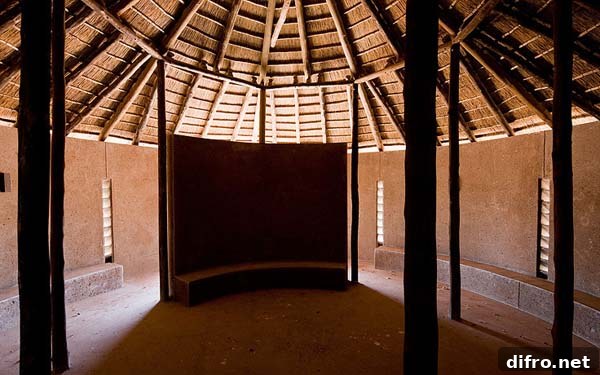
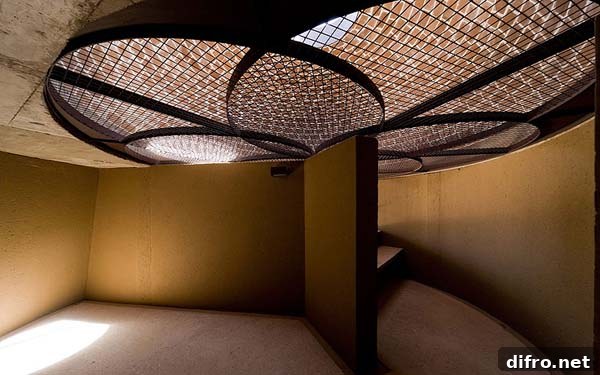
Inside the centre, galleries and interpretive spaces house artifacts recovered from Mapungubwe and present them in ways that emphasize context and storytelling. Exhibits are designed to help visitors understand the socio-economic systems, craft production and trade networks that connected Mapungubwe with broader regional and global currents. The architecture supports this narrative by creating a path through spaces that reveal, conceal and reframe views of the landscape and the objects on display.
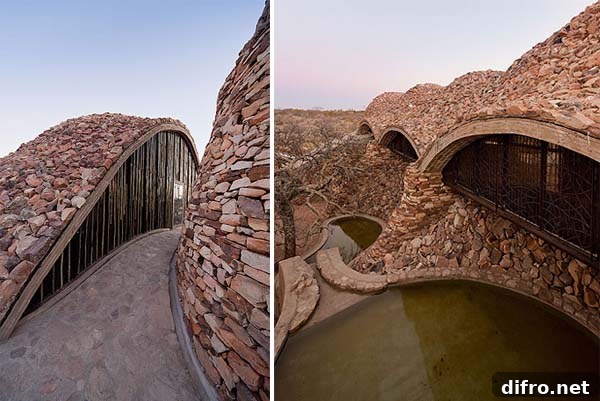
From its material palette to the use of traditional construction techniques and local labour, the Mapungubwe Interpretation Centre demonstrates how contemporary architecture can respect and extend cultural heritage. The building is an interpretive instrument in its own right, teaching visitors about sustainable construction, craft and the enduring relationship between people and place.
Visitors to the centre leave with a richer appreciation for Mapungubwe’s role in southern African history, the ecological importance of the surrounding landscape, and the ways in which architecture can bridge past and present. By combining archaeology, natural history and architecture, the Mapungubwe Interpretation Centre offers a comprehensive, thoughtful and sustainable model for cultural interpretation in sensitive heritage landscapes.