Maximalism is a bold, expressive decorating approach that layers patterns, rugs, wallpaper, artwork and photographs to create a richly textured environment. Unlike minimalist interiors, maximalist rooms celebrate personal taste and curated collections, letting your personality shine through a vibrant mix of colors, finishes and forms.
When you embrace maximalism at home, the guiding principle is thoughtful abundance: select objects, colors and patterns you genuinely love, then layer them. For fans of eclectic design, maximalism offers a framework to display art, collectables, textiles and furniture in ways that feel curated rather than chaotic, producing warmth, charm and visual interest.
At its core, maximalism can be summed up as “more” — more color, more pattern, more texture. This style encourages the eye to take in the entire room as a single composition, where walls, furnishings and accessories work together to tell a visual story.
Rooms where maximalism works best
Maximalist decorating can be adapted to every space, from compact bathrooms to roomy living areas. Below are rooms that particularly benefit from a maximalist approach and practical ideas to make the most of each space.
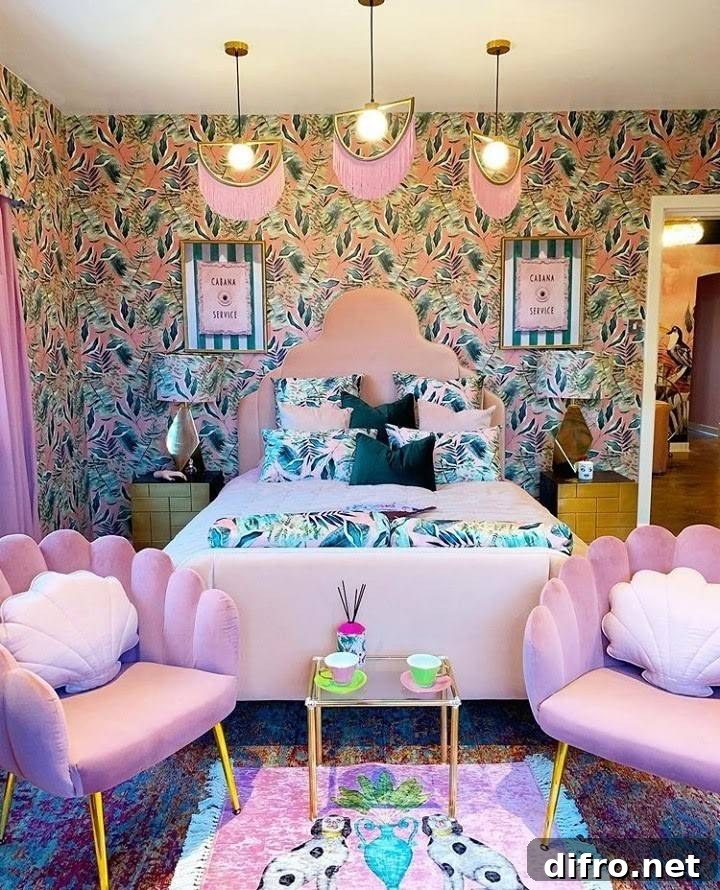
Bedroom
In the bedroom, maximalism invites layered textiles, bold wallpaper and saturated hues to create a cozy, personal retreat. Cushioned seating, patterned rugs and an assortment of pillows and throws combine to make the bed the focal point while surrounding walls and decor reinforce the theme. The goal is a curated collection that feels intentional and restful.
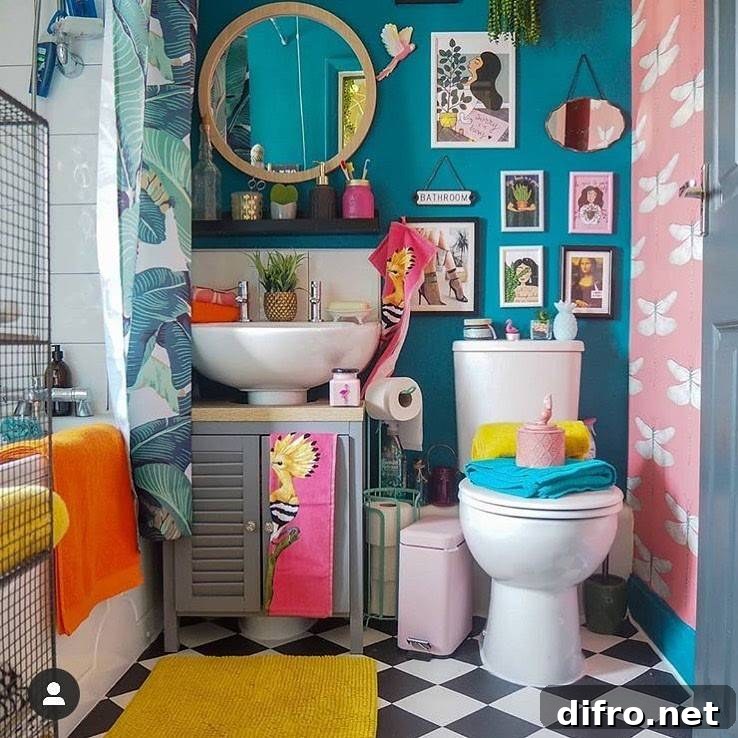
Bathroom
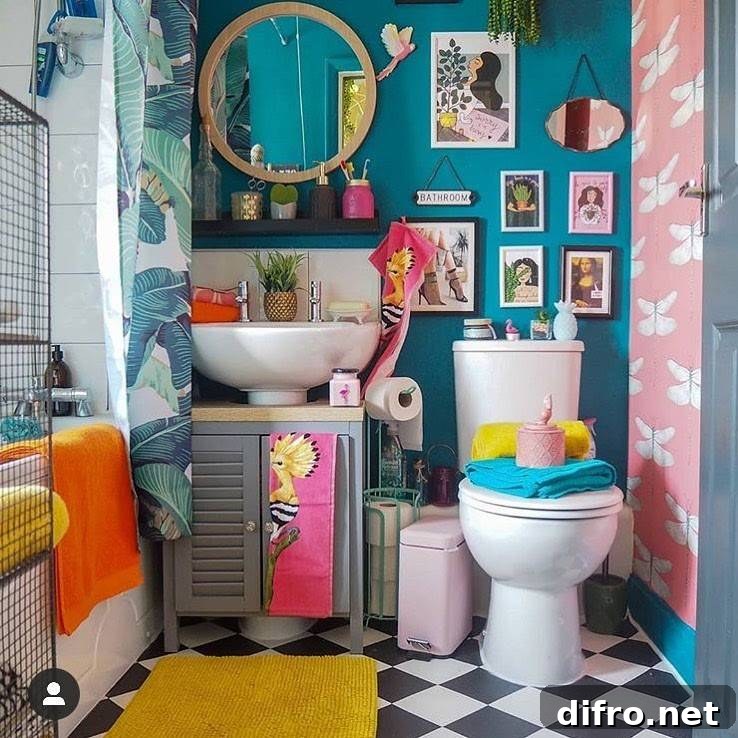
Even compact bathrooms can embrace maximalism by pairing patterned tiles or wallpaper with colorful towels, decorative mirrors and sculptural accessories. Using a restrained color palette with one or two lively accents prevents the space from feeling cramped while still delivering personality.
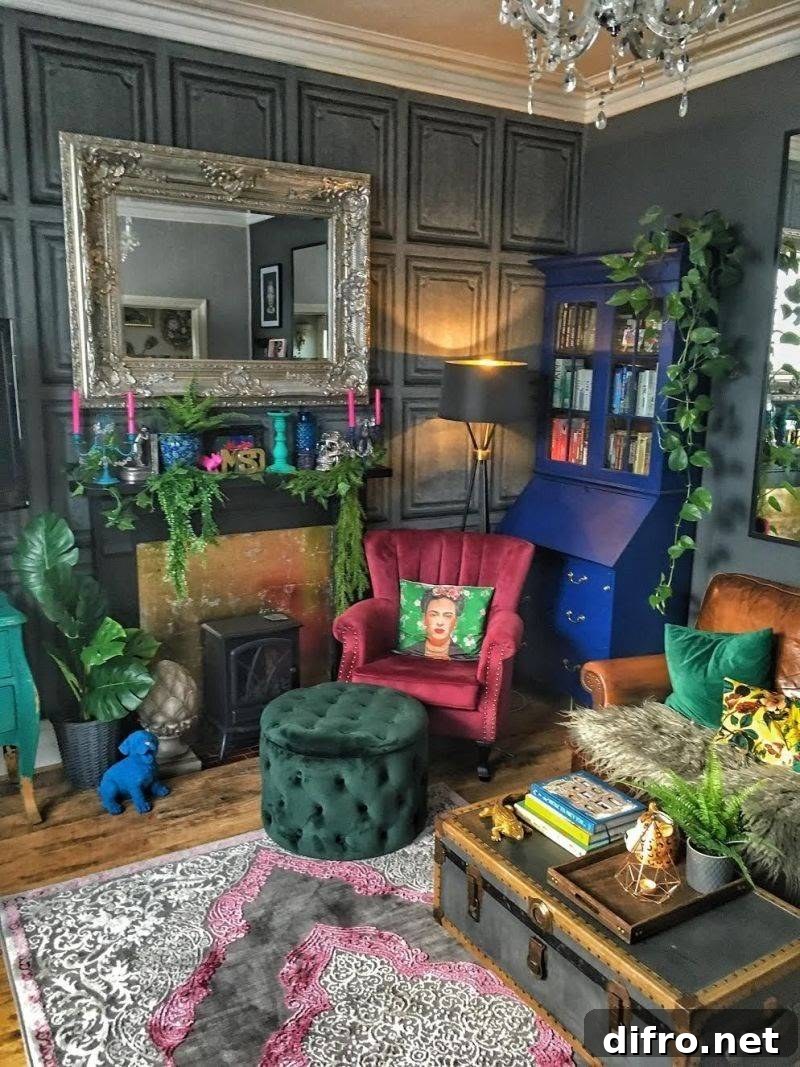
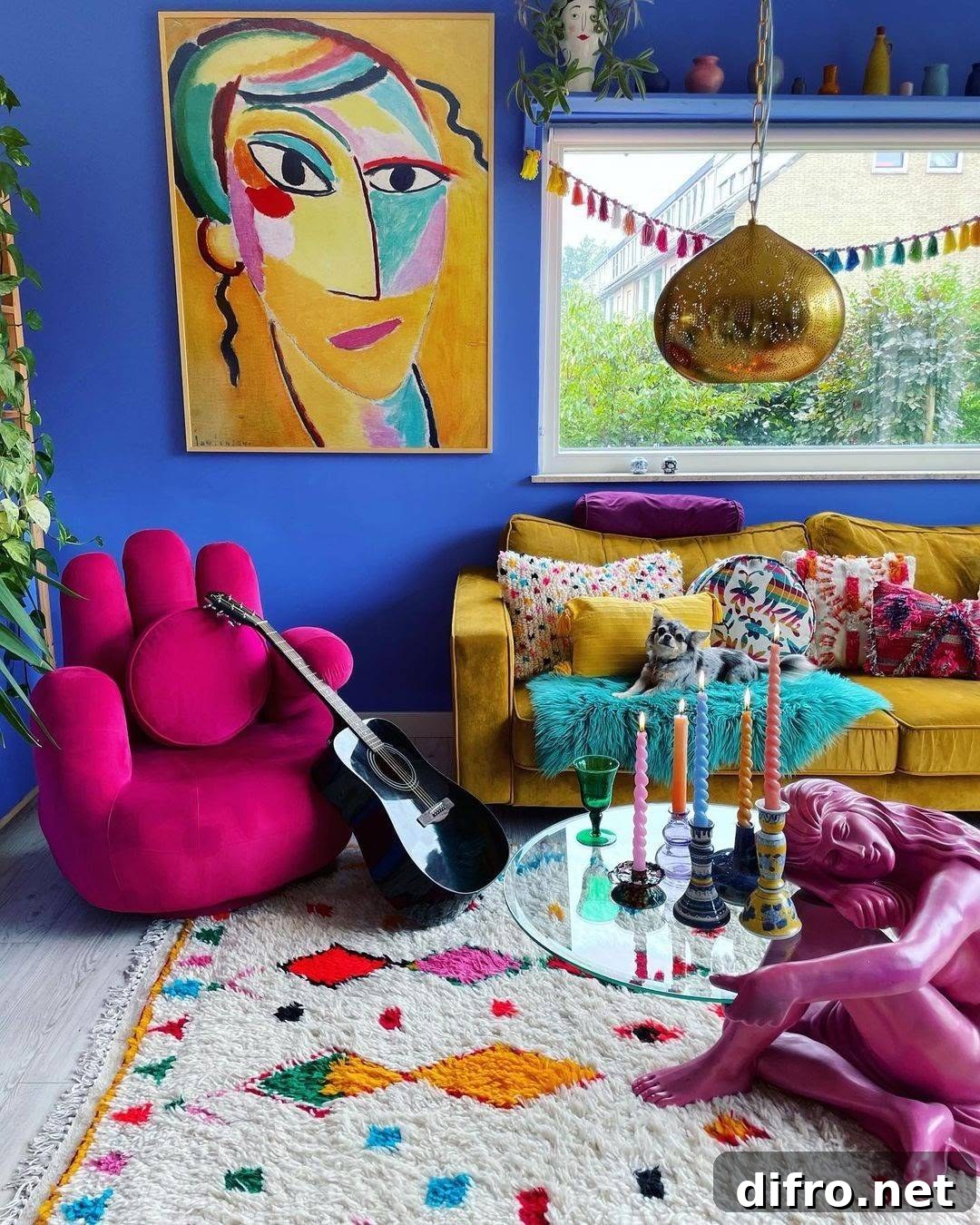
Living Room
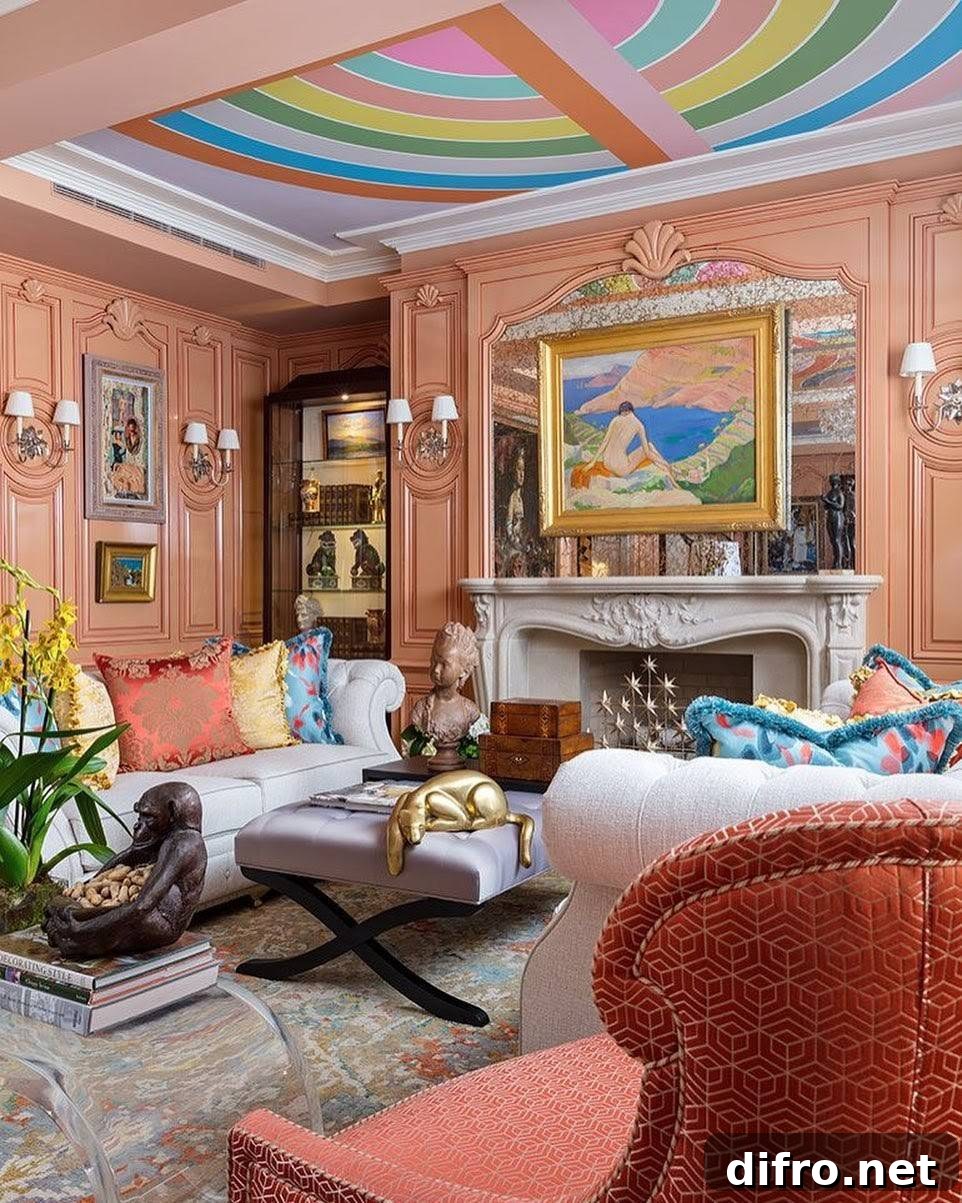
The living room is a perfect canvas for maximalism. Mix seating styles, layer rugs, hang an eclectic gallery wall and introduce contrasting textiles to create a convivial, energetic space. Balance is key: anchor the room with a few solid pieces while letting accessories and artwork introduce variety.
Kitchen
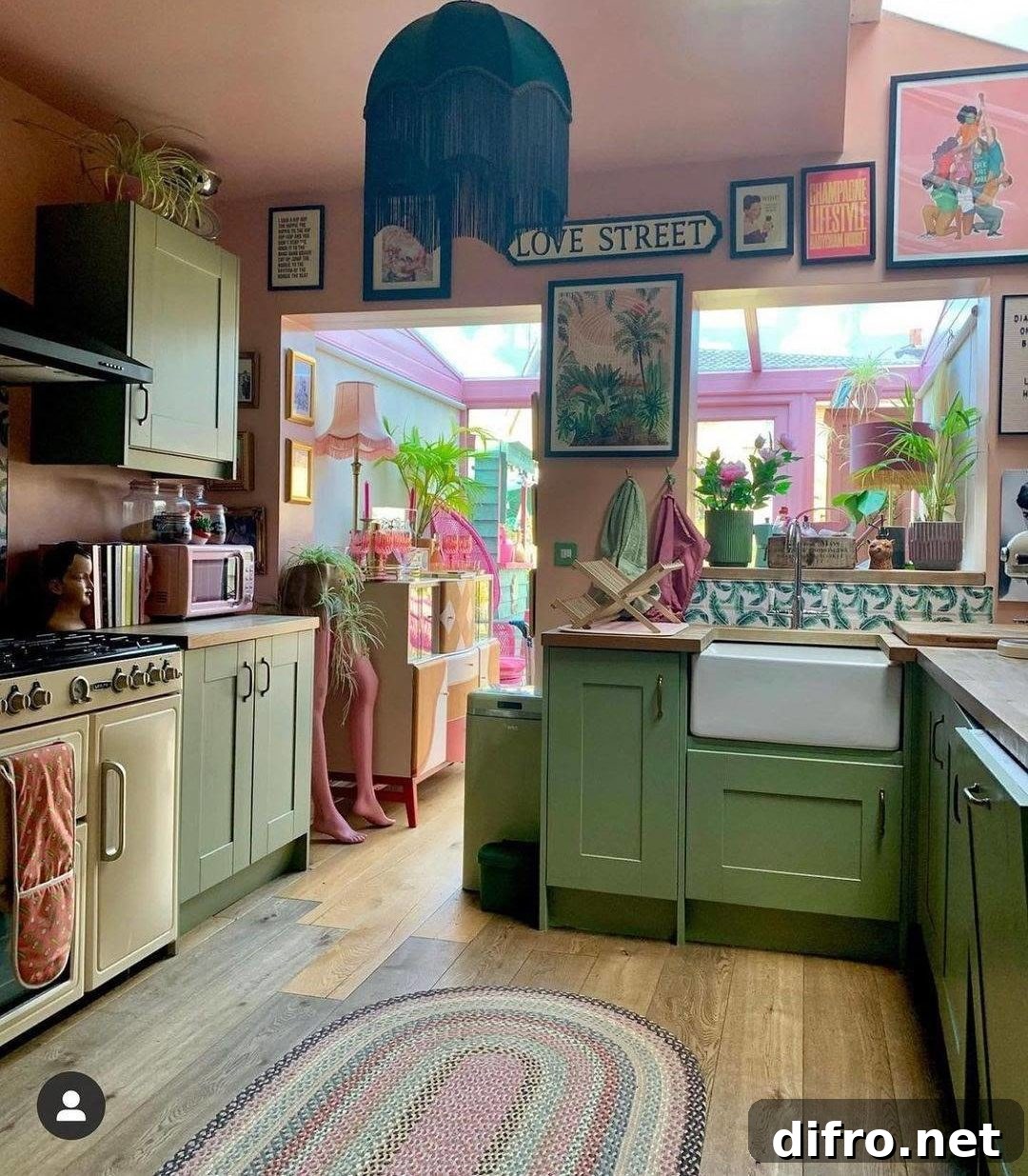
Kitchens lend themselves to playful maximalism through colorful cabinetry, patterned backsplashes and curated open shelving. Accessories such as vibrant planters, decorative dishware and unique lighting add personality while practical storage keeps countertops clear and functional.
Maximalist vs. cluttered: know the difference
Maximalism differs from clutter because it is curated rather than accidental. A maximalist room contains abundant, meaningful items arranged with intent. Clutter, by contrast, accumulates without purpose — excess objects, unsorted items and surfaces that are never cleared can create stress and reduce usability.
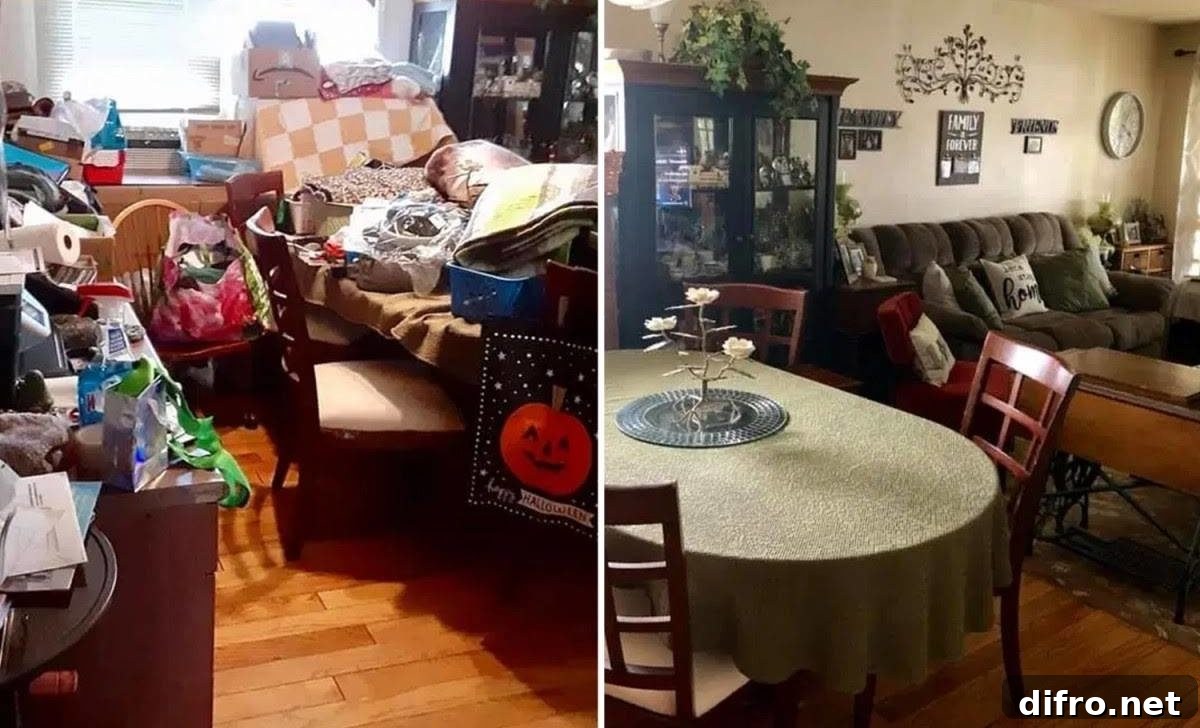
To keep a maximalist space from feeling cluttered, edit regularly: keep what you love, store what is functional, and remove items that don’t contribute to the design. Good storage solutions and clear surface rules make a busy room feel organized and intentional.
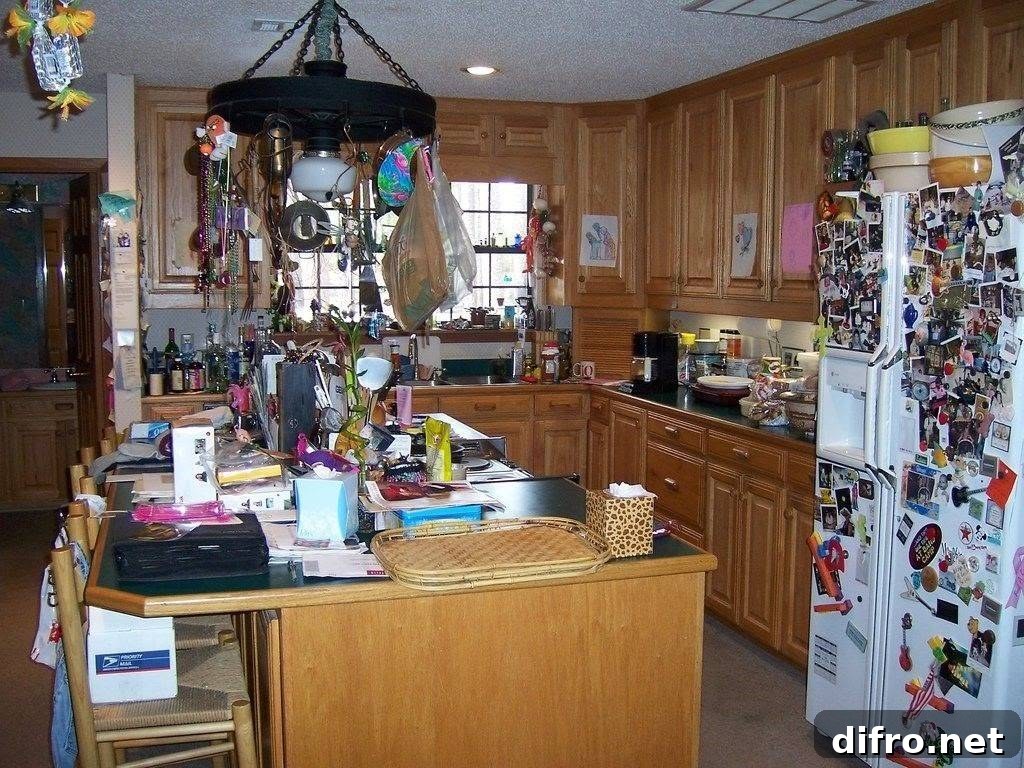
Simple storage strategies—baskets, closed cabinets, labeled boxes and dedicated display zones—help maintain the look while preserving functionality. If an item doesn’t spark joy or serve a purpose, it’s likely adding clutter rather than character.
Using color effectively in maximalist design
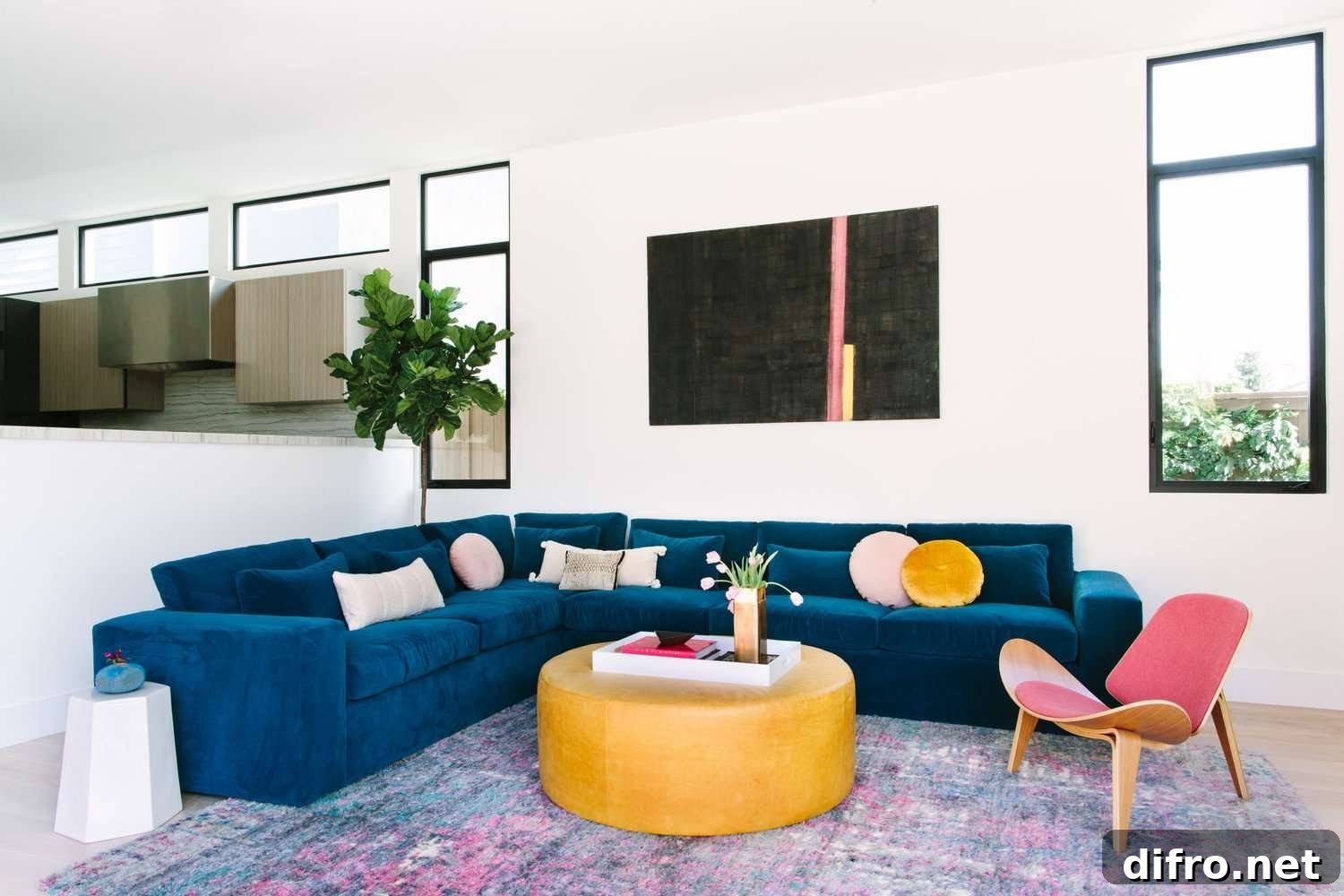
Color is a foundational element of maximalism. Vivid hues and unexpected combinations bring vitality to walls, furniture and accessories. When handled thoughtfully, color transforms any room into an inviting, layered space.
Be expressive
Don’t shy away from bold pairings. Combining saturated tones—deep jewel shades, lively pastels and warm neutrals—creates contrast and depth. Use color to highlight architectural details, frame artwork or define conversation areas.

Introduce white or neutral pauses
White or soft neutrals act as breathing space between bolder hues. Using white trim, neutral upholstery or open floor space helps temper intense colors and prevents the scheme from becoming visually overwhelming, especially in smaller rooms.
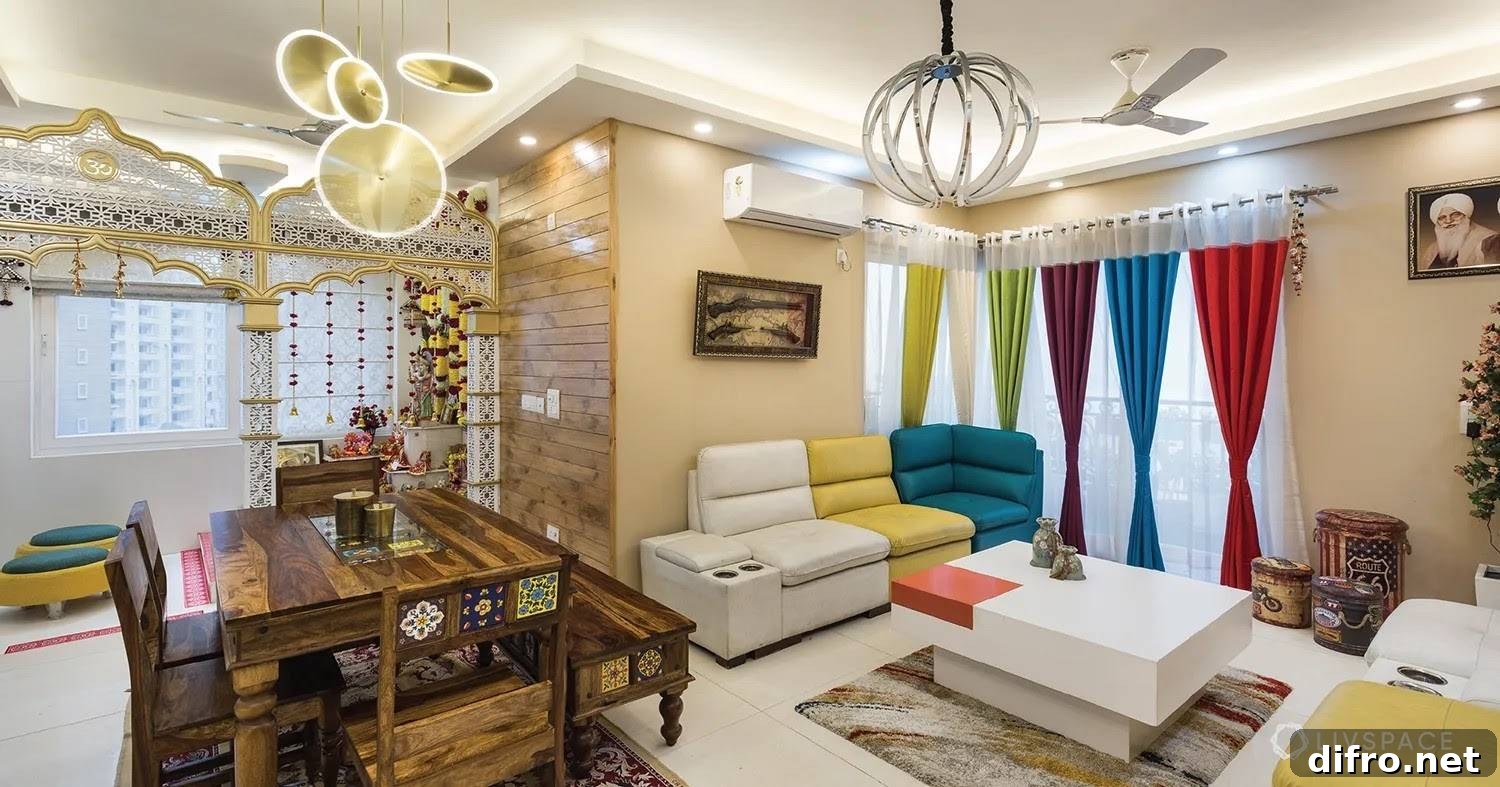
Pair color with furnishings and plants
Contrasting furnishings and abundant botanicals complete the maximalist look. Bright sofas, patterned cushions and an assortment of houseplants introduce texture, scale and organic color, making the room feel lived-in and cohesive.
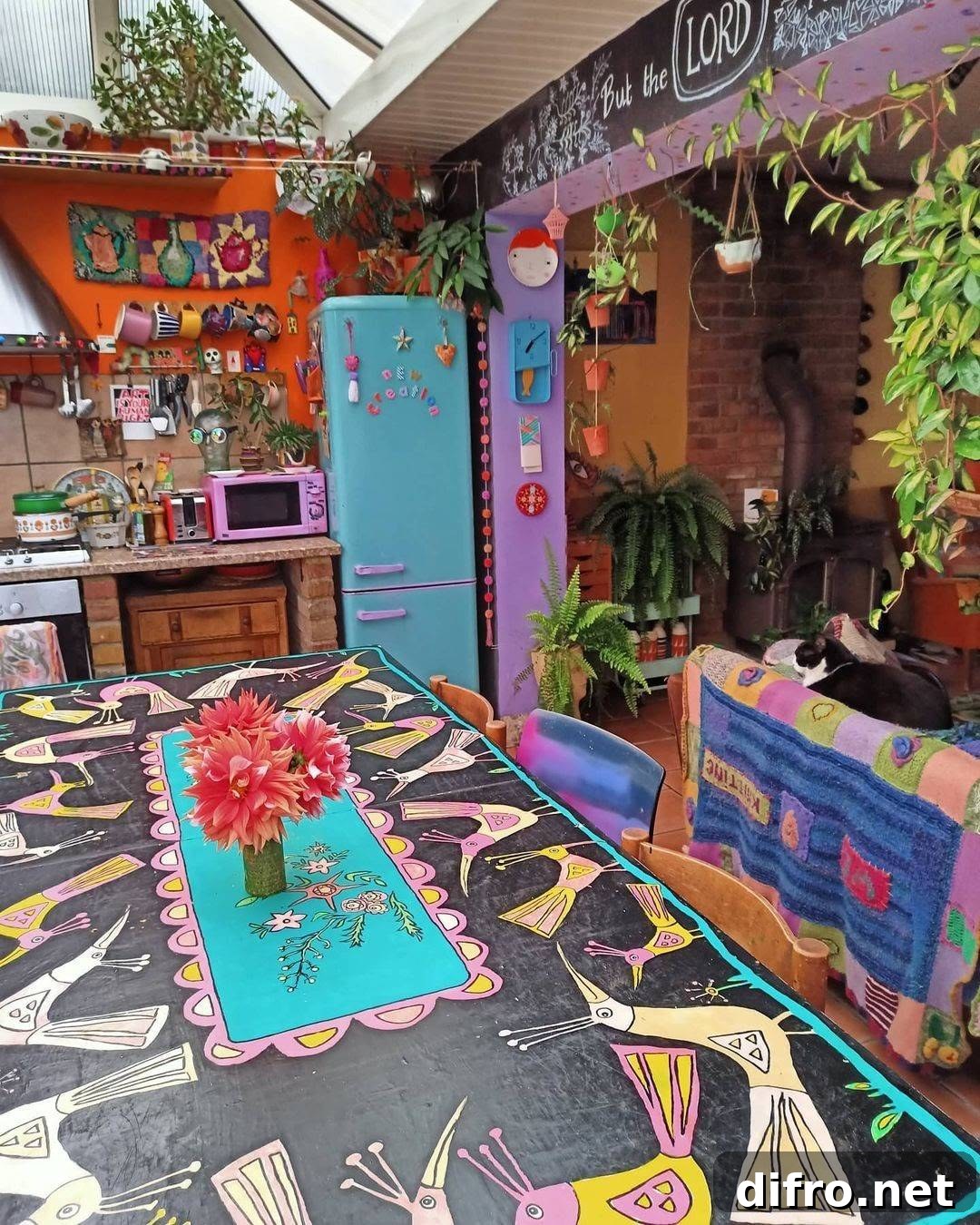
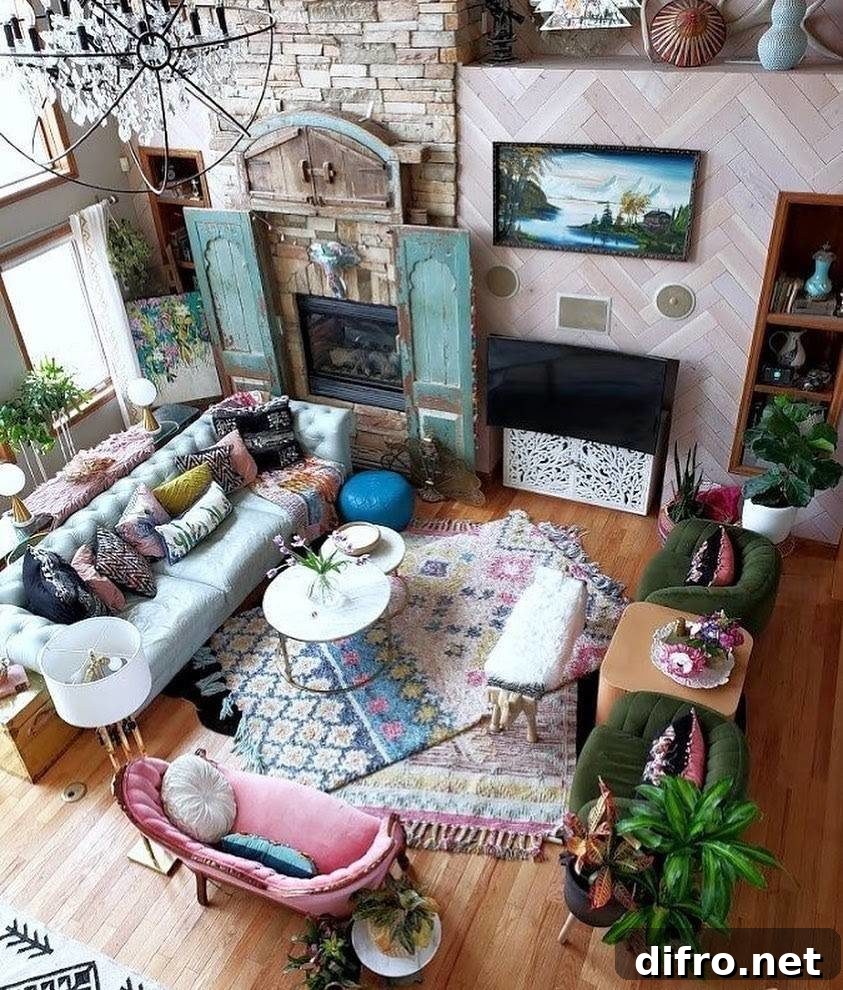
With intentional editing, smart storage and a confident use of color and pattern, maximalism becomes a sustainable, joyful decorating approach that celebrates individuality and creativity in every room.