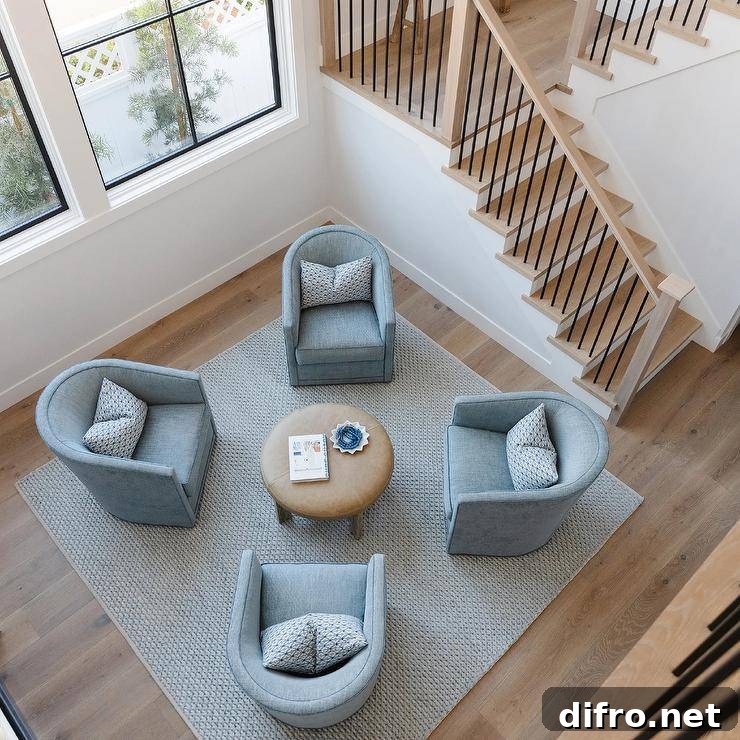
What Is a Keeping Room? A Guide to History, Design, and Benefits
A keeping room is a cozy, multifunctional space placed adjacent to the kitchen. Historically, it was the warm heart of the home where family members gathered near the hearth while meals were prepared. In modern homes the keeping room has returned as a practical and inviting area that blends comfort with function—perfect for casual conversation, relaxed dining, reading, homework, or simply staying connected to the kitchen’s activity.
What Is a Keeping Room?
Often called a hearth room, a keeping room is typically located just off the kitchen and designed to be informal and welcoming. Unlike a formal living room, it encourages everyday use and interaction: parents can prepare meals while keeping an eye on children doing homework, guests can mingle close to the cook, and family members can gather to chat or watch television without leaving the kitchen area. The defining qualities are proximity to the kitchen, comfortable seating, and a warm, lived-in atmosphere.
Historical Background
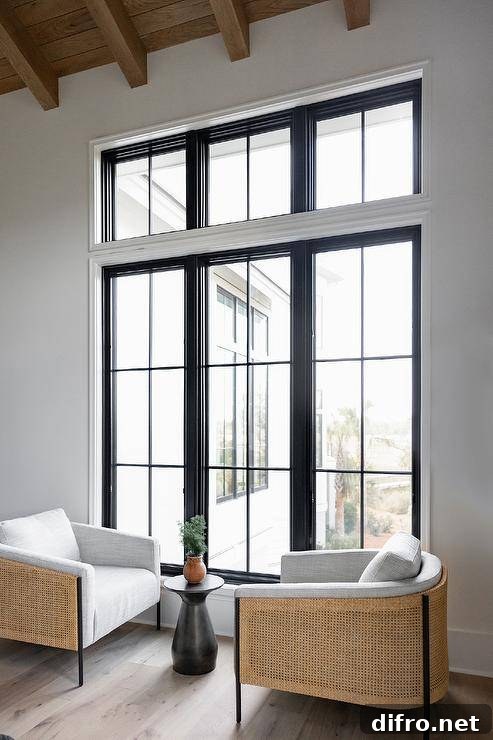
The keeping room dates back to colonial America, when the kitchen hearth was the primary source of heat and light. Families naturally gathered in the warmest room of the house for conversation, chores, storytelling, and meals. It was a practical hub of domestic life rather than a formal sitting room, reflecting household needs and social habits of the time. That original purpose—comfort, warmth, and family togetherness—remains central to the modern keeping room.
Modern Adaptations
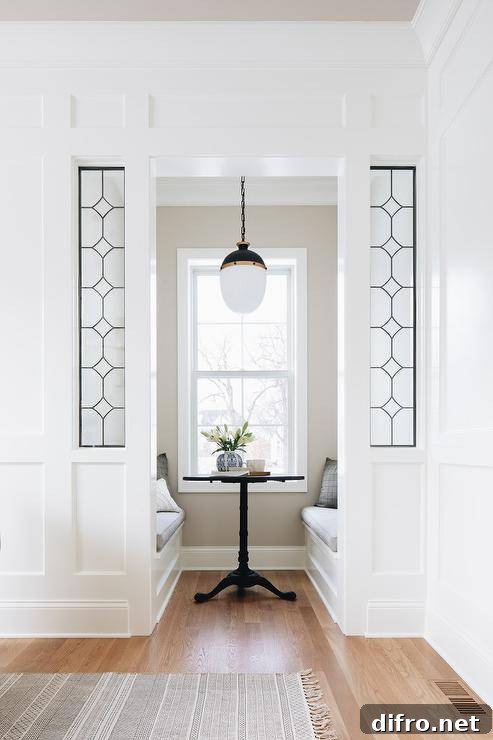
Contemporary keeping rooms adapt the original idea to current lifestyles. They are frequently part of open-plan layouts, positioned where the kitchen, dining area, and casual sitting area meet. Typical features include a comfortable seating arrangement, abundant natural light, and flexible furnishings that accommodate different uses—lounging, watching TV, working remotely, or casual dining. Some designs reintroduce a fireplace or stove to echo the historic hearth, while others focus on integrated storage and media solutions.
Benefits of a Keeping Room
Keeping rooms offer several advantages that make them desirable in modern homes:
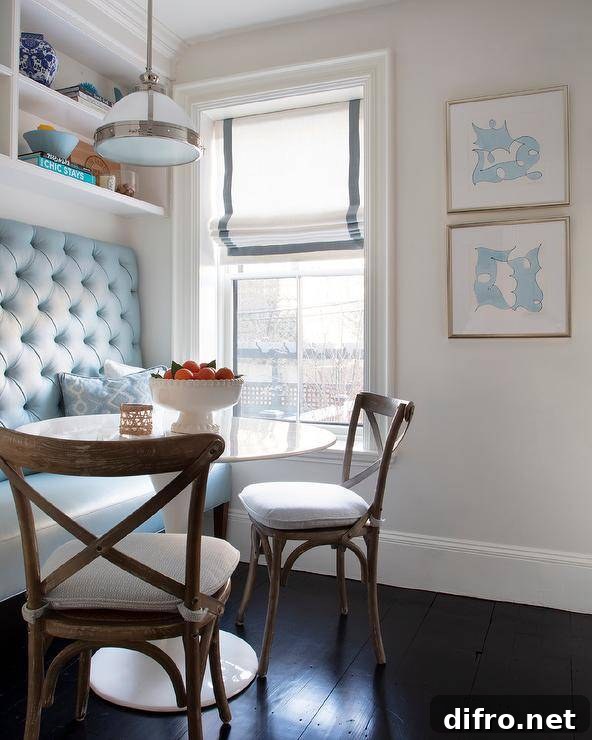
- Versatility: They function as an extension of the kitchen without requiring major renovations, serving as a casual dining nook, homework zone, reading corner, or entertainment area.
- Family togetherness: Because they sit close to the kitchen, keeping rooms encourage shared activities and conversation during meal prep and daily routines.
- Improved flow: They help create a smoother transition between cooking, dining, and relaxing zones in open-plan homes.
- Resale appeal: Many buyers appreciate flexible living spaces that support modern family life, which can add value to a home.
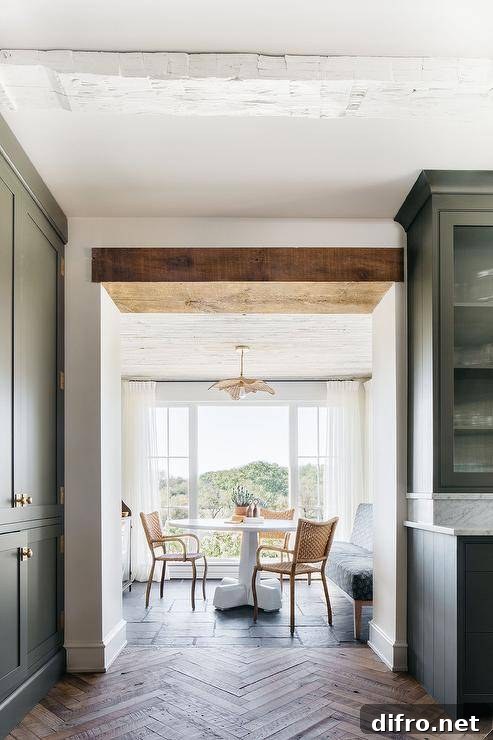
Design Ideas
Designing a keeping room means balancing comfort and practicality. Consider these strategies:
- Seating mix: Combine sofas, armchairs, and benches to support conversation and varied uses.
- Focal point: Add a fireplace, statement rug, or coffee table to anchor the space.
- Storage: Built-in shelves or cabinets help keep clutter out of the main kitchen area while providing display and organization.
- Lighting: Layer natural light with task and ambient lighting—pendants, table lamps, and dimmers create a welcoming mood.
- Coordinated finishes: Tie the keeping room to the kitchen with complementary colors, materials, and hardware for a cohesive look.
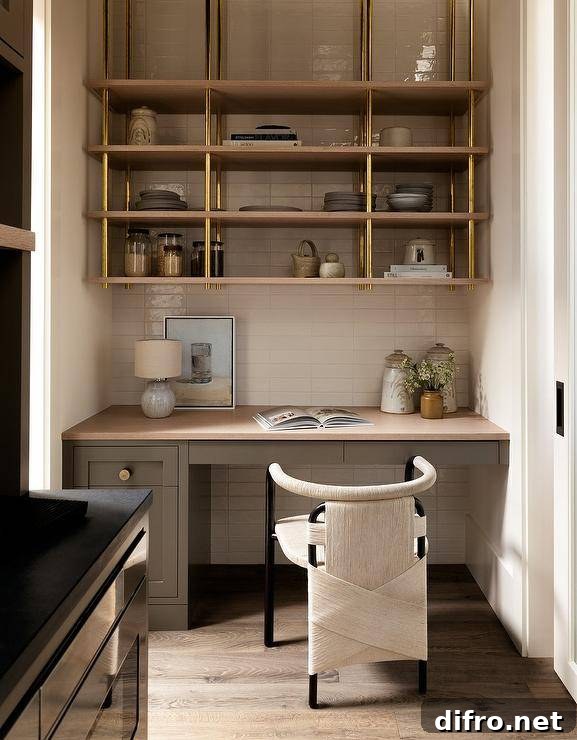
Keeping Room vs. Living Room
Although both spaces are intended for relaxation and socializing, they serve different functions. A keeping room is casual, typically adjacent to the kitchen, and designed for everyday family life. A living room is usually more formal, placed away from the kitchen, and used for entertaining or as a showpiece. Choose which space to emphasize based on how your household uses its rooms and how you want guests to move through your home.
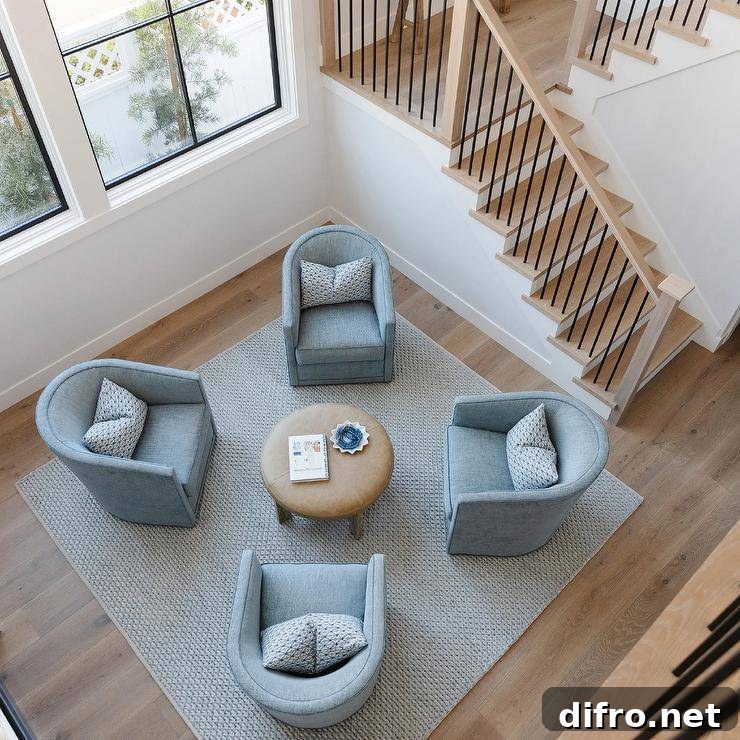
How to Add a Keeping Room to Your Home
Adding a keeping room can be part of a new build or a retrofit. For new construction, plan an open layout that connects the kitchen to a small sitting area. For existing homes, convert an adjacent dining room, enlarge a breakfast nook, or reconfigure part of the kitchen to create a dedicated sitting zone. Prioritize a smooth flow between spaces, consistent finishes, and flexible furniture so the keeping room supports multiple activities.
Frequently Asked Questions (FAQs)
What is a keeping room?
A keeping room is an informal, comfortable space located next to the kitchen where family members can relax, socialize, and stay connected with kitchen activity—traditionally centered around a hearth.
How is a keeping room typically used today?
Modern keeping rooms are used for casual sitting, children’s homework, reading, informal dining, or as a bonus family room. Their flexibility makes them useful for many household routines.
How can I design a keeping room that complements my kitchen?
Use similar color palettes and materials, coordinate furniture scales, and provide practical storage. Layered lighting and comfortable seating will make the room inviting while keeping the overall look cohesive with the kitchen.
Does a keeping room add value to a home?
Yes—because it increases functional living space and offers flexible use that many buyers find appealing, a well-designed keeping room can enhance resale value.
Can a keeping room serve other purposes?
Absolutely. Many homeowners convert keeping rooms into home offices, play areas, craft spaces, or guest lounges depending on their needs.
Related Articles
- Embracing the Charm of a Modern Farmhouse Living Room
- Sleek and Functional Kitchen Islands with Seating
- Simple Sophistication for Your Modern Minimalist Living Room