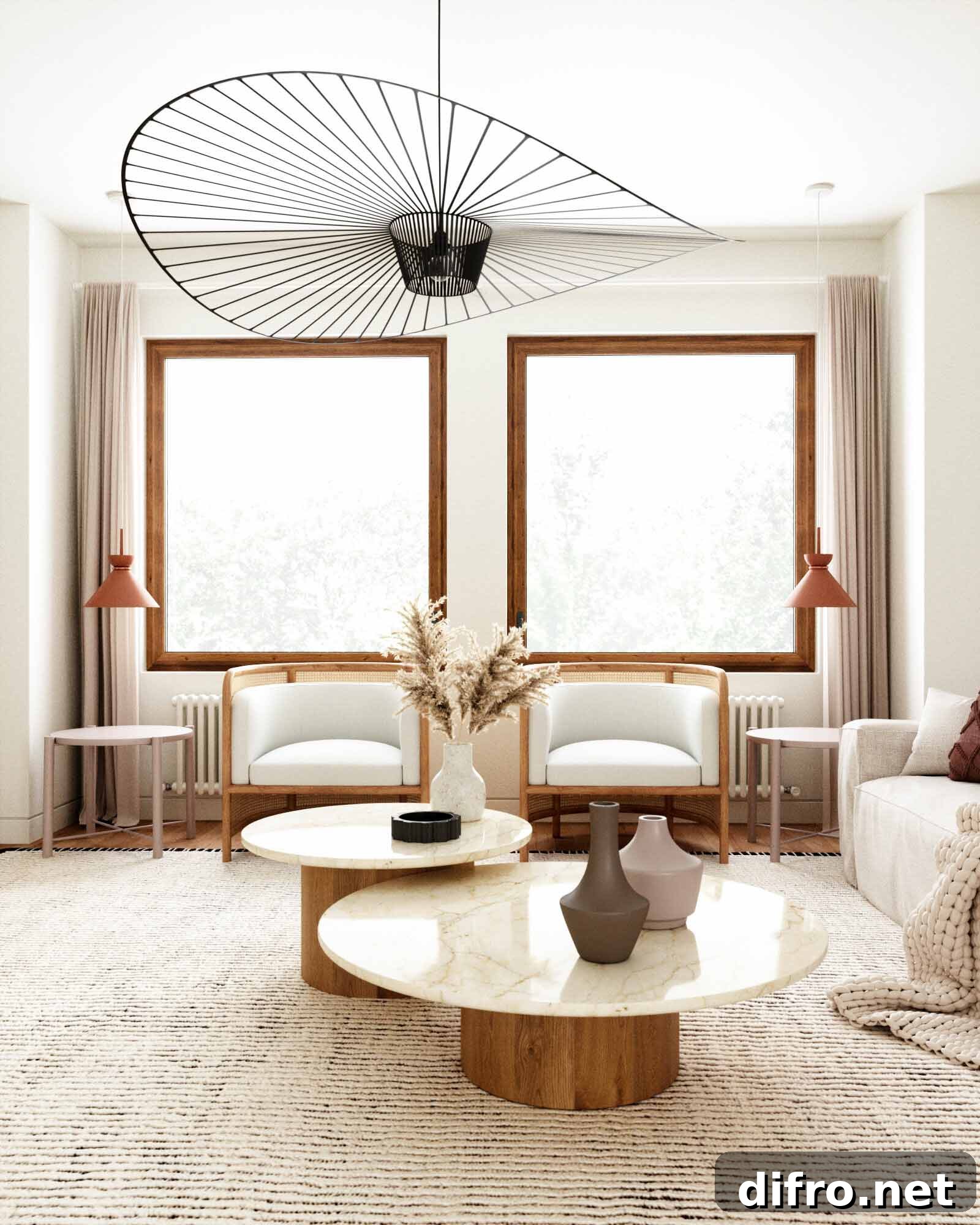
Japandi design blends the refined simplicity of Japanese interiors with the warm minimalism of Scandinavian style. Sharing a focus on clean lines, functional furniture and natural materials, these two aesthetics combine to create a calm, livable approach ideal for lovers of minimalist spaces. Japandi balances form and function by emphasizing low-profile seating, smart storage, natural textures and a restrained neutral palette. The result is an inviting, functional home that feels both timeless and contemporary. Below are practical ideas and visual cues to help you bring Japandi style into your own rooms.
Color palette
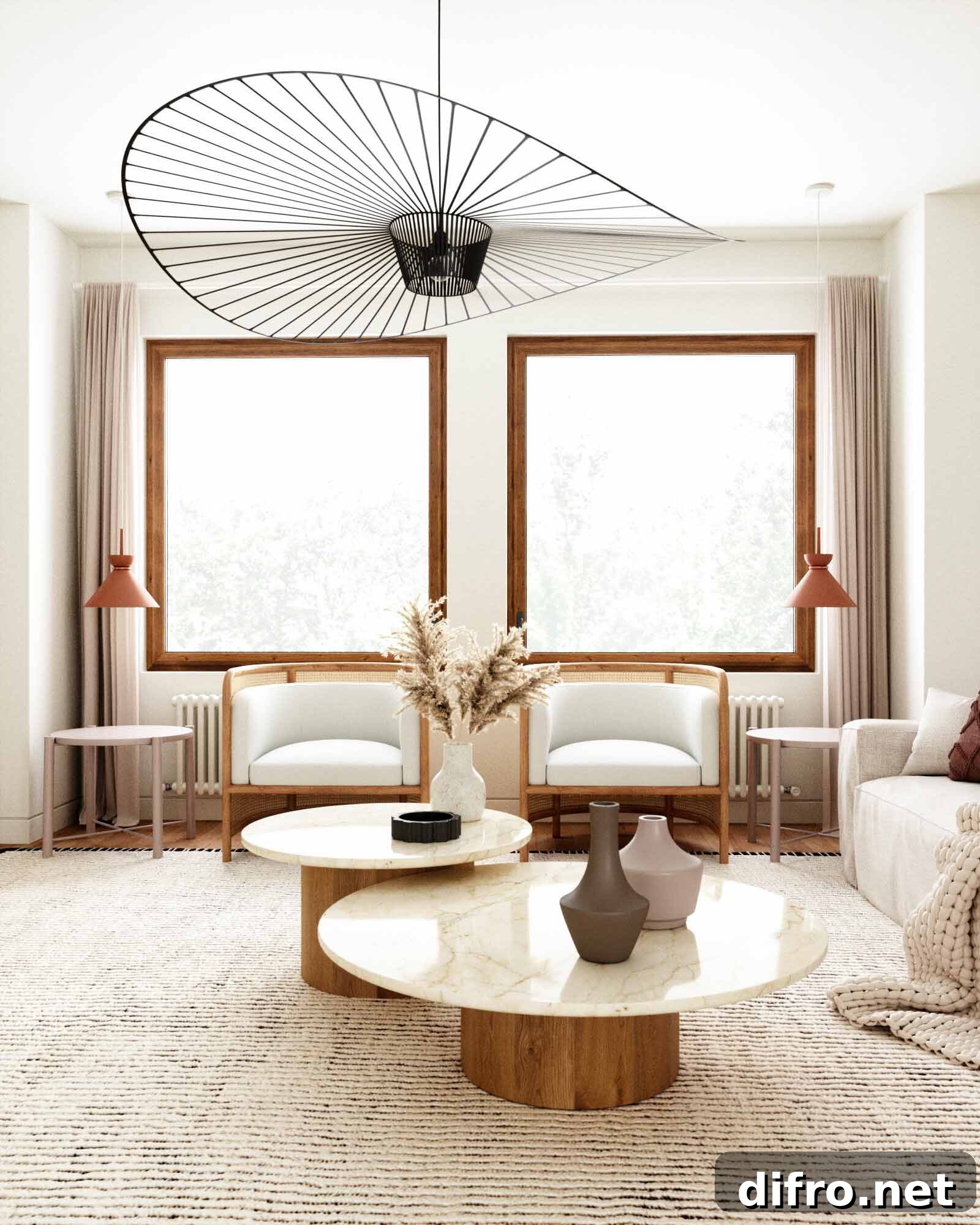
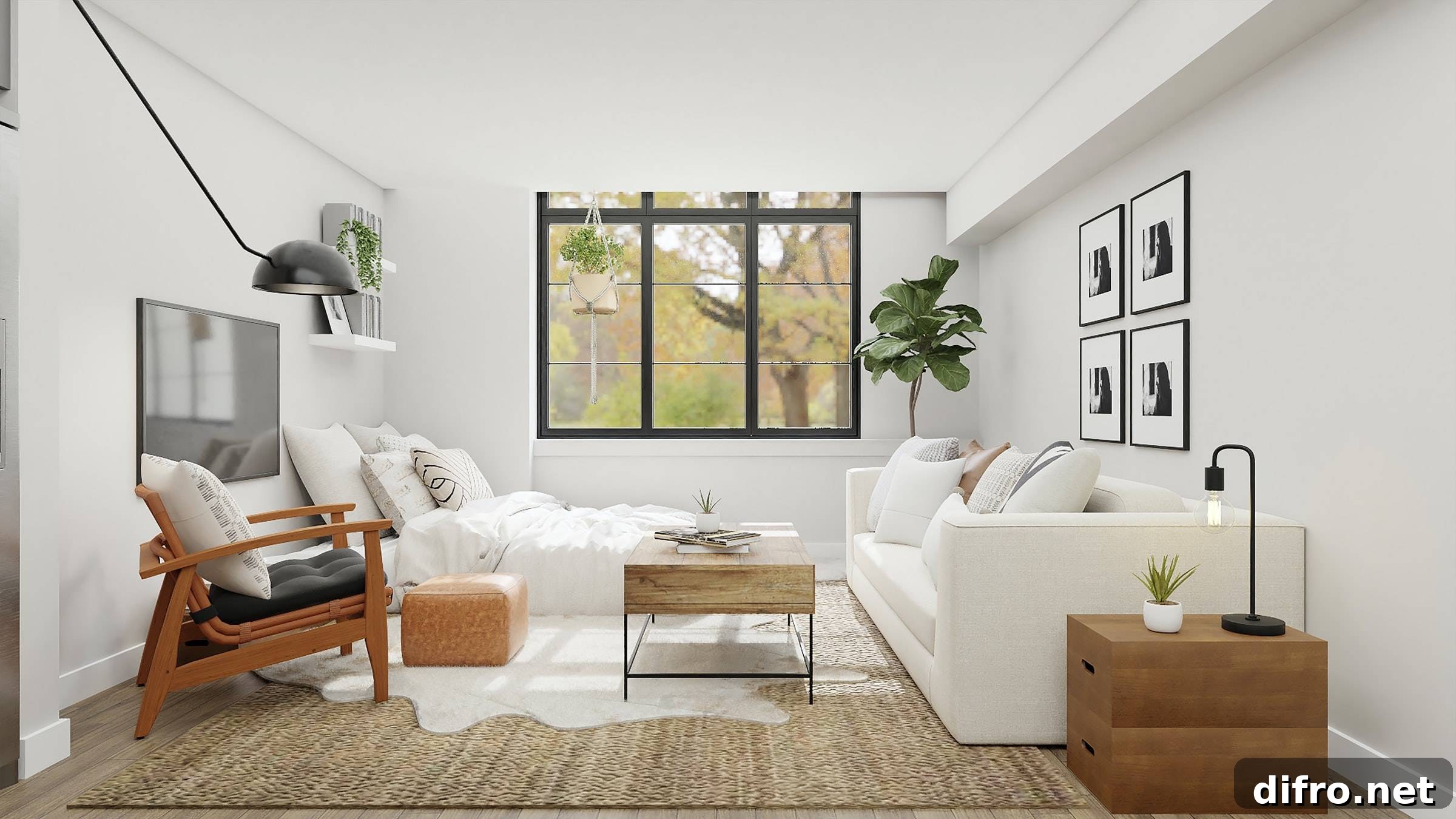
Working with neutrals can sometimes feel flat or sterile. The key to avoiding that is introducing varied textures and subtle accents rather than bold colors. Japandi palettes rely on muted neutrals—off-white, cream, warm beige and soft browns—layered with natural materials to create depth and warmth. Strategic darker elements, such as matte black chairs or a charcoal pendant light, can act as restrained focal points that anchor a space without overpowering the calm atmosphere.
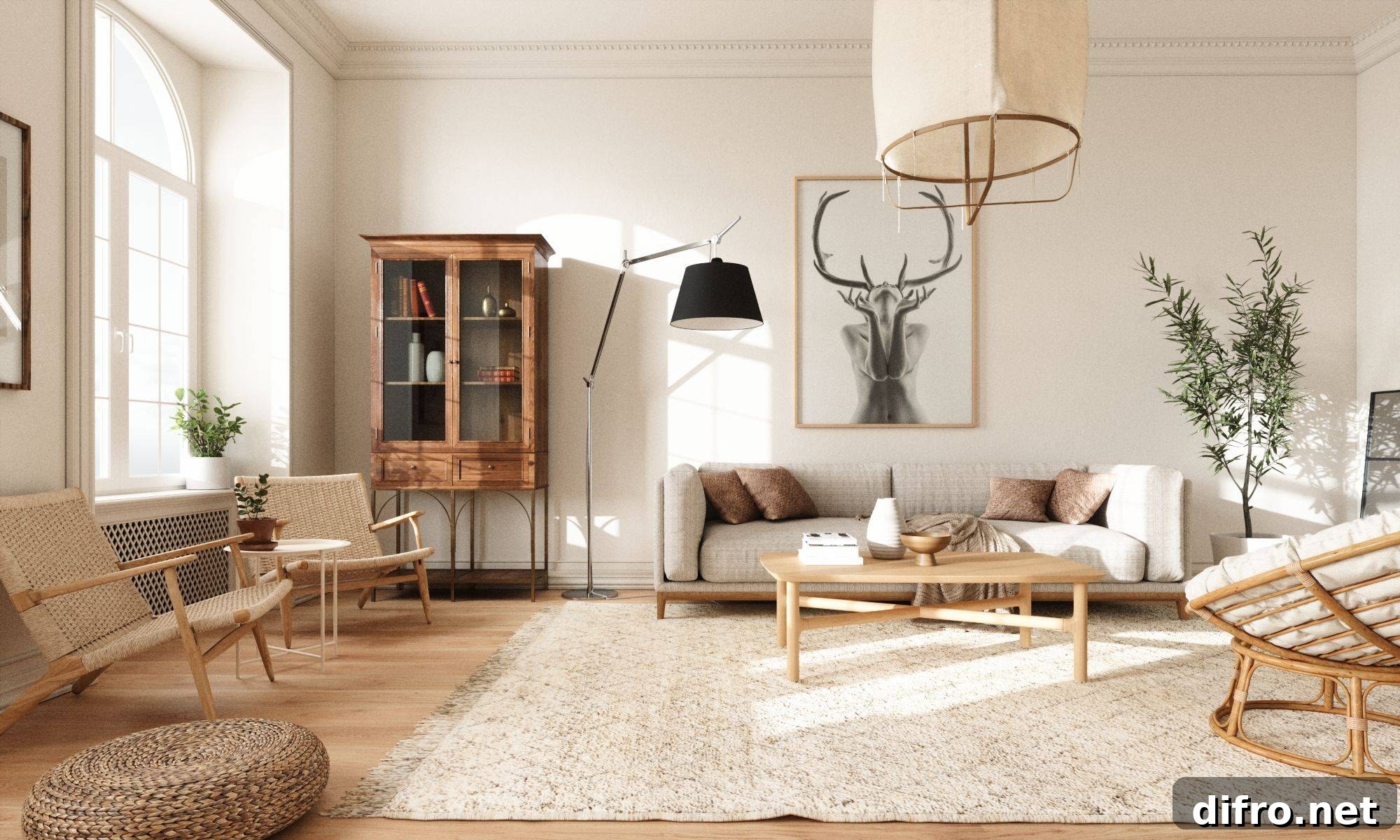
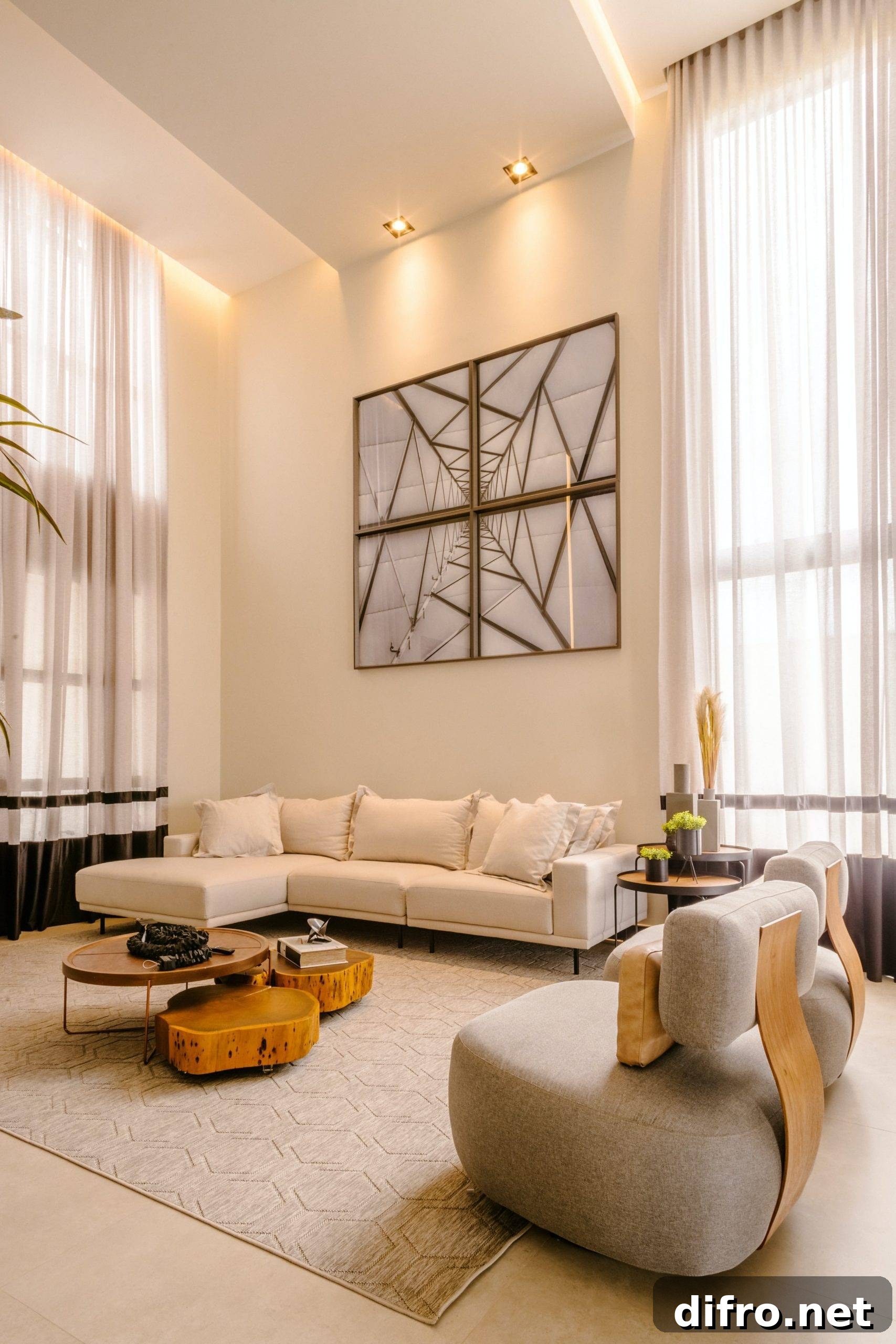
To keep a neutral scheme interesting, layer soft textiles, natural wood tones and woven accessories. Baskets, linen cushions and area rugs introduce subtle contrasts that make a neutral room feel textured and intentional rather than flat.
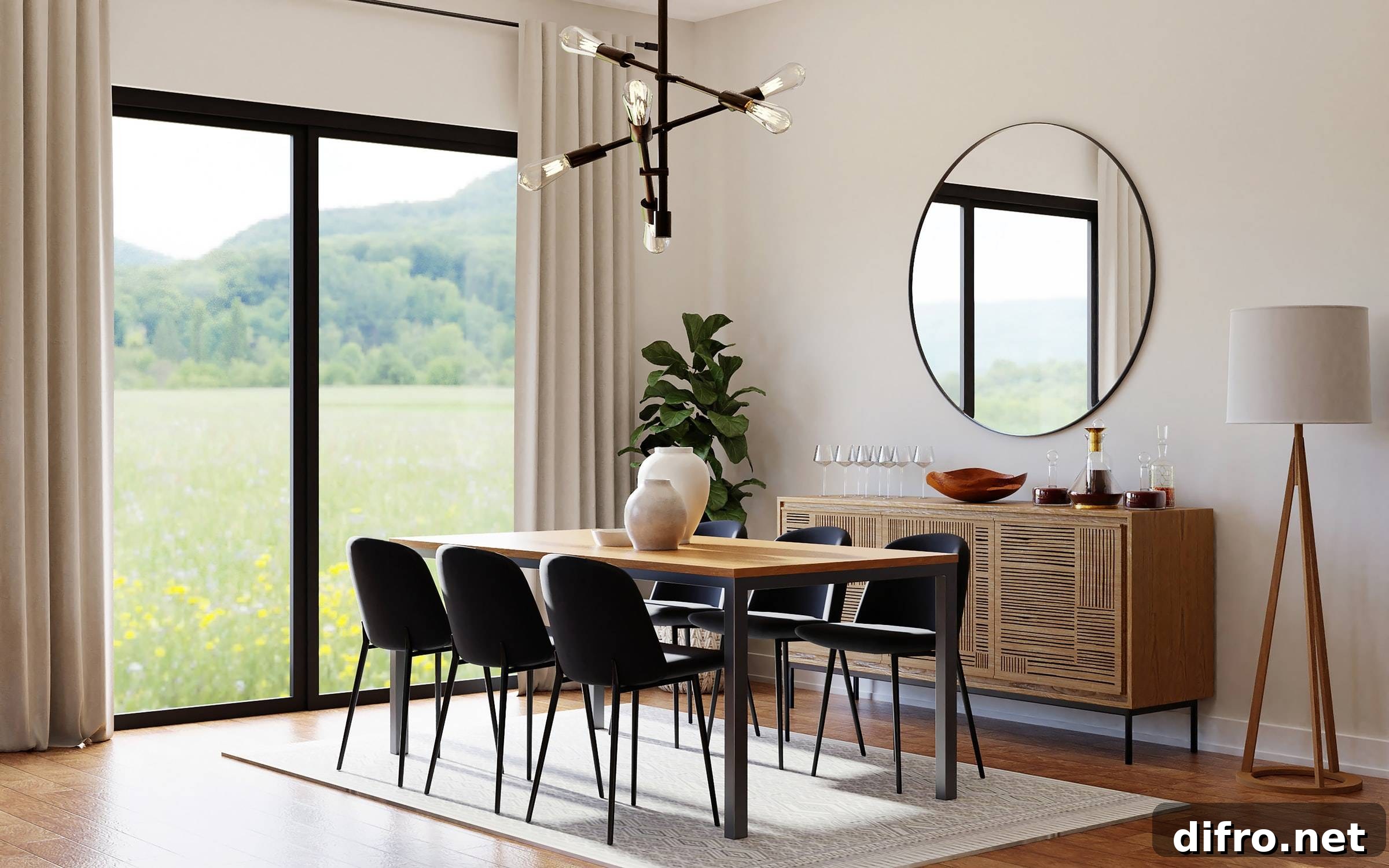
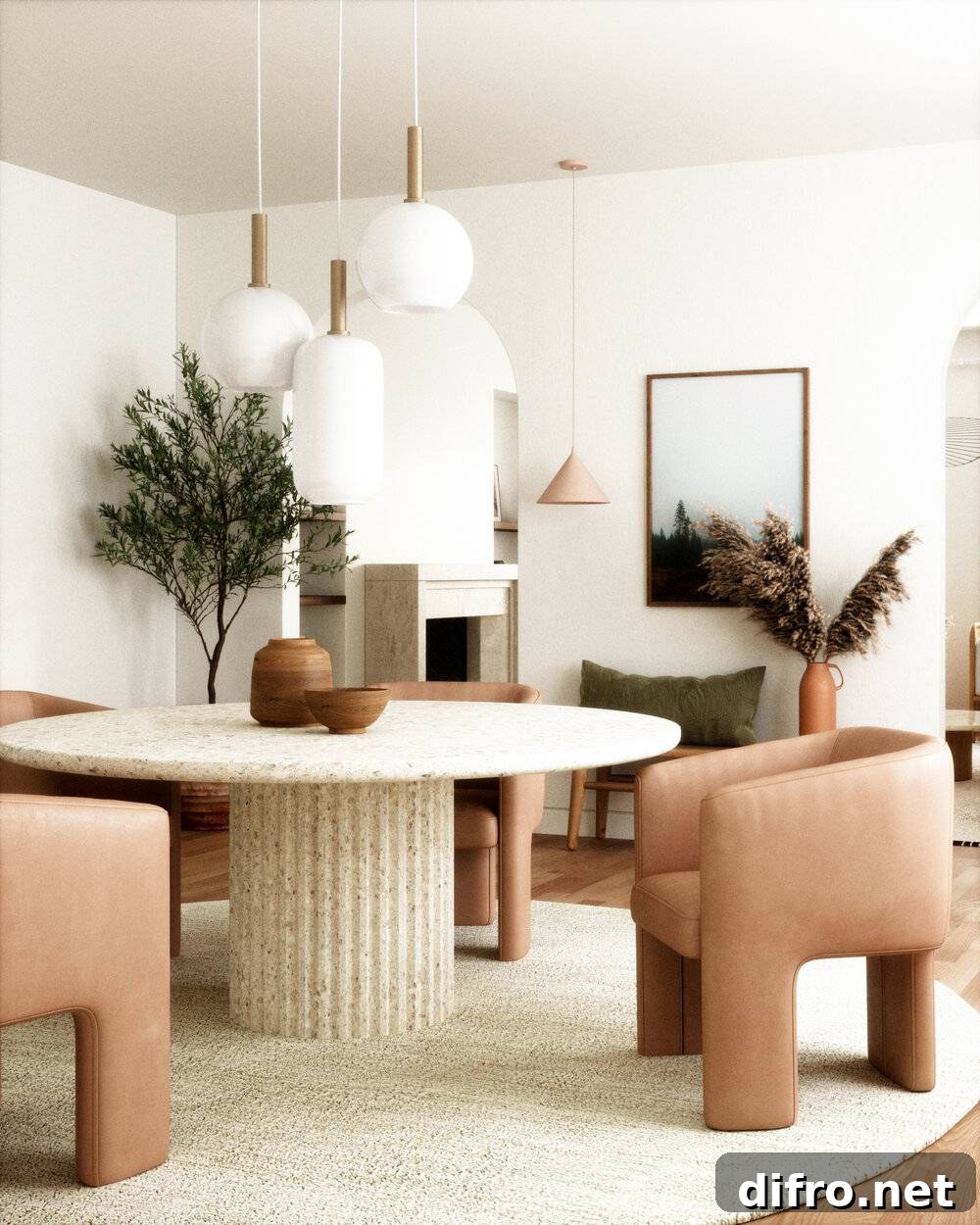
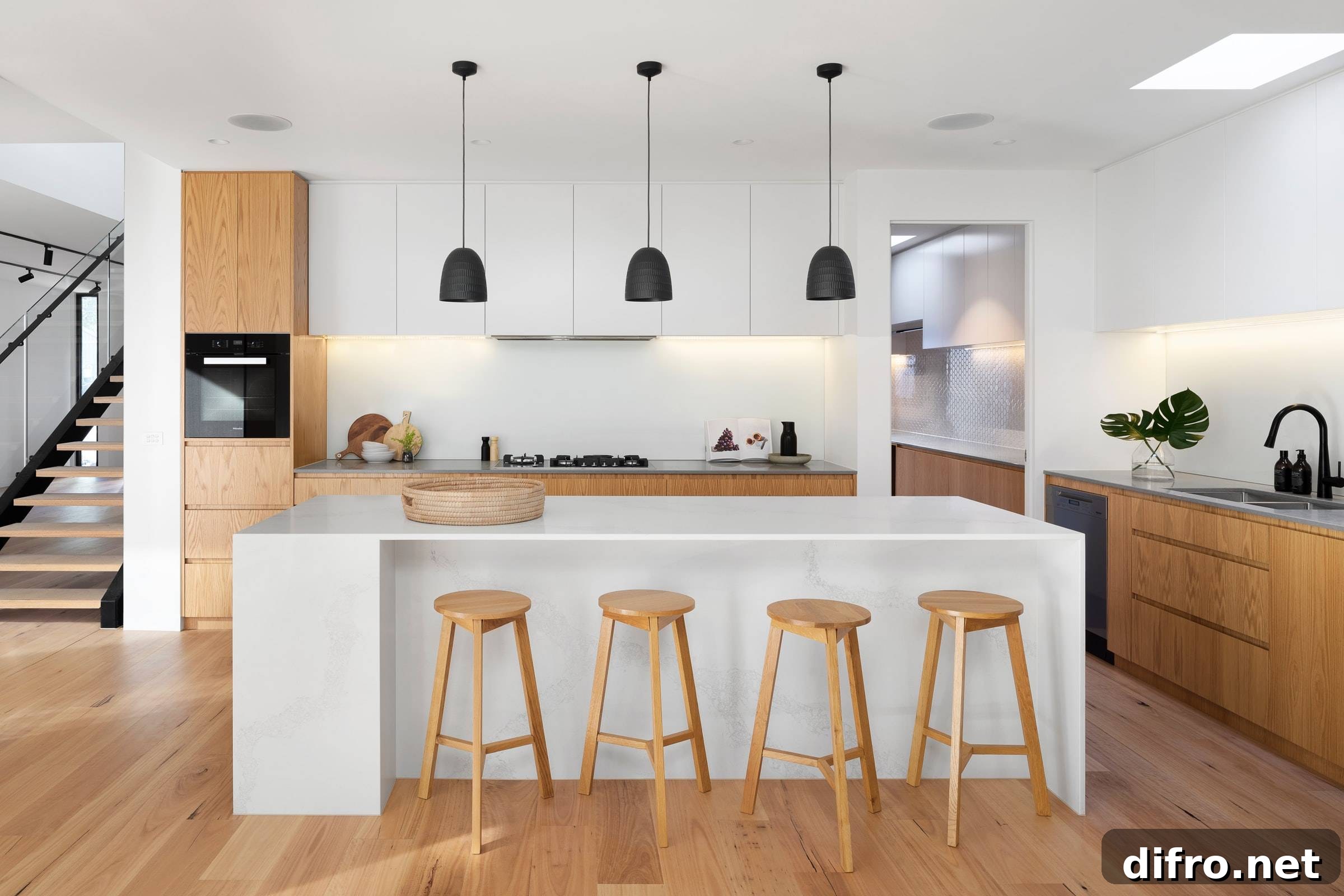
Even in dining areas, a restrained dash of contrast—such as darker chairs or a single black accent—creates visual interest while maintaining the overall harmony of the palette.
Curated mix of natural textures
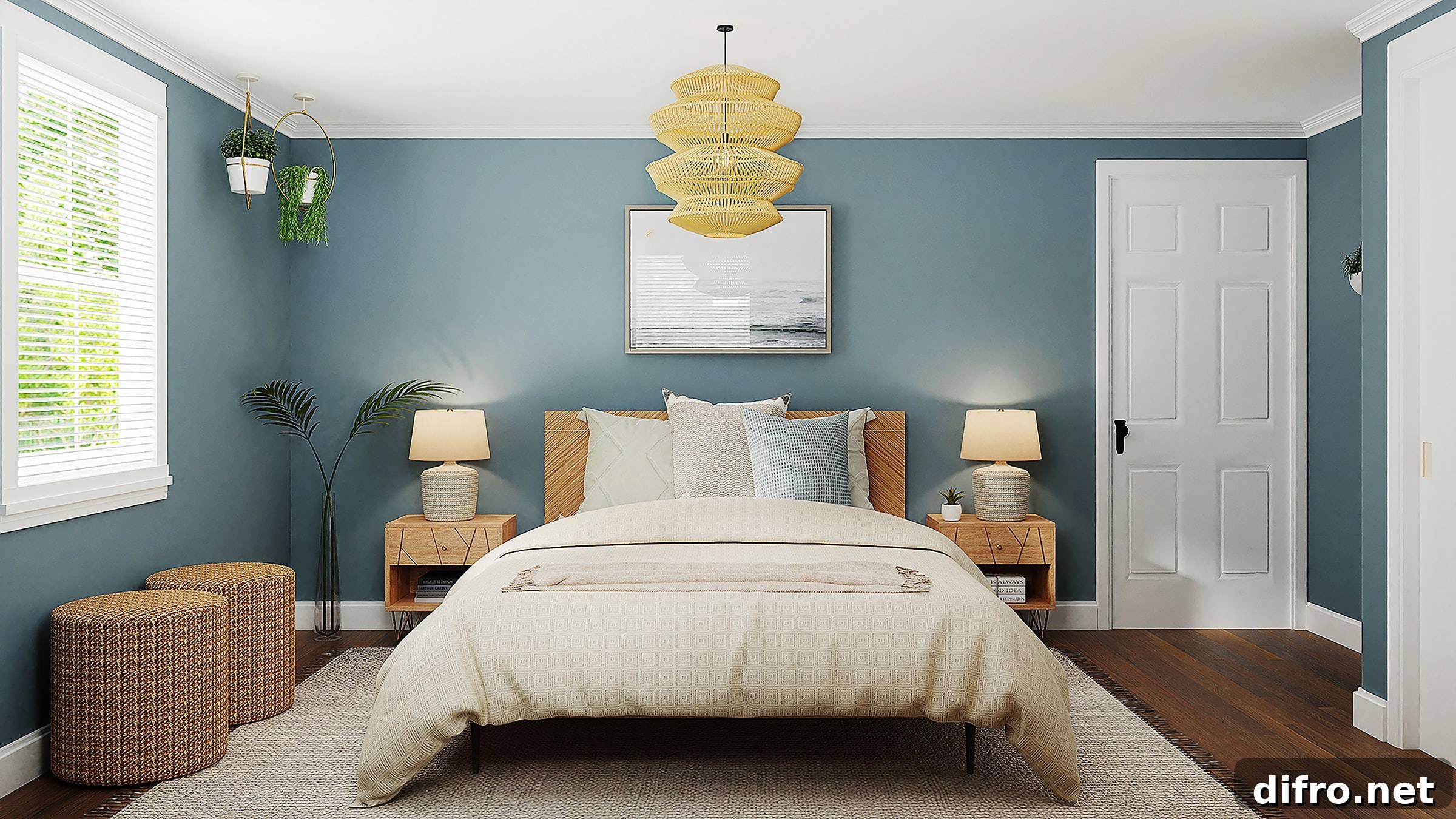
One of the strengths of Japandi design is how it blends Scandinavian warmth—light woods and soft textiles—with Japanese wabi-sabi sensibilities that celebrate imperfection and organic materials. Combine pale ash or oak with bamboo, rattan and stone to achieve an uncluttered yet tactile interior. These textural contrasts give neutral palettes dimension while remaining calm and understated.
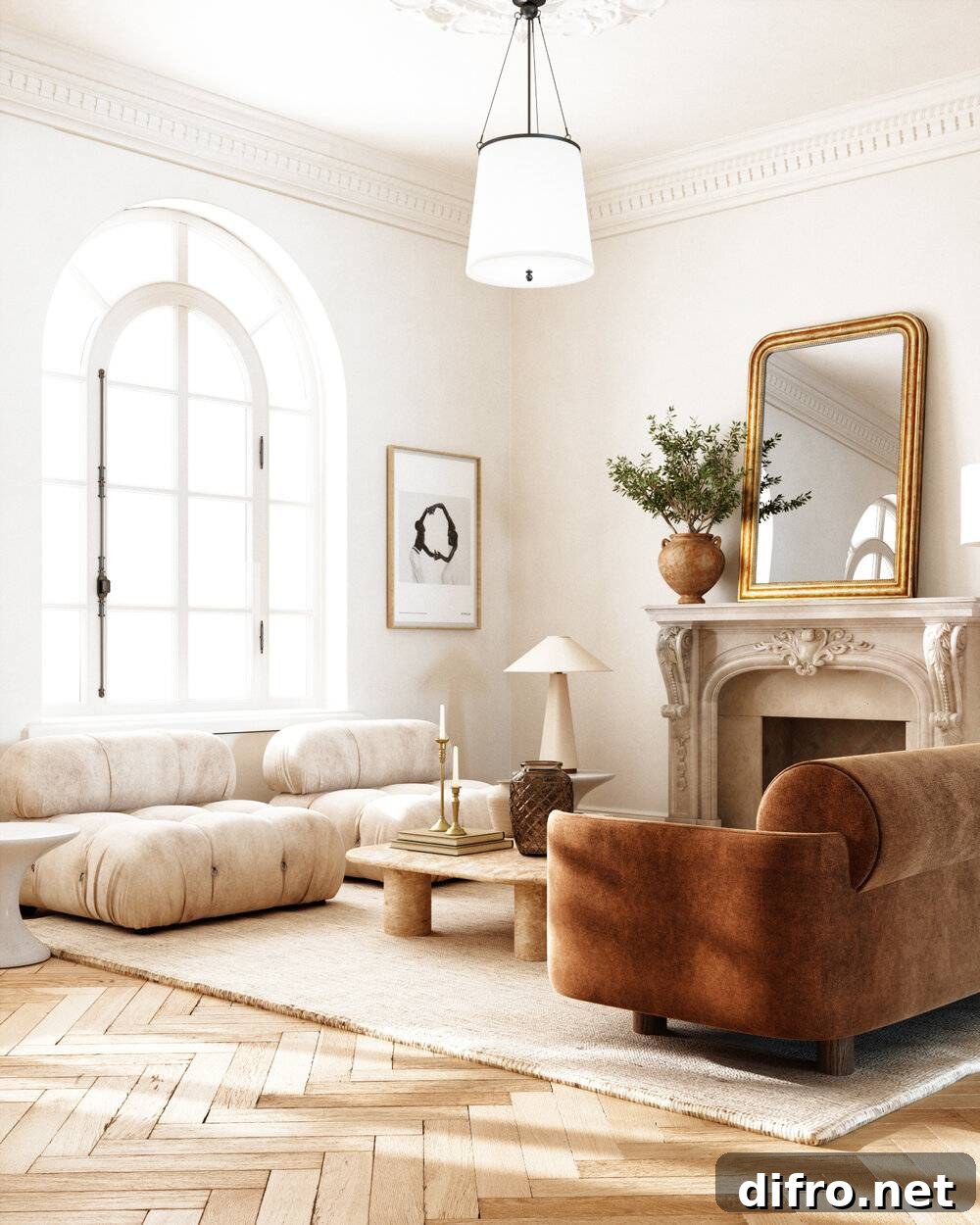
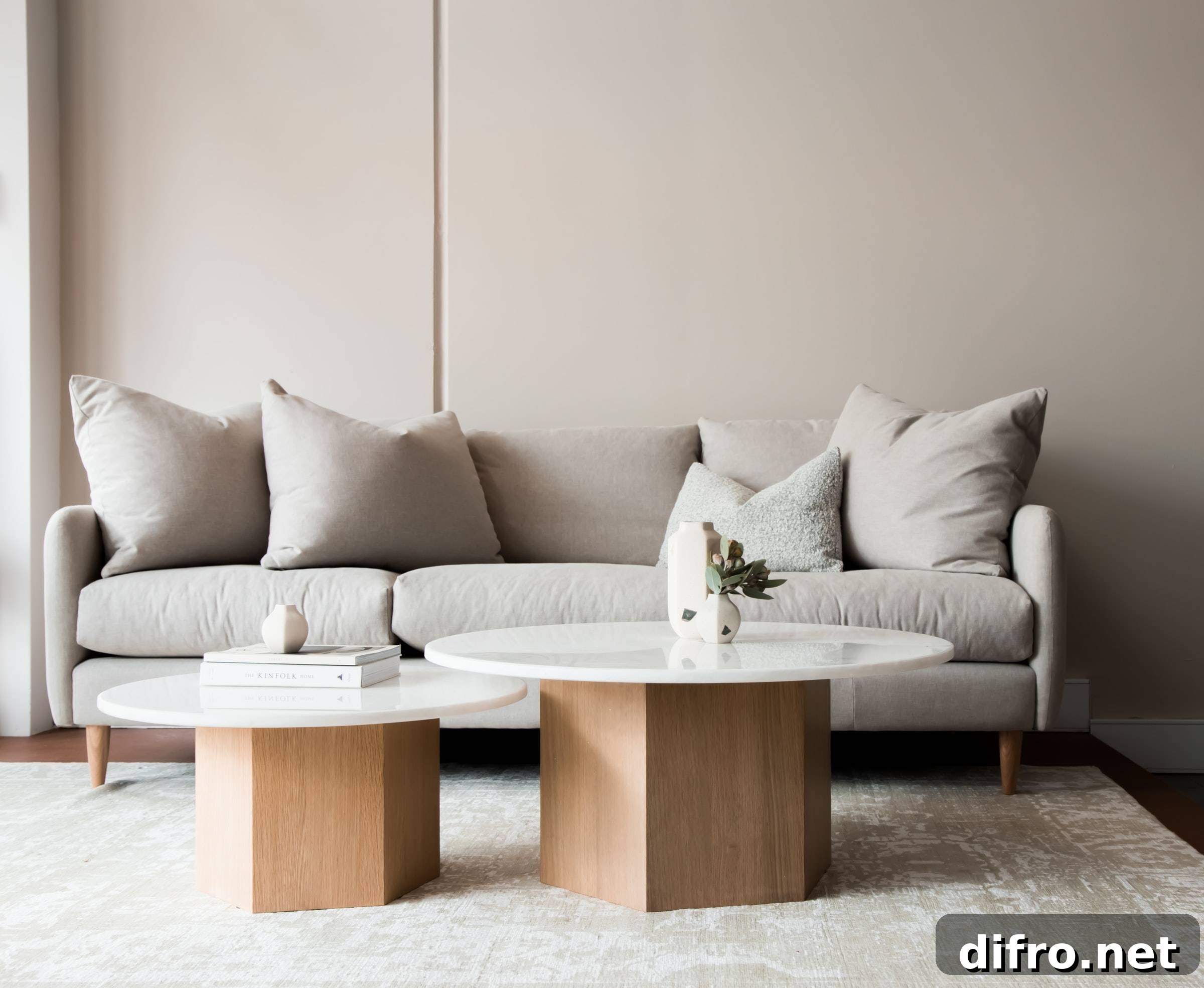
Wabi-sabi elements—rough-hewn wood, natural stone surfaces, and matte glazes—introduce authenticity and an organic sense of history. A stone-topped table or a hand-textured ceramic vase can be a simple, quiet centerpiece that speaks to craftsmanship without demanding attention.
Greenery
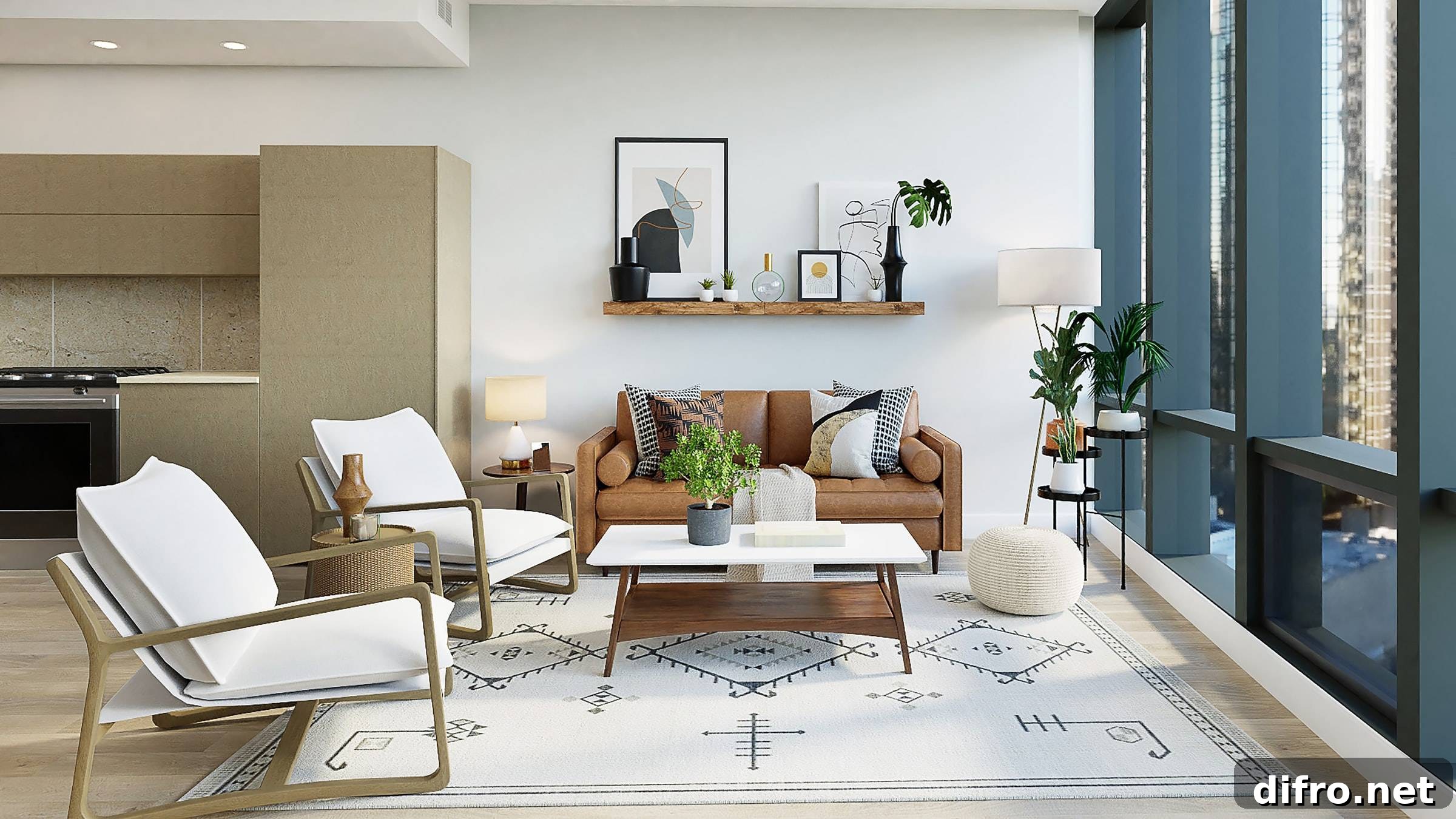
Both Japanese and Scandinavian interiors favor a close relationship with nature, so integrating plants is a natural fit for Japandi rooms. Houseplants add life, soften lines and introduce color without disrupting a neutral palette. Choose sculptural, easy-care species—such as snake plants, fiddle leaf figs or large-leaf tropicals—to provide a bold yet simple focal point. Even a single potted plant placed with intention brings the outdoors in and supports the calm, restorative mood of the space.
Sleek storage options
Minimalism and functionality are central to Japandi, so effective storage is essential to maintain a calm, uncluttered environment. Opt for low-profile cabinets, built-in shelving and discreet baskets that match the room’s materials and colors. Concealed storage keeps daily clutter out of sight while preserving the clean lines that define the style. Natural woven baskets, wooden boxes and muted fabric bins are practical and visually consistent choices.
In short, Japandi design is about restraint, thoughtful material choices and functional beauty. By layering neutral colors with tactile textures, adding purposeful greenery, and choosing discreet storage solutions, you can create a serene home that feels warm, intentional and timeless.