American architecture reflects a wide range of influences—geography, history, and cultural trends—so houses across the United States appear in many distinct styles. Below are nine of the most popular American house styles, each described with defining features, historical context, and why they remain desirable today. These descriptions can help homeowners, designers, and homebuyers recognize common architectural elements and choose the style that best fits their taste and lifestyle.
Colonial
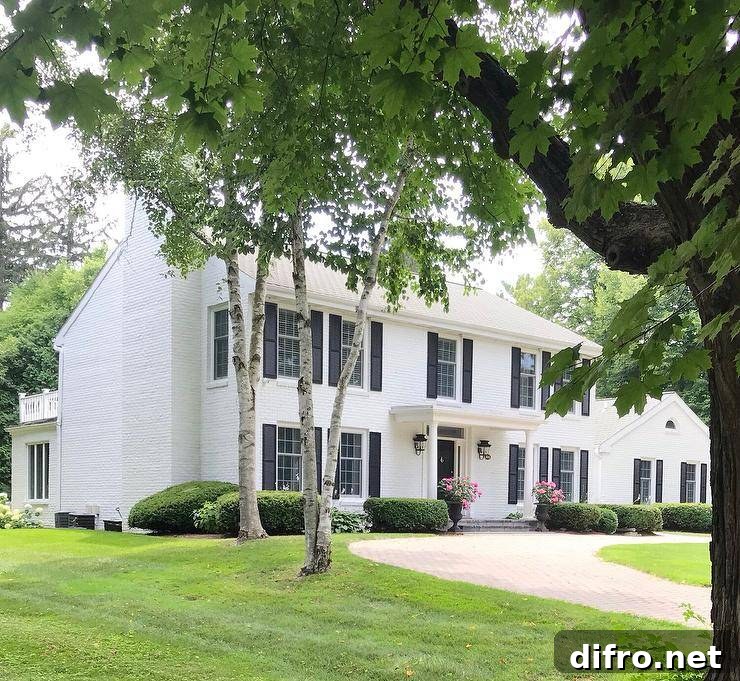
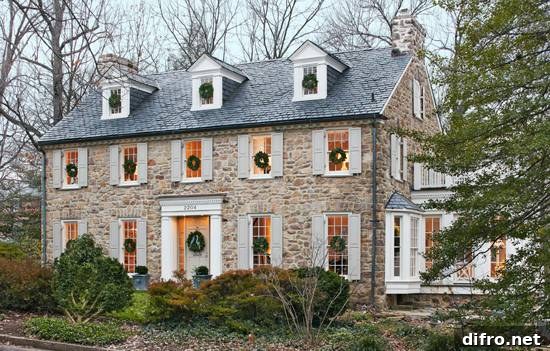
Originating in the early 1700s and remaining influential through the mid-1800s, Colonial-style homes emphasize symmetry and proportion. Typical features include a rectangular two-story form, a centered front door, evenly spaced multi-pane windows, and a pitched roof. Subtypes include Georgian, Federal, and Dutch Colonial. Today, Colonial homes remain popular for their timeless, balanced appearance and adaptable floor plans, which lend themselves to both historic preservation and modern renovations.
Victorian
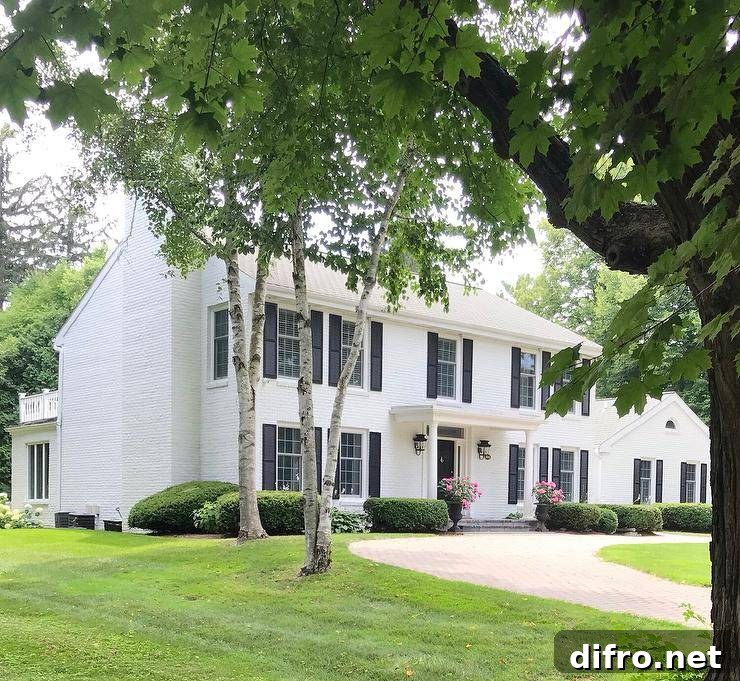
Victorian architecture dominated the late 1800s and is celebrated for its ornamentation, complex rooflines, and eclectic details. Common characteristics include asymmetrical facades, towers or turrets, decorative trim, patterned shingles, and stained glass. Substyles like Queen Anne, Second Empire, and Stick-Eastlake offer varied decorative vocabularies. Victorian homes are prized today for their craftsmanship, historic character, and dramatic curb appeal, often restored to combine original detail with modern comforts.
Craftsman
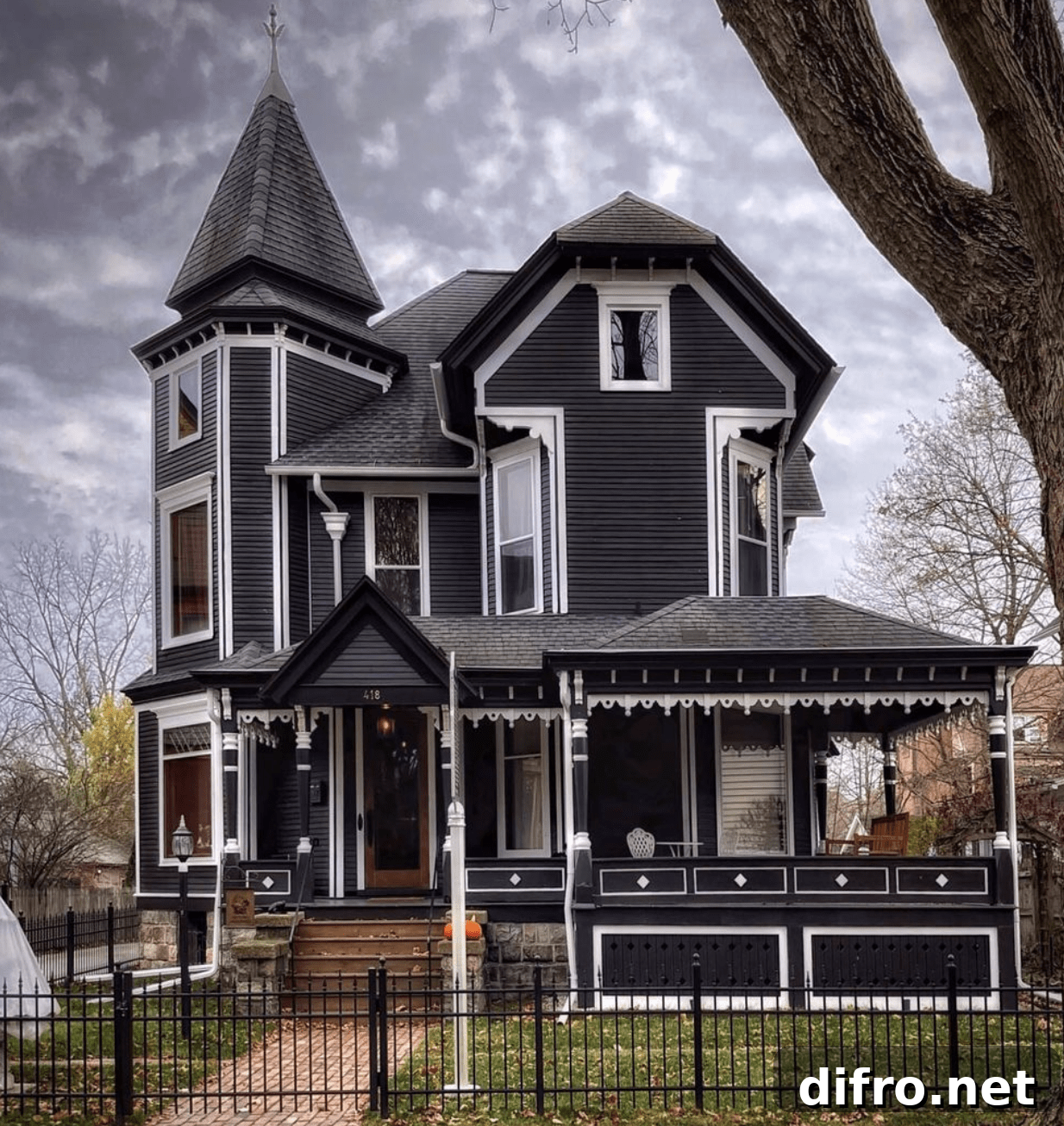
The Craftsman style emerged in the early 1900s as part of the Arts and Crafts movement, celebrating natural materials and visible workmanship. Craftsman houses are typically one or two stories with low-pitched roofs, broad eaves, exposed rafters, tapered columns, and wide, welcoming front porches. Interiors often feature built-in cabinetry and wood trim. Their enduring appeal comes from a human-scale design, honest materials, and the cozy, handcrafted feel that suits contemporary living.
Tudor
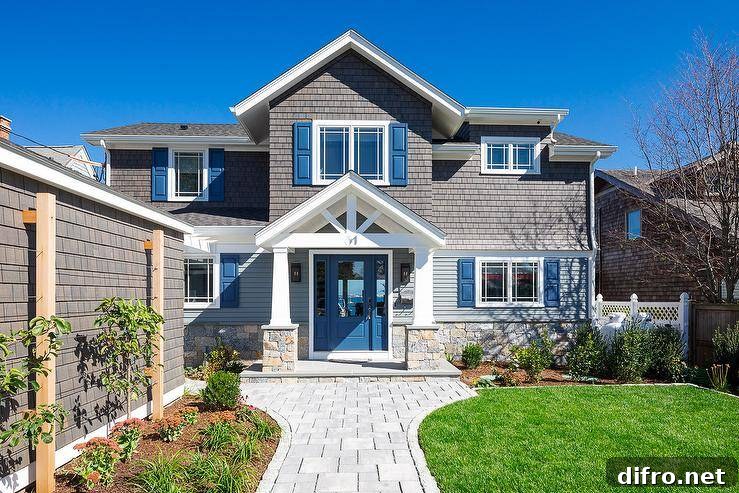
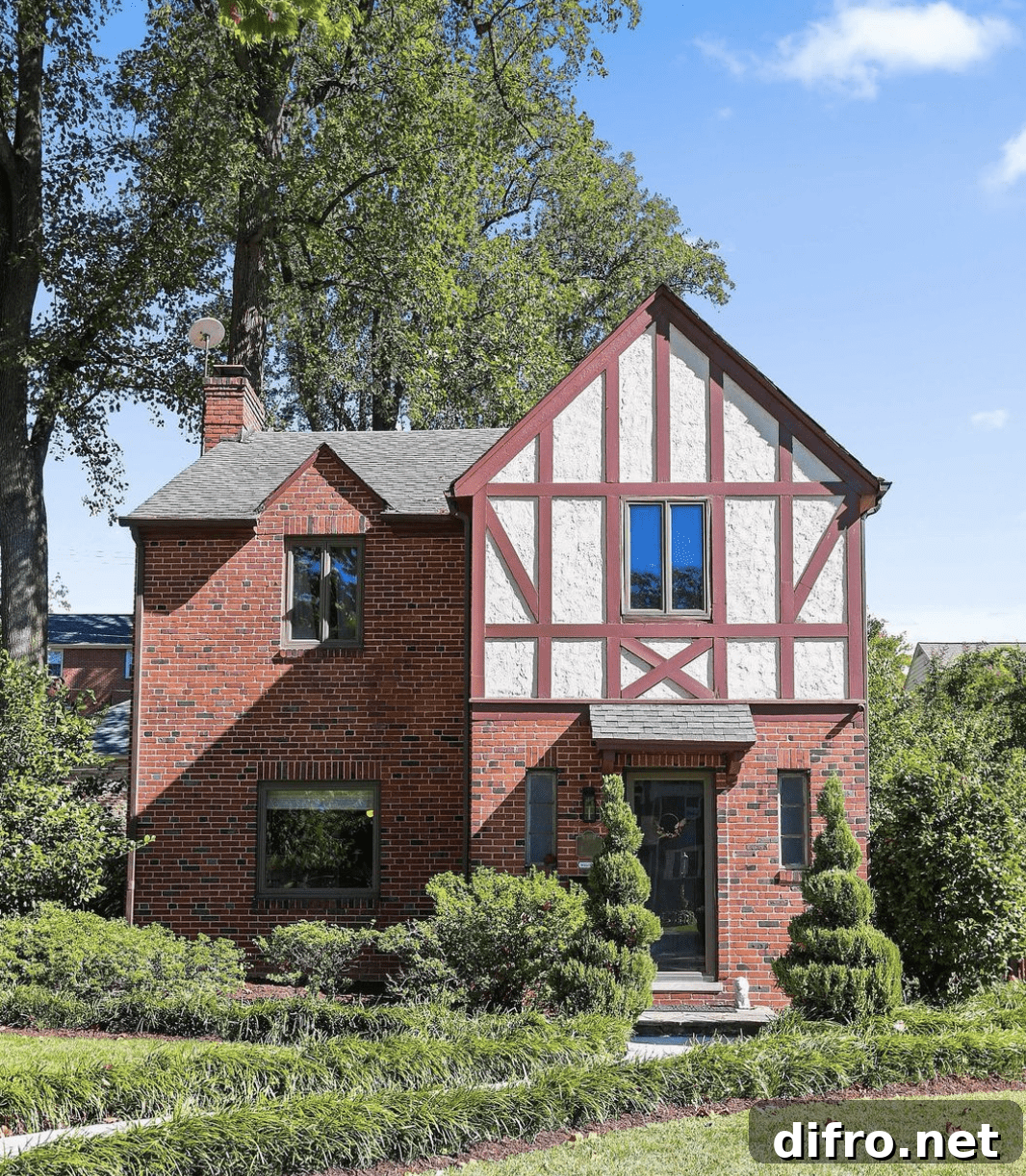
Tudor-style homes, popular in the early 1900s, draw on medieval English architecture and are recognized by steeply pitched roofs, decorative half-timbering, tall chimneys, and leaded or casement windows. Doorways and masonry work are often richly textured, giving each house a storybook quality. Modern homeowners appreciate Tudor houses for their distinctive silhouette, historic charm, and adaptability when updated with contemporary interiors and systems.
Bungalow
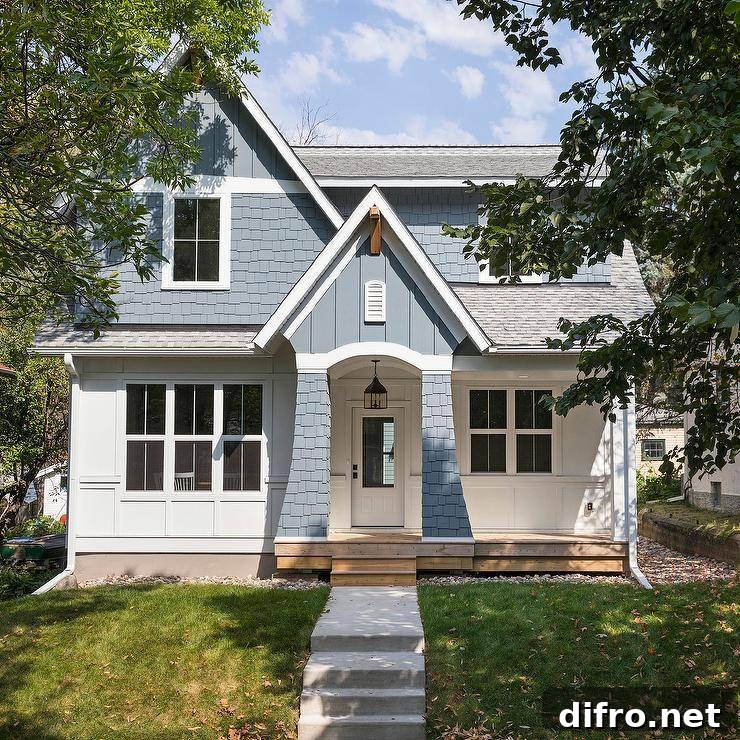
Bungalows were most popular from the early 1900s through the 1930s and showcase a simple, compact form with low-pitched roofs, wide front porches, and exposed structural elements like rafters and brackets. Rooted in the Arts and Crafts movement, bungalows prioritize efficient layouts and easy indoor-outdoor flow. Their modest scale and straightforward construction make them practical for first-time buyers, downsizers, and those who prefer functional, comfortable homes.
Ranch
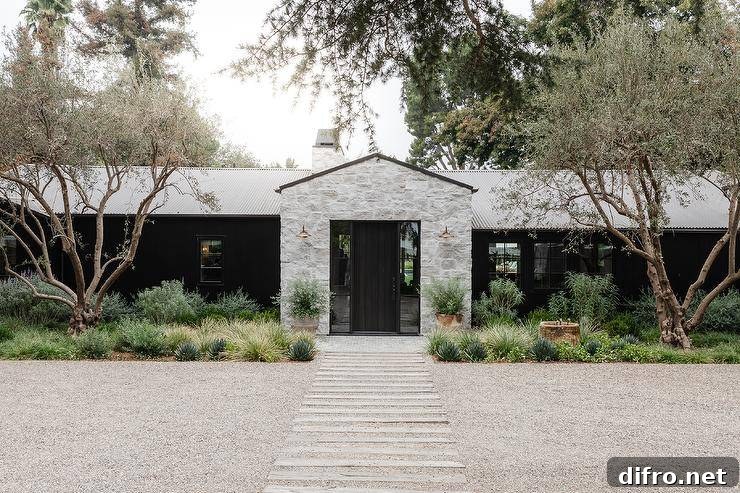
The Ranch home became widespread after World War II and is defined by single-story living, a low-pitched roof, long horizontal lines, and open interior plans. Large windows, sliding glass doors, and attached garages are common. Ranch houses suit suburban lots and prioritize accessibility and indoor-outdoor connections. Their continued popularity stems from the practical one-level layout, flexibility for later remodeling, and their fit for multigenerational living and aging-in-place modifications.
Cape Cod
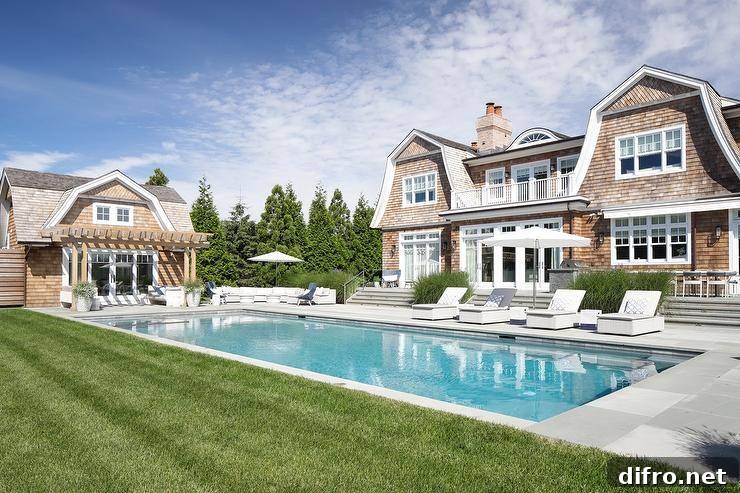
Cape Cod houses, inspired by Colonial New England, feature steeply pitched roofs, a centered chimney, and a symmetrical façade often punctuated by dormers. Common from the 1930s through the 1950s and revived repeatedly since, Cape Cod designs are compact and efficient, with simple lines and practical layouts. Their classic, coastal-inspired look and easy maintenance make them a perennial favorite for families seeking modest, durable homes.
Contemporary
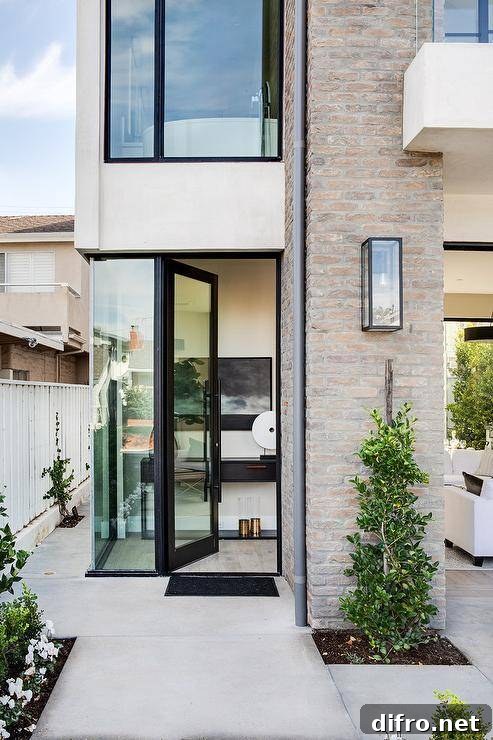
Contemporary architecture, which gained prominence in the 1970s and continues to evolve, embraces clean lines, open plans, and large expanses of glass. Flat or low-pitched roofs, minimal ornamentation, and an emphasis on natural light and indoor-outdoor connections are typical. Many contemporary homes also incorporate sustainable features—solar panels, efficient insulation, and modern HVAC systems—making them attractive to buyers who value modern aesthetics and energy efficiency.
Colonial Revival
Colonial Revival began in the late 1800s as a renewed interest in early American architecture, reinterpreting Colonial motifs like symmetrical facades, central entrances, and classical columns. Popular because of its formal balance and historical associations, Colonial Revival adapts well to modern needs—expanded interiors, updated kitchens, and contemporary mechanical systems—while retaining its dignified, traditional appearance.
These nine popular American house styles demonstrate the breadth of residential architecture across the United States. From the formal symmetry of Colonial and Colonial Revival homes to the handcrafted warmth of Craftsman and the clean lines of Contemporary design, each style offers distinct visual cues and practical benefits. Whether you are restoring a historic property or choosing a new-build design, understanding these architectural types can help you match aesthetic preferences with lifestyle needs and local context.