Baseboards are an often-overlooked detail in home maintenance, yet they make a significant difference in how clean and finished a room looks. Fresh, dust-free baseboards instantly elevate the appearance of floors and walls, while dirty or scuffed baseboards can make even a tidy room feel neglected. Many people avoid baseboard cleaning because it typically requires bending or kneeling, which can be uncomfortable or impractical for anyone with limited mobility or back pain.
Fortunately, there are several practical ways to clean baseboards while standing upright. With the right tools and simple techniques, you can remove dust, grime, and scuff marks efficiently without strain. This guide explains effective, low-effort methods to keep baseboards looking new—covering dry dusting, wet cleaning, targeted stain removal, and deeper sanitizing options.
Use a Long-Handled Duster
A long-handled duster is one of the simplest and most convenient tools for cleaning baseboards without bending. These dusters extend your reach and let you sweep along the top and face of baseboards while standing. Microfiber and electrostatic heads are especially good at trapping fine dust rather than just moving it around. For regular maintenance, make gentle passes along the entire length of your baseboards to remove accumulated dust and cobwebs.
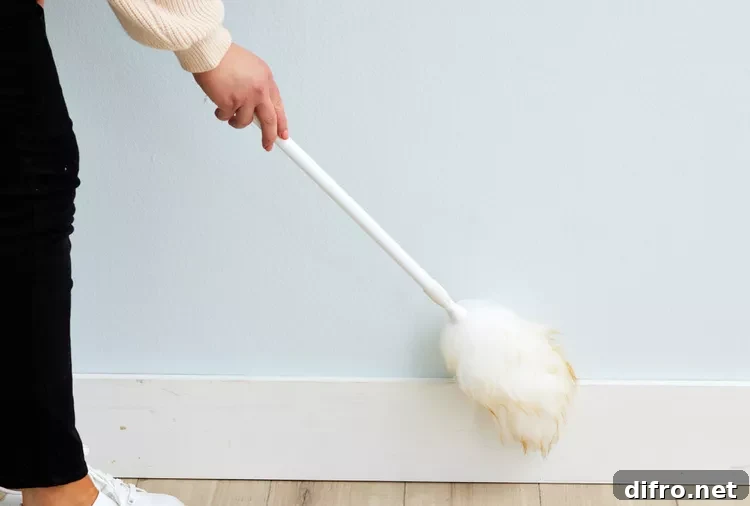
For corners and textured trim, choose a duster with an adjustable or angled head to follow the profile of the molding. Regular quick dusting reduces the need for deeper cleaning later.
Utilize a Vacuum with Attachments
Vacuuming baseboards with the right attachments is an efficient way to remove both dust and allergens without bending. Use a crevice tool to reach the tight seam between floor and baseboard and a soft-bristled brush attachment to dislodge stuck-on dust. Because the vacuum captures particles, this approach limits the dust that would otherwise be stirred into the air.
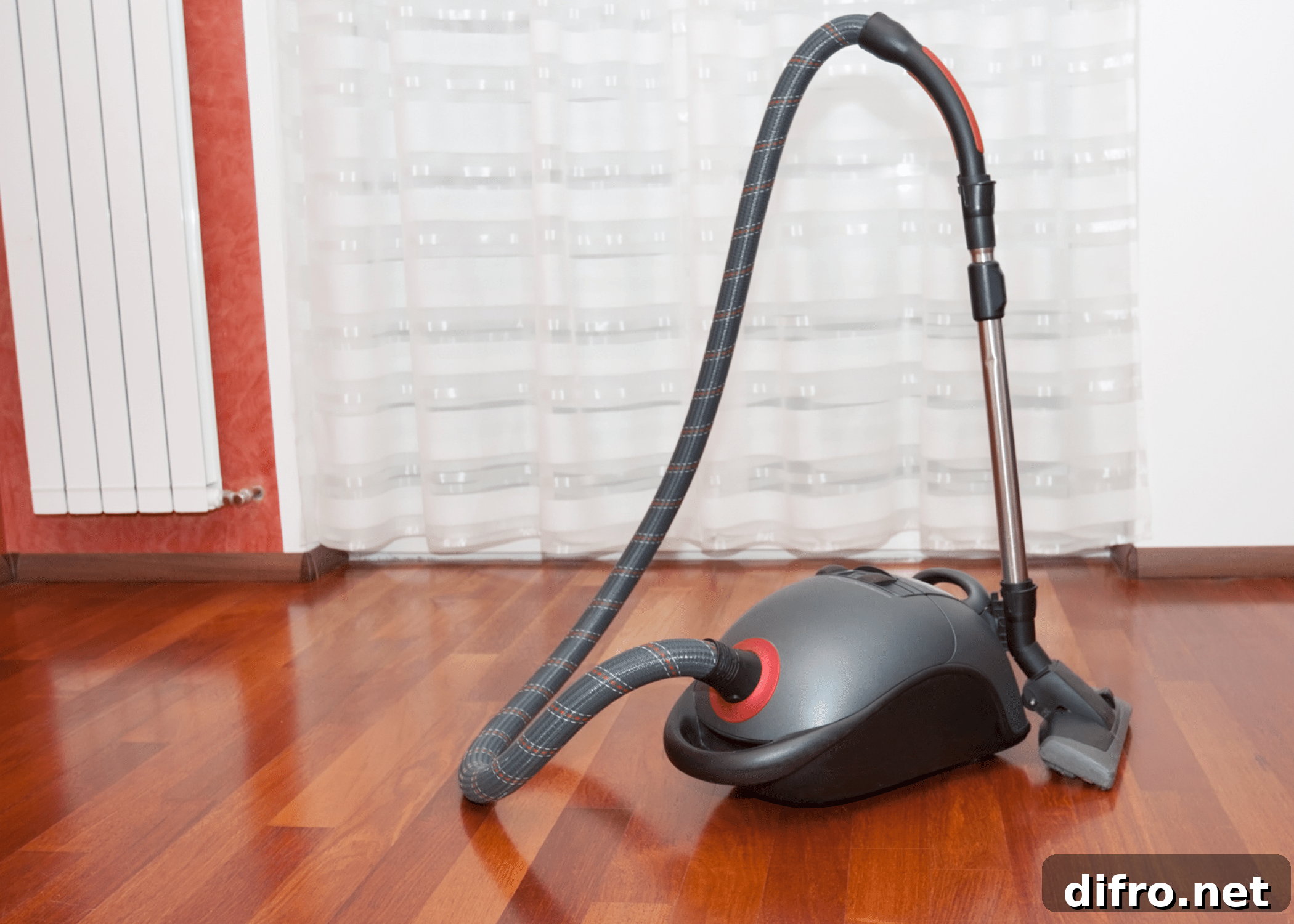
Integrate this with your regular floor vacuuming so baseboards are tended to on a consistent schedule. For delicate painted trim, keep suction moderate and avoid pressing hard with the brush head.
Employ a Mop with a Flexible Head
Mops with pivoting or flexible heads work well for wet-cleaning baseboards while standing. A microfiber mop head dampened with a mild cleaning solution can lift grime and fingerprints without soaking the trim. Glide the mop along the baseboard and then run a dry microfiber cloth over the surface to remove any remaining moisture.
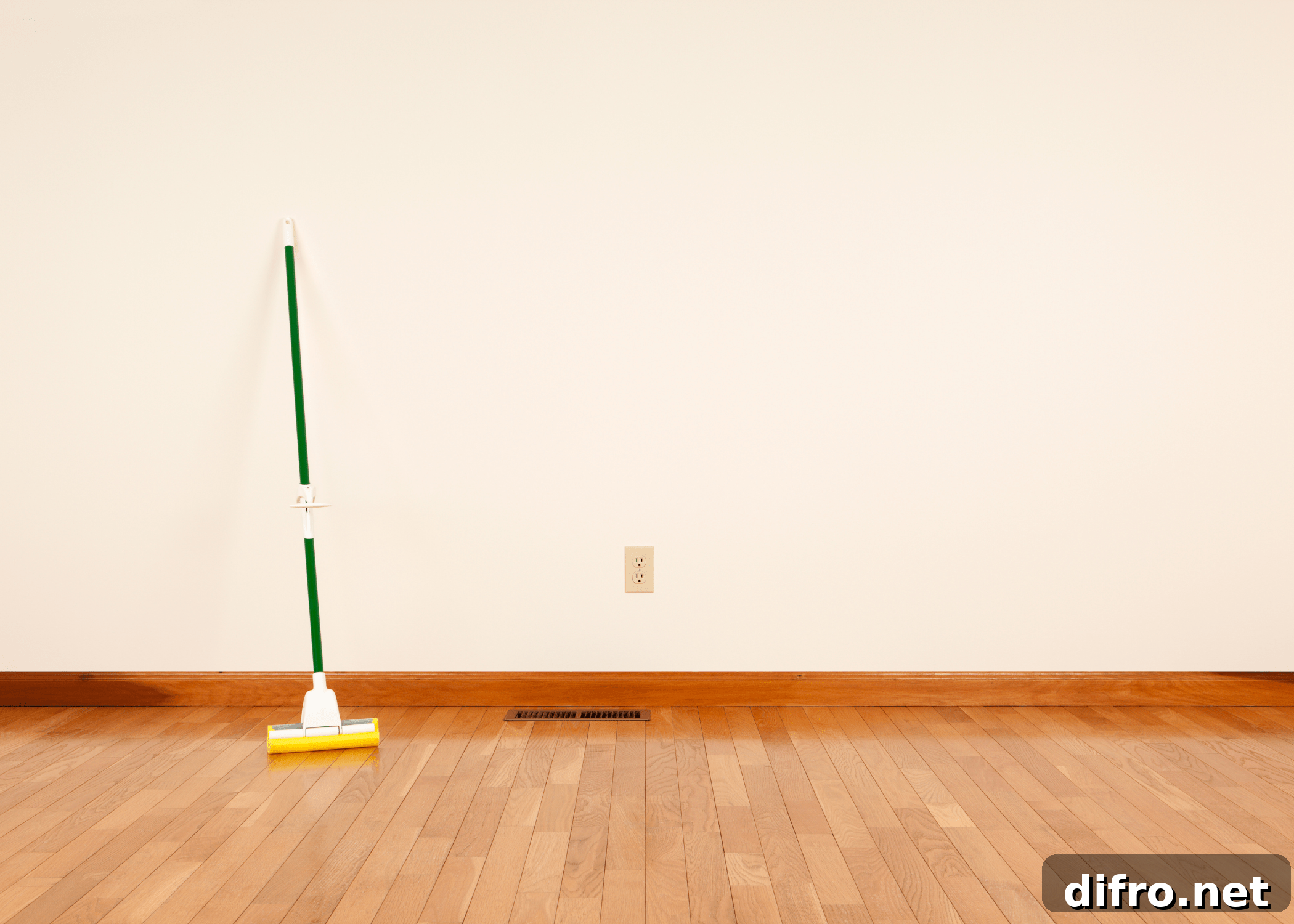
Test any cleaning solution on a small, inconspicuous area first—especially on wood or painted trim—to avoid discoloration. Avoid oversaturation: too much water can damage wood baseboards or seep into seams.
Try a Magic Eraser on an Extendable Handle
Melamine sponge cleaners (commonly called Magic Erasers) are excellent at removing scuffs and stubborn marks. Mounting one to an extendable handle lets you scrub baseboards while standing. Lightly dampen the sponge before scrubbing and use gentle pressure to prevent removing paint or finish. This method is particularly useful for high-traffic areas where scuffing is common.

Always spot-check on painted finishes before using aggressive erasers and avoid using them on delicate or antique trim.
Make Use of a Steam Cleaner
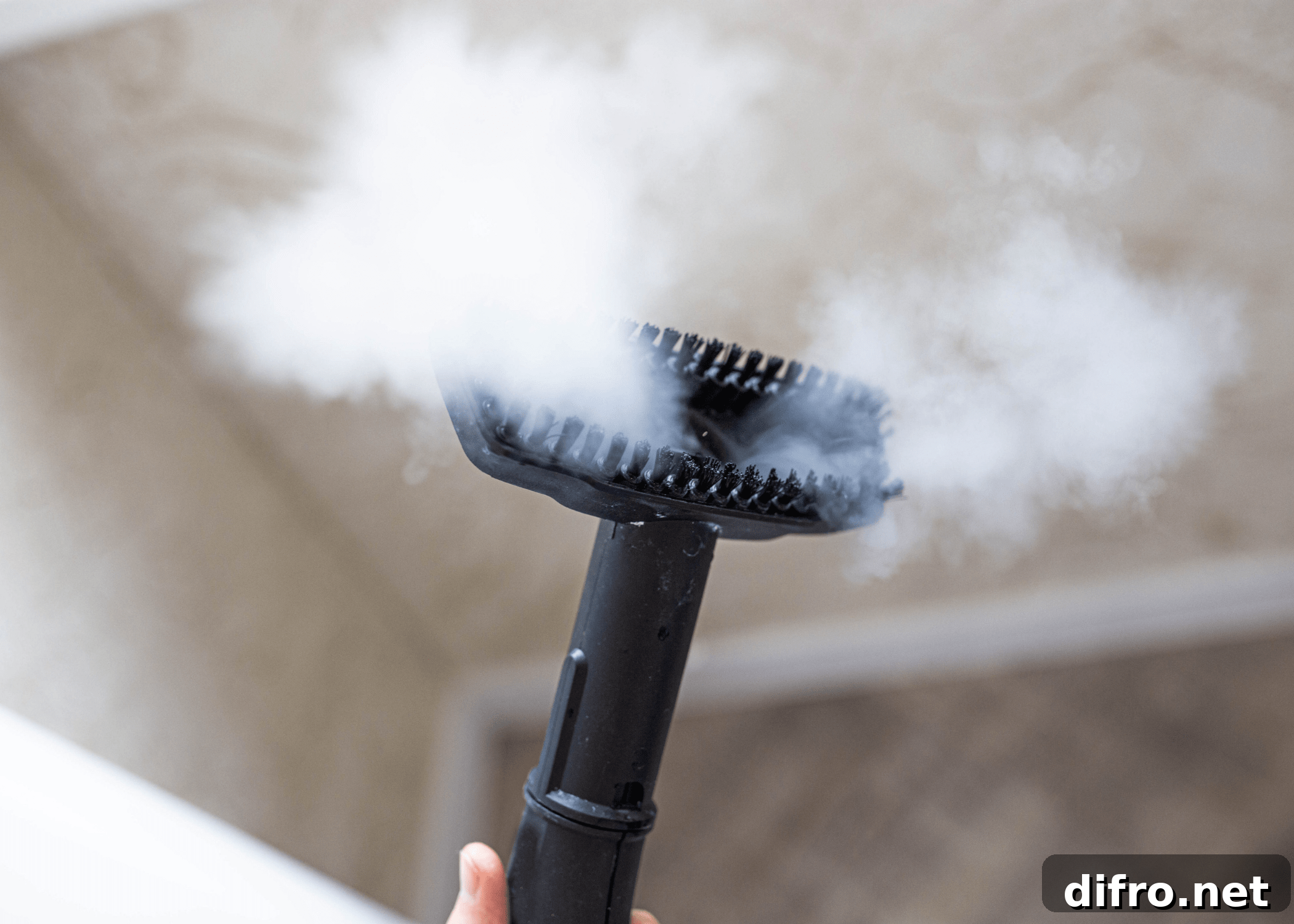
Steam cleaners provide a chemical-free option for deeper baseboard cleaning. The heat loosens dirt and kills many common surface germs; once steamed, grime wipes away easily with a cloth attached to a long handle. Use a soft brush attachment for textured trim. Steam is especially helpful in kitchens and entryways where grease or sticky residues appear.
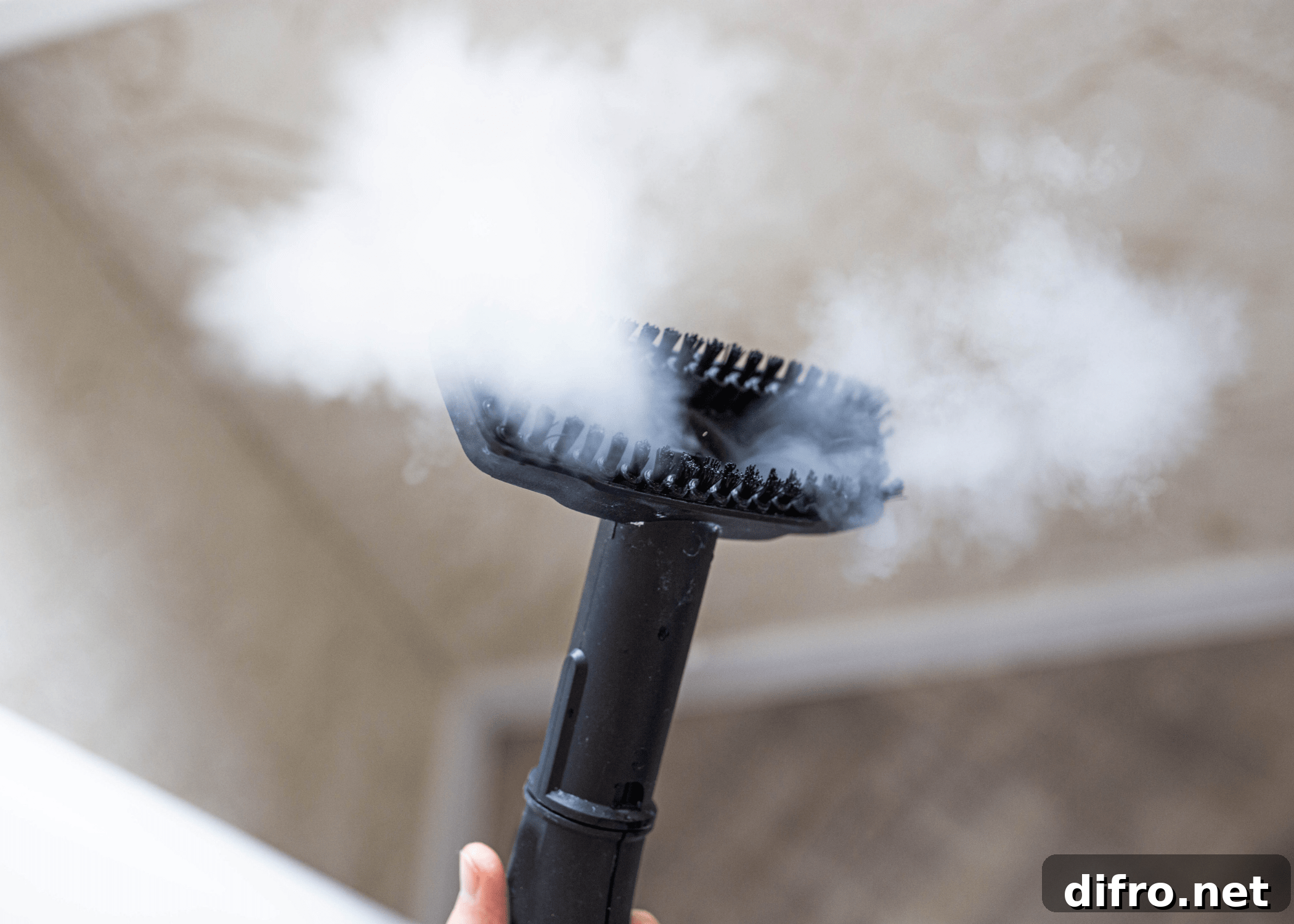
Follow the manufacturer’s instructions and allow the wood or paint to dry completely after steaming to prevent moisture damage.
Use a Broom and Microfiber Cloth
If you don’t have specialized tools, a simple broom and a microfiber cloth can do the trick. Secure a microfiber cloth to the broom head with rubber bands or clips and run it along the baseboards. This DIY method traps dust without bending, and spraying the cloth lightly with a mild cleaner before attaching it helps remove stickier residues.
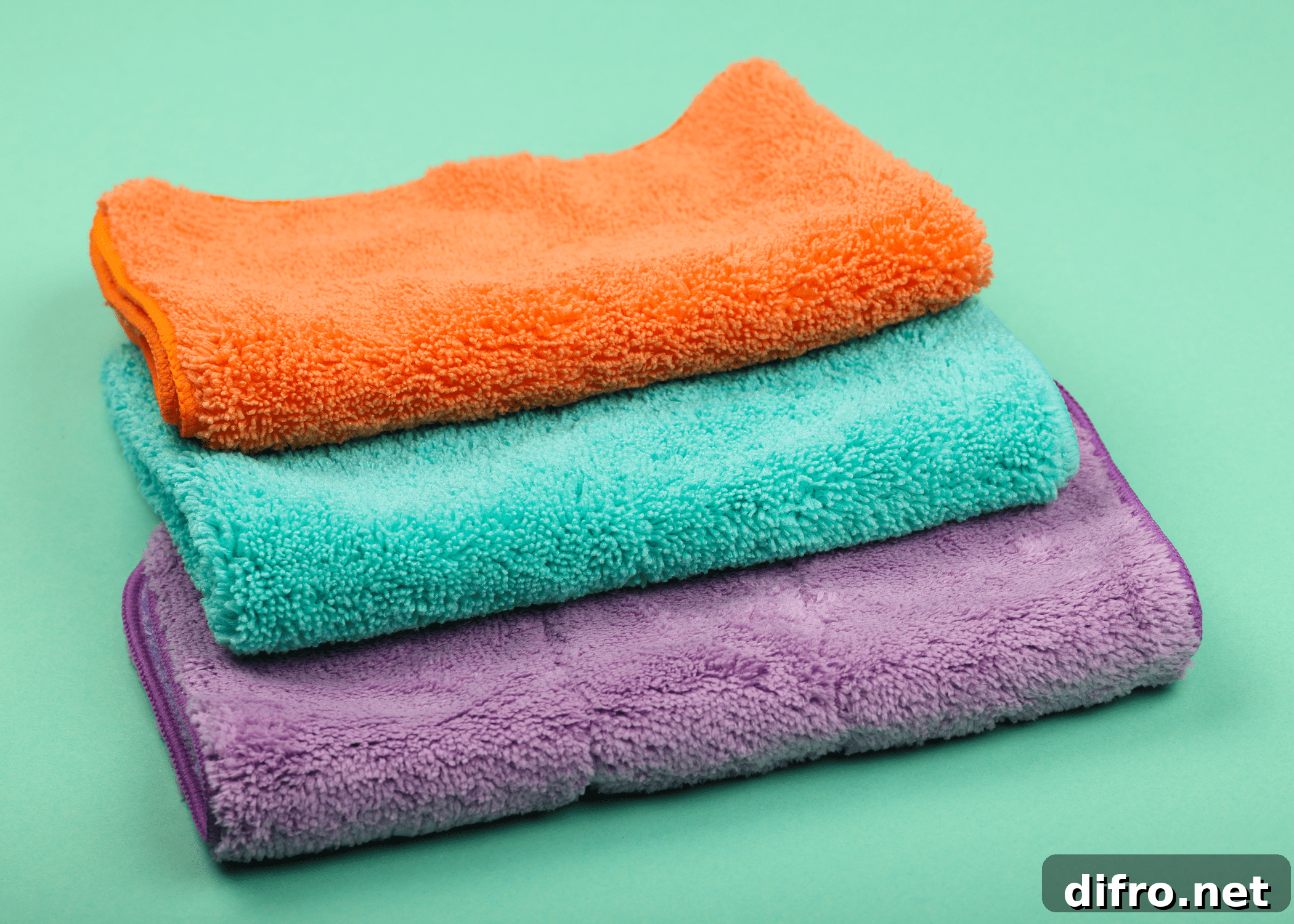
This approach is quick and inexpensive for routine touch-ups between deeper cleans.
Related Articles
- 7 Easy Ways to Get Rid of Pet Hair from Furniture and Carpets
- Effective Tips and Tricks for How to Clean Sticky Kitchen Cabinets
- How to Clean Your Oven with Lemon and Vinegar
Incorporating one or more of these methods into your cleaning routine will keep baseboards bright and presentable without the discomfort of bending or kneeling. For painted trim, avoid harsh abrasives and excessive water; for wood trim, use minimal moisture and dry thoroughly. Regular light maintenance, combined with occasional deeper cleaning, preserves the finish and extends the time between major touch-ups. Clean baseboards contribute to a healthier, more polished living space and make a noticeable difference in the overall appearance of your home.
Ready to start your next project? Join our DIY community to receive tool tips, how-to guides, and creative insights—subscribe to our newsletter for regular inspiration and practical advice.