Are you ready to add both style and function to your home? Learning how to hang curtains correctly will instantly lift a room’s look while improving privacy, light control, and insulation. This practical guide walks you through every step—from choosing the right fabric and measuring windows to installing rods, hanging panels neatly, and troubleshooting common problems. Follow these clear, professional tips to achieve a polished, long-lasting result.
Table of Contents:
- Understanding the Importance of Properly Hanging Curtains
- Choosing the Right Curtains for Your Space
- Measuring Your Windows for the Perfect Fit
- Gathering the Necessary Tools and Materials
- Installing Curtain Rods or Tracks
- Hanging the Curtains with Precision and Care
- Adjusting the Curtains for a Polished Look
- Adding Final Touches and Styling Tips
- Troubleshooting Common Curtain Hanging Issues
- Safety Precautions and Considerations
Understanding the Importance of Properly Hanging Curtains
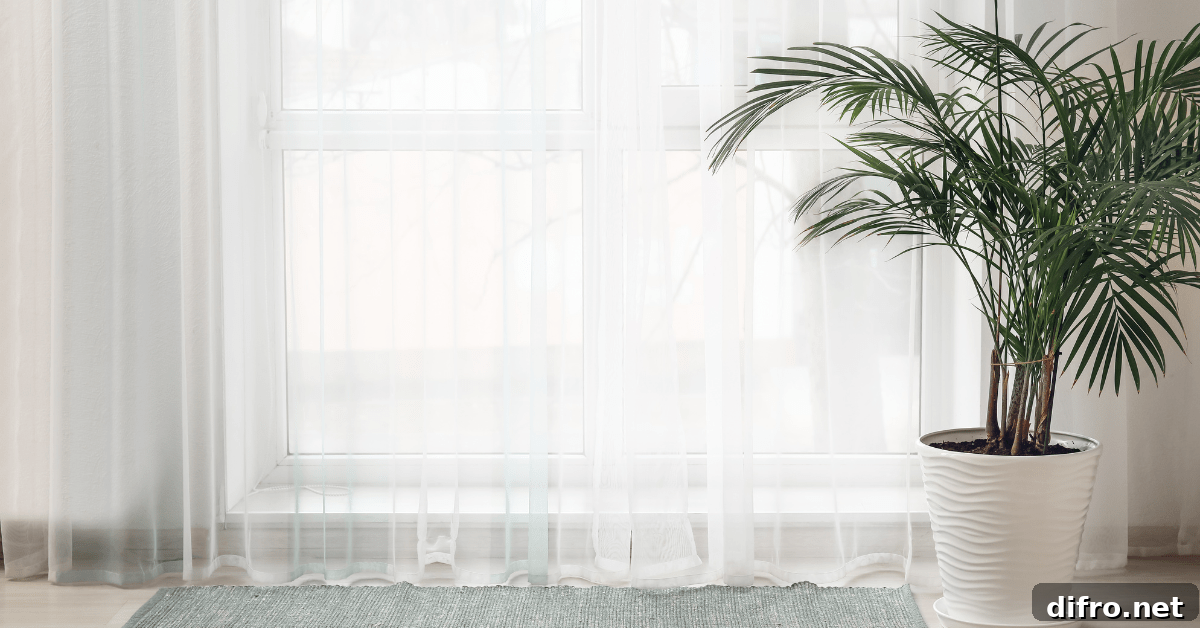
Curtains contribute to both form and function. They frame windows, soften a room’s appearance, and help control daylight and privacy. When installed properly, they hang evenly, move smoothly, and seal light gaps. Thoughtful placement and correct hardware selection will improve energy efficiency, reduce glare, and make your space feel intentionally designed.
Choosing the Right Curtains for Your Space
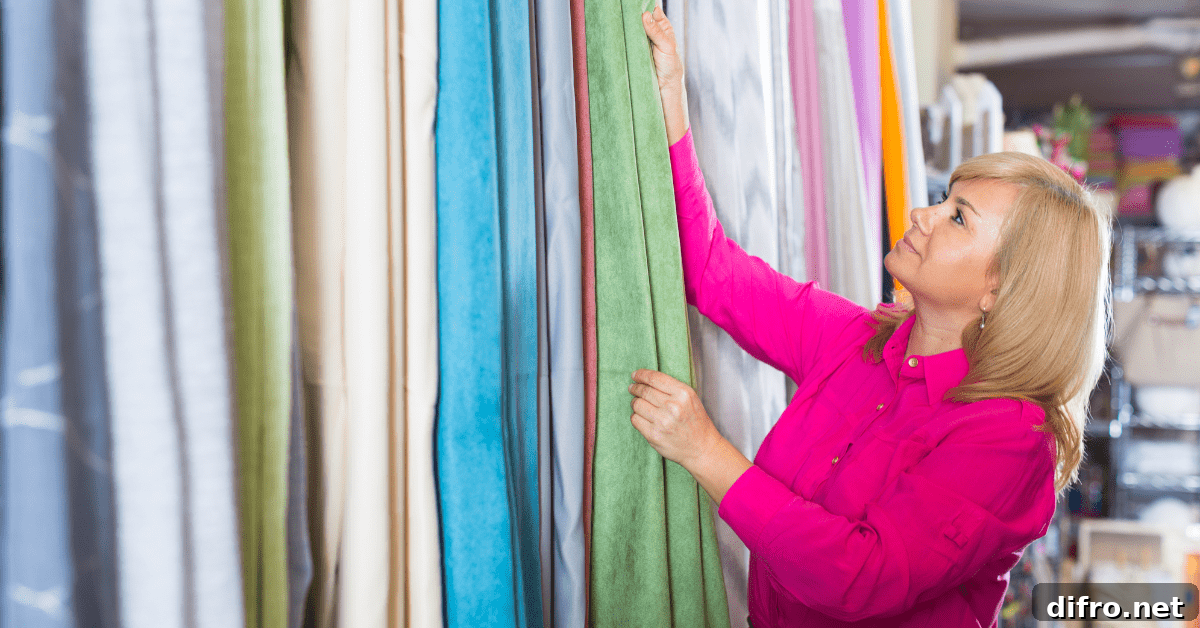
Start by matching curtains to the room’s function and style. Consider:
- Fabric: Heavier fabrics like velvet or thermal-lined weaves add insulation and structure; lighter fabrics such as linen or sheer cotton create an airy look.
- Color: Neutral tones blend easily; bold hues or patterns make a statement. Balance patterned curtains with simpler furnishings to avoid visual clutter.
- Pattern and Scale: Large patterns work well in spacious rooms; small-scale prints suit compact spaces. Coordinate pattern scale with furniture size and wall color.
- Length: Floor-length curtains create formality and vertical emphasis; sill-length or cafe curtains are practical for kitchens or bathrooms.
- Purpose: Blackout or lined panels are ideal for bedrooms and media rooms; sheer curtains allow light while preserving a degree of privacy.
Measuring Your Windows for the Perfect Fit
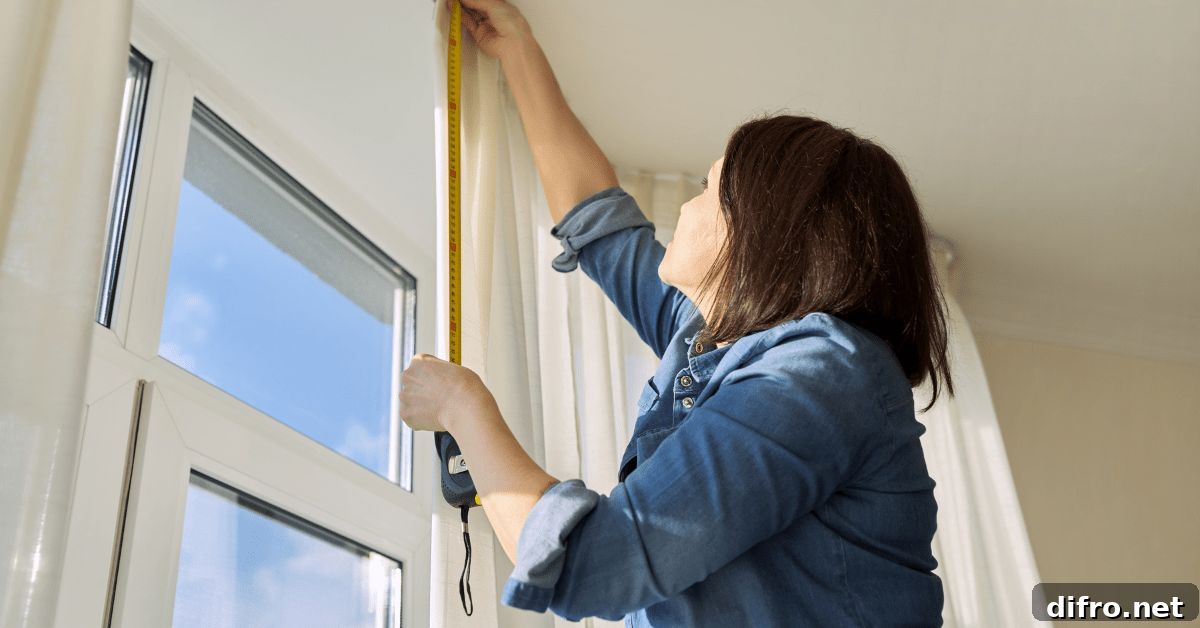
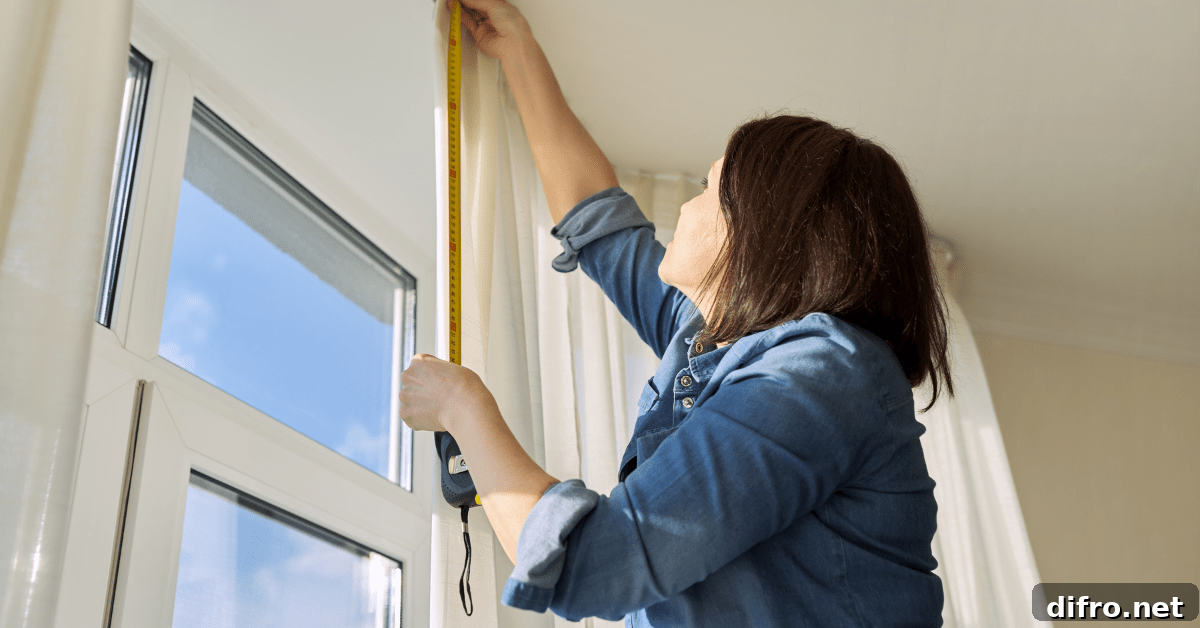
Accurate measurements are essential. Measure width and height using a metal tape for precision:
- Width: Measure the window opening, then add 4–12 inches on each side depending on how full you want the curtains and how far you can mount the rod beyond the frame. Allowing extra width ensures curtains stack back without blocking the window.
- Height: Measure from the desired rod position to the floor or windowsill. For a classic look, mount the rod 4–6 inches above the frame or closer to the ceiling to create height.
- Fullness: For a gathered, luxurious look, plan curtain panels with 1.5 to 3 times the width of the window.
Gathering the Necessary Tools and Materials
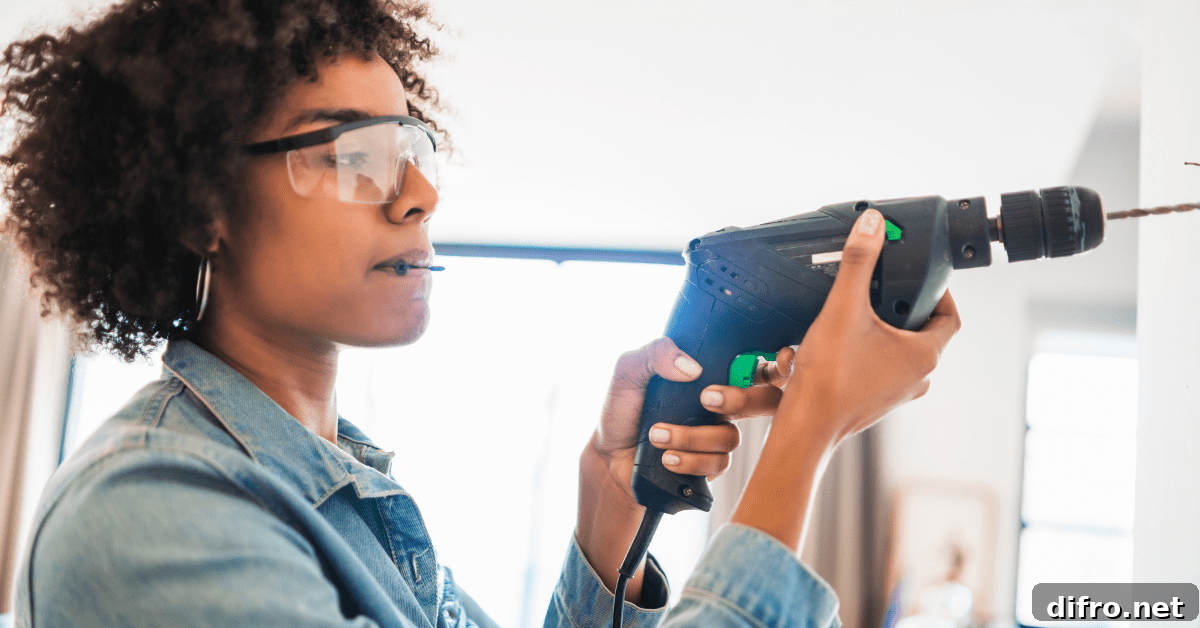
Have the right tools and hardware ready to avoid delays:
- Drill, screwdriver, tape measure, pencil, and a level.
- Appropriate anchors and screws for your wall type (drywall, plaster, masonry).
- Curtain rods, rings, hooks, or track systems chosen to fit the curtain weight and style.
- Optional: curtain clips, tiebacks, weights for hems, and a steamer or iron.
Explore hardware options—tension rods for rental-friendly installs, decorative rods for visual detail, or ceiling tracks for a seamless, modern look.
Installing Curtain Rods or Tracks
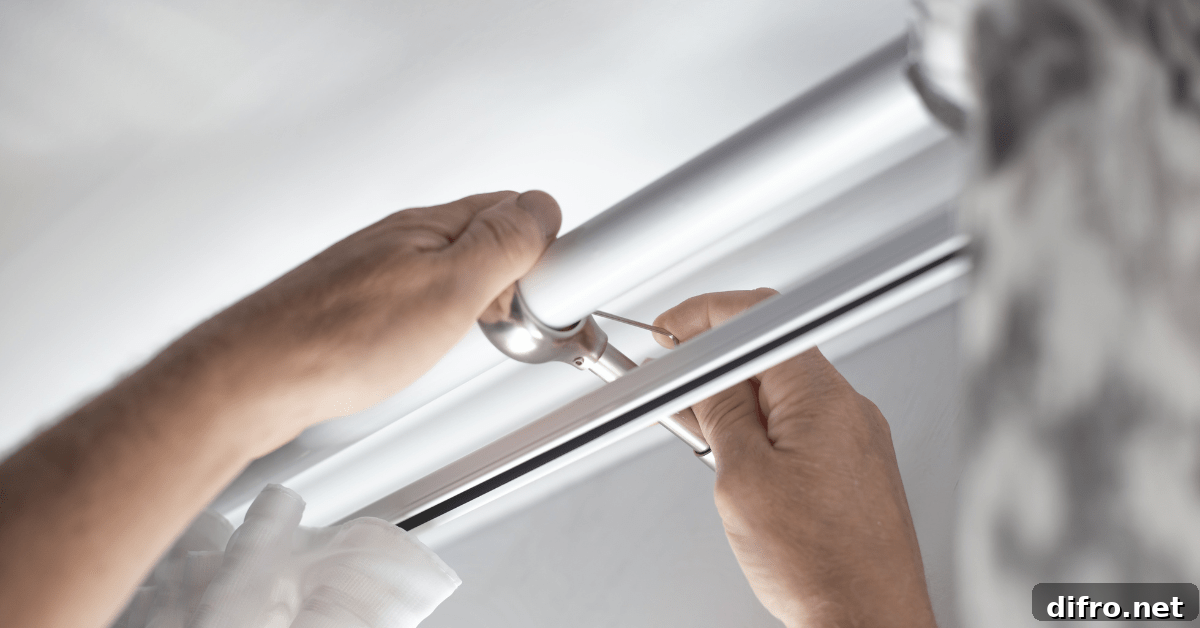
Follow these steps for a secure installation:
- Mark bracket positions with a pencil, use a level to keep the rod straight, and confirm spacing so curtains clear trim or radiators.
- Drill pilot holes and insert anchors appropriate to the wall. Secure brackets and test for stability before hanging heavy panels.
- For wide spans, add center supports to prevent sagging. For layered treatments, install a double rod or a track that accommodates two sets of panels.
Hanging the Curtains with Precision and Care
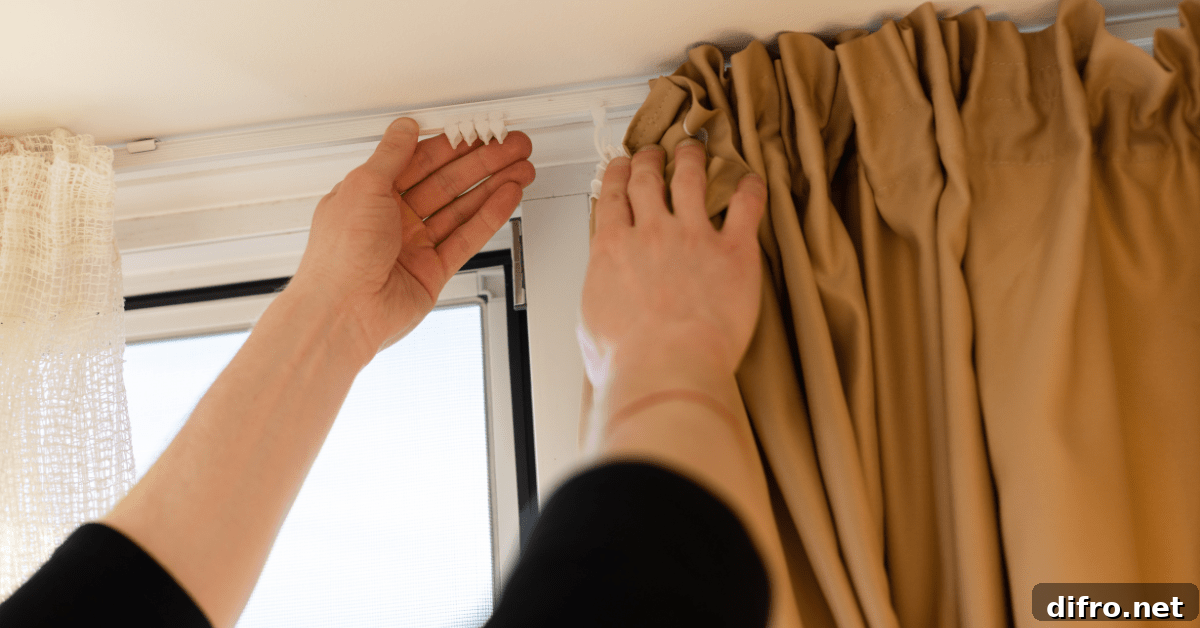
With hardware in place, hang panels and refine the look:
- Steam or iron panels before hanging to remove wrinkles.
- Attach panels using the chosen header style—grommets, rod pocket, back tabs, or pinch pleats—and ensure smooth movement along the rod.
- Use a level to confirm straightness. Adjust hooks or rings as needed for uniform height.
Adjusting the Curtains for a Polished Look
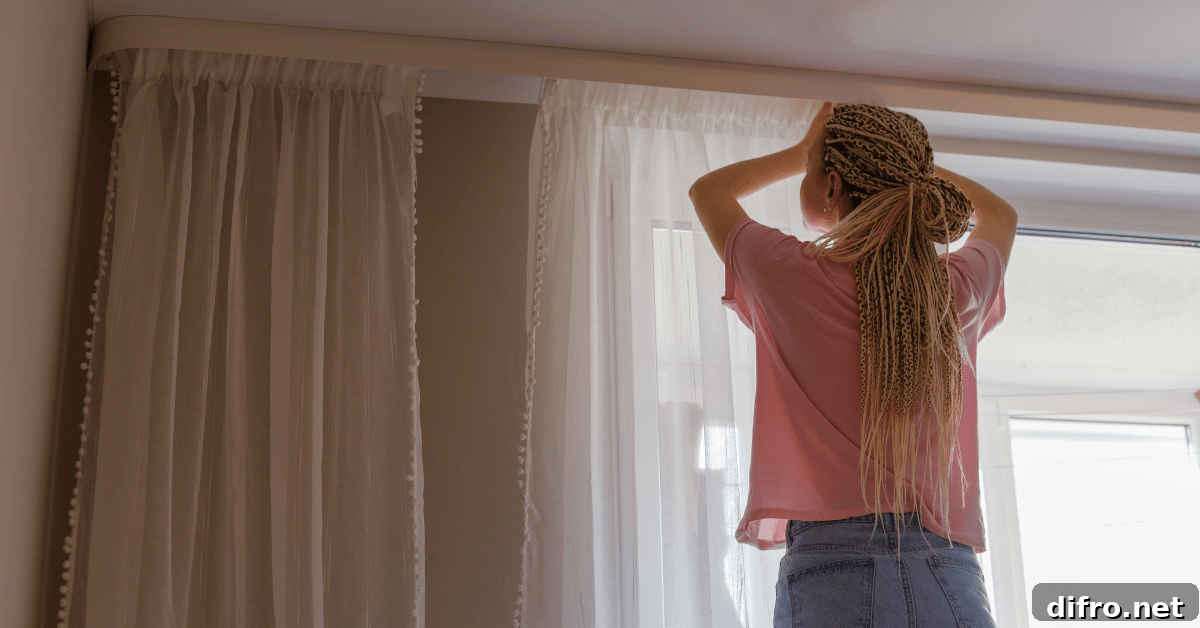
Fine-tune folds, hems, and spacing for a finished appearance. Use drapery weights or hems to keep panels straight, and create even pleats by hand or with curtain clips. Small adjustments after hanging—spacing, stacking, and tieback placement—make a big difference in the final presentation.
Adding Final Touches and Styling Tips
Elevate the installation with decorative elements: add coordinating tiebacks, a soft valance, or contrasting inner panels to create depth. Choose hardware finishes that complement existing fixtures. For layered light control, pair sheer panels with heavier curtains on a double rod or track.
Troubleshooting Common Curtain Hanging Issues
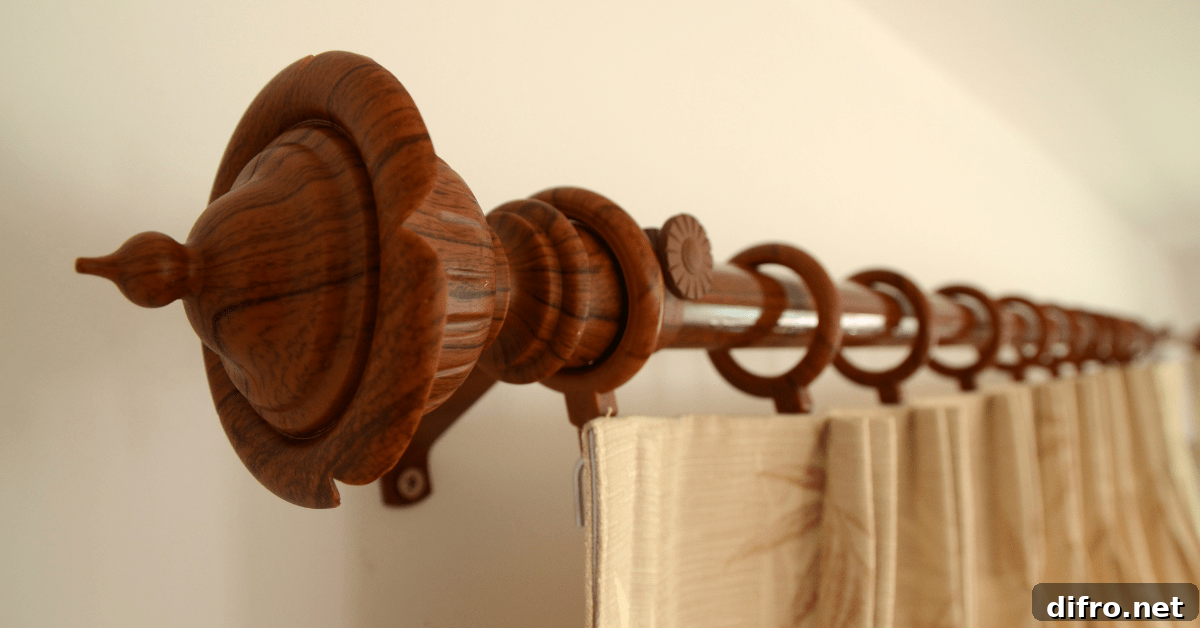
Common problems and fixes:
- Uneven panels: Reposition hooks, adjust the rod height, or re-distribute fabric fullness.
- Rod sagging: Add a center support bracket or use sturdier hardware rated for the curtain weight.
- Light gaps: Use wraparound returns, overlap panels, or add blackout liners to improve coverage.
Safety Precautions and Considerations
Prioritize safety: secure cords out of reach of children and pets or choose cordless systems. When working on ladders, have a second person assist and use sturdy hardware rated for your wall type and curtain weight. If mounting into masonry or plaster, use the correct anchors or consult a professional to avoid damage.
Hanging curtains well is a relatively simple way to refresh a room. With accurate measurements, the right hardware, and careful attention to detail, you can achieve a refined, functional window treatment that enhances comfort, privacy, and style.