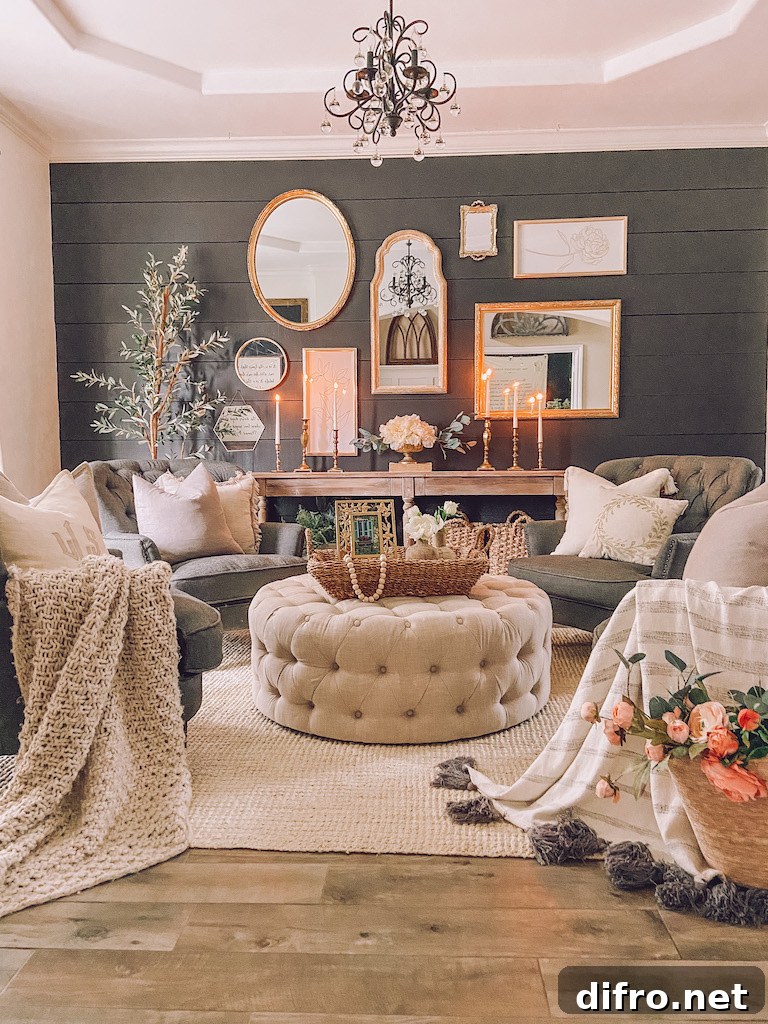
Mirrors are among the most versatile decor pieces, able to enhance virtually any interior style. If you want a bold, unexpected statement, a mirror gallery wall is a striking solution. A carefully chosen collection of decorative mirrors adds depth, reflects light, and reinforces a room’s design theme. Below are practical, professional tips to help you plan and assemble a cohesive mirror gallery wall that looks polished and intentional.
Choose your location
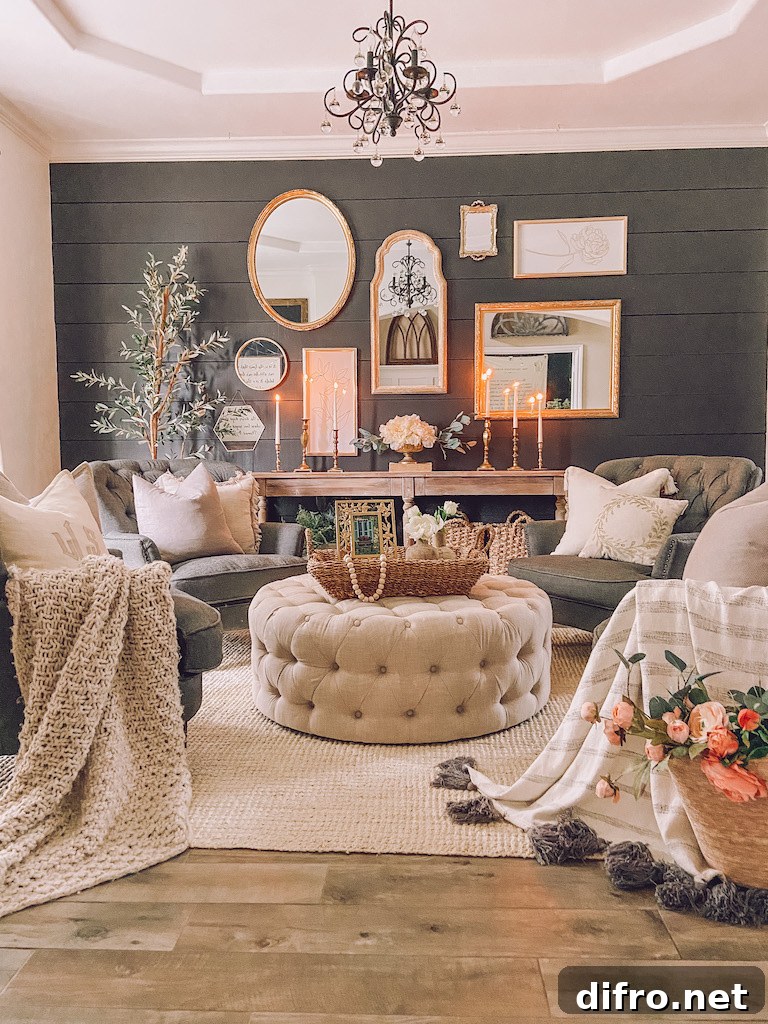
Start by selecting the wall that will benefit most from the visual boost. An empty hallway, the wall above a living room console, an entryway, or the face of a fireplace are all strong candidates. Consider walls that receive natural light; mirrors will amplify daylight and make a space feel larger. If the wall already has a bold surface—such as shiplap, textured paint, or a dark accent color—pairing mirrors with contrasting frames (for example, gold frames on a black wall) can create an elegant focal area. Aim to anchor a piece of furniture or an architectural feature so the gallery feels integrated, not randomly placed.
Mix and match
Once you’ve chosen the wall, select mirrors with variety and cohesion in mind. Mixing shapes—round, oval, rectangular, and sunburst—creates visual interest, but to avoid chaos choose a unifying element. That common thread could be the frame finish (brass, black metal, or natural wood), a recurring shape, or a consistent scale. For example, a collection of different shapes all in warm gold frames reads as a curated suite, while mismatched finishes can feel cluttered unless done with deliberate contrast. Keep the scale balanced: larger mirrors anchor the layout and smaller mirrors act as supporting pieces.
Get a mirror set
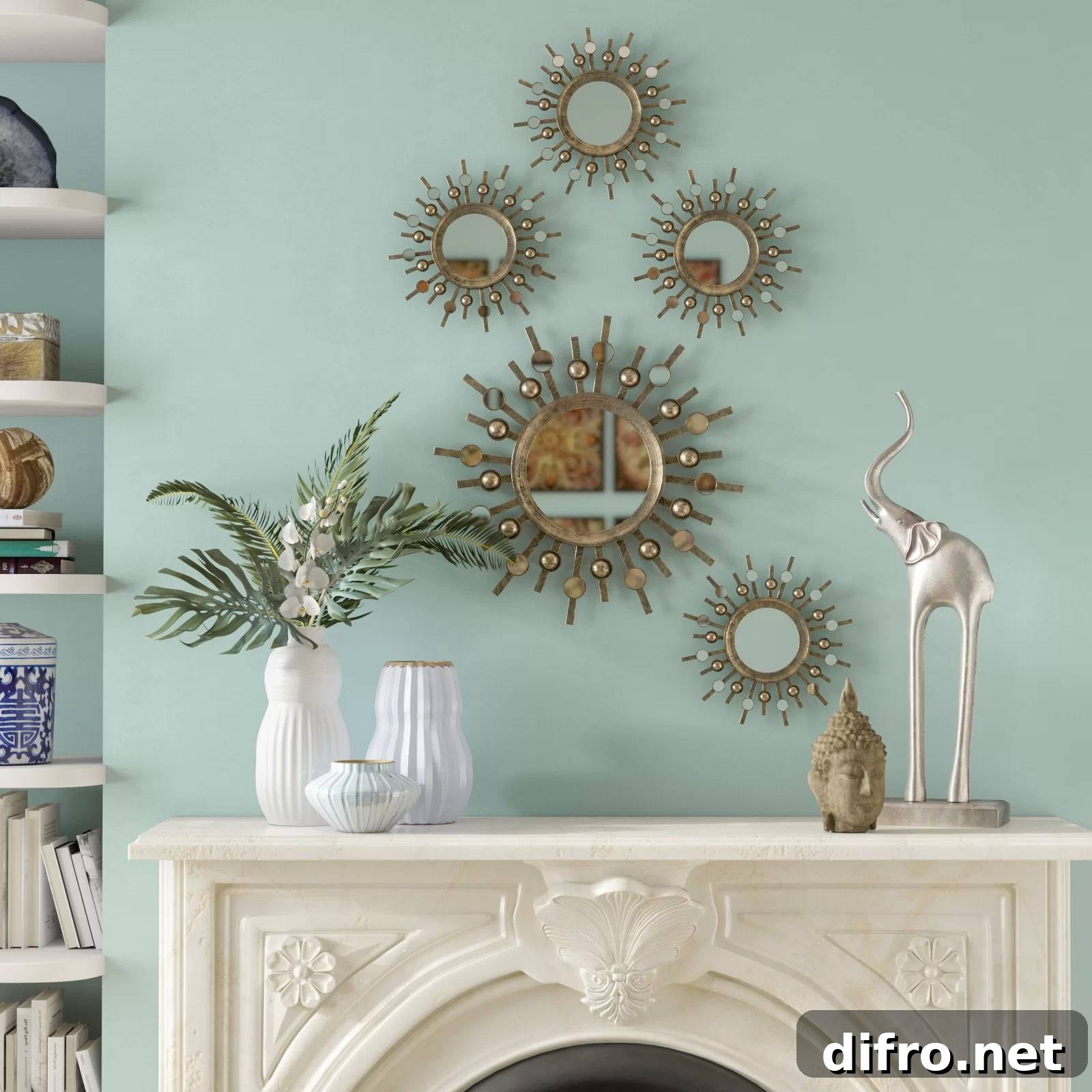
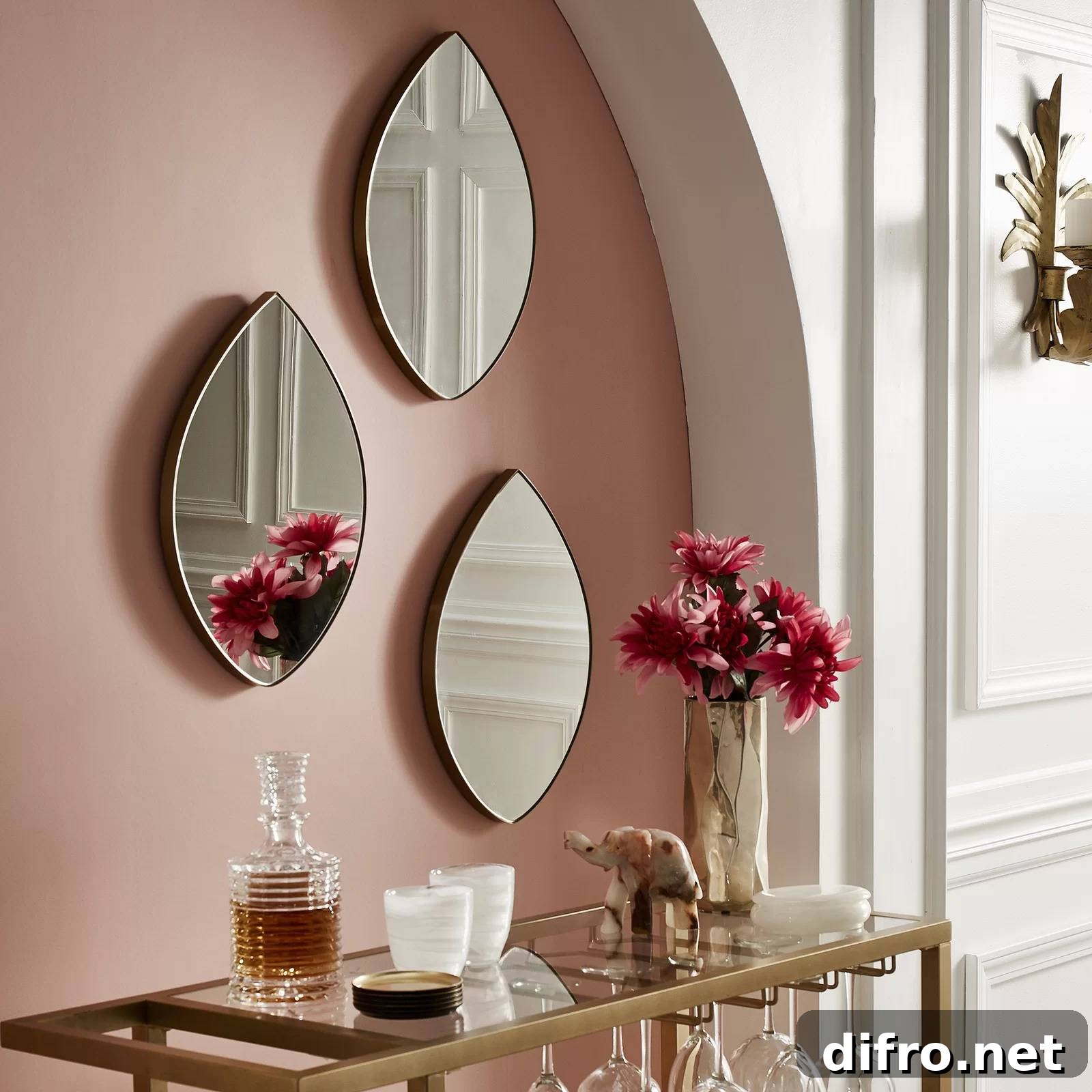
If composing a gallery feels intimidating, start with a mirror set. Sets of two or three matching mirrors form an instant, balanced arrangement and make spacing and alignment simple. From there, add one or two contrasting accent mirrors to introduce personality and variety. An effective approach is to use a set for rhythm and add an accent with the same silhouette but a different frame material, or keep the frame consistent and swap in a uniquely shaped mirror as the centerpiece.
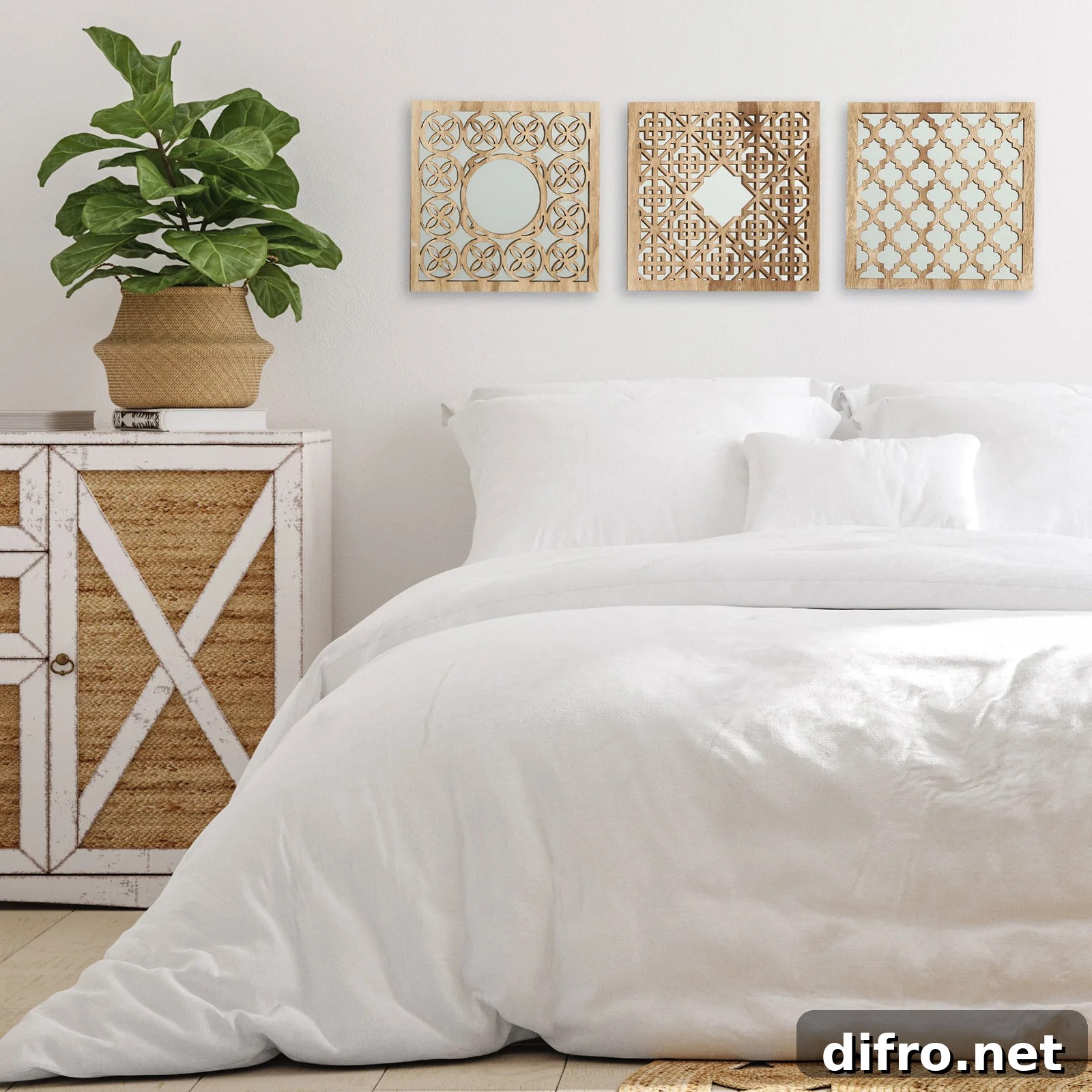
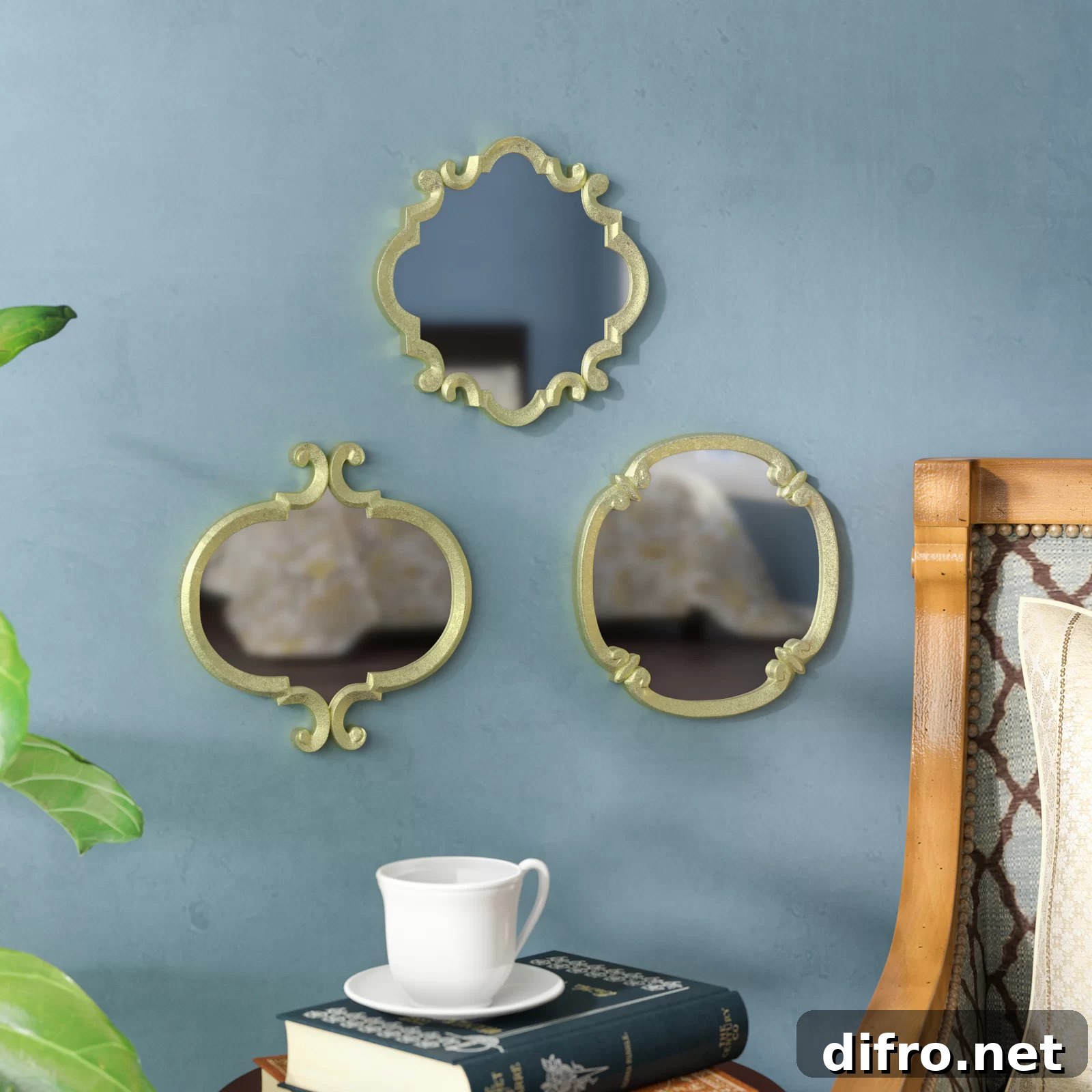
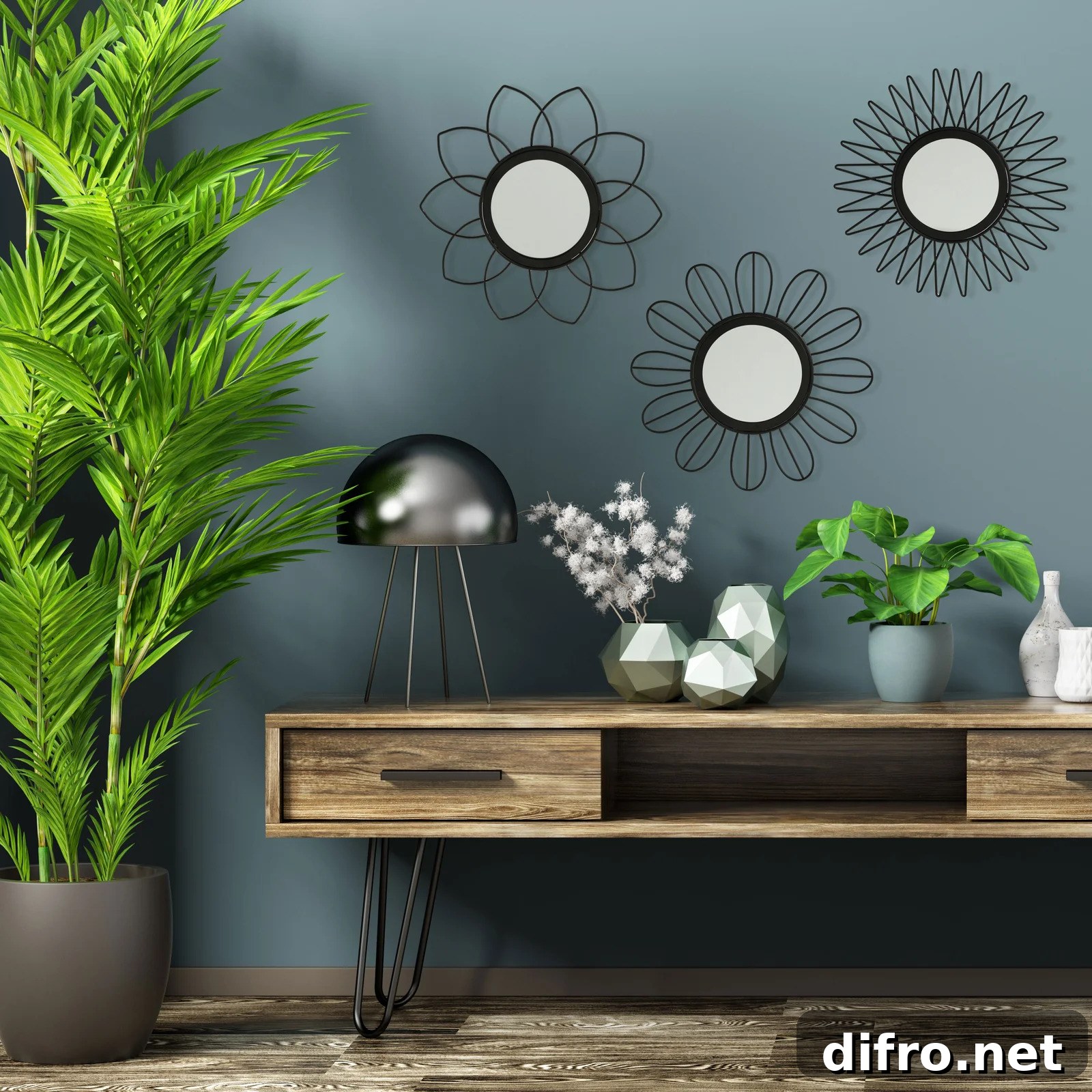
Add a focal point
An accent mirror creates a strong focal point and elevates the entire composition. Sunburst mirrors, oversized round mirrors, or richly framed statement pieces work particularly well. Choose one standout piece and arrange smaller mirrors around it so the eye is drawn to the feature while still appreciating the ensemble. For a cohesive look, repeat a frame finish or shape motif in smaller supporting mirrors; for a more eclectic feel, vary finishes but keep consistent spacing and scale.
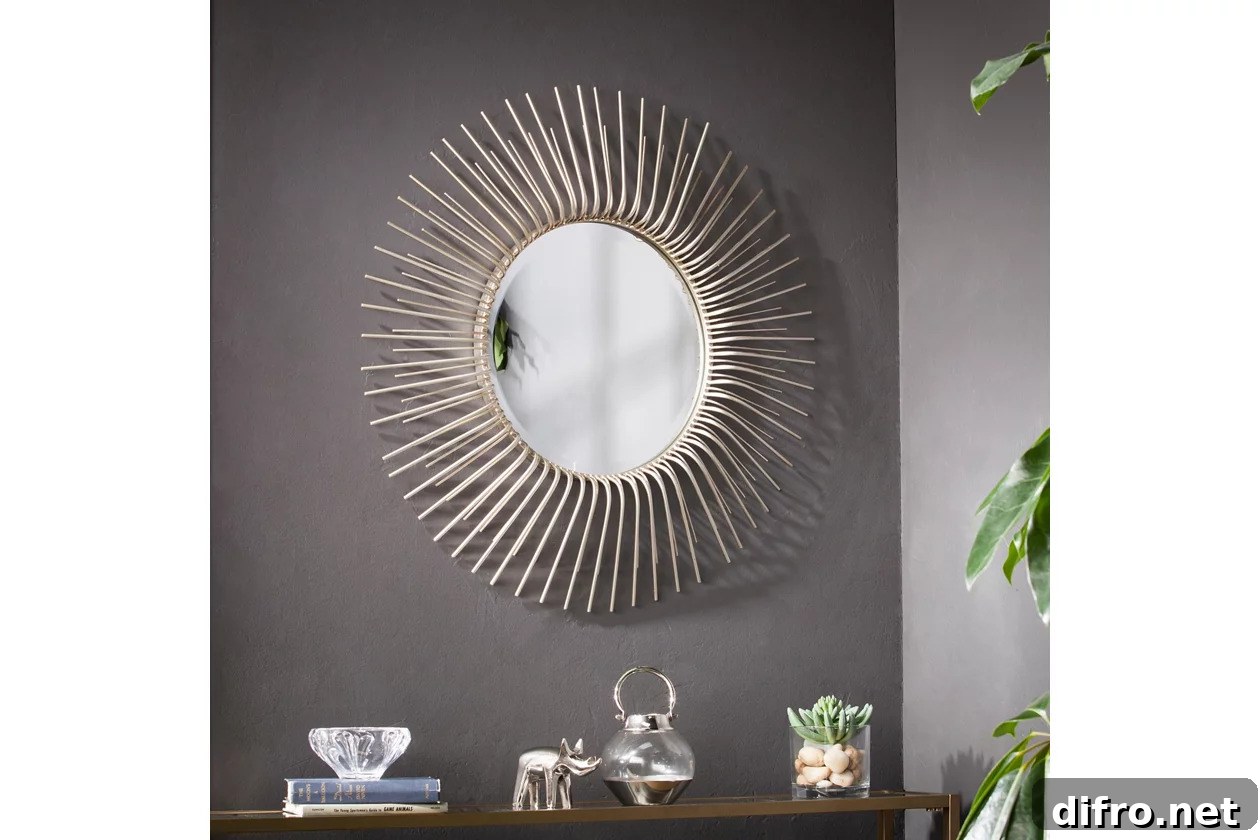
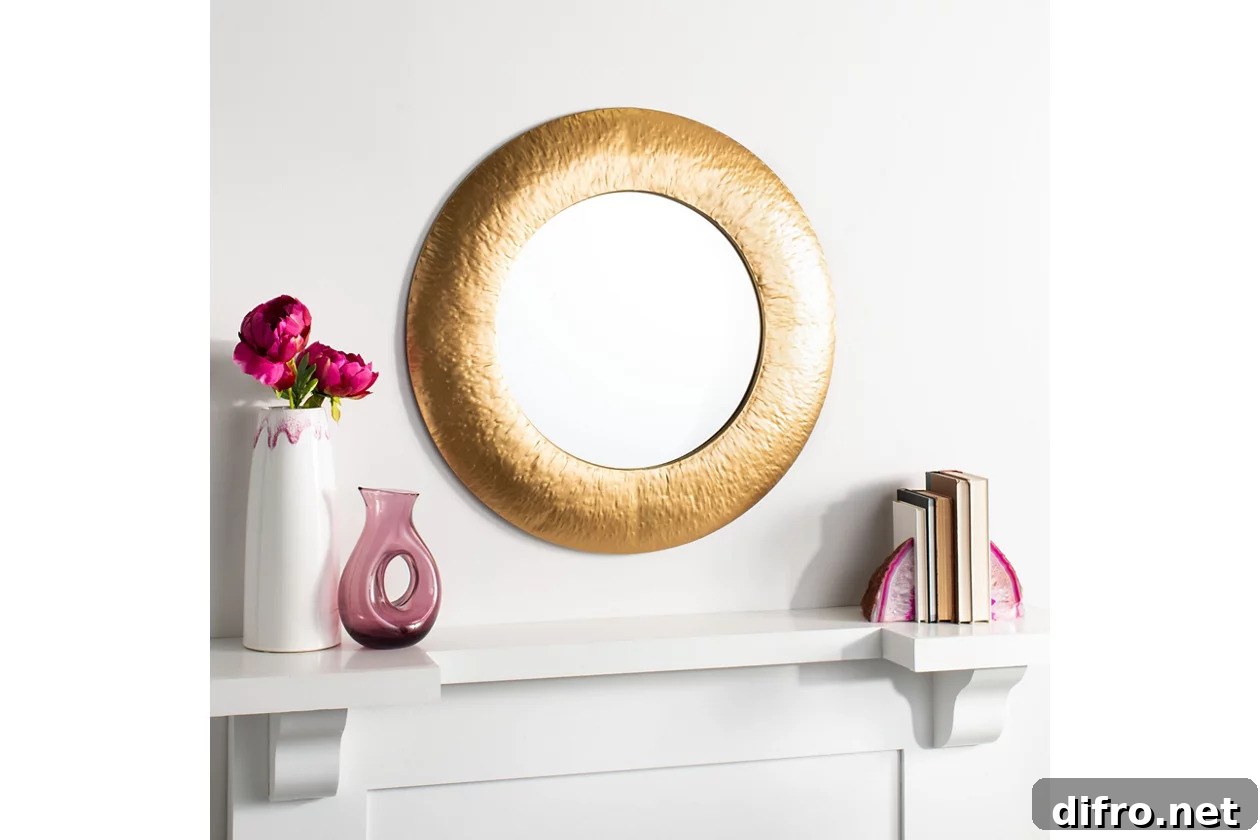
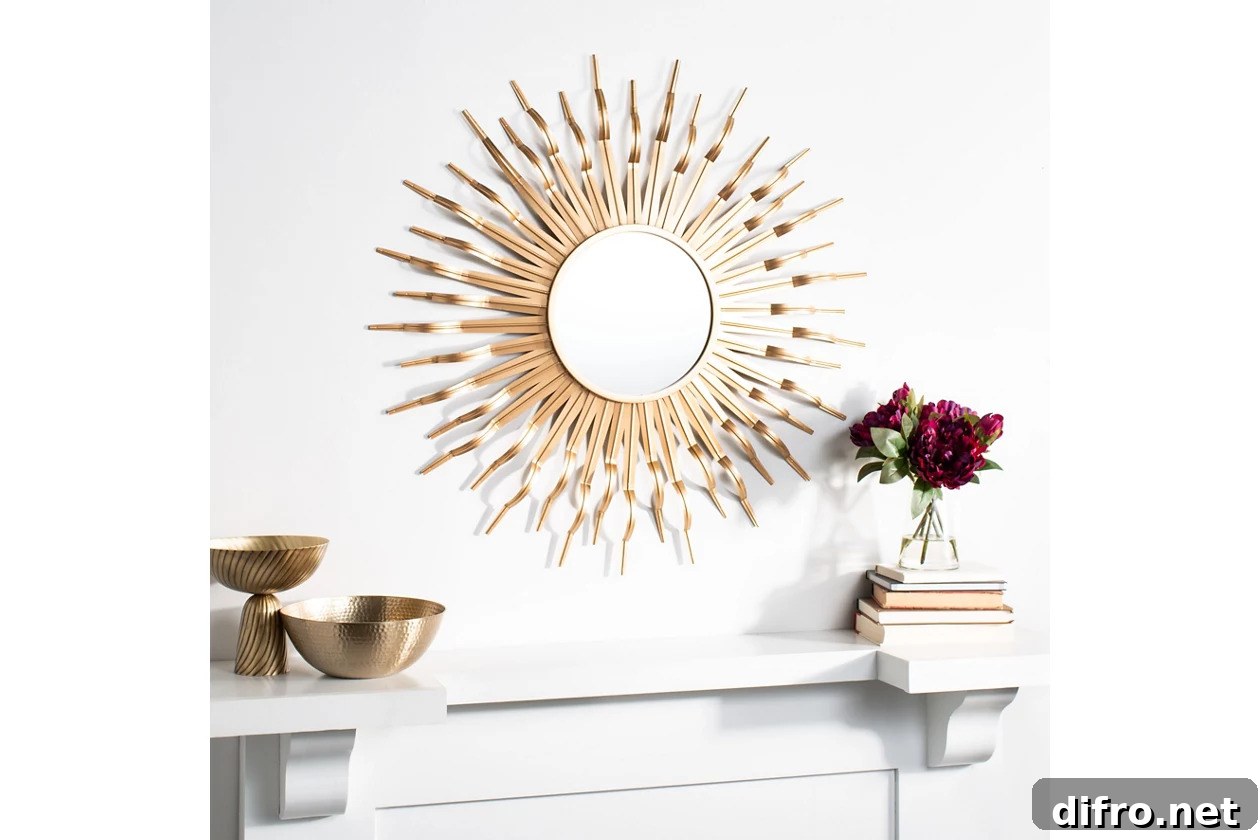
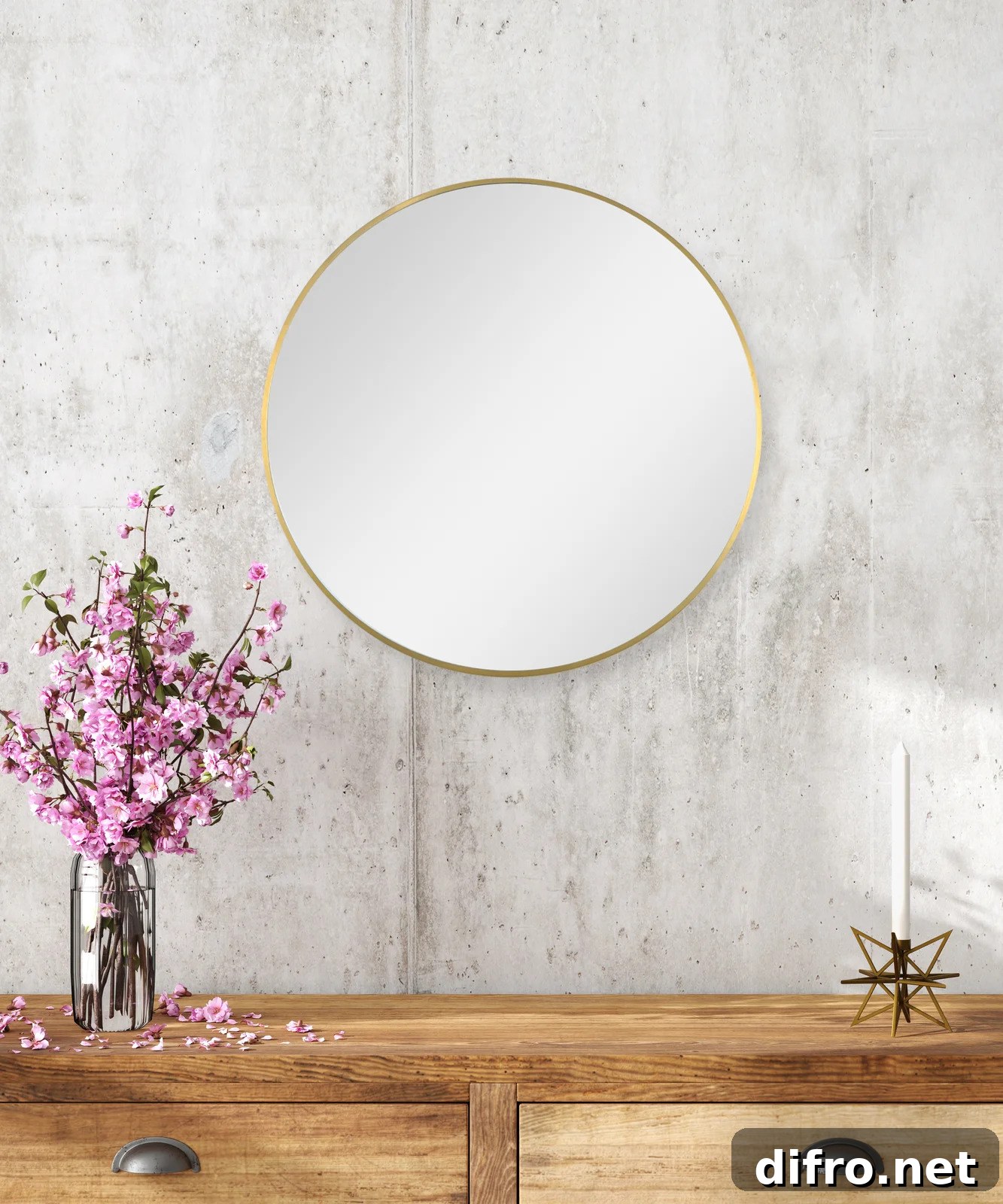
Practical tips for layout: lay your mirrors on the floor first to experiment with composition, use paper templates on the wall to preview spacing, and aim for 2–4 inches of space between grouped frames for a cohesive look. For hanging, use appropriate anchors for the wall type and hang heavier mirrors at a comfortable eye level. Finally, consider lighting—strategic light placement will enhance mirror reflections and create atmosphere.
This guide focuses on creating a stylish mirror gallery wall that brings light, personality, and polish to your home. Use the suggestions above to build a collection that suits your space, whether you prefer refined symmetry or artful eclecticism.