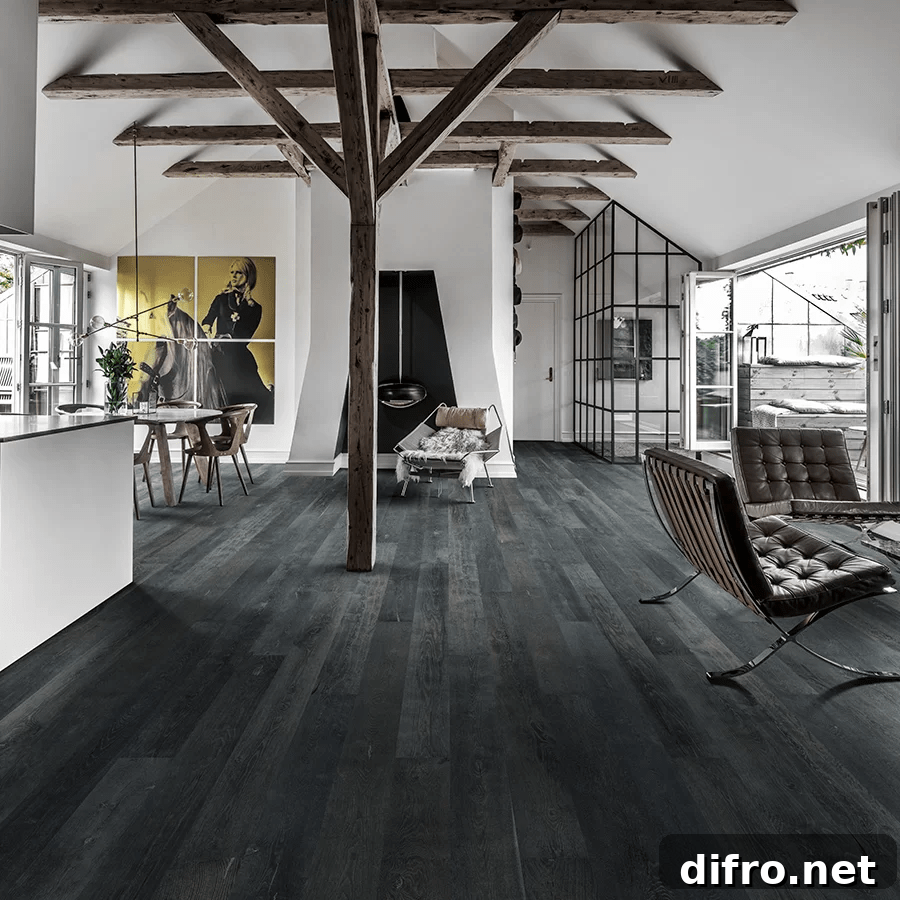
The color of your flooring plays a crucial role in interior design. It ties together furnishings, wall color, and overall decor, and it can dramatically change how a room feels and appears. The right floor color can open up a small space or add warmth to a large area, while the wrong combination can make even a beautiful room feel unbalanced. This guide explains how to choose wall colors that harmonize with various flooring types and offers practical tips to make confident color decisions for any room.
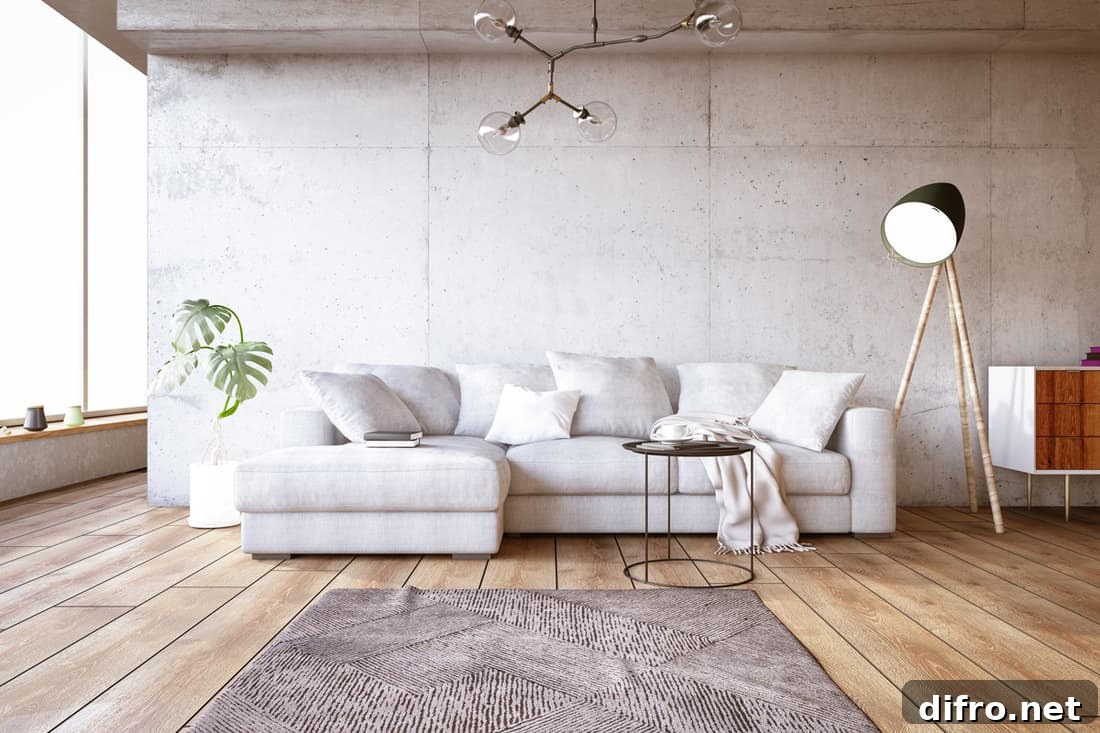
Many homeowners hesitate when choosing paint because they aren’t sure how their wall color will interact with existing floors. A great floor color establishes the room’s mood and influences perception: light floors reflect more light and can make a space feel larger, while dark floors add depth and intimacy.
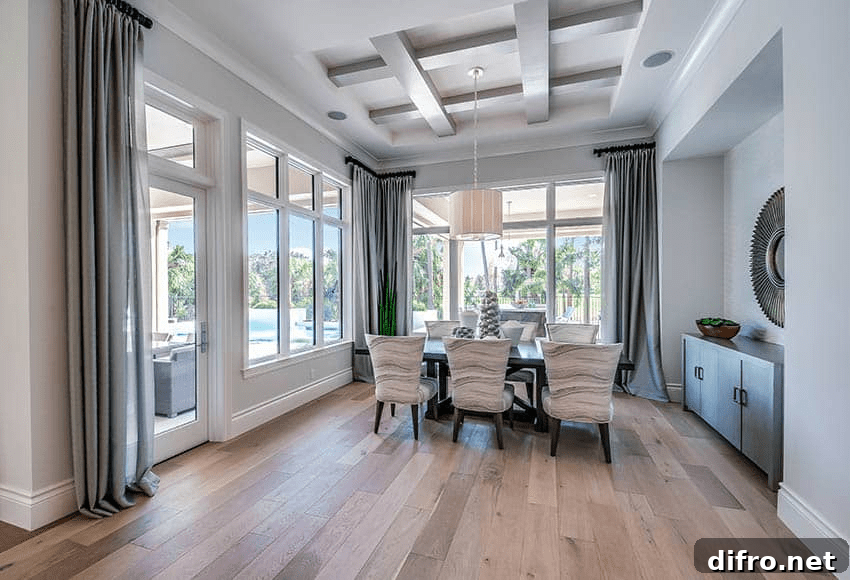
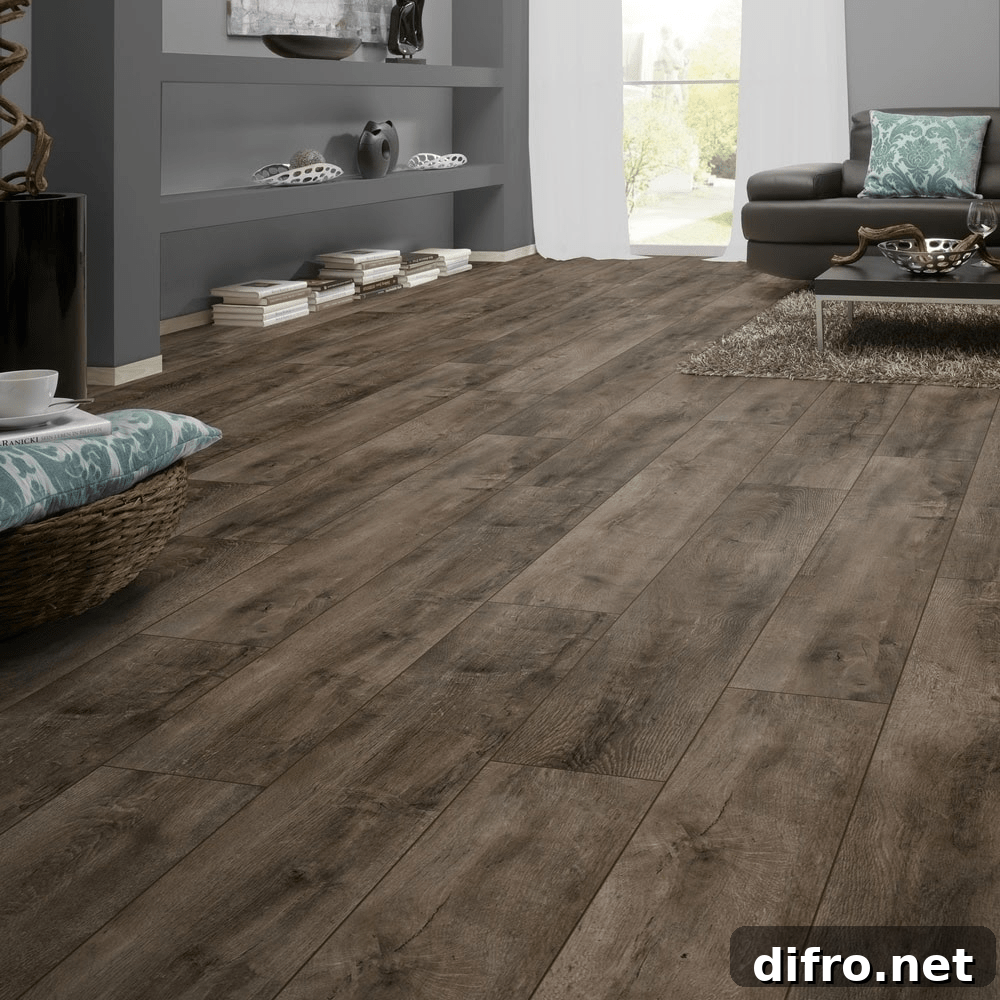
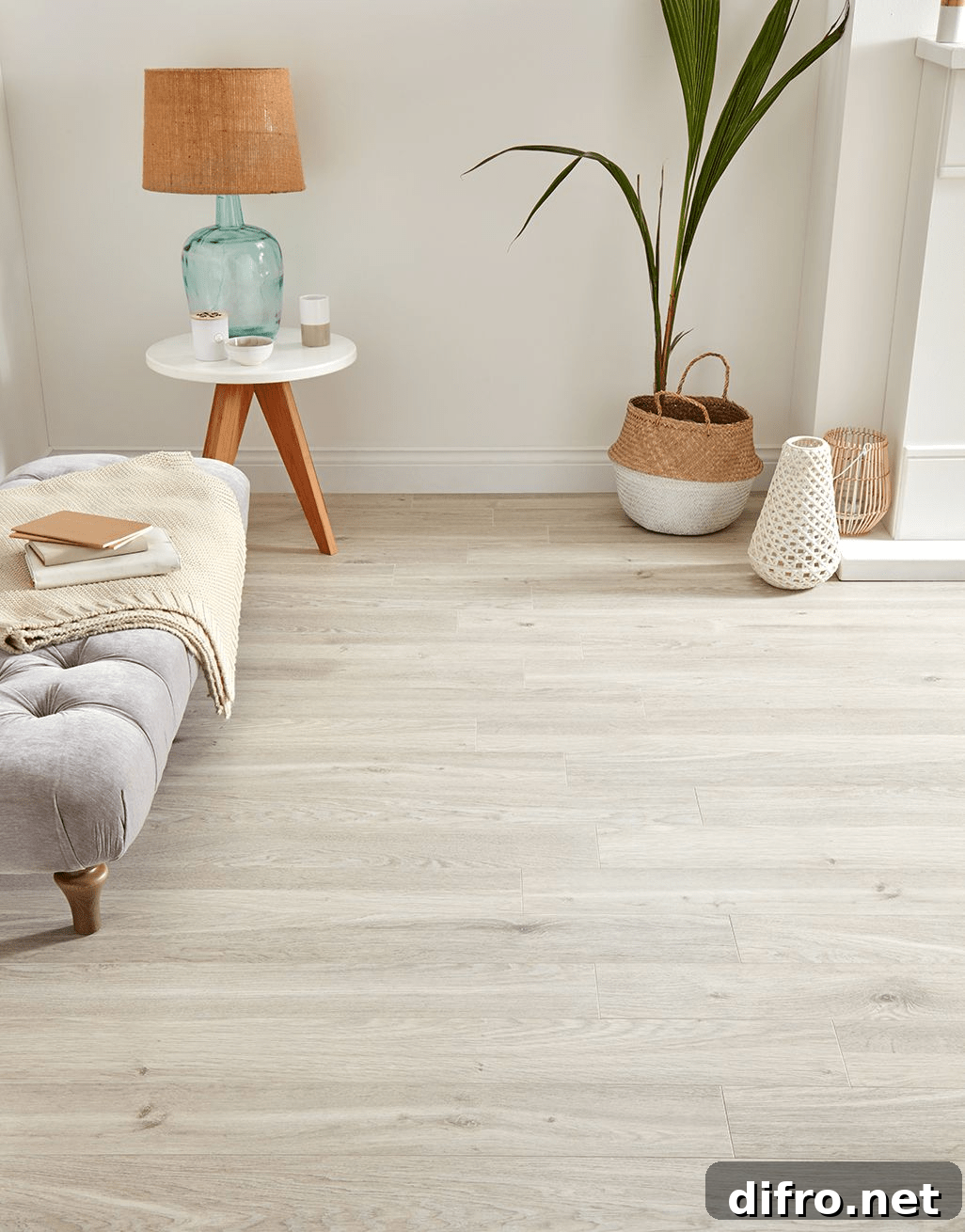
This article outlines practical color pairings and guidelines to help you select wall paint that complements your flooring, taking into account wood tone, natural light, and room size.
Avoid using warm colors with warm wood
If your floors and trim already have warm wood tones—reds, oranges, or honey hues—avoid painting walls in similarly warm colors. Using warm paint on top of warm flooring can produce an overly saturated, heavy feel. Cooler wall colors, such as soft blues, muted greens, or cool grays, counterbalance warm wood and create a more layered, harmonious palette. The contrast helps the wood stand out while preventing the space from feeling monochromatic.
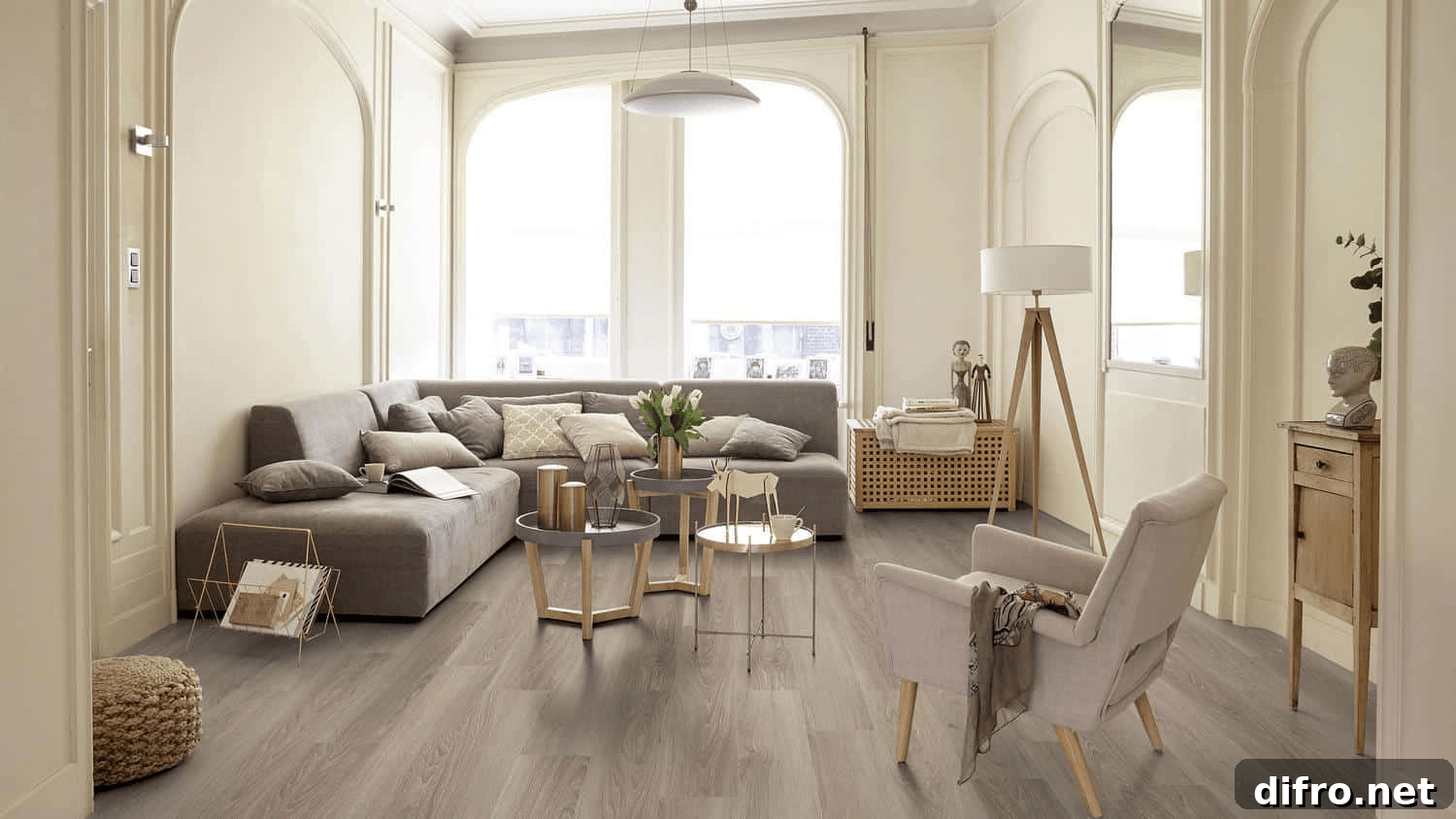
Understand that wood has its own color
Wood is not a neutral canvas—each species and finish carries undertones that influence nearby colors. Before choosing paint, study how your intended colors look against the actual floor under different lighting conditions. A small wall patch, a swatch, or a photo of the floor placed next to paint chips will reveal undertones and help you avoid clashes. Taking a floor sample or high-quality photo to a paint store can make matching much easier and prevent costly repaints.
Combine greys with cool blues for a relaxed palette
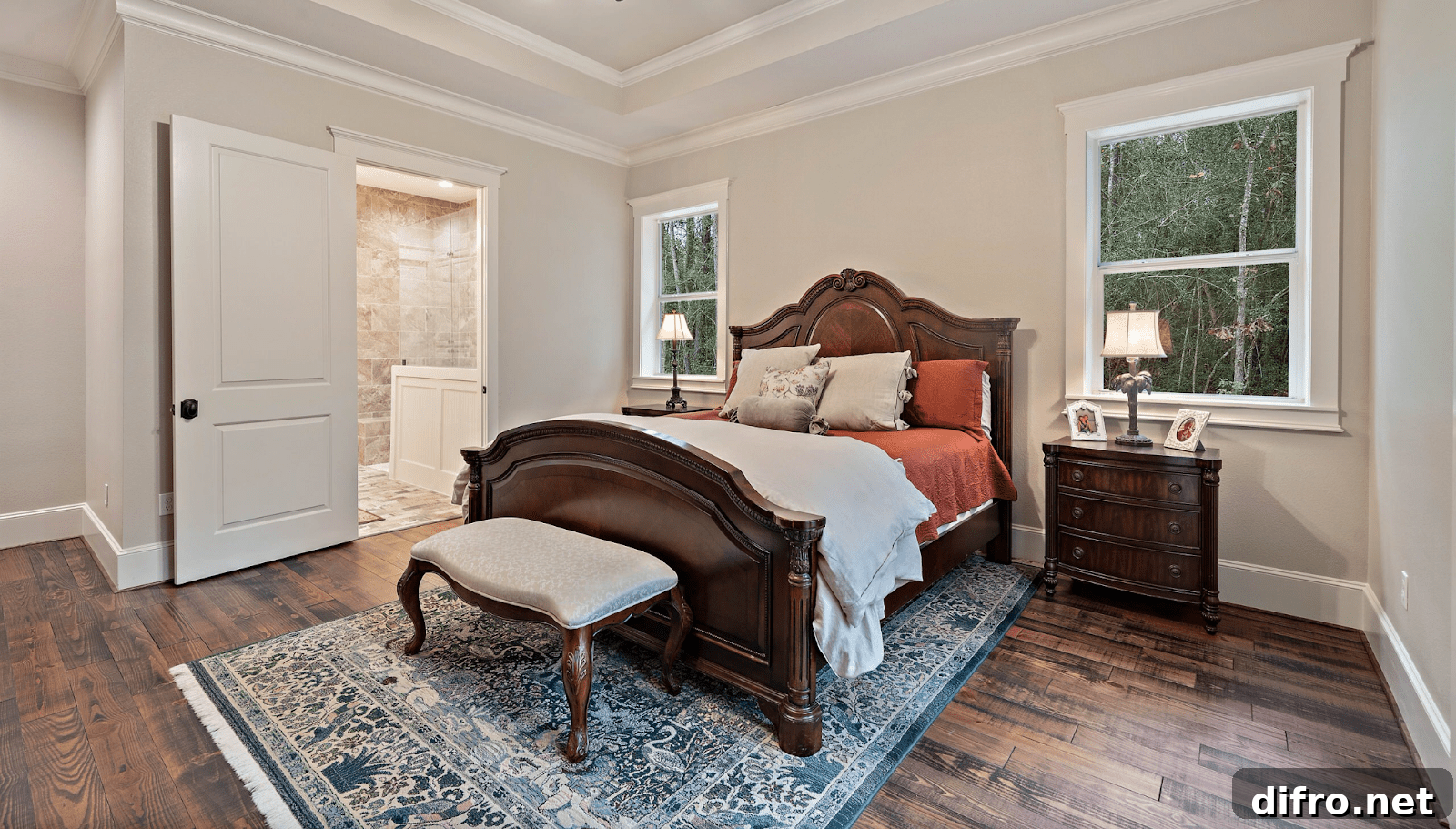
Grey wood floors pair particularly well with blue tones. Soft, cool blues and navy create a calm, contemporary look that complements grey undertones in the flooring. Navy adds depth and sophistication, while lighter blues keep the room airy. Choose accent textiles and décor in complementary colors—warm metallics, crisp whites, or muted neutrals—to complete the palette.
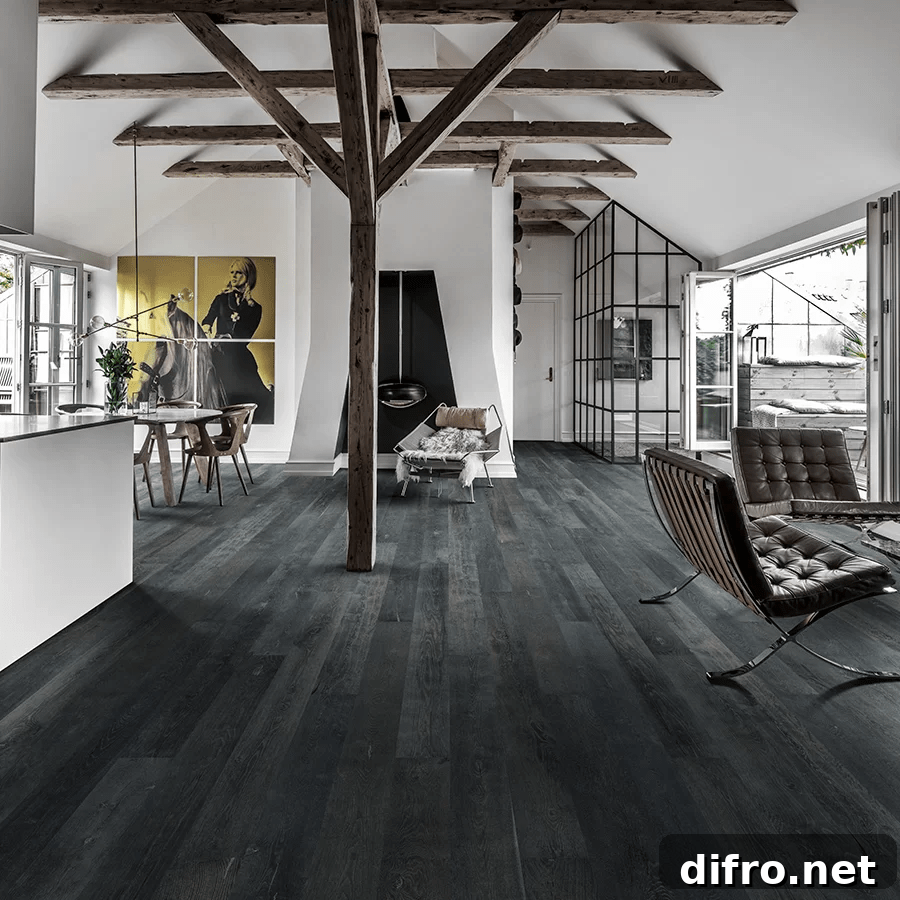
Use darker hardwood flooring with lighter wall paint
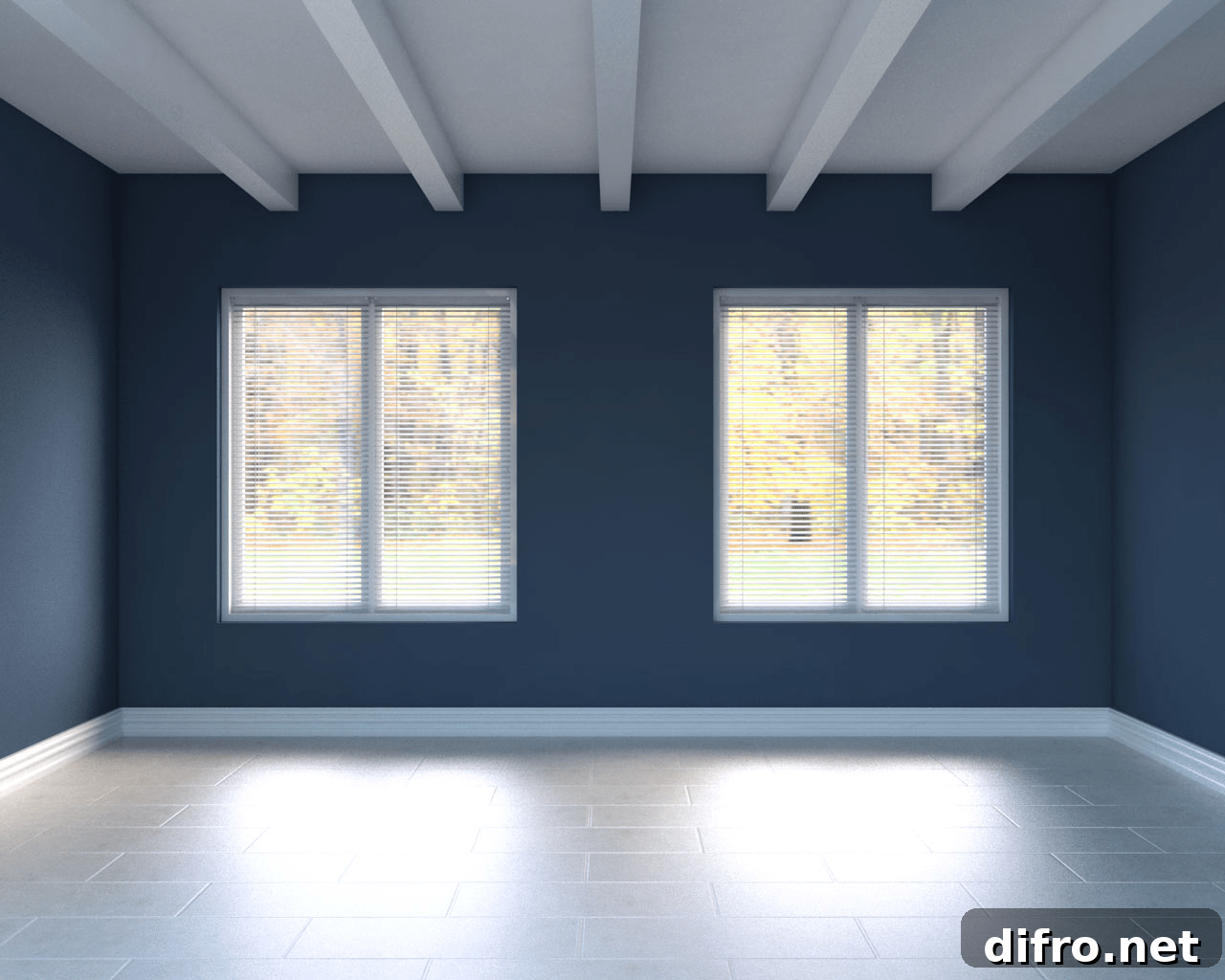
Dark hardwood floors are increasingly popular because they add drama and richness. To prevent a room from feeling too heavy, balance dark floors with lighter wall colors. Pale neutrals, warm off-whites, and soft greiges brighten the space and highlight the contrast between floor and wall. This balance enhances architectural details and gives furniture more visual presence.
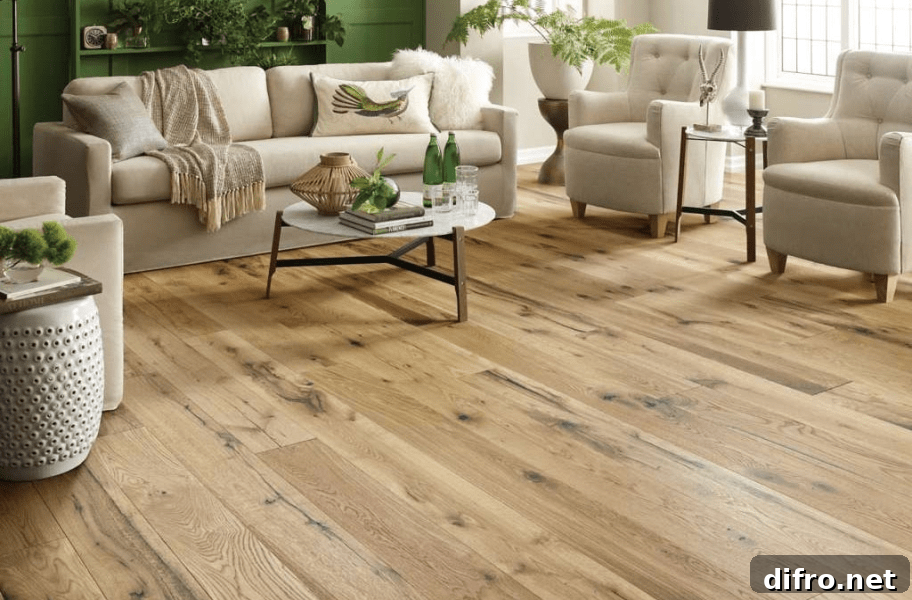
Pair neutral wall colors with wood floors
Neutral wall colors—tans, warm greiges, and soft grays—work beautifully with most wood floors. They create a flexible backdrop that allows flooring grain and furniture finishes to stand out. Neutral palettes are especially useful in open-plan homes where continuity between rooms is desirable. Add texture and color through textiles, rugs, and artwork to keep the space dynamic.
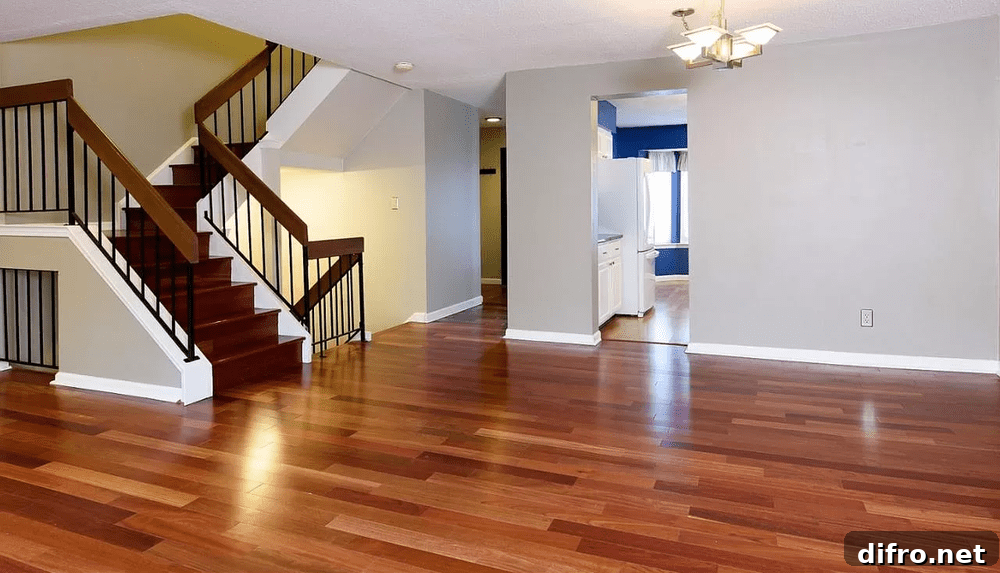
Combine cherry wood with white or light tones
Cherry wood has distinctive, warm reddish tones that can feel bold. Pair cherry floors with white or light-colored walls to create a bright, classic contrast that highlights the wood’s natural beauty. Light walls prevent the room from feeling too warm and let cherry floors serve as a focal point. Introduce complementary accents—soft greens, cool blues, or even muted metallics—to round out the palette.
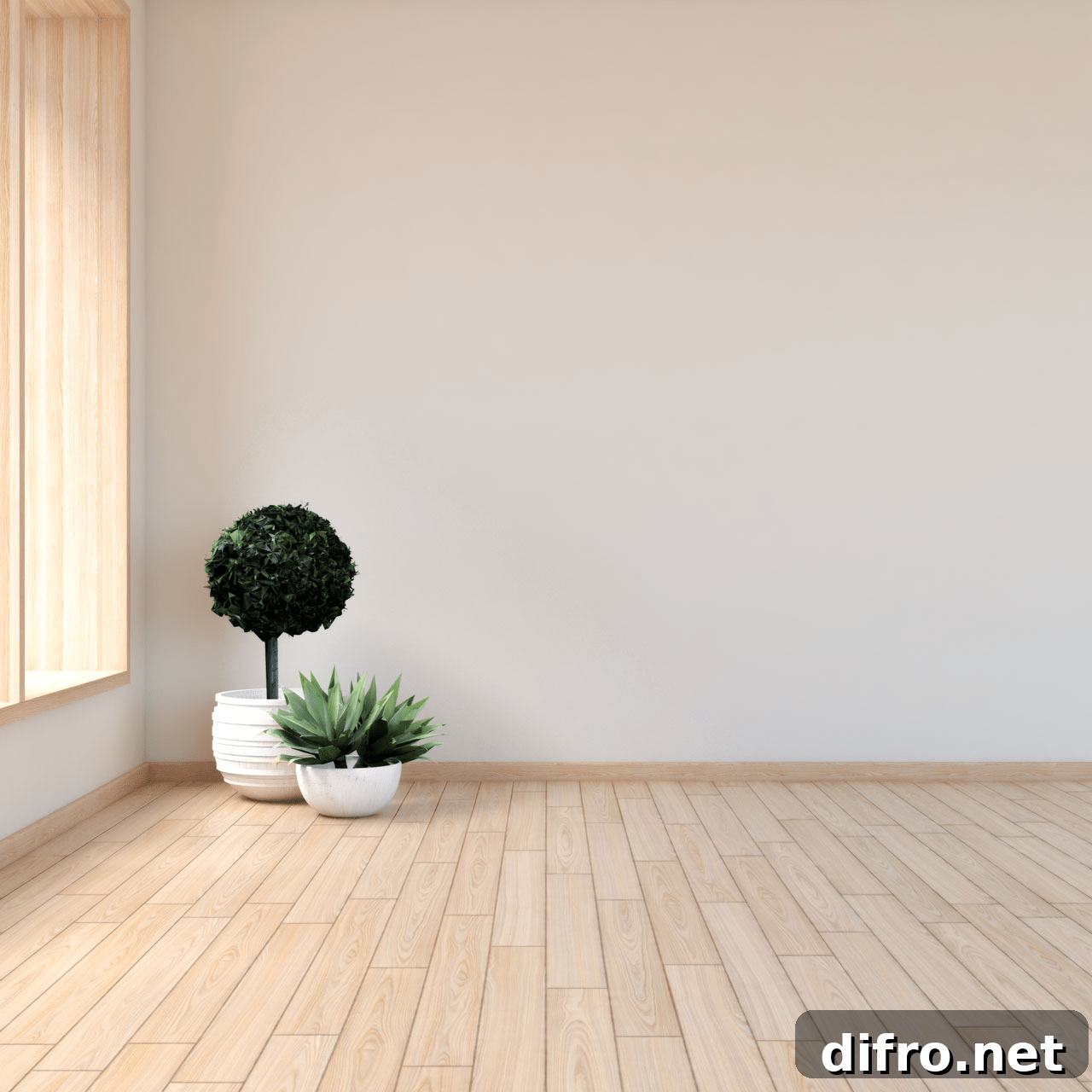
Choosing the right wall color for existing flooring comes down to balance: consider undertones, room size, and natural light, and test samples in the space before committing. With a few trials and attention to contrast and harmony, you can create a cohesive, inviting interior where floors and walls work together beautifully.