Our beds should be the safest, most comfortable places in the home—the place we retreat to each night to rest and recharge. The quality of your bedding—the fabrics and layers that surround you—has a major impact on how well you sleep and how long your mattress and linens last. Below is a clear guide to each essential bedding layer and practical tips for choosing the best materials and features for comfort and durability.
1. Sheets
Sheets form the layer you have the most contact with while you sleep, so prioritize softness, breathability, and durability. This includes your fitted sheet and, if you use one, a top sheet between you and the comforter. Natural fibers like cotton and linen are excellent choices: they breathe well, feel soft, and generally improve with regular washing. Thread count matters less than the type and quality of the fiber—aim for a balanced range rather than chasing high numbers. For most sleepers, a thread count between 200 and 400 offers a good combination of comfort and longevity. If you sleep hot, look specifically for moisture-wicking or lightweight cotton weaves such as percale; if you prefer a silkier feel, sateen weaves provide that smooth, warm touch.

2. Mattress Protector
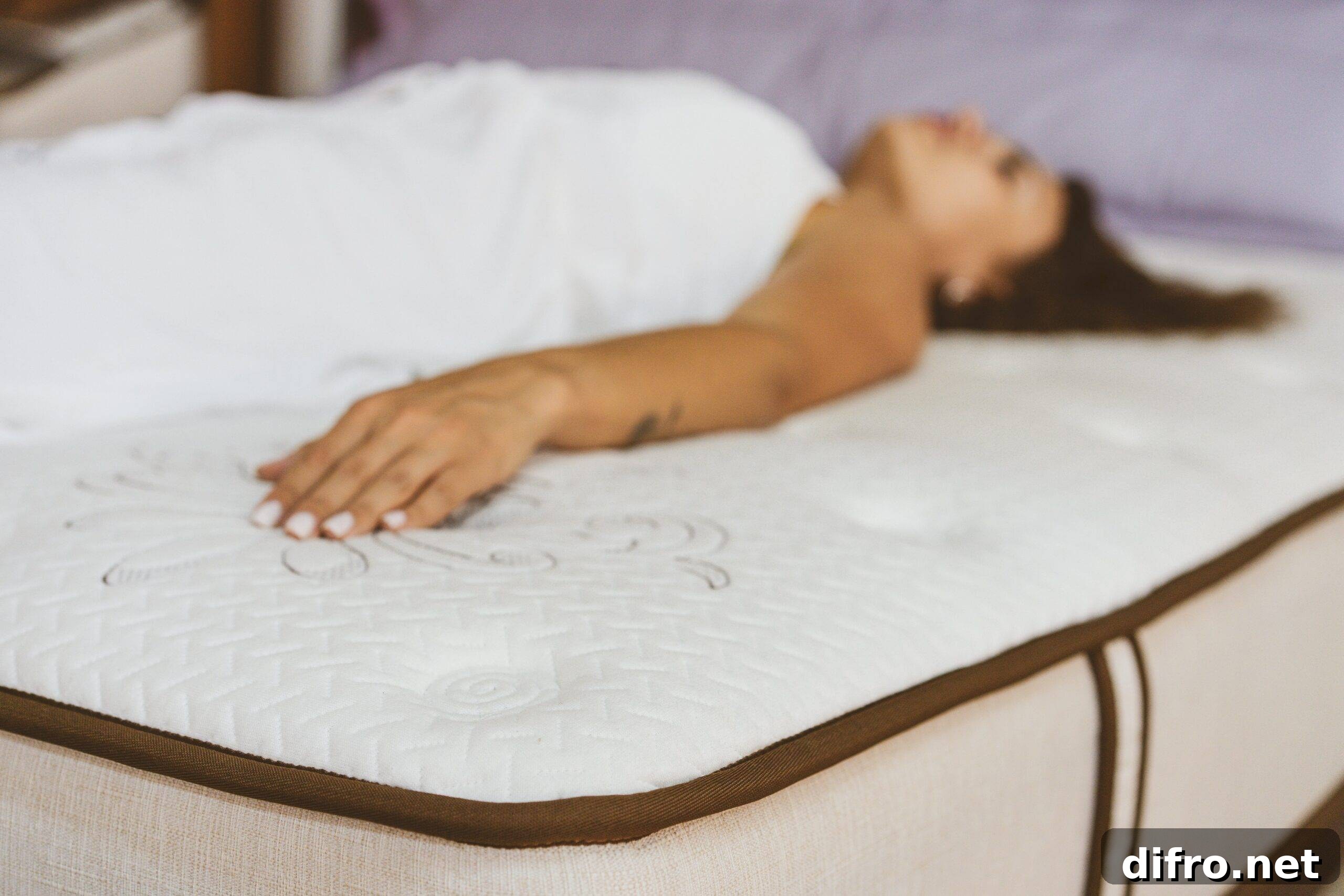
A mattress protector is often overlooked, but it is essential for extending the life of your mattress and keeping it sanitary. This thin barrier sits directly on the mattress under your fitted sheet and protects against sweat, body oils, spills, dust mites, and allergens. When shopping, choose protectors that offer a breathable waterproof layer so they repel liquids without trapping heat. Avoid materials that crinkle or produce noise as you move; a good protector will be quiet, thin, and comfortable while still providing protection.
3. Pillows
Pillows have a huge effect on sleep quality because they support your head, neck, and spine. The right pillow depends mostly on your sleep position: back sleepers typically prefer a lower loft for neck alignment, while side sleepers usually need firmer, thicker pillows to maintain a straight spine. Materials also change the feel—memory foam conforms closely to the head and neck and offers strong support; down and down-alternative fills provide a softer, more cloud-like experience. Consider specialty shapes or adjustable-fill pillows if you have specific neck issues. Replace pillows when they lose their support or show signs of wear to maintain proper alignment and hygiene.

4. Duvet or Comforter
The duvet or comforter is the visual and tactile centerpiece of your bed—the thick top layer that keeps you warm and sets the room’s style. Choose fill weight and material based on climate and personal warmth preferences: lightweight or moisture-wicking fabrics are best for hot sleepers or warm seasons, while medium to heavier down or synthetic fills work well for cooler months. A duvet cover allows you to easily change the look of your bedroom and simplifies cleaning, while a comforter is a single-piece option with a fixed design. Prioritize how the fabric feels against your skin; style alone shouldn’t come at the expense of comfort.

5. Decorative Layers
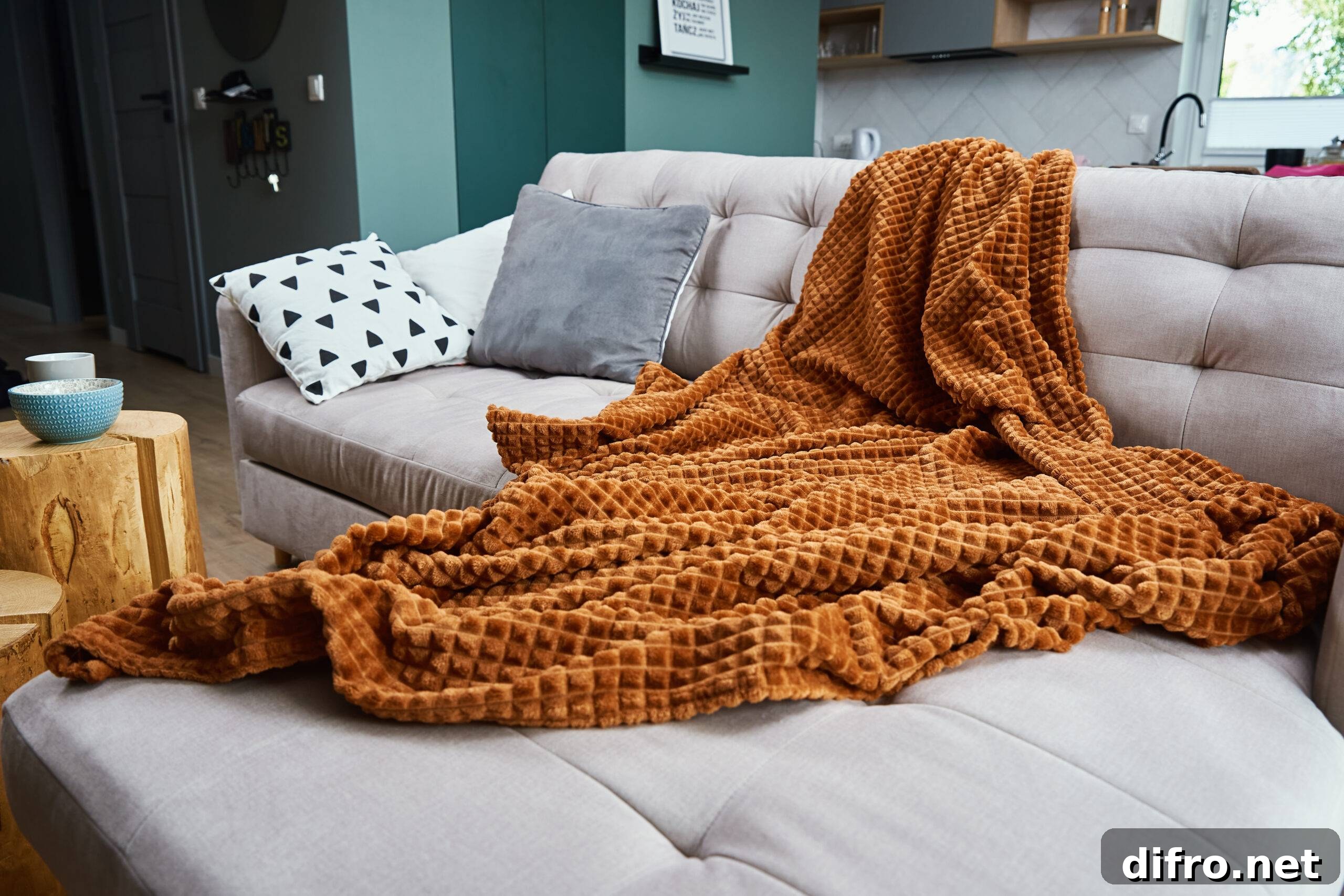
Decorative elements—throws, quilts, and accent pillows—are where you can add texture, color, and personality. A lightweight knit at the foot of the bed, a patterned quilt, or a few well-chosen cushions can make the bed feel welcoming and finished. Use decorative layers to change the room’s mood seasonally: lighter tones and fabrics for spring and summer, richer textures for fall and winter. Avoid overcrowding the surface; a carefully curated selection of accents looks intentional and inviting, while too many extras can make the bed feel cluttered.
When choosing bedding, focus on what helps you feel relaxed and supported. Combine practical factors—breathability, support, protection, and ease of care—with textures and colors you enjoy. Investing thoughtfully in each layer will improve your sleep, protect your mattress and linens, and make your bedroom a restful sanctuary you look forward to returning to every night.