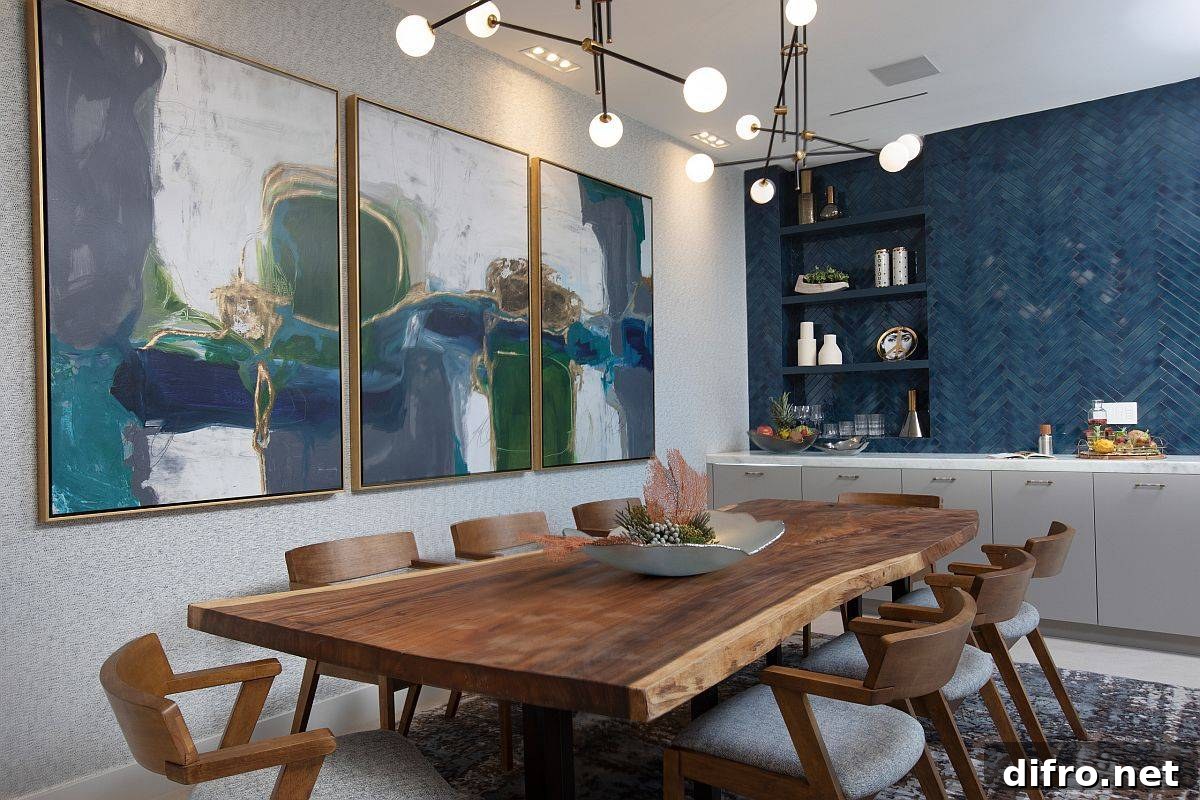
It’s that time of year when the dining area becomes a central gathering place for friends and family. In modern homes this space is rarely a separate, formal dining room; instead, it often functions as an integrated dining space within an open-plan living area. Because of that integration, the dining zone can lack a distinct personality. One of the simplest and most effective ways to give it character is with well-chosen wall art.
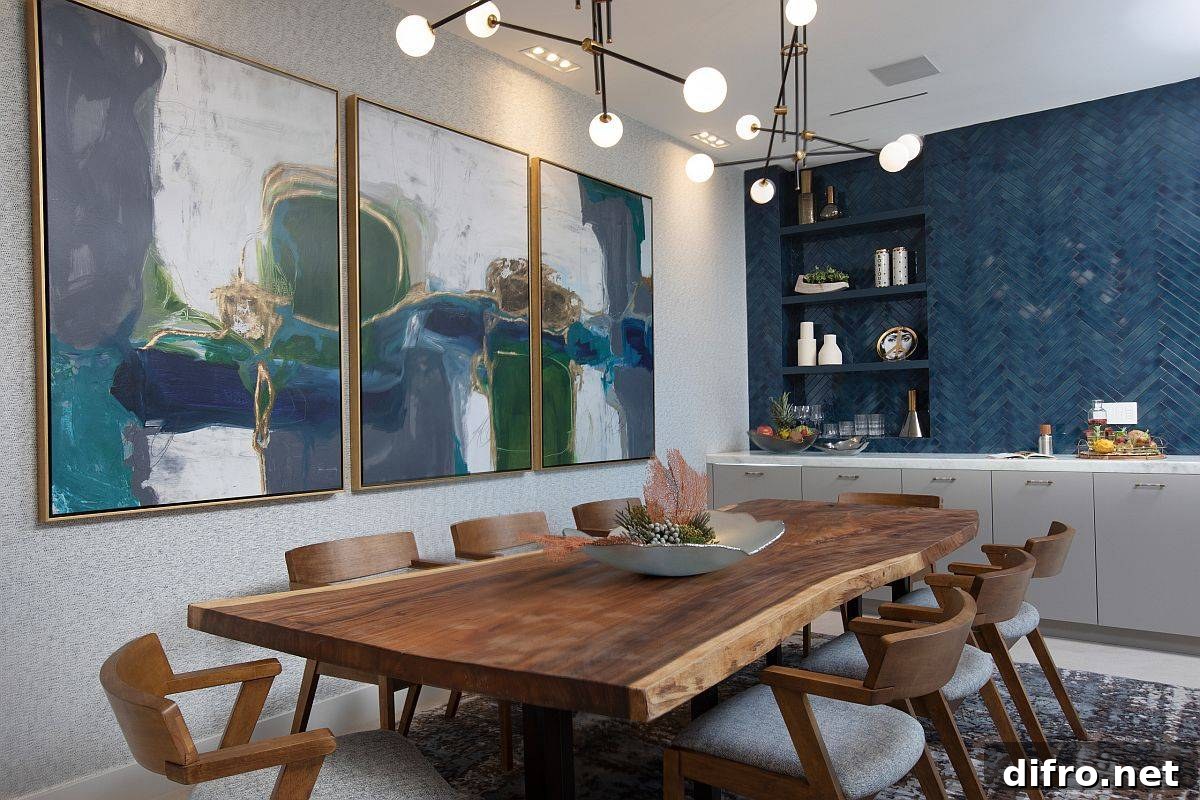
The dining area is the perfect place to make a visual statement because a prominent wall often serves as a natural canvas. Wall art can be seamlessly integrated with the existing style and materials of the space to provide a clear identity—whether the dining area sits within an open-plan living room or stands alone as a separate room. Below are practical ideas and inspirational approaches for using wall art to enhance your dining space.
Art That Makes an Impact
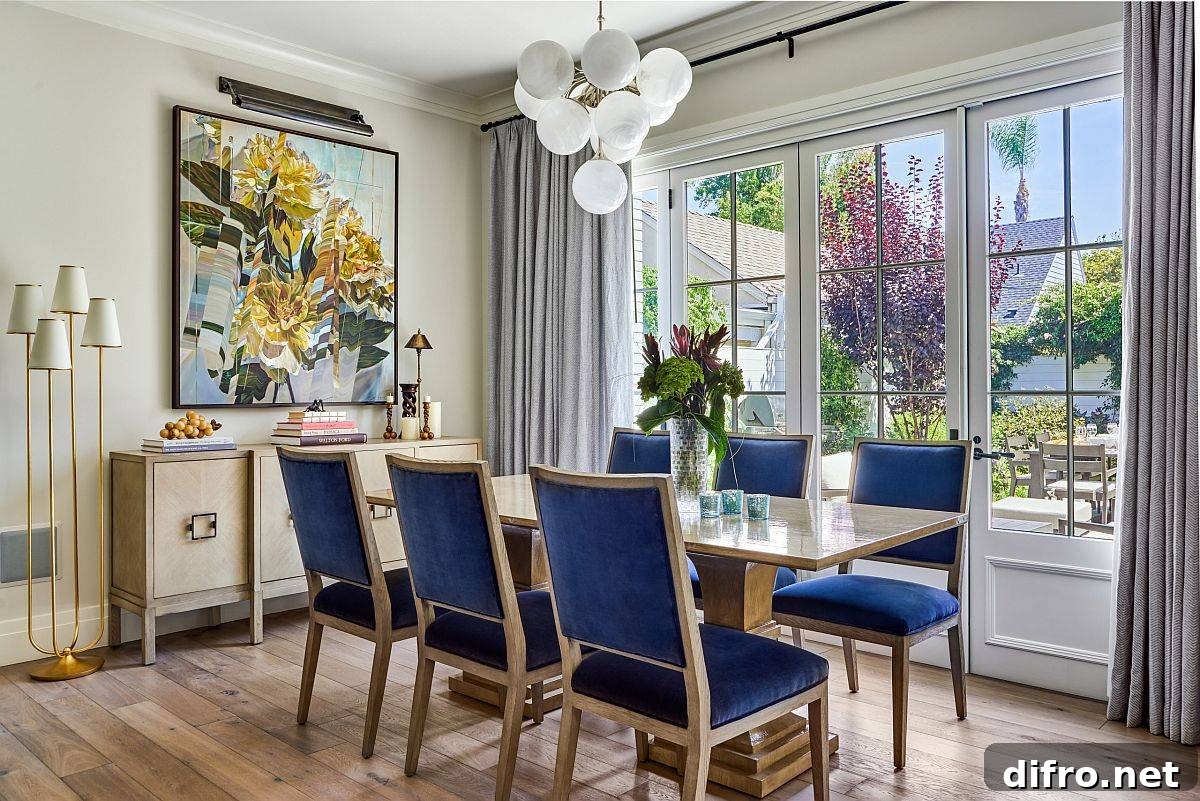
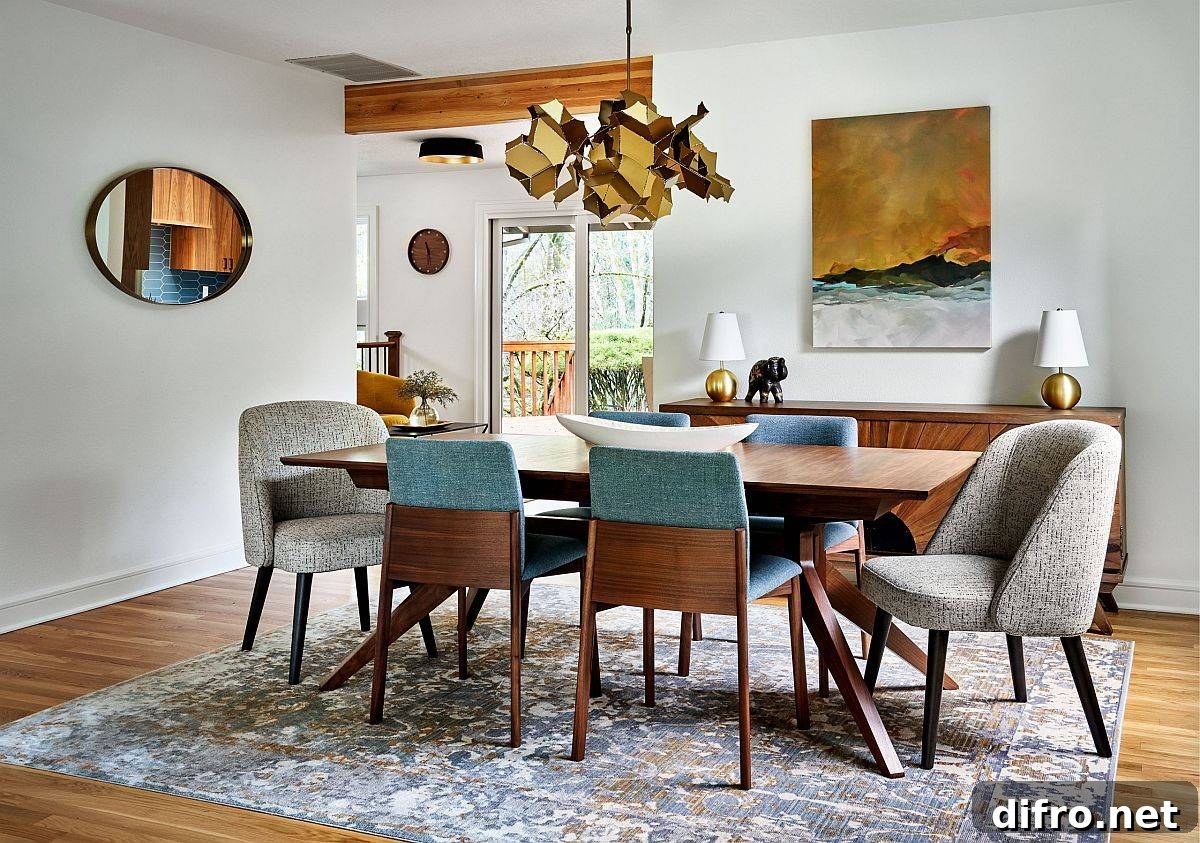
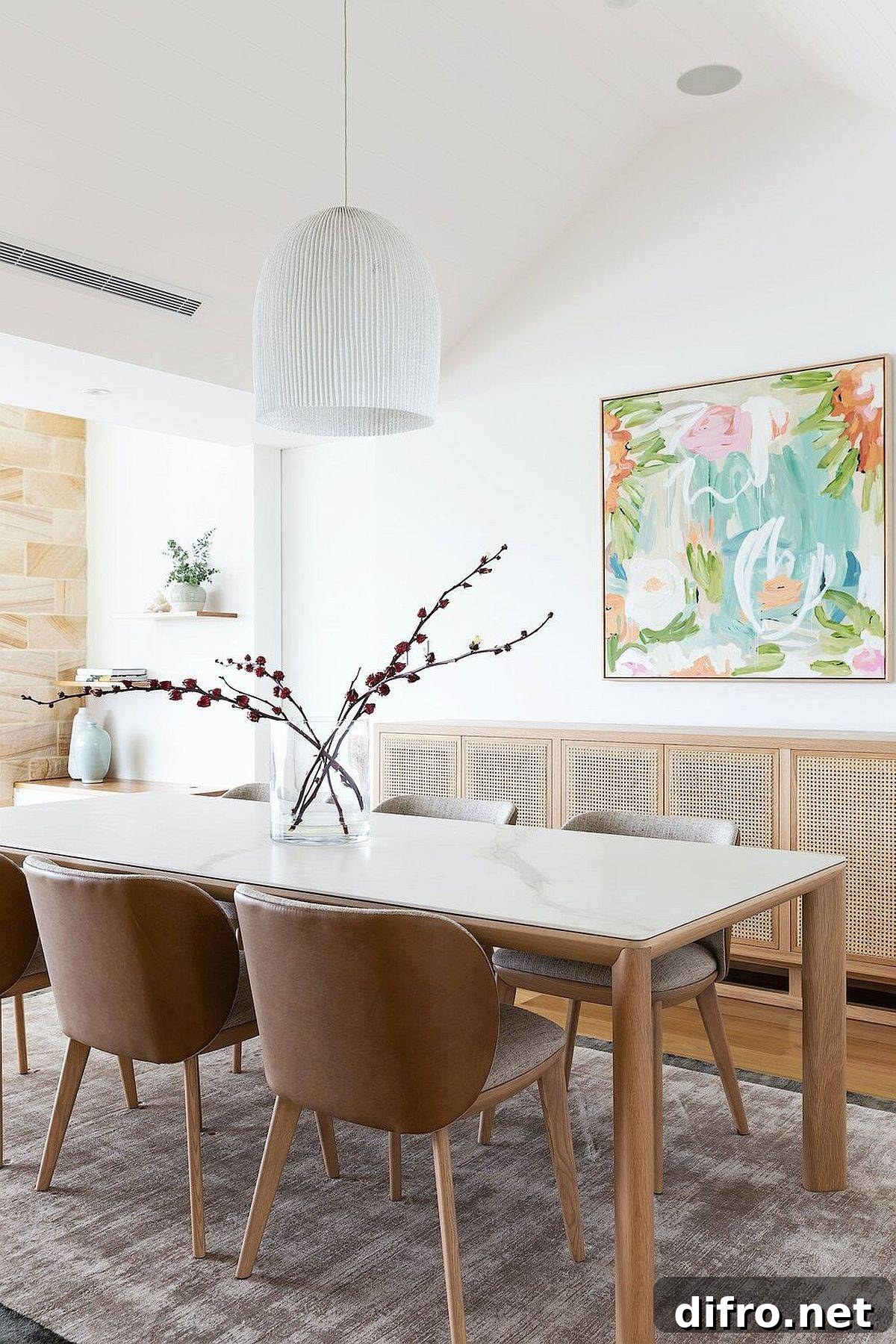
Wall art adds color, contrast, and texture without requiring structural changes. In open-plan homes where the kitchen, living and dining spaces share a visual language, art helps define the dining area while maintaining overall cohesion. When selecting an art piece, decide whether you want contrast or harmony: a bold, colorful work can introduce dynamic pops of color into a neutral room, while an artwork that echoes existing tones will reinforce the room’s palette.
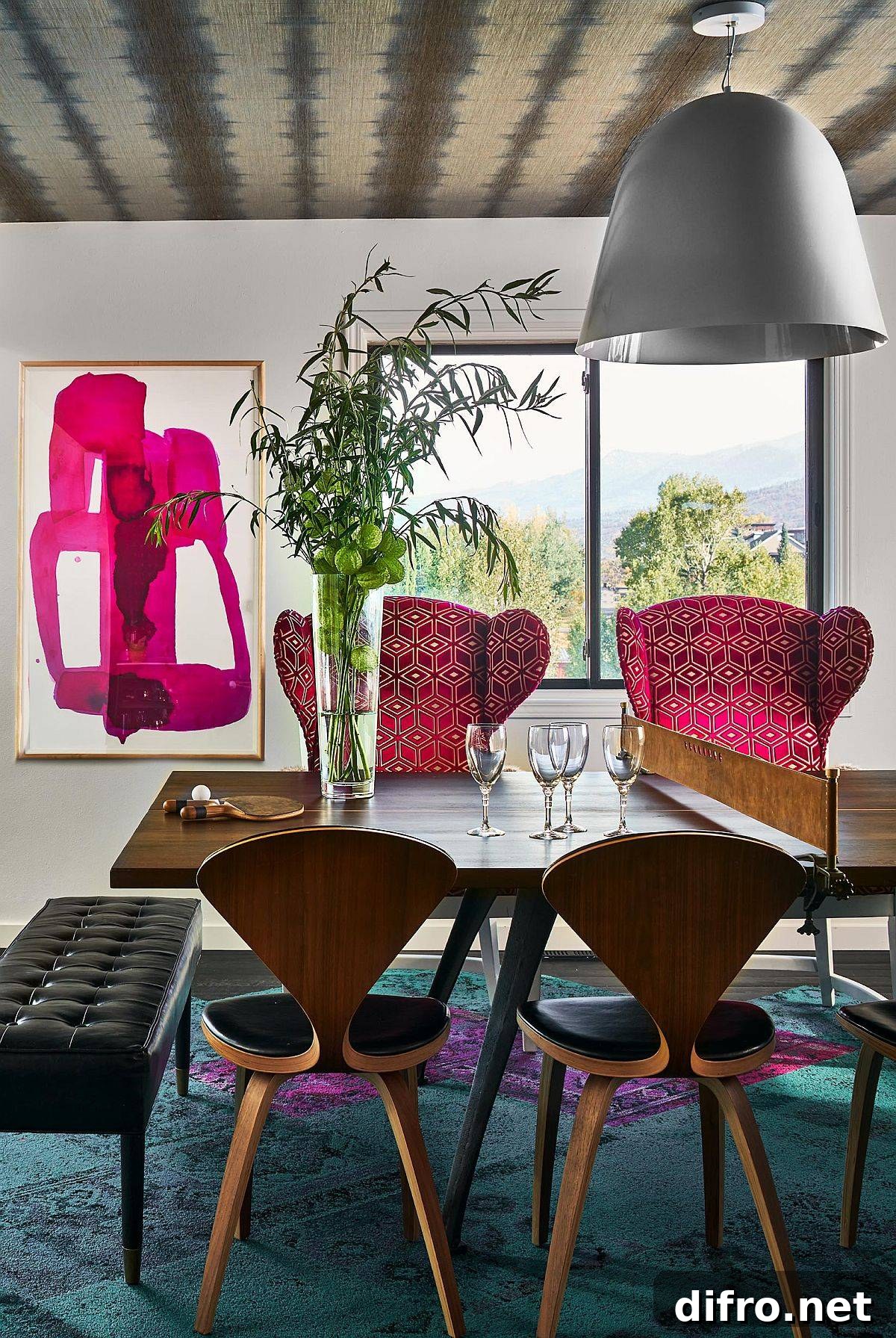
Large-format pieces are particularly effective in dining rooms because they establish a focal point and lend a sense of scale. For rooms with enough wall space, a single oversized painting or print will feel bold and contemporary. In more modest spaces, consider one strong piece positioned at eye level to anchor the dining table and draw attention.
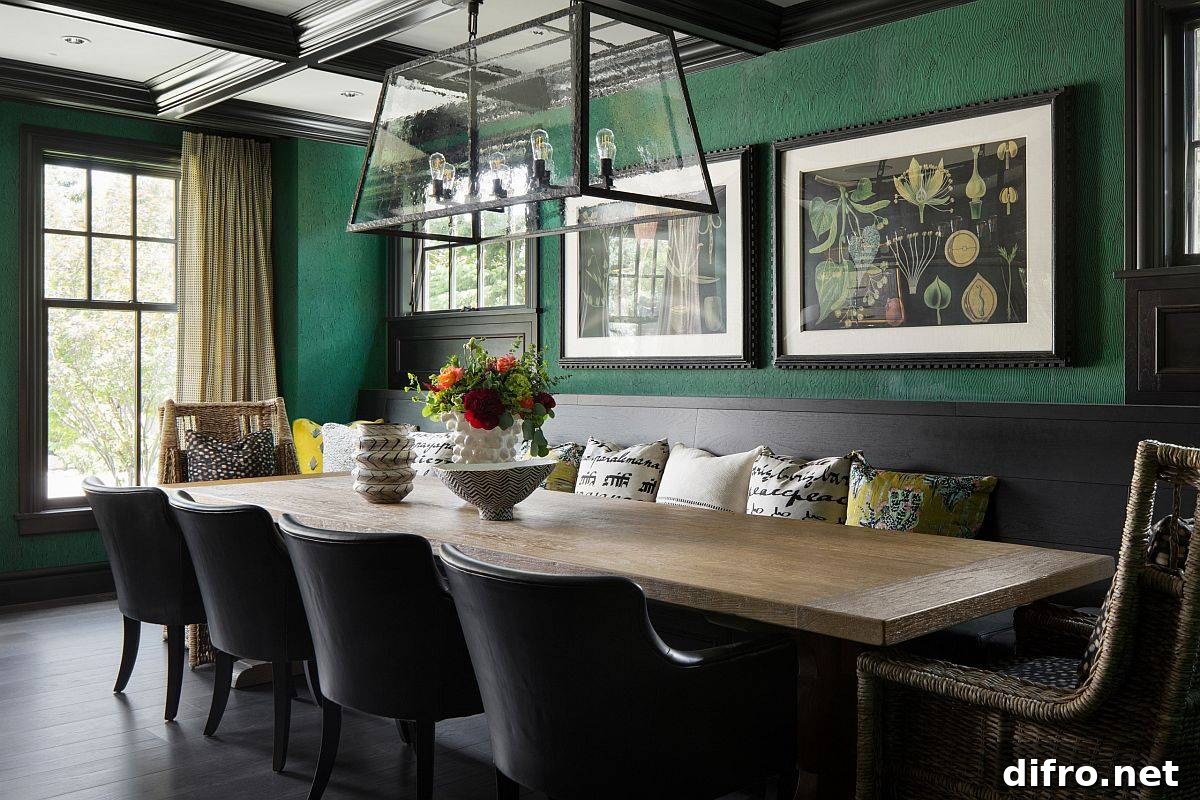
Express Your Personal Style
For some people, wall art is purely decorative and chosen to match the room’s color and mood. For art lovers, however, a dining-room artwork expresses taste, memory and personality. The challenge is balancing the piece’s visual strength with the room’s overall ambiance. If you want to showcase a personal or collectible piece, let it take center stage by simplifying the surrounding decor—neutral furniture, uncluttered surfaces and subtle lighting will allow the artwork to shine.
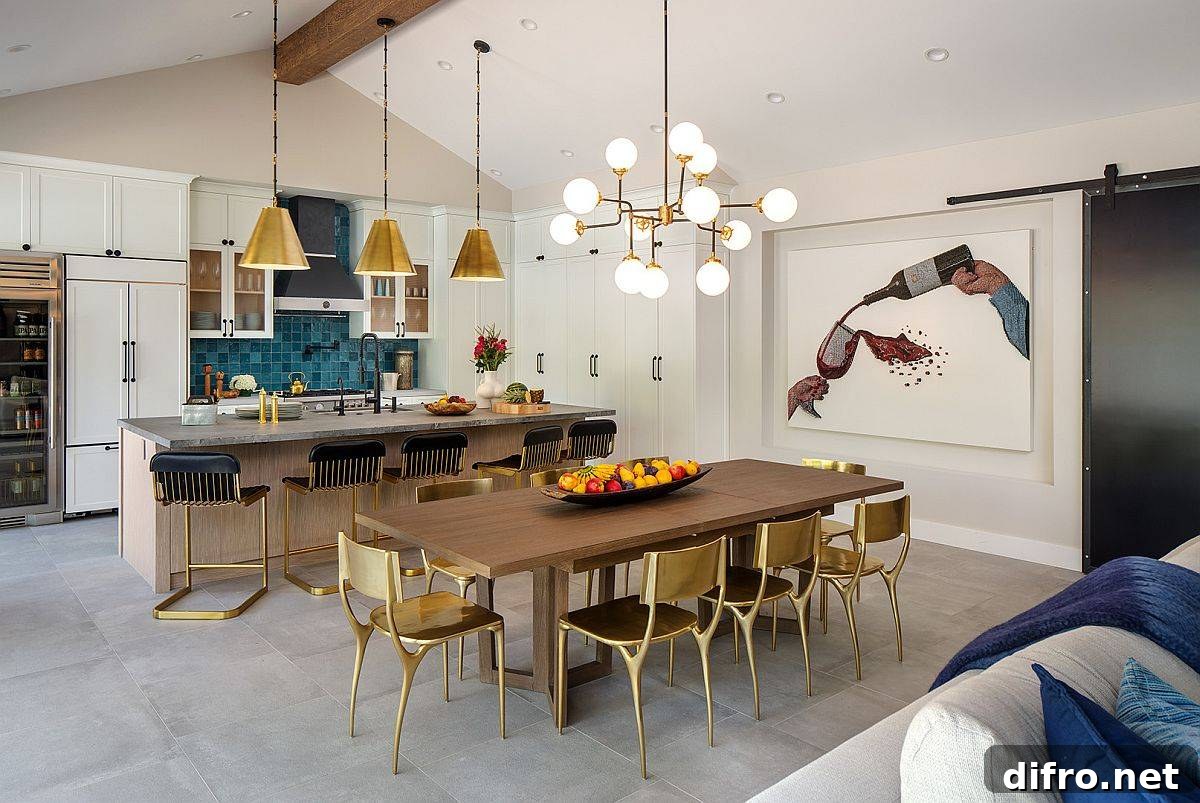
Scale and Layout: Matching Art to Room Size
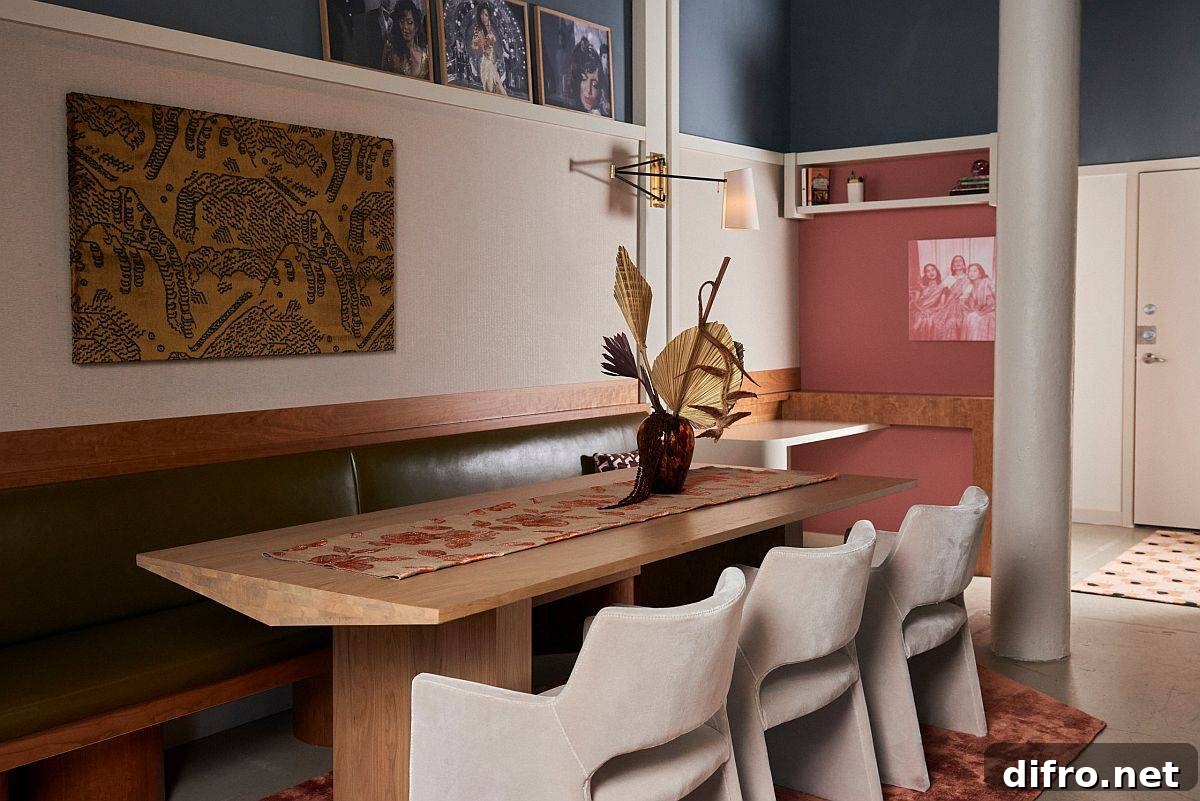
Room size and layout should guide your art selection. In larger dining rooms, a single large piece works well as a dramatic backdrop. In narrow or compact dining areas, groupings and gallery walls create visual interest without overwhelming the space. A thoughtfully arranged gallery—mixing prints, photographs and small paintings—can bring texture and narrative to an otherwise simple wall.
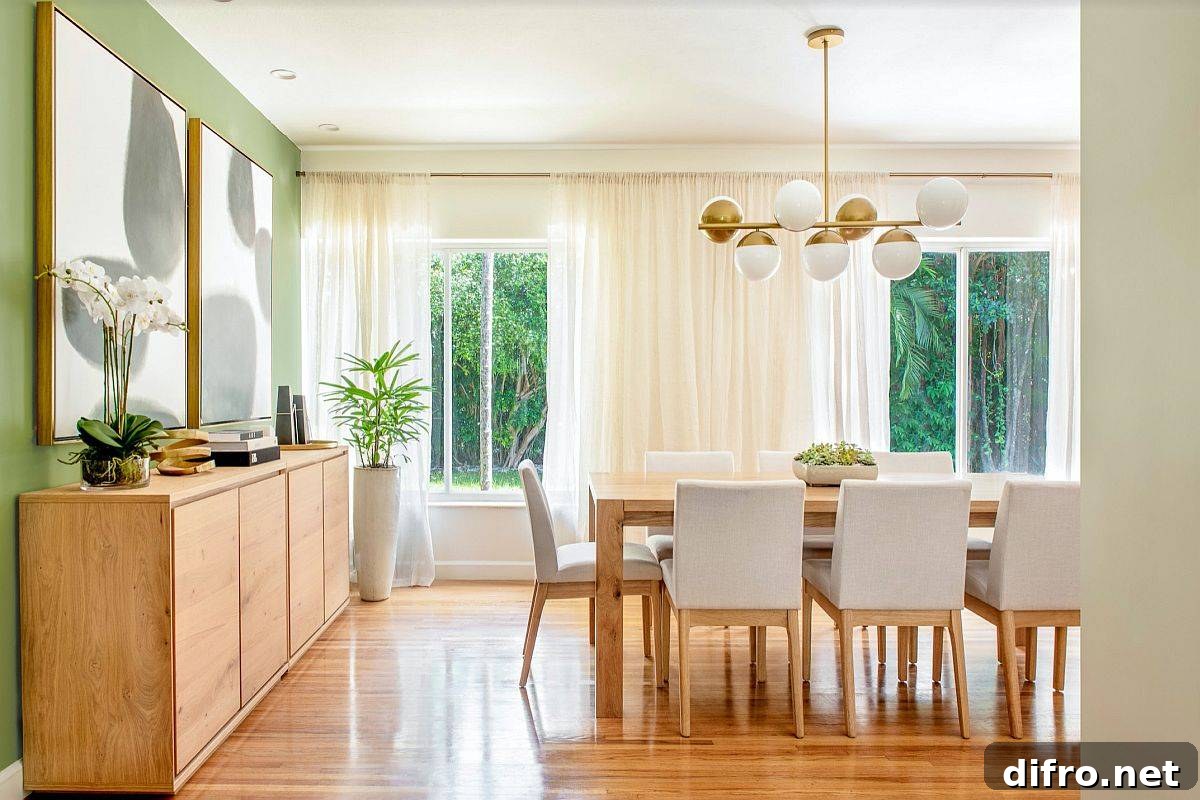
Keep these practical sizing tips in mind:
- If the piece will hang behind the dining table, choose a width that is roughly two-thirds to three-quarters of the table width for balanced proportion.
- When creating a gallery wall, plan the layout on the floor first or use paper templates on the wall to ensure the final composition feels cohesive.
- Allow sufficient negative space around a large artwork; this helps the piece breathe and prevents the wall from feeling crowded.
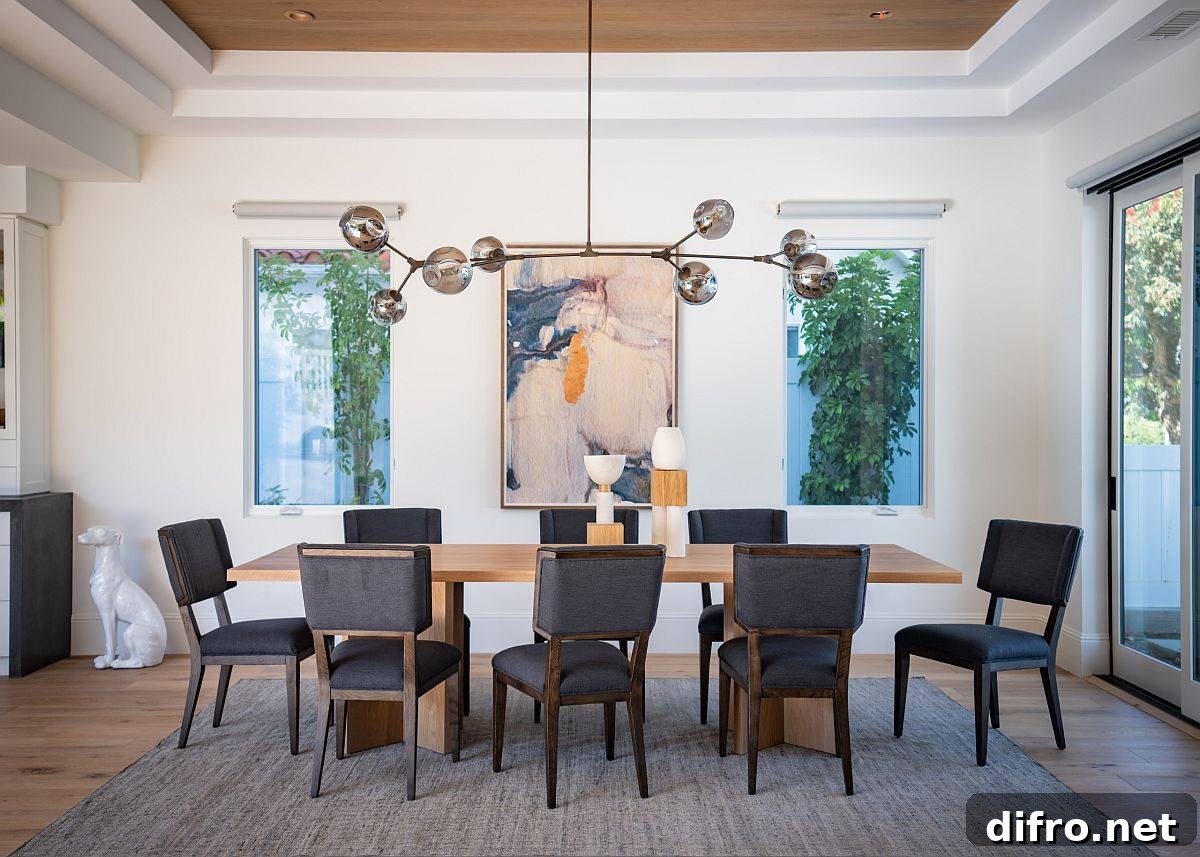
Placement and Pairing
Placement is as important as the artwork itself. Center a piece at eye level, or align it with architectural features such as windows, built-ins or niches to create symmetry. Accent walls painted in a complementary color can heighten the effect of a bold artwork, while softer tones allow more colorful or textured works to stand out.
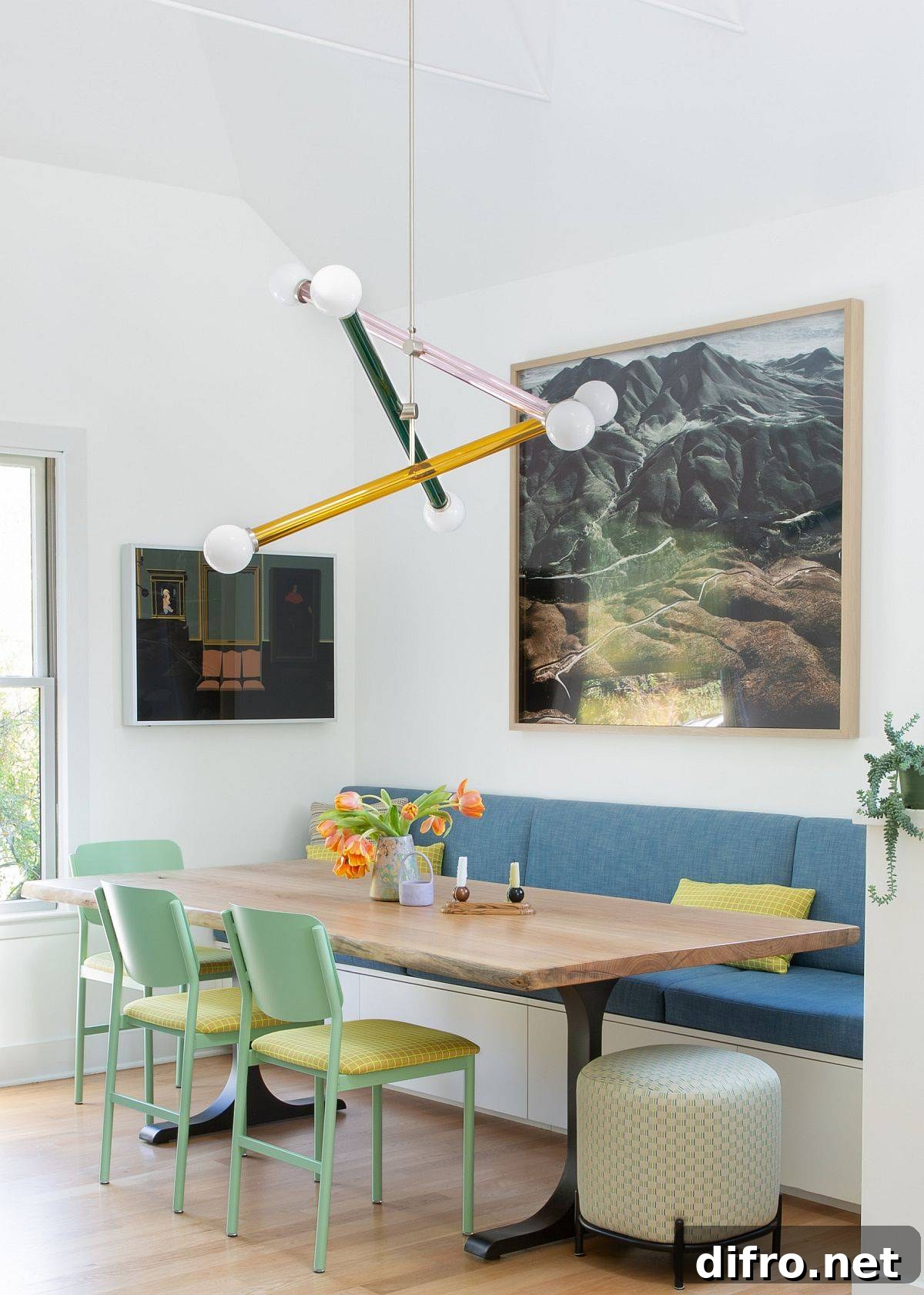
Finally, remember that wall art should complement the dining experience. Consider the mood you want to create—calm and elegant, bright and energetic, or warm and intimate—and choose pieces that support that atmosphere. With careful selection and placement, wall art can transform your dining area into a memorable and welcoming focal point.