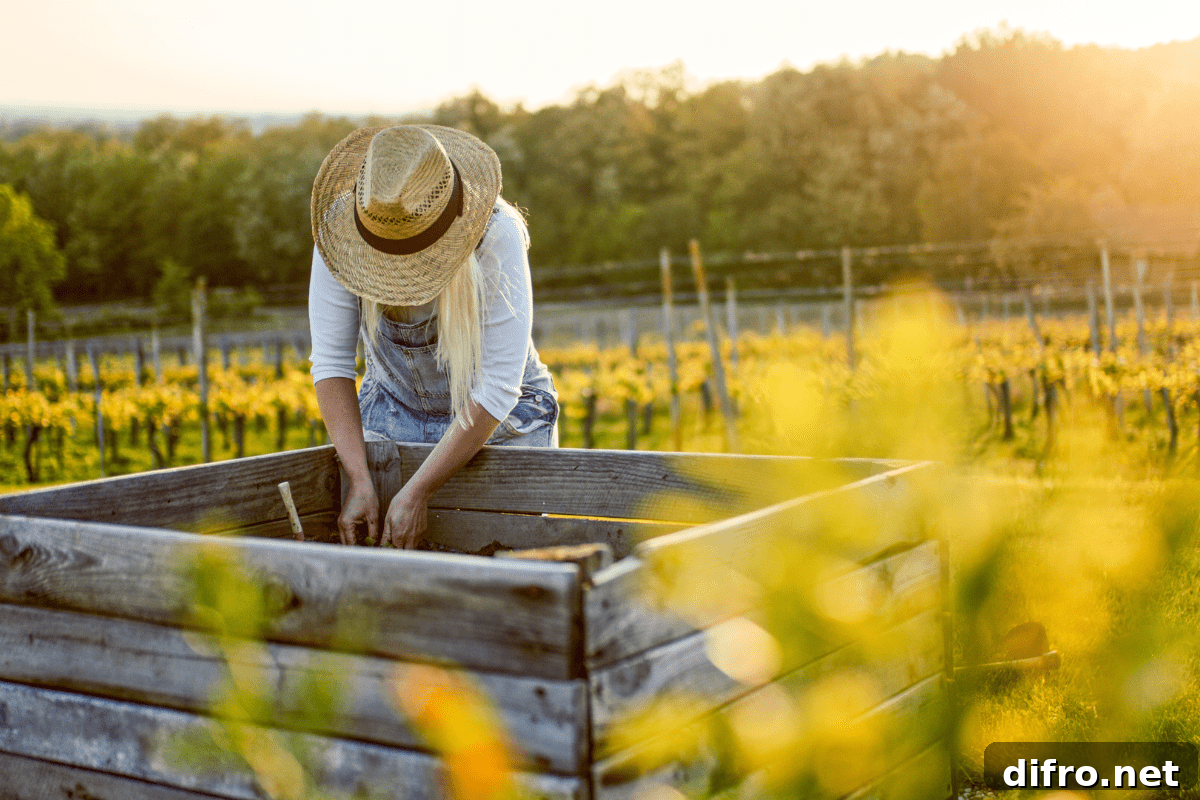
There are many practical and attractive raised garden bed ideas to help you transform your outdoor space and improve your gardening results. Raised garden beds offer advantages over planting directly in the ground: they reduce bending, improve drainage and soil structure, deter pests, and let you control the soil composition. The only real upfront work is building the bed, but the long-term benefits make the effort worthwhile.
The most important part of success with raised garden beds is soil building. After exploring the design ideas below, be sure to read the soil building section near the end of this article for guidance on creating a productive growing mix.
What Is a Raised Garden Bed?
Raised-bed gardening is a method where the growing soil is lifted above ground level and contained in a structure. Beds can be built from many materials—wood, metal, concrete, bricks, pallets, or repurposed objects—and sized to suit the site. The enclosed soil is typically enriched with compost and organic matter to provide an optimal growing environment.
Benefits of a Raised Garden Bed
- Fewer weeds and easier weed management
- Improved water retention for sandy soils
- Better drainage for clay soils
- More efficient growing space and easier maintenance
- No soil compaction from foot traffic
- Soil warms earlier in the season for extended growing
- Manageable soil pH and nutrient levels
- Reduced soil erosion
Corrugated Metal
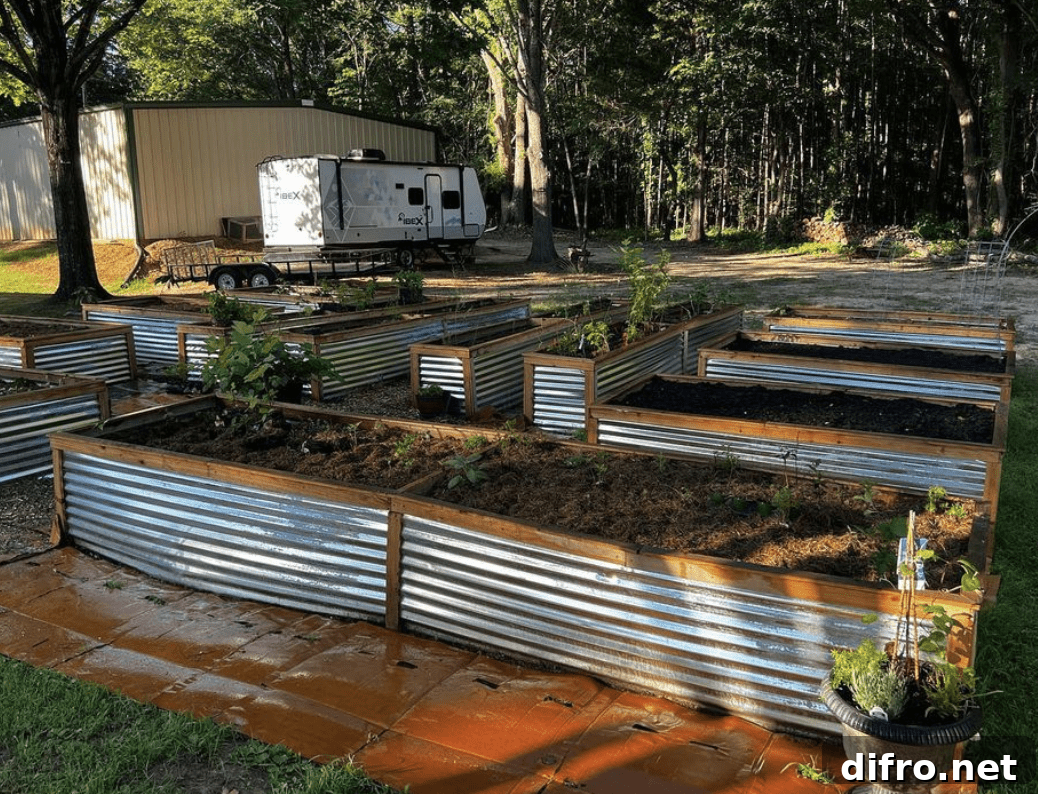
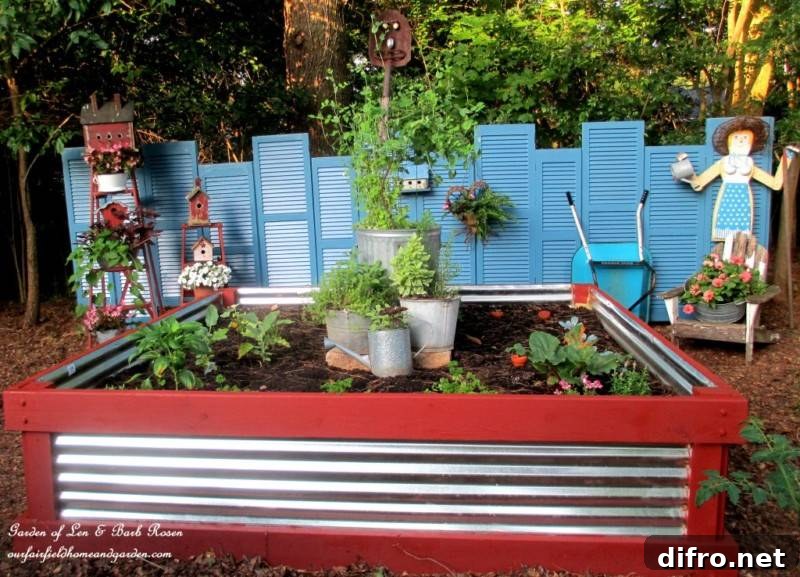
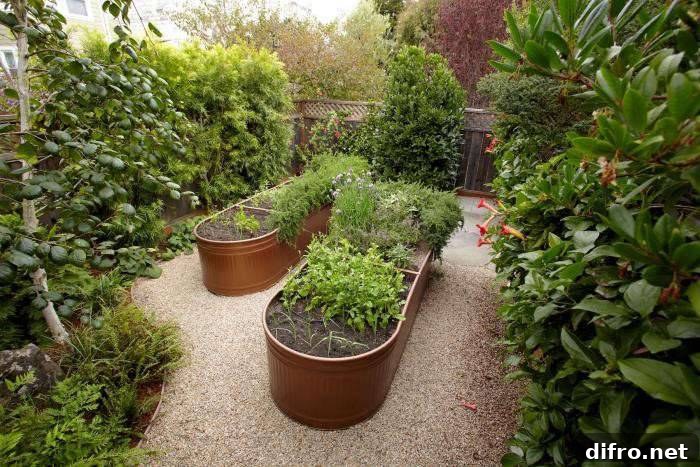
Corrugated metal paired with a wood frame creates a modern, durable raised bed. The combination of metal and wood offers a striking contrast, and painting or staining the frame lets you match beds to your landscape.
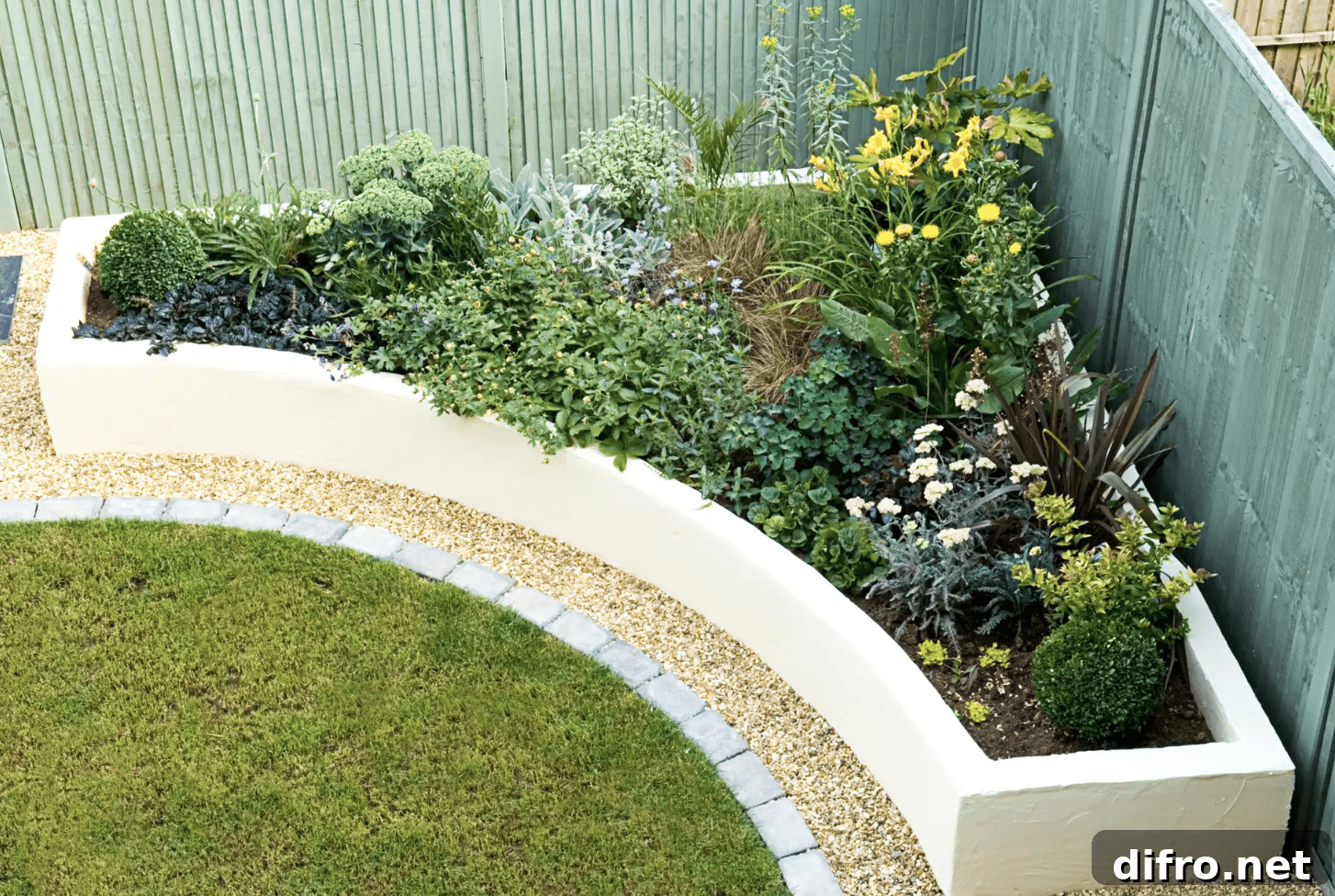
Concrete and Cinder Blocks
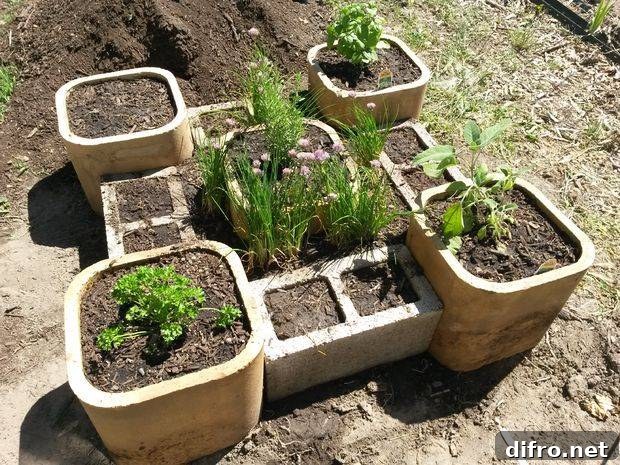
Concrete elements, including cinder blocks, offer long-lasting structure and can be arranged in many shapes. Blocks are affordable and simple to stack for short beds; larger beds can use mortar or adhesive for extra stability.
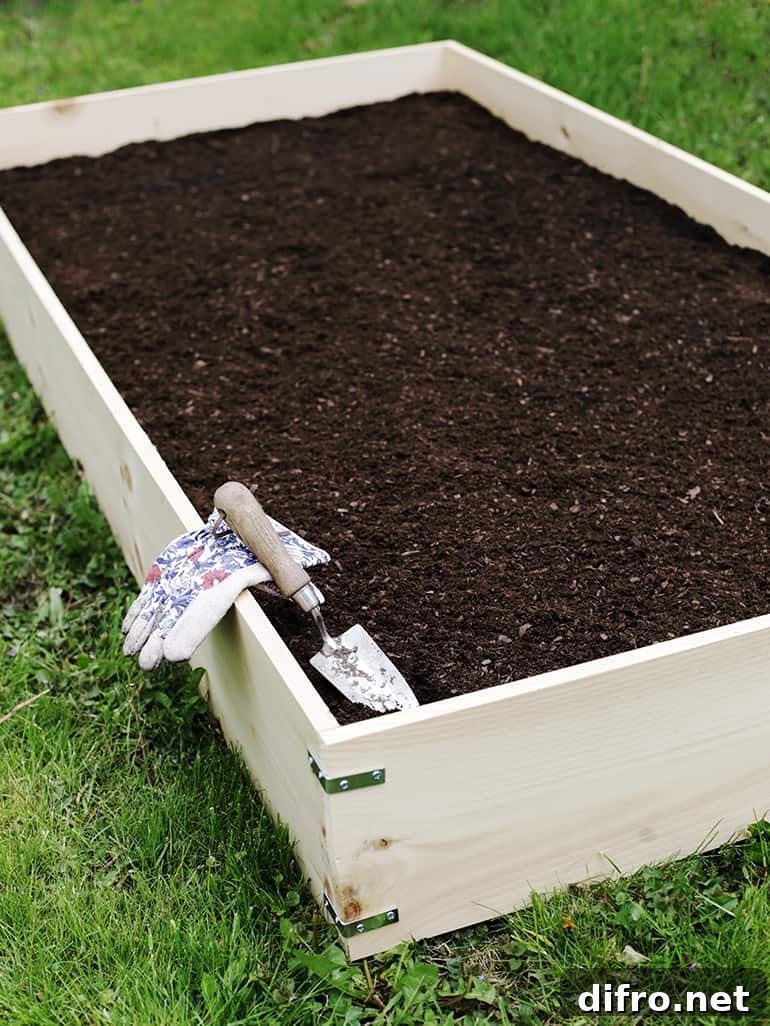
Simple Wood Beds
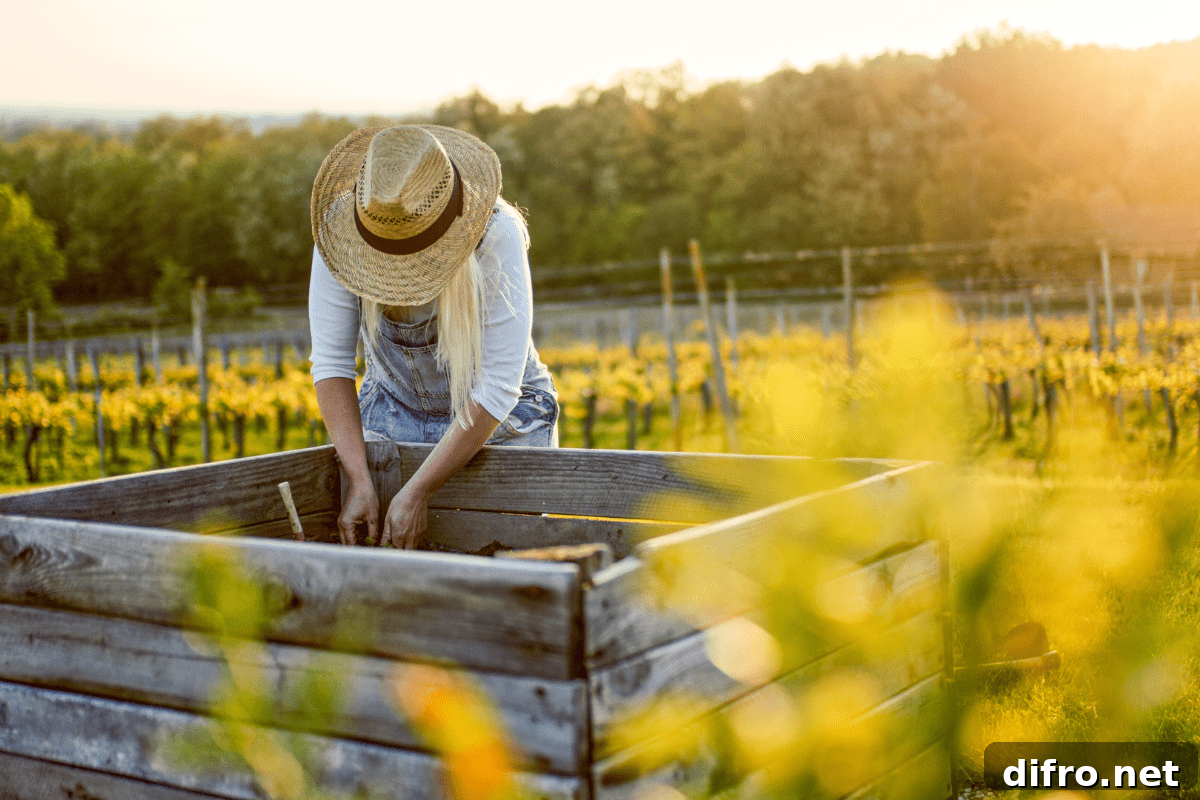
Simple wooden boxes are the most common raised bed style. Choose naturally rot-resistant woods such as cedar or juniper when possible. A basic cedar box is durable, attractive, and easy to build.
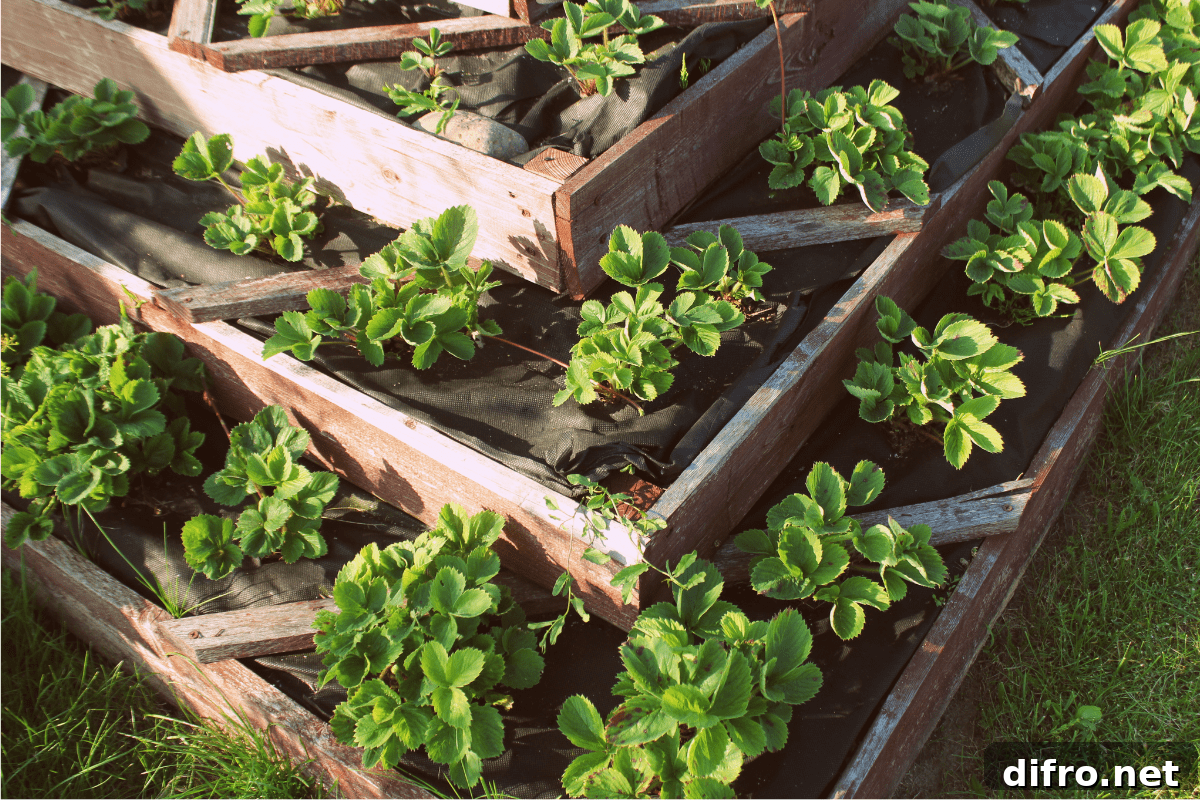
Tiered and Multi-Level Beds
Stacked or tiered raised beds add height and visual interest while increasing planting area on a compact footprint. Tiers work well for herbs, strawberries, and decorative planting arrangements.
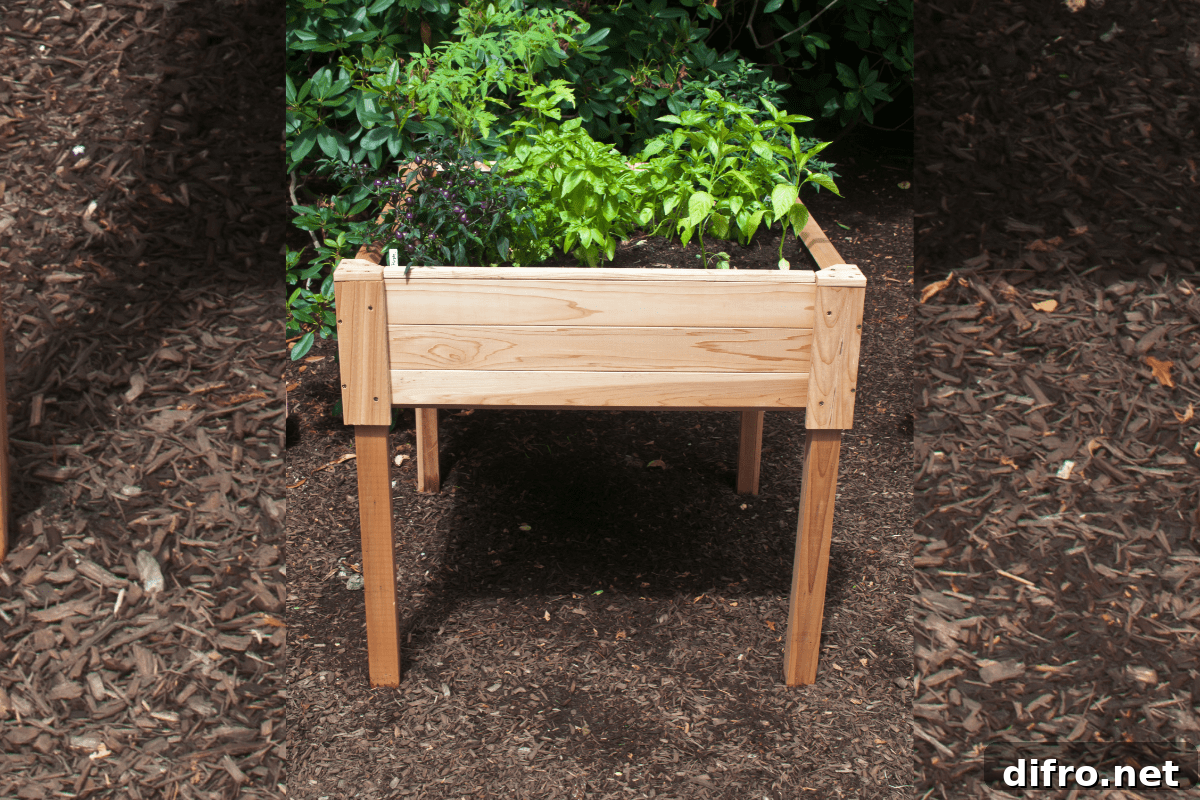
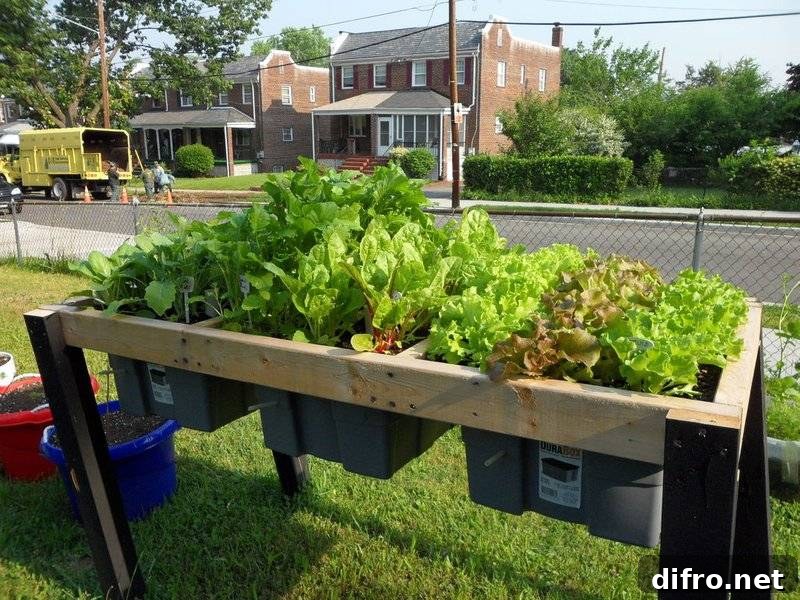
Elevated Table-Style Beds
Repurpose old table legs or build a tabletop planter to create elevated beds that are easy on the back. These are ideal for herbs, lettuces, and container-style vegetable gardening.
Bricks and Landscaping Timbers
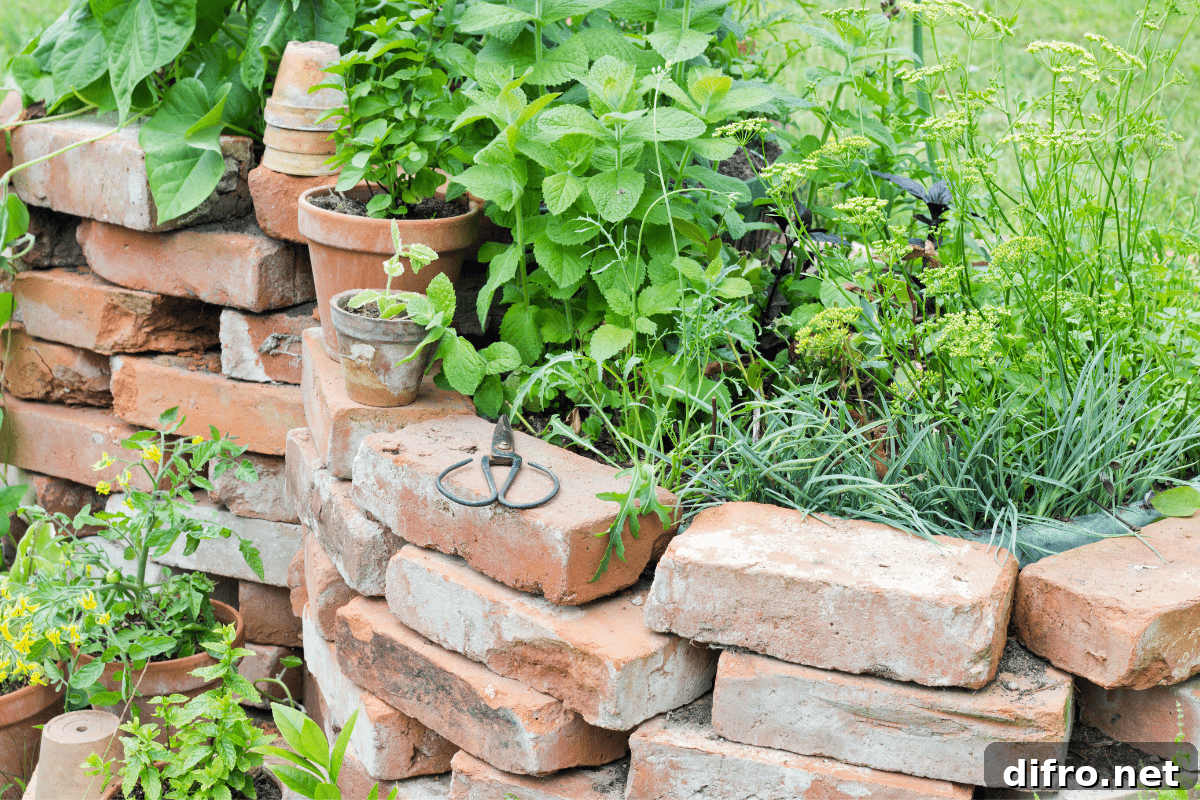
Bricks stack neatly and suit short beds and decorative borders; landscaping timbers are designed for outdoor use and can be stacked to create sturdy beds. For taller or heavy-use beds, secure materials for stability.
Recycled Pallets and Repurposed Items
Recycled pallets provide free or inexpensive boards for building beds. You can dismantle pallets for lumber or use them intact as planters. Other repurposed containers—old dressers, bathtubs, or water troughs—make charming, budget-friendly beds.
Enclosed and Protected Beds
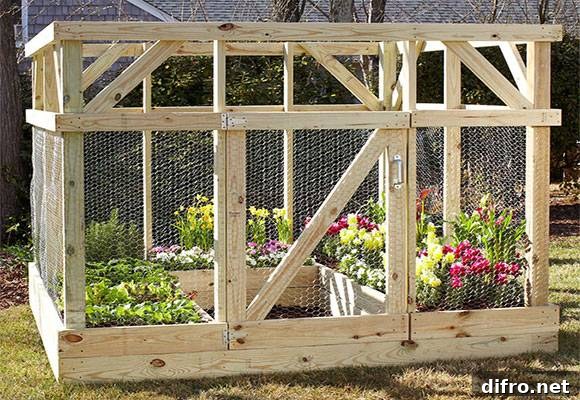
If wildlife or pets are a concern, enclose your raised bed with wire mesh, hardware cloth, or a framed cover. Simple fencing or removable netting will protect young plants from rabbits, deer, and birds.
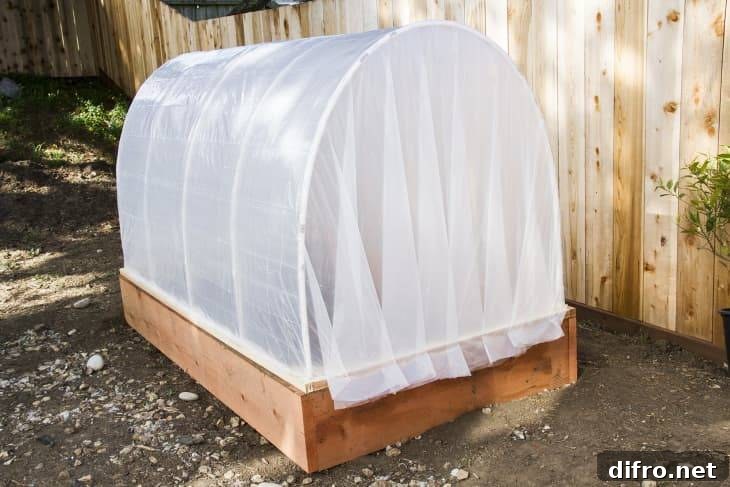
Hoop Houses and Covers
Hoop-supported covers create a small tunnel over a raised bed, extending the season by keeping frost off seedlings and providing a protected microclimate. Covers can be plastic, fabric, or shade cloth, depending on the need.
Self-Watering and Smart Options
Self-watering designs store water in a reservoir beneath the planting mix and draw moisture up to roots, reducing watering frequency. Modern modular kits and self-watering beds are increasingly popular for convenience and efficiency.
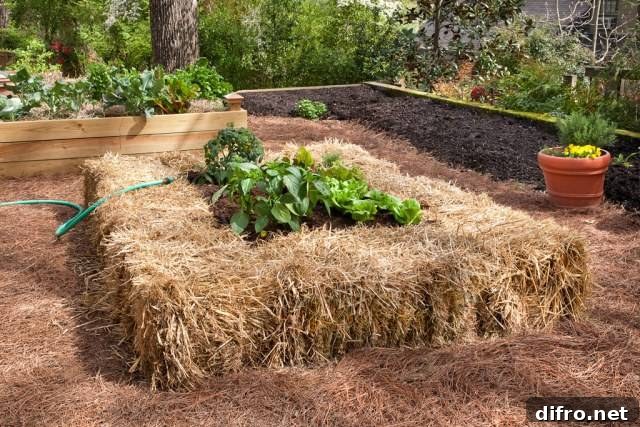
Straw Bale and Divided Beds
Straw bales can serve as a raised growing medium when conditioned and filled with compost and potting mix. Adding dividers within larger beds helps organize crops, separate root zones, and makes maintenance easier.
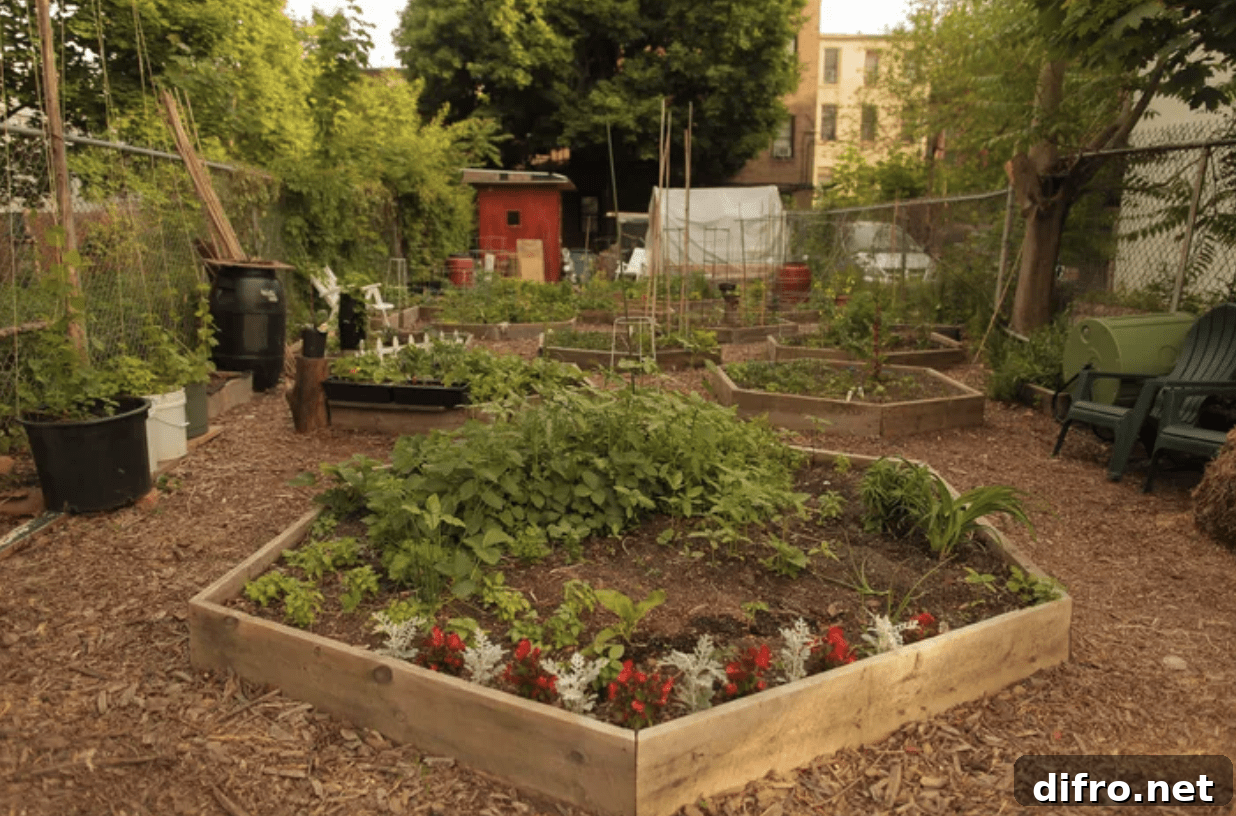
Get Creative with Shapes and Space Saving
Explore hexagons, L-shaped layouts, or pyramid-style pallet beds to add visual interest. Use the space under or around raised beds for storage, compost, or hidden containers to maximize compact yards and patios.
Soil Building
Good soil is the heart of a productive raised bed. Build your bed in layers to conserve high-quality soil while creating volume affordably. Typical raised beds are 18–24 inches deep, but you can layer organic materials so the top 6–12 inches are prime planting mix.
Bottom layer: start with woody material, small branches, or straw that will decompose slowly. Middle layer: add less expensive soil, compost, leaf mold, or aged potting mix. Top layer: reserve the best, weed-free loam and compost-rich mix for the top 6–12 inches where roots grow. All materials should be organic and free of toxins or petroleum-based contaminants.
Best Tips for Building a Raised Garden Bed
- Choose a sunny location unless you plan shade-loving plants.
- Decide how many beds you need; one large bed can be more economical than many small ones.
- Keep bed widths manageable—three feet or less lets you reach the center without stepping in.
- Select durable materials based on budget and permanence: wood, concrete, bricks, or recycled options all work.
Trends to Consider
Current trends include modular beds that expand with your needs, recycled plastic lumber for longevity, vertical raised beds for small spaces, and self-watering systems for lower-maintenance gardening. These options help gardeners maximize space, minimize maintenance, and create sustainable setups.
Frequently Asked Questions About Raised Garden Bed Ideas
What should go on the bottom of a raised garden bed?
Use organic materials like straw, wood chips, leaves, or grass clippings as a base. You can place cardboard or a biodegradable weed barrier over the base layer to help suppress weeds while allowing decomposition.
How deep should a raised bed be?
A depth of 8–12 inches is adequate for many plants, but vegetable beds typically benefit from 12–18 inches to accommodate root systems. Deeper beds provide more moisture and nutrient reserves.
What is the cheapest way to make raised beds?
Repurpose materials you already have: pallets, reclaimed wood, old containers, and household items can be turned into beds. Check local reuse stores for discounted materials if you need to buy supplies.
What wood is best for raised beds?
Cedar and other naturally rot-resistant woods are excellent choices because they last longer outdoors without chemical treatments. If you use pressure-treated wood, consider a liner to separate soil from preservatives.
Should I line my raised bed with plastic?
Avoid lining beds with impermeable plastic because it can prevent drainage and harm roots. If pests or weeds are a concern, use hardware cloth, metal mesh, or breathable fabric combined with organic barriers instead.