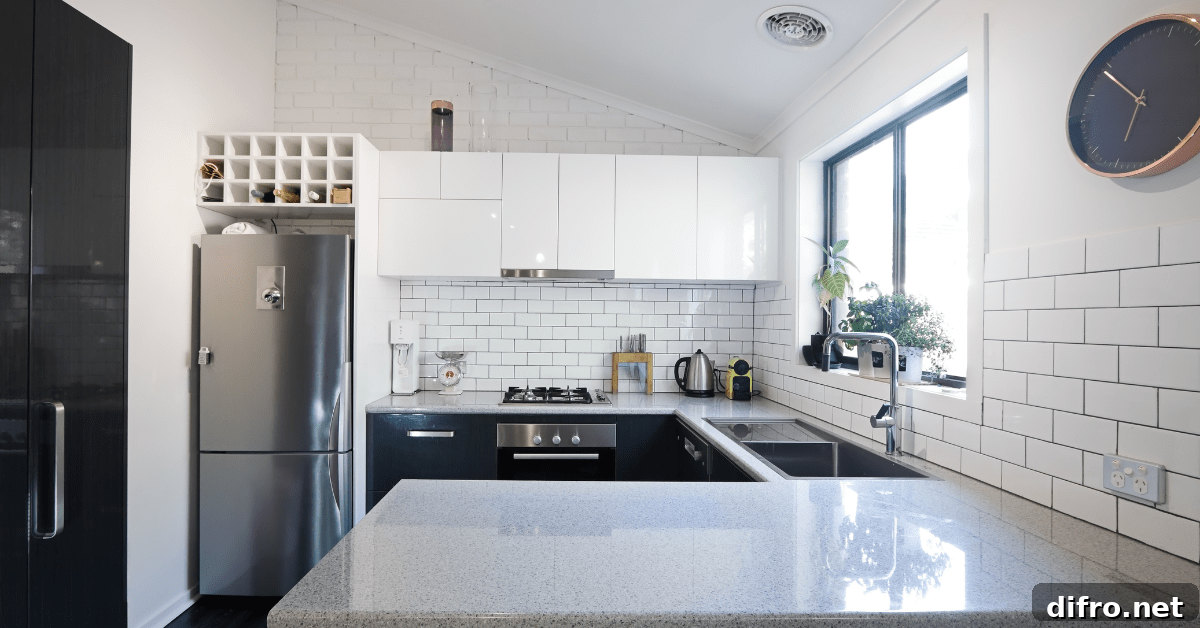
White grout has been the go-to pairing with subway tiles for decades, celebrated for its crisp, continuous look. Lately, however, designers and homeowners are shifting toward soft gray grout as a more versatile and practical alternative. This subtle change adds visual depth, warmth, and improved longevity to tiled surfaces. Below we examine the reasons gray grout is rising in popularity and how it can elevate kitchens, bathrooms, and other tiled spaces.
1. Soft Gray Adds Dimension Without Overpowering
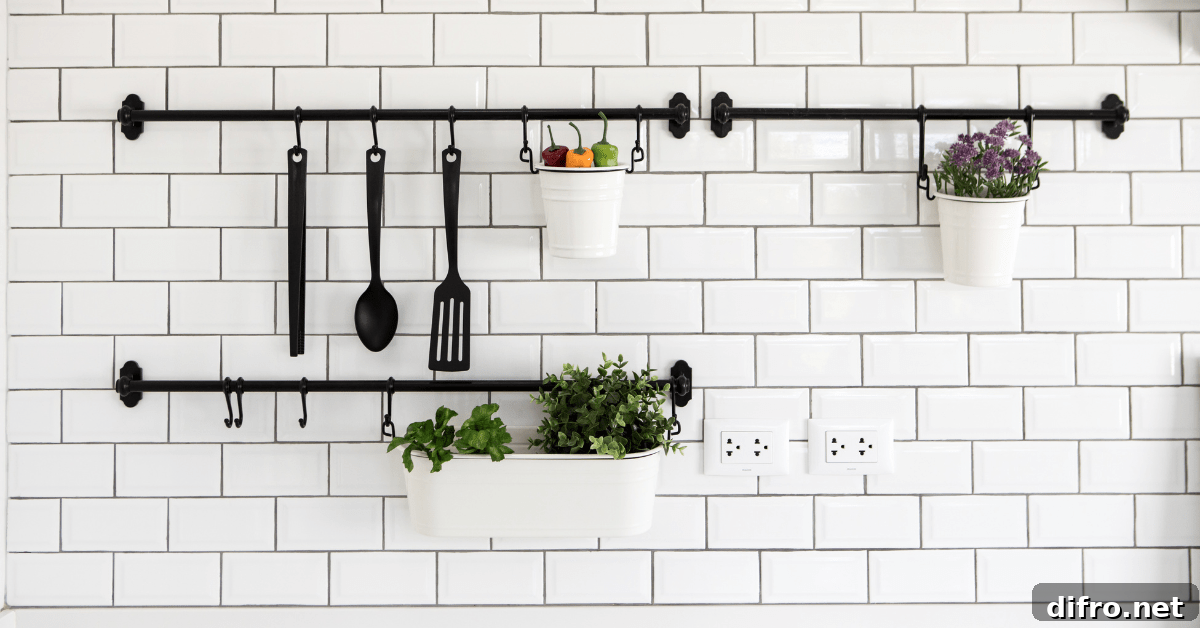
Soft gray grout creates a subtle contrast with white subway tiles that highlights each tile’s shape without dominating the room. Unlike stark black, which can be bold, or bright white, which can appear clinical, gray strikes a balanced tone that suits contemporary, transitional, and traditional schemes alike. The result is a polished, refined look that emphasizes tilework craftsmanship while remaining understated.
In smaller bathrooms or compact kitchens, a soft gray grout can prevent the repetitive tile grid from feeling too busy while still giving surfaces a defined, intentional appearance.
2. A Solution to Maintenance Woes
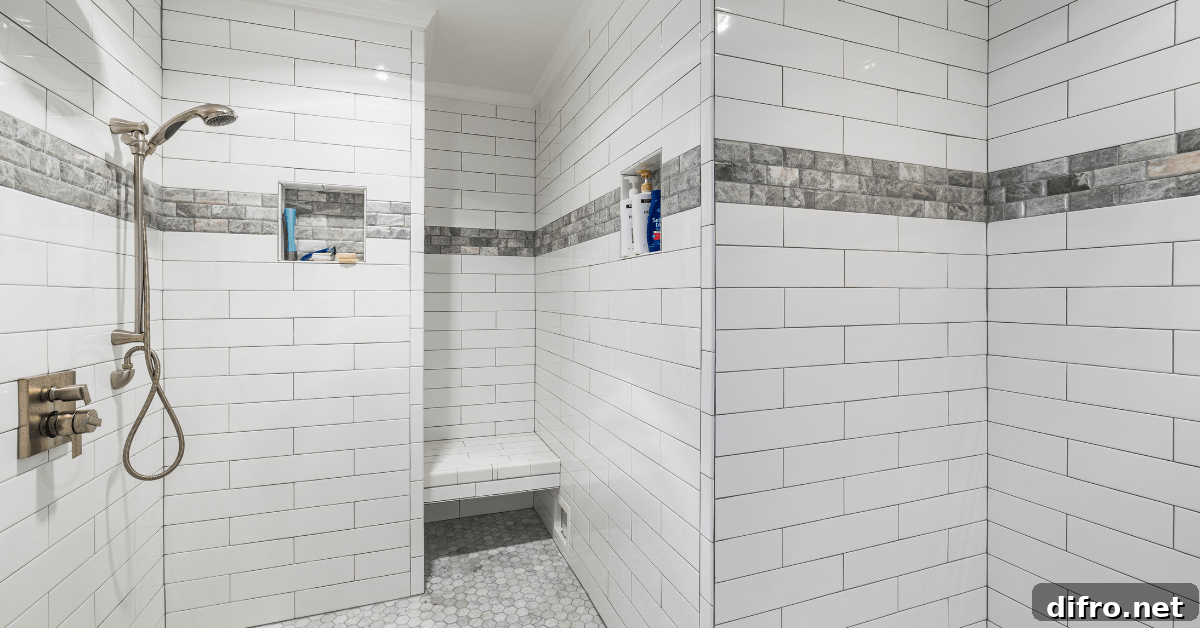
White grout can show dirt, soap scum, and discoloration more quickly, making it high-maintenance in everyday use. Soft gray tones are far more forgiving, masking common stains while still appearing fresh and intentional. For high-traffic areas such as kitchen backsplashes, entryways, and shower walls, gray grout reduces the need for constant intensive cleaning and helps the space look well cared for for longer.
Regular maintenance still matters—occasional cleaning and resealing when appropriate will preserve grout performance—but choosing a gray shade is a simple, practical step that pays off in real-world durability and appearance.
3. Perfect for Versatile Design Schemes
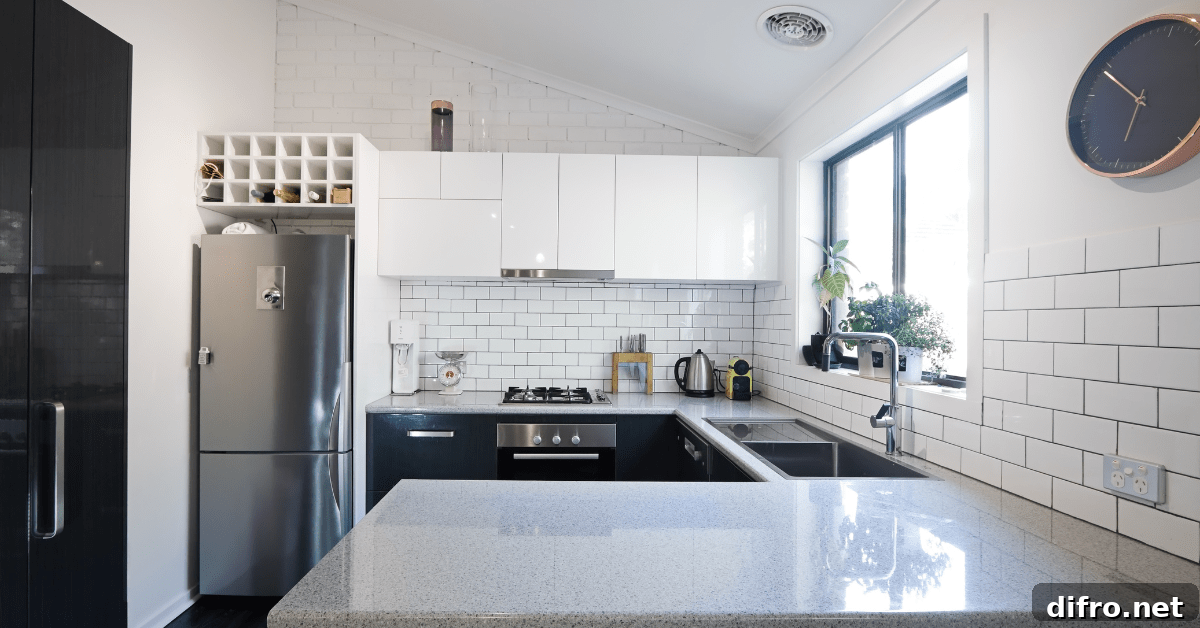
Soft gray grout is exceptionally adaptable. It pairs well with cool, blue-toned palettes and warm, earthy schemes, and it complements a wide range of materials—wood, stone, metal, and painted cabinetry. Whether your aesthetic leans rustic farmhouse or modern minimalism, gray grout integrates smoothly and helps maintain a timeless look as other elements evolve.
Because gray is neutral but not neutralized, it supports experimentation with tile finishes, sizes, and layouts without competing visually with other design features.
4. Enhances Tile Patterns and Layouts
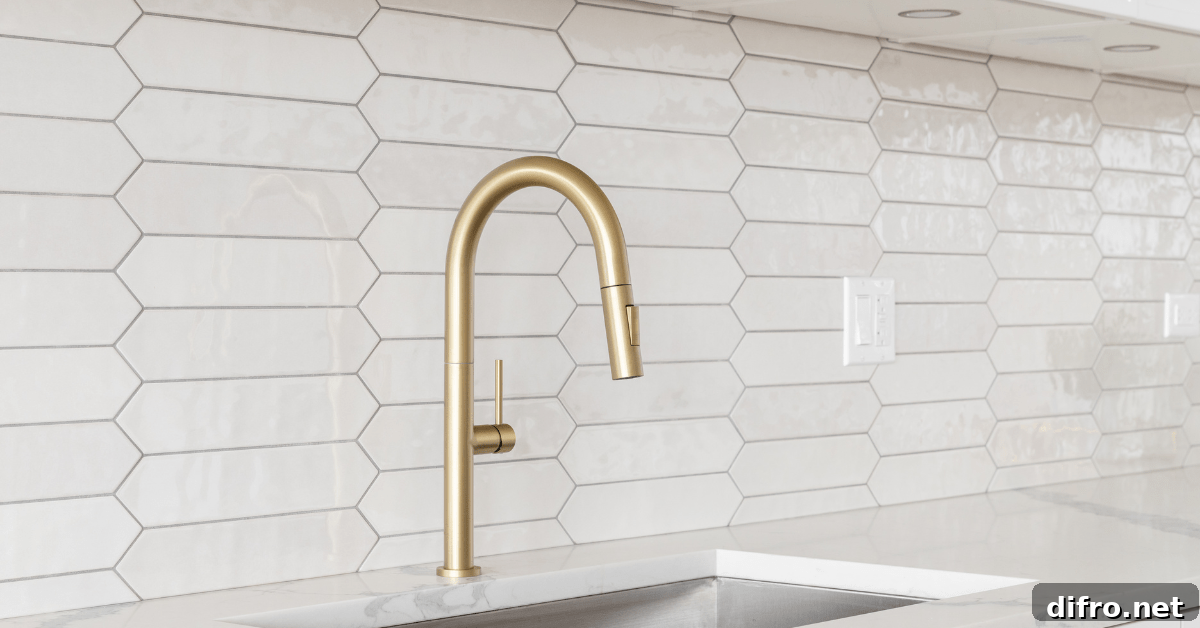
Gray grout subtly defines tile edges, making patterns like herringbone, chevron, or stacked subway tiles read more clearly. Instead of dissolving into the background, individual tiles maintain presence and pattern, which can elevate the perceived quality of the installation. For intricate layouts or large-format tiles, a soft gray outline draws attention to the design without creating visual noise.
This understated emphasis is particularly effective when paired with statement fixtures or mixed materials, where you want the tile pattern to support rather than overshadow the room’s focal points.
5. A Customizable Choice for Light and Space
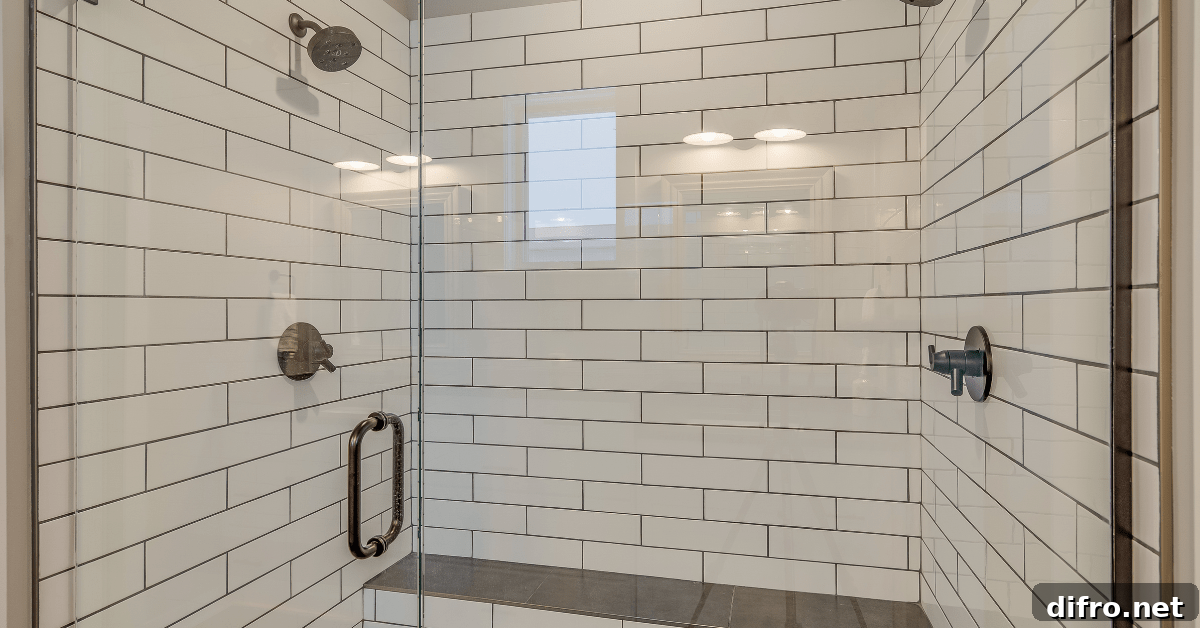
Gray grout comes in many subtle shades, and selecting the right tone can influence how light and space feel. A light gray helps open up small or dimly lit rooms, reflecting a softer brightness than darker tones. Mid-range gray offers a neutral balance that works across most settings, while a deeper gray can create striking contrast in larger, well-lit areas.
When choosing grout color, consider the tile finish, surrounding cabinetry and fixtures, and the amount of natural light. Test samples in the actual space to see how the shade reads throughout the day.
Related Articles
- Vertical Subway Tile Backsplash in the Kitchen: A Bold New Look!
- Subway Tile Shower Ideas for Your Bathroom Renovation
- Stone Slab Kitchen Backsplash: 15 Ideas to Move Past Subway Tile
Soft gray grout is more than a passing trend. It offers a thoughtful balance of style and practicality: visually interesting yet restrained, durable without demanding excessive upkeep, and versatile enough to complement evolving decor. Whether updating a kitchen backsplash, refreshing a shower, or redefining a feature wall, choosing soft gray grout can subtly transform the look and longevity of tiled surfaces.
Interested in more design guidance? Consider signing up for a design newsletter or following trusted home design resources to get ongoing ideas and inspiration for your spaces.