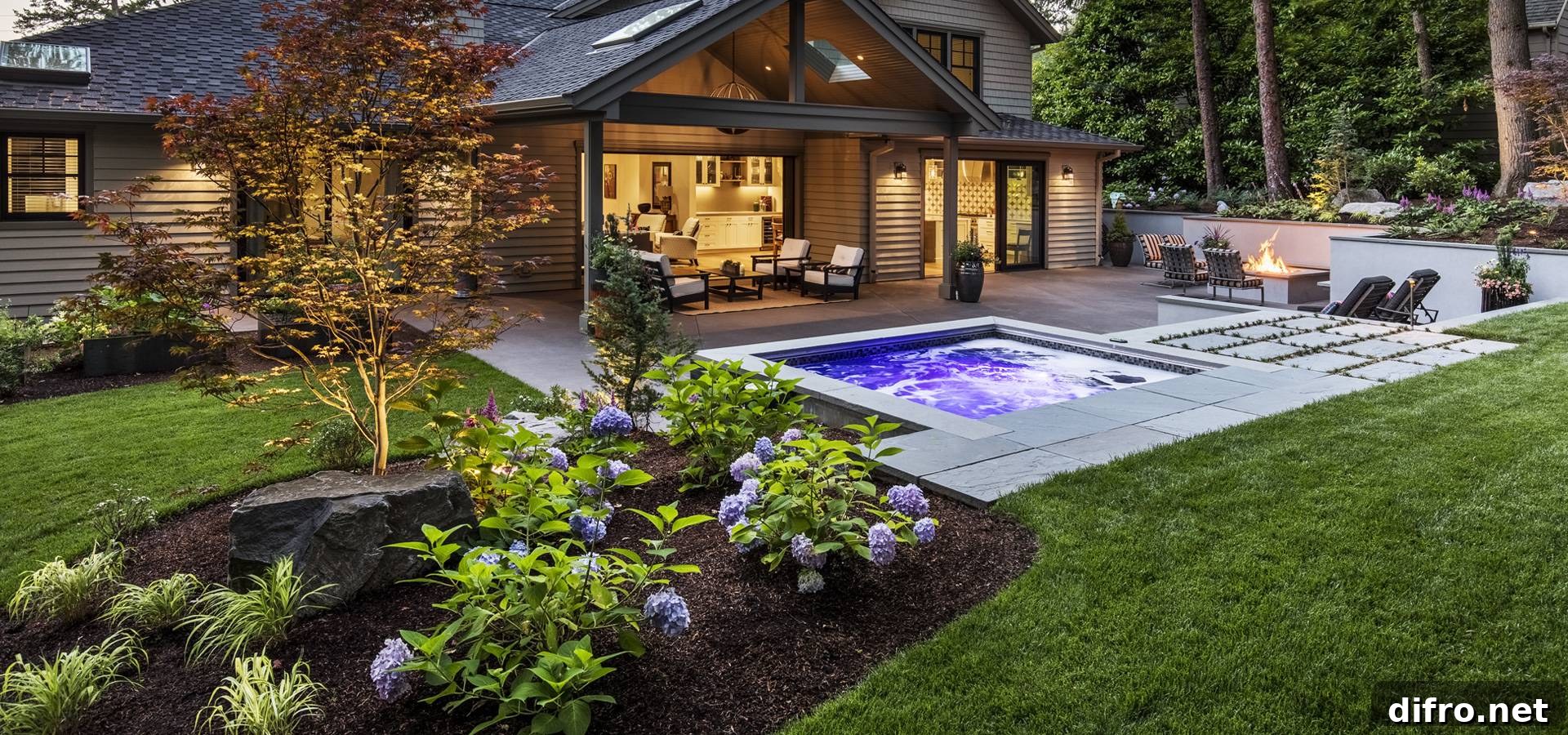
Your home is where you relax, recharge, laugh, make memories and welcome guests. Comfort inside the house matters, but the exterior matters too: a well-designed yard becomes an extension of your living space and a calm outdoor retreat.
Today, homeowners increasingly invest in landscaping to reflect their tastes and boost curb appeal. A thoughtfully designed landscape enhances aesthetics, improves the home’s overall look and can increase property value.
Landscaping generally divides into two complementary elements: softscape and hardscape. Each plays a distinct role in creating an attractive, functional outdoor environment.
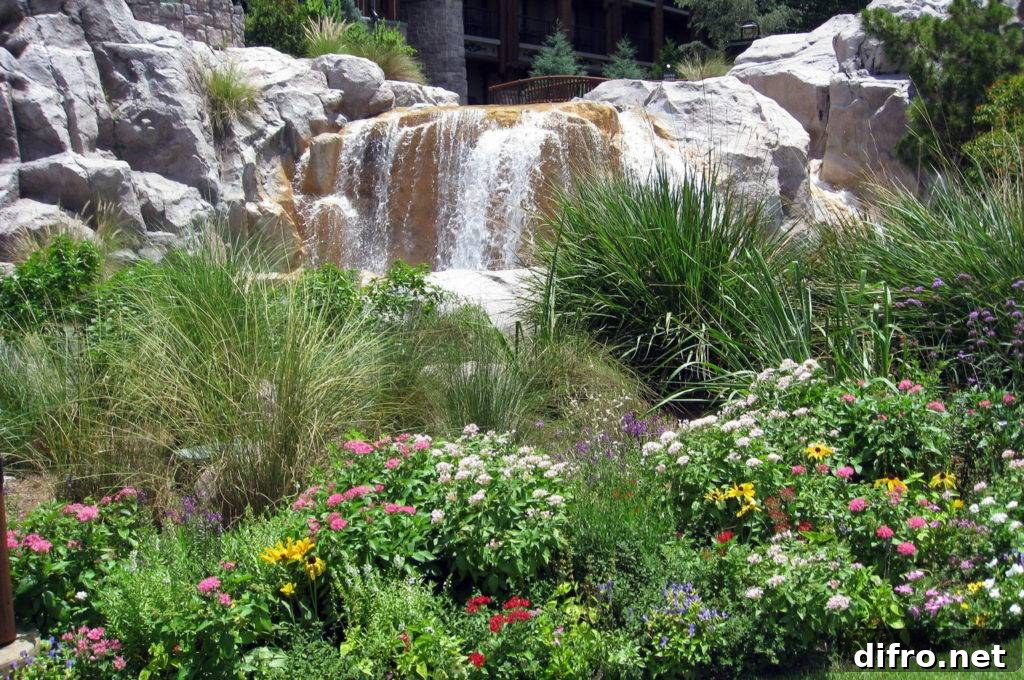
What is Hardscape vs Softscape?
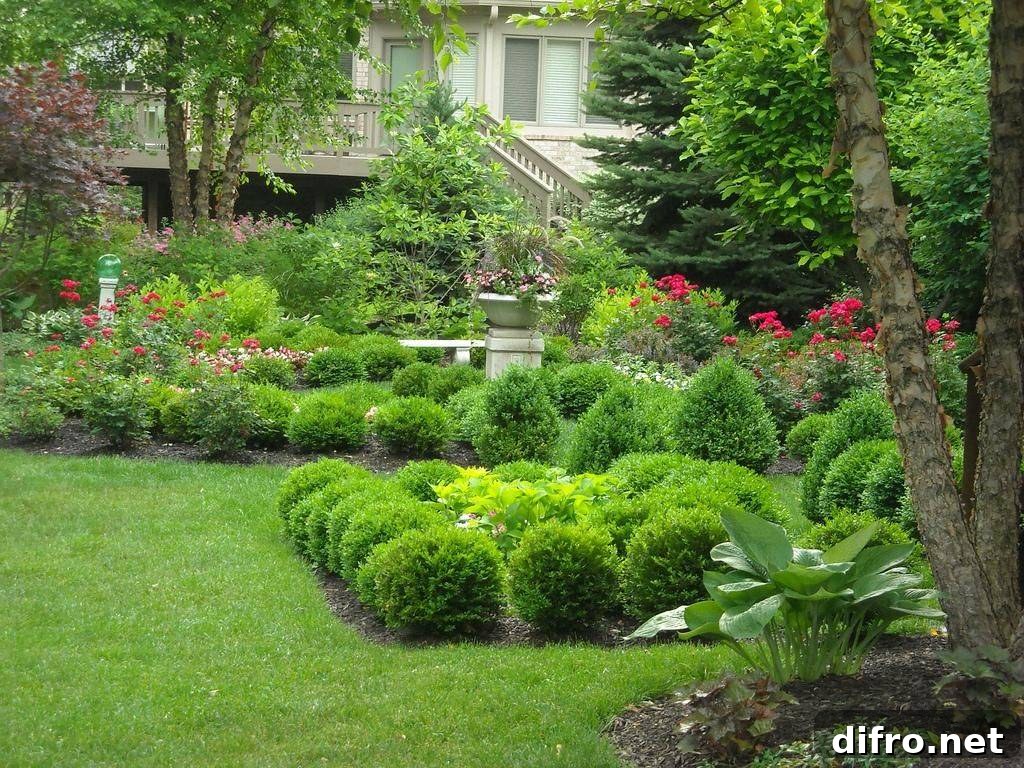
Softscape refers to the living, horticultural elements of a landscape: plants, trees, shrubs, lawns, soil, mulch and other organic features. These elements provide color, texture, seasonal interest and ecological benefits such as shade and habitat.
Hardscape includes the non-living structures and materials that shape outdoor space and support use. Hardscape complements softscape by adding structure, durability and visual contrast that plants alone cannot provide. Common hardscape materials include concrete, brick, stone and wood. Typical hardscape features are patios, pathways, retaining walls, fountains, decks and pools.
The scope and style of hardscaping vary by property type. A private home will use different hardscape elements than a public park or commercial plaza. The key is balancing hardscape and softscape so they enhance one another and meet your lifestyle needs.
8 Hardscape Design Ideas
Hardscape features can dramatically improve your yard’s appearance and usability. Below are eight popular hardscaping ideas to inspire your next outdoor project.
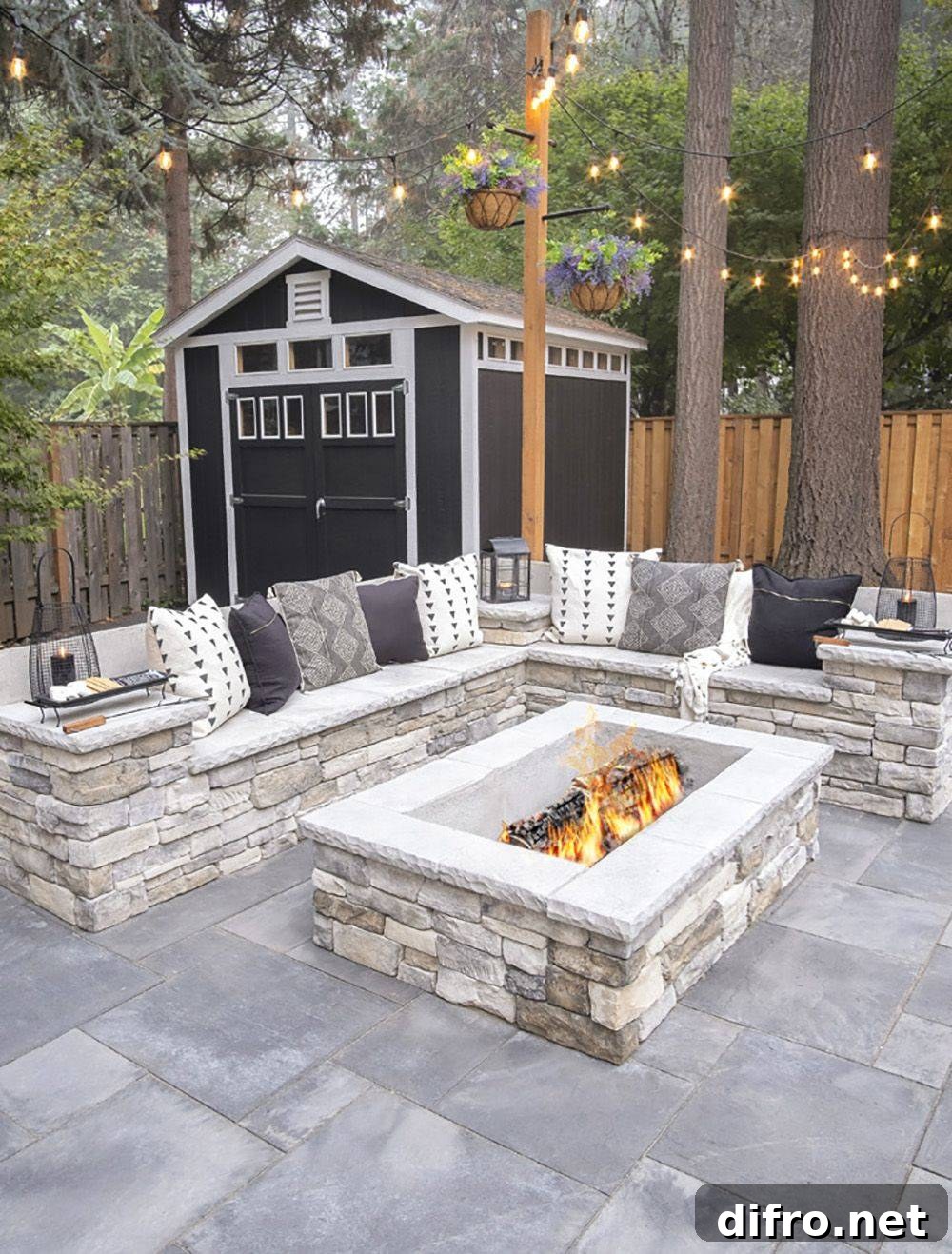
Fire Pits
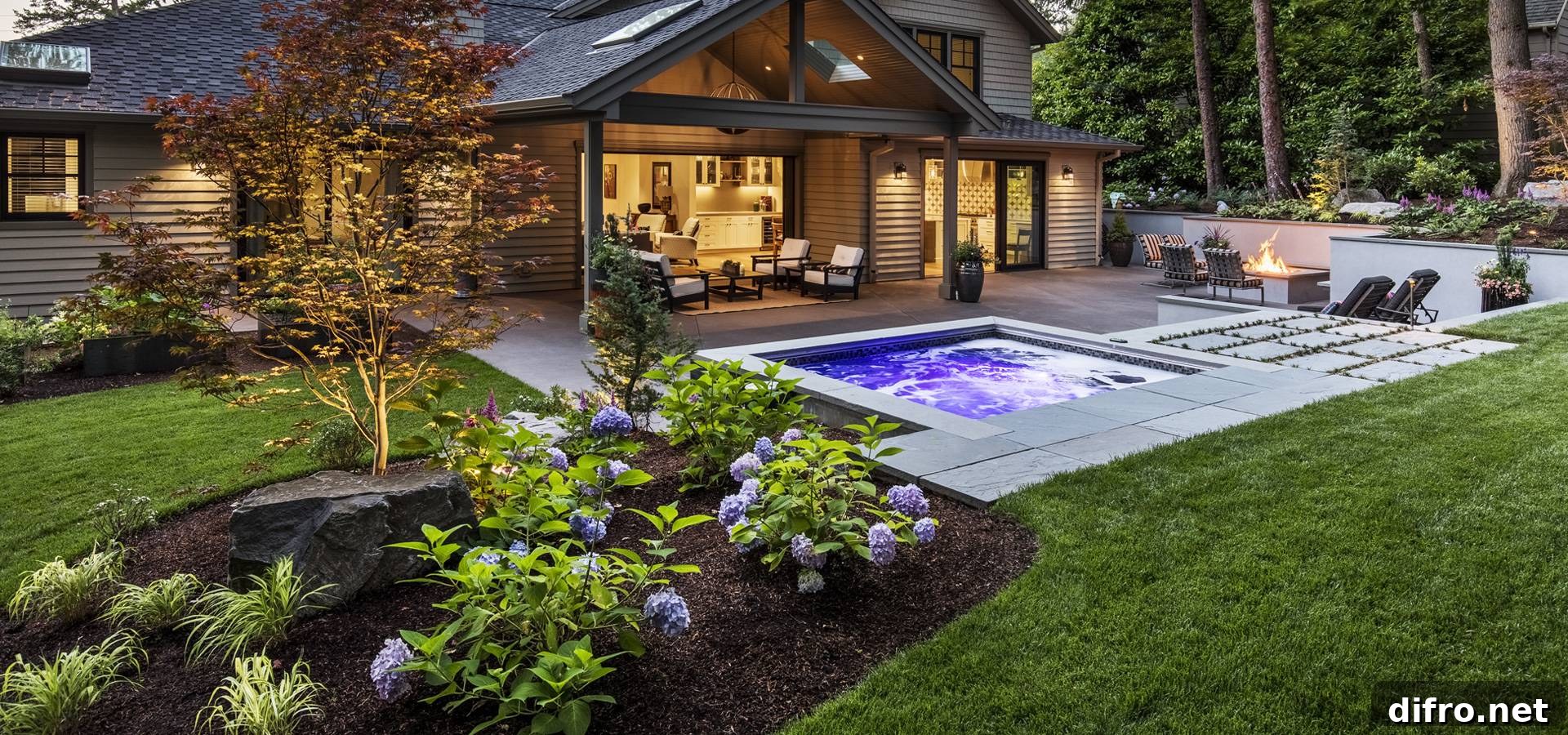
A fire pit creates a focal point for outdoor gatherings and extends the usability of your yard into cooler evenings. Compared with a full outdoor fireplace, a freestanding fire pit is typically more affordable and easier to install, while still offering warmth, ambiance and a cozy place to socialize.
Set Stones and Pathways
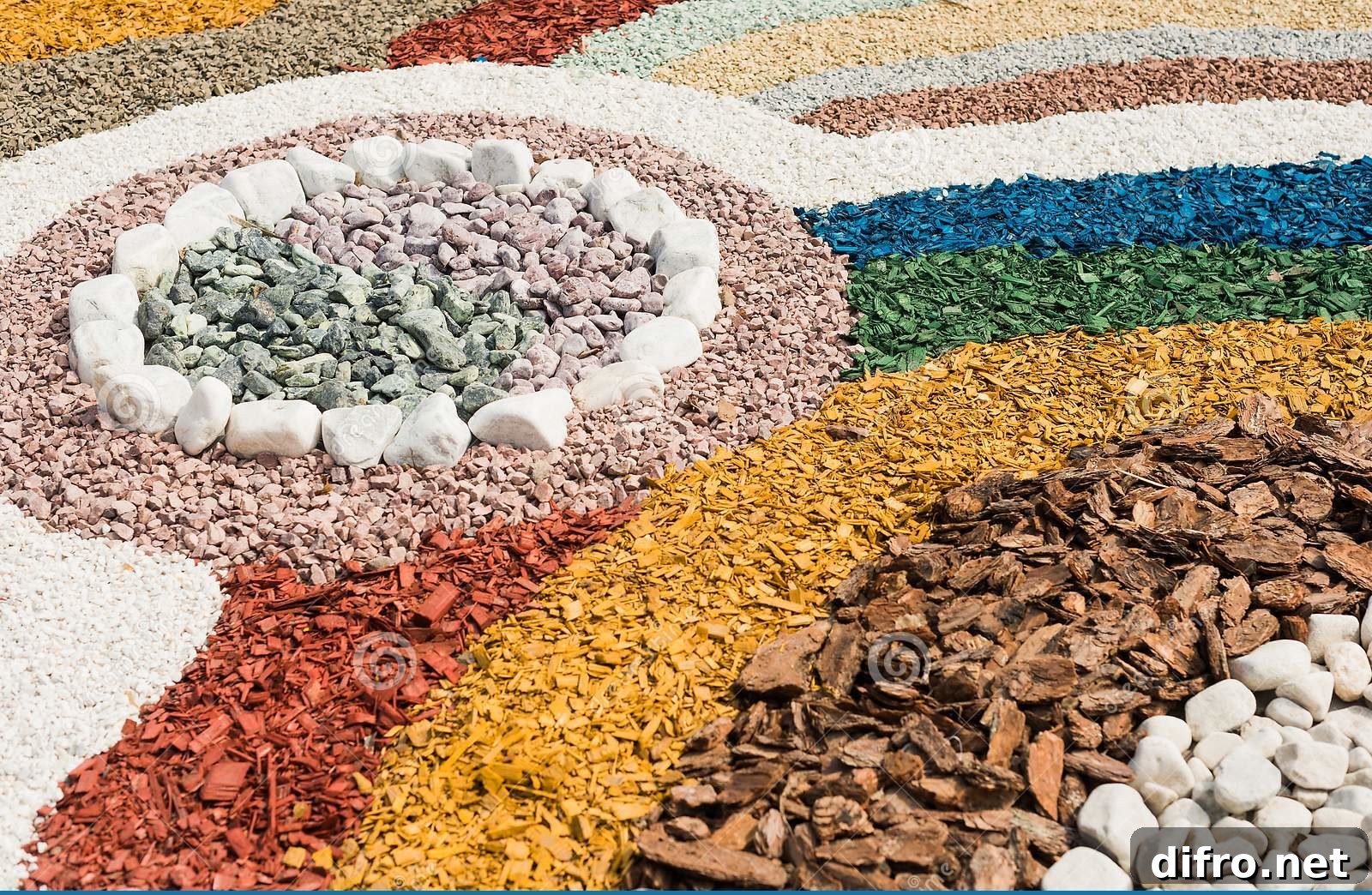
Natural stone, pavers, and set stones define pathways, driveways and stepping areas. Their durability and texture add character and create clear circulation routes through gardens. Stone can also be used as edging or decorative focal points to contrast lush planting beds and grass.
Build Bridges
Small garden bridges bring charm and vertical interest to yards with water features, dry creek beds or level changes. Bridges can be crafted from wood, stone or concrete and tailored to your garden’s style—rustic, contemporary or formal.

Archways
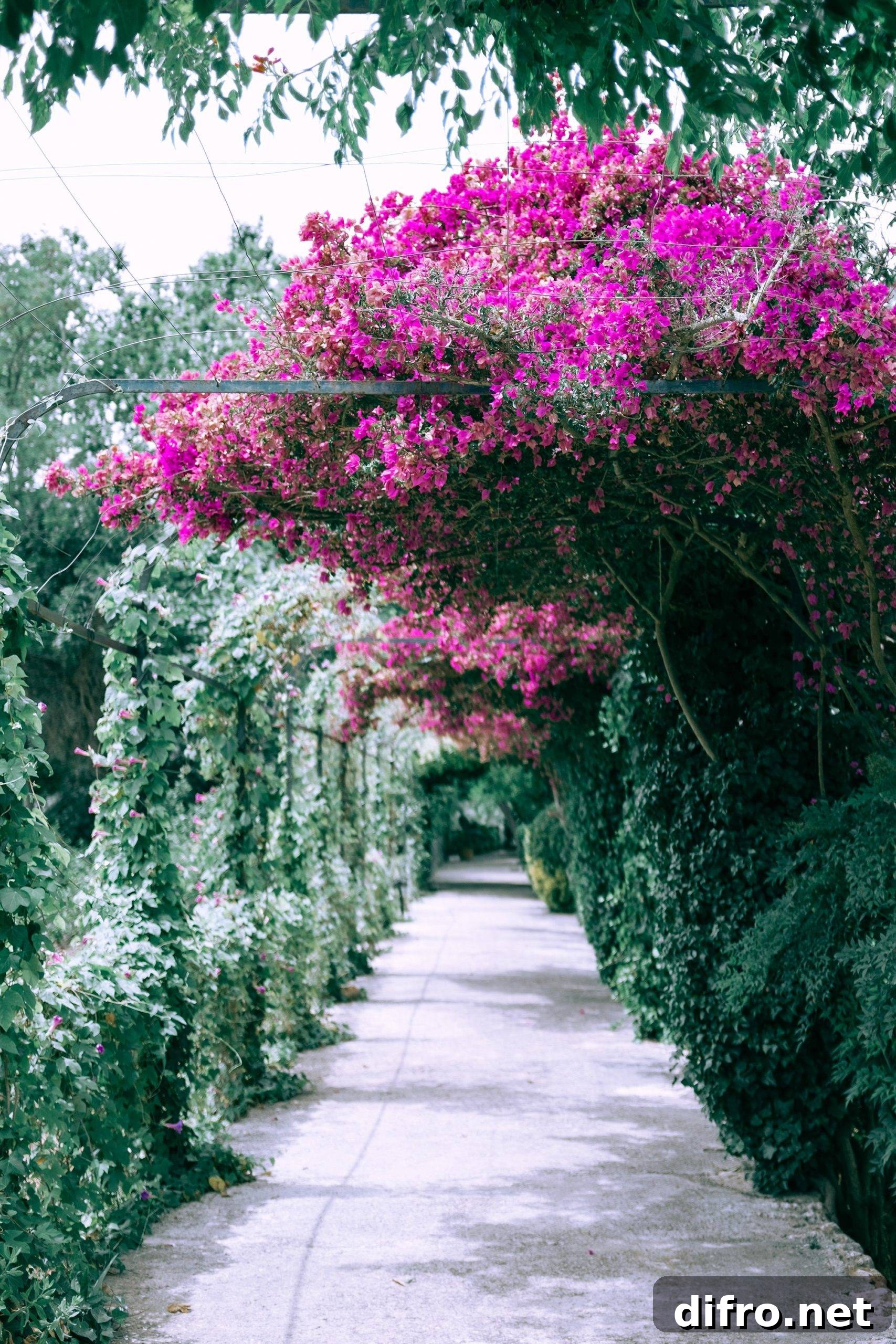
Archways over paths or entrances lend a timeless, elegant touch. They frame views, support climbing plants and mark transitions between different garden areas. Metal, wood or stone arches suit different styles from modern to cottage gardens.
Retaining Walls
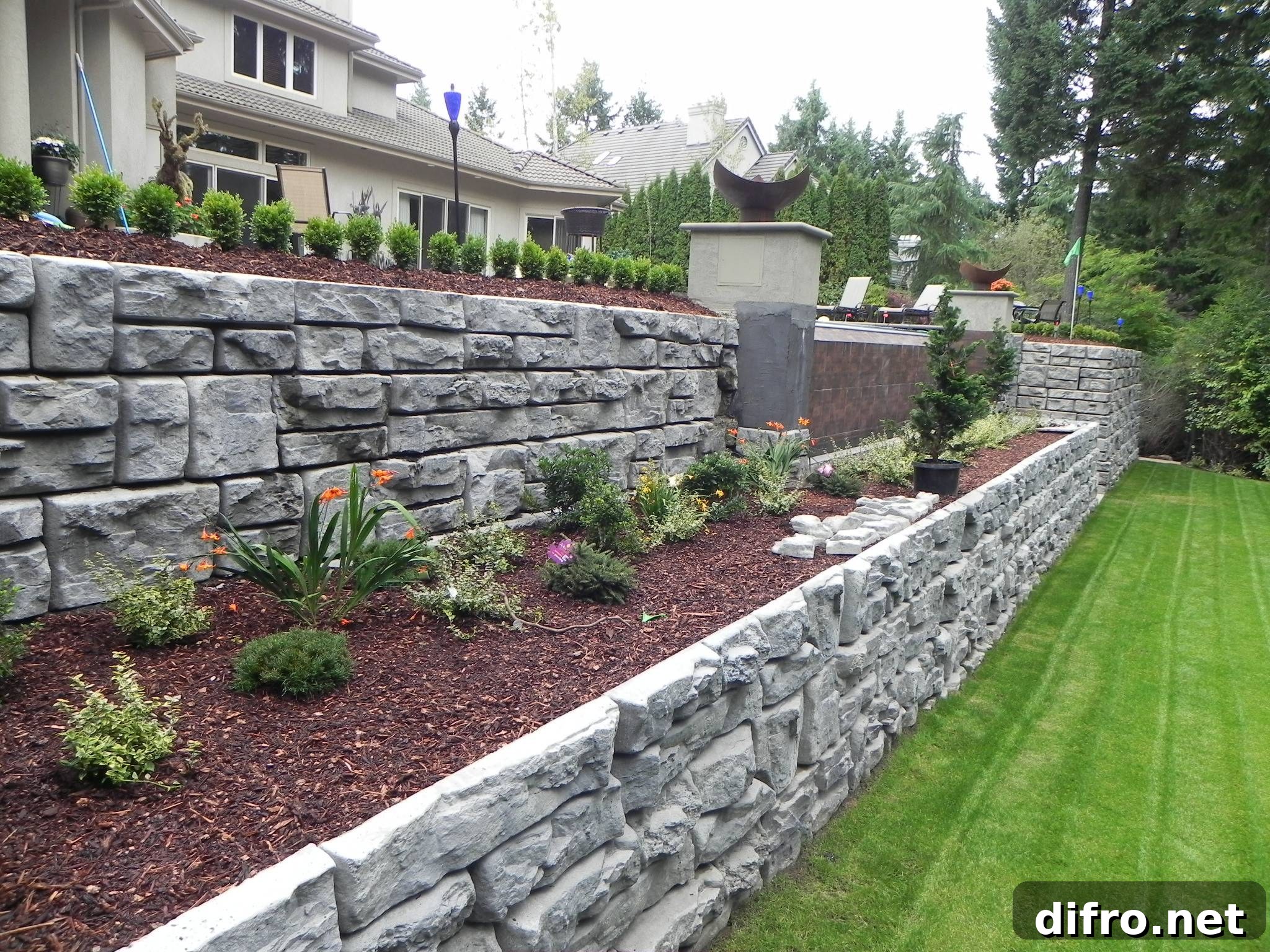
Retaining walls are functional and decorative, used to manage slope, control erosion and create terraced planting areas. When designed with stone, concrete block or timber, retaining walls can transform a sloped yard into usable outdoor rooms.
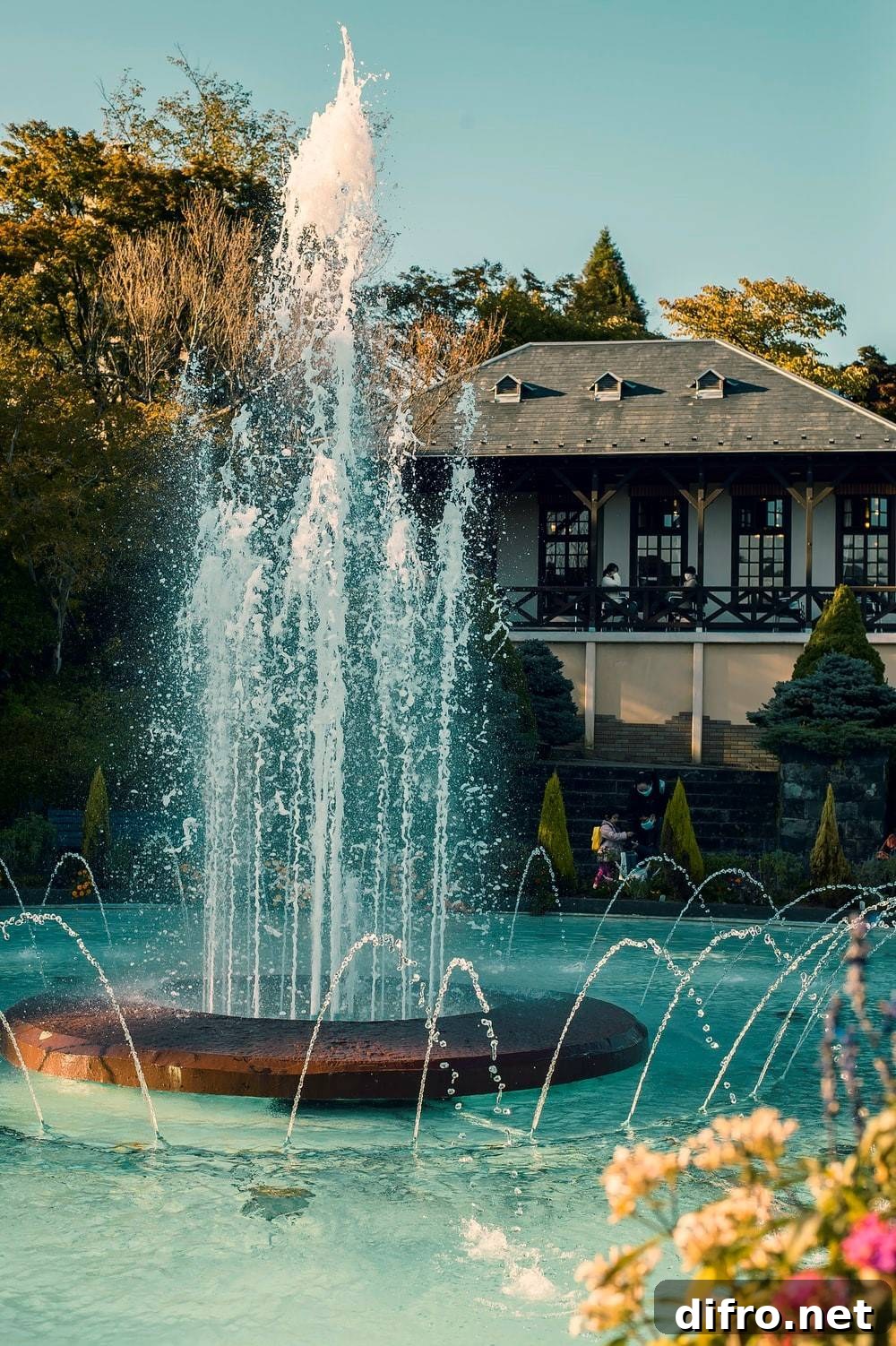
Fountains and Water Features
Fountains, ponds and waterfalls introduce sound and motion, creating a peaceful atmosphere and a cooling effect in summer. Water features range from simple pre-built fountains to custom stone cascades integrated into planting schemes.
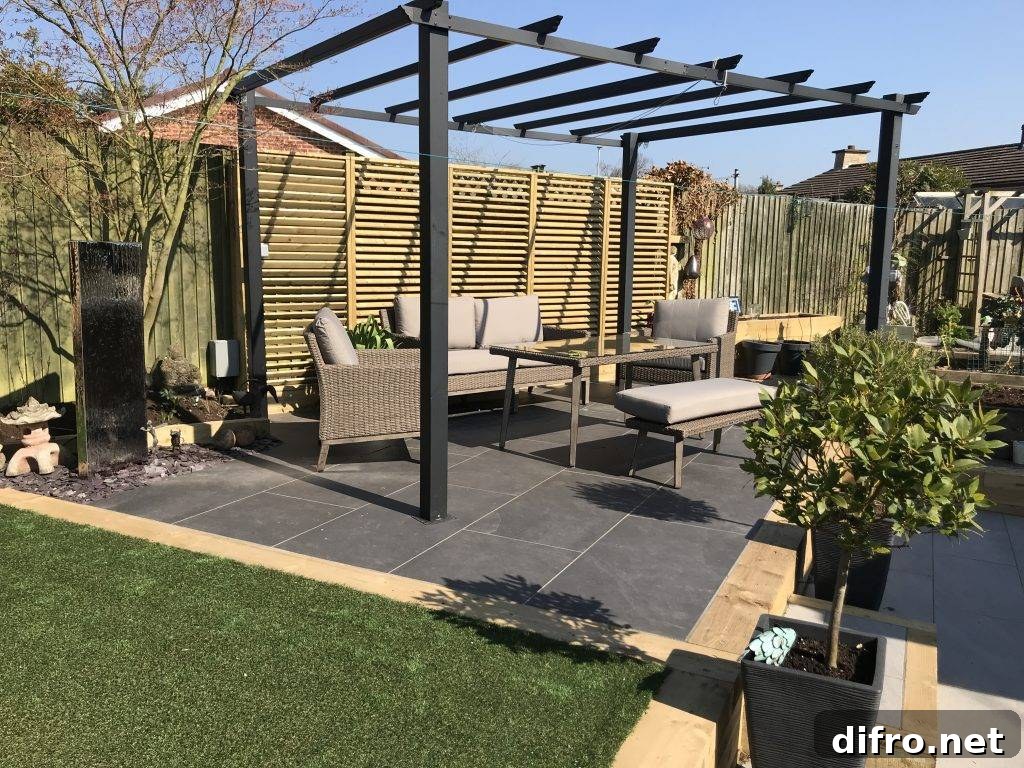
Patios and Outdoor Living Spaces
Patios expand living space outdoors for dining, lounging and entertaining. Durable materials such as pavers, poured concrete or natural stone create comfortable, low-maintenance surfaces that connect the home to the garden.
Swimming Pools
Swimming pools can be a striking hardscape element, providing recreation, exercise and a high-impact visual centerpiece. Pools are a larger investment but can greatly enhance a backyard when integrated with decking, planting and lighting.

These ideas illustrate how hardscape features can define outdoor rooms, guide movement and create focal points throughout your yard. The best results come from balancing hardscape with softscape—select materials, shapes and plantings that reflect your style, budget and the way you want to use your outdoor space.