House 10, Ramat HaSharon — A Seamless Blend of Traditional Form and Modern Design
Designing a home that gracefully combines two different architectural languages is a delicate task. When done well, the result feels intentional, balanced and uniquely expressive. Tucked into a busy neighborhood in Ramat HaSharon, Israel, House 10 achieves exactly that: a residence that pairs a cottage-like silhouette and regional references with strikingly modern materials and an open, light-filled plan. The project was developed by Tel Aviv–based Pitsou Kedem Architects together with architect Jonathan Munjak, and it demonstrates how traditional form and contemporary detail can coexist in one cohesive home.
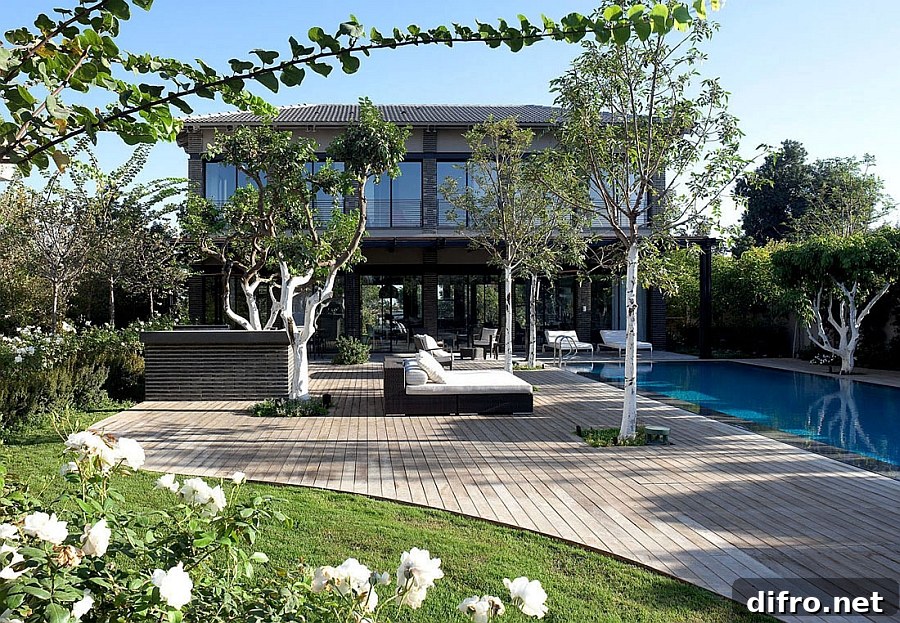
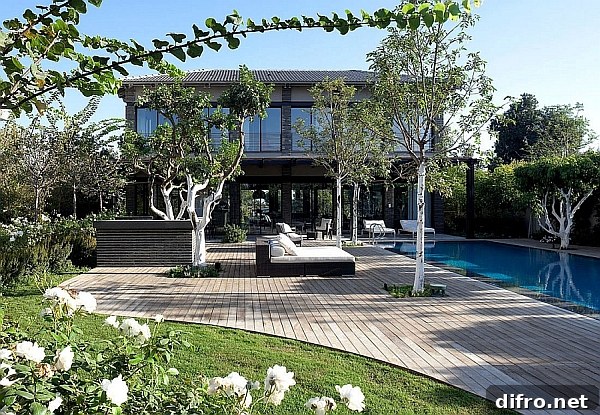
The most defining feature of this home is its expansive backyard, anchored by a generous wooden deck and a luxurious pool. Thoughtful landscape elements such as carefully placed trees and subtle LED lighting create a tranquil outdoor living area that invites evening gatherings and relaxed summer days. Large sliding openings connect the interior living spaces directly with the outdoor deck, blurring the line between inside and out and encouraging an indoor-outdoor lifestyle that suits the Mediterranean climate.
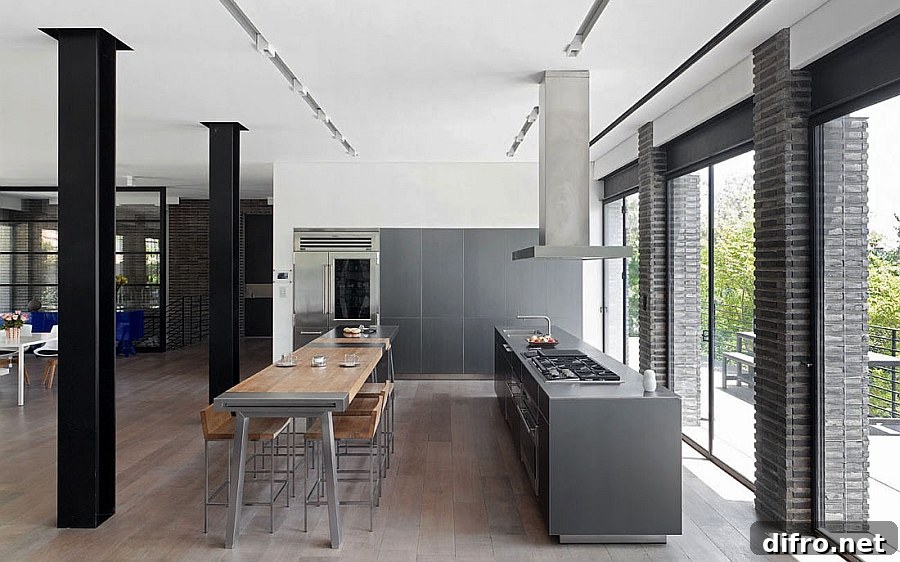
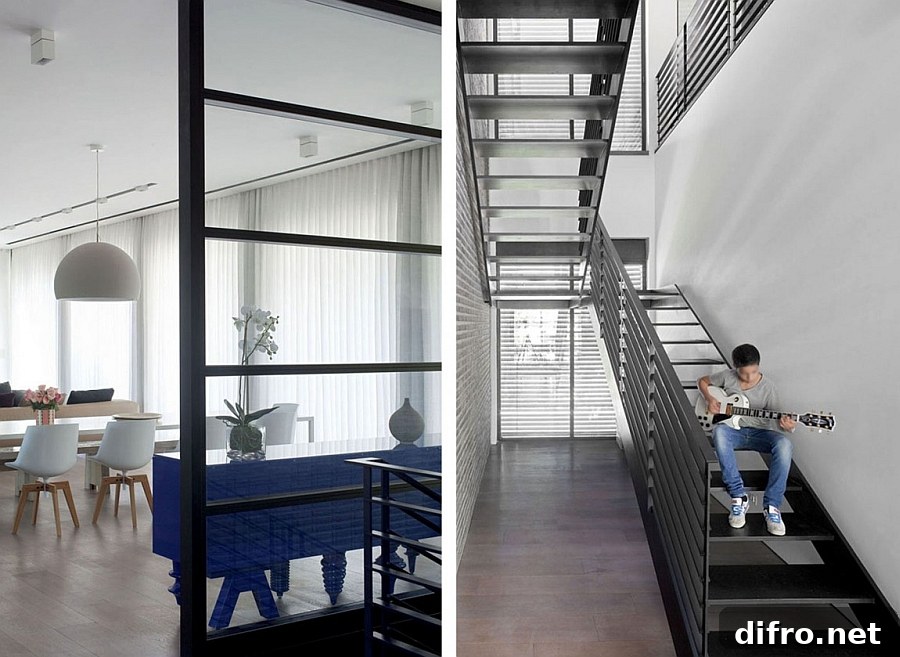
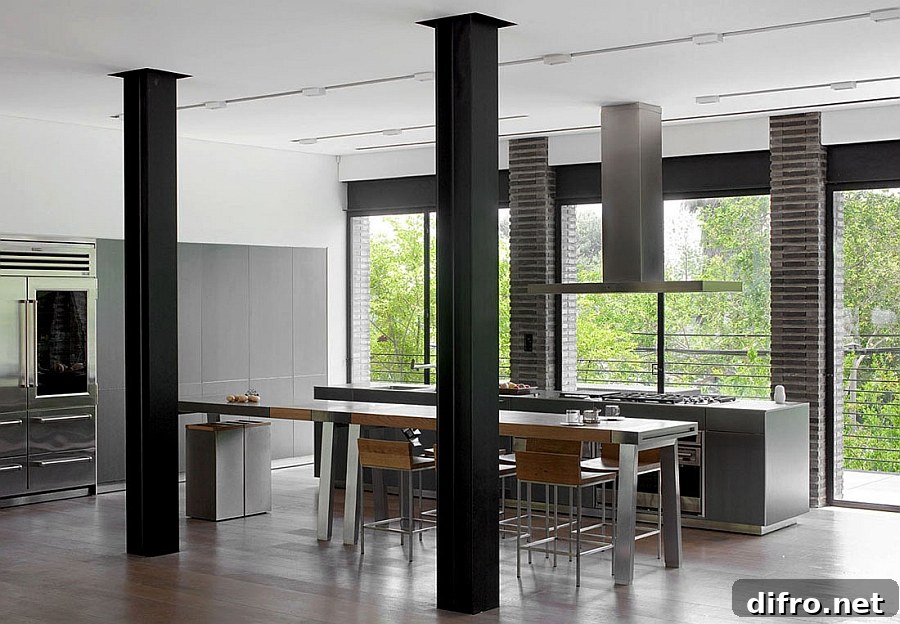
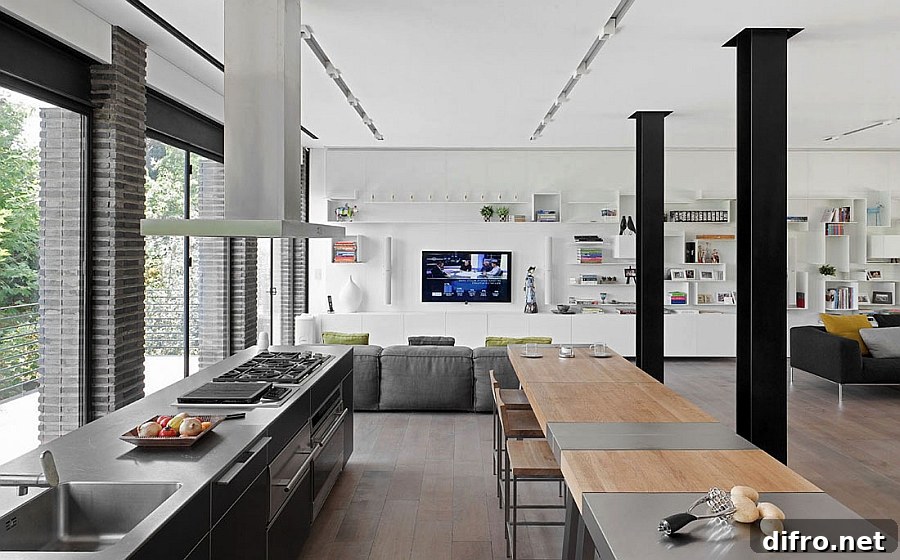
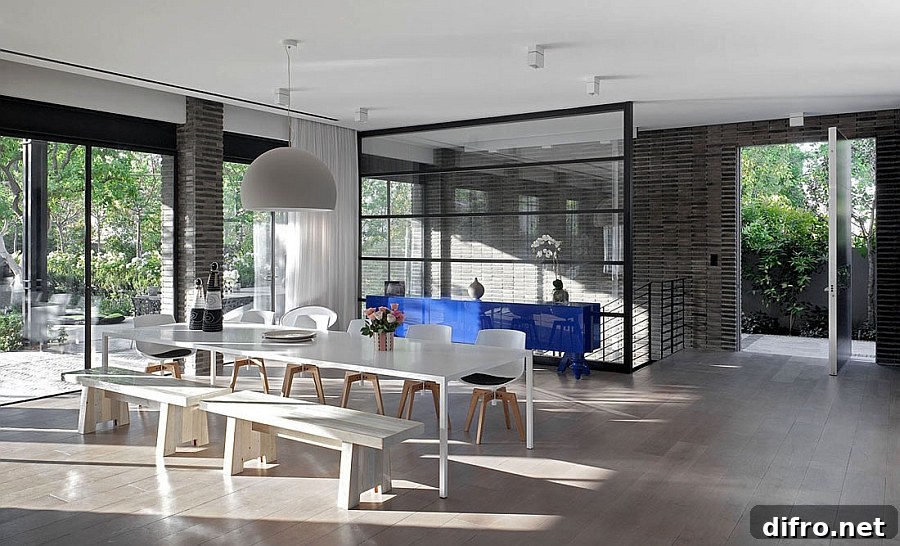
Inside, the ground floor opens into a generous, open-plan living area. A carefully composed living room flows into a relaxed dining nook and a sophisticated kitchen finished in muted grey tones. The dining zone is highlighted by an oversized pendant that anchors the table and adds sculptural interest, while minimalist furniture and restrained materials keep the visual focus on space and natural light.
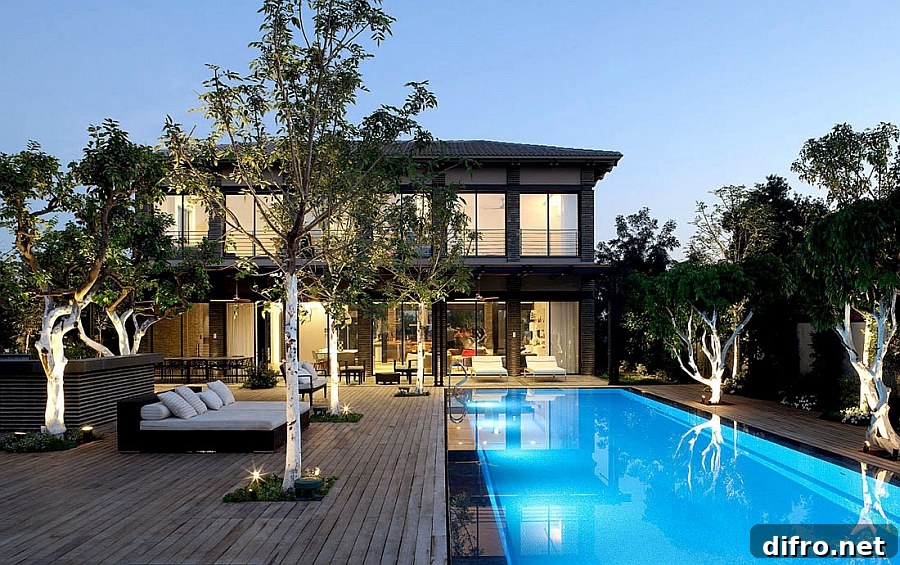
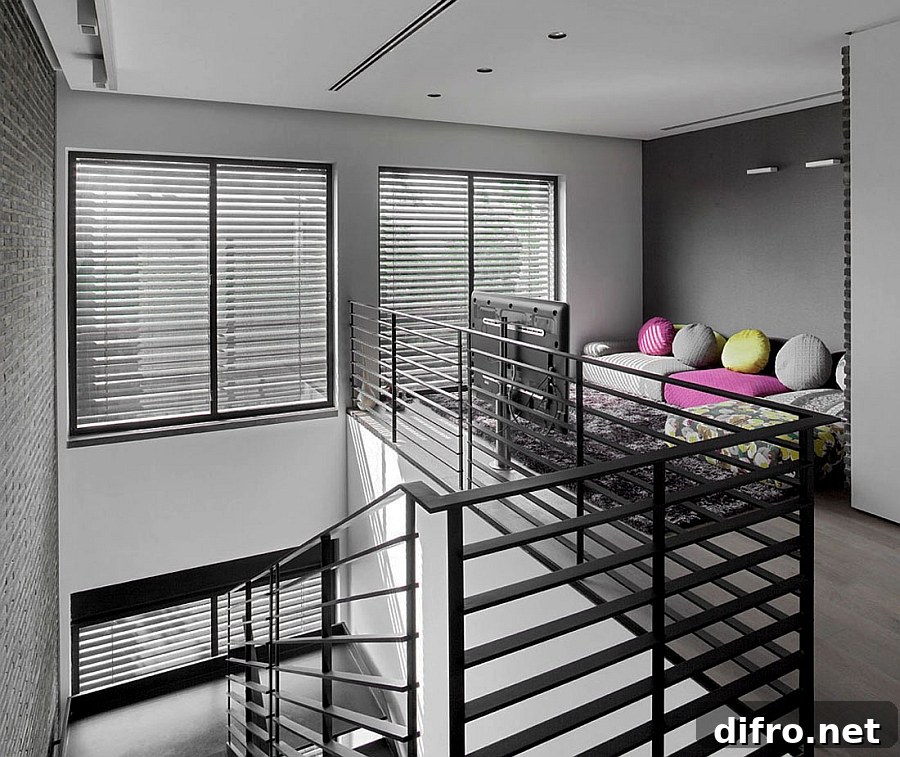
Throughout the interior, white and silvery grey dominate as a neutral backdrop, punctuated by carefully chosen color accents—yellows, greens and blues—that bring warmth and personality without overwhelming the calm palette. Materials are combined with sensitivity: warm wood surfaces sit comfortably alongside exposed steel beams, and generous glass panels allow daylight to cascade into the house while offering framed views of the garden and pool.
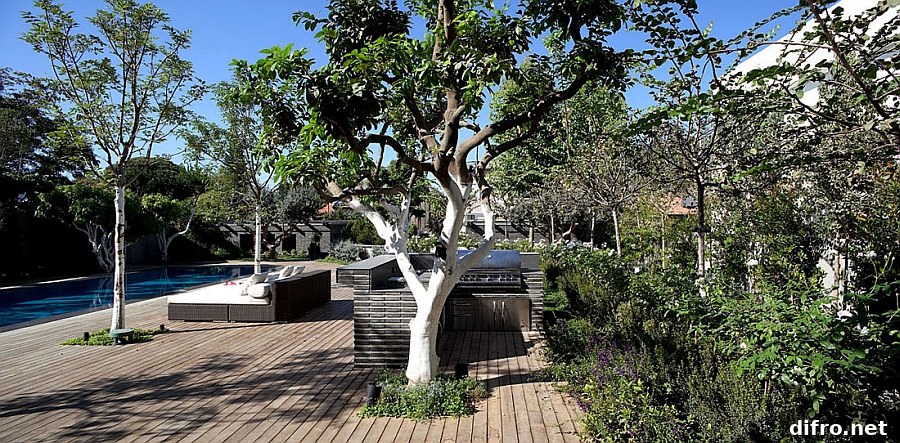
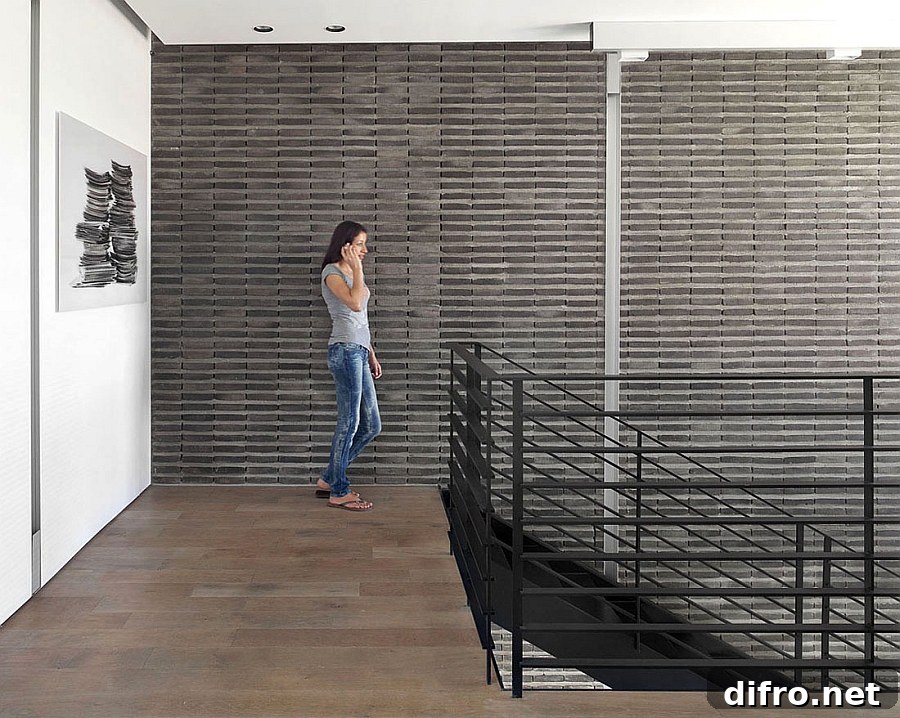
The home’s structural honesty contributes to its modern character. The steel frame and visible beams give a subtle industrial edge that contrasts with the building’s more traditional cottage silhouette. This interplay of references—regional form, contemporary construction and industrial details—creates a layered interior that feels both familiar and fresh.
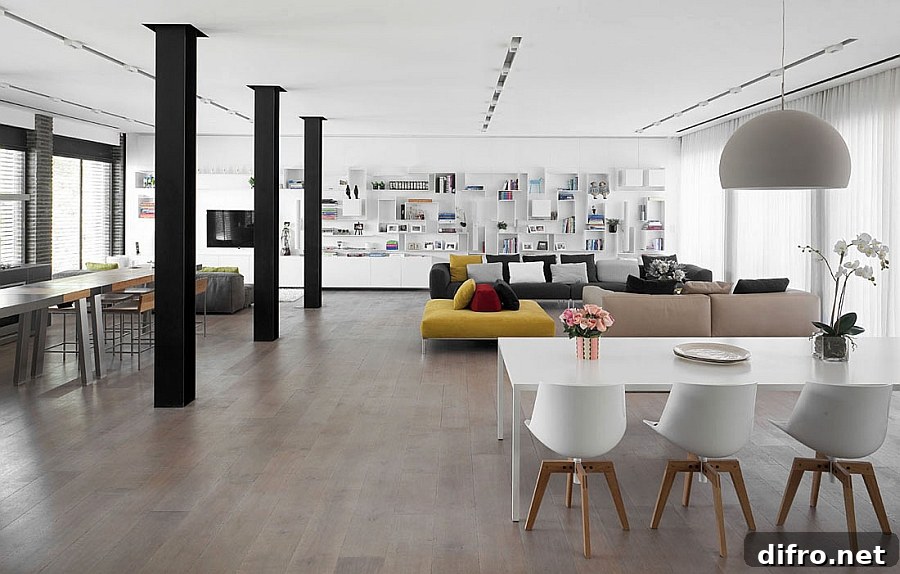
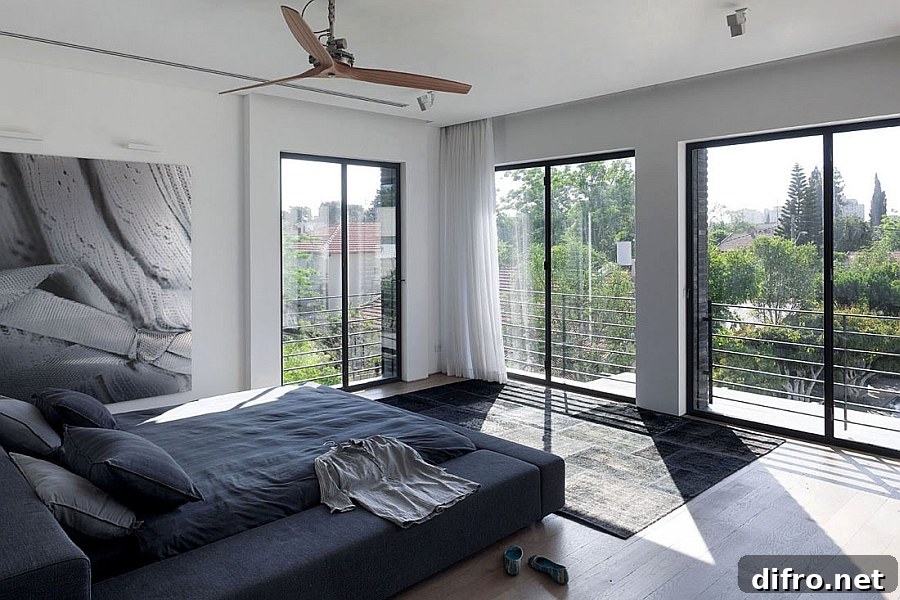
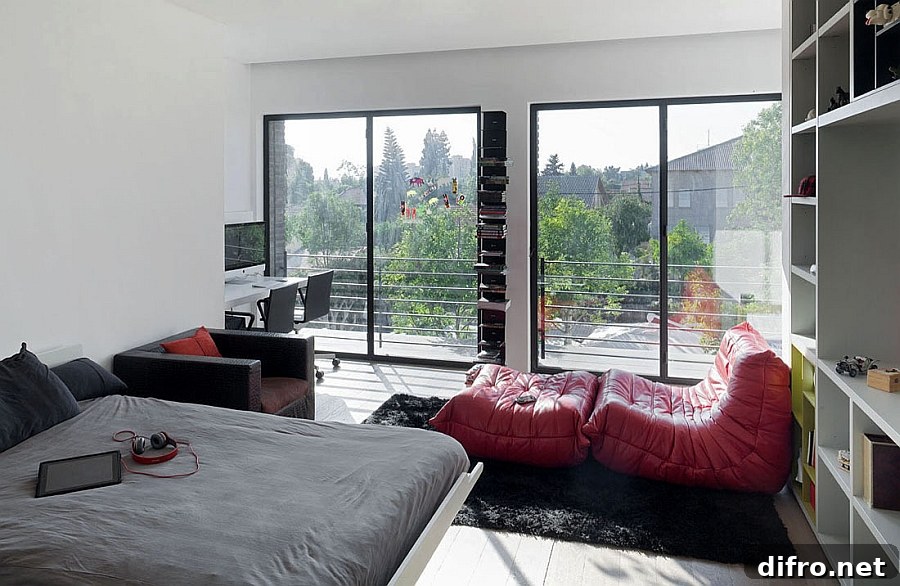
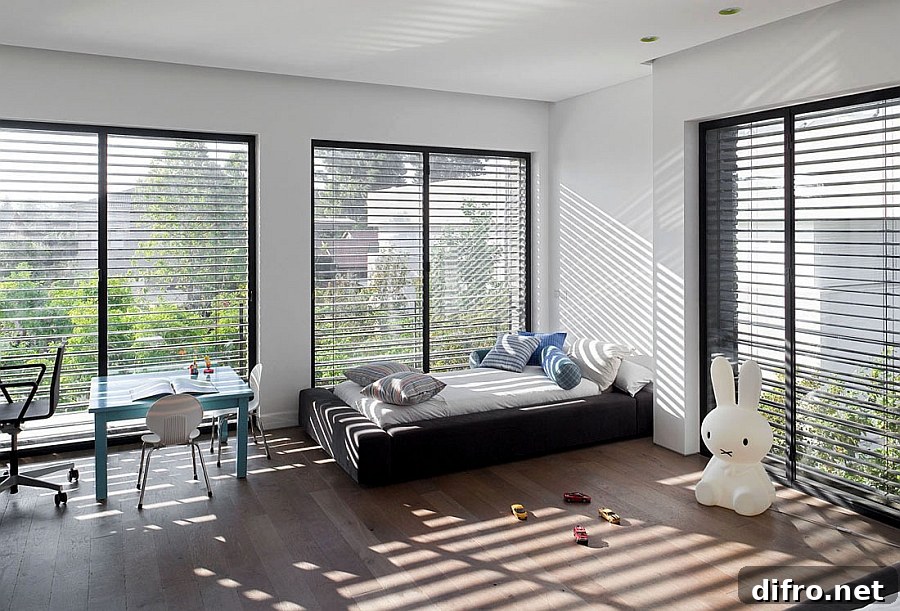
Functionally, the layout is organized to support family life and social entertaining. Private programs such as the master bedroom, bathrooms and kids’ bedrooms are located on the upper level, providing separation from the day-to-day activity on the ground floor. A smart entertainment area and a compact study or play zone near the stairs make efficient use of transitional spaces, while a sleek steel staircase connects the levels with minimal visual fuss.
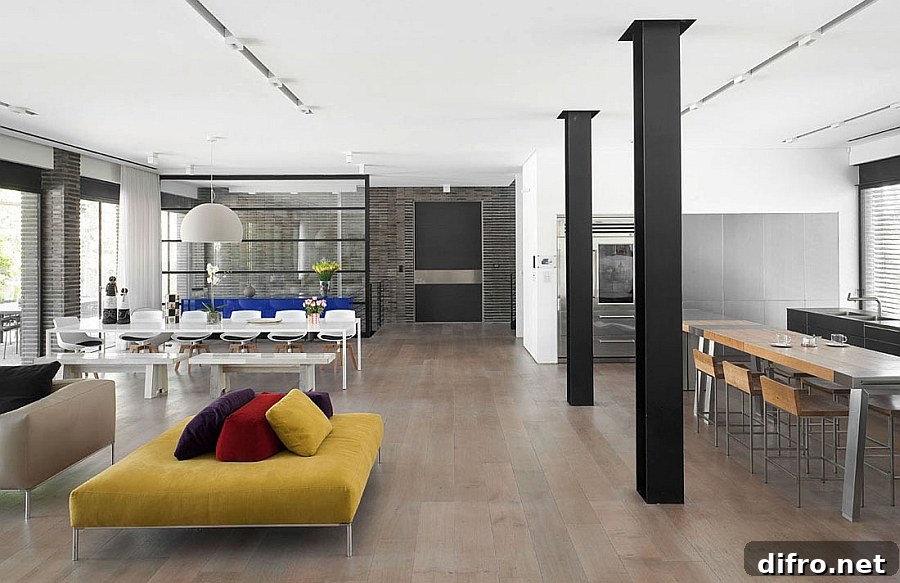
Storage and practical elements are handled with a modern, minimal approach: built-in shelving and cabinetry maintain clean sightlines, and the kitchen island works as a multifunction hub for cooking, casual dining and social interaction. The overall emphasis on ergonomics and clarity of layout ensures everyday life is comfortable and intuitive.
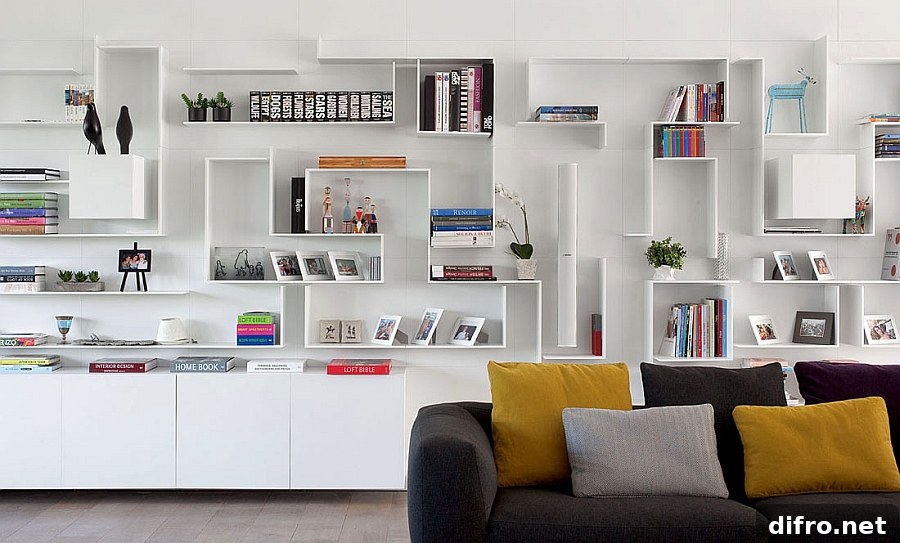
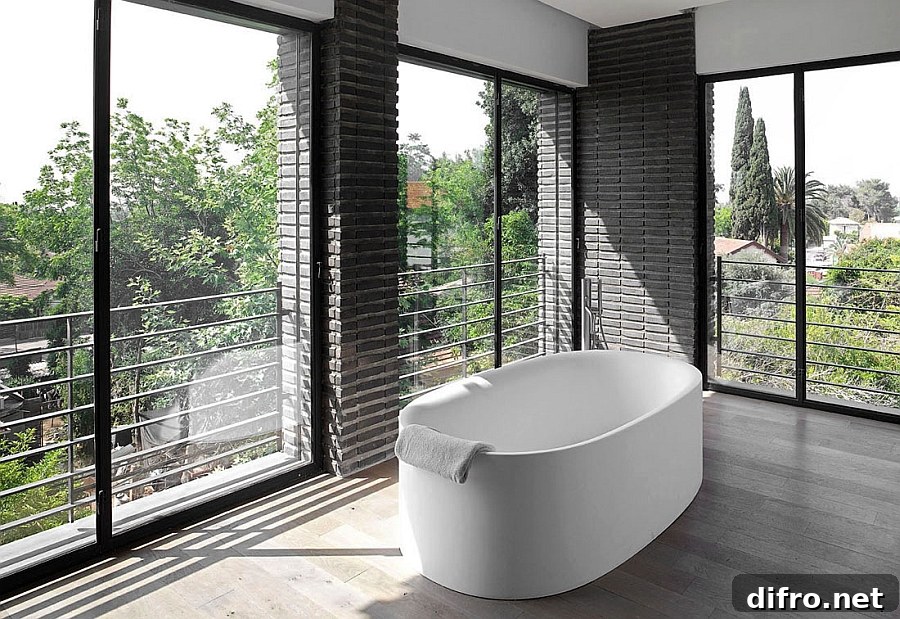
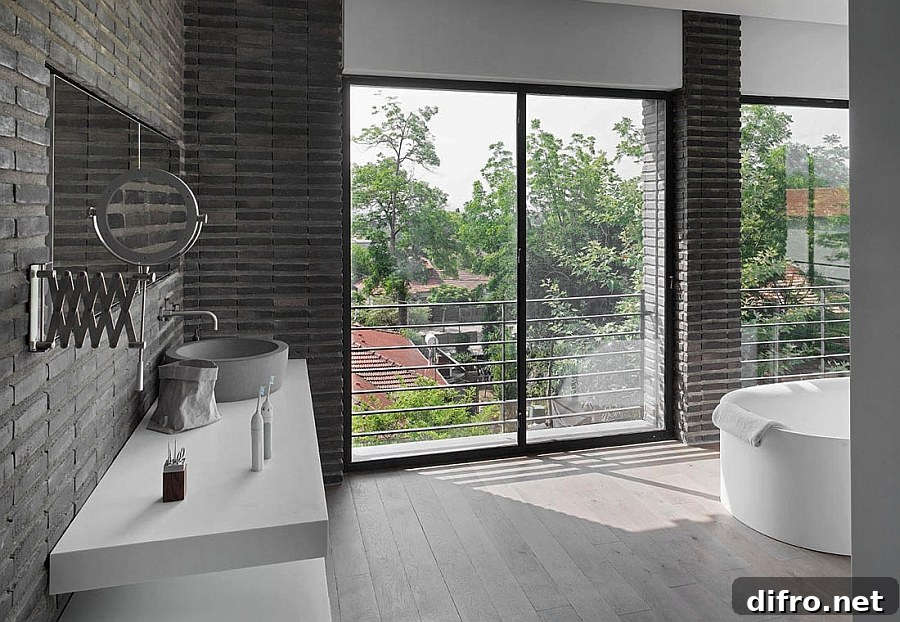
Bedrooms are serene and simply appointed, favoring soft neutrals and tactile furnishings that enhance relaxation. The bathrooms continue the home’s restrained material language—clean white and grey surfaces paired with high-quality fixtures, including a freestanding bathtub that benefits from natural light and views when privacy allows.
House 10 in Ramat HaSharon is an exercise in balance: balancing tradition and modernity, indoor and outdoor spaces, warmth and restraint. The result is a comfortable, elegant family home that demonstrates how careful design choices—material selection, spatial planning and attention to light—can create a residence that is both timeless and distinctly contemporary.
Architects and designers working on contemporary Mediterranean homes can find inspiration here: House 10 proves that blending styles thoughtfully—preserving local form while introducing modern construction and open-plan living—yields a home that feels both rooted and relevant.