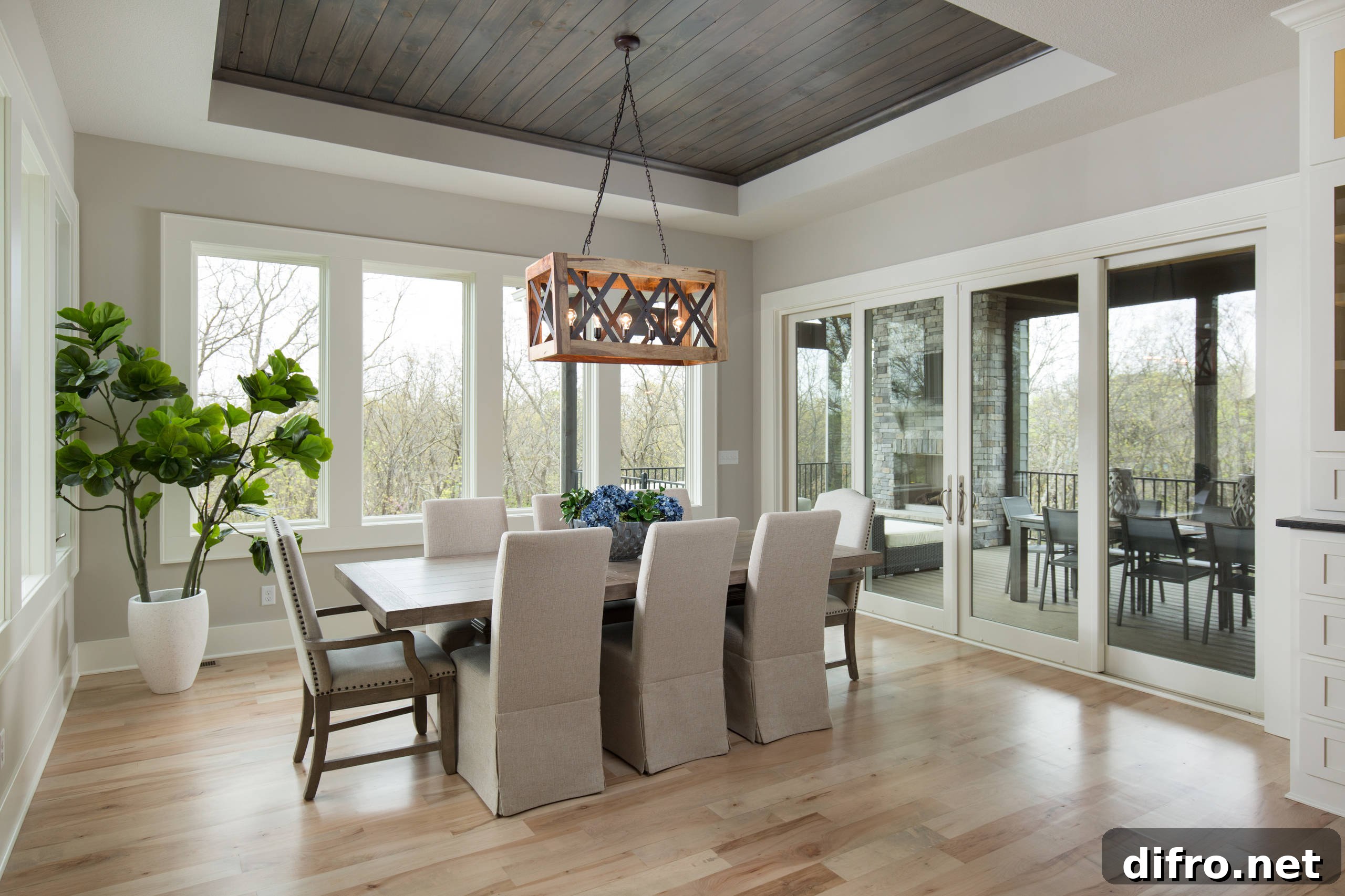
Many people are drawn to coastal style for its light, breezy colors, varied natural textures, and the relaxed atmosphere it creates. Inspired by elements of the shoreline—sea, sand, and sky—this look feels casual and comfortable, often accented with nautical details and textured fabrics that read as authentic and lived-in. With the right combination of materials, finishes, and colors, you can bring a beach-chic spirit into any home. This guide explains the essentials of coastal design and practical ways to achieve the style in your space.
The origin of coastal style
Coastal style has its roots along Atlantic shorelines and has since spread across many regions, each introducing its own interpretation. While regional variations exist, the core principles remain consistent: a bright, open feel; natural materials; and a palette that reflects the sea and sand. How you interpret coastal design depends on your preferences—whether you prefer a classic New England cottage look, a modern minimalist seaside retreat, or a sun-washed, bohemian beach house.
A true coastal interior feels airy and inviting. Look for nautical accents, woven rattan details, and shades of blue to evoke the ocean. Personal touches—like a small collection of shells from a beach trip—add charm and authenticity, but the overall effect should remain understated and natural. Avoid glossy metals and overly polished surfaces; they tend to contrast with the relaxed, organic coastal aesthetic.
Natural light is a cornerstone of the style. Dark, cramped rooms won’t convey that open coastal ambiance. Keep window treatments minimal—sheer curtains or light, low-profile shades—and choose pale wall colors and reflective surfaces that amplify daylight. The aim is a space that feels fresh, calm, and connected to the outdoors.
Mix of textures
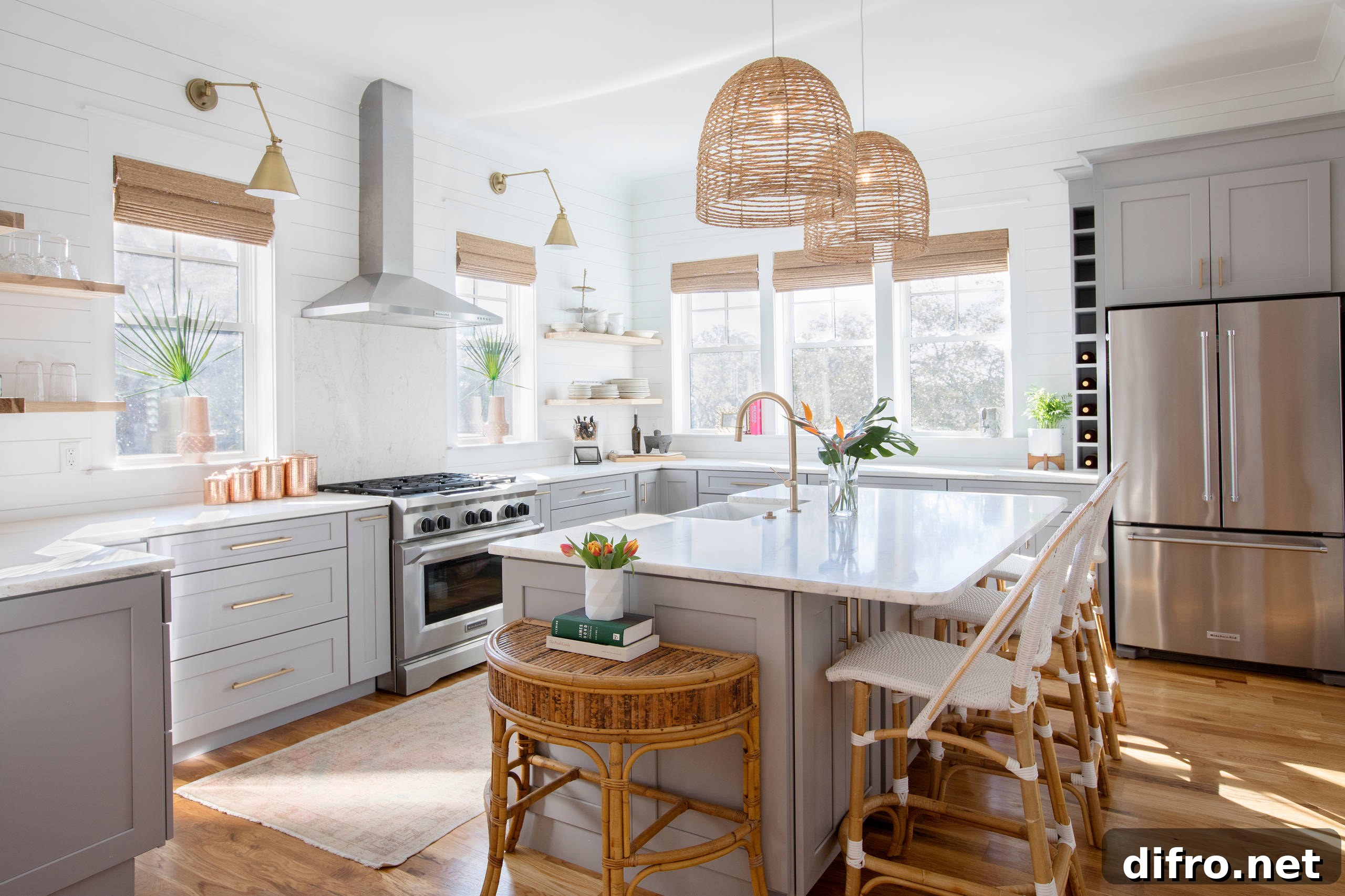
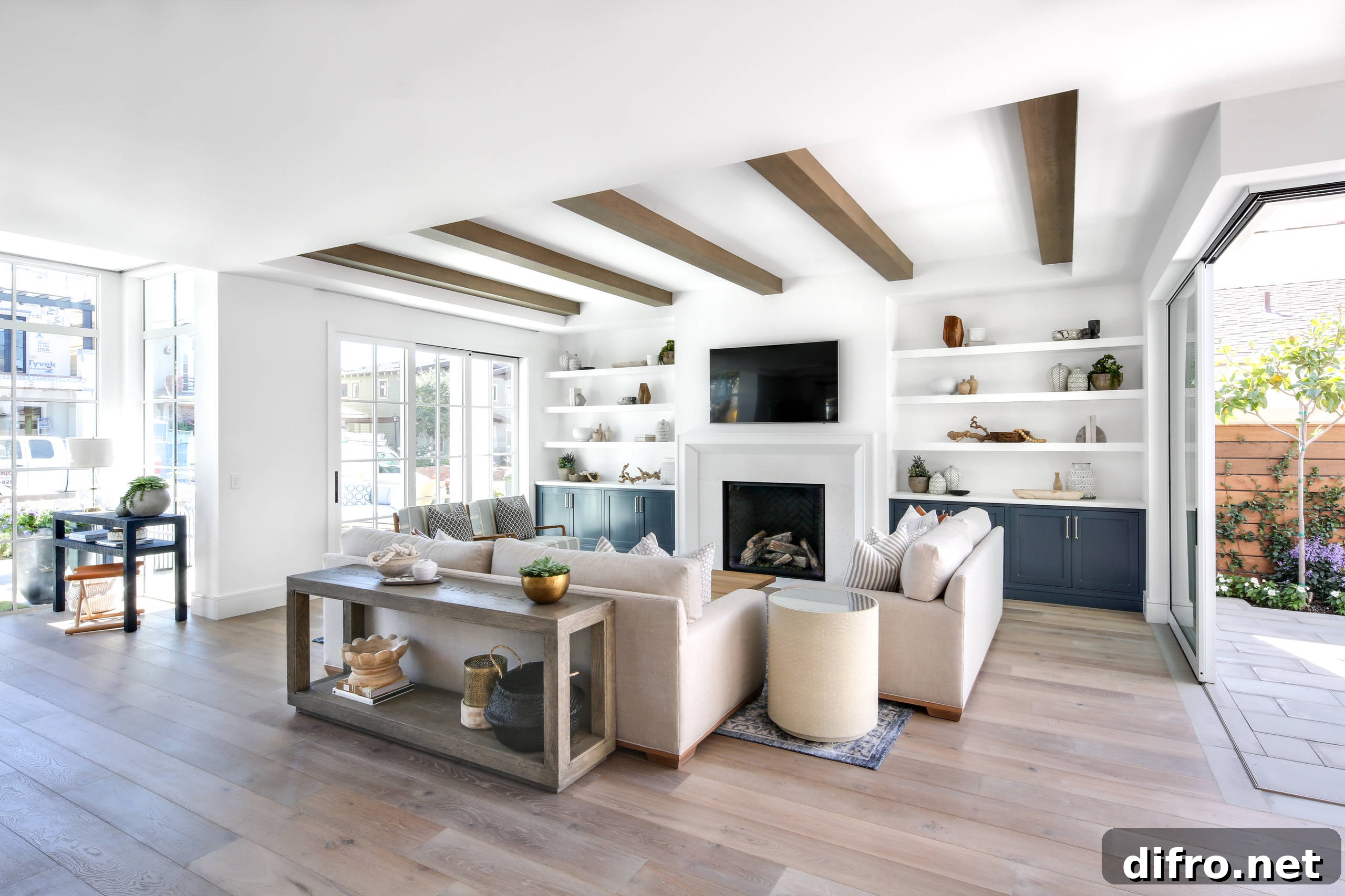
One of coastal style’s strengths is its tactile variety. Mixing natural textures—rattan, wicker, jute, linen, and weathered wood—adds depth and warmth while keeping the palette soft and natural. A rattan chandelier or woven pendant can instantly soften a kitchen or dining area. Rather than pristine painted finishes, consider whitewashed or gently distressed surfaces to evoke the look of sun-bleached driftwood.
For furniture, bleached oak is a classic choice, but blond maple or ash also work well. Driftwood elements—whether in mirrors, table accents, or shelving—reinforce the seaside story without feeling forced. Rugs made of jute or sisal give a tactile baseline to a room, while linen-upholstered sofas and slipcovered chairs lend a relaxed, summery feel that invites lounging.

Color scheme
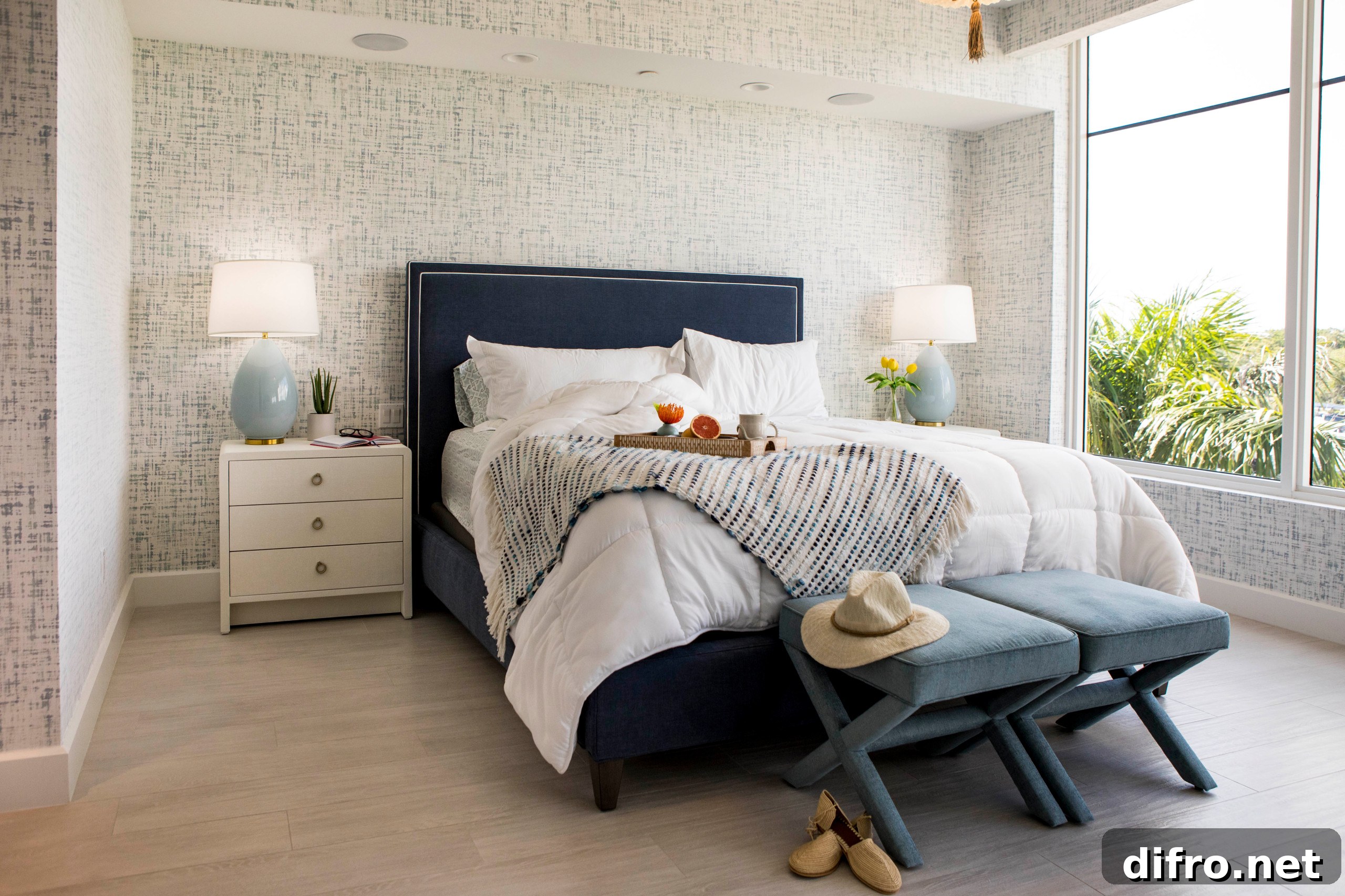
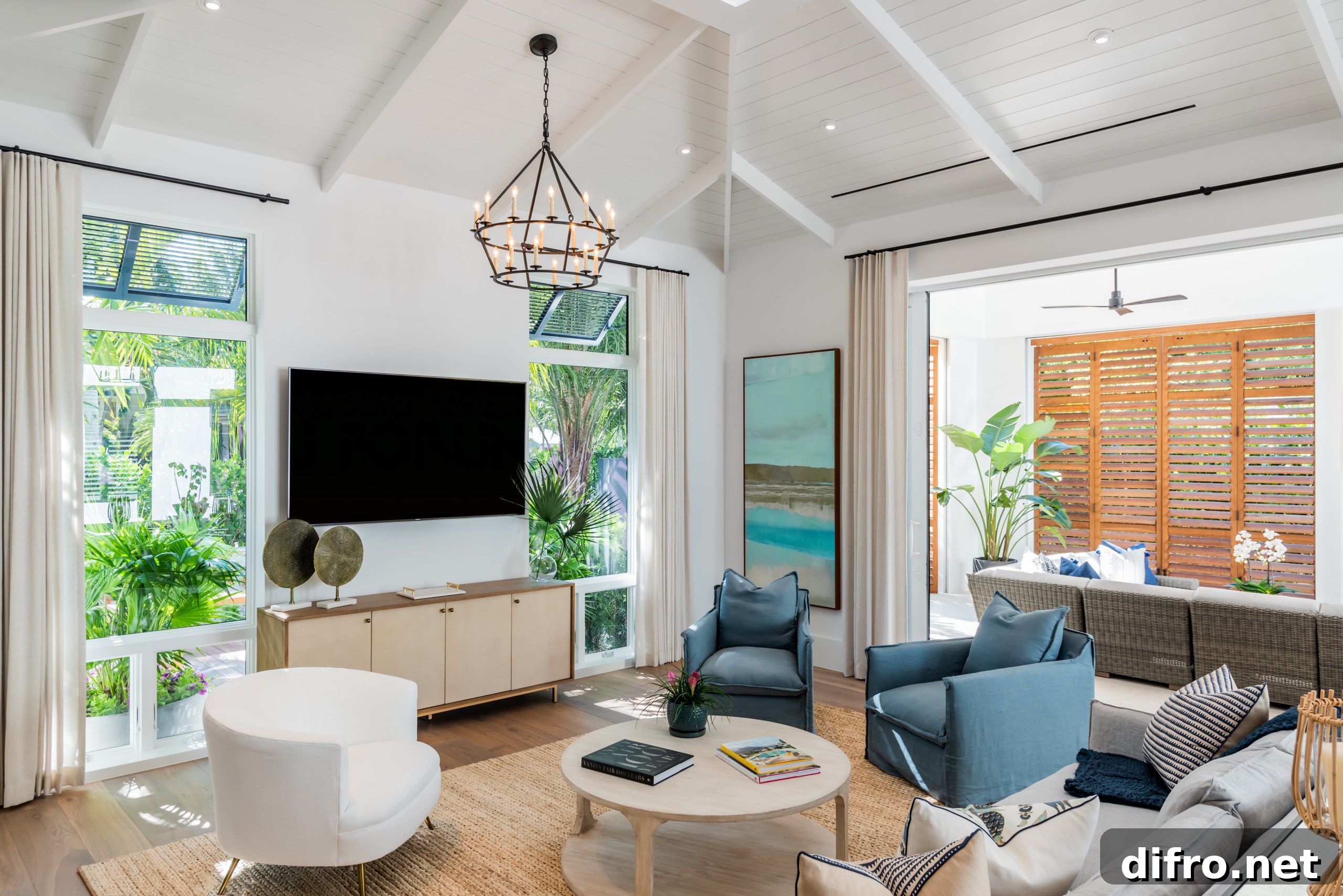
Coastal color palettes start with layered neutrals. Whites and off-whites form the foundation, opening up the space and allowing accent colors to stand out. Beige, soft gray, and sandy tones create a calm backdrop, while turquoise, teal, and light blues introduce the spirit of the sea. For a brighter accent, coral brings warmth and energy. For a more traditional nautical touch, deep navy can be used sparingly to anchor the room.
If you prefer a minimalist approach, a curated mix of neutral shades still communicates a coastal mood—combine warm whites, pale greiges, and soft sandy hues, then add texture rather than bold color. Textiles, artwork, and small decor items are ideal places to introduce color without overwhelming the serene base.
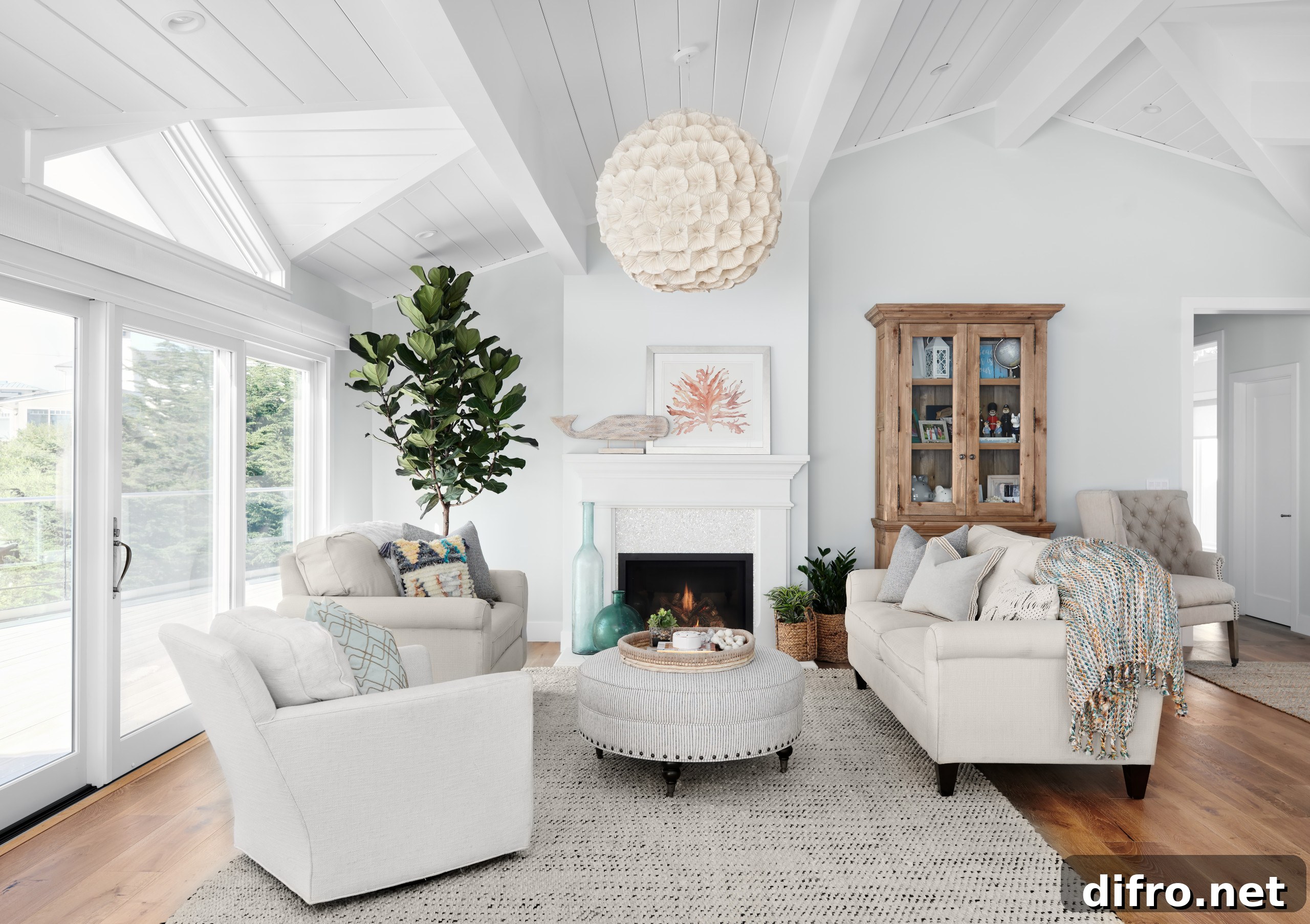
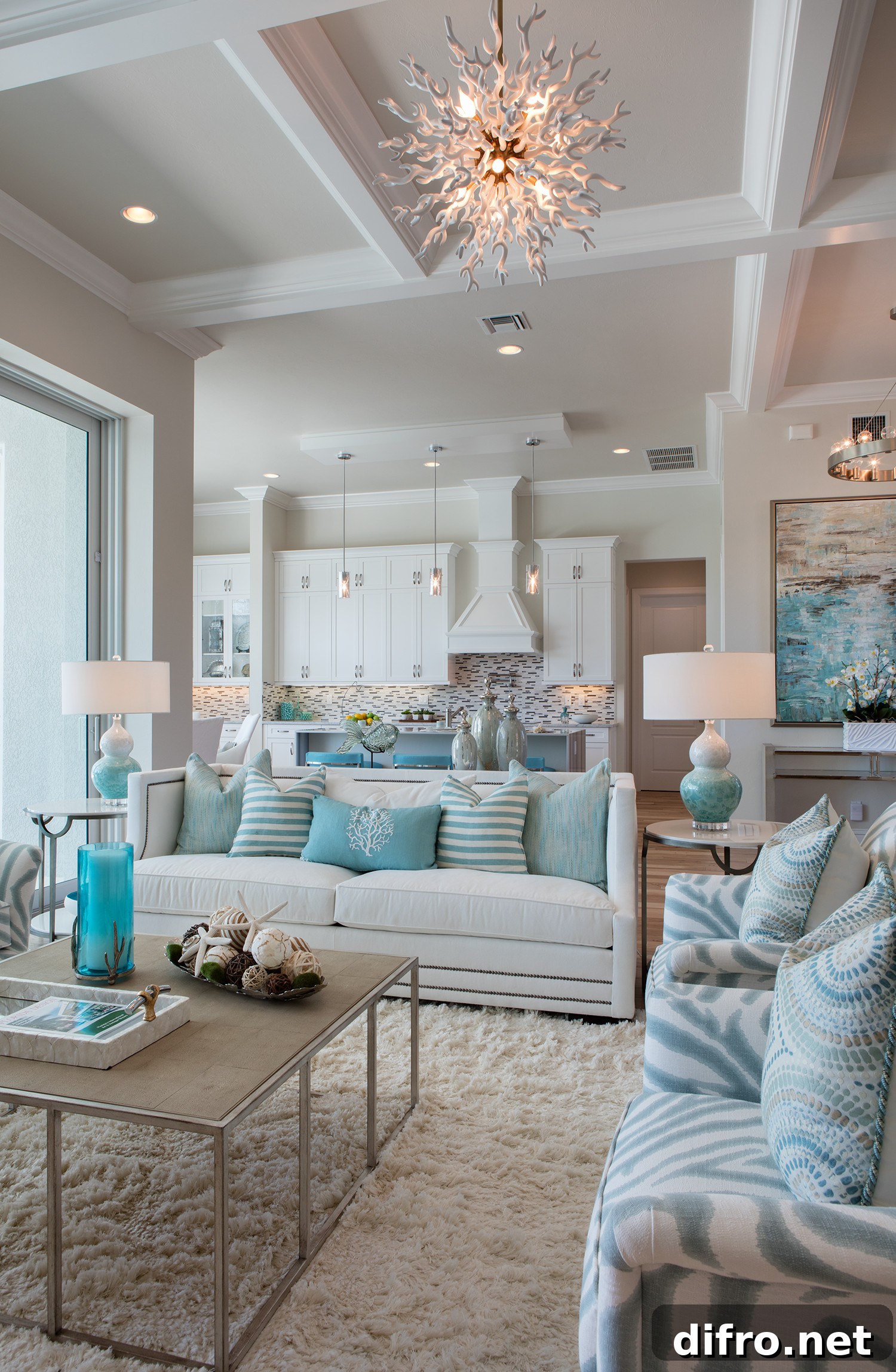
To finish the look, focus on curated accessories: a driftwood mirror, glass vases that mimic sea glass, linen throw pillows, and woven baskets for storage. Greenery—such as potted palms or subtle coastal plants—adds life and contrast without disrupting the calm palette. Keep decor simple and intentional, allowing texture and light to be the dominant features.
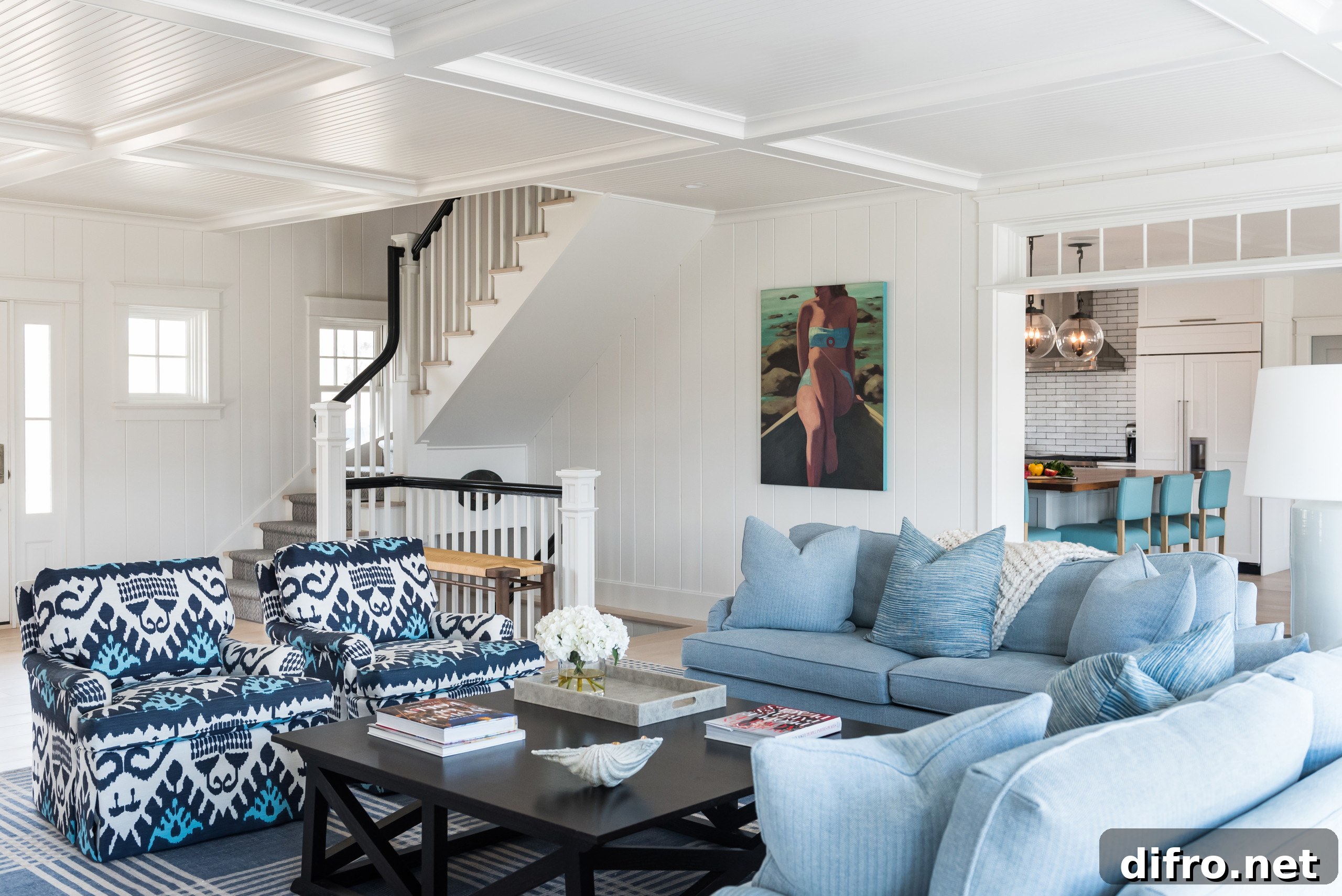

Whether you live by the ocean or simply love the serenity of seaside design, adopting coastal style is about combining light, texture, and subtle color to create a calm, comfortable home. Emphasize natural light, use authentic materials, and choose a palette that mirrors the shore: you’ll achieve a timeless, relaxed atmosphere that feels like a permanent retreat.