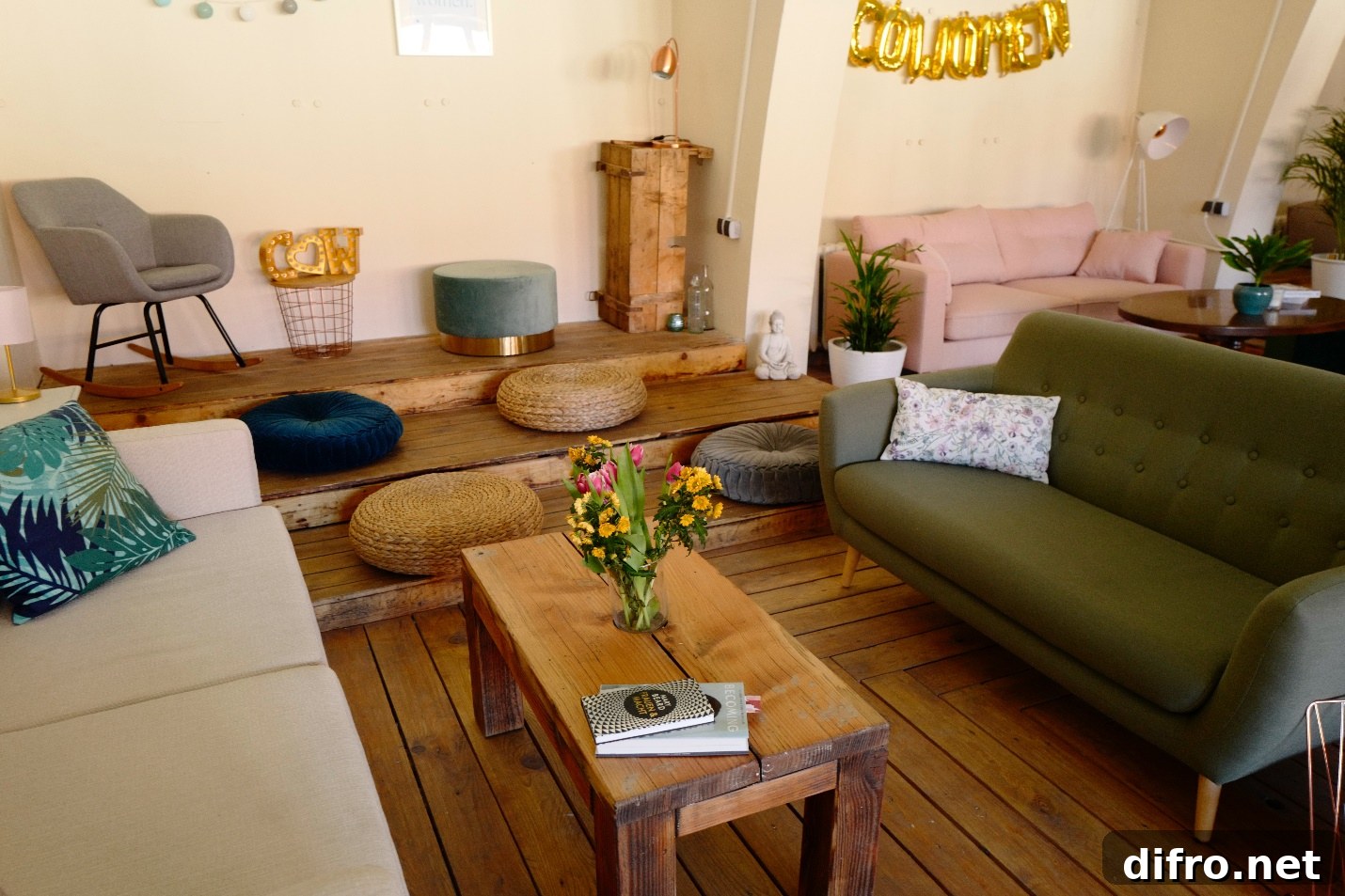
You moved into a larger apartment or tried to refresh your current space with a few decorative pieces, but the room still feels small, cramped, and uninspiring. You’re not alone—many homes feel smaller than they really are because of a handful of common design mistakes. Below are practical, easy-to-implement adjustments that will make any room feel brighter, more spacious, and more inviting.
Wrong Color Selection
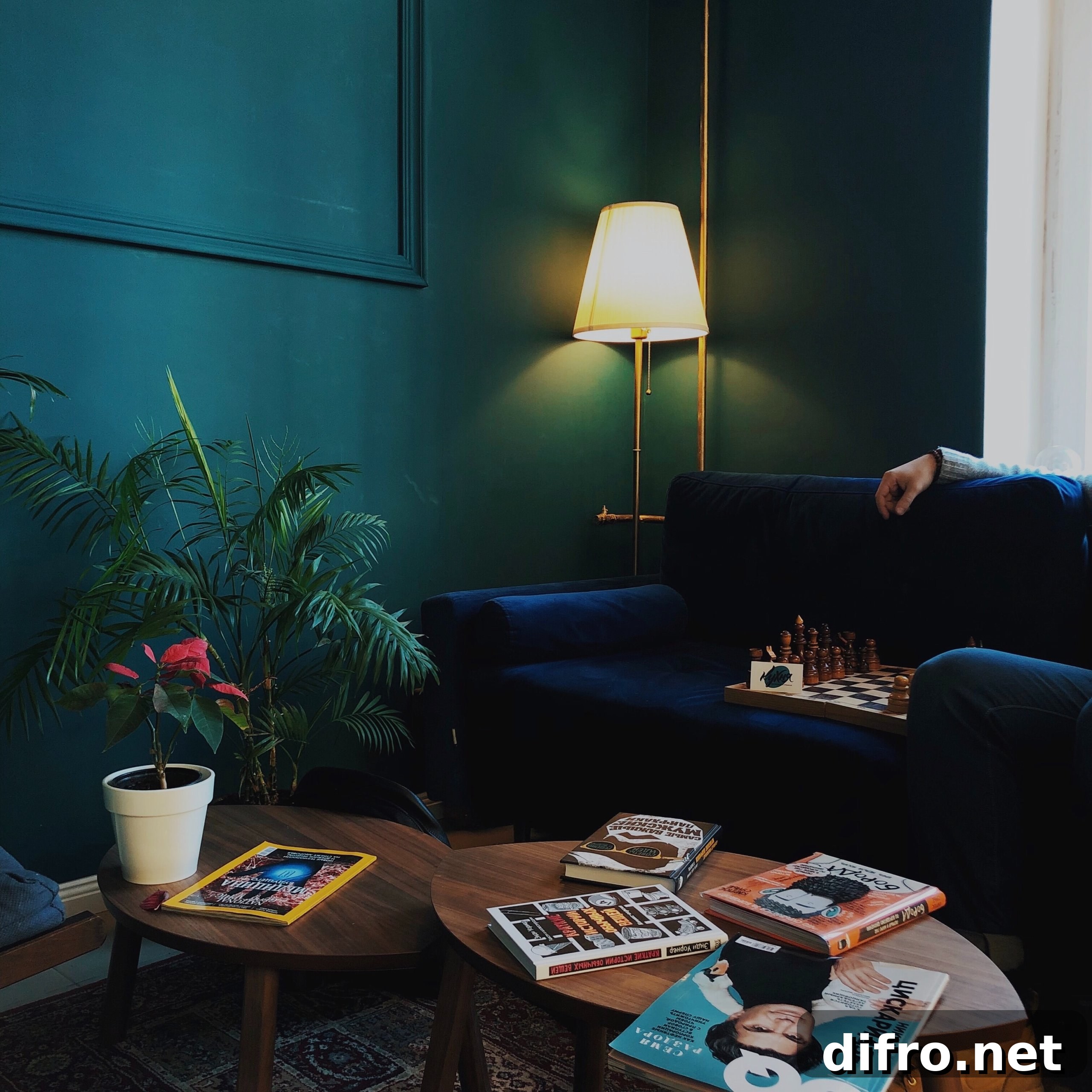
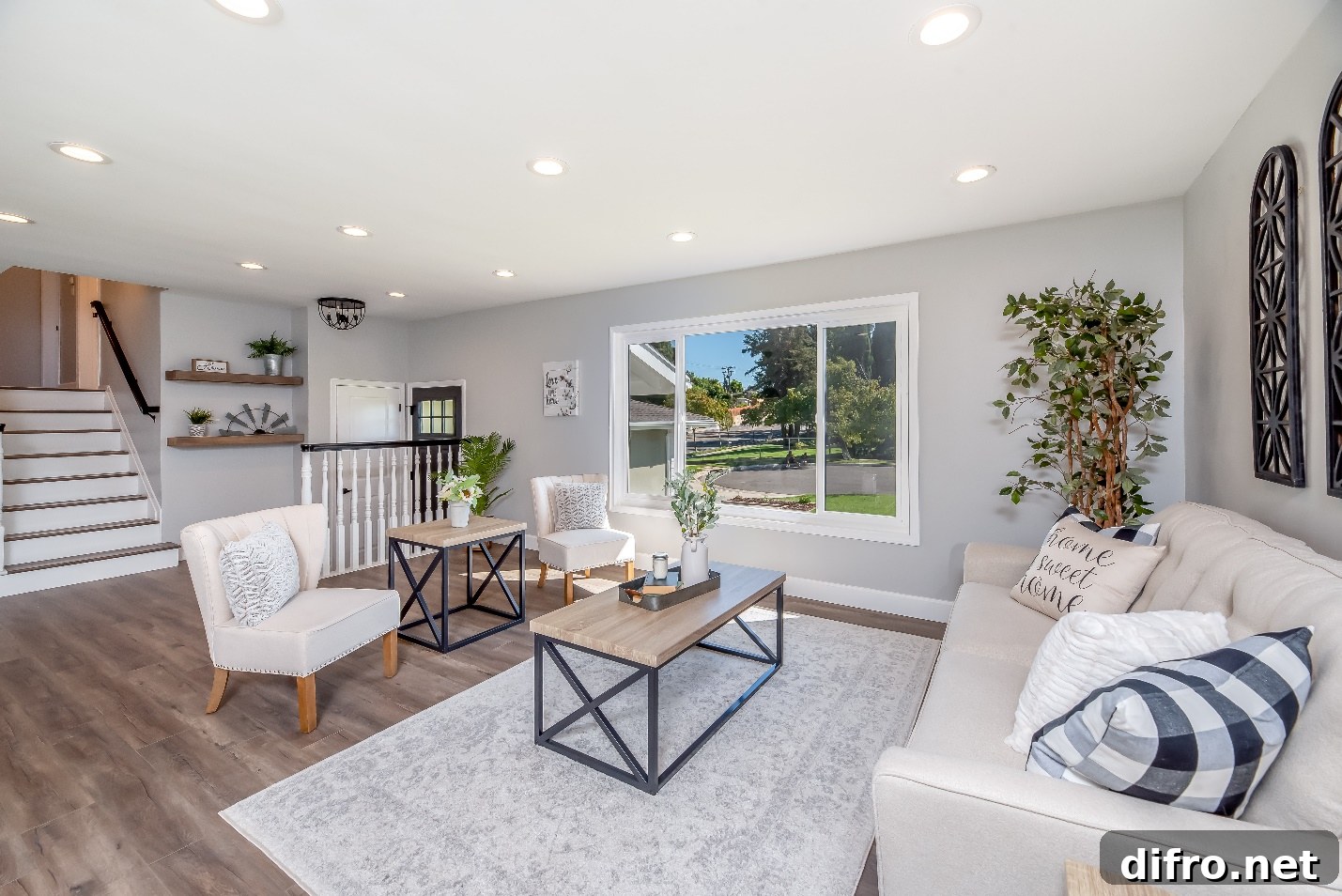
Color has a powerful effect on how we perceive space. Dark paint colors—deep blues, dark greens, and blacks—tend to absorb light and make a room feel closed in. If your goal is to make a room appear larger, choose light, neutral tones such as whites, warm beiges, soft grays, or pale creams. These shades reflect more light and create the optical illusion of extended space.
Tip: Use a consistent palette across walls, trim, and ceiling for a seamless look. If you want contrast or personality, introduce it through art, textiles, or a single accent wall rather than painting every surface in a dark shade.
Inadequate Lighting
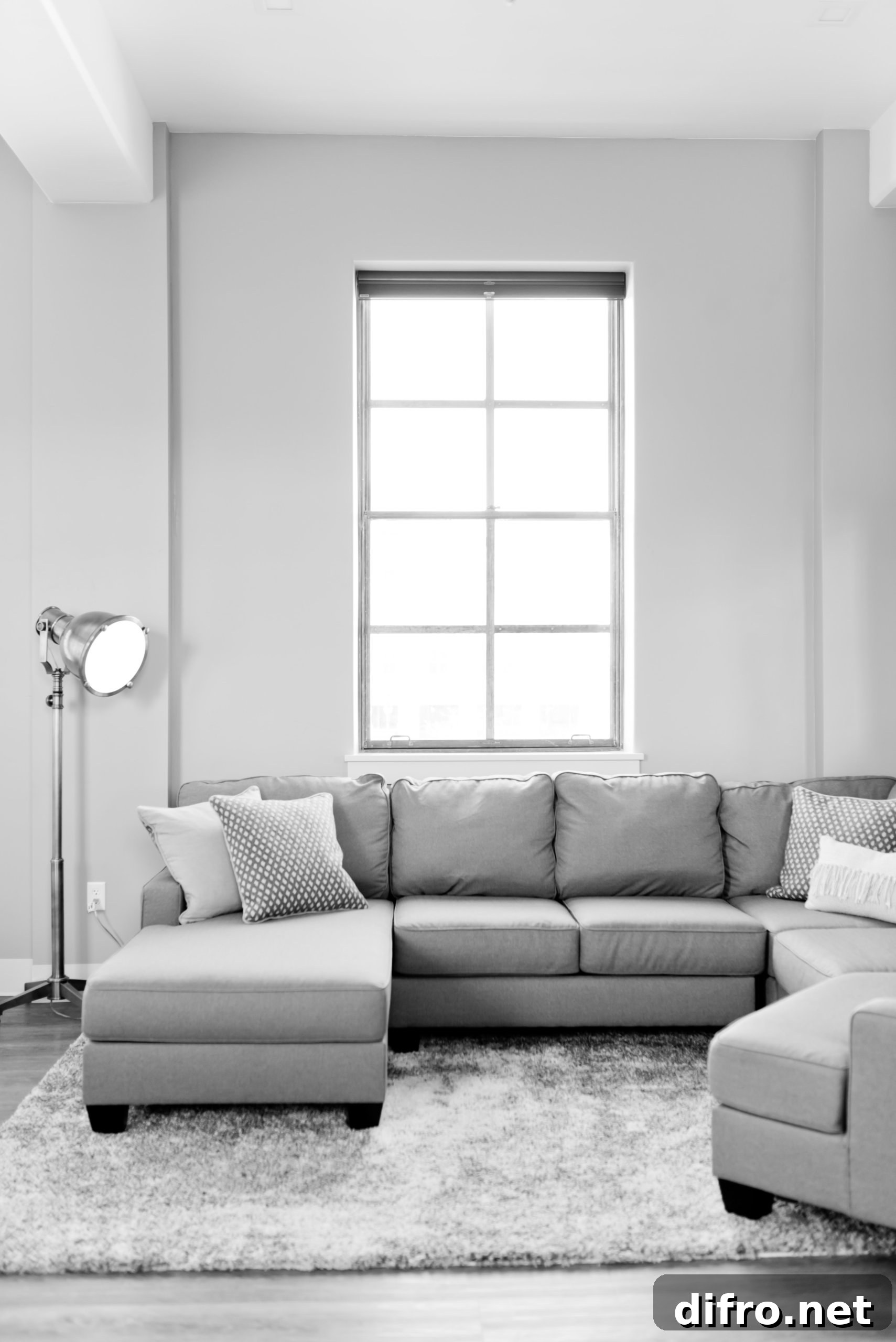
Dark rooms always feel smaller. Good lighting immediately expands a space by revealing depth and detail. Maximize natural light by clearing obstructions from windows and replacing dark or heavily tinted glass with clearer panes if possible. Add layers of artificial light—overhead fixtures, floor lamps, and task lighting—to brighten dim corners and create a welcoming atmosphere.
Tip: Use warm white bulbs for living spaces and place mirrors opposite windows to reflect daylight and visually double the light source.
Having Too Much Clutter
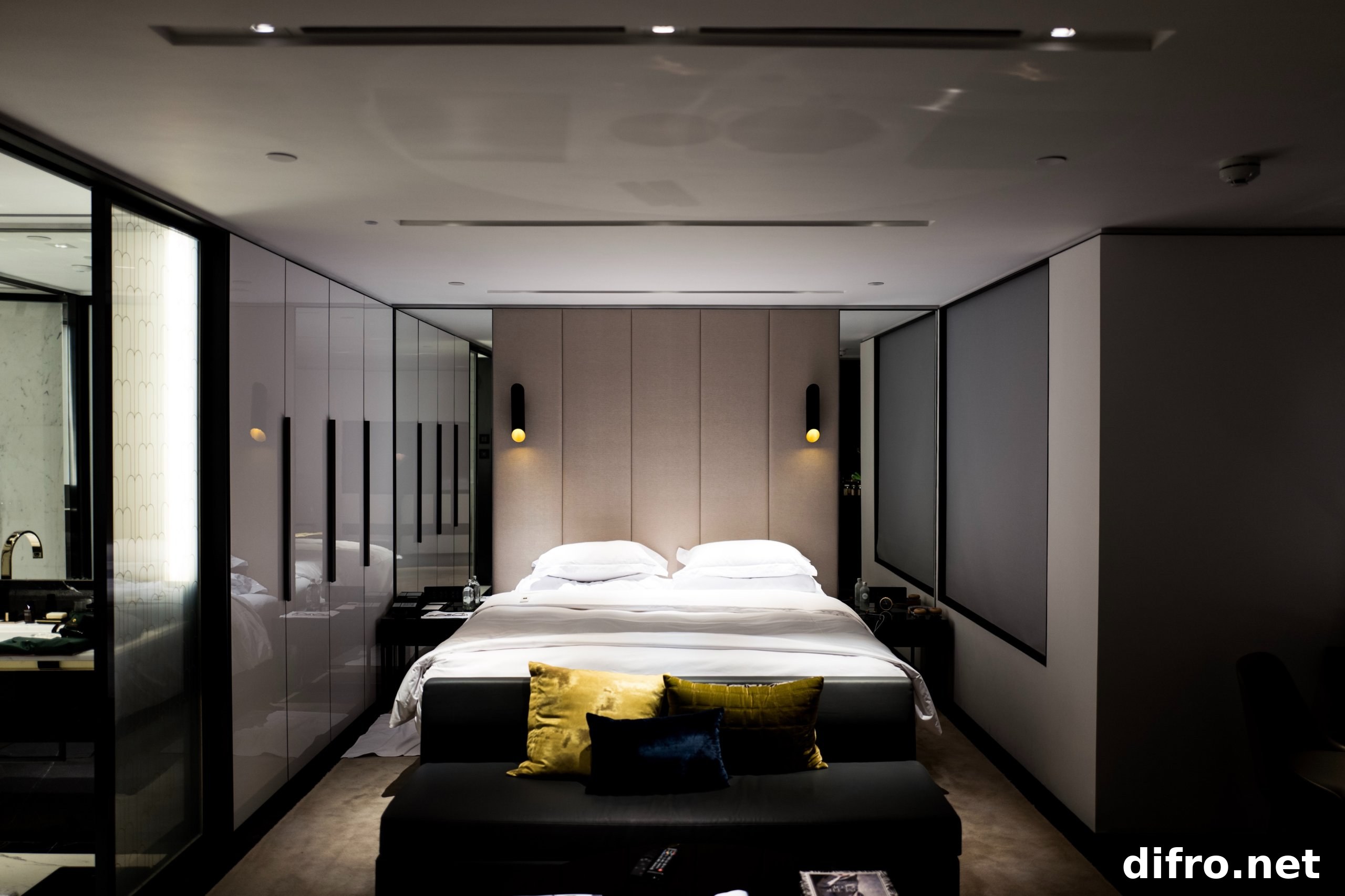
Overcrowding a room with furniture, décor, or collectibles reduces visual breathing room and instantly makes the space feel smaller. Aim for intentional selections rather than filling every surface. A minimalist approach—fewer, carefully chosen pieces—opens the room and often looks more sophisticated.
Practical steps: store or donate items you rarely use, pare down decorative objects to a few statement pieces, and keep surfaces tidy to maintain a sense of openness.
Inadequate or Poor Storage Choices
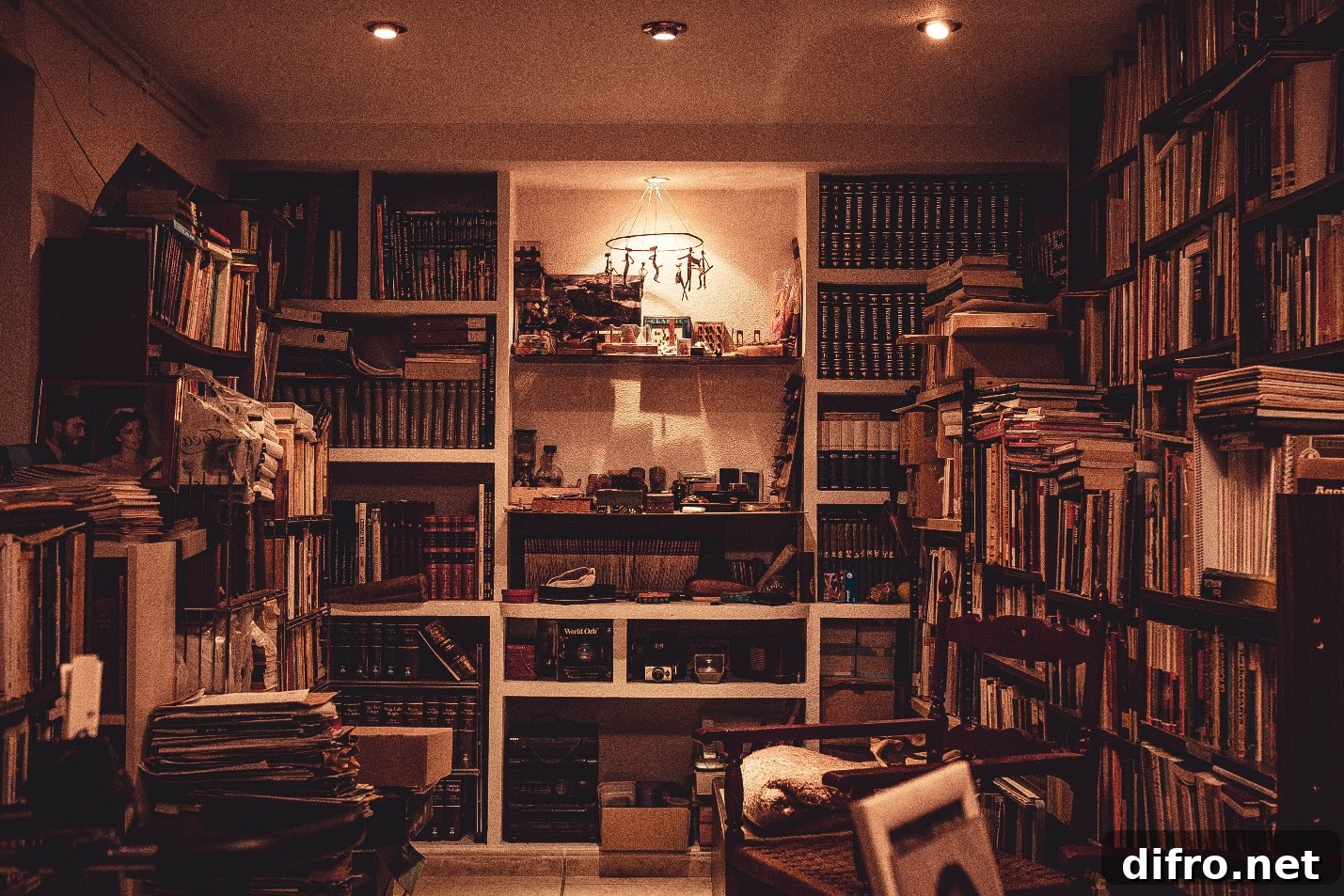
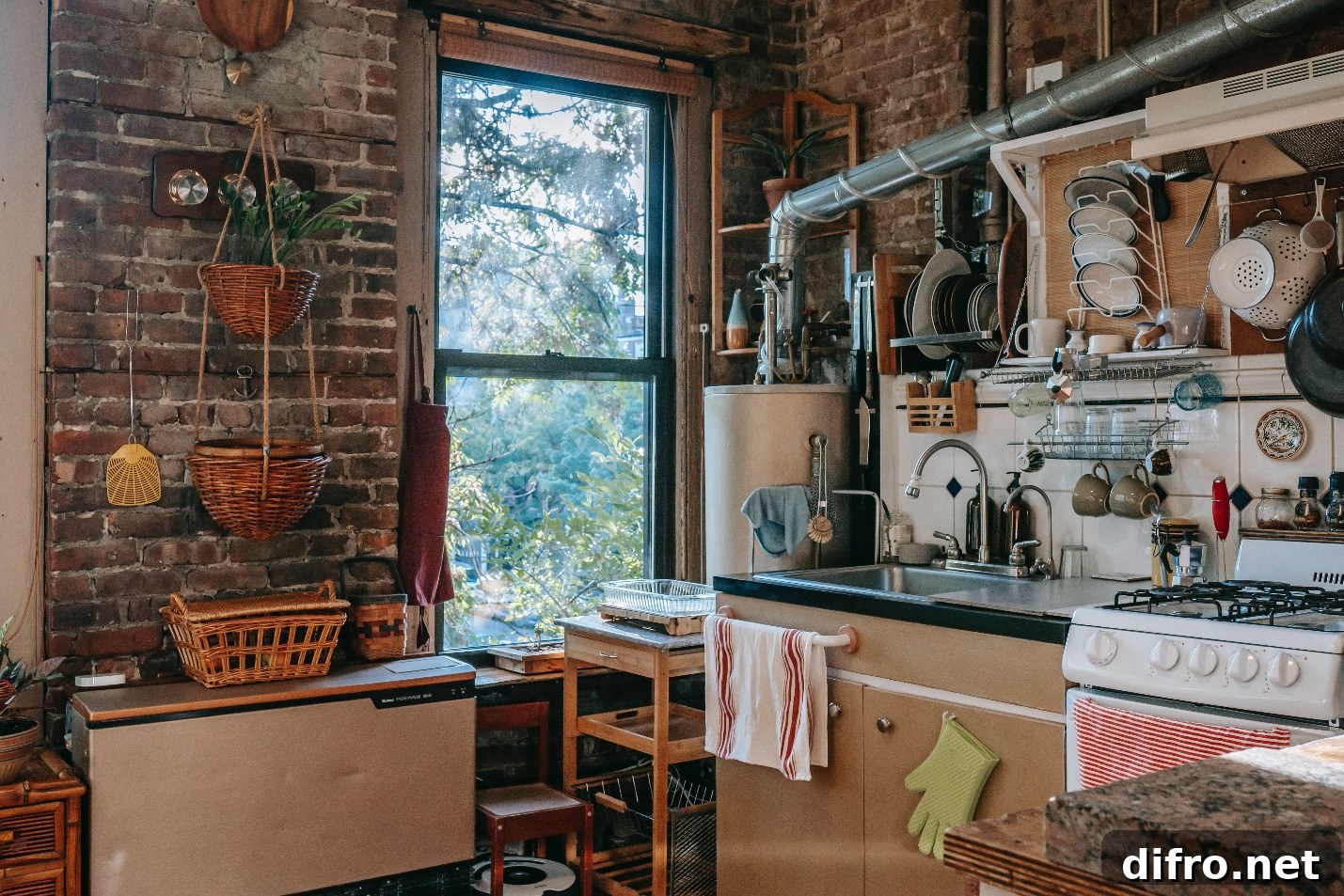
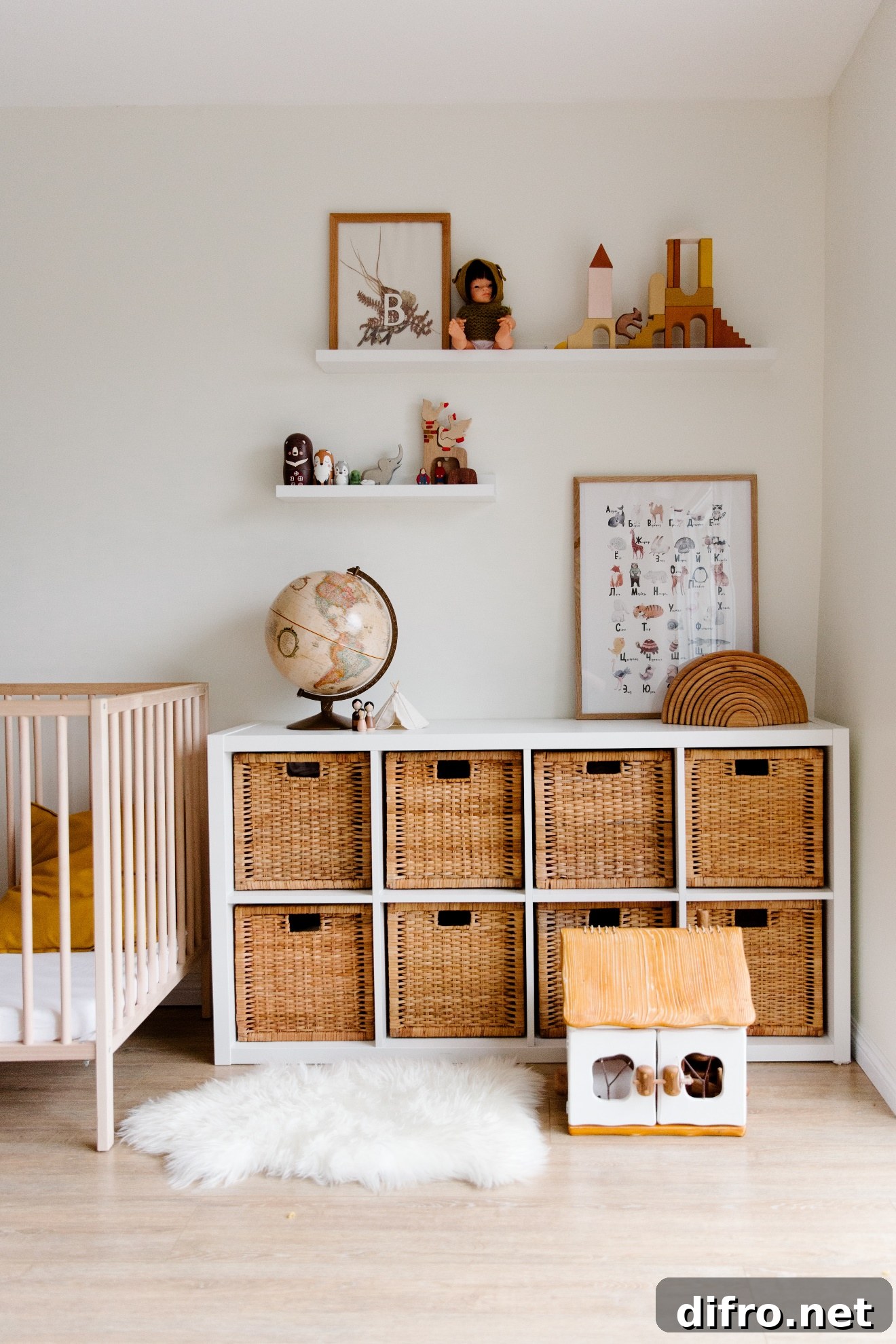
Poor storage forces belongings onto floors, counters, and chairs, reducing usable space. Investing in smart storage instantly frees up the room and improves flow. Consider bookshelves, overhead cabinets, built-in wardrobes, and under-bed storage to keep items organized and out of sight.
Tip: Use vertical space—tall shelving and wall-mounted cabinets reclaim square footage without crowding the floor.
Too Many Walls
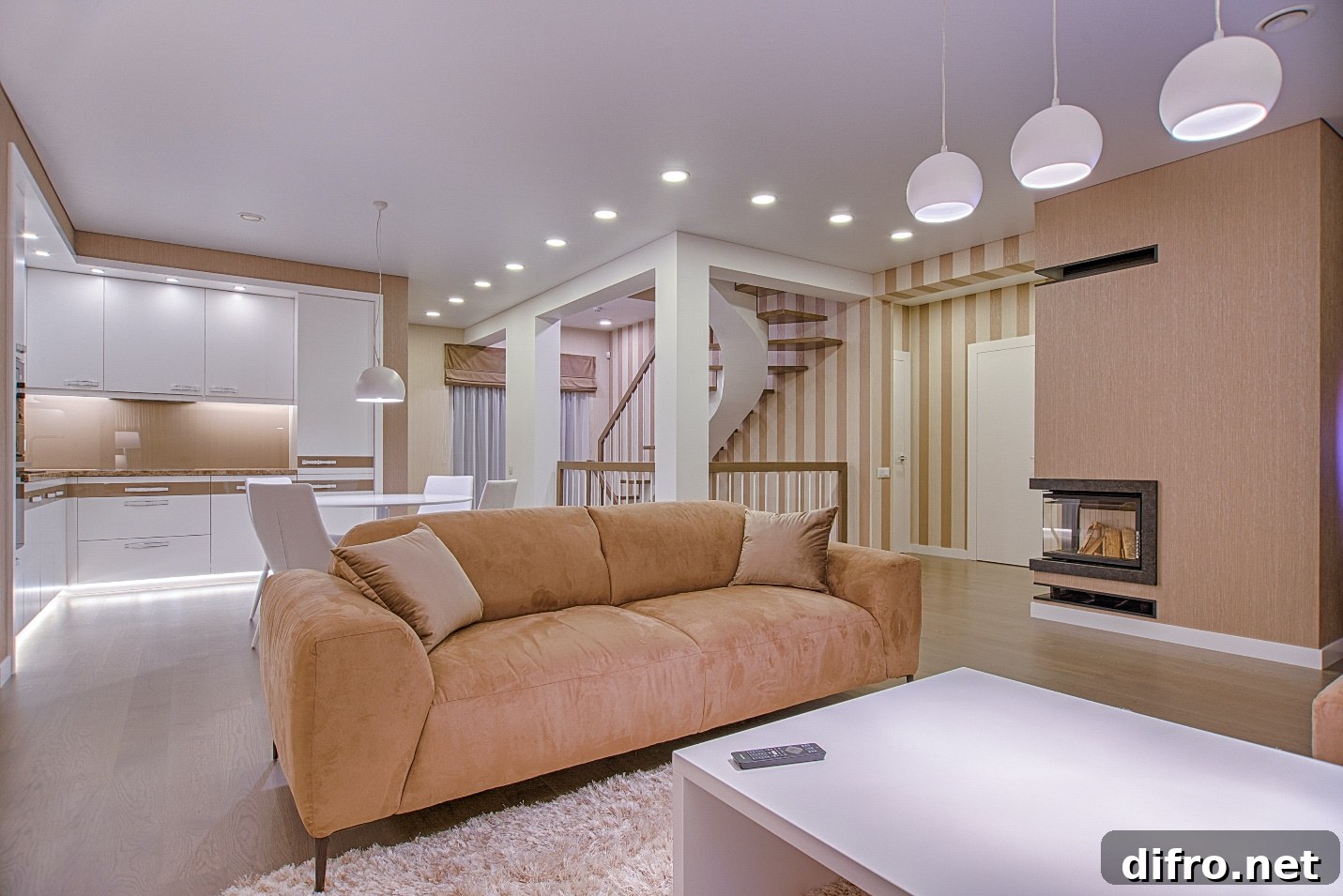
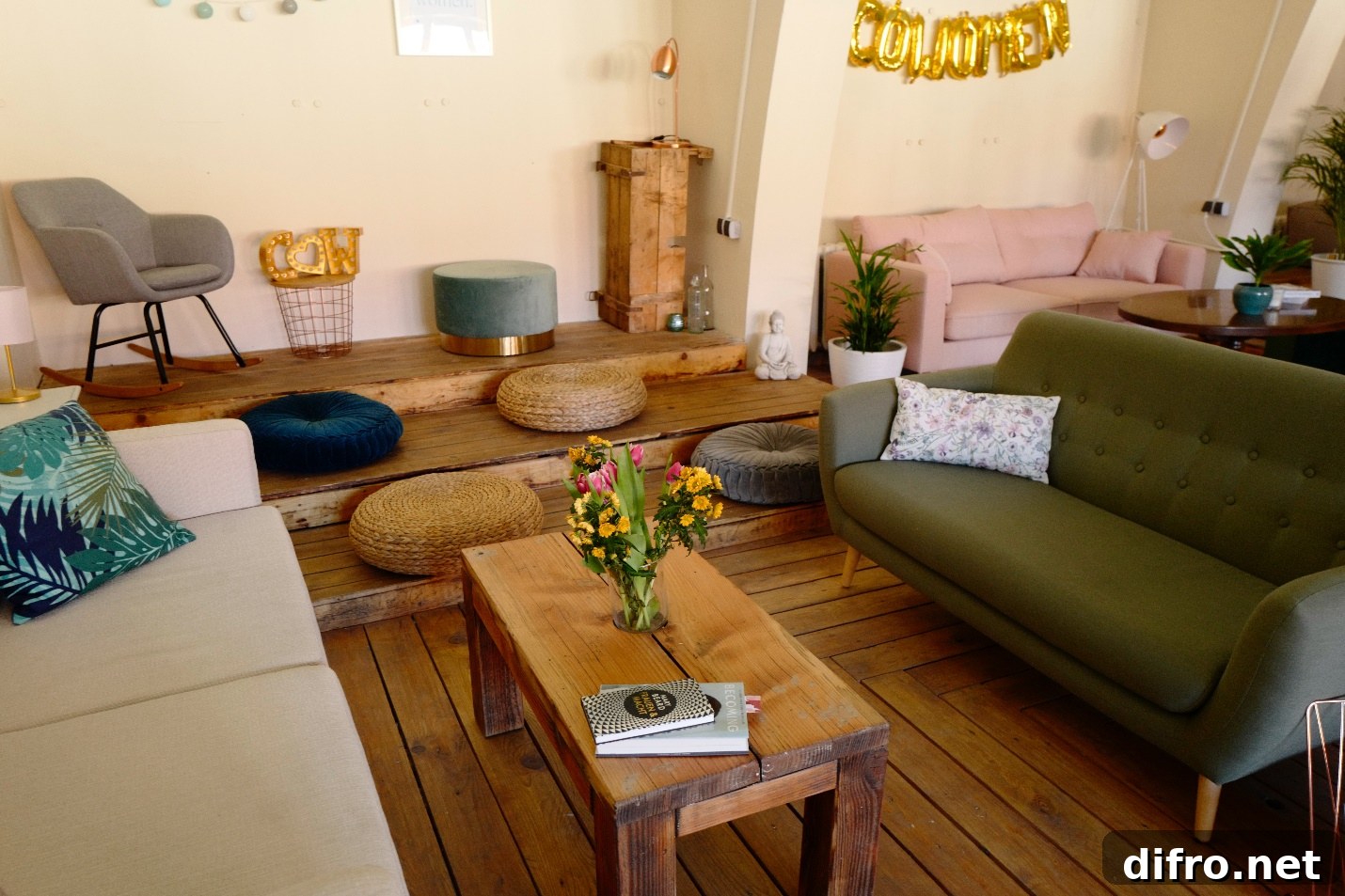
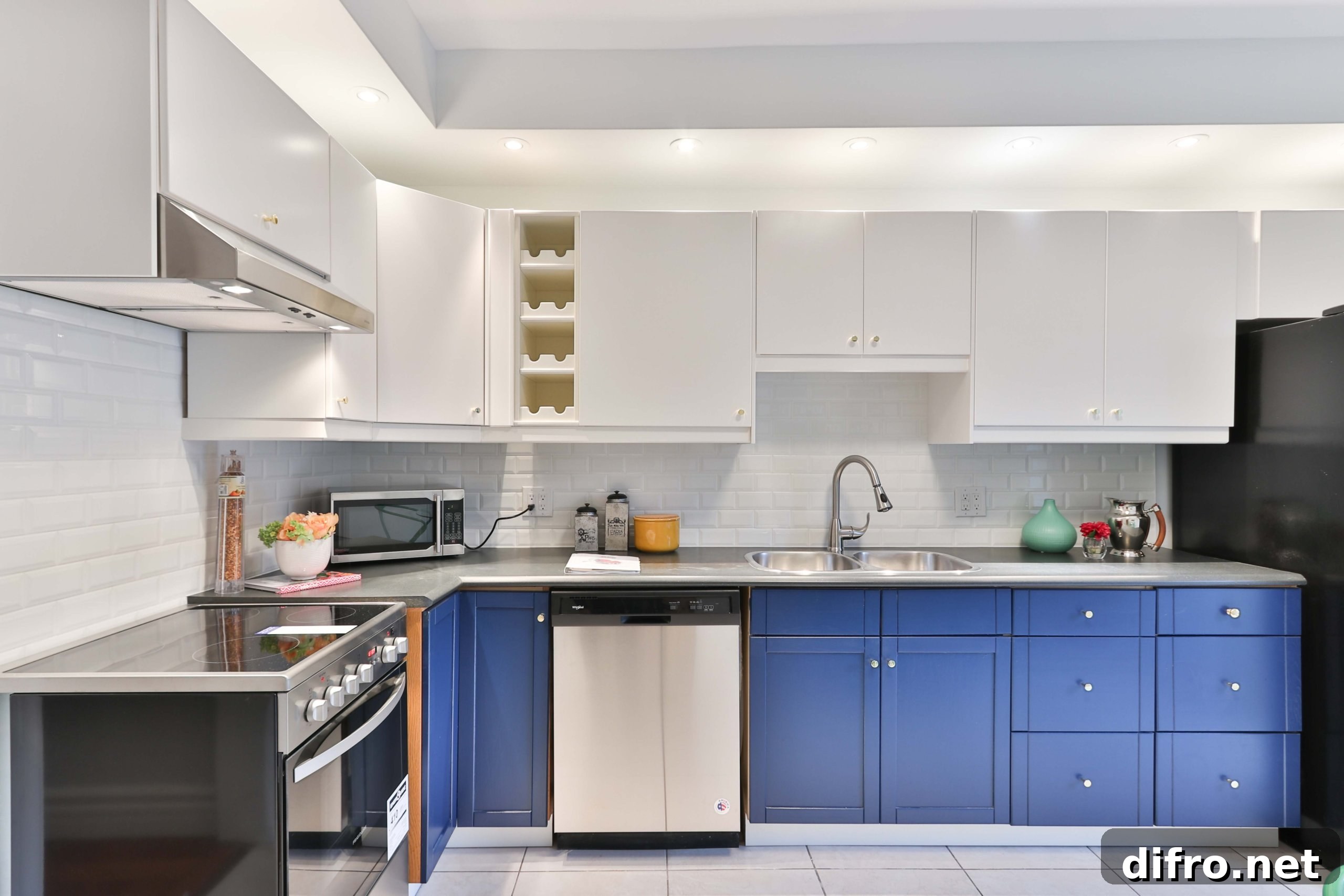
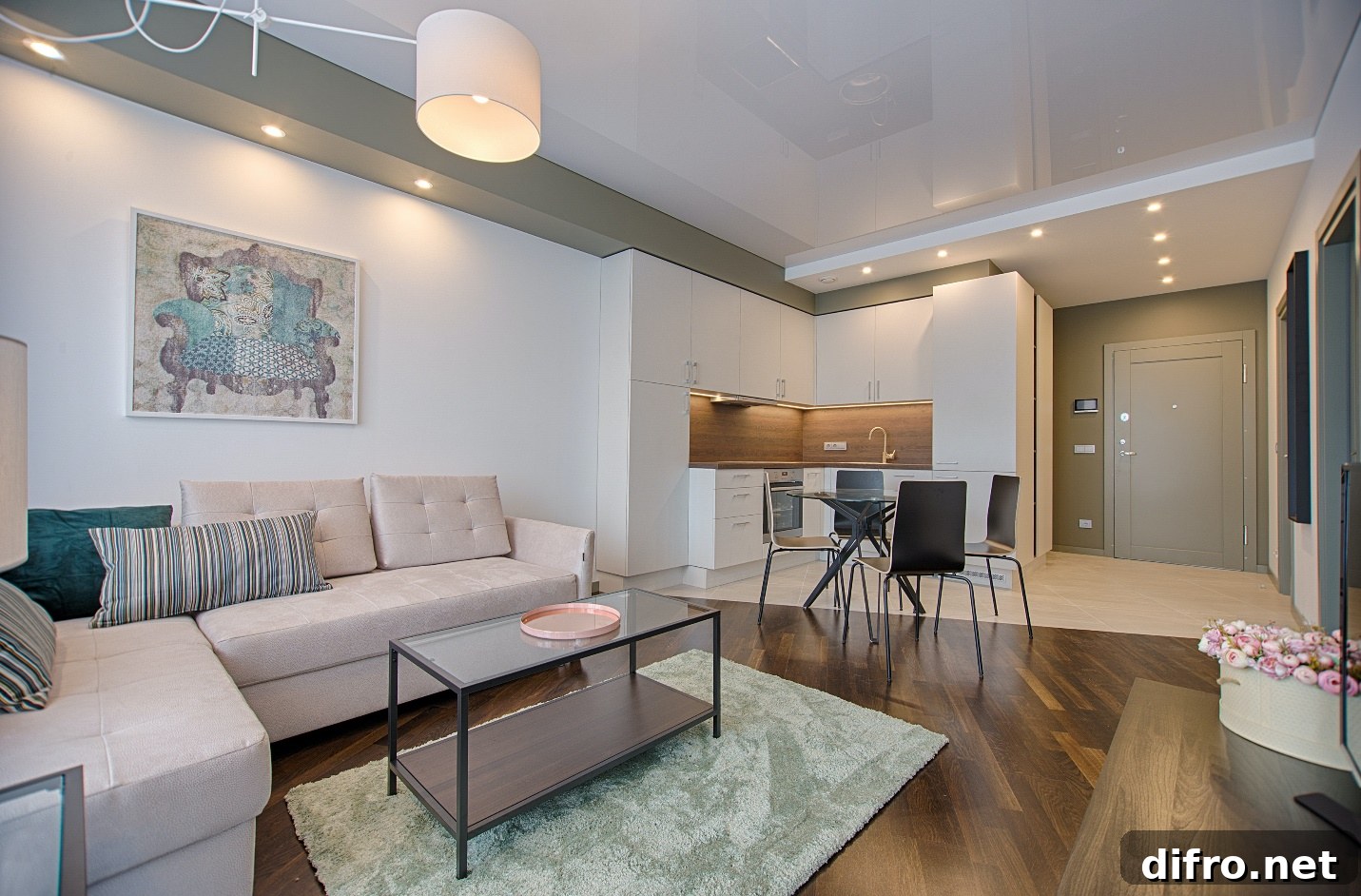
Excessive partitions and small separate rooms make a home feel boxed in. Open-plan layouts create a sense of continuity and scale—combining living, dining, and kitchen areas allows sightlines to extend and light to travel. If you can’t remove walls, mimic openness by using consistent flooring, matching paint colors, and arranging furniture to define zones instead of closed rooms.
Low Ceilings
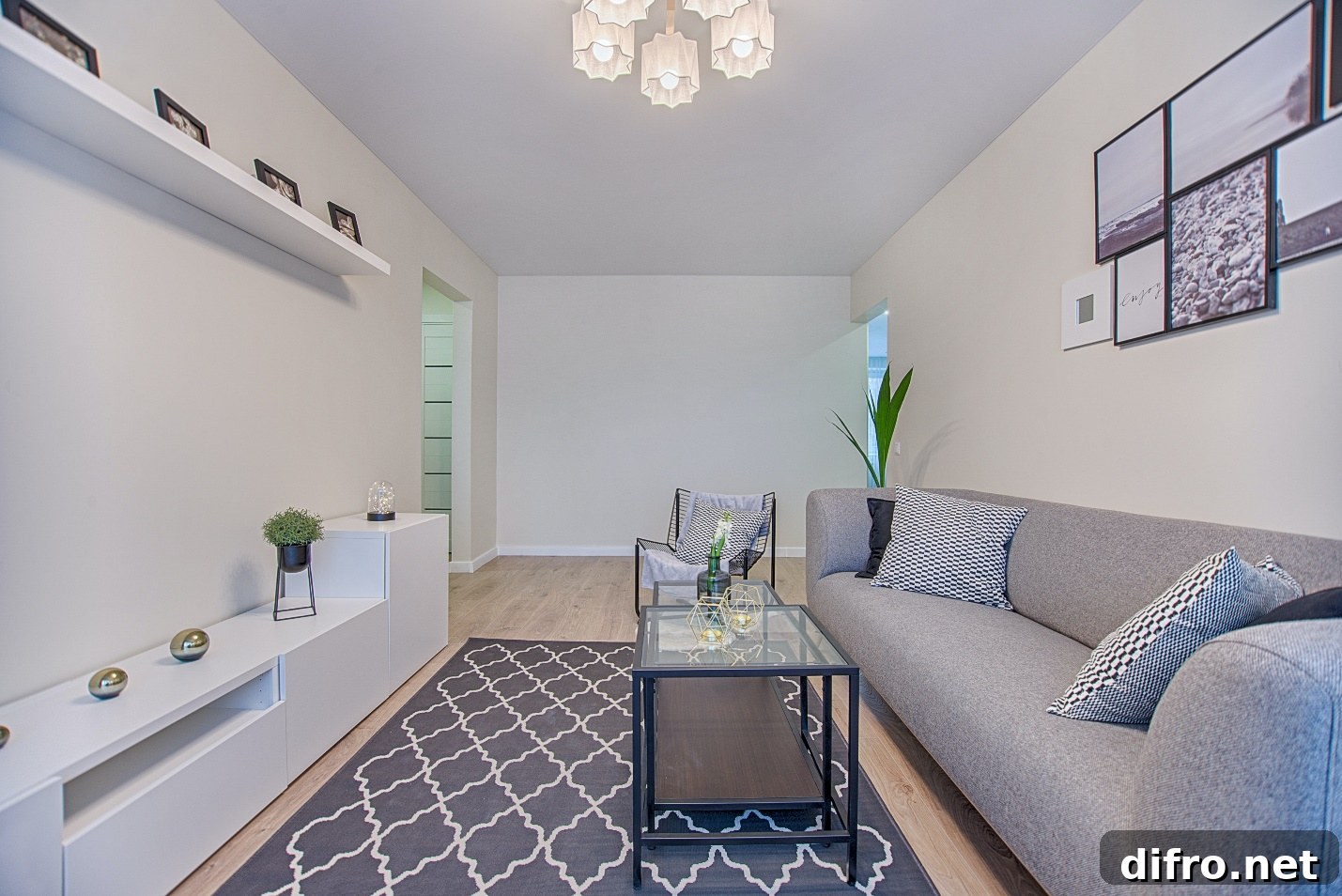
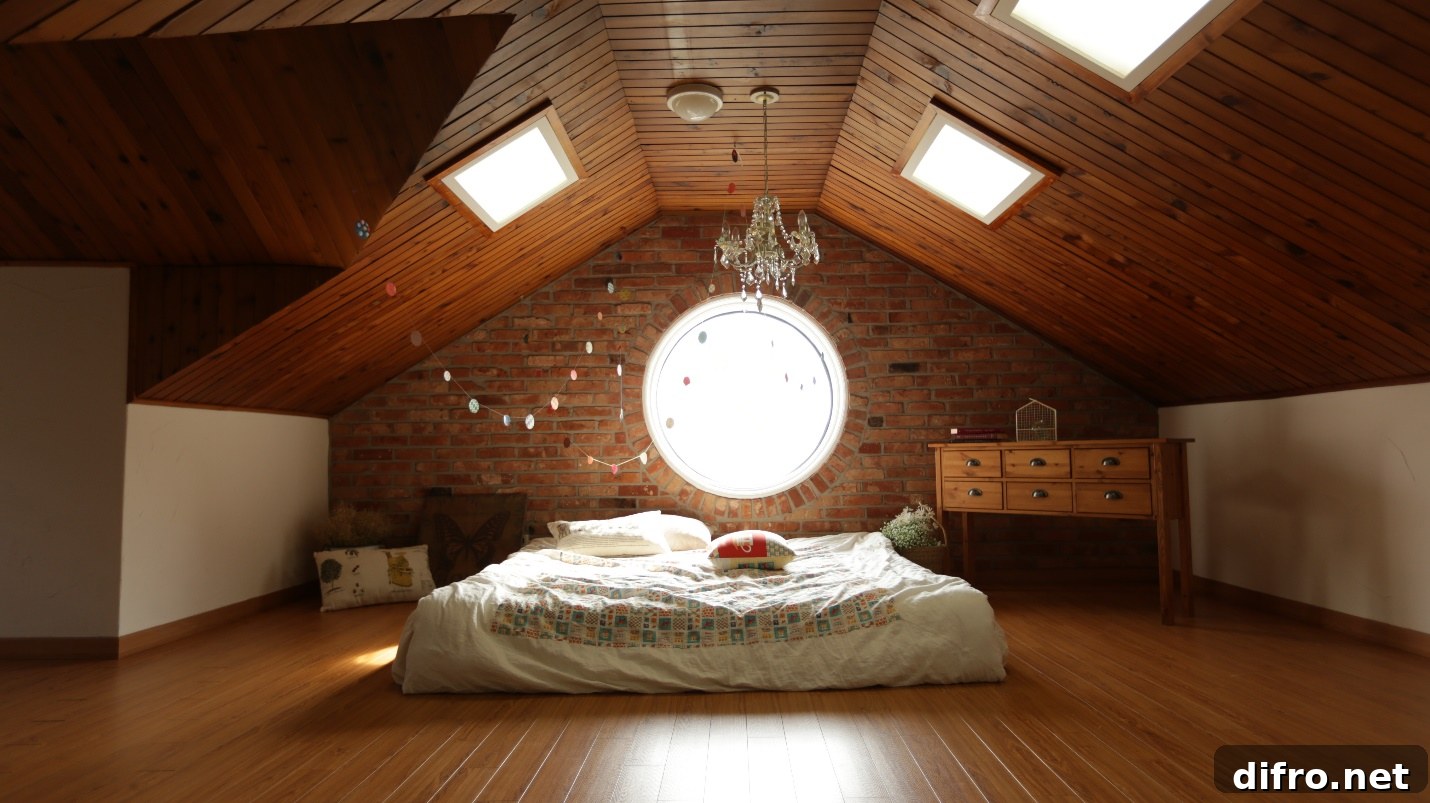
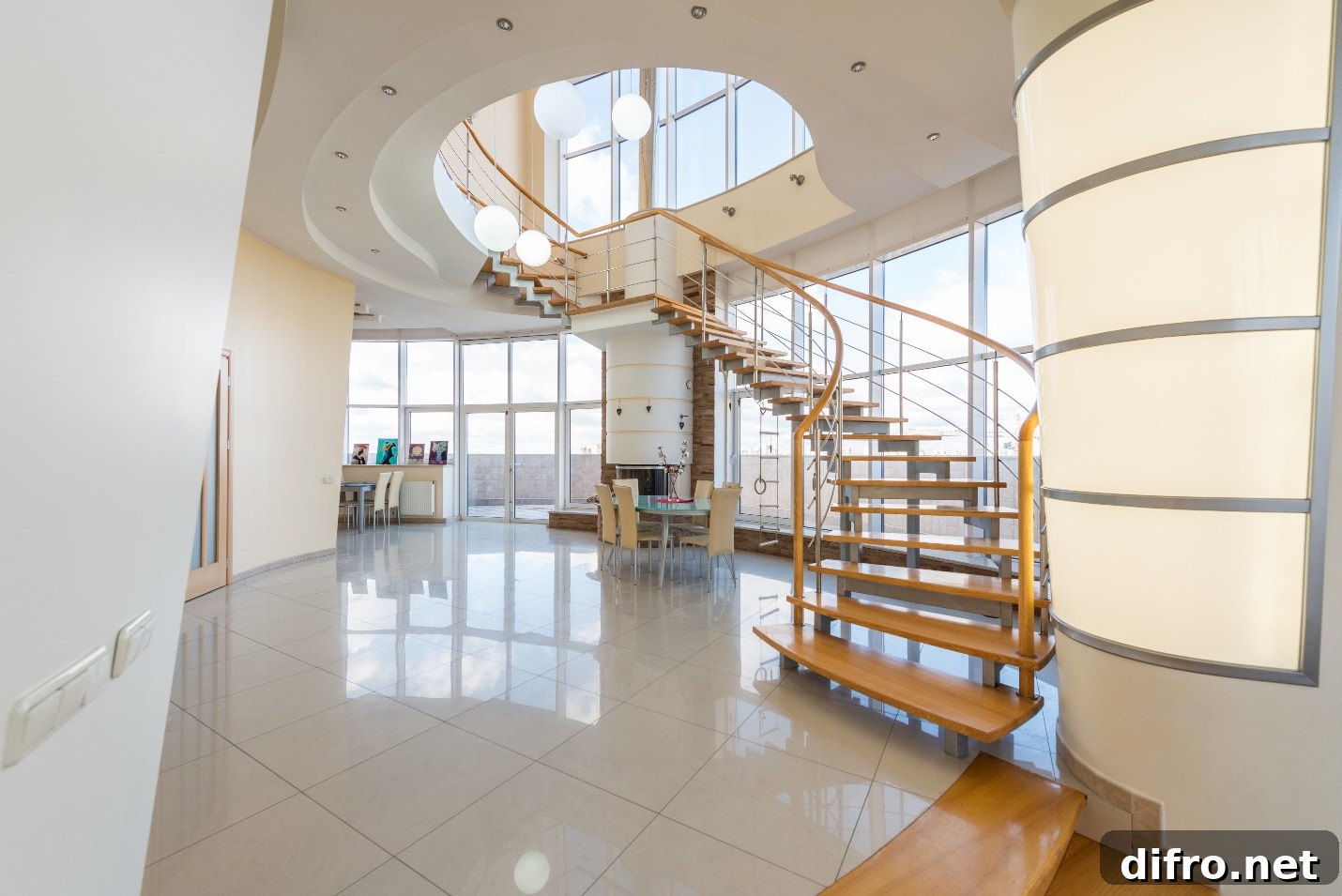
Low ceilings make a room feel compressed, especially when combined with oversized fixtures. High ceilings open a space, increase perceived volume, and allow for taller windows that bring in more light. If you can’t alter the ceiling height, emphasize vertical lines with tall bookcases, vertical artwork, and floor-to-ceiling curtains to visually lift the room.
Wrong Furniture Arrangement
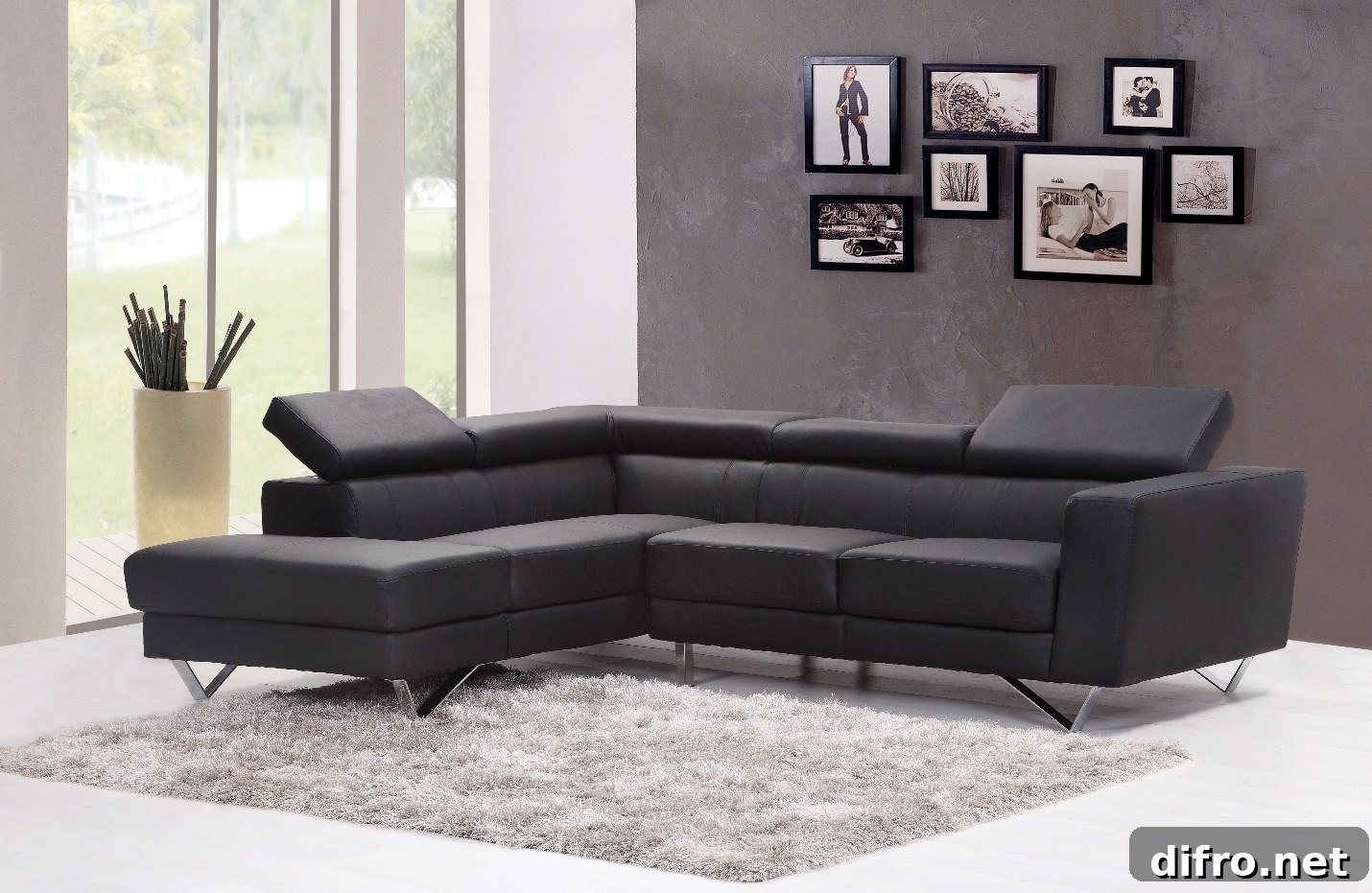
Where and how you place furniture changes the feel of a room. Placing large pieces directly against walls or blocking windows reduces perceived depth and inhibits light flow. Instead, pull furniture slightly away from walls (even a few inches) to create visual depth, or group seating around a rug to form a defined conversation area. Leave breathing room between furniture pieces rather than lining everything up edge-to-edge.
Tip: Use rugs to anchor zones in open-plan spaces and maintain clear circulation paths so the eye travels uninterrupted across the room.
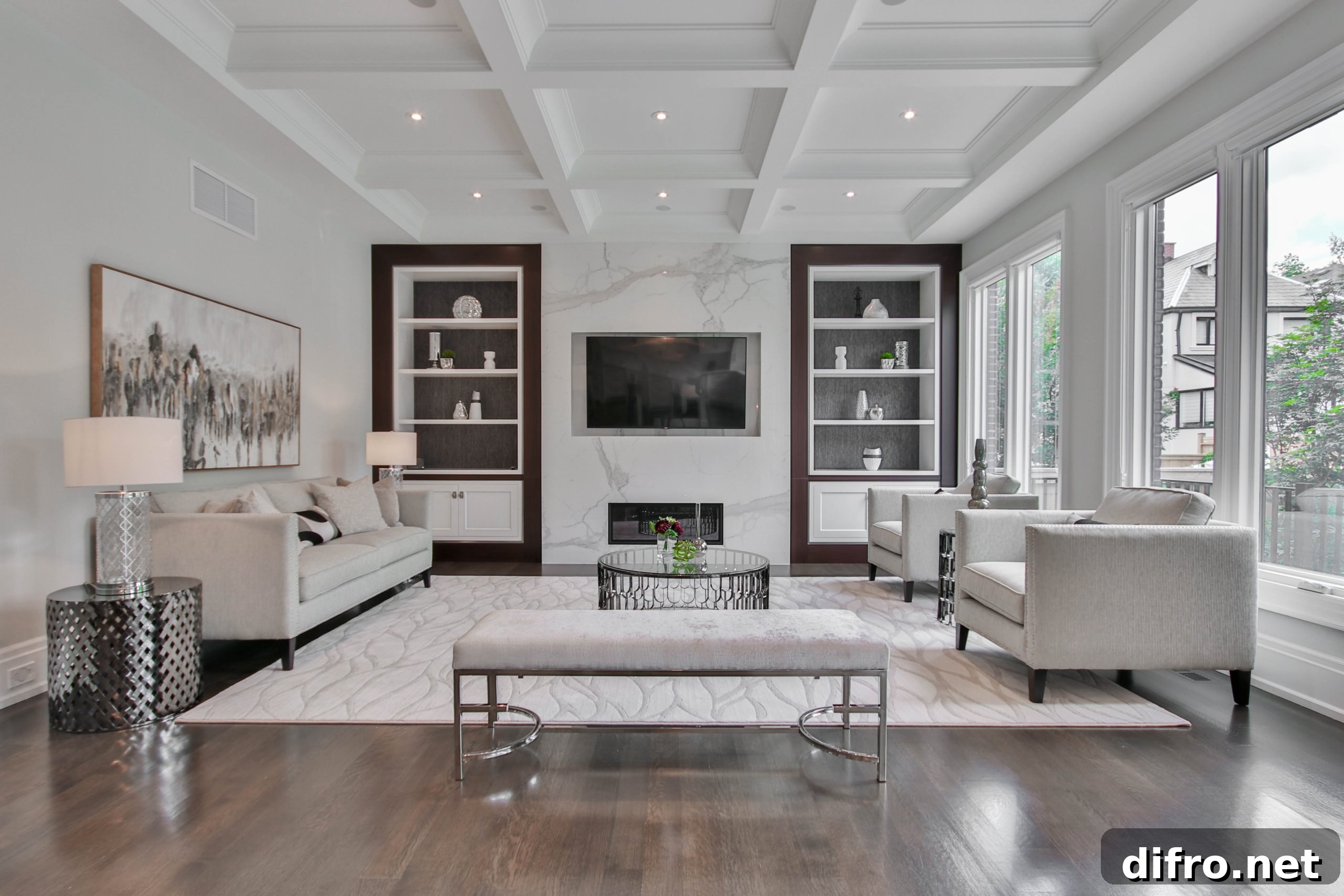
Small adjustments—lighter paint, better lighting, intentional storage, fewer decorations, and smarter furniture placement—can dramatically change how large your room feels. Apply these simple strategies to improve flow, highlight your style, and create a living space that looks and feels bigger.