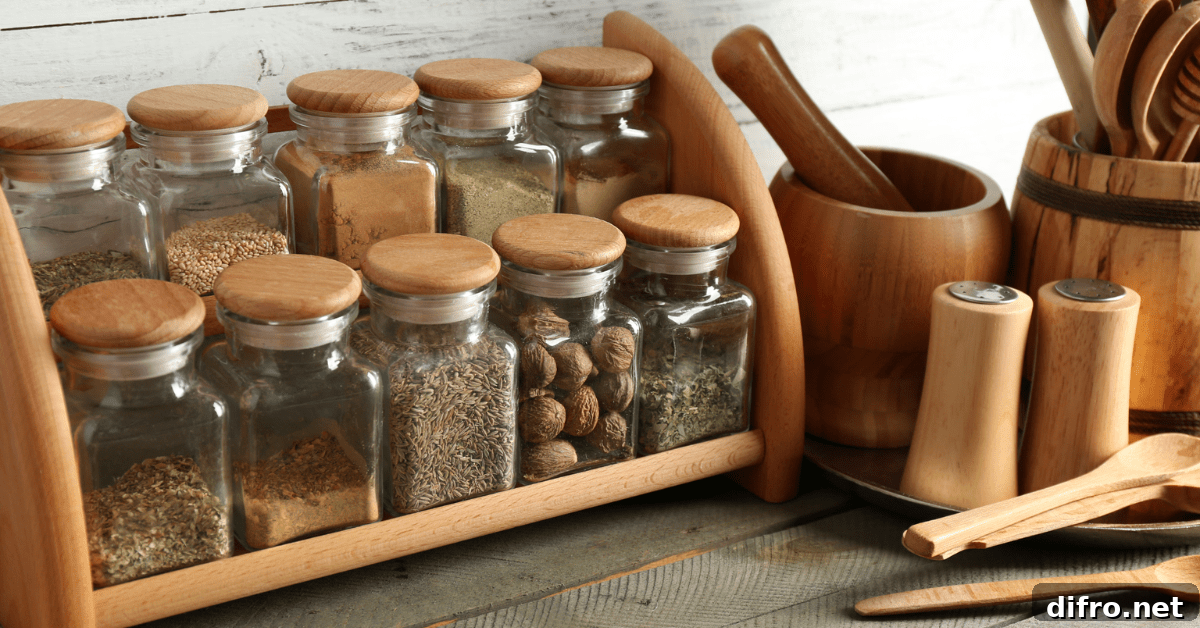
Creating with your own hands brings a unique satisfaction. Turning ordinary materials into something both useful and attractive is the heart of do-it-yourself projects. One simple, practical, and rewarding project you can tackle is a DIY spice rack—an upgrade that brings organization and style to your kitchen or pantry.
Why a DIY Spice Rack Is More Than Just Storage
A spice rack stores jars, but it also showcases your cooking style and the flavors you reach for most. Store-bought racks are often generic in size and design, and they may not suit your kitchen layout or decor. Building your own spice rack lets you choose dimensions, configuration, materials, and finish, so it integrates with your space and reflects your taste.
Beyond the finished piece, the process of designing and building a spice rack is a creative exercise and a learning opportunity. Whether you are an experienced woodworker or a curious beginner, the project helps develop measuring, cutting, and finishing skills while delivering a functional result you can be proud of.
Visualize and Design Your Perfect Spice Rack
Start with a clear plan. Think about the available wall or counter space, how many spice containers you own, and how you like them arranged—rows, tiers, or angled shelves for labels to face forward. Do you want a minimalist look, a floating shelf style, or a rustic, chunky design? Sketch a few layouts and note the dimensions that will fit your space. If you prefer digital tools, use a simple drawing app to test proportions and shelving spacing.
Consider practical details while designing: the height of jars, clearance for lids, and whether you want removable shelves or a fixed frame. Planning prevents common issues during construction and helps determine the exact material quantities and hardware you’ll need.
The Hunt for the Perfect Building Supplies
Selecting materials influences durability, cost, and appearance. Salvaged wood gives character and sustainability; new hardwoods or plywood offer cleaner lines and predictable strength. For a lighter, modern look, consider painted MDF or birch plywood. For a warm, natural finish, opt for pine, oak, or walnut. Also decide on the finish—stain, varnish, or paint—to protect the wood and match your kitchen palette.
Don’t forget hardware and finishing supplies: wood glue, screws, sandpaper, brushes or rags for stain, and mounting hardware if you plan to hang the rack. Choosing the right supplies at the start keeps the build efficient and helps achieve a polished result.
The Construction Process: Bringing Your Vision to Life
With tools and materials ready, measure carefully and cut pieces to match your plan. Precision here matters—straight, square cuts create seamless joints. Dry-fit all pieces before fastening to confirm alignment. Use clamps and wood glue at joints for extra strength, and fasten with screws or brads where appropriate.
Basic assembly steps you can adapt to your design:
- Prepare the wood: Cut boards to size and sand edges and surfaces smooth.
- Assemble the frame: Join the sides, top, and bottom using glue and screws, ensuring the frame is square.
- Add shelves: Measure shelf positions, cut shelf boards, and secure them inside the frame. Consider spacing for tall jars or tiered layouts for visibility.
- Optional backing: Attach a thin plywood backing for stability and a finished look.
- Mounting or placement: If wall-mounting, use appropriate anchors and screws for your wall type. For countertop racks, add non-slip pads or a stable base.
- Organize spices: Arrange jars by frequency of use, type, or alphabetically for easy access.
Finishing Touches and Personalization
Finishing transforms a raw build into a finished piece. Apply stain or paint in thin, even coats and seal with varnish or polyurethane for protection. Labels add clarity and style—use printed labels, chalkboard stickers, or hand-lettered tags depending on your aesthetic. Add small hooks for measuring spoons, a magnetic strip for metal lids, or a chalkboard panel for notes and shopping lists to make your spice rack multifunctional.
When you step back and look at the finished spice rack, you’ll notice more than organization—you’ll see a custom solution that fits your kitchen and reflects your creativity. The skills you honed while planning, cutting, assembling, and finishing can be applied to other small projects, making this a rewarding first step into more advanced DIY work.
Related Articles
- Stunning DIY Home Decor For Elevating Your Home
- Craft Your Own DIY Shoe Rack: Your Complete Guide
- Make a DIY Makeup Vanity On a Budget
Building a DIY spice rack is a practical, creative project that adds value to your kitchen and gives you a tangible result to enjoy every day. Whether you keep the design simple or add personalized details, the process rewards patience, planning, and a little elbow grease.
Want more design ideas and decor trends delivered to your inbox? Subscribe to a newsletter dedicated to home projects and inspiration.