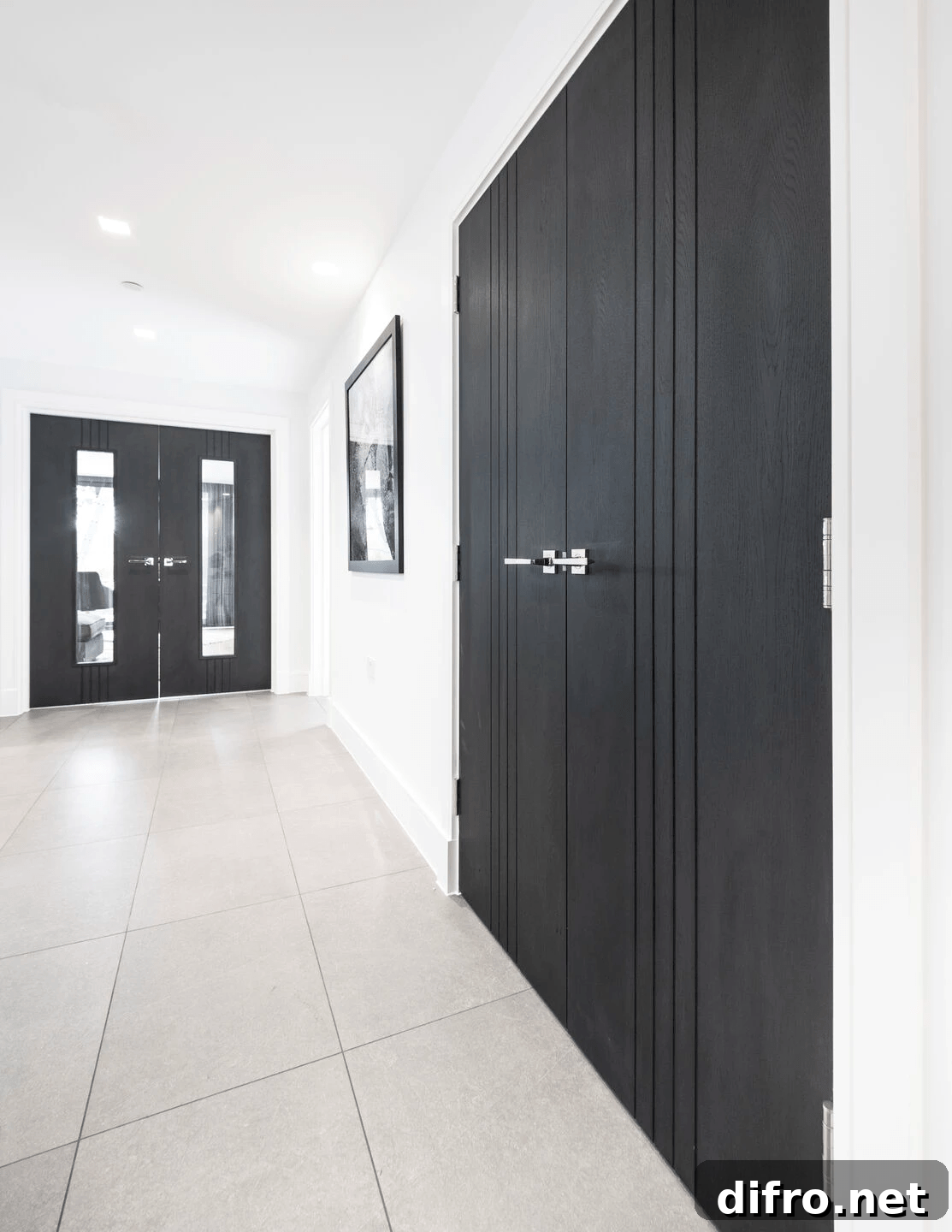
If you love decorating and interior design, you may not have considered the dramatic effect black can bring to a home. Choosing black interior doors or other black elements is a bold decision, but when done thoughtfully it creates depth, sophistication, and a modern edge.
This article explains why black interiors work so well, how black doors can enhance any room, and practical tips for styling black elements in your home. Read on to discover how black interior doors and accents can elevate your design while remaining timeless and versatile.
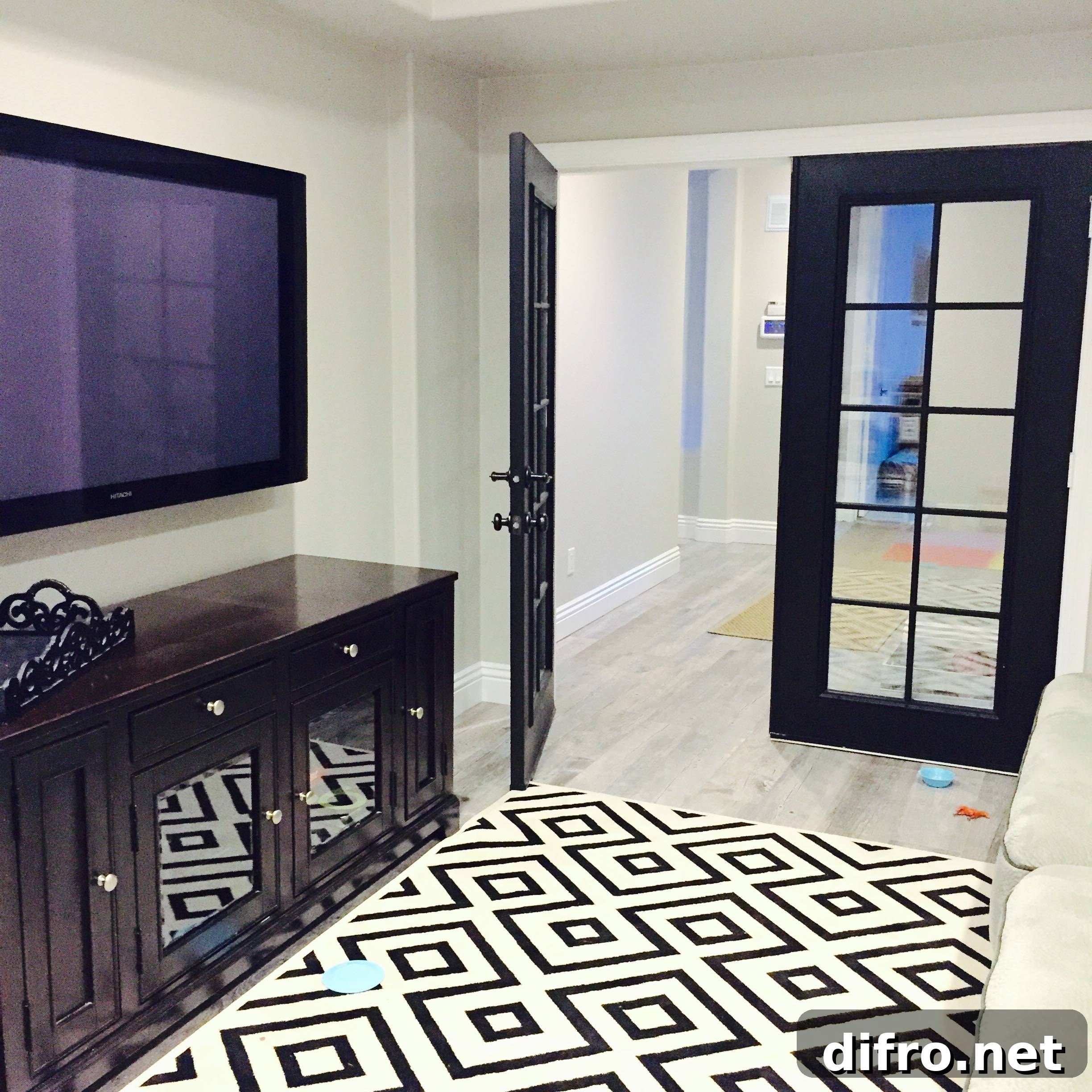
Black interior doors instantly add a modern, curated feel. Below are the top benefits of incorporating black into your interior design and simple ways to make it work in any home.
Benefits of Black Interior Doors and Black Interiors
Timeless appeal
Black is a classic choice that rarely feels dated. A well-chosen black door or trim line lends sophistication and a strong visual anchor to a room. Because black pairs effortlessly with many palettes and materials, it adapts to modern, traditional, and transitional interiors alike. Choosing black interior doors is a low-risk way to introduce drama and refinement into your home.
Practical: hides dirt and wear
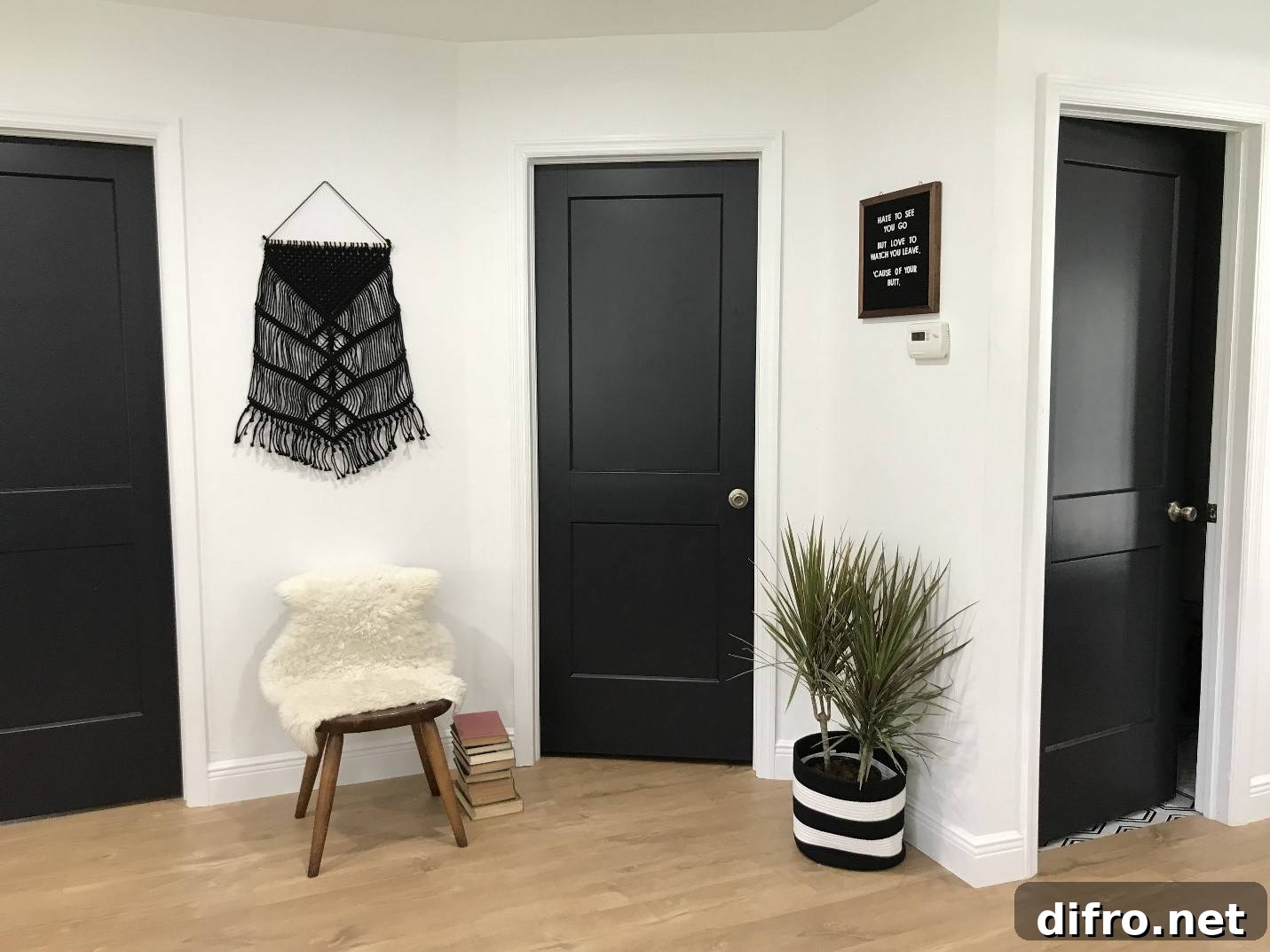
Black doors are forgiving. They conceal smudges, fingerprints, and scuffs better than pale finishes, making them ideal for high-traffic areas or family homes. With a durable finish, black doors maintain an elegant appearance with lower upkeep.

Reflects and balances light when used right
Contrary to intuition, black surfaces can help emphasize reflected light. Glossy or satin black finishes bounce light differently than matte surfaces, especially when paired with mirrors, metallic accents, or light textiles. Use black as an accent against lighter walls, and the contrast will make details pop and create visually balanced rooms.
Black as a neutral backdrop
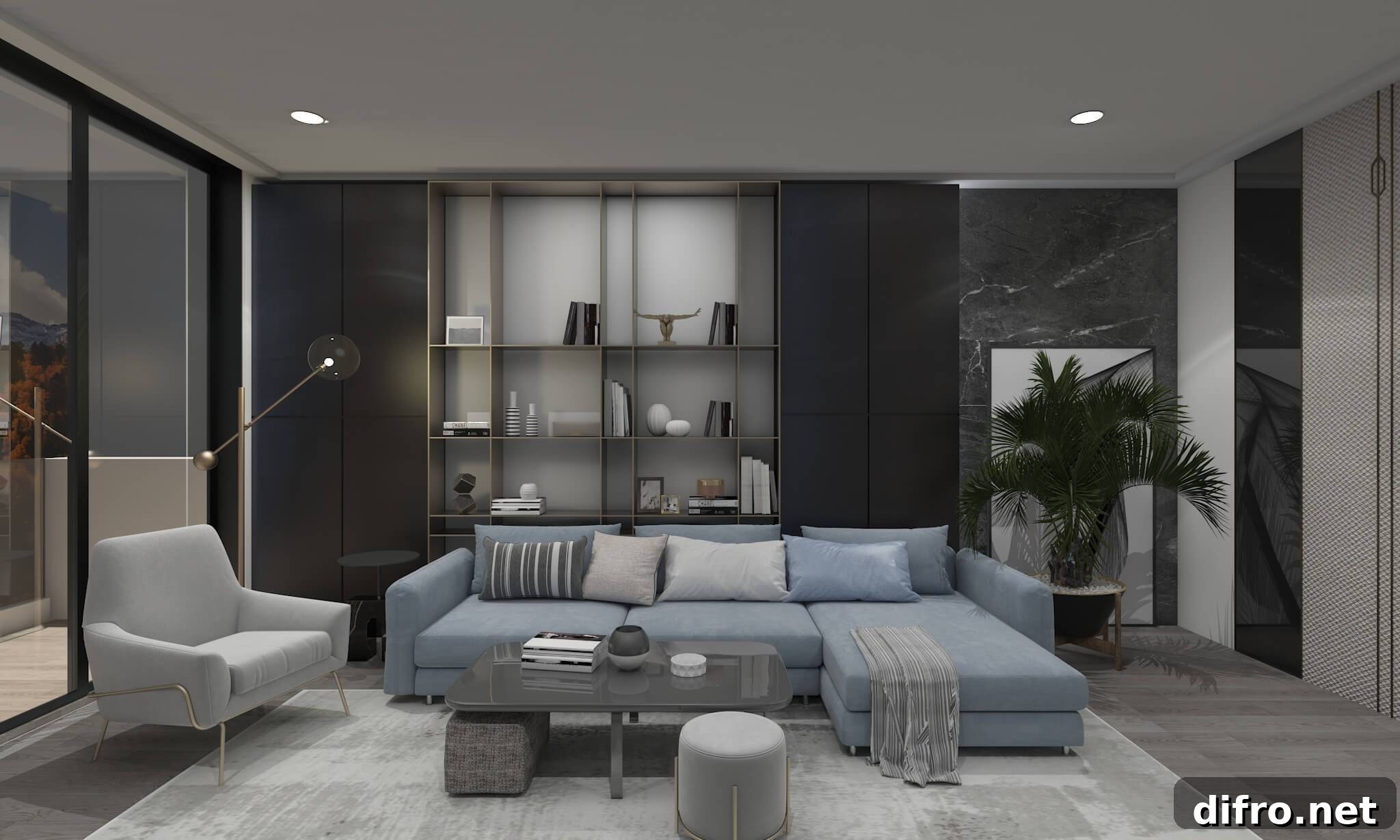
Black functions as a neutral that anchors a scheme and makes other colors and textures read more clearly. It creates contrast that highlights furniture, artwork, and architectural details. Whether you use black in small doses—doors, window frames, or cabinetry—or as a dominant hue, it adds depth and a sense of cohesion.
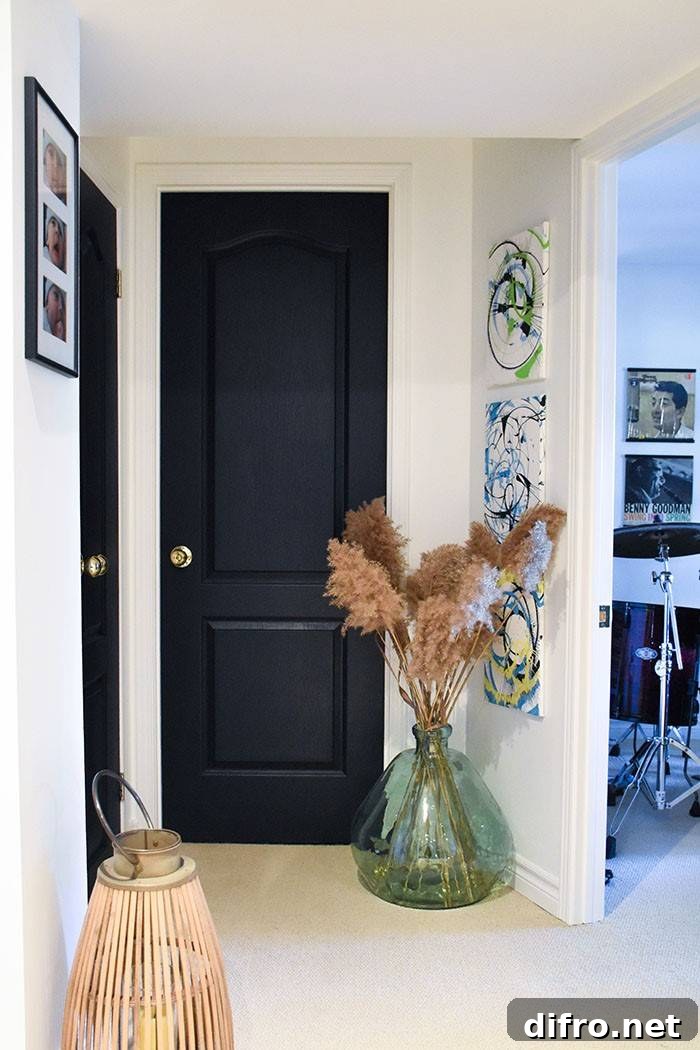
Black doors pair beautifully with a wide range of colors and materials—white walls for a crisp modern look, warm wood tones for contrast, or bold hues like yellow and red for a vibrant statement. Neutral highlights in beige or gray also look sophisticated next to black.
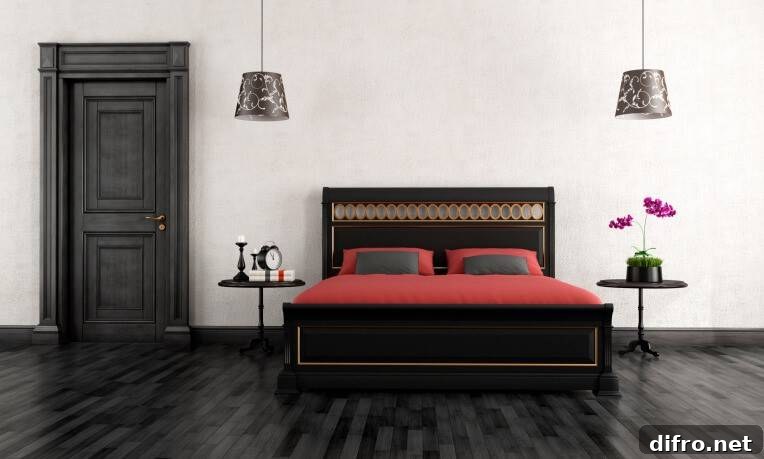
Adds visual depth and focus
Dark doors create an instant focal point, especially against light walls. They help define thresholds and make open spaces feel more intimate. In rooms with tall ceilings or wide spans, black doors or trim can visually divide areas and bring a sense of scale and structure to the layout.
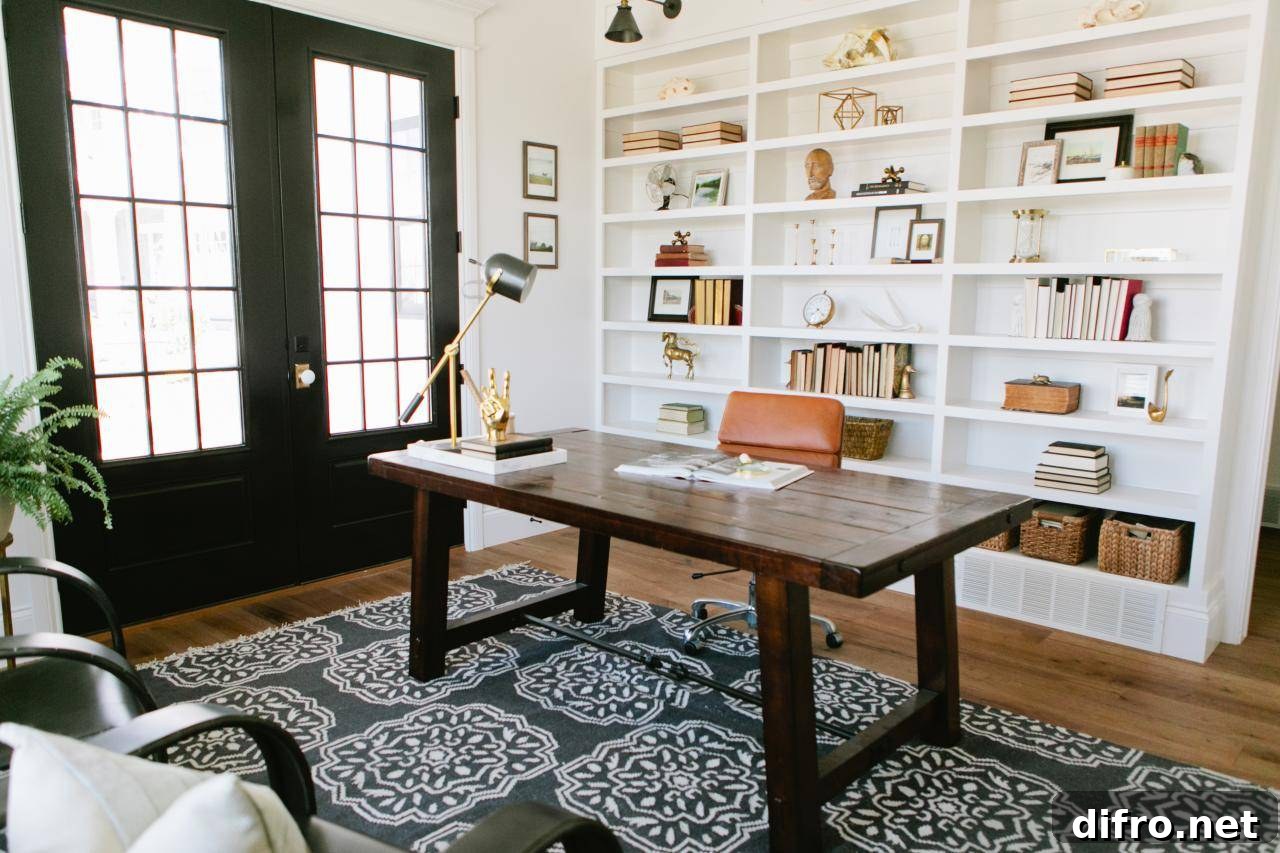
Black and white combinations are a fail-safe approach: white walls refresh the room while black doors deliver the polished, elegant finish. For a cozy bedroom or a dramatic living room, black elements create a controlled, stylish feeling without overwhelming the space.
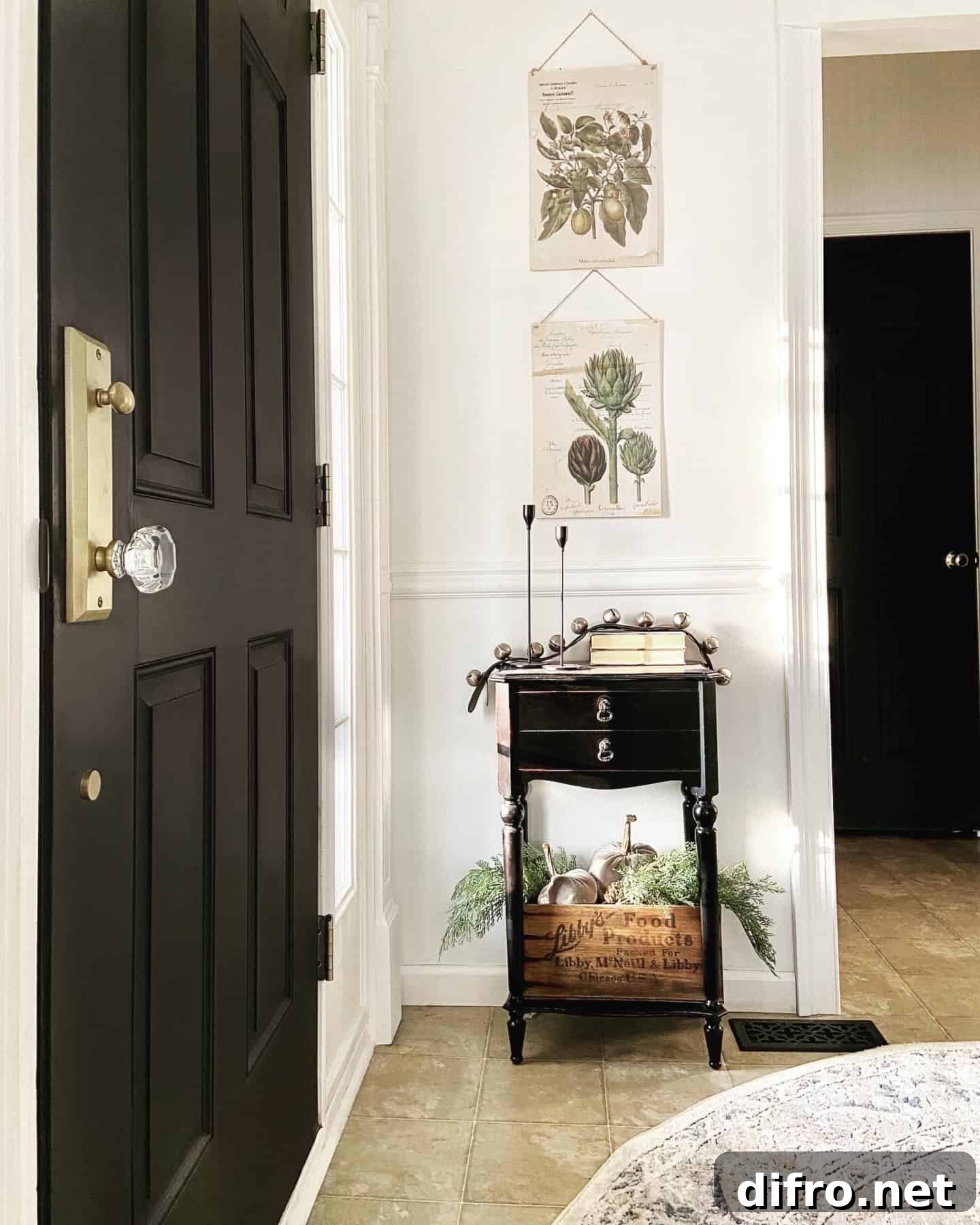
Black interiors can also create the illusion of larger space. Dark walls or features can appear to recede, producing a sense of depth when balanced with lighter surfaces and strategic lighting. Black works equally well in small rooms when used as an accent to add contrast and definition.
Frequently Asked Questions (FAQs)
Is black a good color for interior decorating?
Yes. Black is versatile and powerful—capable of adding sophistication, contrast, and a polished finish. Use it in balance with lighter tones, natural textures, and adequate lighting to avoid a heavy or closed-in feel.
How can I incorporate black into my decor?
Options include painting interior doors, adding black cabinetry or furniture, using black trim, choosing black textiles, or introducing black artwork and frames. Start with an accent and expand from there to find the balance that suits your style.
Will black make my room look smaller?
Not necessarily. When applied strategically, black can create depth and make boundaries recede, which often makes a room feel larger. Pair black with lighter colors, reflective surfaces, and layered lighting to preserve an open atmosphere.
What colors pair well with black?
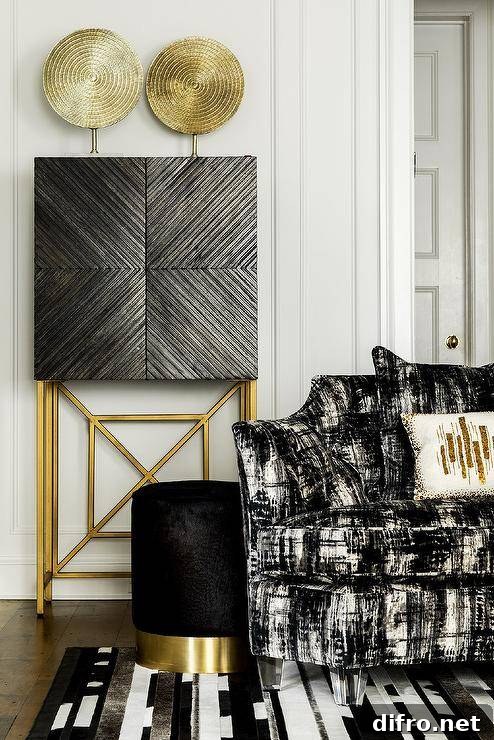
Black complements white, gray, beige, warm woods, metallics like gold and brass, and bold colors such as red, yellow, and emerald. The key is contrast: black enhances whatever color you place beside it.
Should I choose glossy or matte black paint?
Glossy and satin blacks reflect light and feel more modern; matte black absorbs light and offers a textured, sophisticated look. Select the sheen based on the room’s lighting and the mood you want to create.
Can I mix different shades of black?
Yes. Mixing tones and sheens adds depth and prevents a flat, monochrome appearance. Combine matte and satin finishes, or pair black with charcoal and deep neutrals for a layered, intentional design.
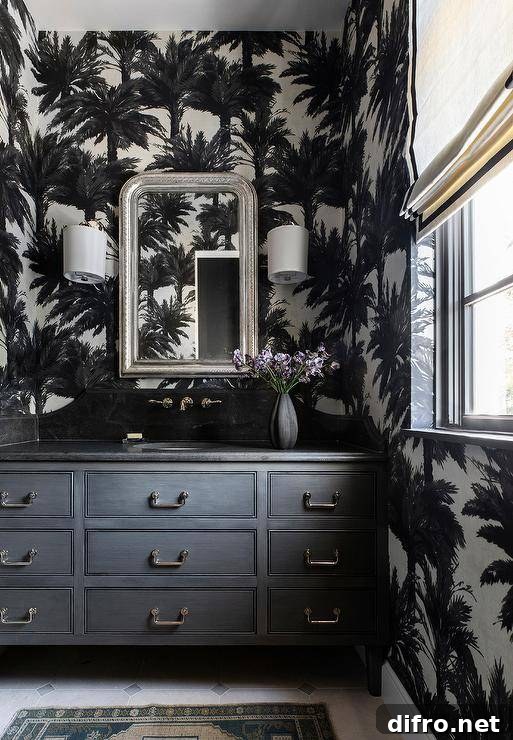
Black interior doors and accents are a smart, stylish choice that work across styles and budgets. Thoughtfully applied black creates impact, improves contrast, and lends a timeless sense of refinement to any space. If you’re considering a design update, test a black door or an accent to see how it transforms your home.