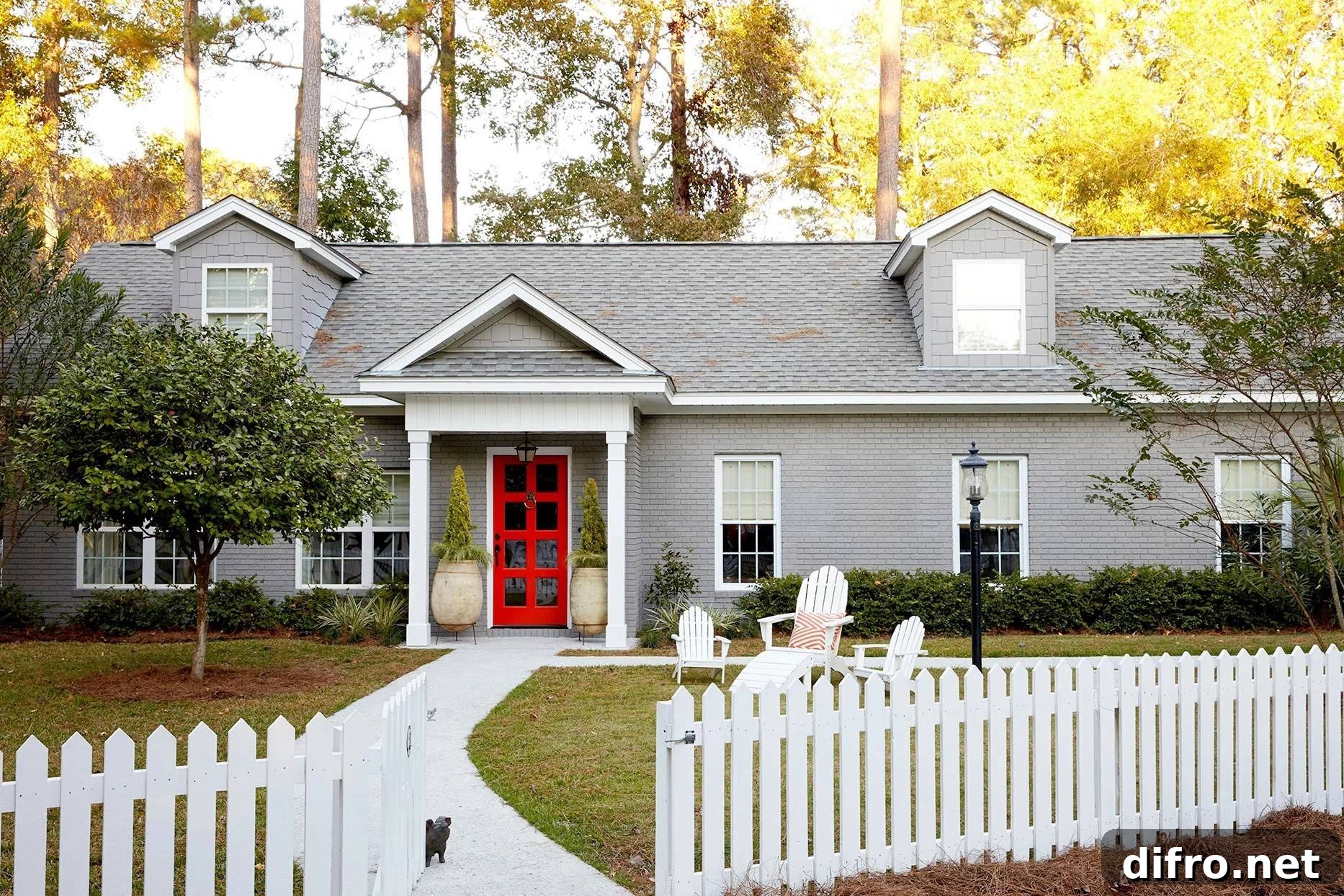
A privacy fence defines the boundary between your home and the outside world. Generally, a fence needs to be at least 4 to 6 feet tall to be considered a privacy fence. While many homeowners overlook fencing when planning landscaping, a well-chosen privacy fence delivers practical benefits and can enhance your property value.
Beyond keeping out stray animals, a privacy fence helps contain children and pets, reduces street noise, and creates a private outdoor living area. For many sellers, a thoughtfully designed backyard with strong privacy features can be an attractive selling point.
What Are Privacy Fences Made Of?
Fence materials determine how much visual separation you get, how weather-resistant the fence will be, and how much maintenance it will require. The most common choices for backyard privacy fences are wood and vinyl, though many other options exist.
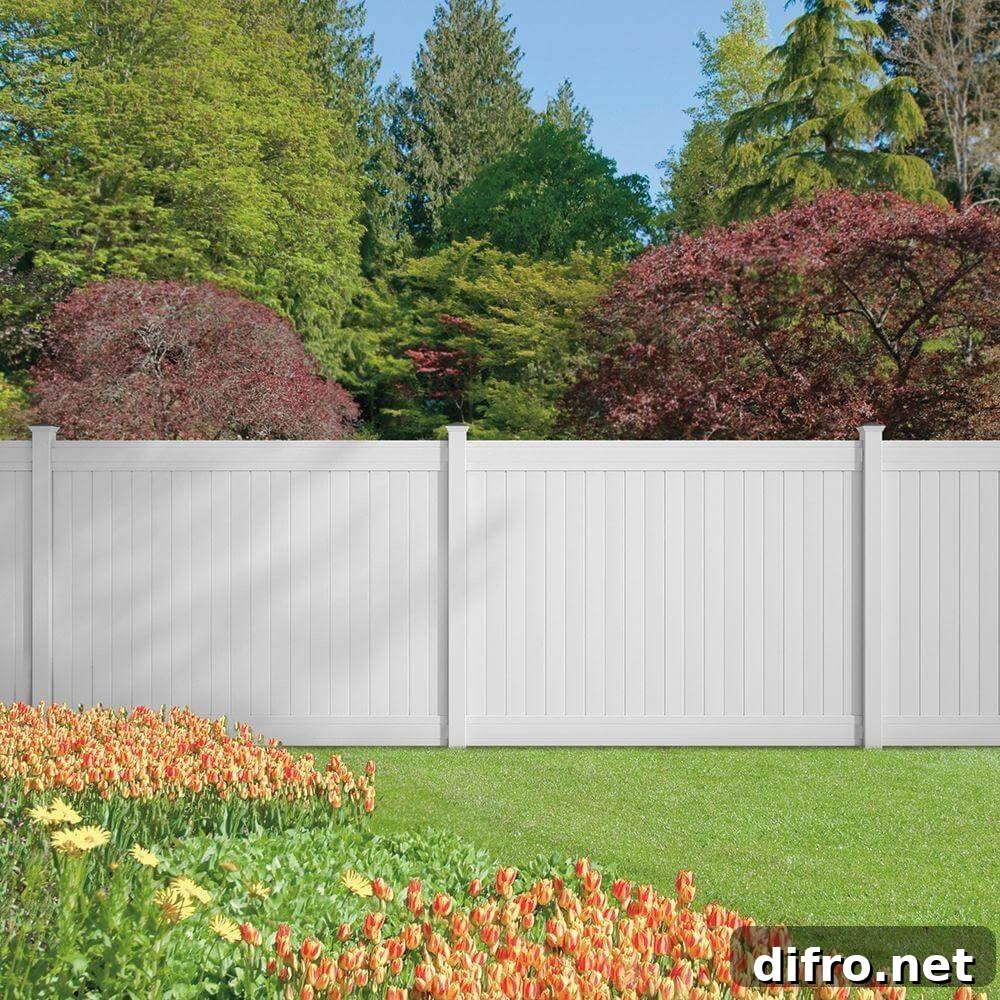
Vinyl fences are popular because they resist pests, require little maintenance, and adapt well to different climates. A quality vinyl fence can last around 20 years or more with minimal upkeep. Because vinyl is non-porous and available in many styles and colors, it’s a practical choice for homeowners who want long-lasting privacy without frequent painting or staining.
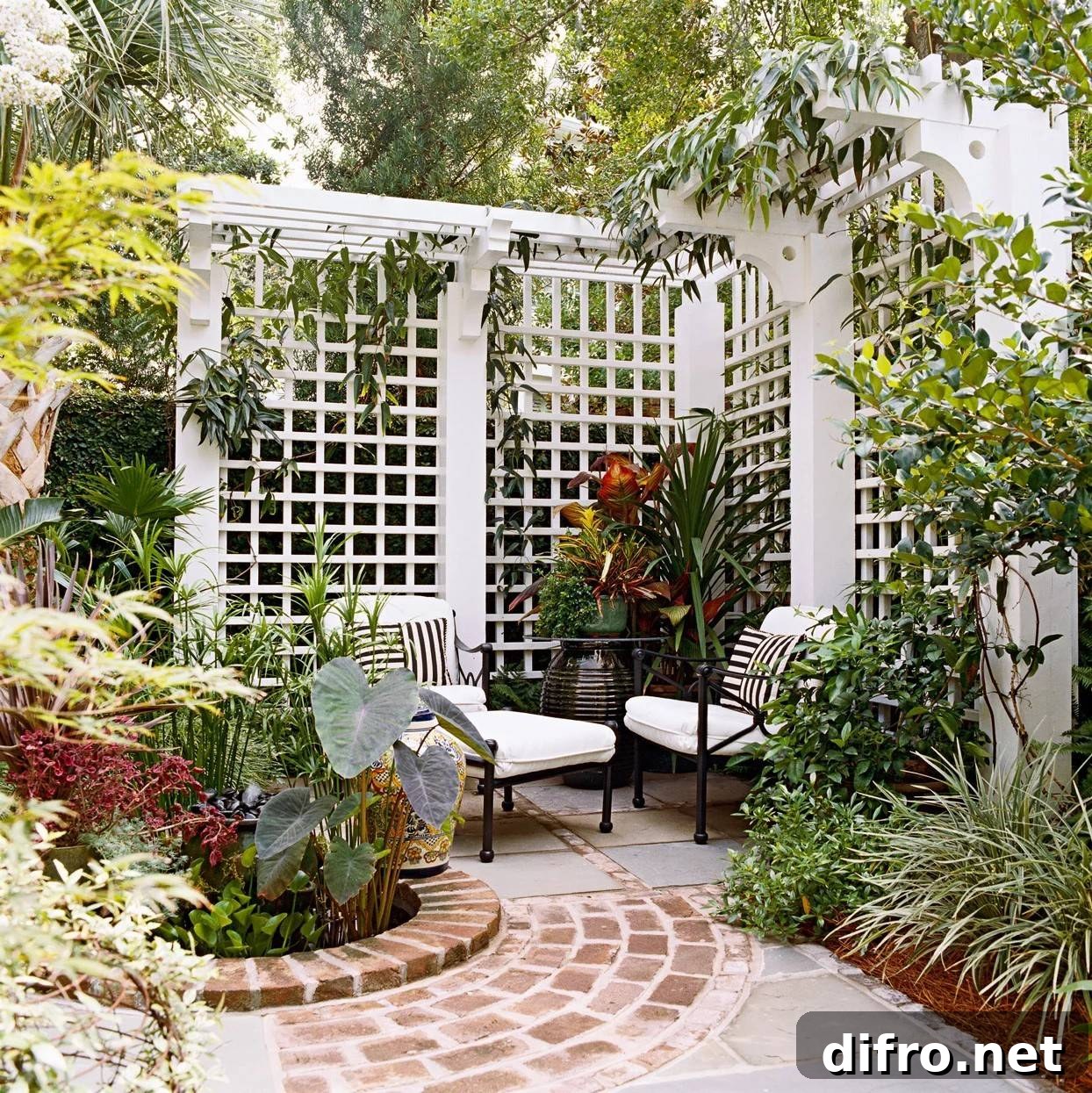
Wooden fences remain a classic option. They offer a natural look, can be built solidly to block sound and wind, and are available in many styles—from traditional vertical boards to horizontal slats and decorative lattice. Wood requires periodic staining or painting and inspection for rot or insect damage, but well-maintained wood fences can last for many years and provide a warm, customizable backdrop for landscaping.
Types of Backyard Privacy Fence Styles
Privacy fences come in a variety of materials and styles to suit different needs and budgets. Common options include wrought iron (often combined with infill), bamboo or rattan panels, slat or pallet wood fences, chain link with privacy slats, and solid brick walls. Each offers a different balance of privacy, aesthetics, durability, and cost.
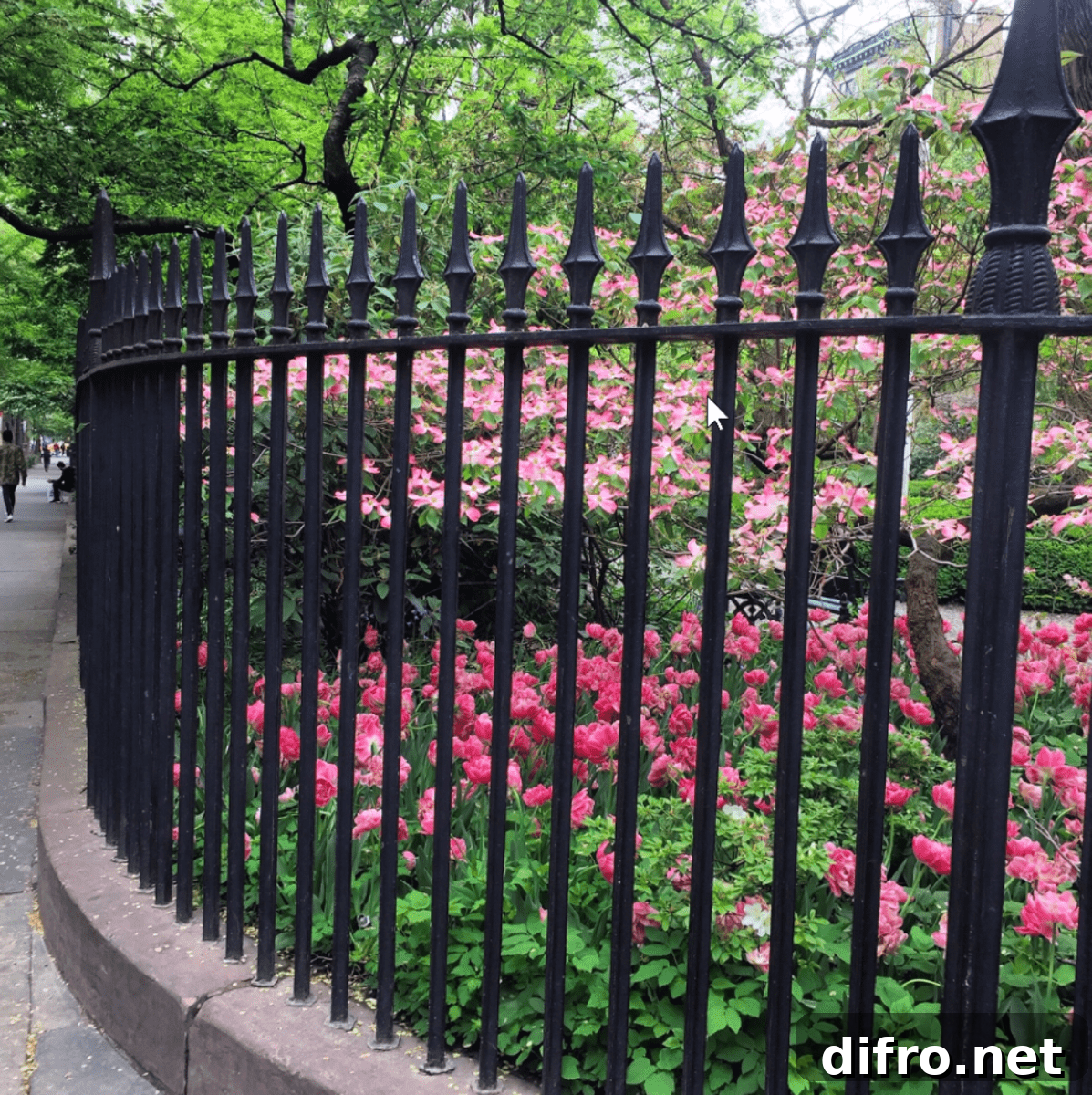
Wrought Iron
Traditional wrought-iron fences are valued for their decorative appearance and durability. Modern versions are typically fabricated from galvanized steel or aluminum and finished with powder coating to resist rust. While classic ironwork is often more open than a solid privacy fence, it can be combined with hedging, panels, or infill to increase screening while preserving an elegant look.
Rattan or Bamboo Fence
Bamboo and rattan panels come in rolls or ready-made sections and are prized for affordability, easy installation, and a natural aesthetic. Bamboo is a sustainable material and works well for creating a relaxed, tropical or Asian-inspired privacy screen. Because panels can be attached to existing fences or posts, they provide a quick privacy upgrade, though they may require replacement sooner than more durable materials in very wet climates.

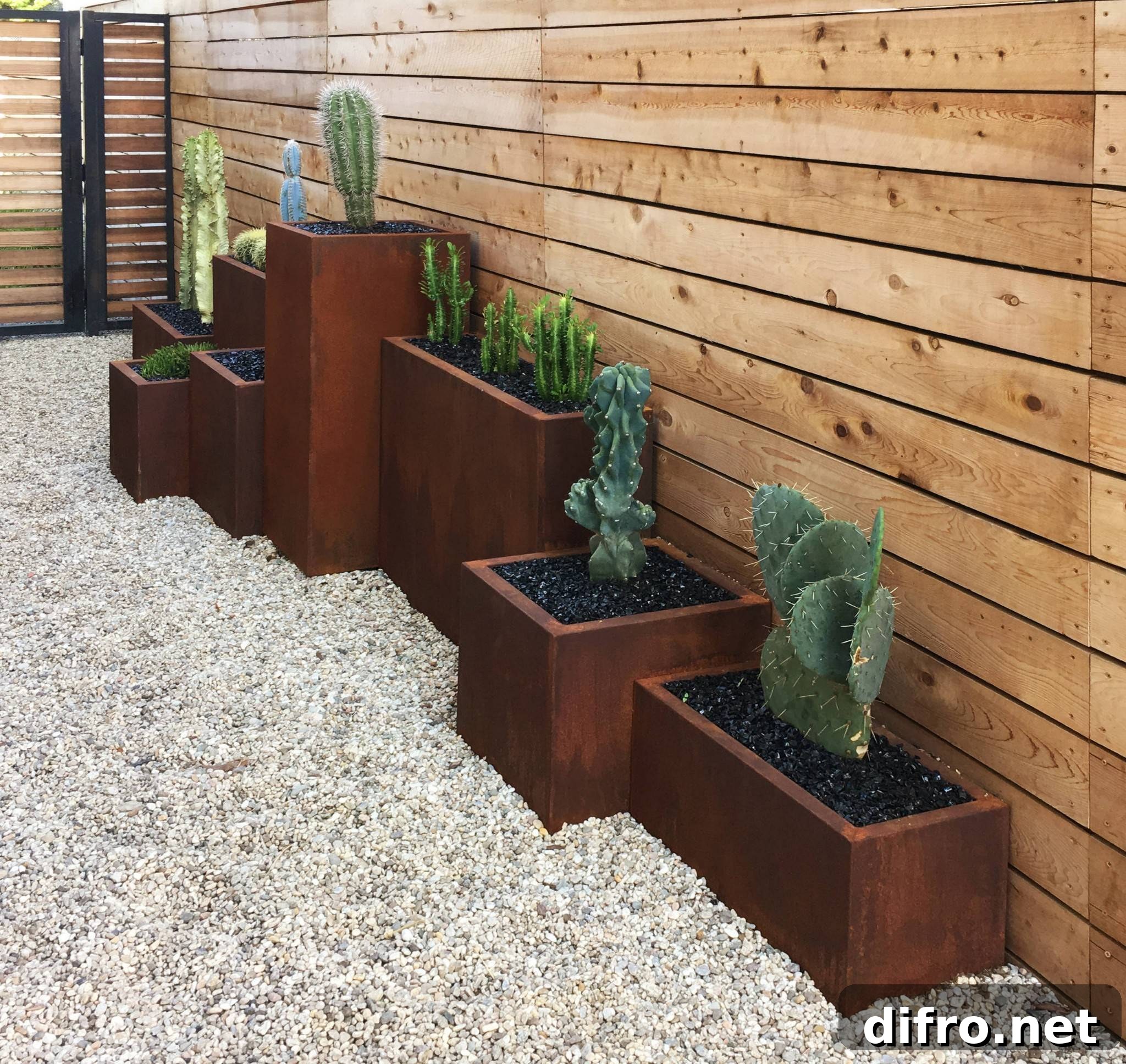
Pallet or Slat Wood Fence
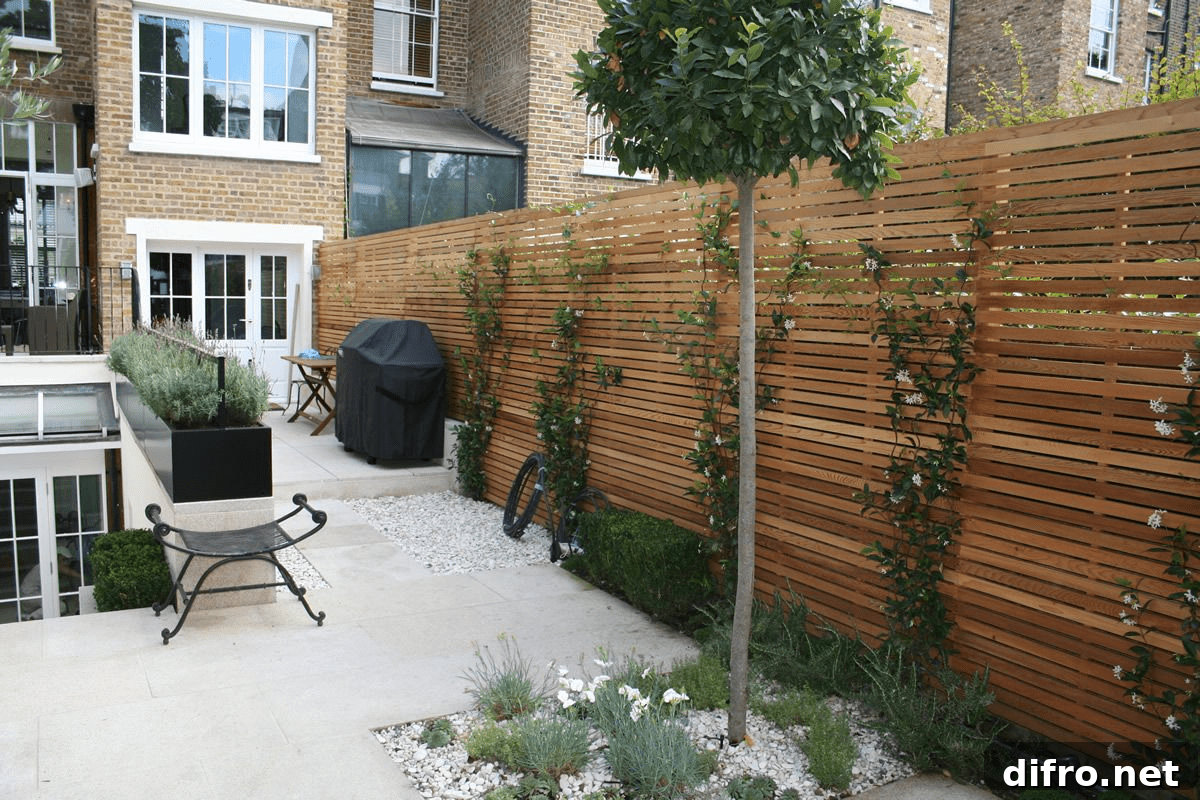
Slat or pallet-style fencing uses horizontal or vertical boards spaced closely to provide privacy while offering a modern, textured appearance. These fences are versatile: they can be stained, painted, or softened with climbing plants and planters. Properly constructed pallet or slat fences are durable and can withstand weather and heavy use, making them a practical choice for urban backyards and patios.
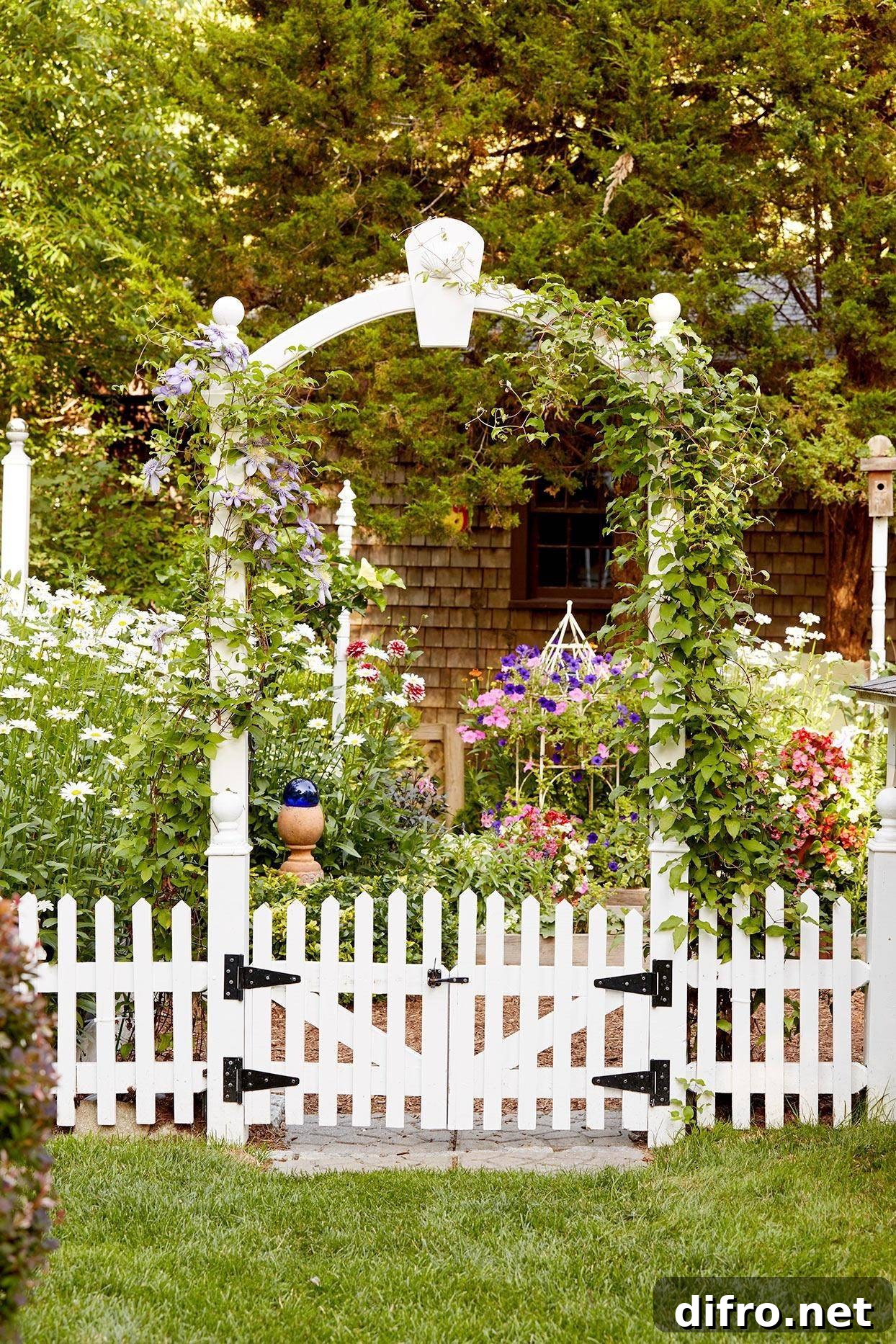
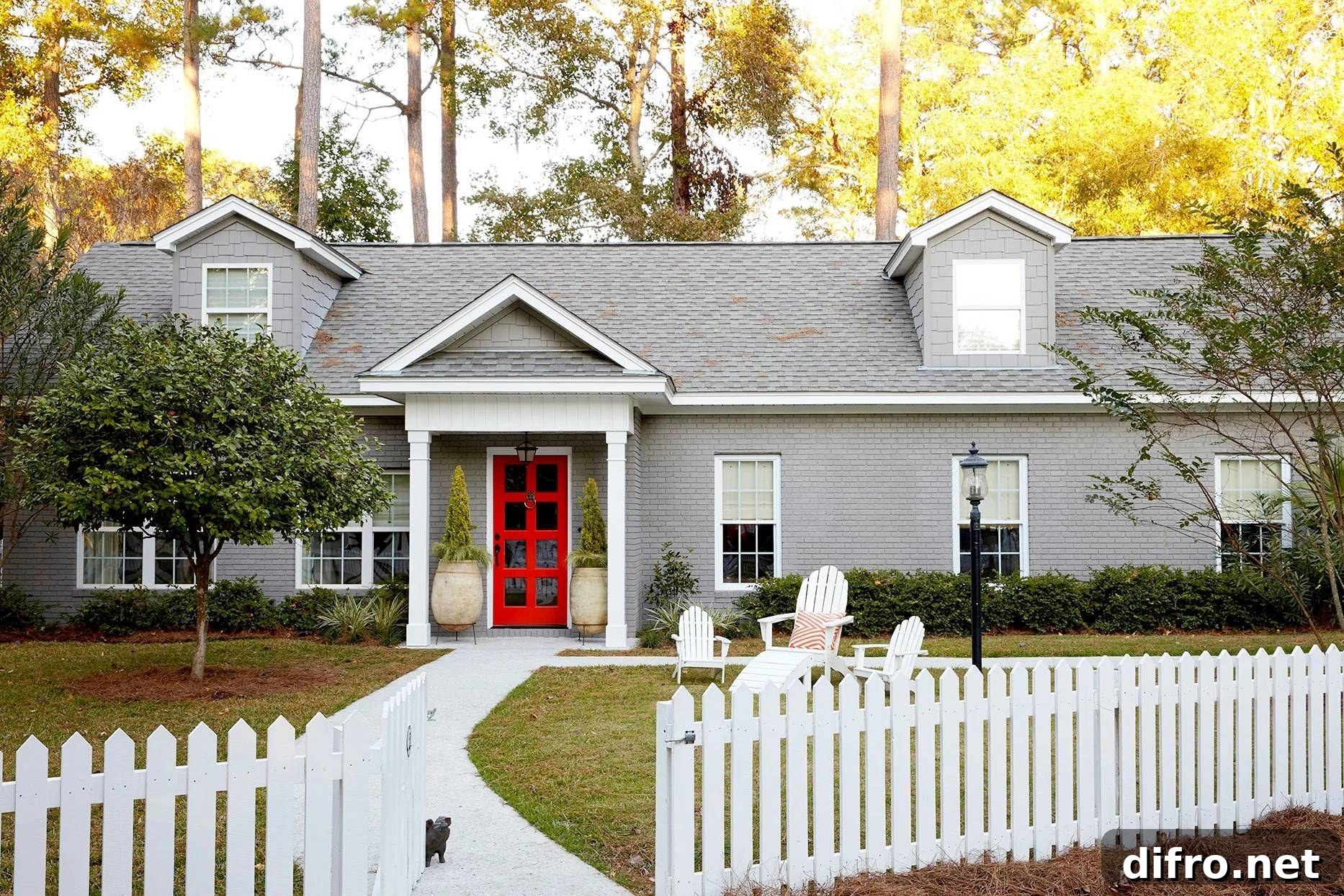
White Picket Fence
The white picket fence is primarily decorative rather than a full privacy solution. Defined by evenly spaced vertical boards often painted white, this fence symbolizes traditional suburban charm and works well as a low boundary or front-yard accent. For greater privacy, picket fences can be paired with hedges or taller panels.
Chain Link or Wired Fence
Chain-link fencing is one of the most economical and low-maintenance options. Made from galvanized or coated steel wire, chain link is durable and easy to repair. For increased privacy, vinyl slats or screening fabric can be woven into the mesh, or plantings can be used along the fence line. While not as visually solid as wood or brick, chain link offers long-term value and minimal upkeep.

Brick Wall
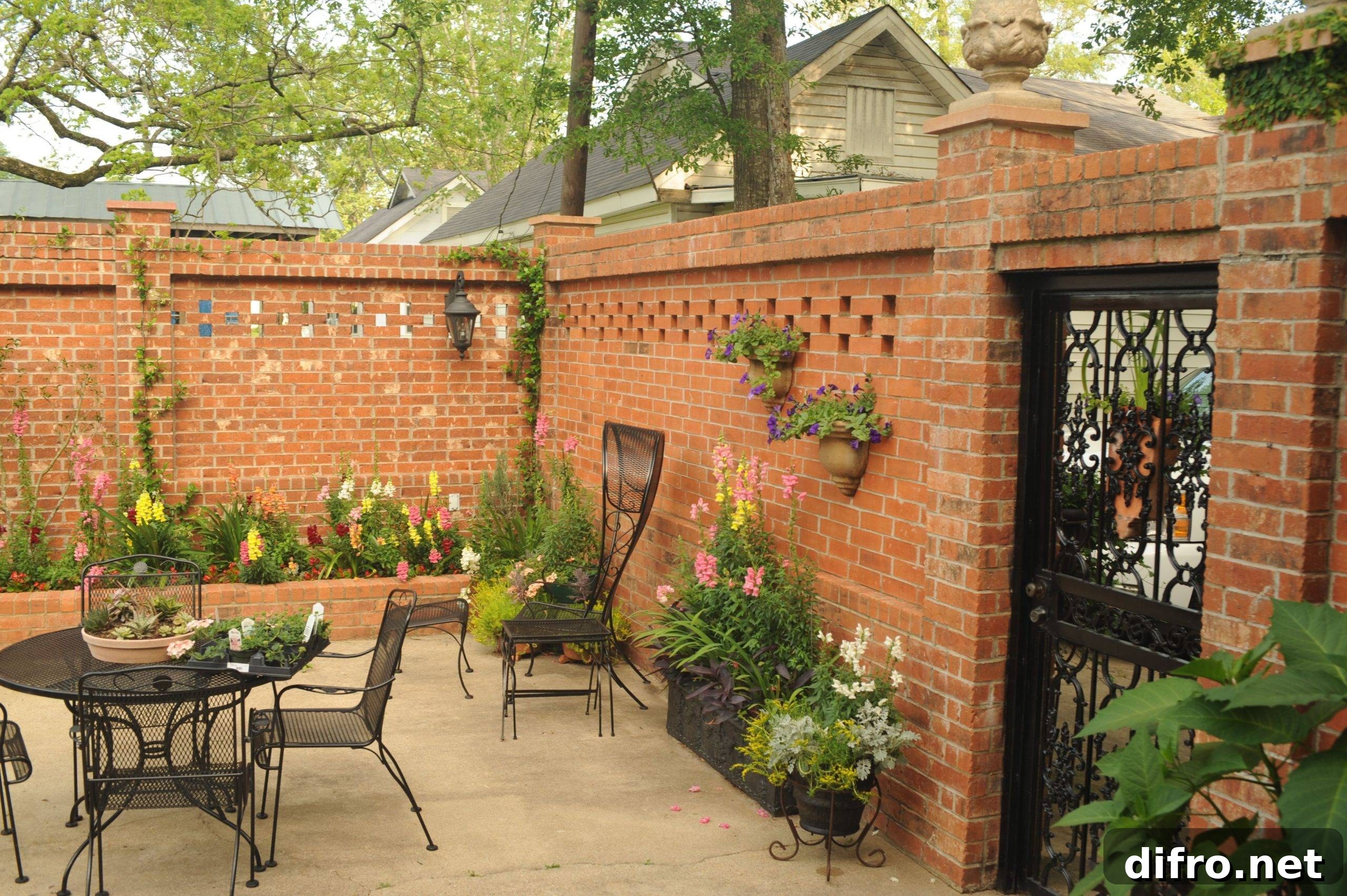
A brick wall provides one of the most durable and private boundary options. Properly built with a solid foundation, a brick wall can last for decades and offers superior sound reduction and security. Brick can be customized with decorative coping, integrated planters, or sections of wrought iron for visual interest. Although its upfront cost is higher than many other materials, the long lifespan and low maintenance make it a compelling investment for many homeowners.
Selecting the right privacy fence depends on your budget, desired level of seclusion, maintenance tolerance, and the look you want to achieve. Whether you choose low-maintenance vinyl, warm wood, natural bamboo, economical chain link with added screening, or a long-lasting brick wall, a well-planned fence will improve your outdoor living space and can add measurable curb appeal to your home.