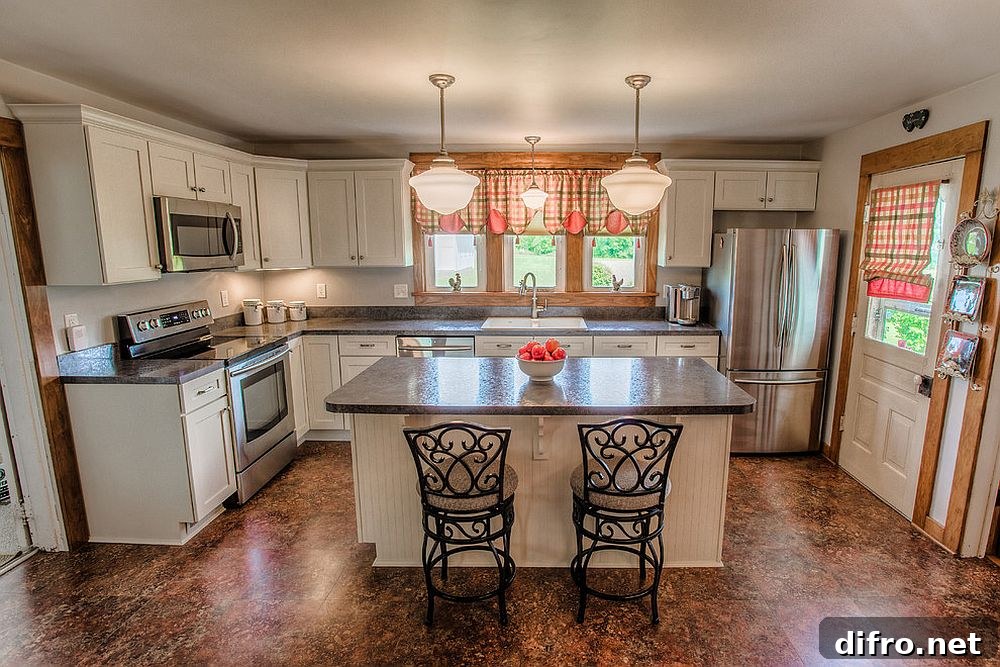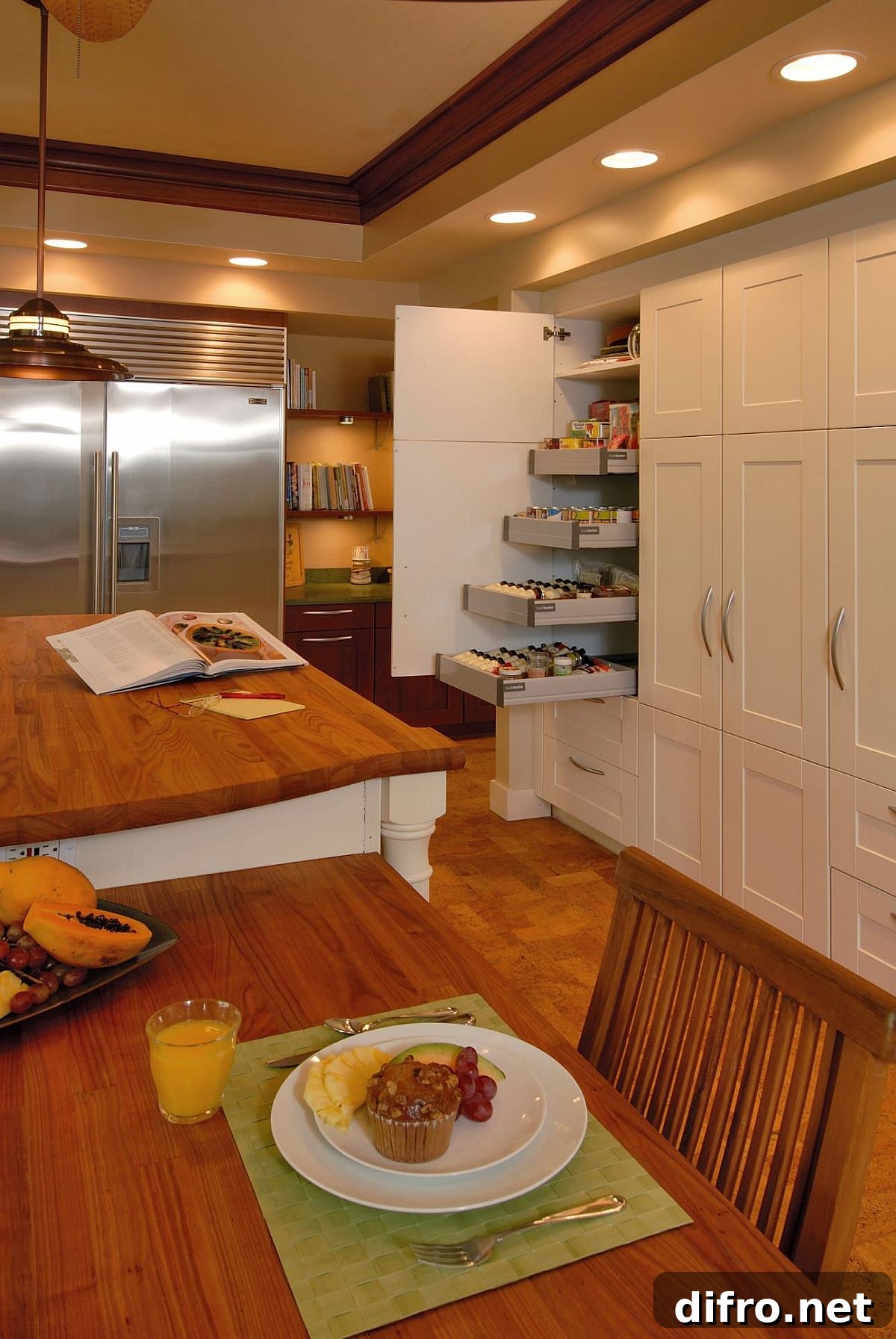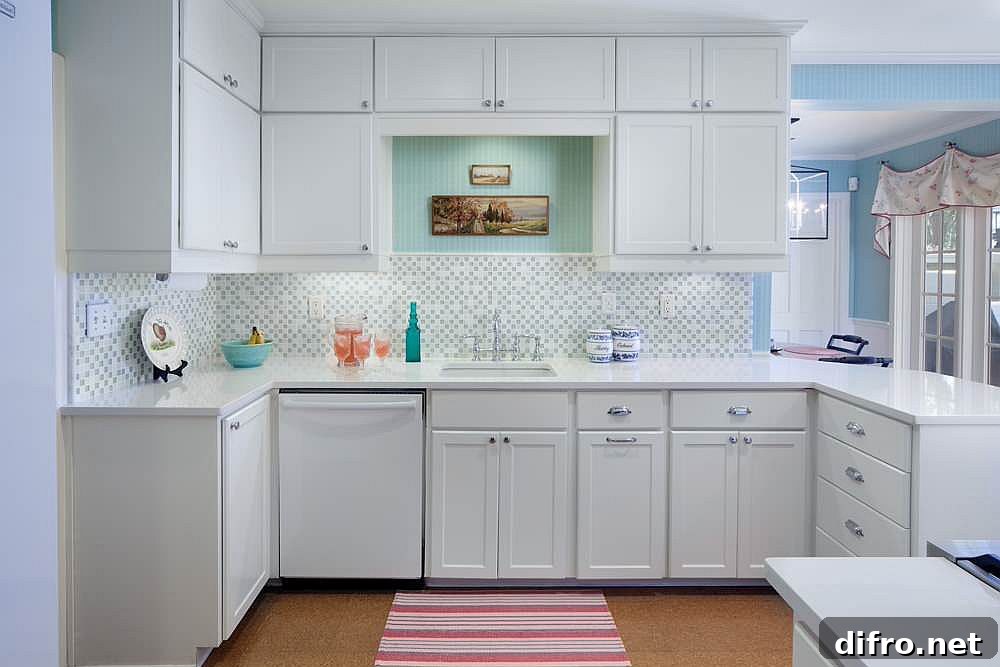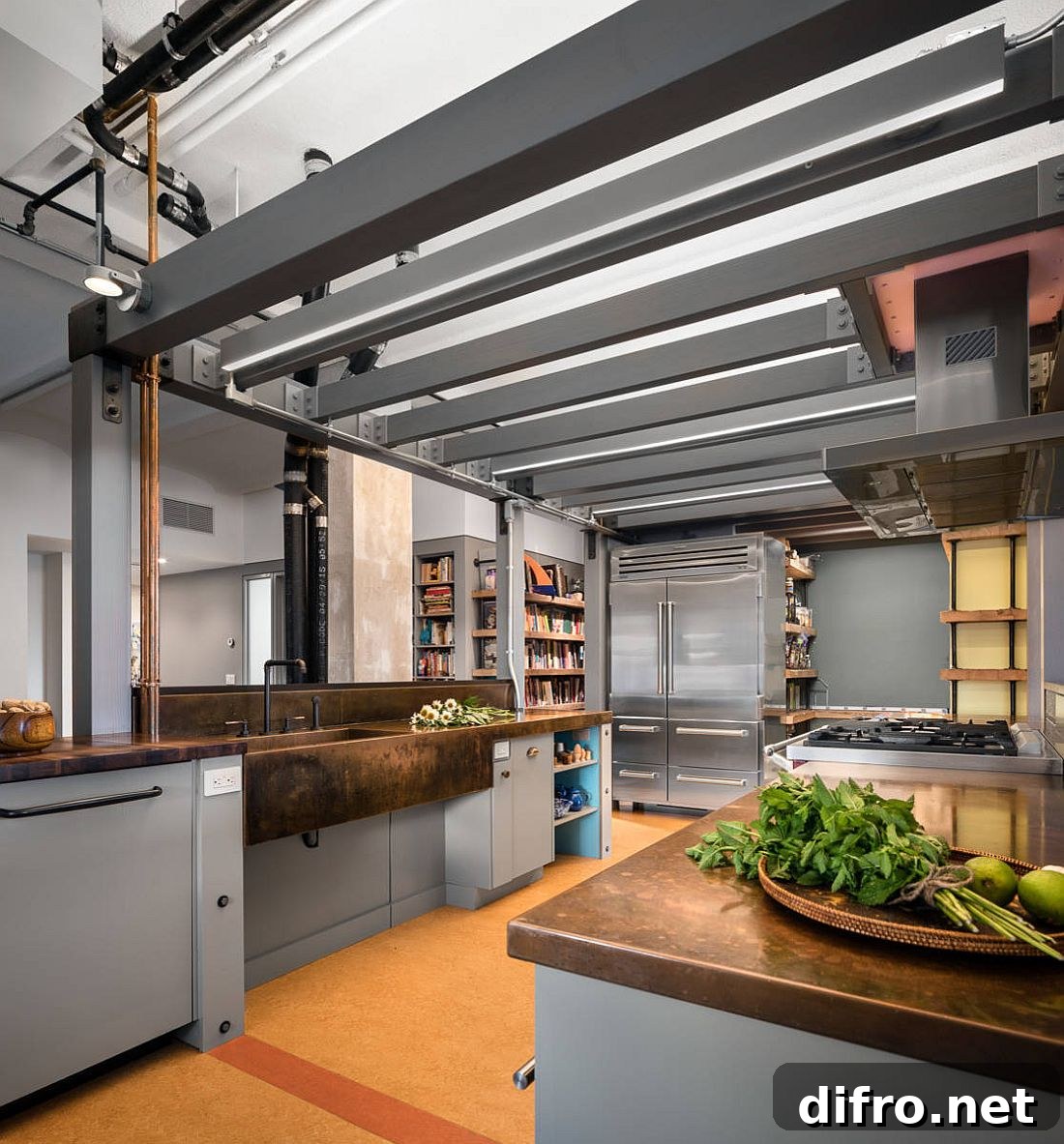
We are always looking for smart ways to improve our kitchens. Design and architectural choices should blend function and style seamlessly. Sometimes space-saving shelves change the game; other times it’s a colorful backsplash, new countertops, or a redesigned island. Yet one surface often gets overlooked: the kitchen floor. Because the kitchen is typically the busiest area in an open-plan home, choosing the right flooring matters. A well-chosen cork kitchen floor can transform how a kitchen looks and feels while offering practical benefits.
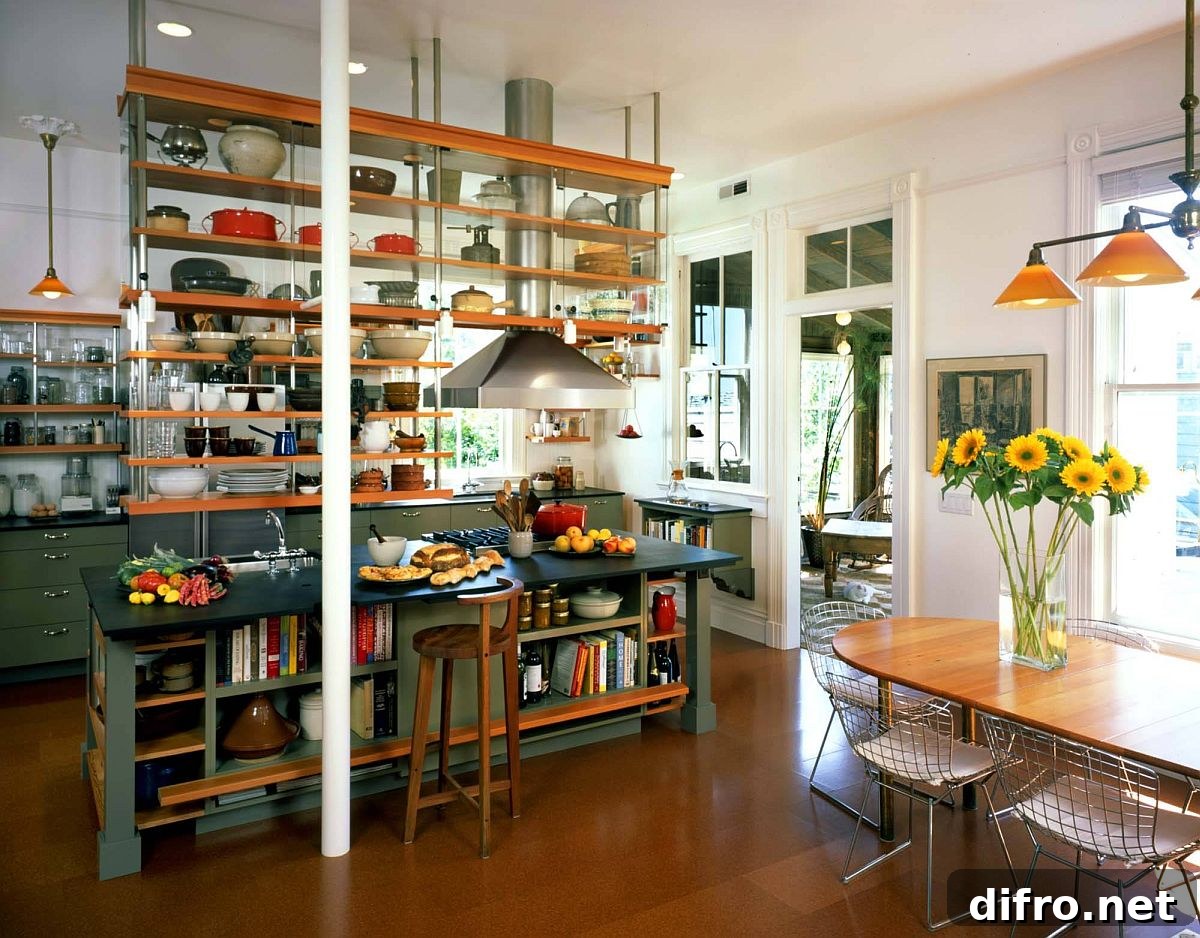
Among current flooring options, cork has become one of the most popular and environmentally friendly choices for homeowners. Although interest in cork has risen over the last decade, cork floors have a long history and fit especially well in retro, vintage, and eco-minded kitchens. Below we explore cork kitchen floors—what makes them sustainable, how they look and feel, and what installation and maintenance involve—so you can decide whether cork is right for your kitchen.
A Truly Eco-Friendly Choice
Cork is a natural, renewable material harvested from the bark of cork oak trees. The trees are not cut down; instead, their bark is carefully stripped and allowed to regenerate. Harvesting typically begins once a tree is about 25 years old and is repeated every 12 to 14 years; a single tree can be harvested for many decades, often for up to 150 years. This process leaves the trees unharmed and supports a low-waste, sustainable industry.
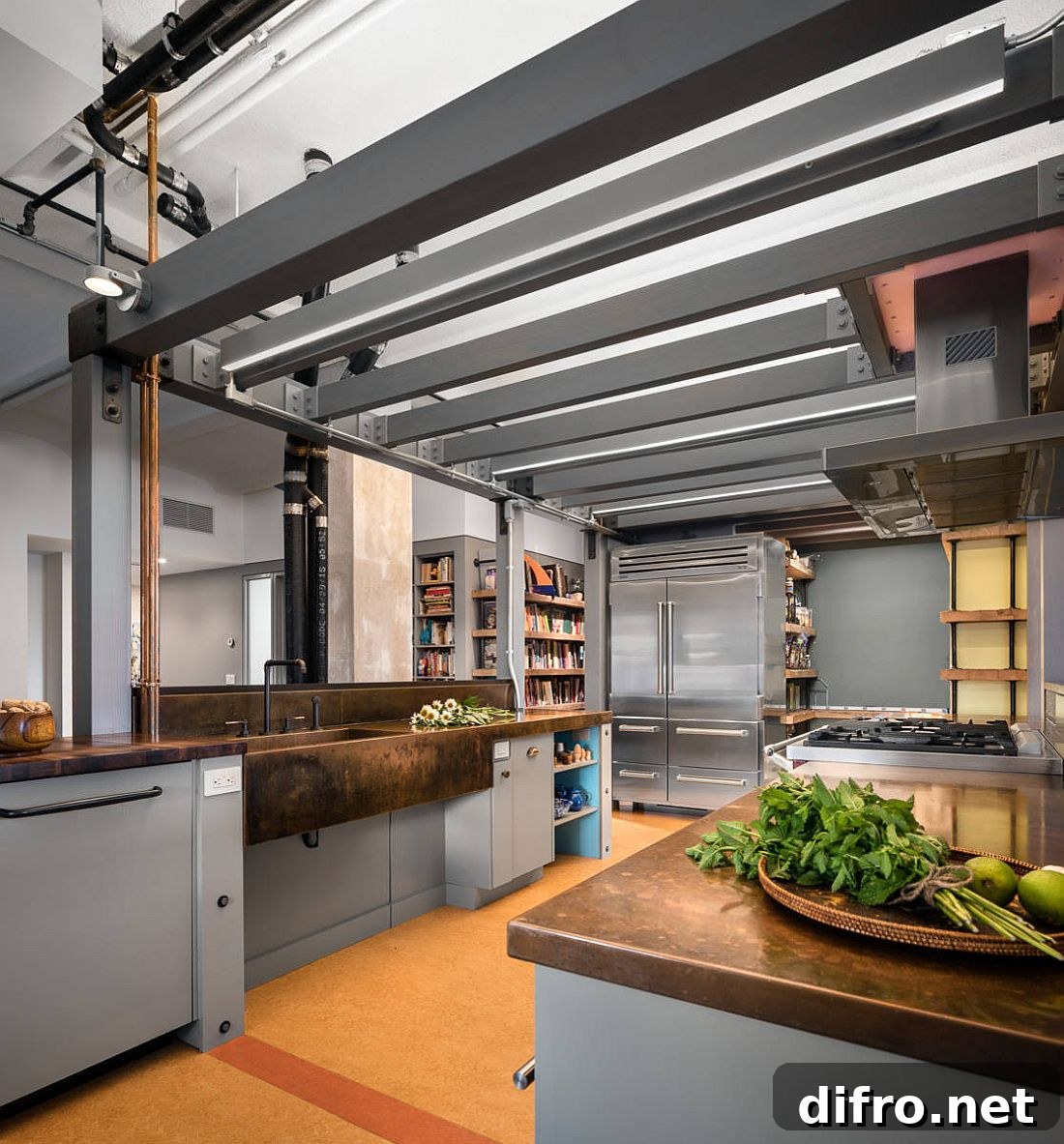
Many cork floors are produced from leftover cork material—such as remnants from bottle-stopper manufacturing—or from reclaimed cork, helping minimize waste. That closed-loop aspect makes cork one of the greener choices for kitchen flooring compared with many conventional materials.
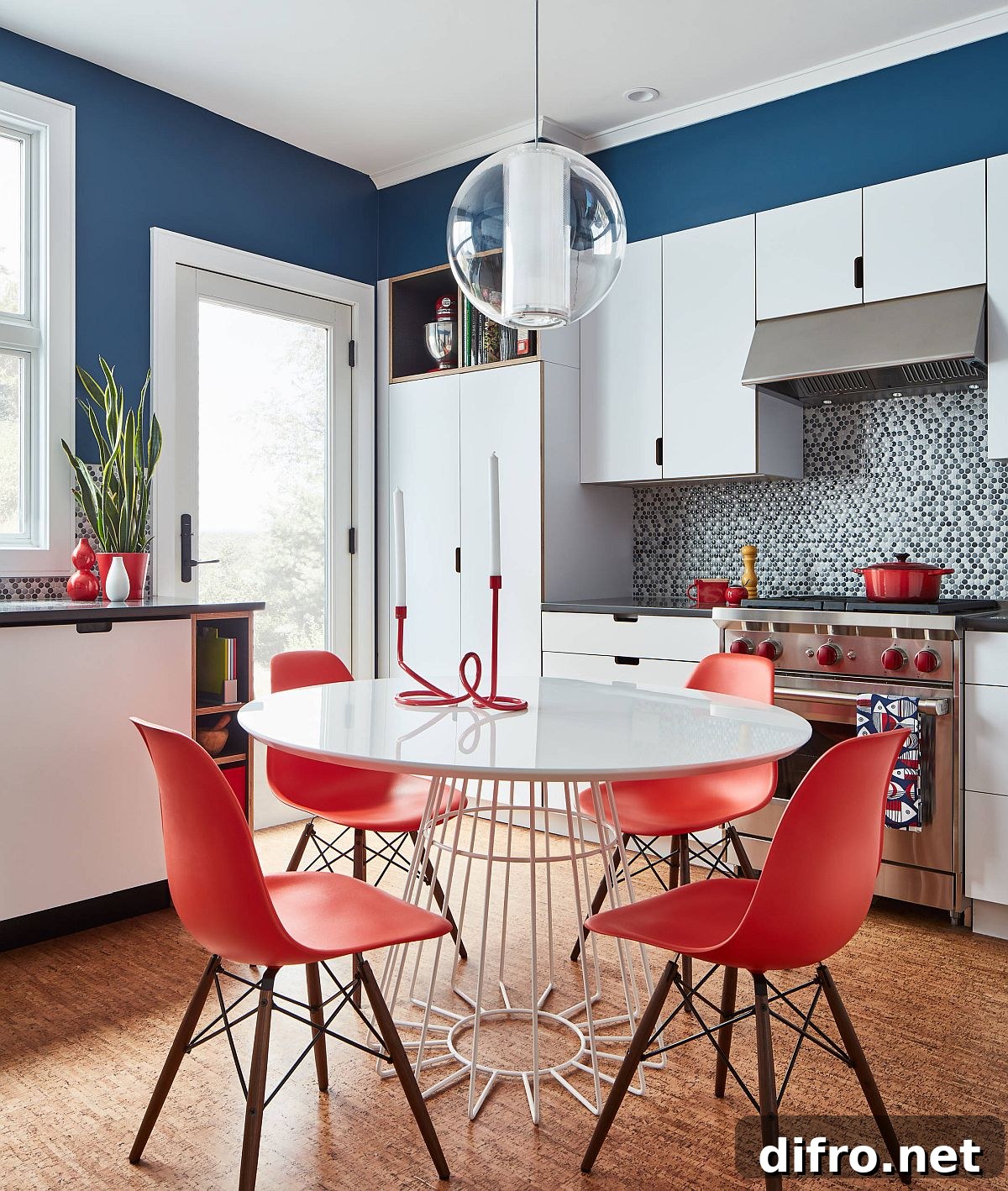
Tone and Textural Appeal
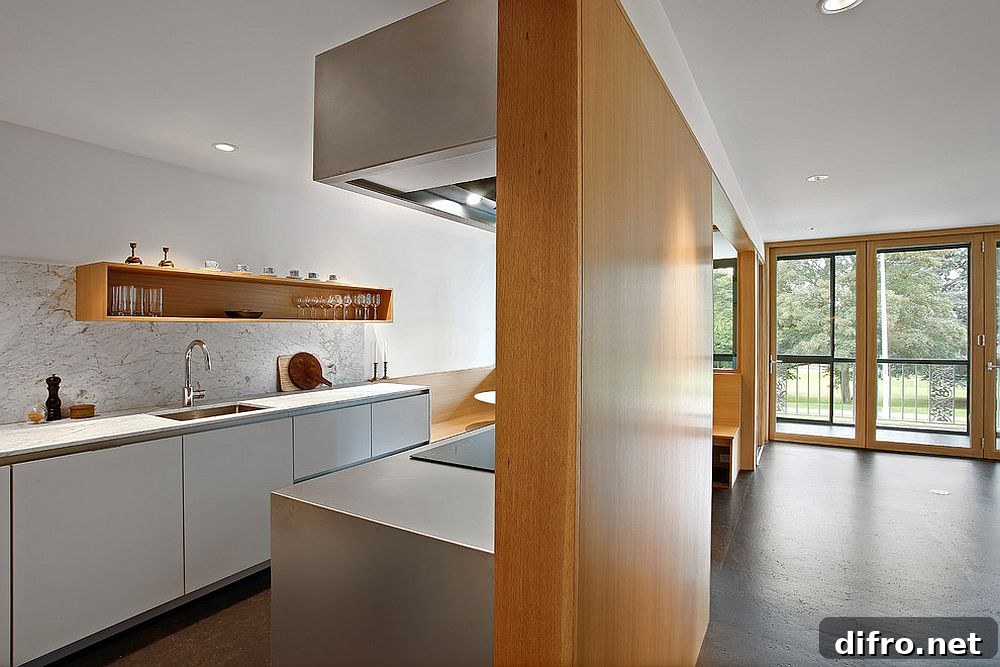
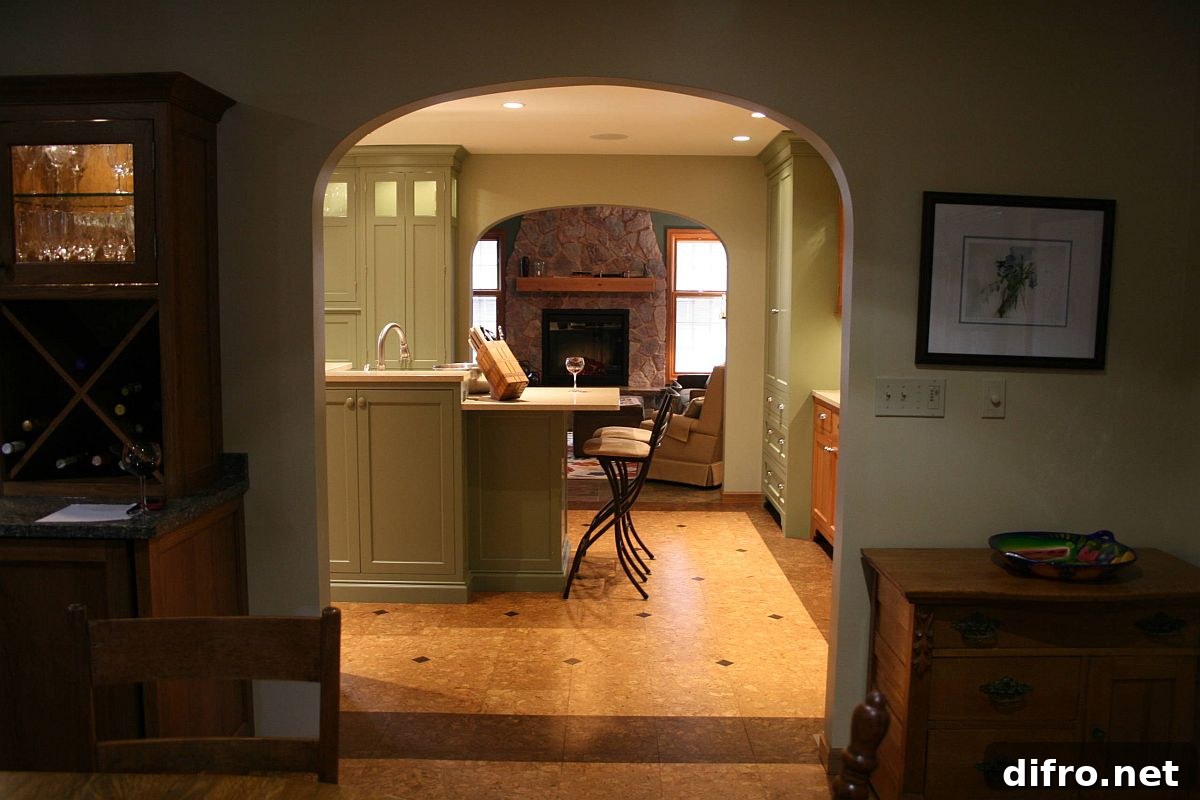
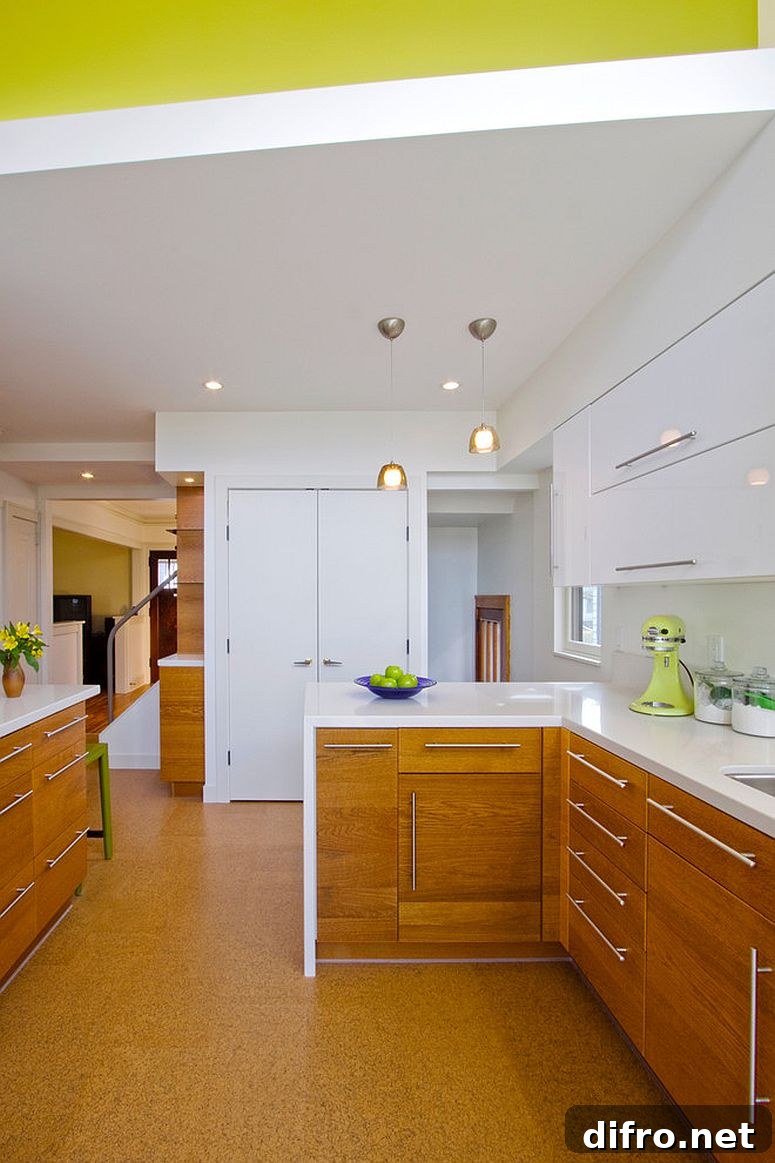
Cork offers more than sustainability: it brings a warm, textured aesthetic that differs from stone, tile, or highly polished surfaces. Visually and tactilely closer to wood, cork creates a cozy, inviting atmosphere and coordinates easily with popular schemes such as wood-and-white kitchens. Its natural texture and color variations add visual interest while remaining neutral and versatile.
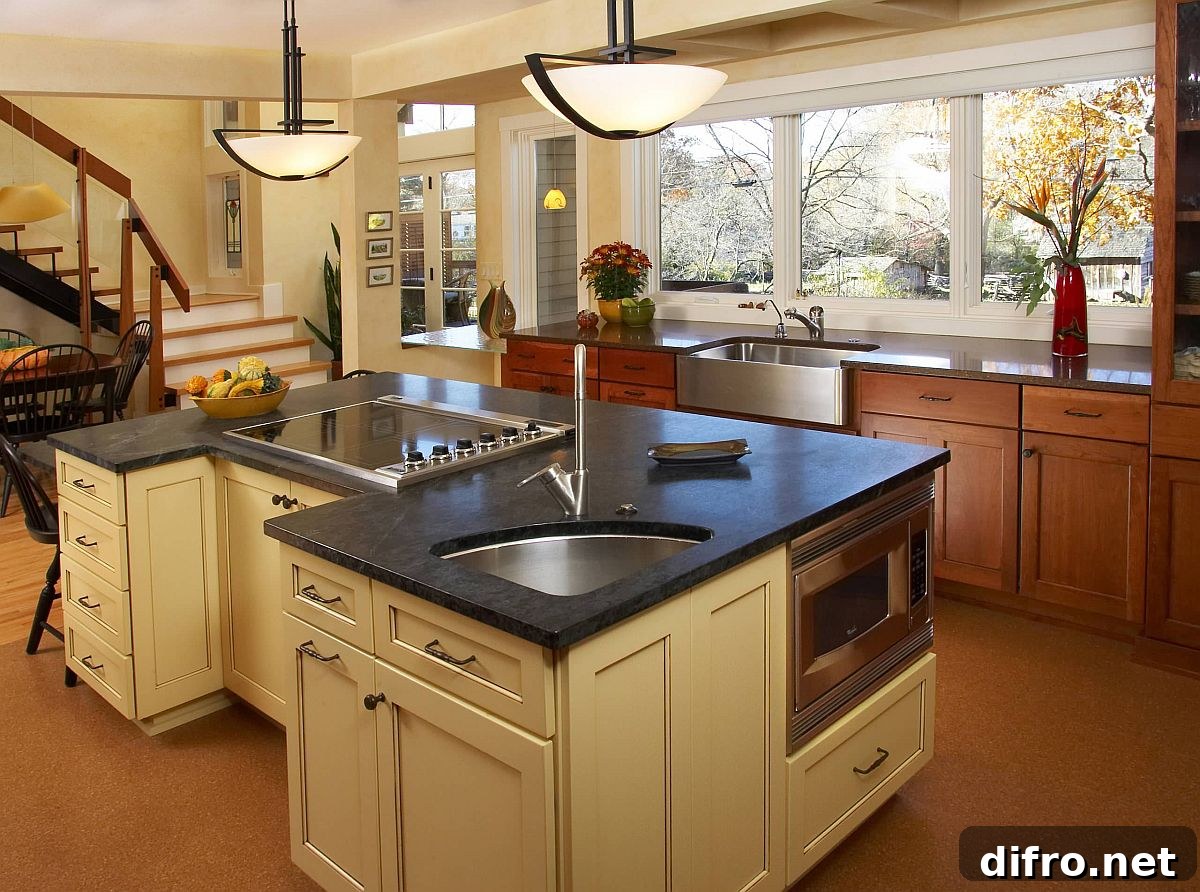
Beyond looks, cork performs well acoustically: it absorbs sound and reduces echoes, which can make a busy kitchen feel calmer. It also provides a softer, more forgiving surface underfoot than tile or hardwood, making it comfortable for long periods of standing while cooking or entertaining.
Installation, Maintenance and Longevity
Installing cork flooring is similar to installing other plank or tile-style floors; professional installation is recommended to ensure a stable, even subfloor and correct adhesion or floating installation method. Cork can be finished with polyurethane for durable protection or with waxes and oils for a softer sheen. Finishes affect both appearance and maintenance needs.
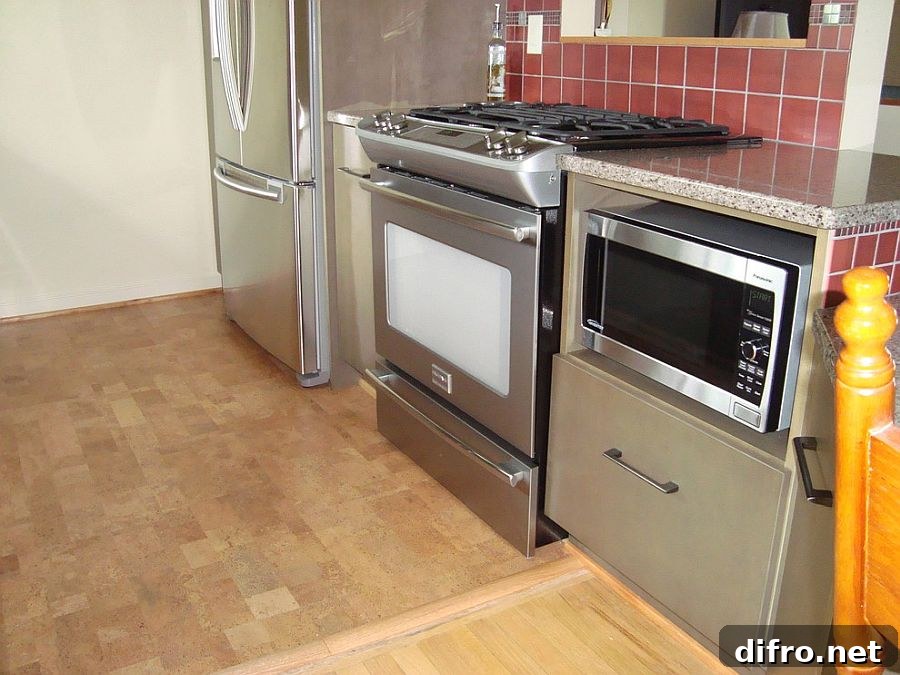
Cork is fairly water-resistant but not waterproof. Promptly wiping away spills and preventing prolonged exposure to moisture will protect the floor. Avoid dragging heavy furniture across cork, as sharp or concentrated pressure can cause dents or tears. Fortunately, small nicks and scuffs can often be sanded out or repaired, and a well-maintained cork floor ages gracefully.
Cost-wise, cork is not the cheapest option but generally sits in a moderate price range compared with premium hardwood or natural stone. Its durability, comfort, and eco-credentials make it a strong value for many homeowners considering a kitchen floor makeover.
Design Flexibility and Final Thoughts
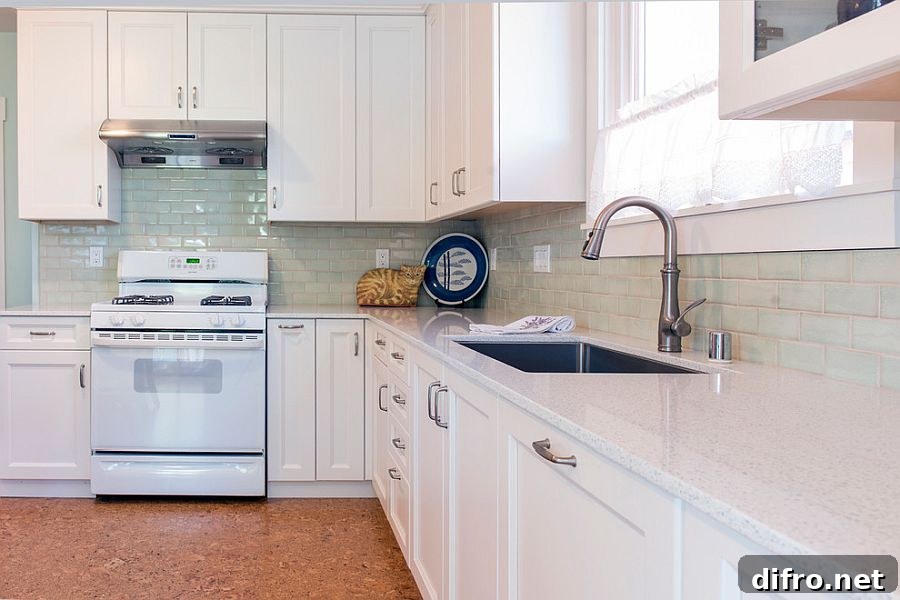
Cork flooring is offered in a variety of finishes, patterns, and plank sizes, making it adaptable to different kitchen styles—from minimalist and modern to warm, rustic interiors. It pairs particularly well with wooden cabinetry, neutral palettes, and brightly colored accents, allowing designers and homeowners to create cohesive spaces that feel both stylish and comfortable.
If you want a greener, quieter, and more forgiving kitchen floor that delivers warmth and unique texture, cork is worth serious consideration. With thoughtful installation, appropriate finishes, and routine care, cork floors can provide many years of attractive, comfortable service—an excellent option for homeowners looking to combine sustainability with everyday practicality.