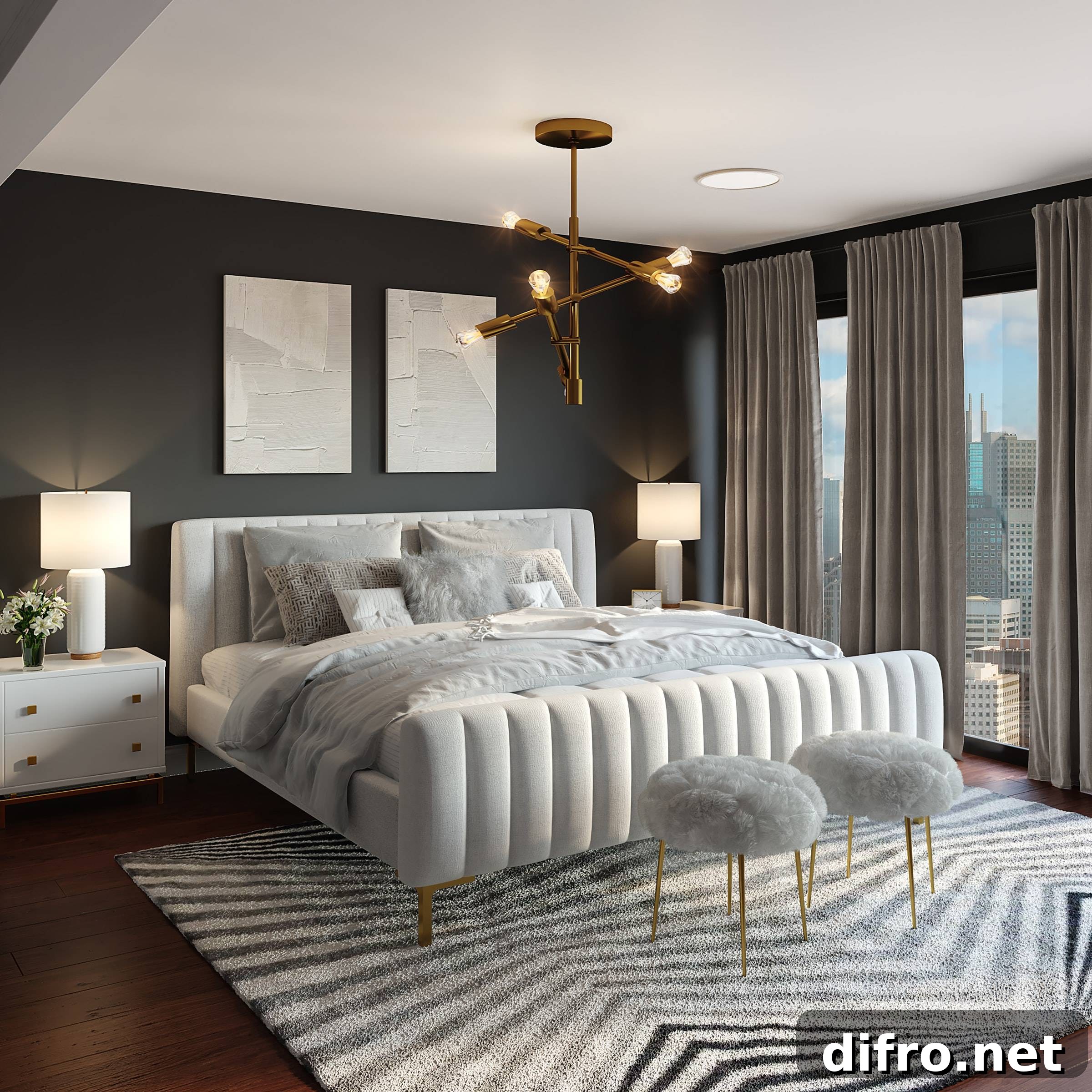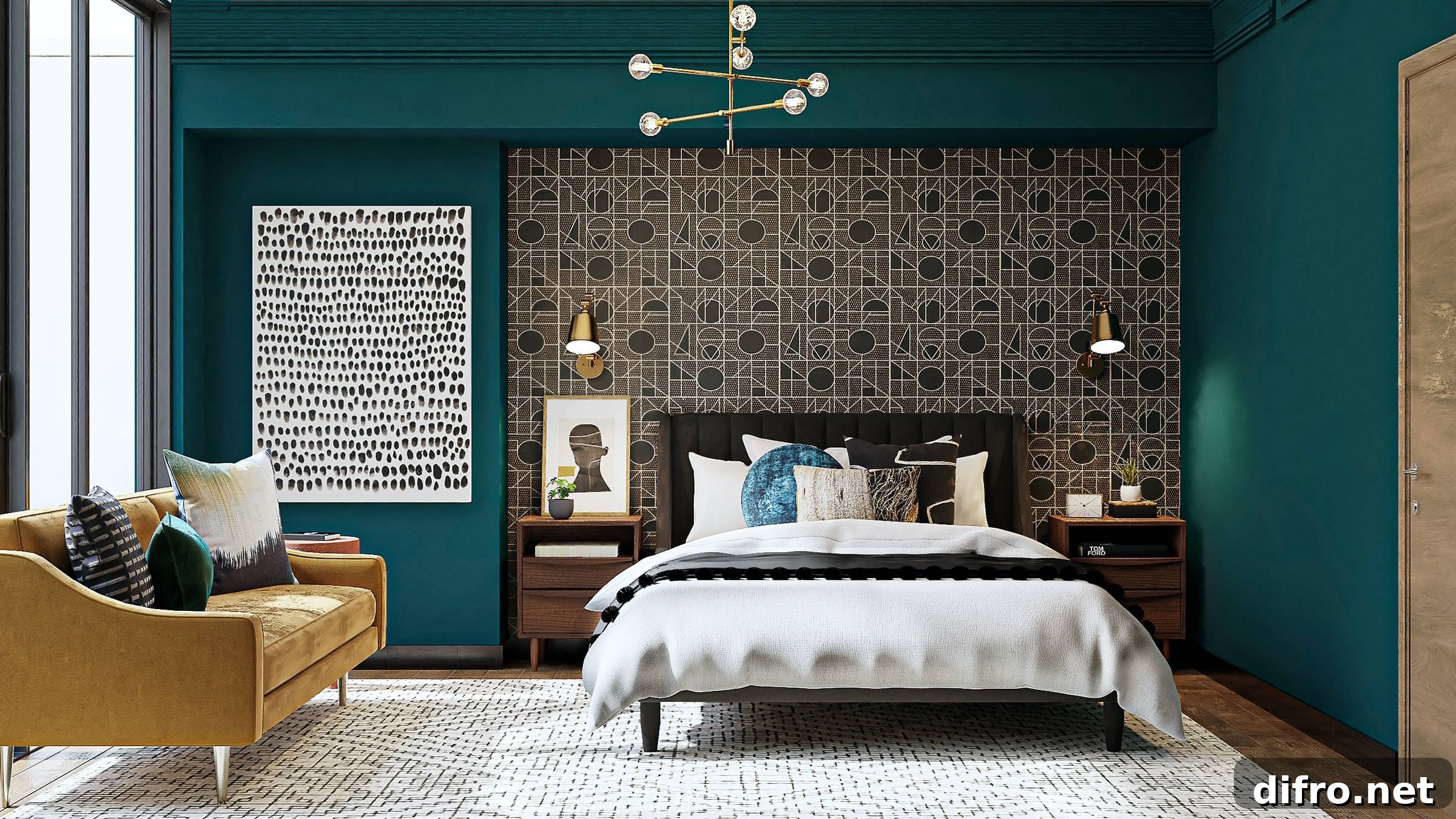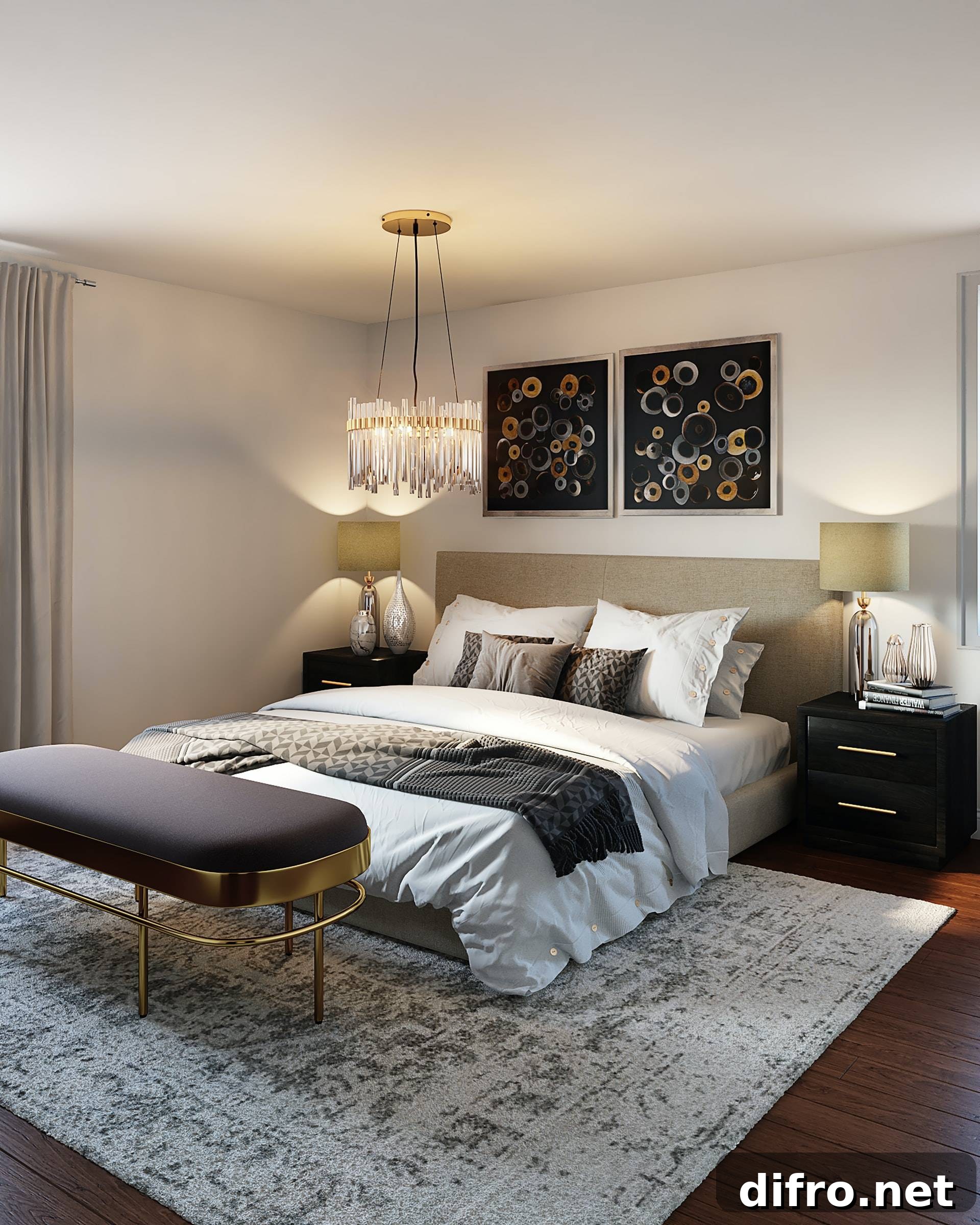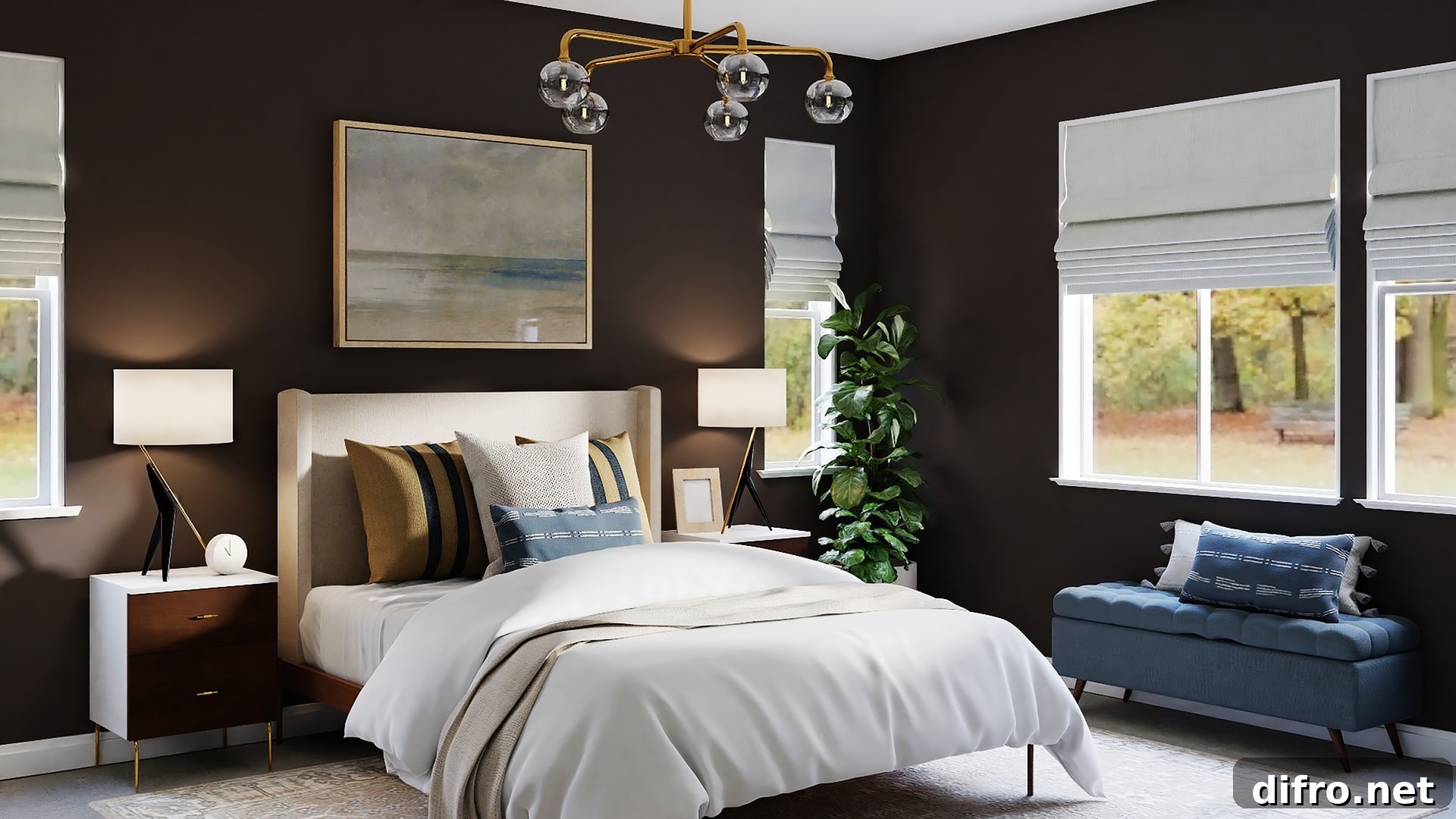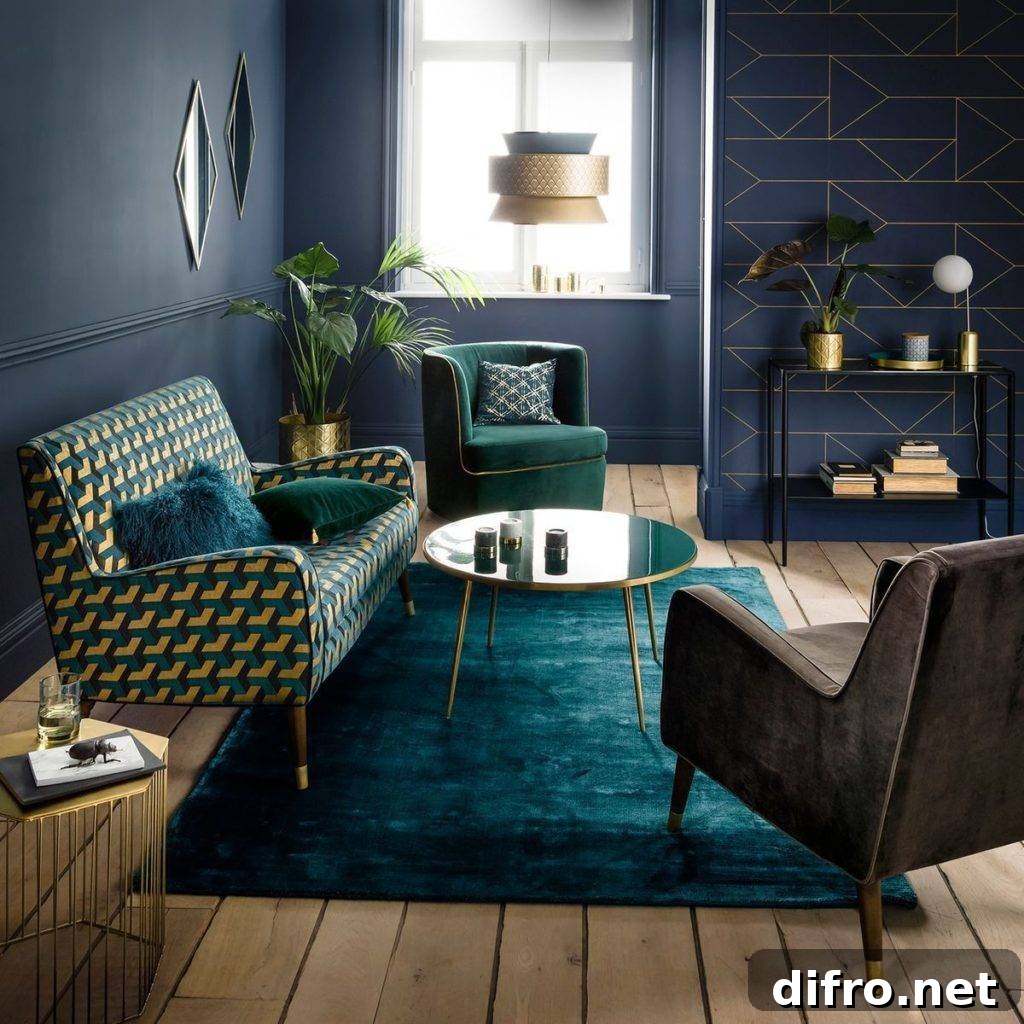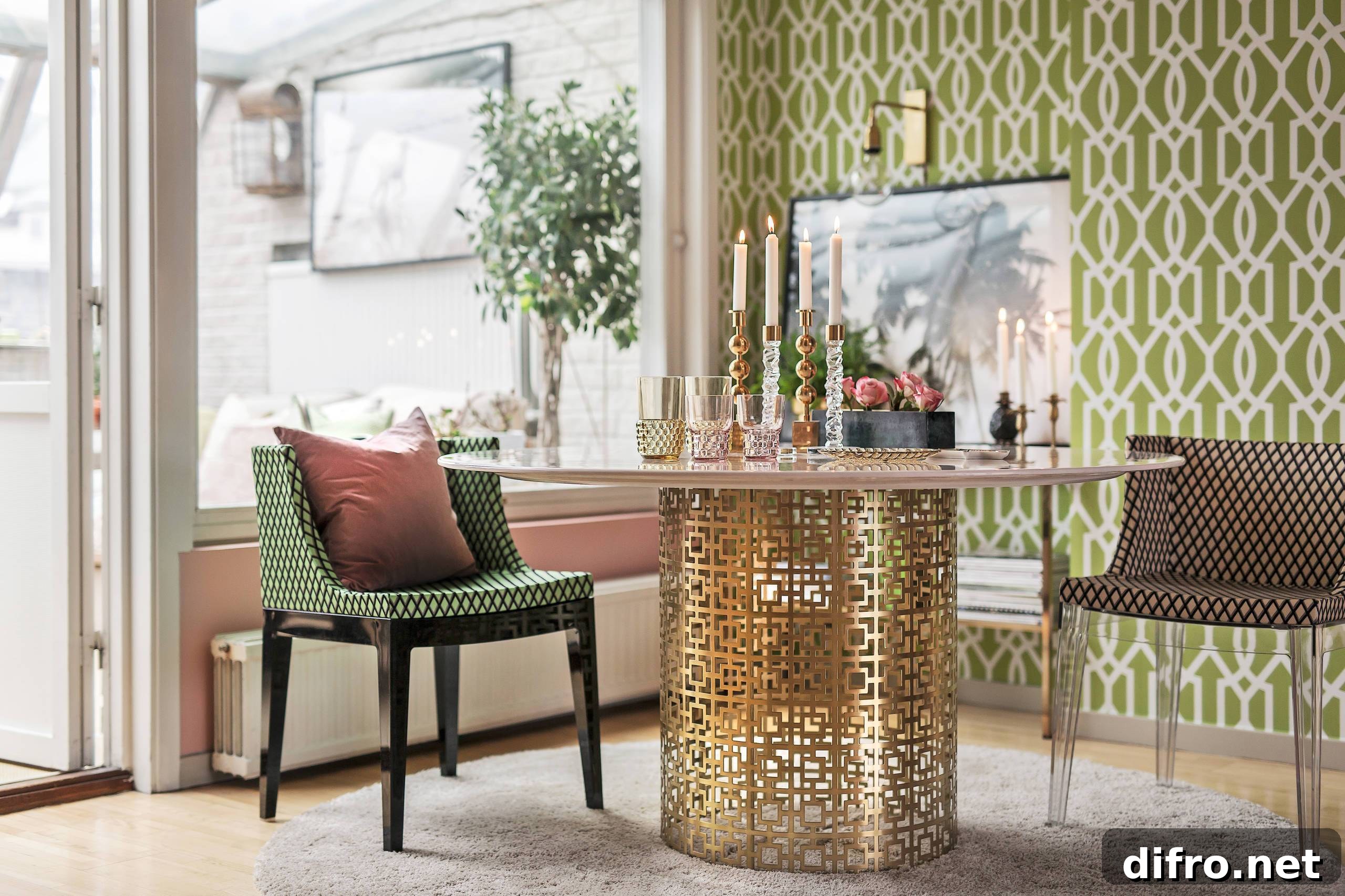
The Art Deco style embraces bold color, lavish materials, and striking geometric shapes to create interiors that feel glamorous, confident, and distinctly modern. Designers and enthusiasts prize Art Deco for its ability to blend luxury with streamlined functionality, producing rooms that are as dramatic as they are livable. This guide explores the history, defining characteristics, and practical ways to bring Art Deco into contemporary homes while preserving a refined, balanced look.
History
Art Deco rose to prominence in the 1920s and 1930s and continued to influence design into the 1940s. It was a reaction to earlier, more ornate styles and a celebration of modern industry, new materials, and machine-age aesthetics. The style appeared across architecture, fashion, furniture, graphic design, ceramics, and fine art, making it one of the most comprehensive design movements of the early 20th century.
Originally associated with luxury, Art Deco favored exotic and costly materials—ivory, jade, lacquer, mirrors, crystal, and polished metals—paired with bold colors and geometric ornamentation. During economic shifts that followed, designers adapted the vocabulary of Art Deco to more affordable materials, widening its appeal and making the aesthetic accessible to a broader audience while retaining a sense of glamour.
Use of color
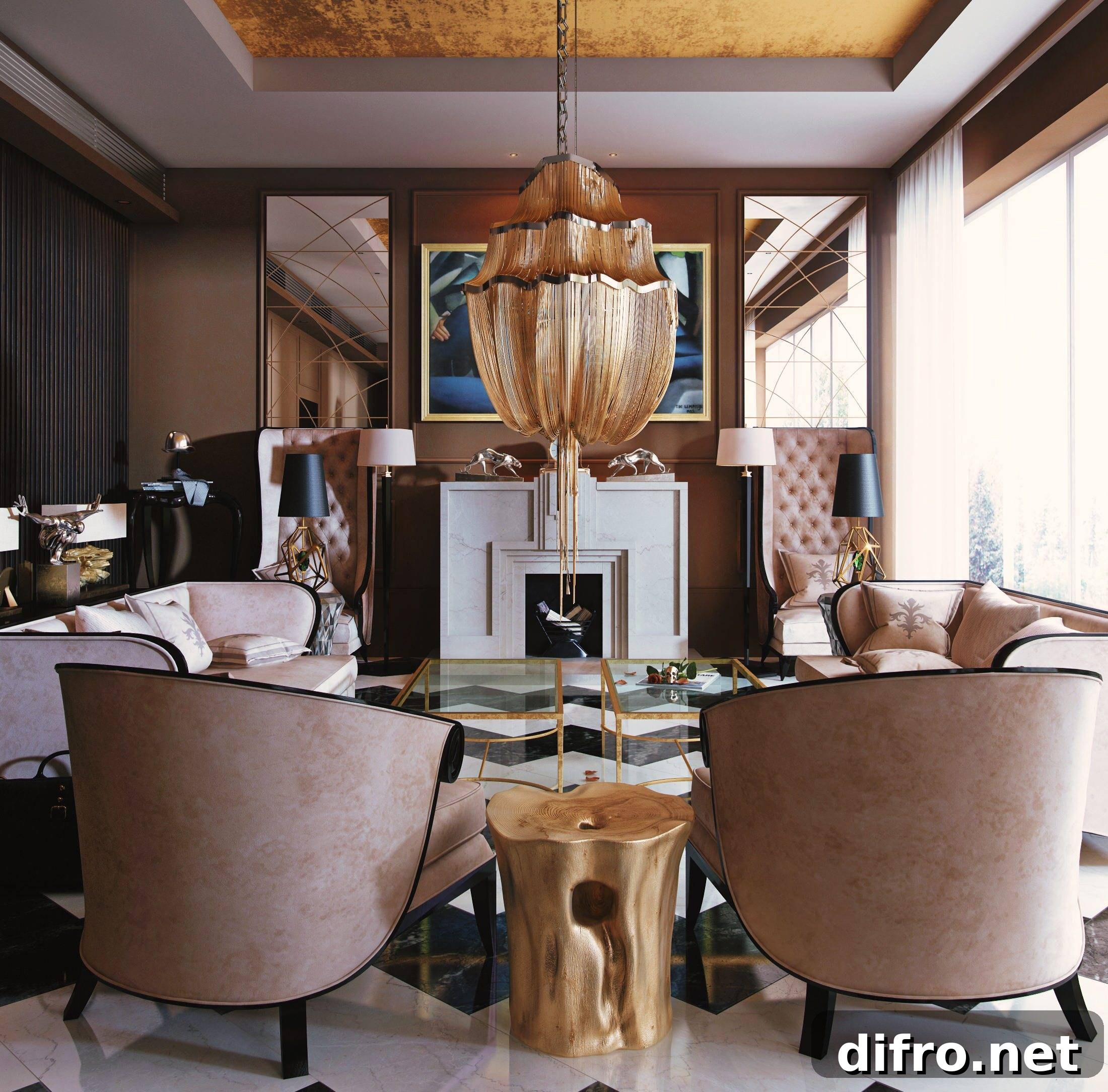
Art Deco color palettes are unapologetically bold. Deep jewel tones—emerald, sapphire, ruby, and topaz—are common, often paired with glossy finishes that amplify their richness. Black, white, and metallics (brass, chrome, or gold) provide contrast and structure, while accent colors such as lacquered reds, navy blues, and mustards bring warmth and drama. If you favor neutral minimalism, incorporate Art Deco accents rather than a full palette overhaul to get the look without overwhelming the space.
Furniture shape
Furniture in the Art Deco idiom tends to combine curved silhouettes with strong, angular details. Think generous seats, elegant curves, flared or tapered legs, and low-slung profiles with a sculptural presence. Materials and finishes matter: lacquered woods, polished metals, mirror fronts, and inlaid detailing enhance the sense of refinement. Scale is important—oversized or statement pieces anchor a room—but successful execution depends on proportion and restraint so the space retains balance rather than feeling crowded.
Upholstery often features sumptuous fabrics—velvet, satin, leather—sometimes set off by bold piping, tufting, or geometric stitching. Armchairs with angular backs or club chairs in rich upholstery create inviting conversational zones while staying true to the period spirit.
Patterns
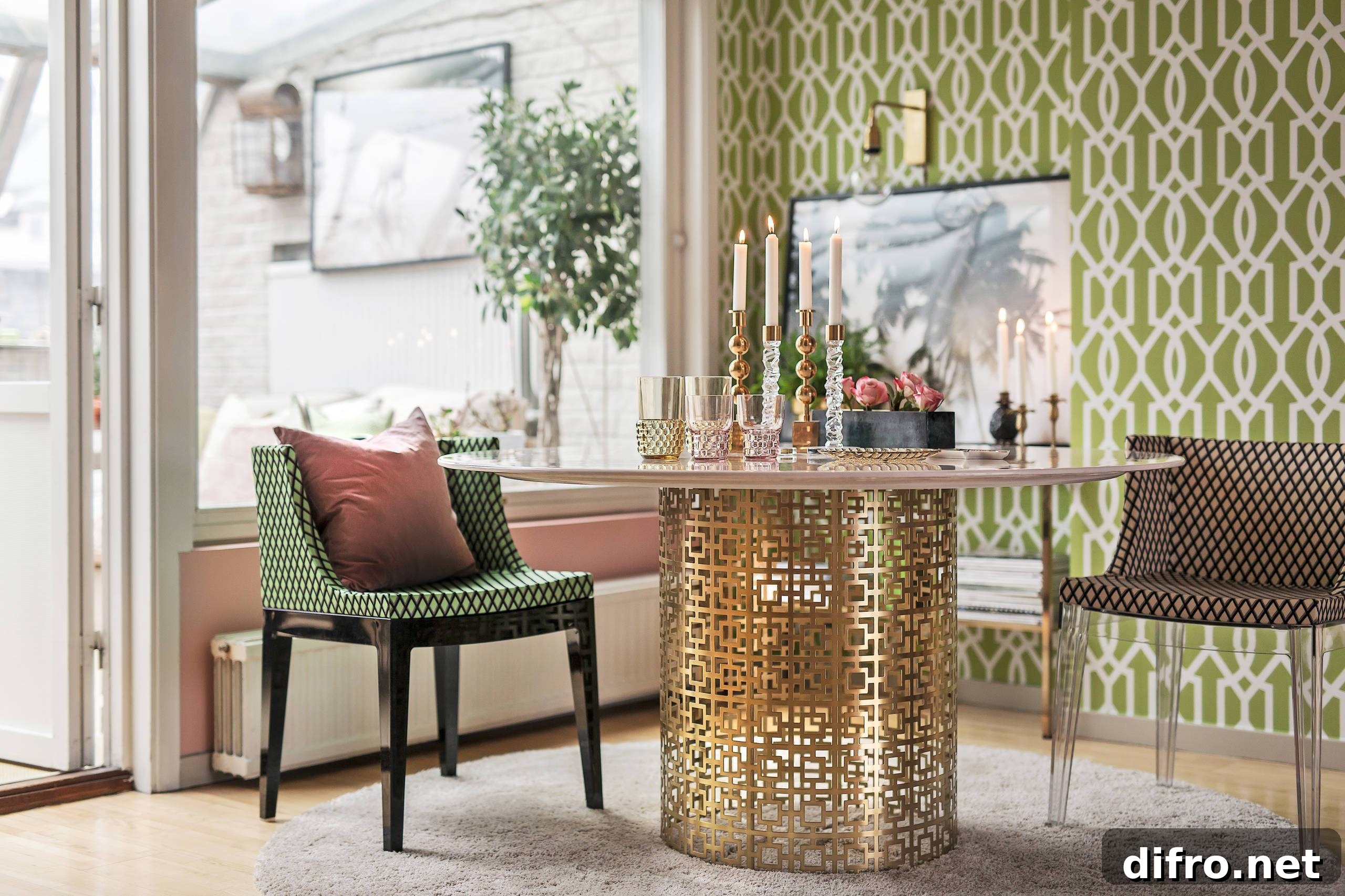
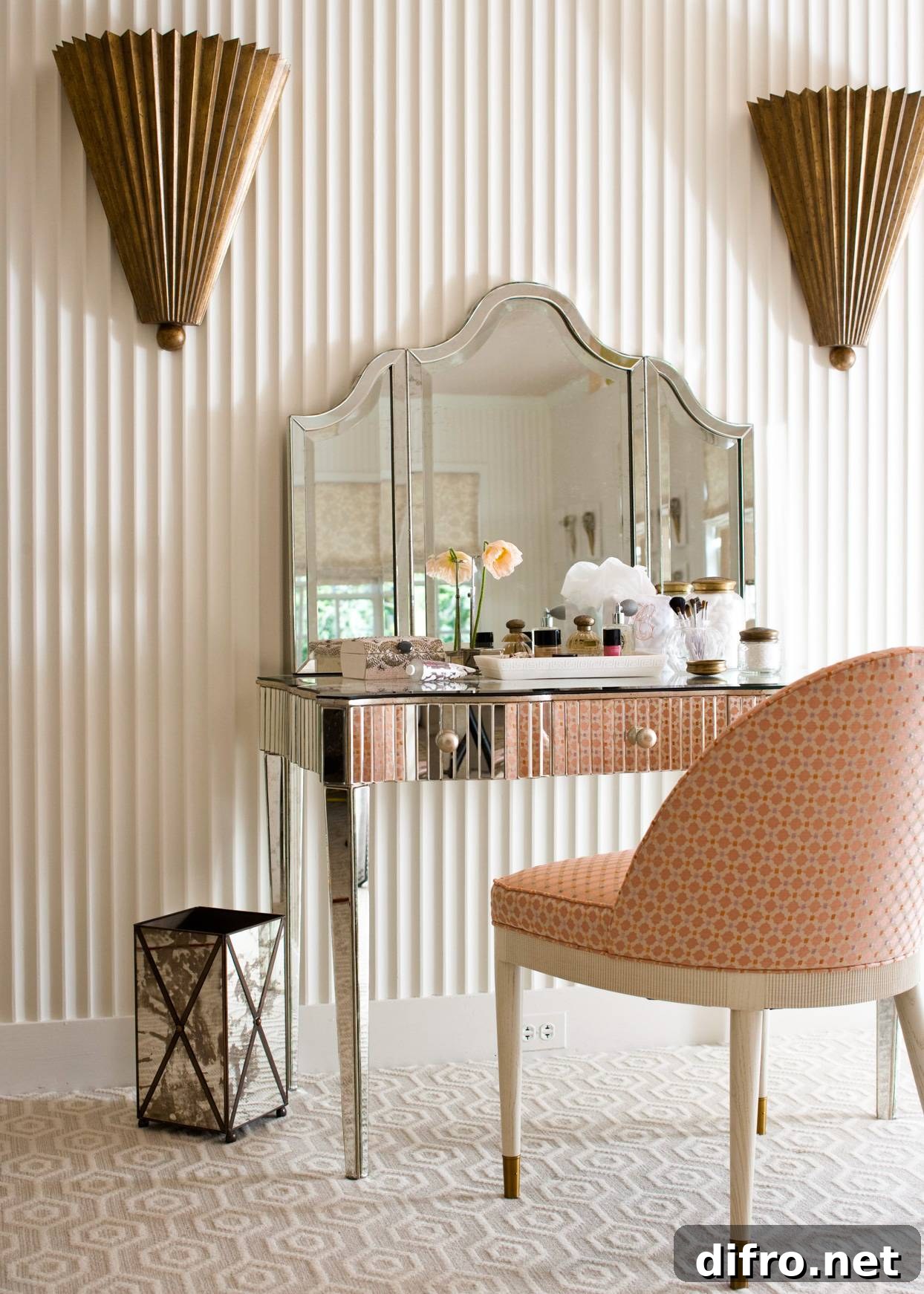
Geometric patterns define Art Deco. Chevron, zigzag, sunbursts, fan motifs, and stepped forms appear across wallpapers, rugs, cushions, and textiles. Pattern mixing is part of the style—layered geometric motifs can amplify energy and depth—yet it should be curated so the room reads as cohesive rather than chaotic. Avoid florals and traditional plaids, which clash with the modernist, streamlined aesthetic.
Lighting and accessories
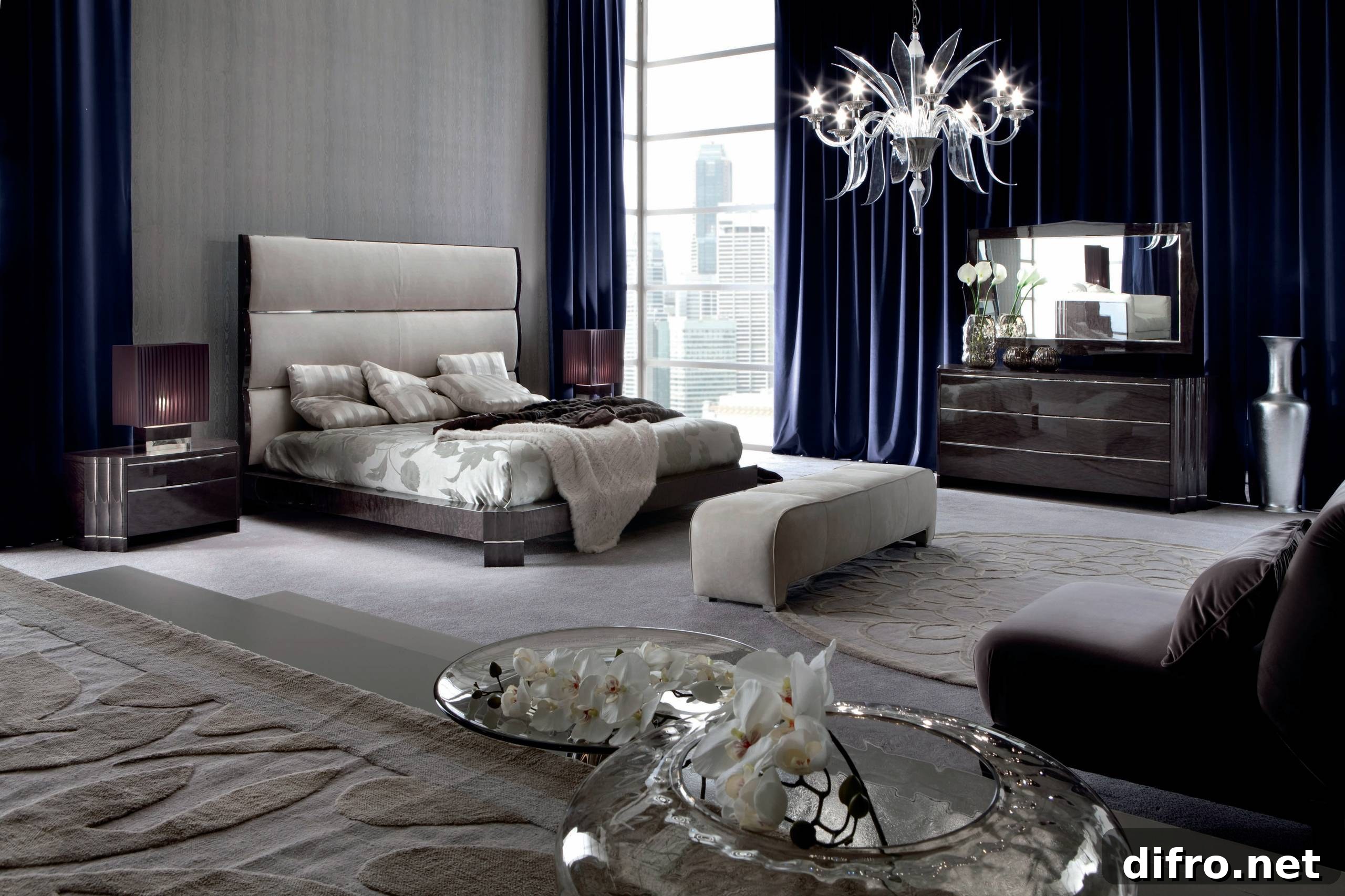
Lighting and accessories complete an Art Deco interior. Statement light fixtures—chandeliers with stepped forms, frosted glass shades, and brass or chrome details—serve both form and function. Decorative mirrors with sunburst or geometric frames reflect light and multiply the glamour. Sculptural objects, stylized figurines, and bold clocks or vases introduce personality. Metals and mirrored surfaces are used judiciously to elevate finishes and create visual contrast.
Materials and finishes
High-gloss lacquers, fine woods, marble, mirrored glass, and polished metals are hallmarks of the Art Deco palette. Natural stones and inlaid surfaces add texture, while veneers and brass inlays provide decorative detail. For contemporary interiors, consider substitutes that capture the look—metallic paints, high-shine laminates, and glass accents—so the aesthetic is achievable without excessive cost.
How to implement Art Deco in your home
Start with a focal point: a statement mirror, an upholstered bed with a striking headboard, or a dramatic light fixture. Anchor the room with one or two deep jewel tones and balance them with neutrals and metallic accents. Introduce geometric patterns through rugs, cushions, or wallpaper, and choose furniture with clean curves and bold silhouettes. Layer textures—velvet, satin, polished wood—to keep the space inviting.
Less is often more. Art Deco is inherently decorative, so avoid clutter by selecting a few impactful pieces rather than filling a room with competing elements. Proportion and rhythm will keep the overall scheme elegant and timeless.