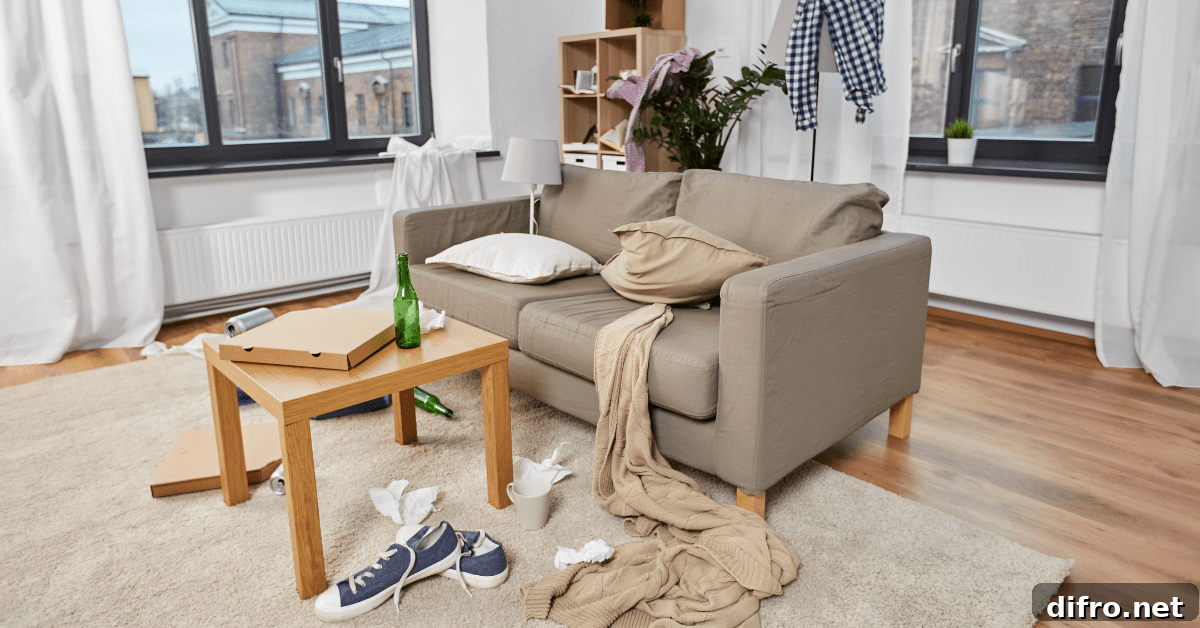
Your living room is the heart of the home—a place to relax, entertain, and connect. Yet even well-kept rooms can feel cramped or cluttered when everyday items, furniture choices, and poor organization work against the space. The good news is that small, deliberate changes can make your living area feel larger, calmer, and more functional.
Below are five common culprits that often contribute to a crowded living room, with practical solutions you can apply right away. These ideas emphasize visual openness, smarter storage, and intentional editing so the room serves your needs without feeling overwhelming.
1. Overstuffed Furniture
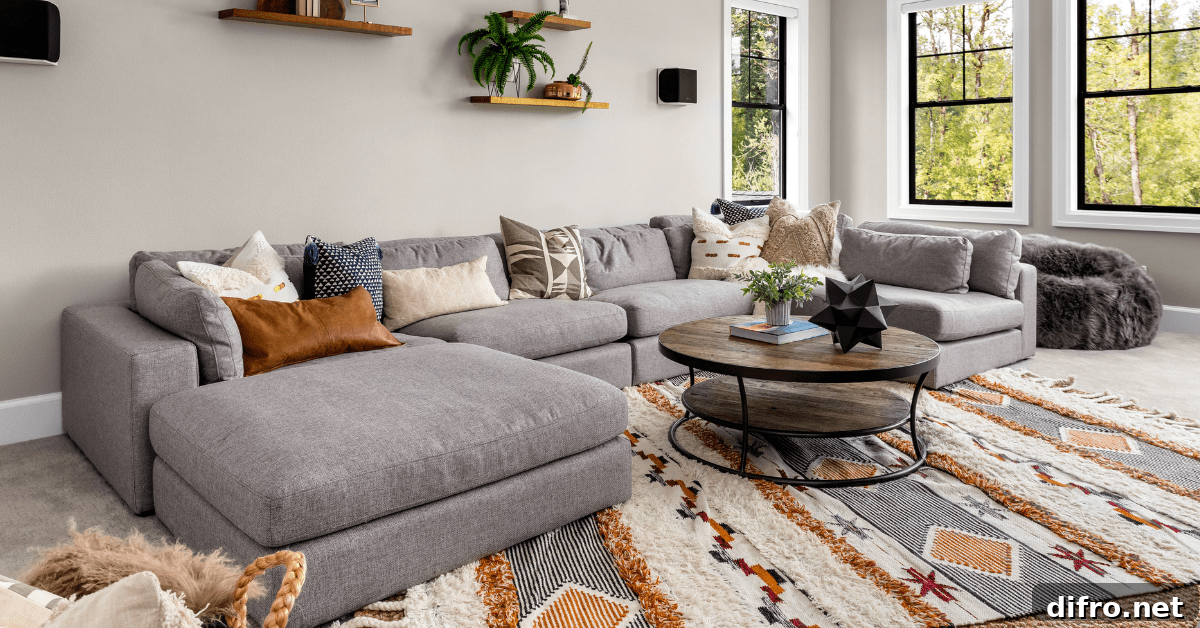
Bulky sofas and oversized armchairs can dominate a room even when they’re comfortable. If pieces are too large for the scale of the room, they block sightlines and limit walking space. Consider downsizing to furniture with slimmer profiles, exposed legs, and lower backs to create a sense of airiness.
Other tips:
– Measure your room and mark out the footprint of large pieces before buying replacements.
– Choose multi-functional items like storage sofas or ottomans to reduce the need for extra storage furniture.
– Lighter upholstery and subtle patterns help the furniture recede visually, making the room feel more open.
2. Excess Decor and Accessories
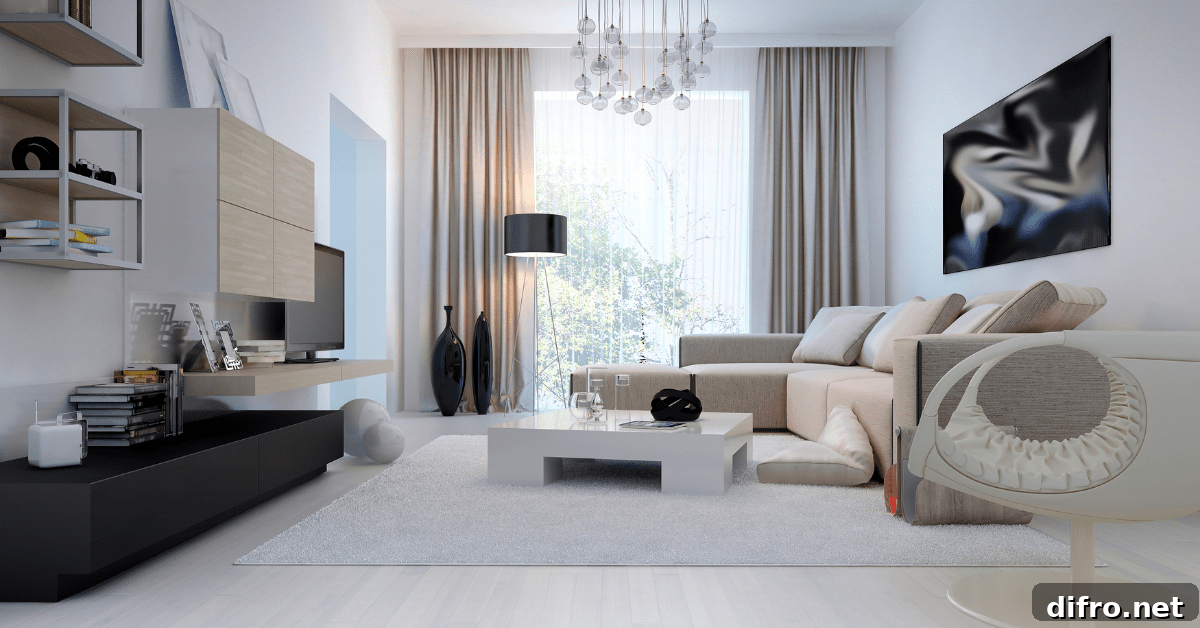
Decor gives character, but too many small objects—knick-knacks, picture frames, and decorative clutter—make surfaces look chaotic. Editing your accessories keeps the room visually calm and highlights a few meaningful items rather than crowding every shelf.
Practical approaches:
– Select a few standout pieces for display and store or donate the rest.
– Rotate decor seasonally to keep the space feeling fresh without adding volume.
– Group items on trays or in vignettes so they read as intentional displays rather than scattered objects.
3. Unmanaged Cables and Electronics
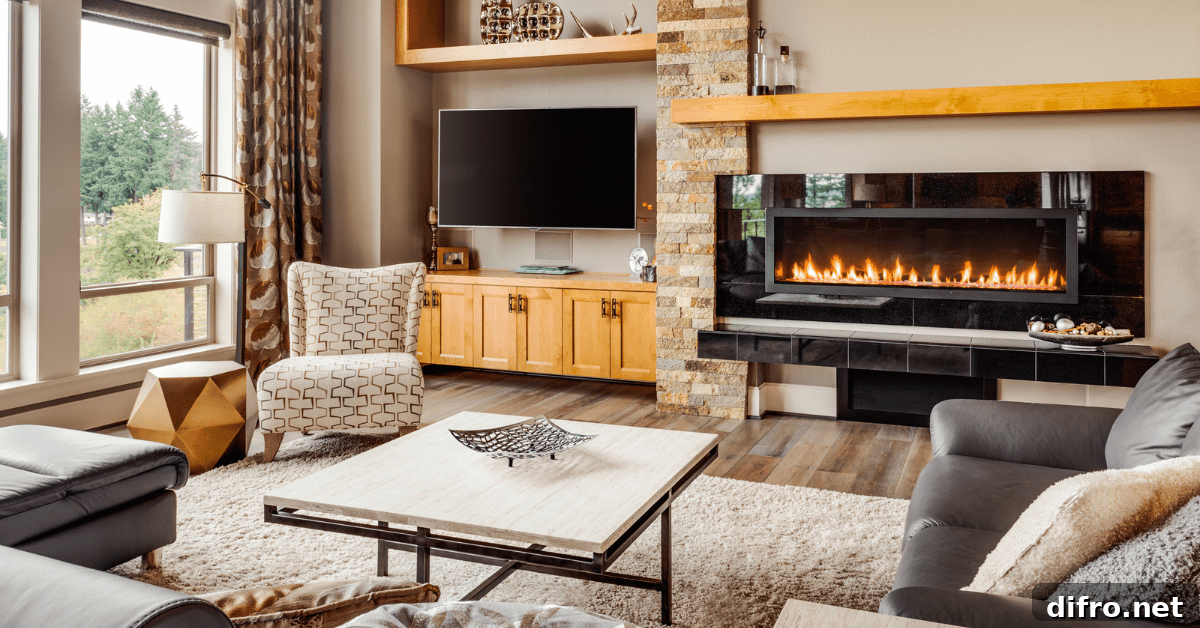
Even neatly arranged furniture can look messy if cords, chargers, and devices are visible. Electronics are part of modern living, but loose cables and scattered remotes break the visual flow.
How to manage them:
– Use cable organizers, sleeves, or clips to consolidate cords and route them along baseboards or behind furniture.
– Consider a media console with hidden compartments or a cable management channel to keep devices out of sight.
– Opt for wireless solutions where feasible, and keep a single charging basket or tray to corral daily items like phones and remotes.
4. Cluttered Coffee Table
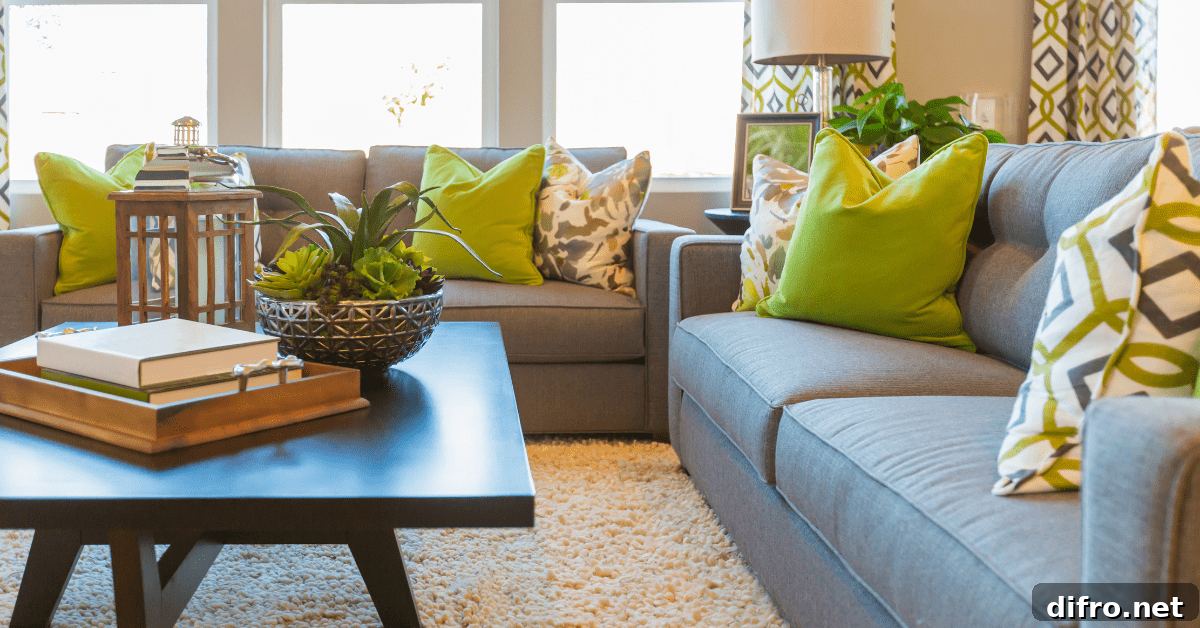
The coffee table is a practical surface that easily becomes a catch-all for books, magazines, remote controls, and small items. When it overflows, it visually anchors the room in clutter.
Solutions that keep the table usable yet tidy:
– Use a tray to group essentials (remotes, coasters, a small decorative object) so everything looks intentional.
– Store extras like magazines or board games in nearby baskets, drawers, or a console.
– Choose a coffee table with built-in storage or lower shelving to hide items while keeping them accessible.
5. Unnecessary Furniture
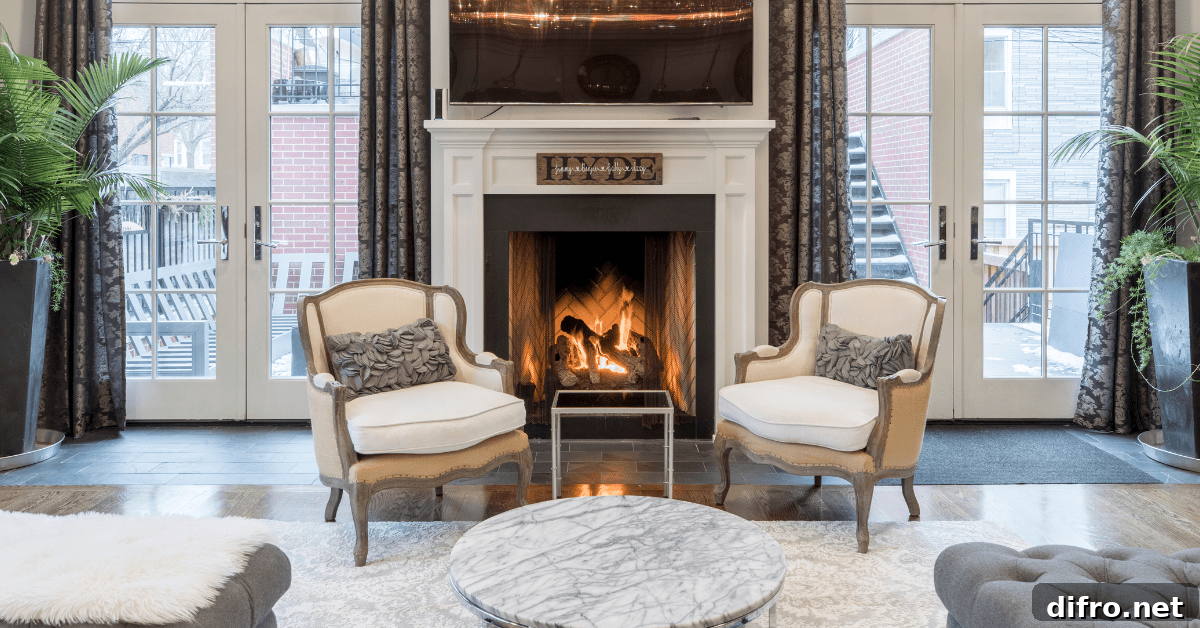
Too many chairs, side tables, or decorative stands can interrupt the flow and make the room feel crowded. Each piece should earn its place by serving a use or enhancing the layout.
How to streamline:
– Reassess every piece: if it’s rarely used, consider selling, donating, or storing it elsewhere.
– Leave clear pathways for walking and conversation so the room feels open and inviting.
– Arrange furniture to create functional zones—seating areas, media viewing, and a reading nook—without overcrowding.
Related Articles
- Open Concept Living Room Design Ideas and Layout Tips
- Transitional Living Room Style: Blending Modern and Traditional
- Grey Living Room Ideas That Exude Style and Class
Making your living room feel more spacious doesn’t require a major renovation. Focus on scale, purposeful storage, and thoughtful editing. Start small—clear one surface, rearrange a piece of furniture, or hide cables—and build on that progress. Over time, these changes add up, and your living room will feel lighter, more functional, and more enjoyable to use.
Subscribe to newsletters from trusted design sources for regular inspiration on decor trends and practical tips to make your home more comfortable and stylish.