Victorian Villa Renovation in Kew, Melbourne
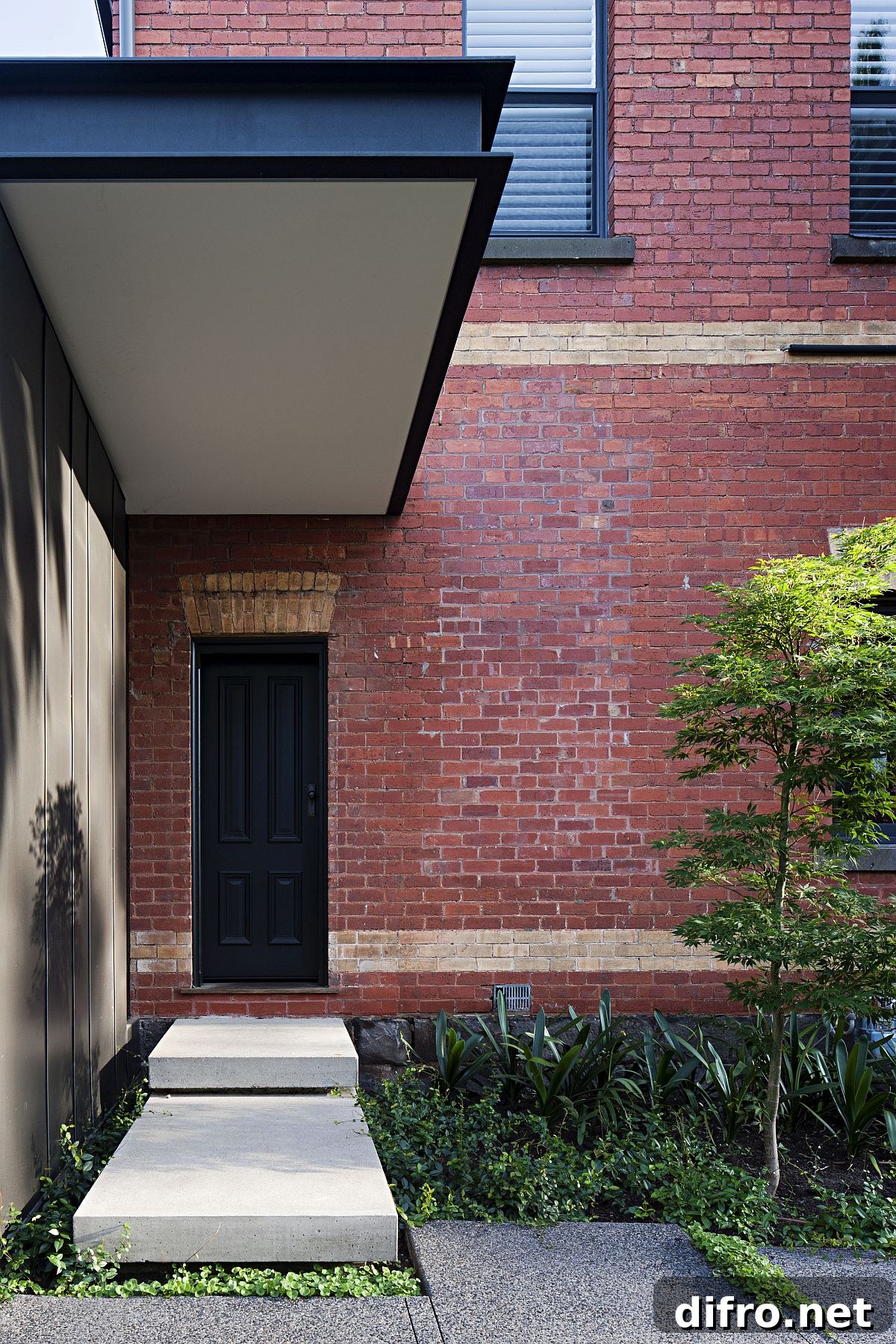
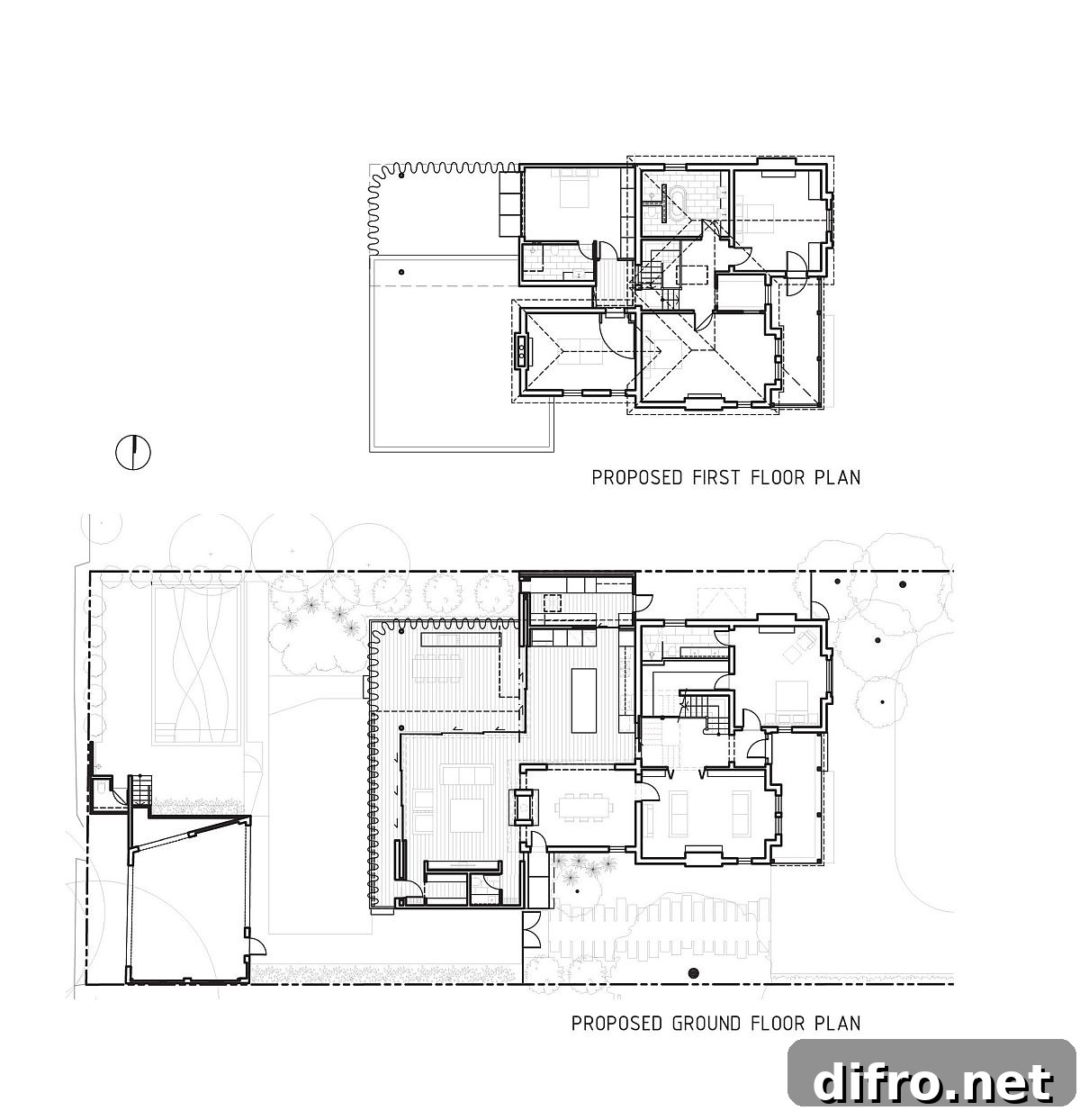
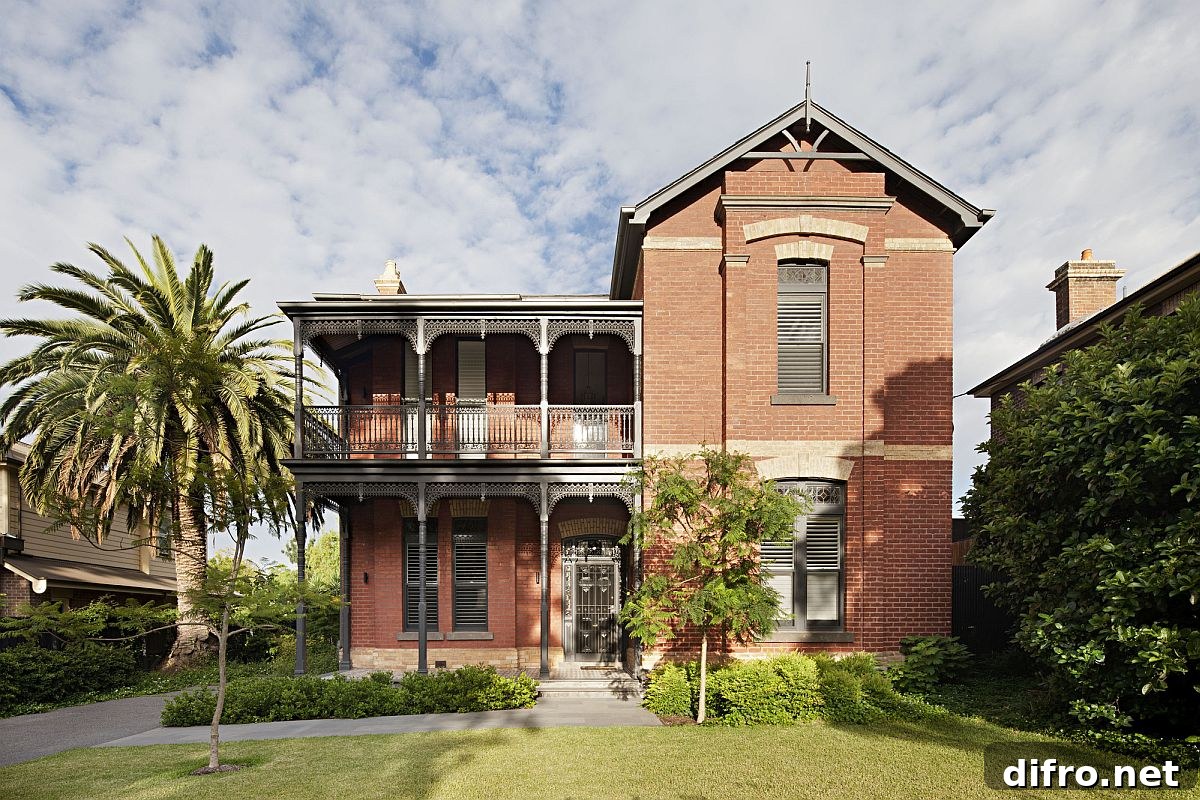
Space is a premium in Melbourne’s inner suburbs, and the redesign of this Victorian heritage villa in Kew makes the most of every square metre. The architects at Matt Gibson Architecture + Design drew inspiration from the Japanese concept of Hiro-En, which prioritizes a generous veranda and a seamless relationship between indoors and outdoors. The unchanged historic street façade preserves the home’s heritage appearance while the interior has been thoroughly reworked to remove a series of insensitive additions made over the years.
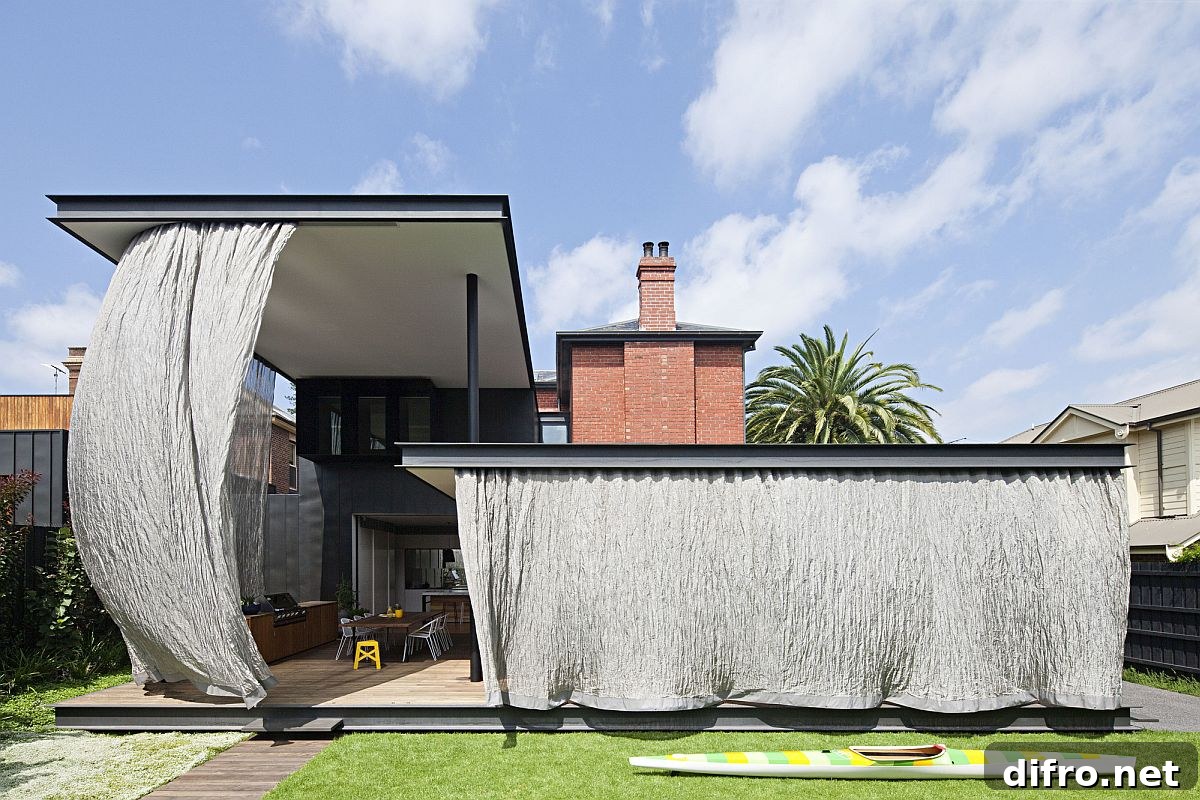
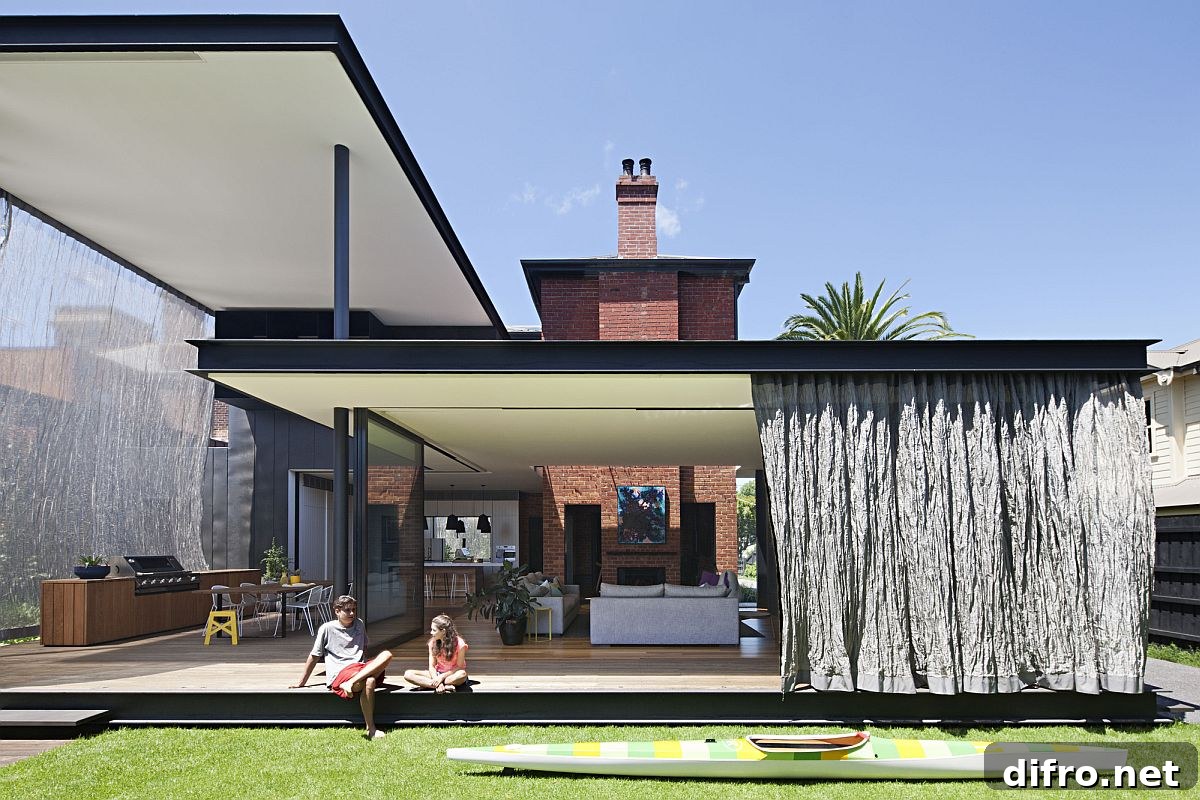
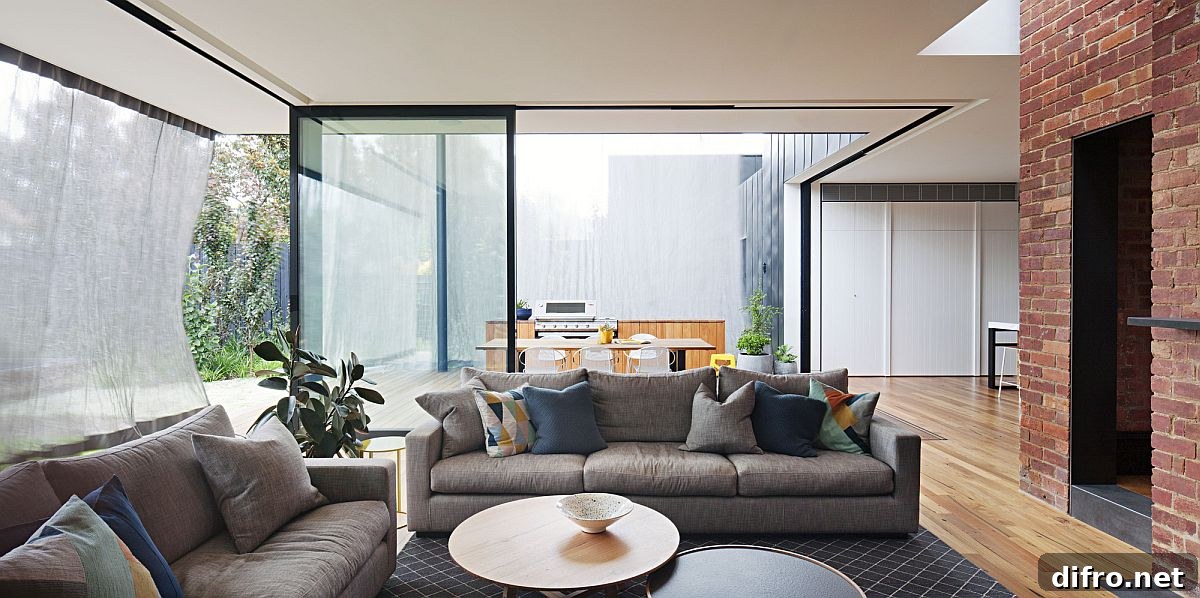
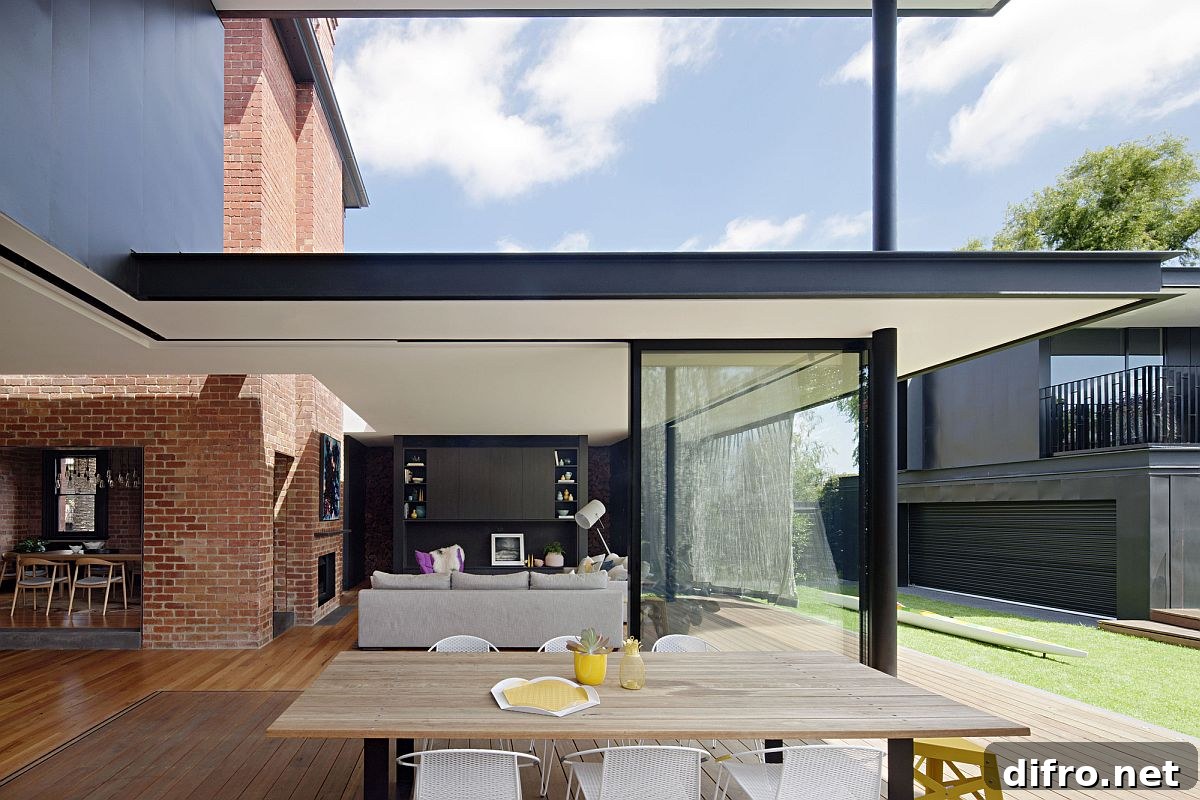
At the heart of the renovation is an open floor plan that flows directly onto a covered outdoor deck, creating a relaxed indoor-outdoor living environment. Rather than enclosing the garden, the design opens the house to green views through large glazed connections, establishing a bright, airy sense of continuity. Glass walls and carefully placed openings bring natural light deep into the home while framing garden vistas and enhancing cross-ventilation.
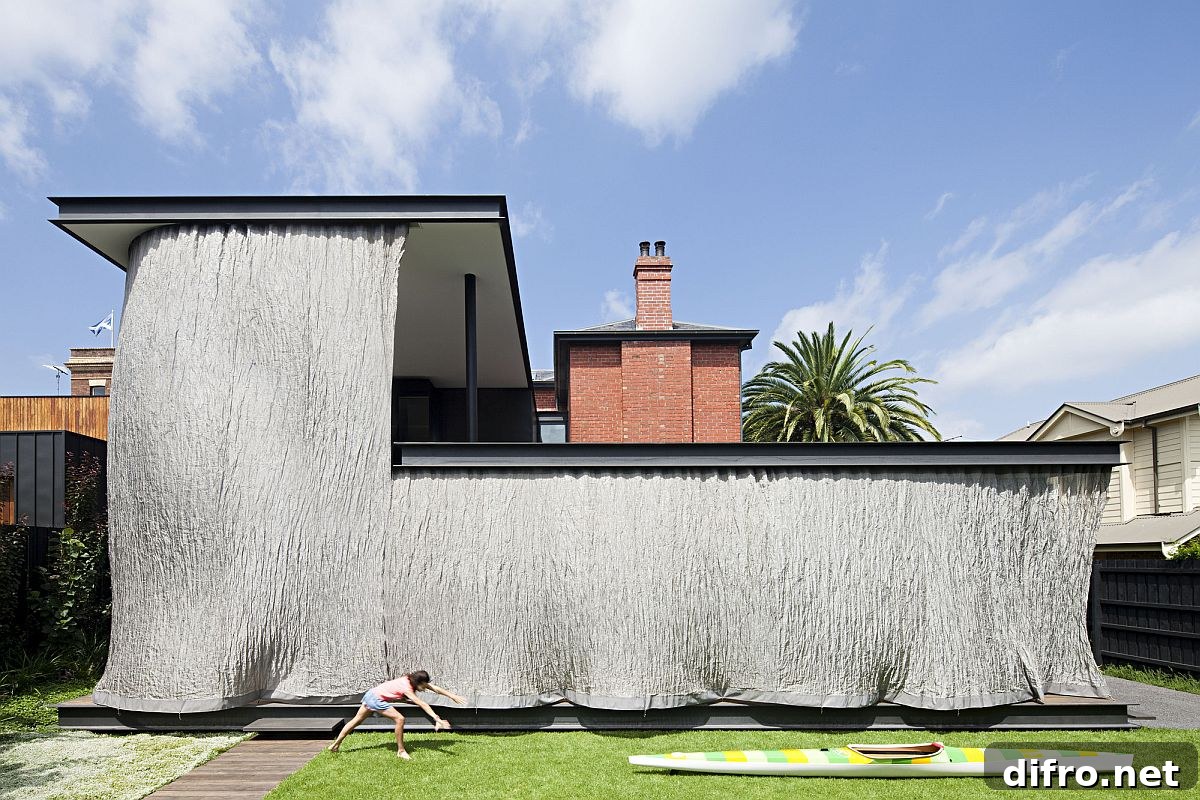
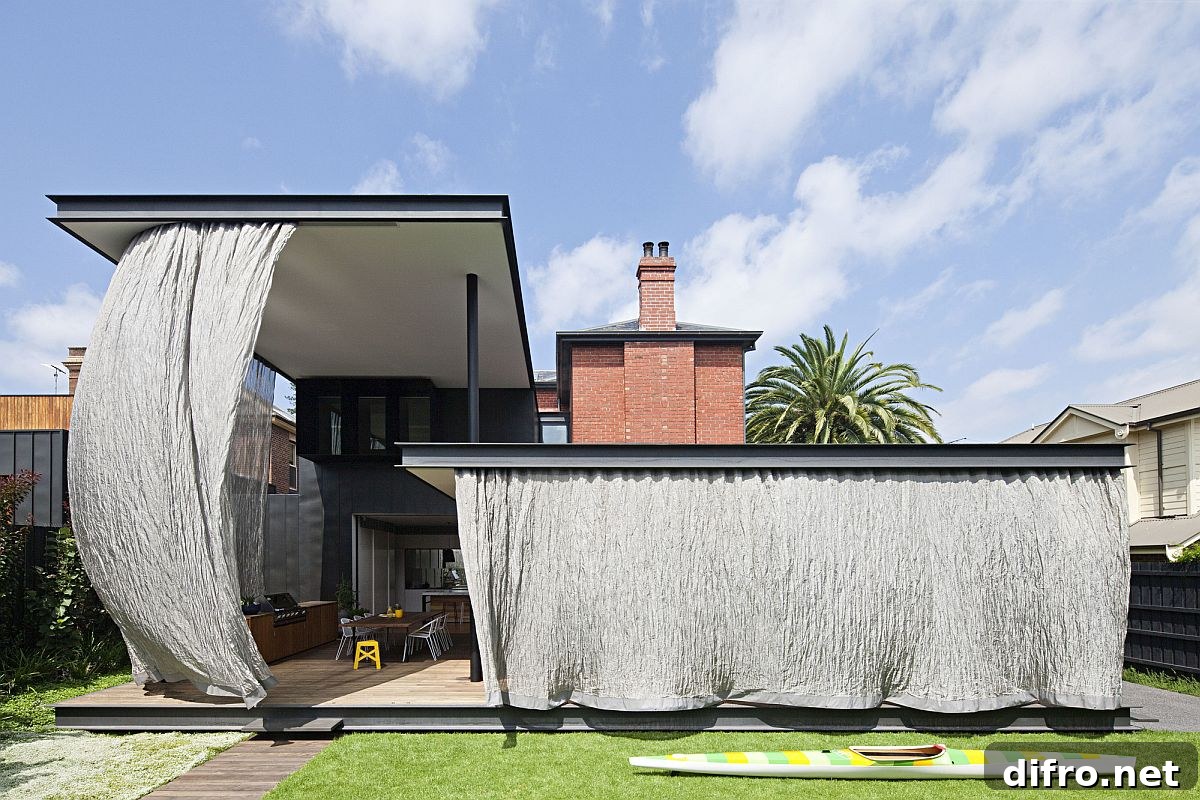
A standout feature is a system of movable canopies that shelter the outdoor timber deck. These canopies sit at varying heights and are designed to be repositioned or removed as sun and weather demand, offering flexible protection from sun or unexpected showers. Complementing the canopies are woven stainless steel curtains that provide texture, privacy and subtle filtering of light. Together, these elements create a layered outdoor room that can adapt to different seasons and activities.
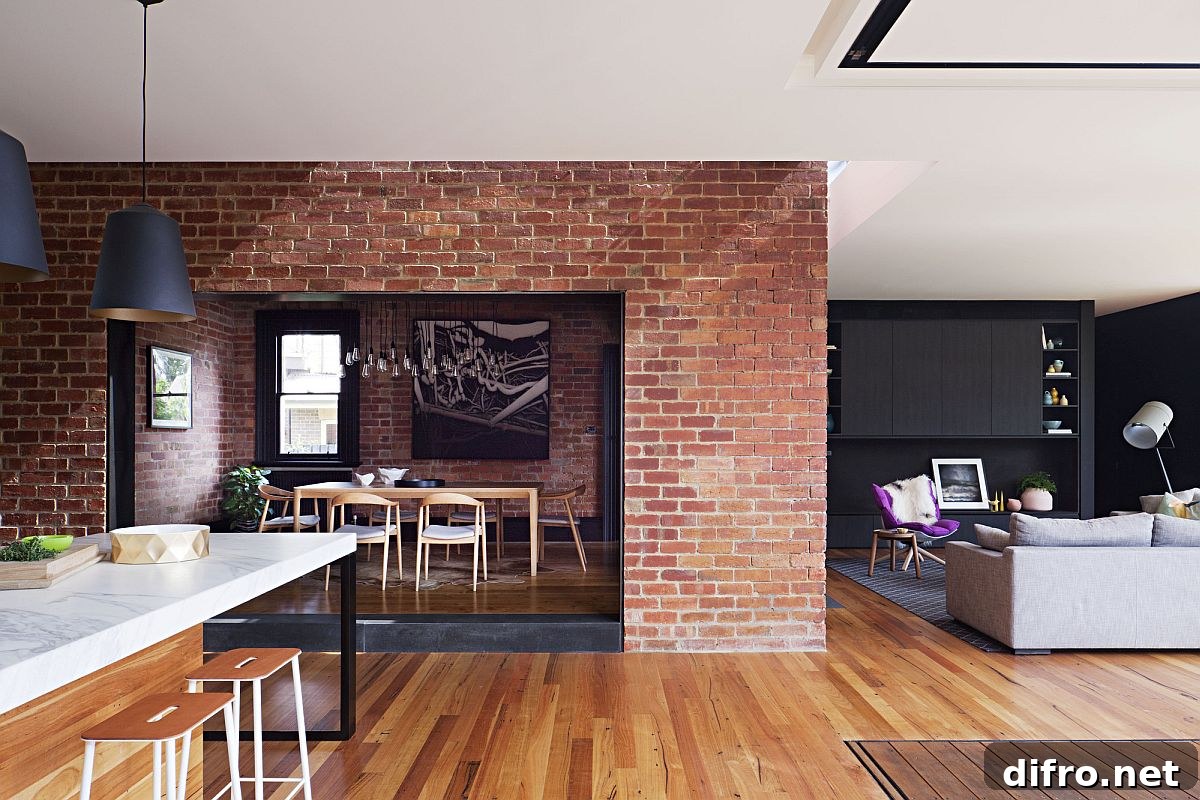
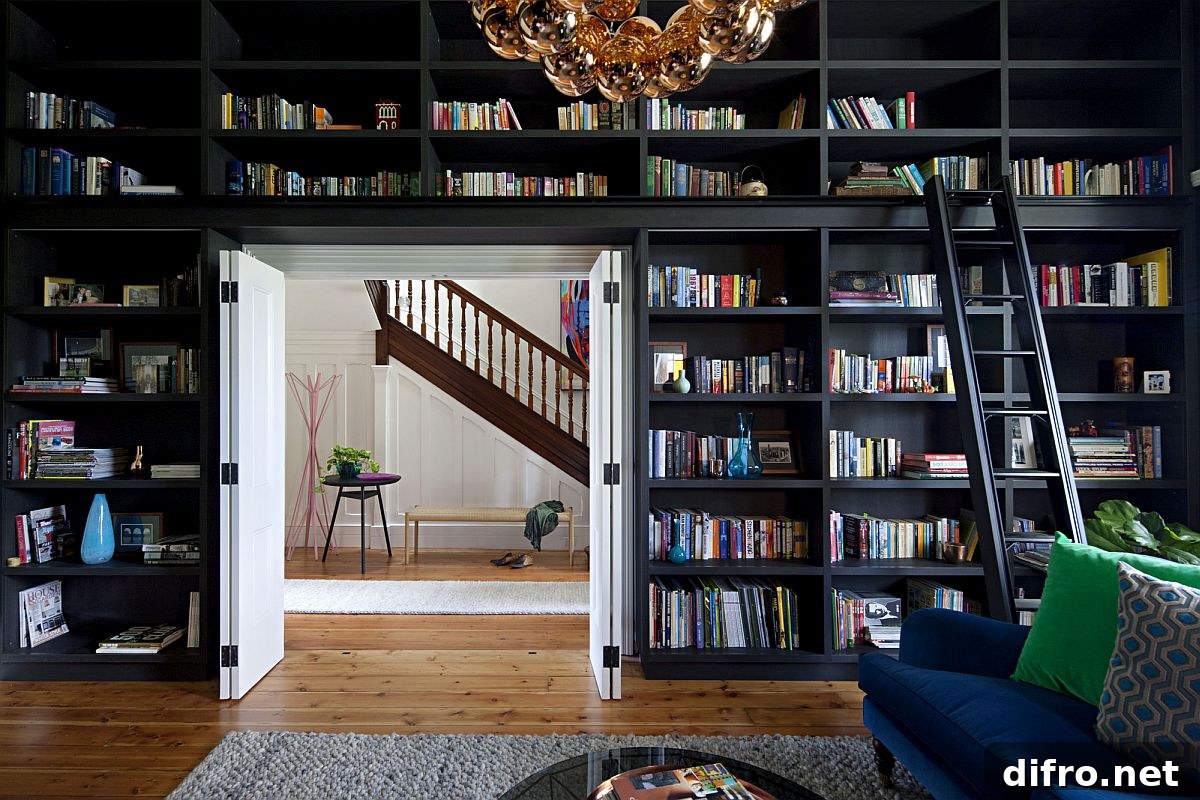
Inside, the palette mixes original materials with new insertions. Sections of exposed brick are paired with warm timber flooring, creating a tactile contrast that acknowledges the building’s history while supporting contemporary living. A compact home library and generous shelving celebrate books and storage without overwhelming the plan, and tailored lighting schemes highlight key spaces while maintaining a relaxed domestic atmosphere.
The renovation’s guiding principle of reversibility informed many decisions. Rather than disguising the original construction, selective elements were left exposed so the traces of the house’s evolution remain visible. New work is often deliberately separated from old fabric using glazed connections and delicate joins, so interventions can be distinguished from the existing structure and, if required, reversed in the future without damaging the original heritage fabric.
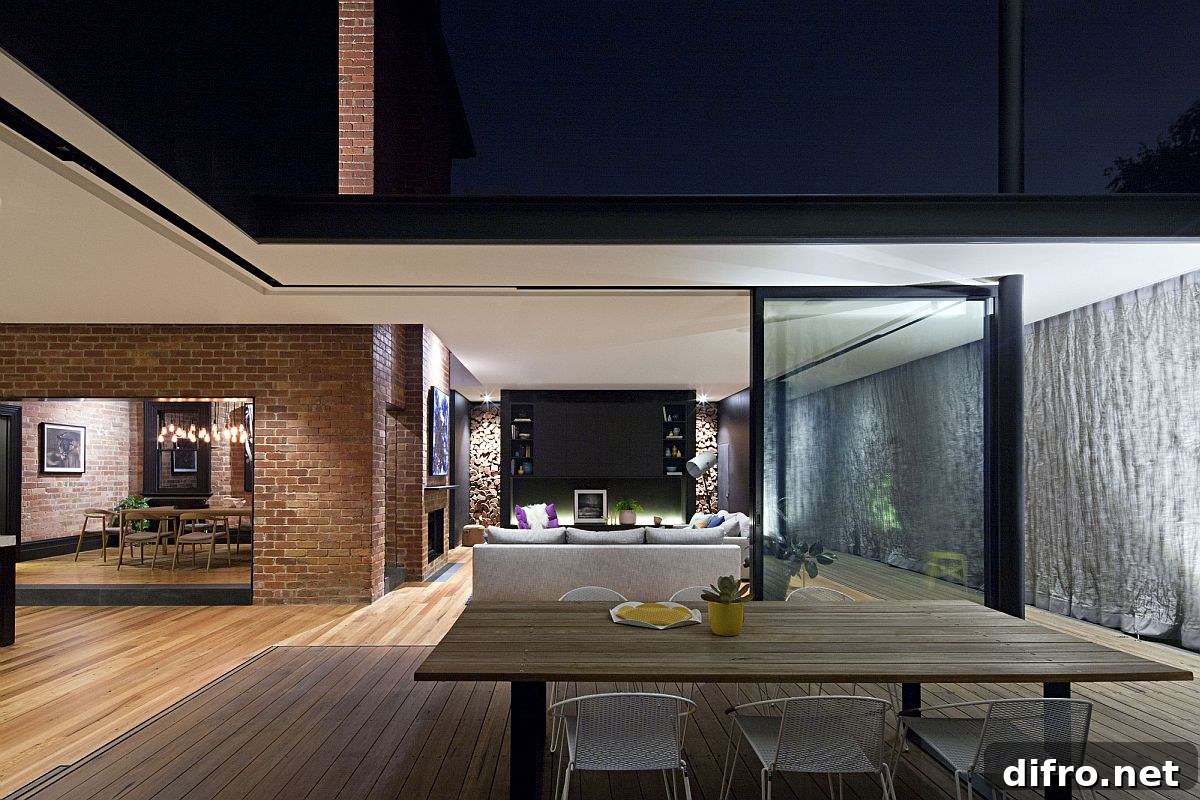
Smart lighting and considered interior fit-out complete the modern Australian home. Fixtures are chosen to enhance comfort and create atmosphere, while modern furnishings and finishes keep the spaces feeling fresh and relaxed. The result is a home where contemporary additions and heritage character coexist: a place that feels breezy and cheerful, respectful of its past yet fully configured for present-day family life.
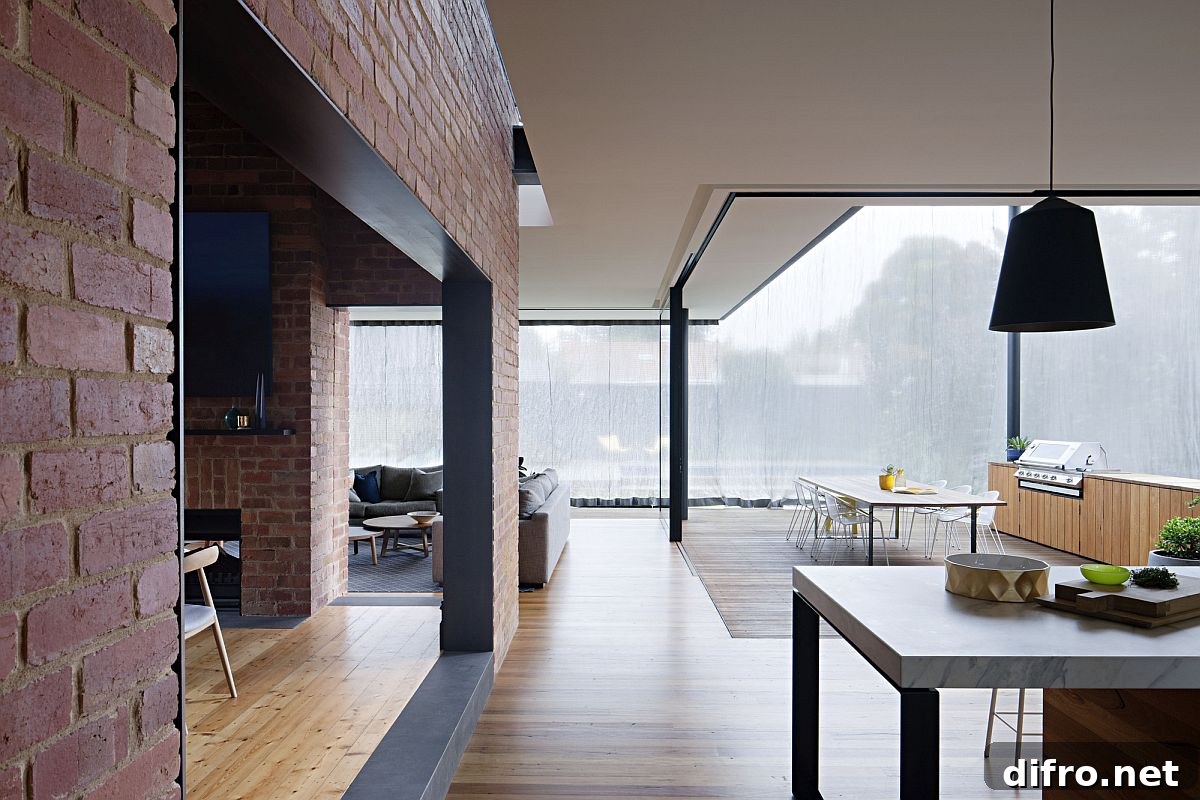
The process of renovation allowed for the act of revealing and exposing the history of the existing building, celebrating the trace of original materials and the history of alterations over time. Rather than covering over the original construction, certain aspects are left intentionally exposed. New fabric is deliberately left free from old so that the new works touch the original structure softly via glazed connections allowing for the principle of ‘reversibility’ whilst bringing light…
Overall, this Kew villa shows how respectful restoration and thoughtful contemporary design can coexist. By protecting the heritage façade and thoughtfully reconfiguring the interior, the project gives the house new life — delivering flexible, light-filled living spaces that connect to the outdoors while retaining the history and character of the original Victorian home.