MOH House: A Flexible, Space-Saving Home in Kyoto
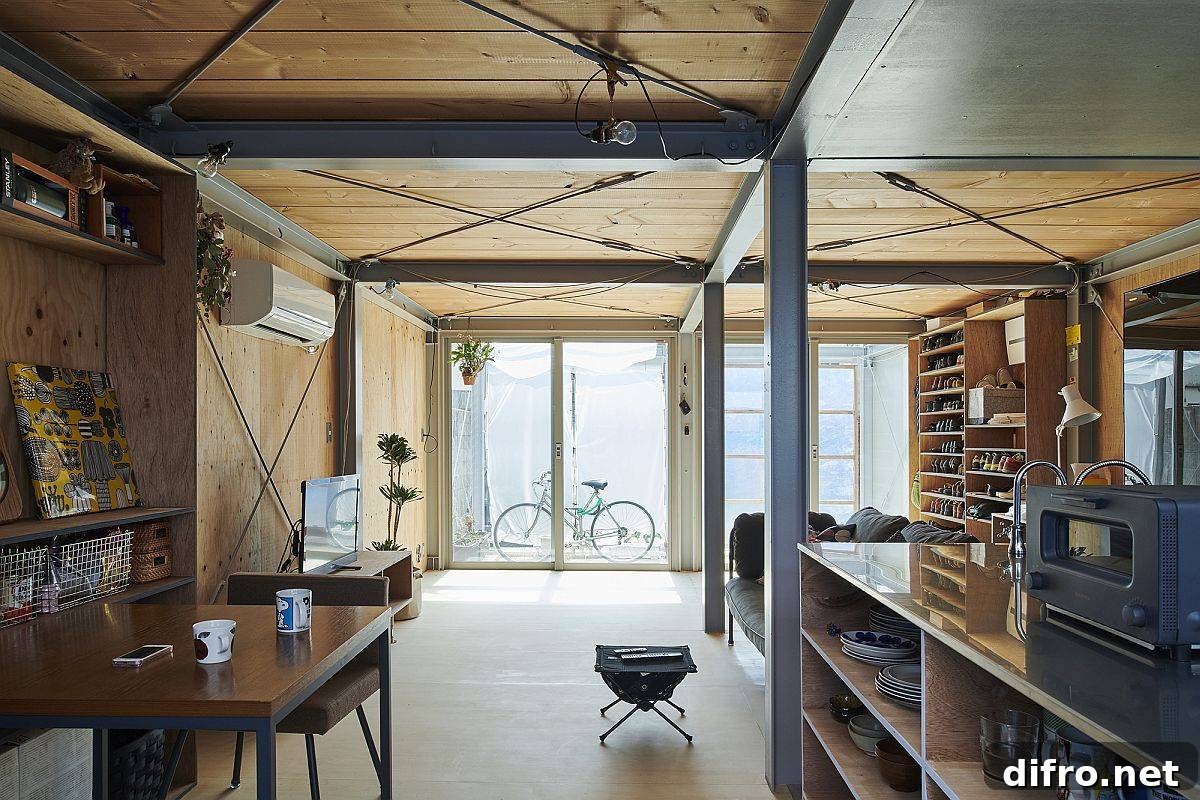
As urban lots shrink and lifestyles evolve, conventional homes with fixed walls and static interiors no longer meet the needs of many modern homeowners. The MOH House by Yaneura Design in Kyoto, Japan, demonstrates an alternative approach: a modular, adaptable residence built around a simple steel framework. This structural grid becomes the organizing system for the house, allowing wooden walls, floors and ceilings to be arranged and rearranged to respond to changing needs, whether opening rooms into larger communal spaces or creating private, enclosed areas.
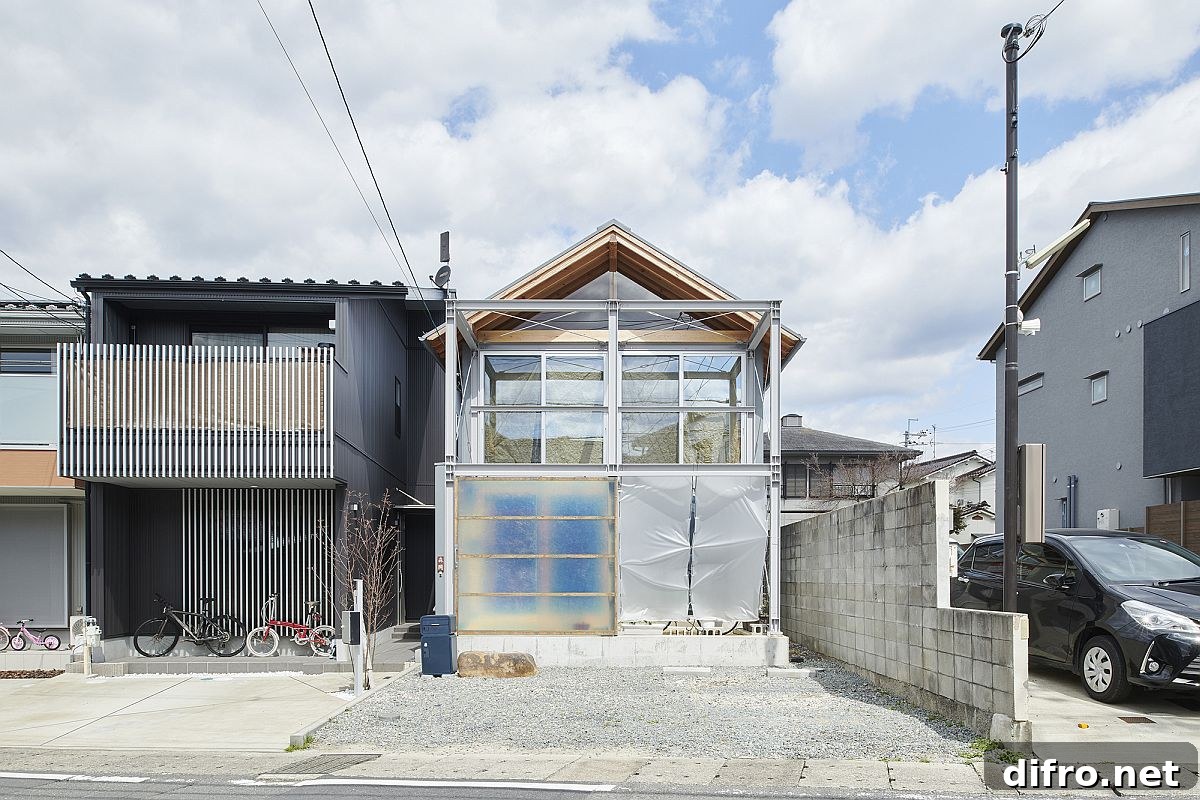
The concept centers on a durable metallic frame that defines a flexible interior. Within that frame, simple wooden elements and movable partitions are installed to suit each homeowner’s lifestyle, budget and site constraints. Because the partitions are not load-bearing, they can be shifted, removed or replaced over time—so the same house can adapt to a growing family, a changing work-from-home routine, or new spatial preferences without major reconstruction.
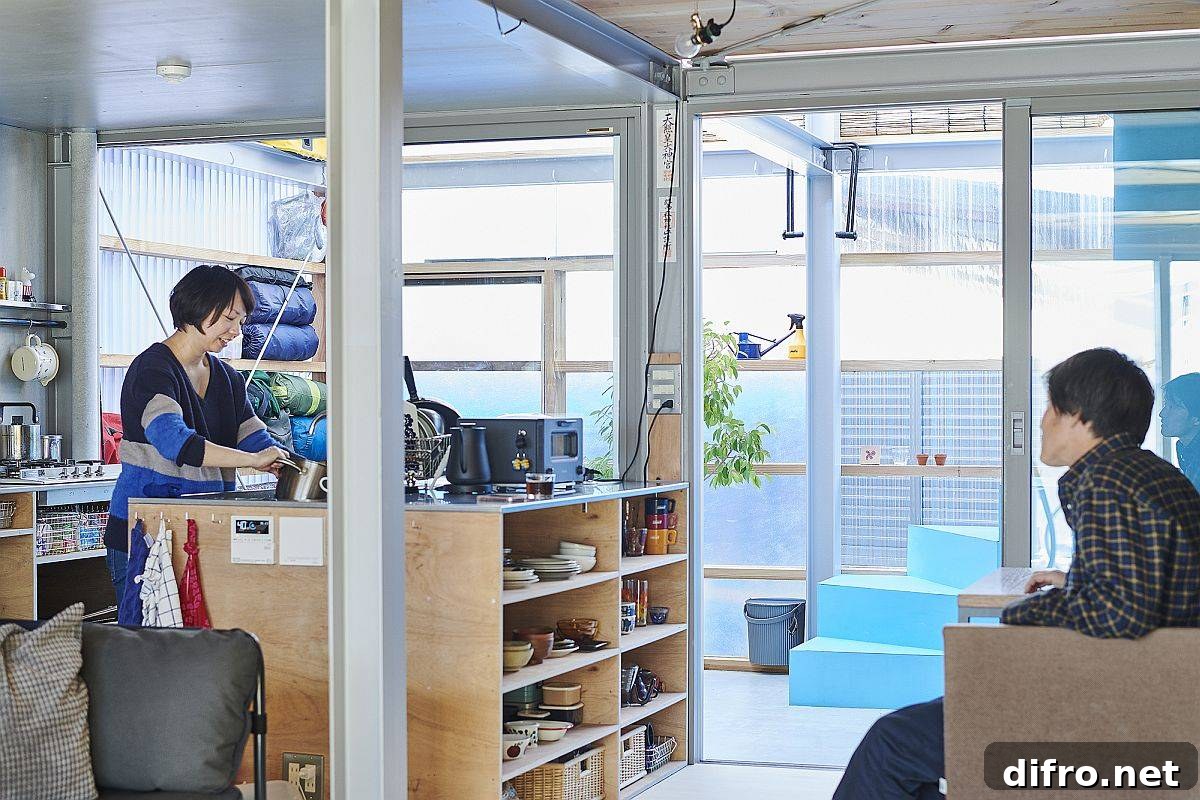
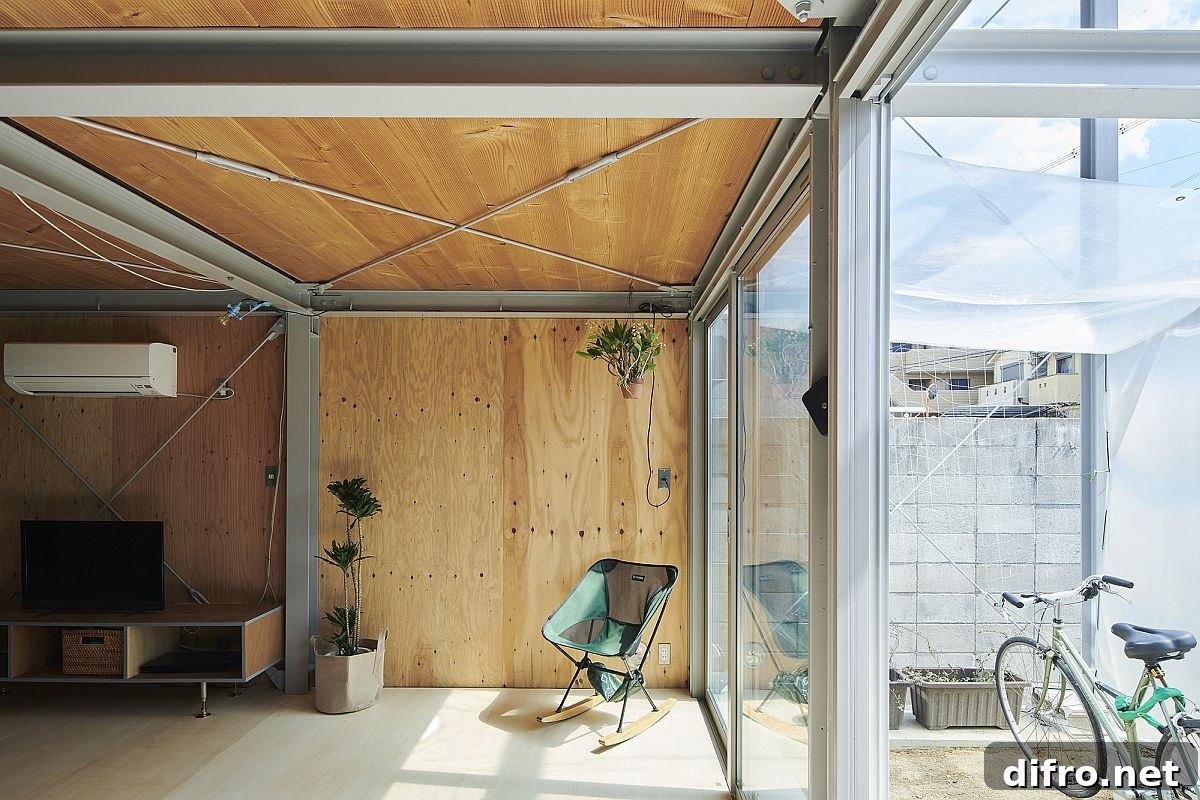
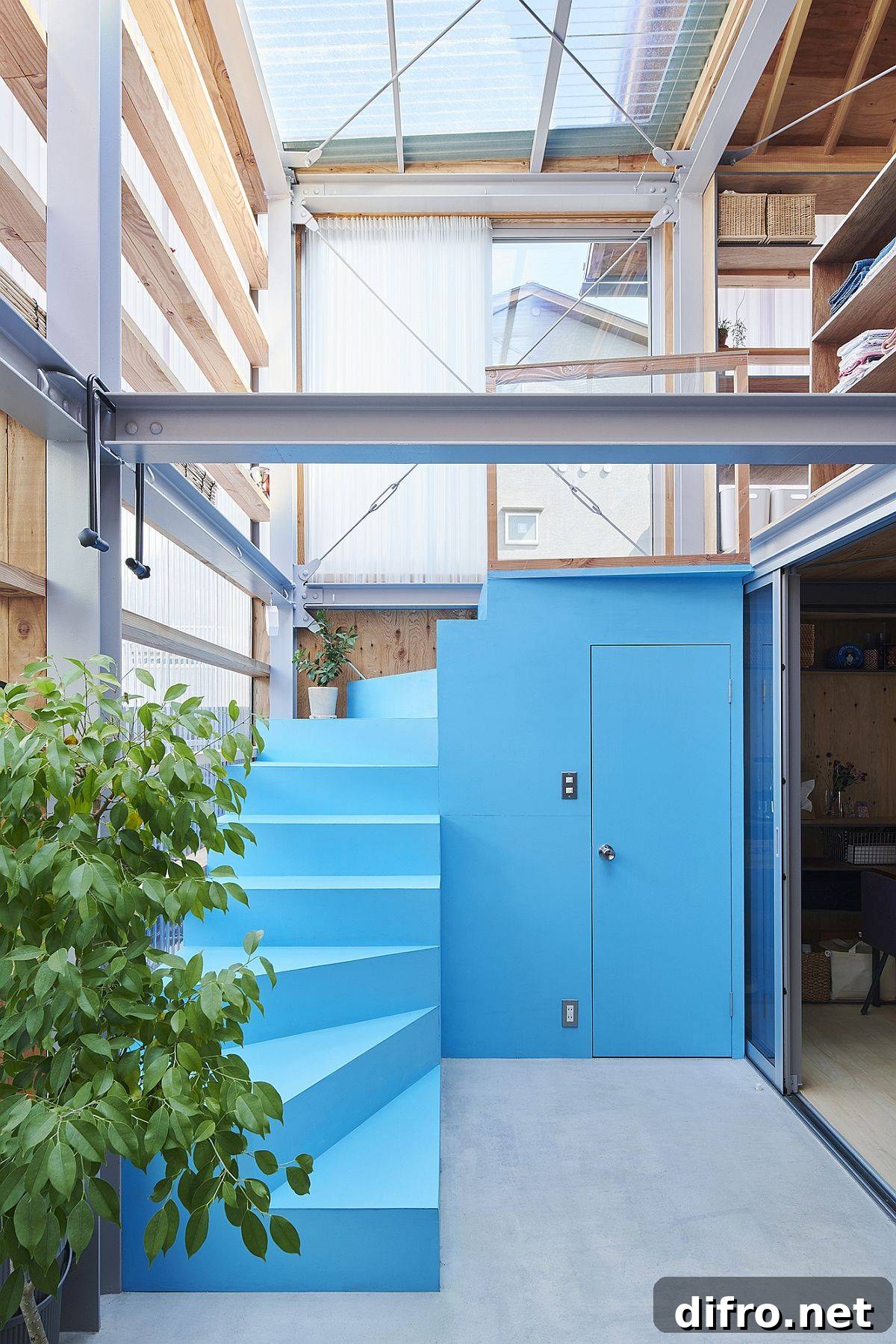
Design decisions emphasize functionality and efficient use of every square meter. Clever storage, compact kitchens and integrated shelving help reduce clutter while maintaining fluid movement through the home. Translucent polycarbonate panels are used selectively to admit daylight while preserving privacy, brightening interior spaces without sacrificing enclosure where it’s needed. Glass doors, interior glazing and open-plan zones further let natural light penetrate deep into the plan, making compact spaces feel larger and more connected.
All of this was accomplished on a tight budget and on a compact urban lot, highlighting how thoughtful architecture can maximize value and livability without extravagant resources. The MOH House demonstrates that flexibility can be an affordable strategy for urban living—one that extends the functional lifespan of a home by making it easy to alter spatial configuration rather than demolish and rebuild.
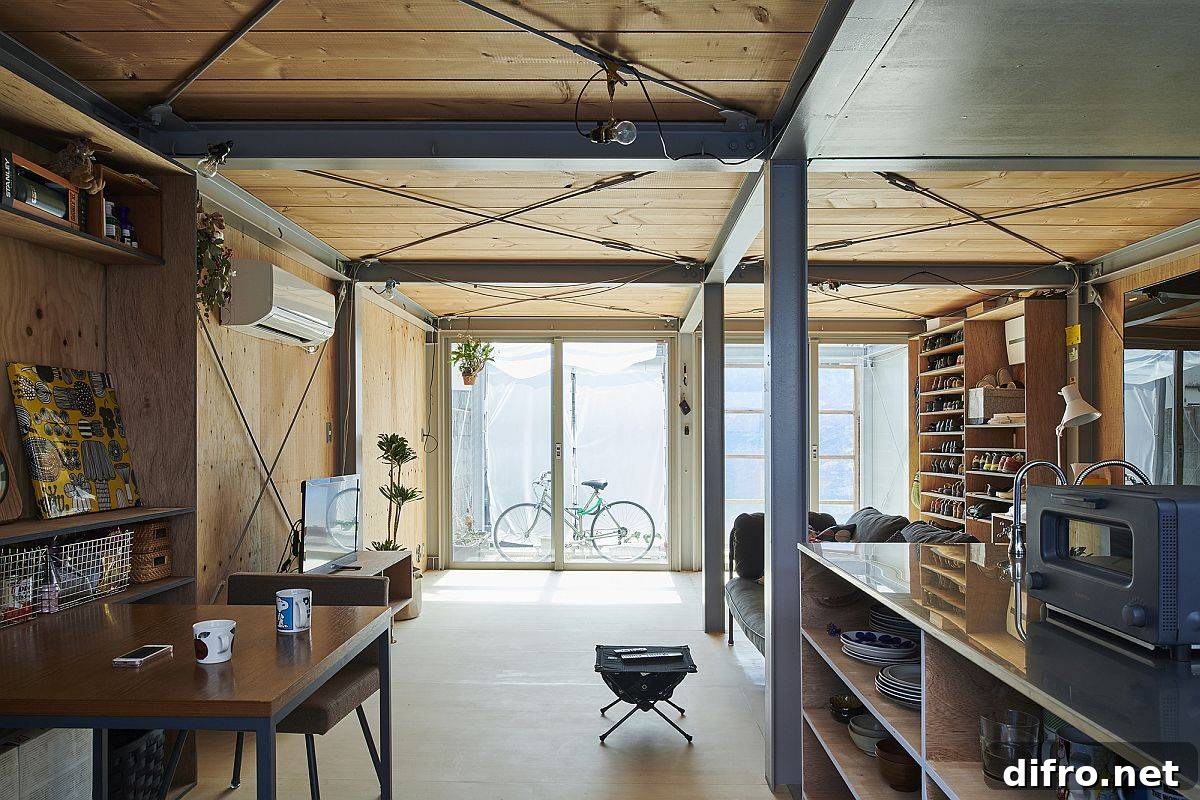
The project treats the frame like a scaffold that supports life’s shifts—an architecture that can change its form like an organism as occupants’ needs evolve. Designers reinterpreted the traditional boundary between rooms by plotting possibilities across plans and sections, creating a layout that invites movement: residents can “find a comfortable place and move around the space,” much like seeking shade in a forest. By temporarily setting places to stay within a broader flexible system, the house becomes both stable and open to change.
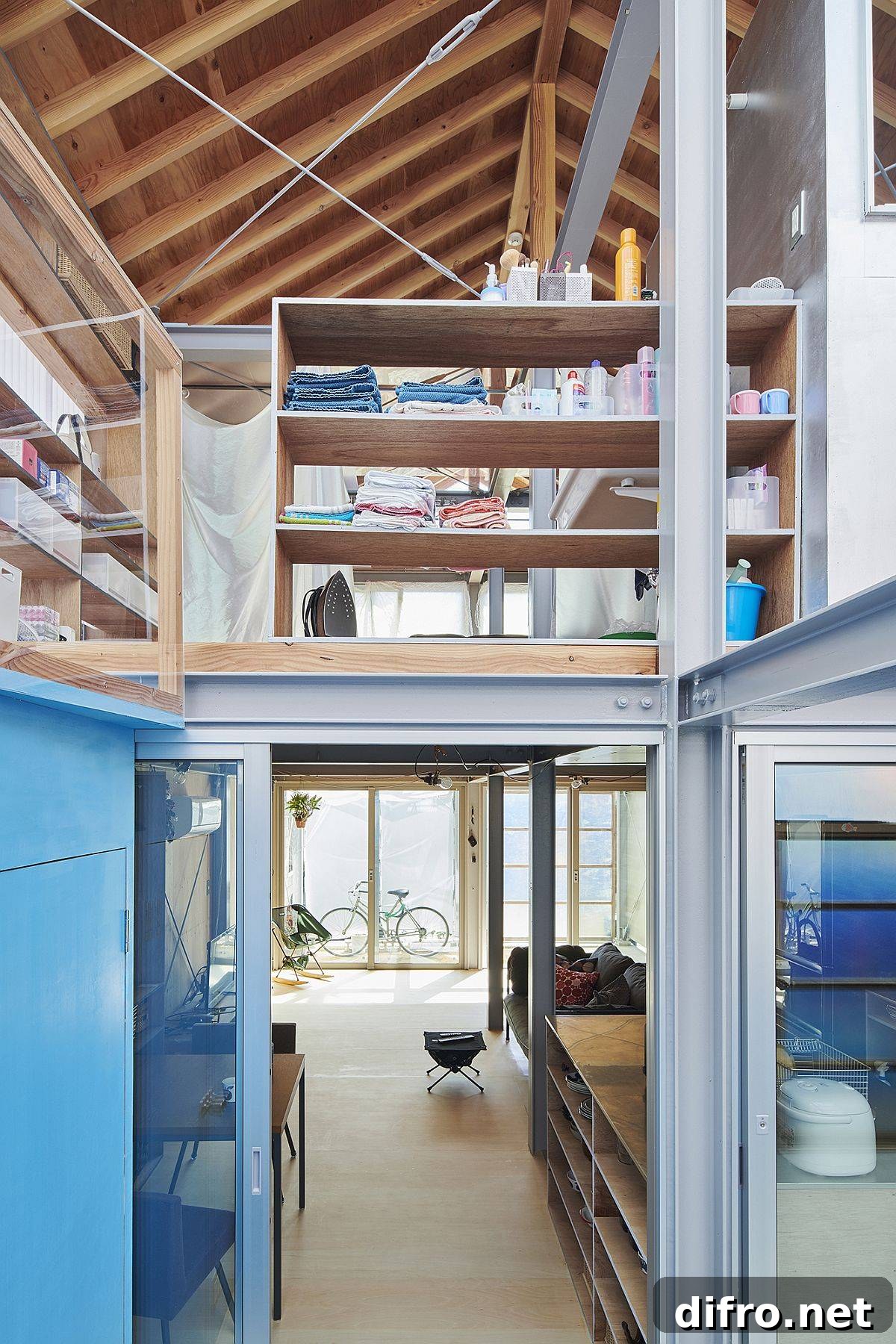
“It is an architecture that can change its form like an amoeba according to the changes in those environments. With this frame as a guide, the design proceeded with the expectation of a house full of life. The boundaries are reexamined and plotted with various parameters in a plane and cross section. Find a comfortable place and move around the space, just as a resident finds a shade in the forest. We are temporarily setting such a place to stay.”
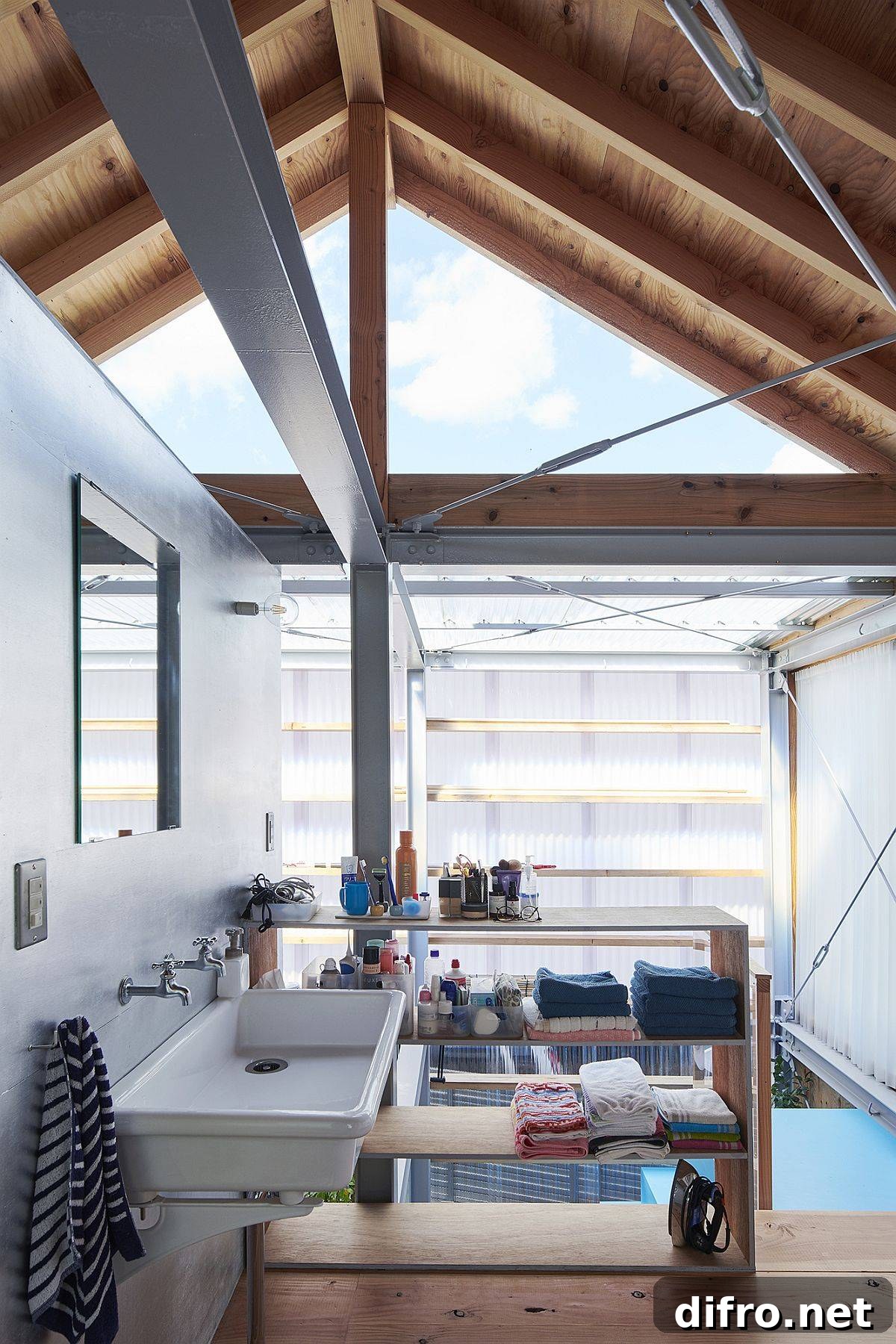
Within the house, multiple adaptable rooms can be created through simple partitioning and sliding elements, supporting a range of activities from open communal living to secluded personal spaces. A compact blue staircase leads to an upper level that can be configured for sleeping, study or storage, depending on occupant needs. These modest but deliberate choices—material selection, minimal structure, and movable separations—combine to form a resilient, long-lived dwelling suited to dense urban conditions.
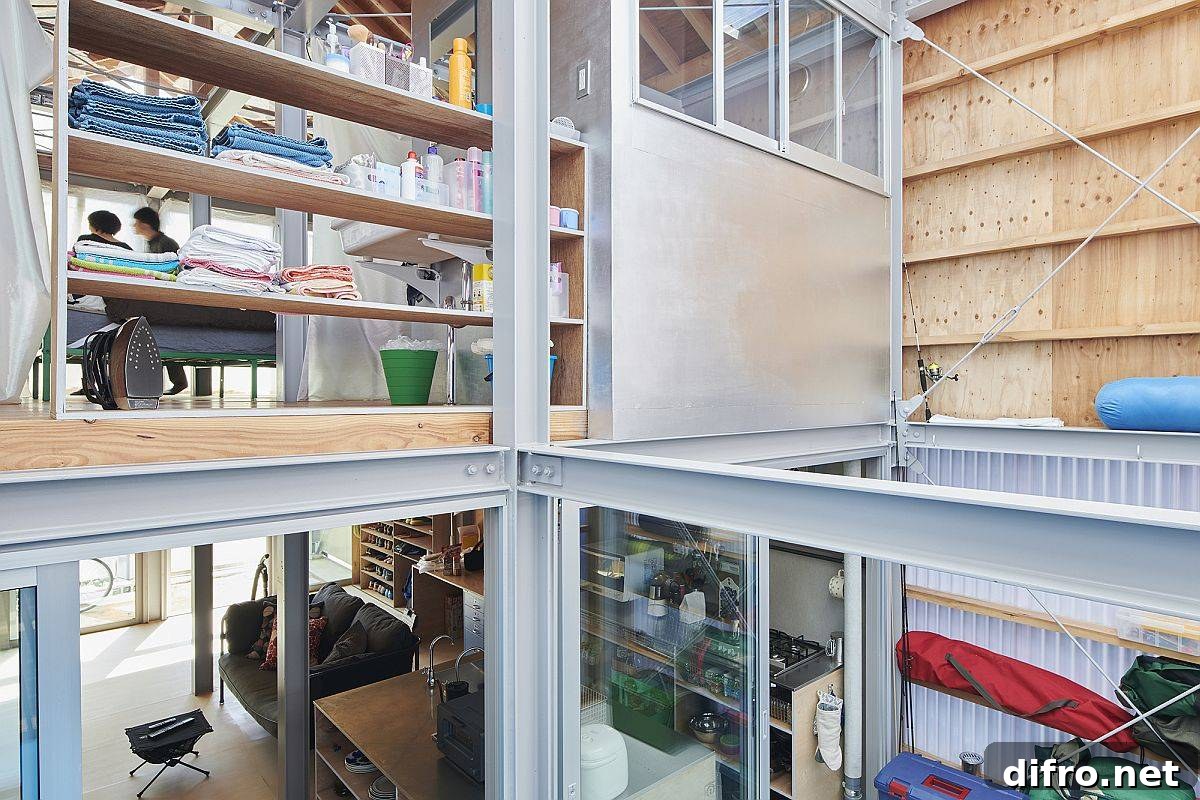
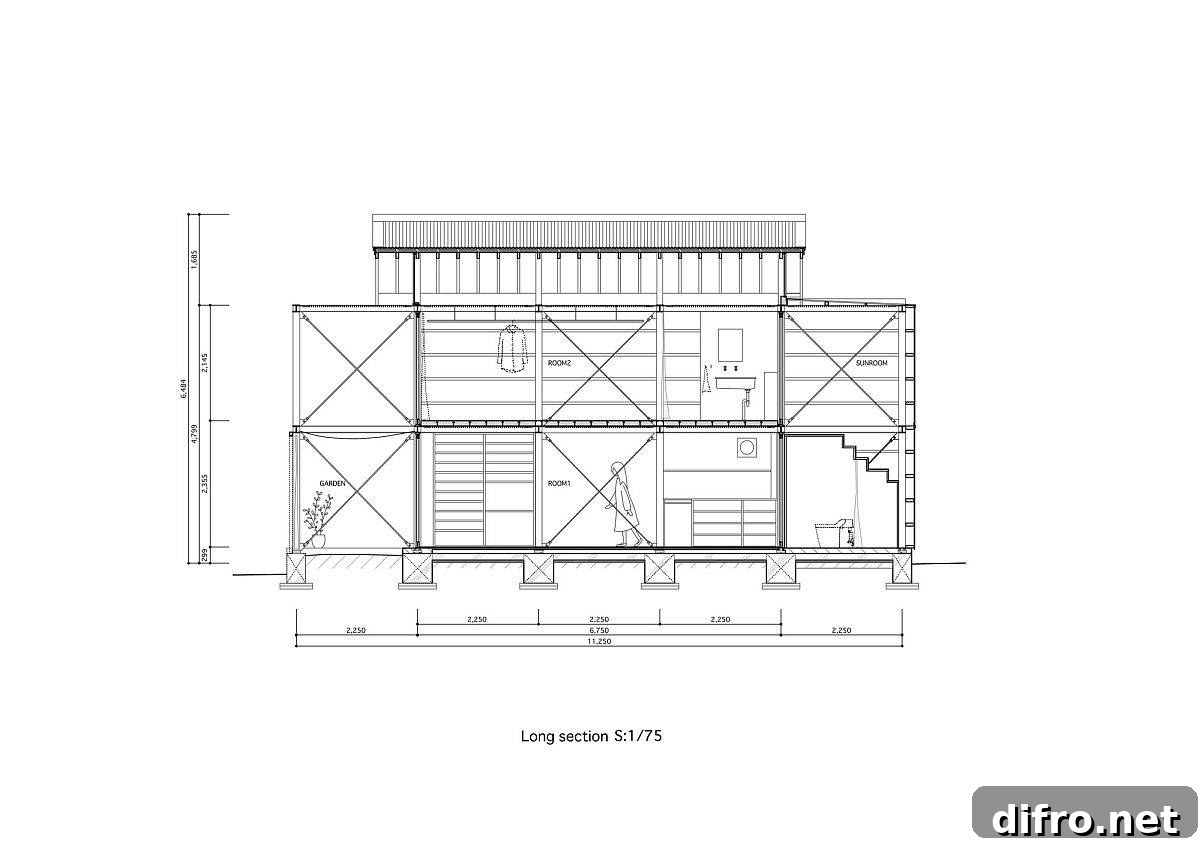
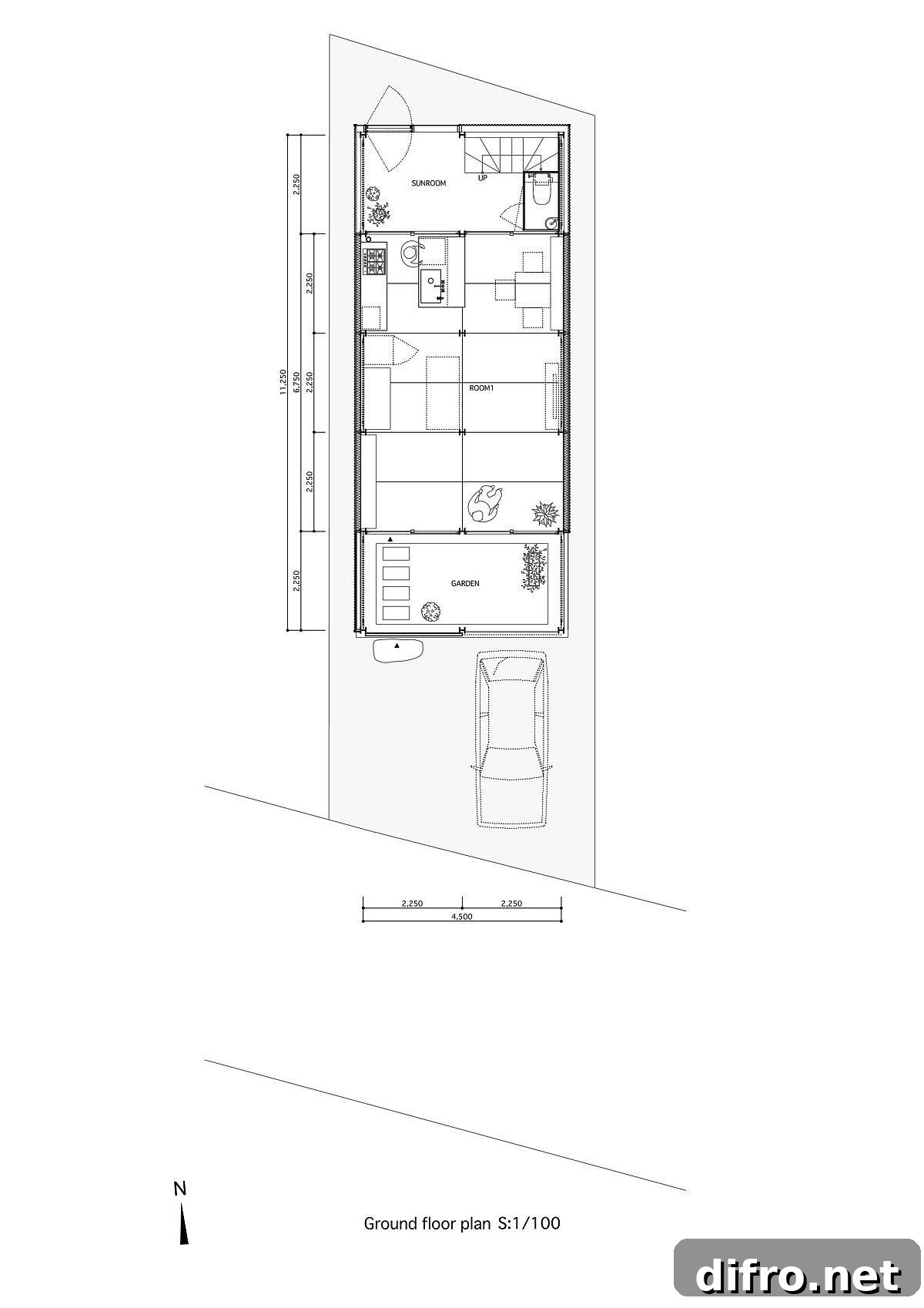
The project includes clear diagrams and floor plans that show how the ground floor and upper levels accommodate a flexible program while maintaining clear circulation and daylight access. These plans reinforce the central idea: a simple, robust frame combined with lightweight, movable partitions yields a house that remains useful and relevant as occupants’ lives change over time.
Photography by Hiroki Kawata documents the project’s effective blend of steel, timber and translucent materials, and highlights how modest interventions can dramatically improve the adaptability and long-term usefulness of a home. The MOH House offers a persuasive model for affordable, flexible urban housing that prioritizes functionality, daylight and the freedom to reconfigure living spaces over time.