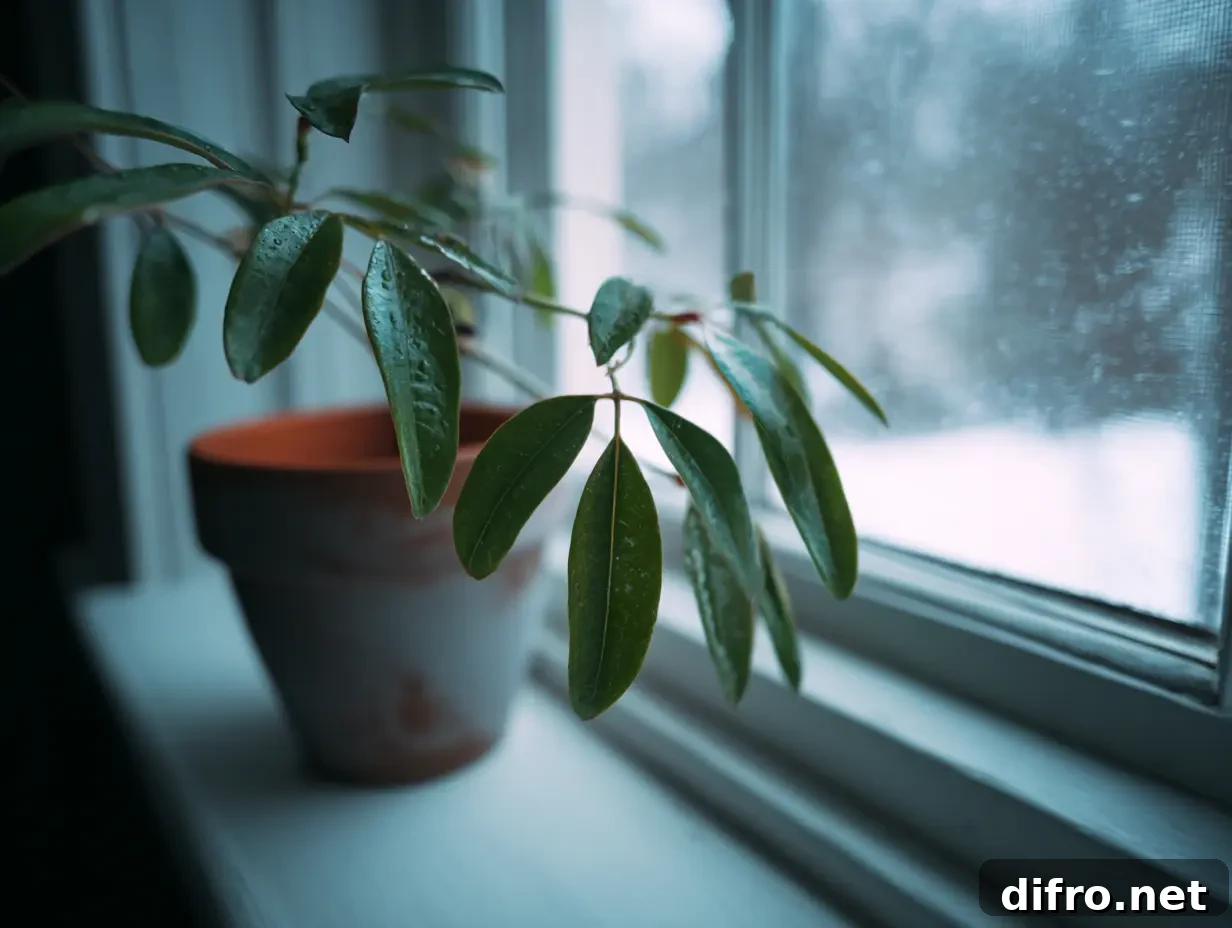
That lush, leafy plant on the windowsill can look comforting and cozy, but in winter some popular houseplants can undermine indoor air quality. When windows stay closed and heating runs, potted plants that retain moisture can contribute to stale air, lingering humidity, and mold spores that have fewer places to escape.
The issue isn’t always the plant species itself; it’s the seasonal change in the indoor environment. Lower light, cooler temperatures and reduced evaporation in winter alter the balance of soil moisture and microbial activity, creating conditions that favor mold and decay if plant care doesn’t adapt.
Why winter can turn healthy plants into indoor air risks
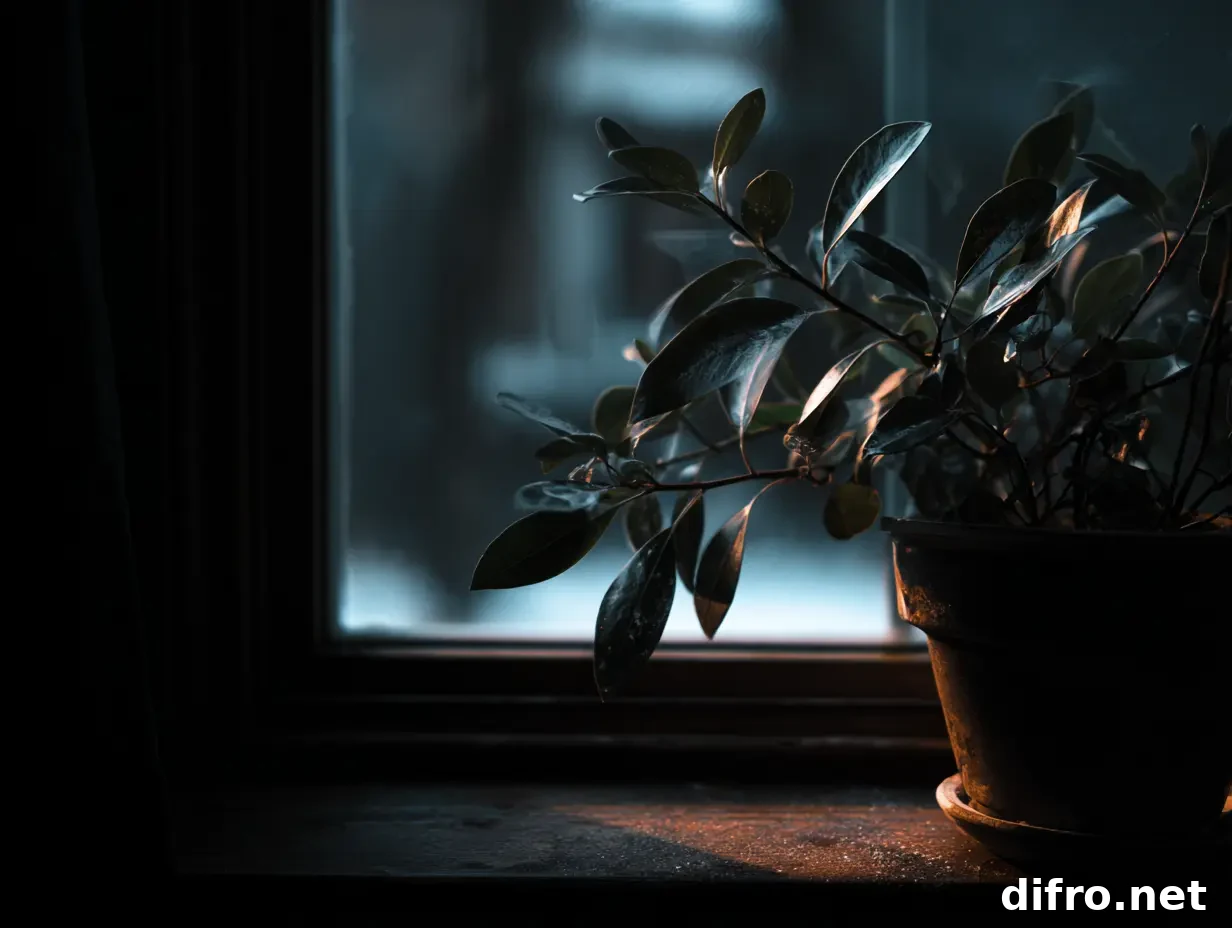
During colder months many houseplants enter a semi-dormant state: they grow more slowly, receive less light, and lose moisture more slowly. Soil that dries within days in summer can remain damp for weeks in winter. If watering routines don’t change to match seasonal needs, excess moisture accumulates around roots and in the potting mix.
Persistently wet soil invites several problems that affect indoor air:
- Root rot: Decaying roots and organic matter emit unpleasant odors and contribute to poor soil health.
- Mold and mildew: Fungal spores thrive in damp potting mix and can become airborne in closed spaces.
- Fungus gnats: These small pests breed in wet topsoil and indicate over-moist conditions.
In tightly sealed, energy-efficient homes, these airborne irritants recirculate rather than dissipate, which can worsen allergies and respiratory discomfort over the season.
The “cozy” plant most likely to cause winter problems: the Peace Lily
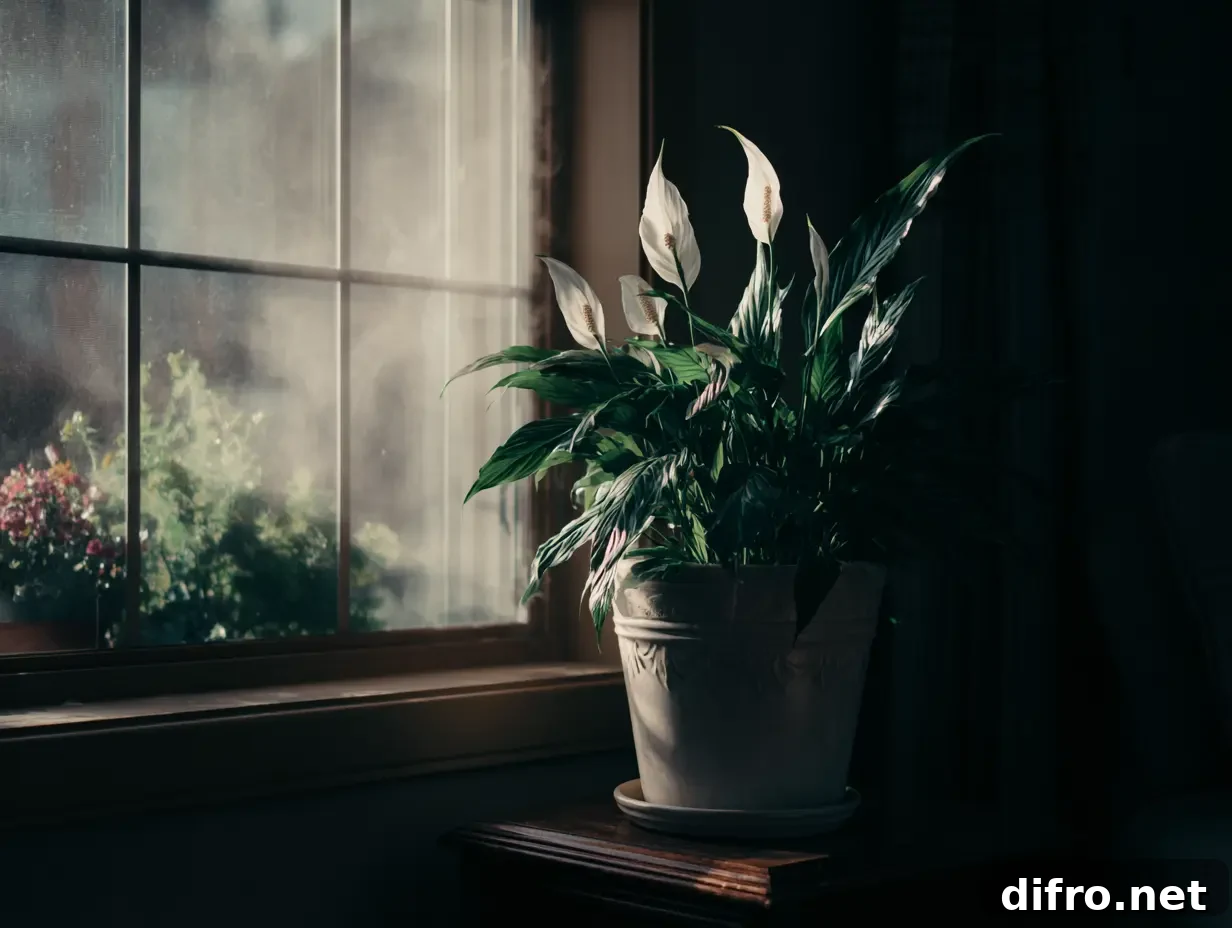
Some of the most popular houseplants are also the easiest to overwater. The Peace Lily (Spathiphyllum) is a prime example: it droops dramatically when thirsty, teaching many owners to water on sight. In winter, that habit backfires. Constantly damp soil around a Peace Lily can hide mold growth below the surface, even if the foliage appears healthy.
Other moisture-loving varieties that can contribute to winter air problems include Boston ferns, Majesty palms, and English ivy—especially if they’re misted heavily while air circulation is poor.
The best plants for better indoor air quality in winter
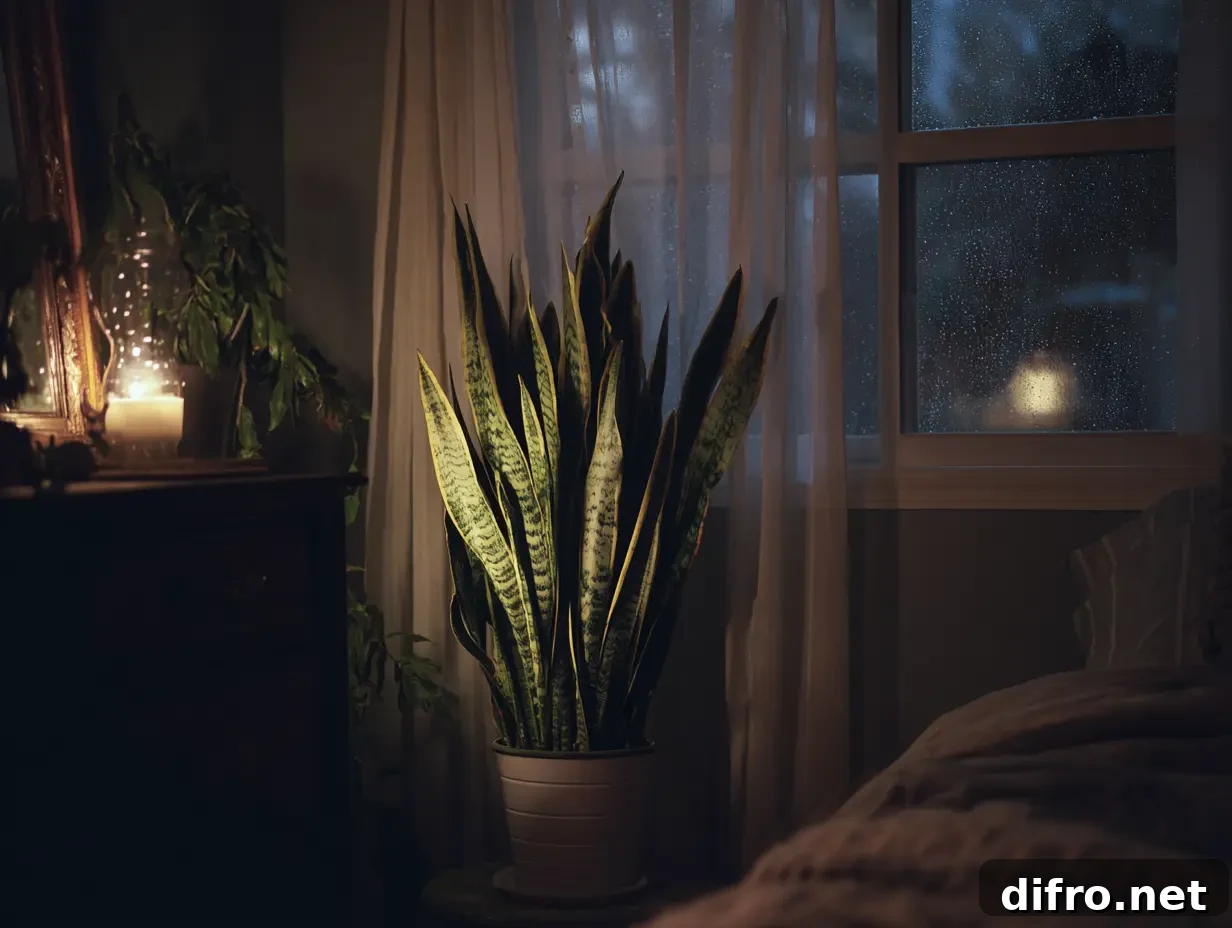
To maintain clean indoor air while windows stay closed, choose plants that tolerate lower light and drier soil. These varieties reduce the risk of mold and pests because they require less frequent watering.
1. Snake plants (Sansevieria)
Snake plants are famously forgiving. They need very little water, and some species release oxygen at night, making them especially suitable for bedrooms in winter.
2. ZZ plants (Zamioculcas zamiifolia)
ZZ plants store water in thick rhizomes beneath the soil, so they can tolerate long intervals between waterings. Drier soil beneath these plants is less hospitable to mold.
3. Pothos (Epipremnum aureum)
Pothos is an easy-care, expressive plant that shows clear signs when it needs water. Its forgiving nature and low water needs help prevent overwatering mistakes during darker months.
Four rules to protect indoor air quality this winter
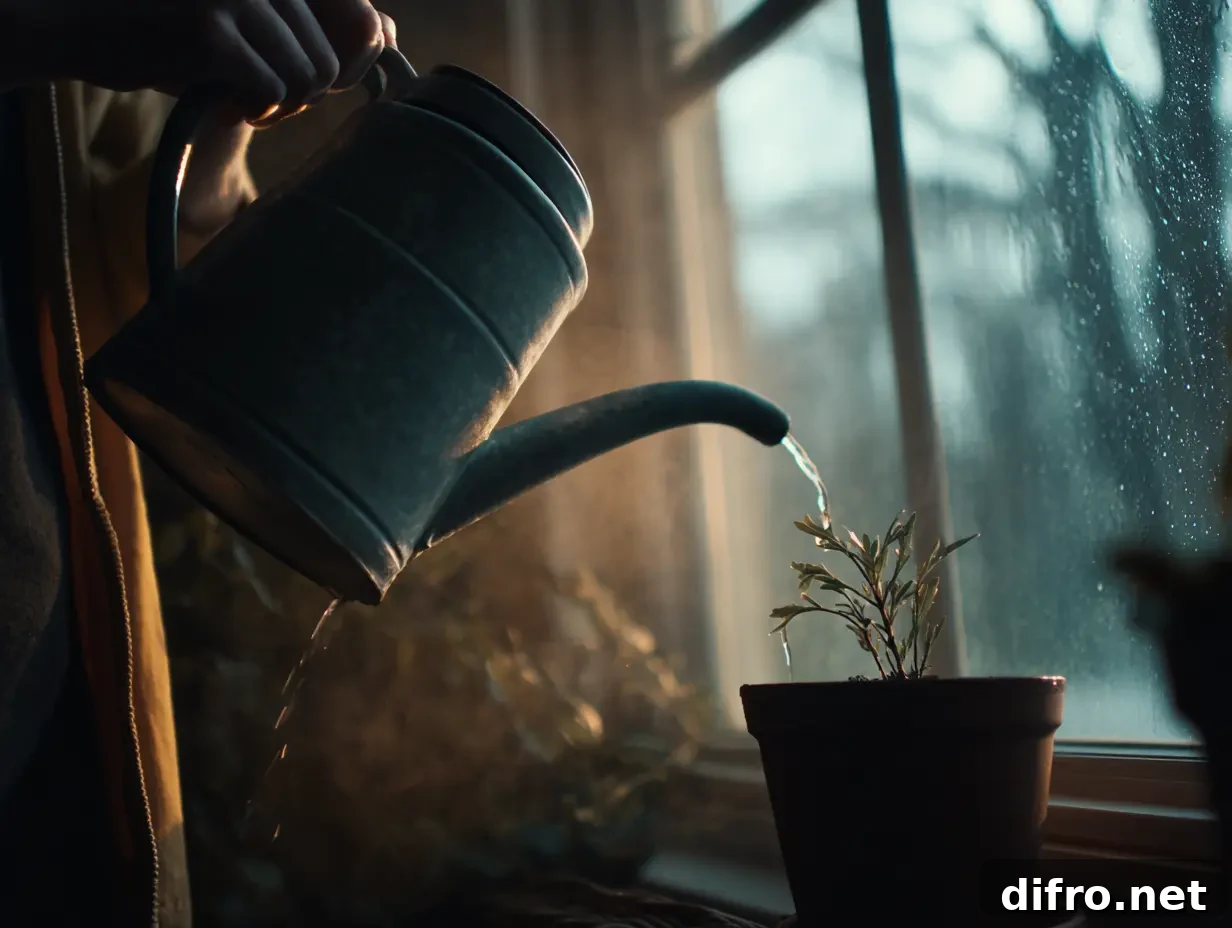
You don’t have to remove all your houseplants to protect air quality. Adjusting care habits for winter keeps both plants and indoor air healthy.
- Half the water: Most houseplants need roughly half the water in winter compared with summer. Cut back and observe how plants respond.
- The finger test: Don’t water on a fixed schedule. Push a finger about two inches into the soil. If it’s still damp, wait several days before watering.
- Use breathable containers: Switch moisture-sensitive plants to terracotta pots. The porous clay promotes faster drying and reduces trapped moisture.
- Empty saucers: Never allow pots to sit in drainage saucers filled with water. Standing water is a common source of musty smells and fungal growth.
Pro tip: If you spot a white, fuzzy film on the soil surface, carefully scrape it away and sprinkle a light dusting of cinnamon, which has natural antifungal properties. Addressing the problem early prevents it from spreading.
A drier soil leads to a cozier home
Winter comfort is about more than blankets and candles; it also depends on clean, breathable air. By choosing winter-resilient plants, reducing watering, and improving pot drainage and airflow, you can keep your indoor garden healthy without compromising air quality. With a few simple adjustments, your home can stay both cozy and fresh throughout the cold months.