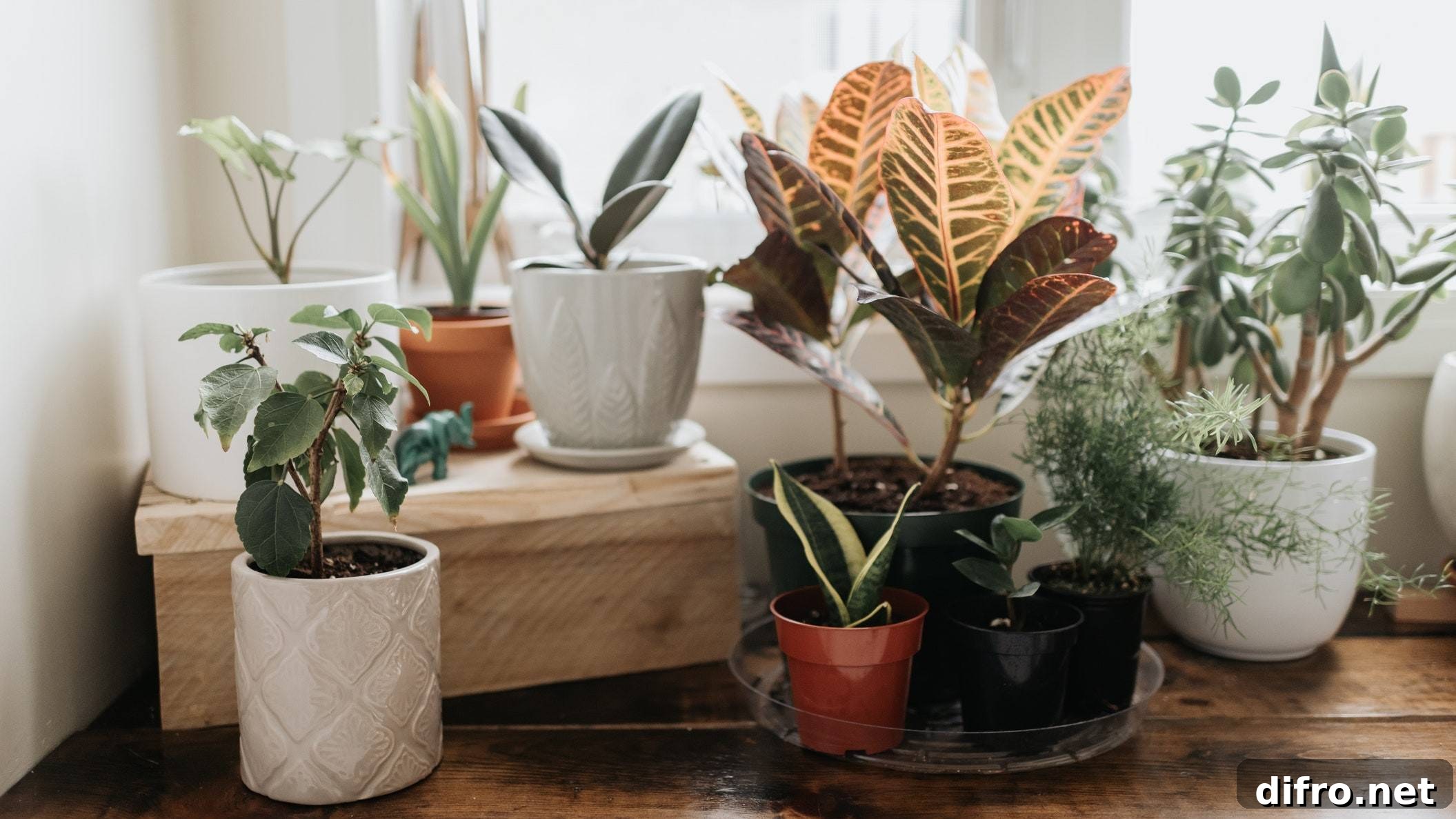
Houseplants serve many purposes: they brighten interiors, improve indoor air quality, and can even provide edible herbs or microgreens. No matter your reason for bringing plants into your home—beauty, air purification, or food—getting advice from an expert online or in person can help you make the right choice.
Whether a newly purchased plant thrives depends on the species you choose, the spot you place it in, and how much light, water, and basic care it receives. As a beginner, the best approach is to match plant requirements with your home conditions and daily routine, choosing varieties that tolerate occasional neglect if your schedule is busy.
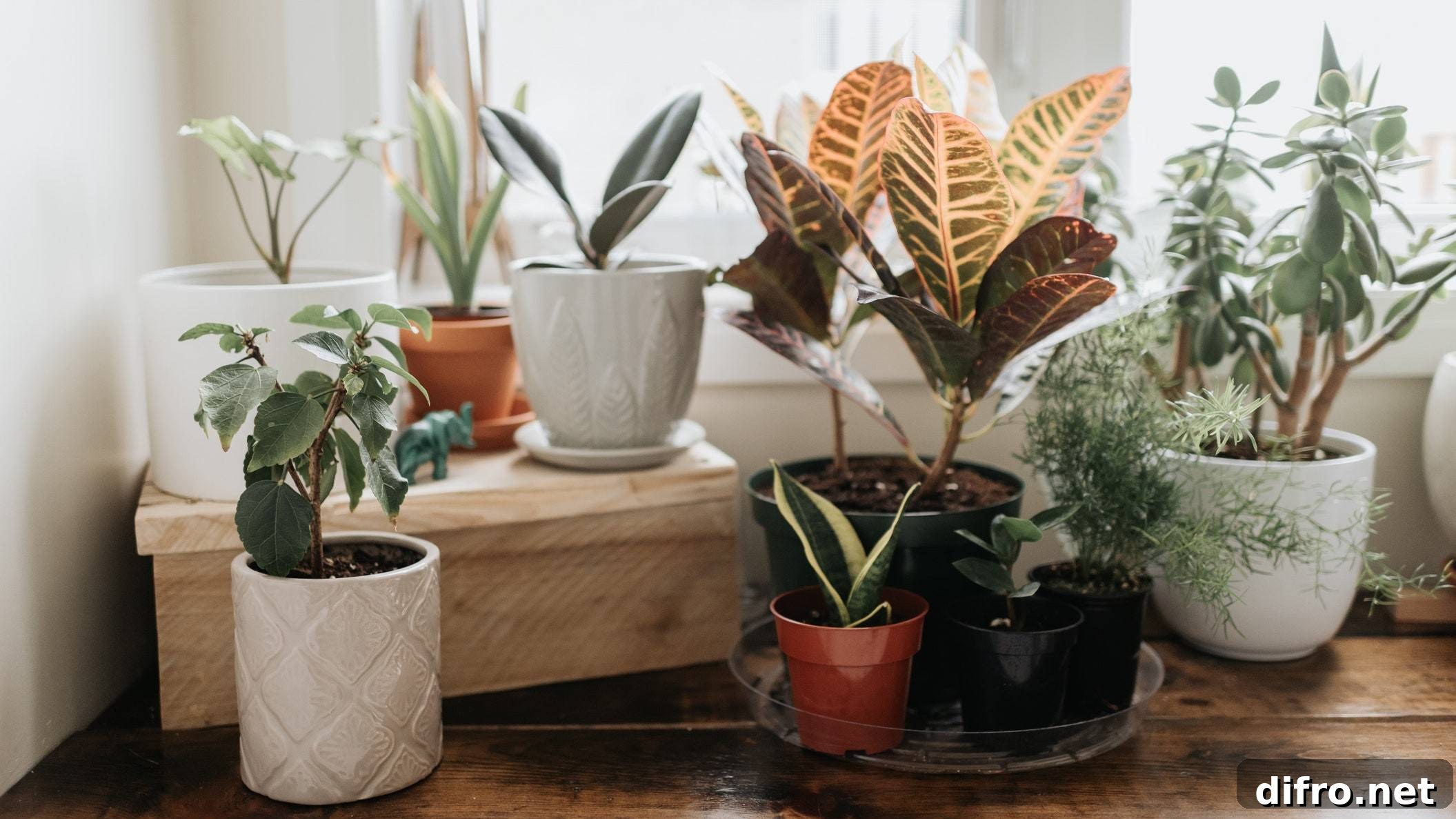
Before you buy, decide whether the plant will live indoors or outdoors. For indoor plants, especially if you have limited time for plant care, favor low-maintenance varieties that cope well with lower light and irregular watering.
Below are eight of the best houseplants for beginners, with simple care tips so you can pick the right one for your home.
8 Best Plants for a Beginner
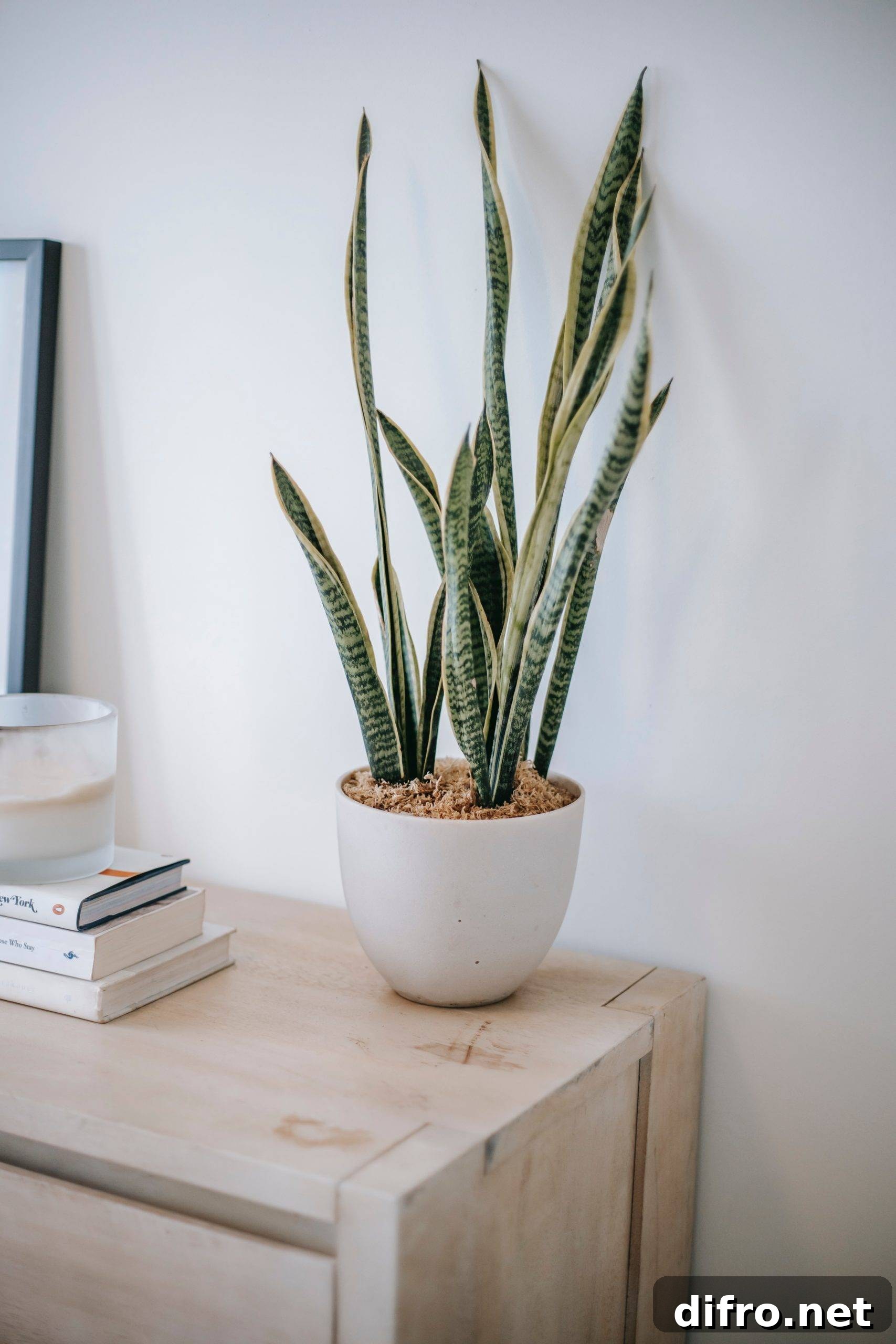
1. Snake plant
Snake plants (Sansevieria) are among the most forgiving indoor plants. They feature tall, sword-like leaves often banded in green shades and can handle a wide range of light—from bright indirect light to lower-light corners. Snake plants are drought-tolerant and don’t need frequent watering, making them ideal for busy homes and offices. Place them in well-draining soil and water sparingly, allowing the topsoil to dry between waterings.
2. Cactus and succulents
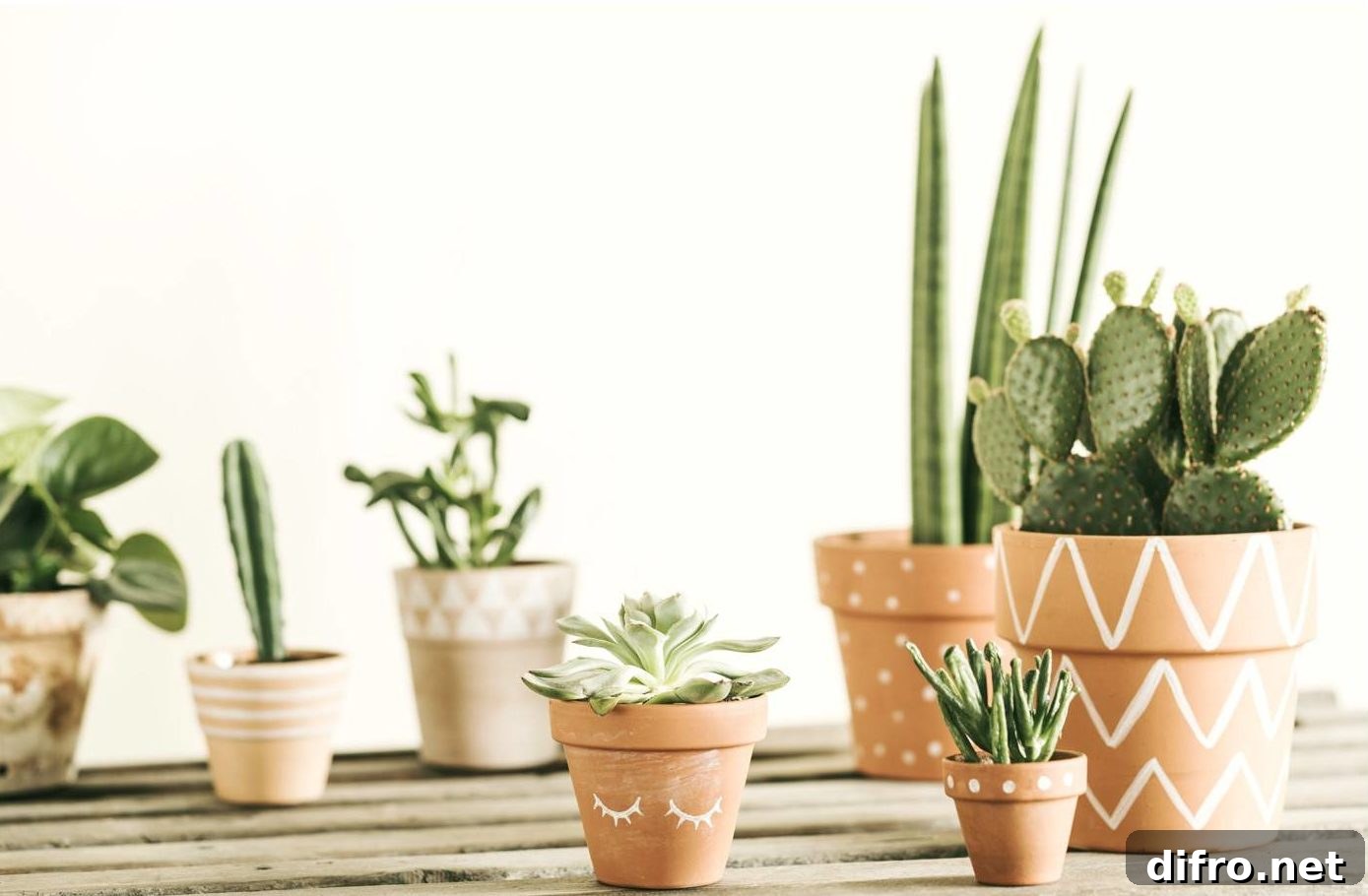
Cacti and succulents are excellent choices if you often forget to water. These desert-adapted plants store water in their tissues, so they prefer bright light, minimal watering, and pots with good drainage. They come in many shapes and sizes, so you can mix and match varieties for a striking display. Use a gritty, fast-draining potting mix to avoid root rot.
3. Spider plant
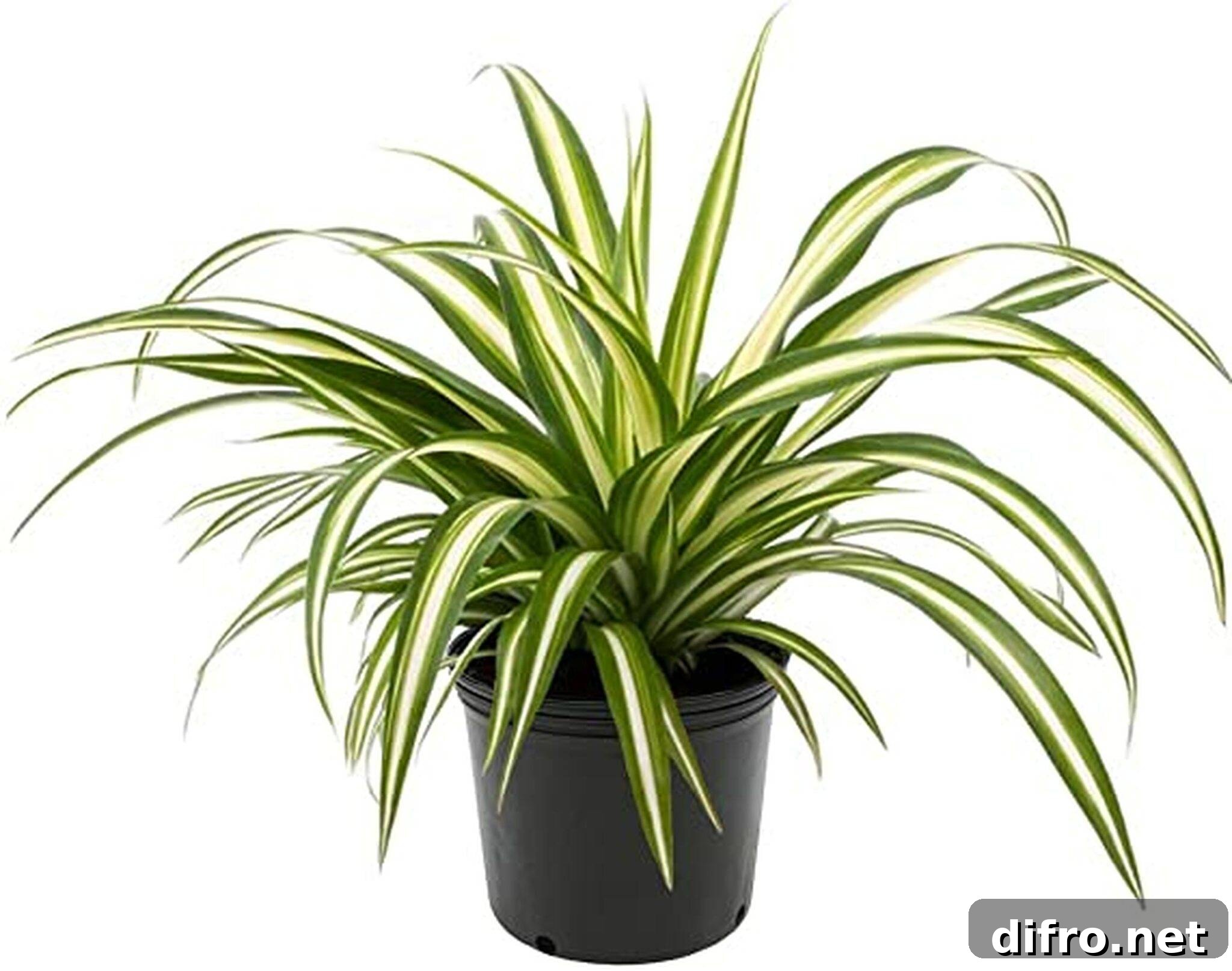
Spider plants (Chlorophytum) are popular for beginners because they tolerate a wide variety of light and watering conditions. Their arching, variegated leaves look great in hanging baskets or high shelves, and mature plants often produce baby plantlets you can propagate. They prefer bright, indirect light but will also adapt to lower-light areas; water when the soil feels slightly dry.
4. English Ivy
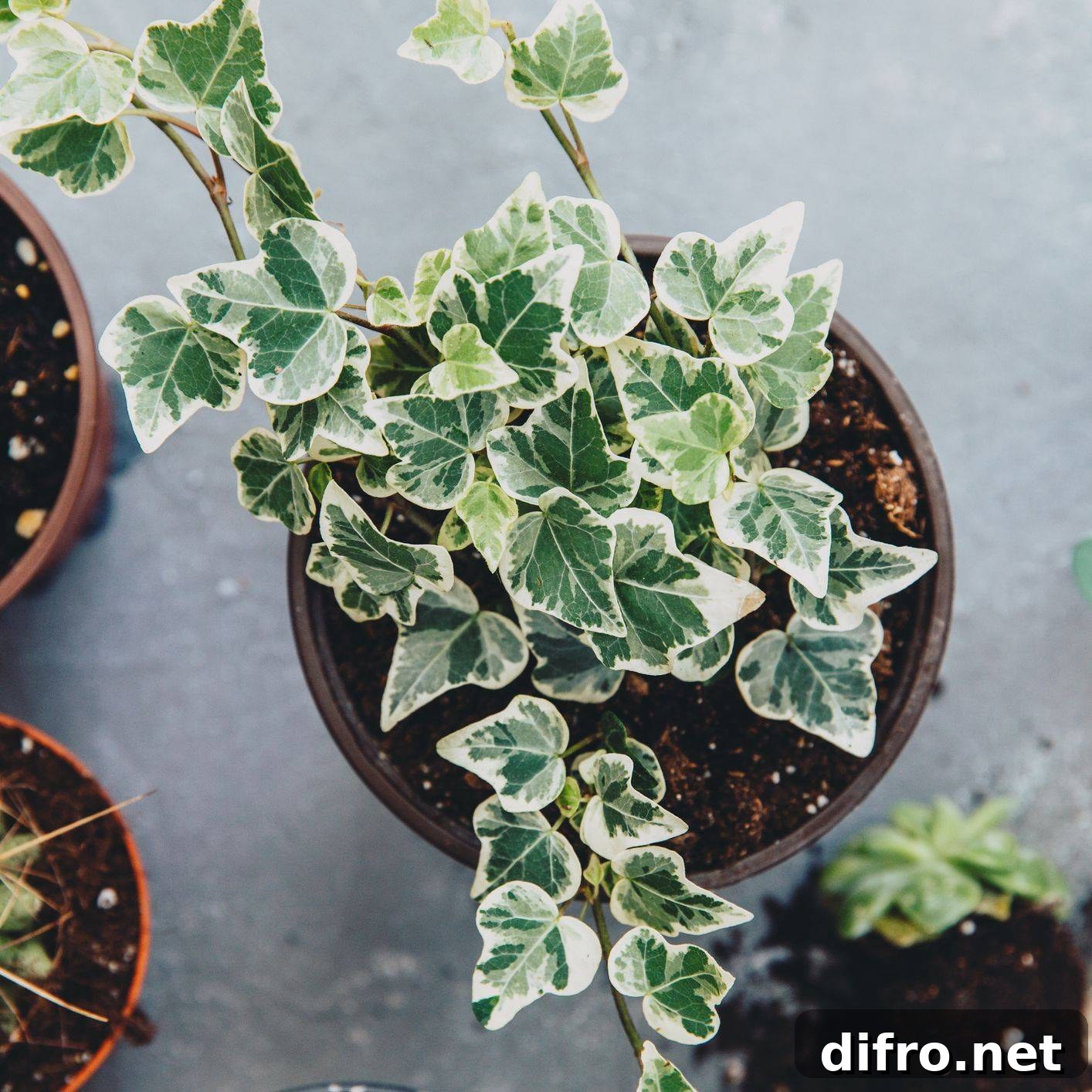
English ivy (Hedera) is valued for its glossy, lobed leaves and trailing habit. It works well as a hanging plant or placed on a high shelf where its vines can cascade. Ivy prefers bright, indirect light, evenly moist but well-draining soil, and occasional feeding with a balanced fertilizer. Note: English ivy can be toxic to pets and children, so it’s best in homes without curious pets or small kids.
5. Peace lily
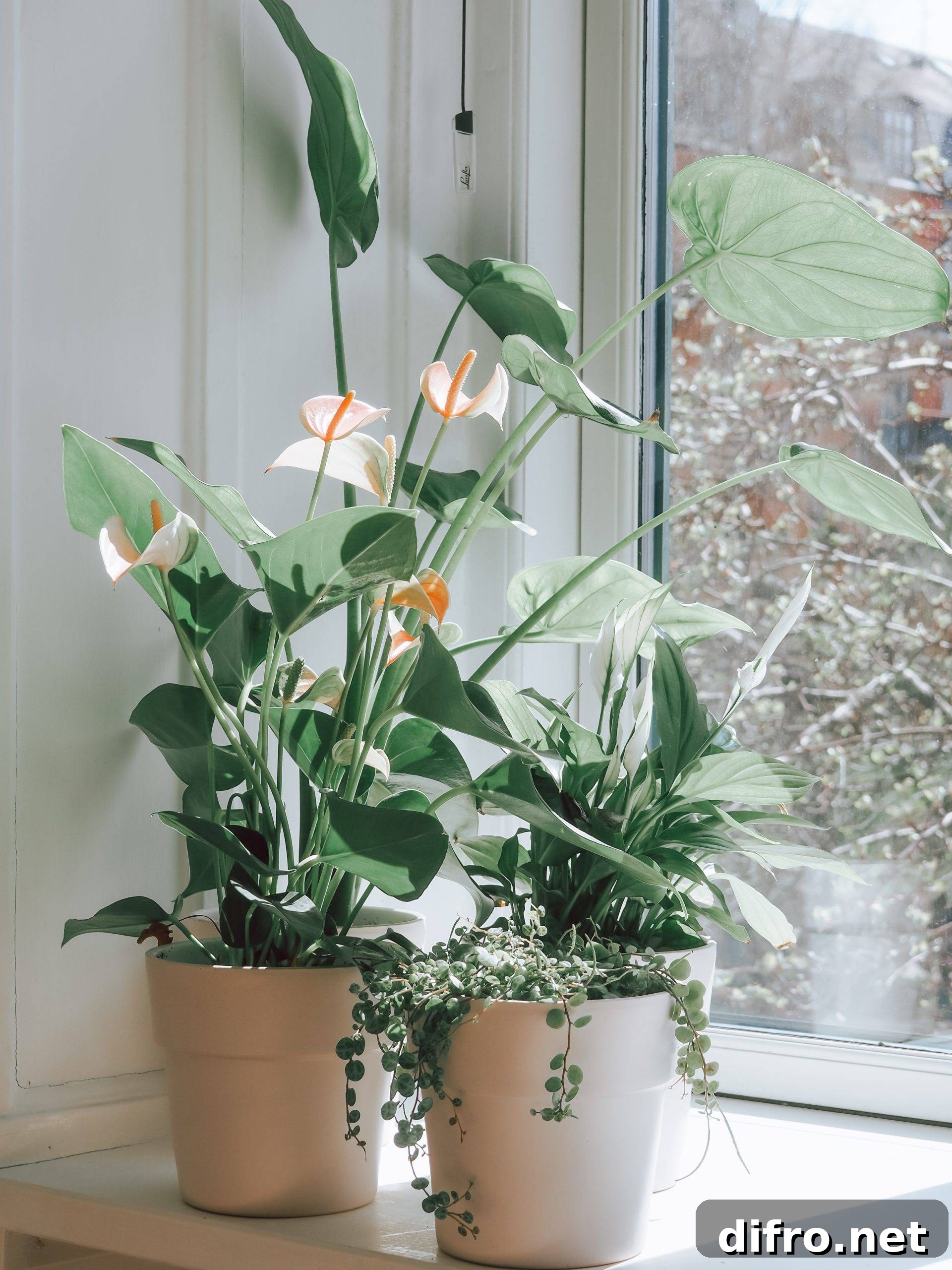
Peace lilies (Spathiphyllum) offer elegant white blooms and glossy green foliage with minimal fuss. They tolerate a range of indoor light levels—prefer bright, indirect light—and appreciate moderate watering. Peace lilies also signal when they need water by drooping slightly, then quickly recover after watering. They’re a favorite for adding an elegant touch to living rooms and offices.
6. Lucky bamboo
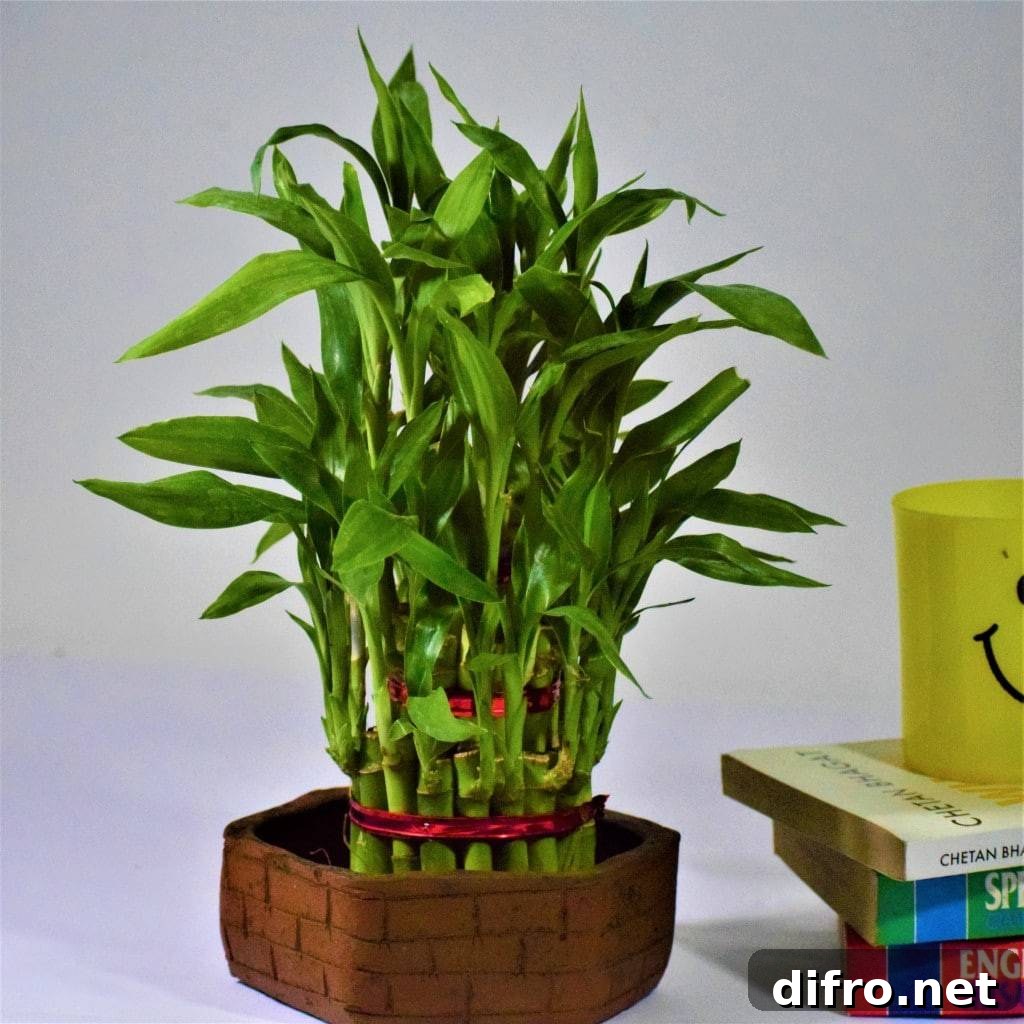
Lucky bamboo (Dracaena sanderiana) is a resilient, low-maintenance plant often seen in offices and gift arrangements. It can grow in water or soil and tolerates lower light levels, making it forgiving if you’re learning plant care. Keep its water fresh if grown hydroponically and avoid direct hot sun. Many people enjoy it for its easy care and aesthetic presence.
7. Jade plant
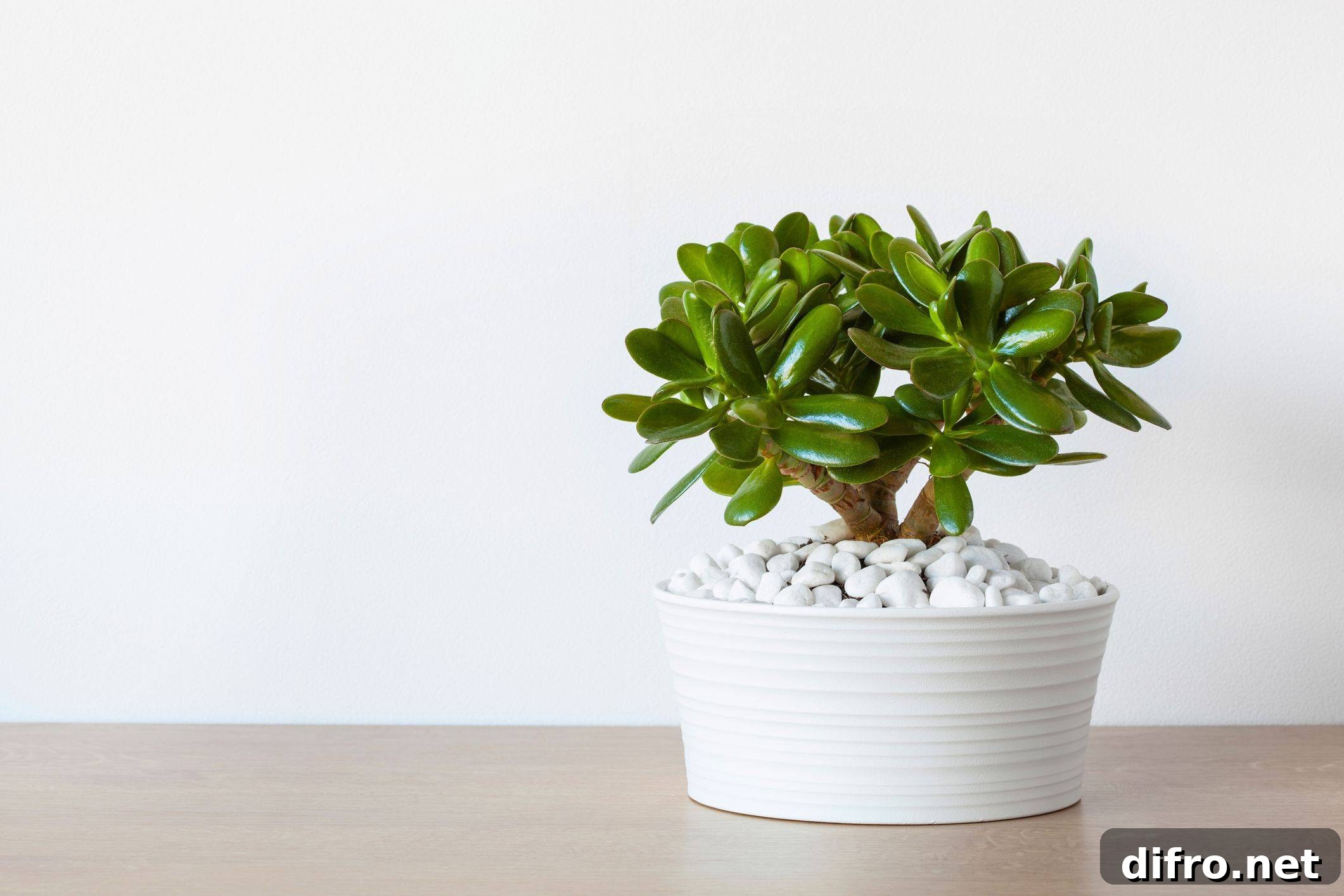
Jade plants (Crassula ovata) are succulent, long-lived houseplants with thick, glossy leaves that can develop into a small shrub over time. They prefer bright light or some direct sun and need infrequent watering—allow the soil to dry between waterings. Jade plants are forgiving and attractive, making them a solid pick for beginners who want a statement succulent.
8. Peperomia
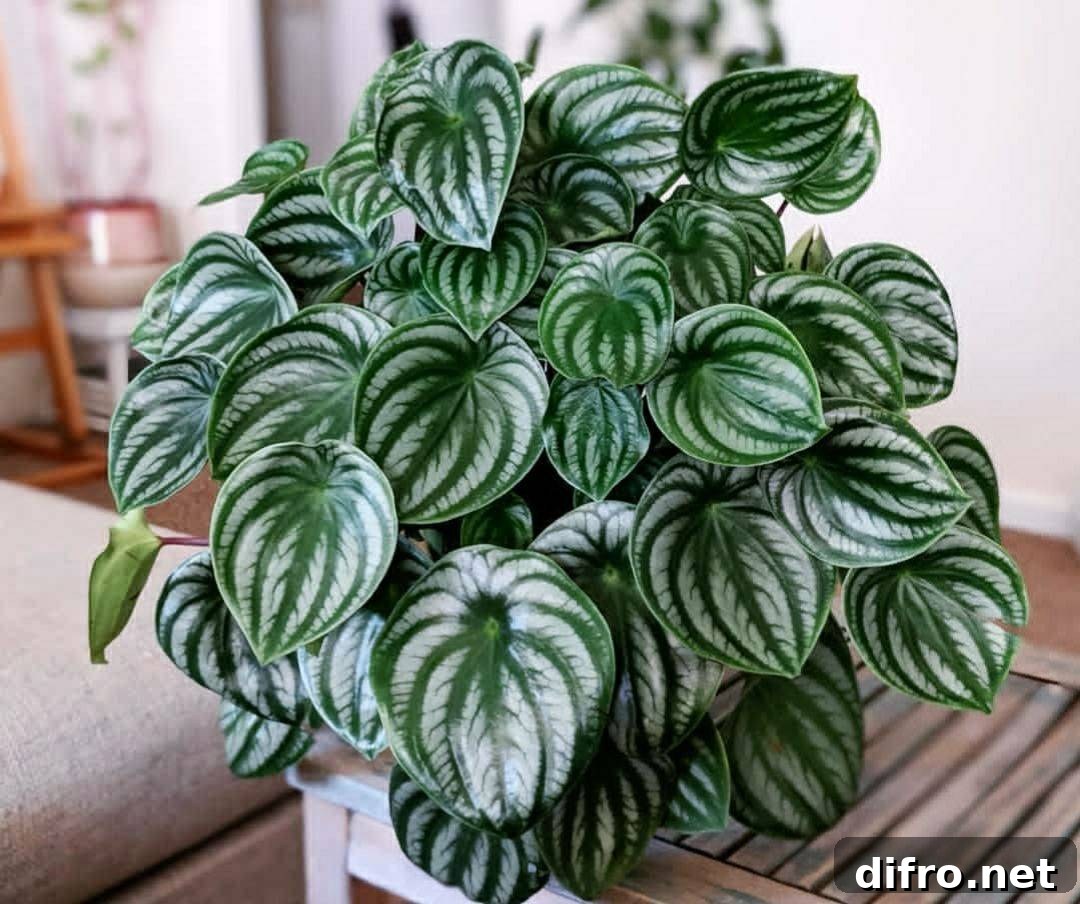
Peperomias are a diverse group of compact, ornamental plants with thick, often waxy leaves. They are well-suited to indoor life and tolerate moderate neglect, making them perfect for beginners or small-space gardeners. Most prefer medium to bright indirect light and only need watering when the top half-inch or so of soil has dried out.
Choosing the right houseplant comes down to matching plant needs with your environment and how much time you can dedicate to care. Start with one or two easy-care species from this list, place them where they’ll receive appropriate light, and adjust your watering habits to each plant’s needs. With a little attention, even beginners can enjoy thriving indoor plants that enhance the home.