Vintage decor is more than simply collecting old furniture or scoring finds at the thrift store; it’s about shaping a home that feels warm, lived-in, and distinctly personal. Too often people fill rooms with vintage pieces without considering balance, proportion, or practical use, which can turn a home into a cluttered display rather than a comfortable living space. Thoughtful vintage styling should feel deliberate and curated. Below are clear, practical strategies to help you create a vintage-inspired interior that looks intentional, fresh, and welcoming.
Mix Old with New
A room that is entirely period pieces can start to feel like a museum. Mixing eras — pairing older furniture with contemporary accents — brings energy and keeps a space feeling current. For example, a mid-century coffee table can ground a modern sofa, or antique brass knobs can add warmth to a streamlined kitchen. Combining old and new highlights the best of both: the character of vintage pieces and the clarity of modern design. For SEO and practical use, think about contrast in materials and finishes: pair weathered wood with polished metal, or a worn leather chair with a crisp linen throw. This interplay creates visual interest and helps your vintage finds feel functional rather than merely decorative.
Use Vintage in Unexpected Ways
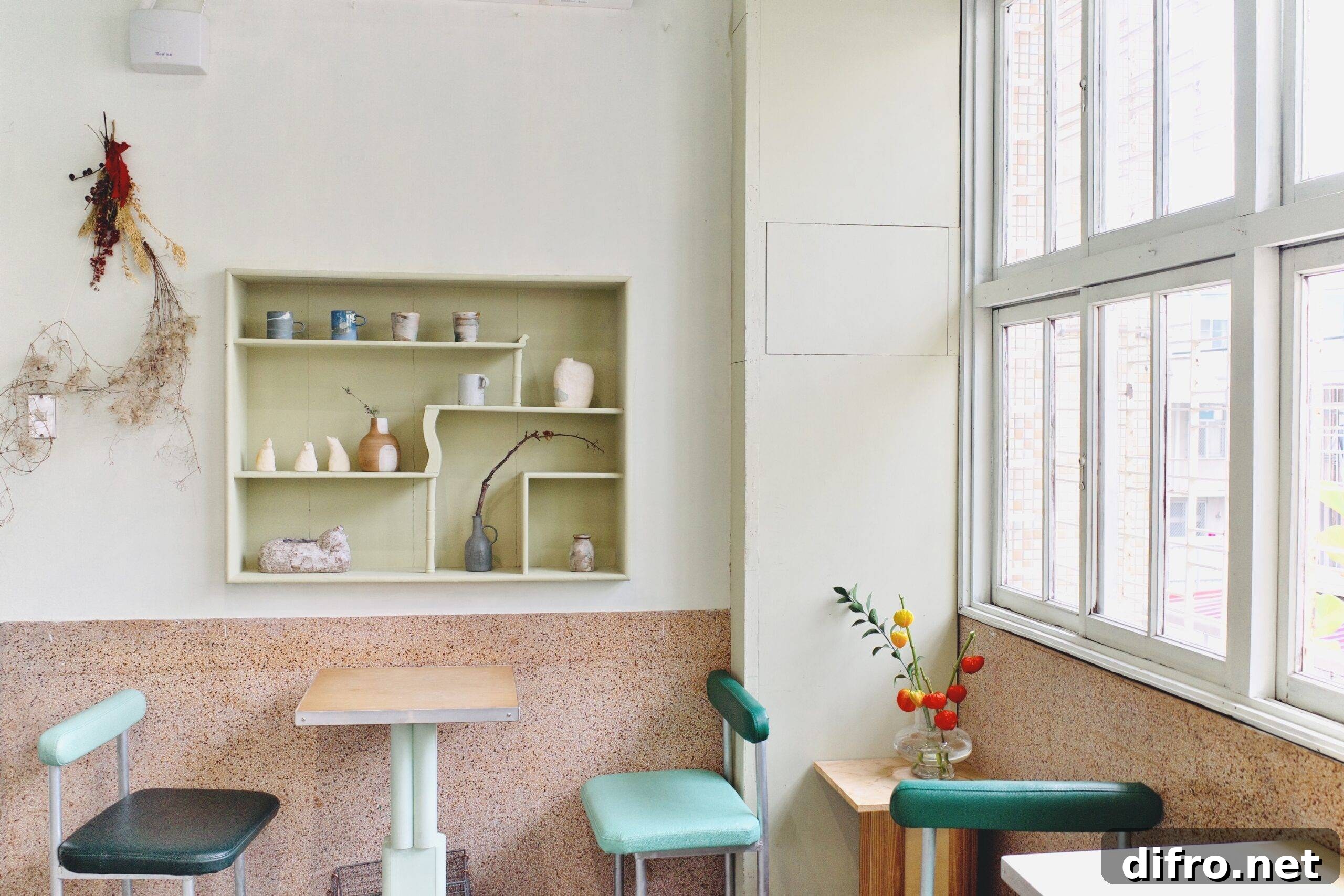
Repurposing vintage items gives them new life and prevents a room from feeling overly predictable. An old ladder makes an attractive blanket rack, a stacked suitcase can serve as an eclectic side table, and a cluster of vintage mirrors creates a lively focal wall. Think about how scale, texture, and function intersect: a small, ornate mirror can become a jewelry display, while an old trunk makes excellent closed storage at the foot of a bed. Using vintage pieces in unexpected roles keeps the design playful and personal and encourages sustainable decorating by reusing what already exists.
Choose One Era as a Base
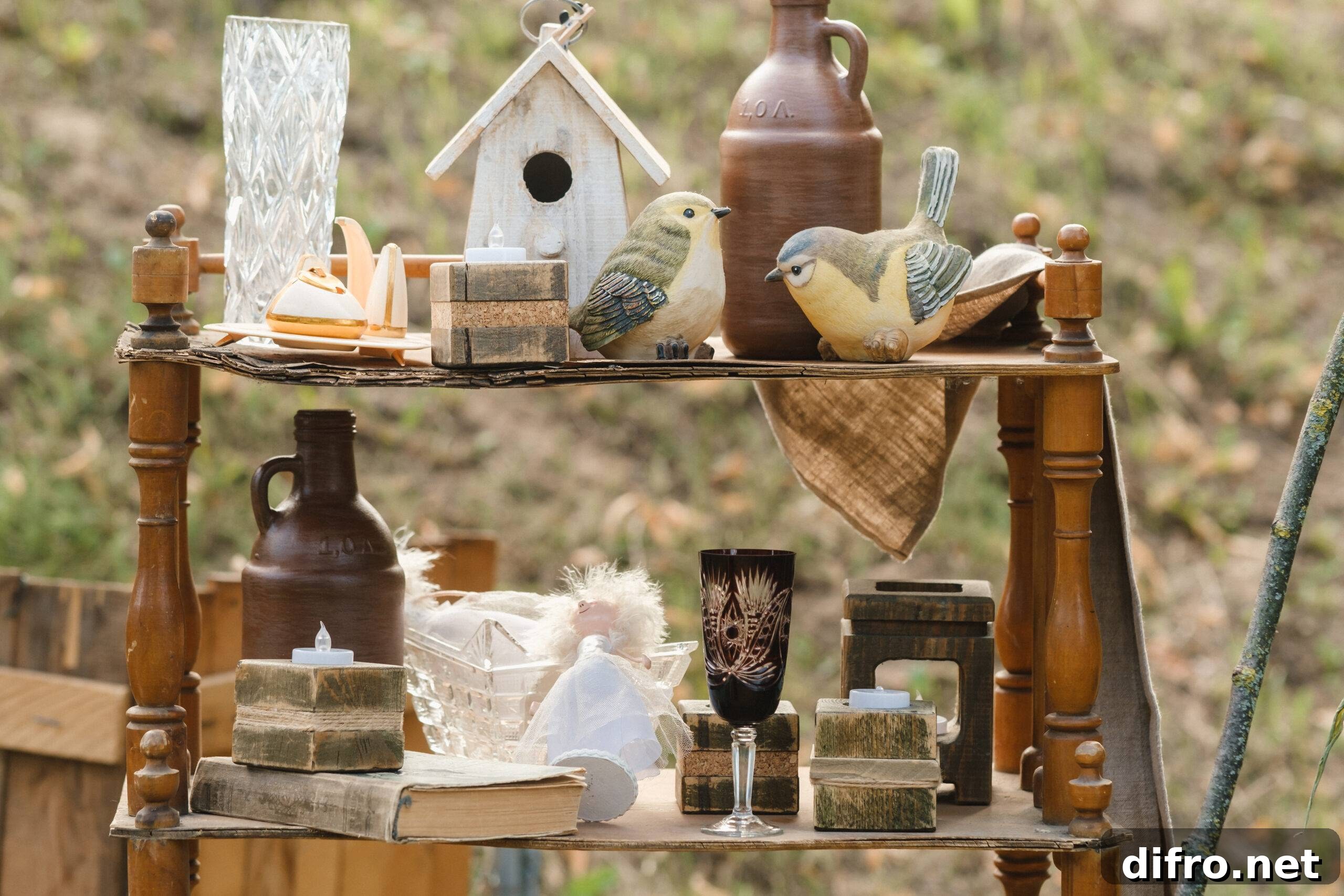
While it’s tempting to blend many vintage styles, too many competing periods can create visual chaos. Choose one era as the foundation for your room — whether it’s the clean lines of mid-century modern, the ornate details of Victorian design, the bold patterns of the 1970s, or the glamour of Art Deco — and then integrate small elements from other periods for variety. Establishing an era as your base helps with color choices, furniture scale, and accessory selection, resulting in a cohesive look. Once the base is set, layer in complementary colors and textures: vintage textiles, aged metals, and period-appropriate lighting all reinforce the chosen theme.
Avoid Overcrowding
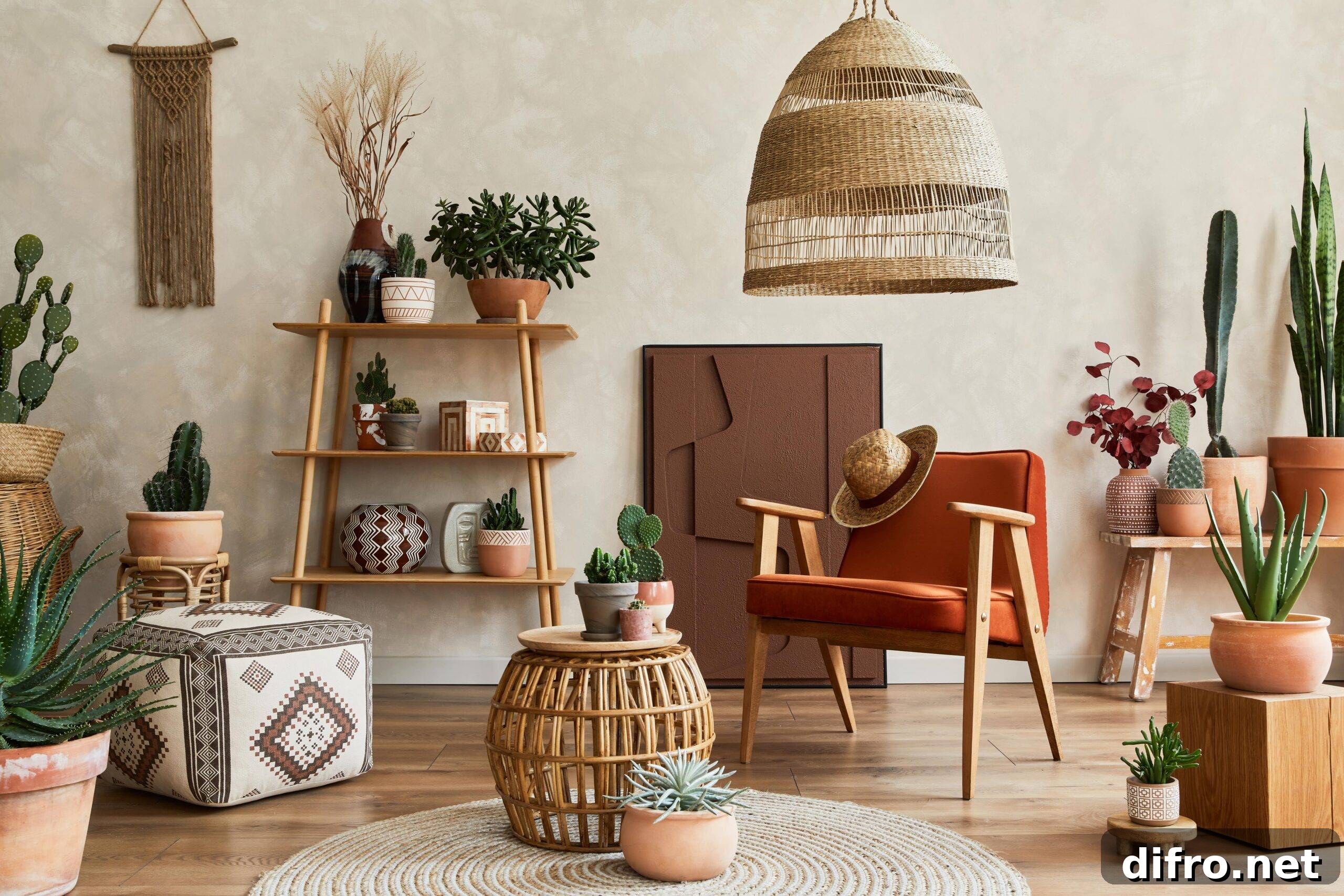
Accumulating many small vintage items can overwhelm a room and obscure the best pieces. Prioritize quality and impact: a single large item — such as an antique armoire, a leather club chair, or a bold area rug — can define a space more effectively than dozens of smaller objects. Allow breathing room around each piece so its shape, texture, and history register clearly. Use grouping strategies for smaller objects: display a curated selection on a single shelf rather than scattering them throughout the room. Negative space is a key design tool; it highlights your vintage finds and improves the room’s flow.

Highlight Statement Pieces
If you own a standout vintage item — an oversized gilded mirror, a sculptural chandelier, or a beautifully aged cabinet — let it be the room’s focal point. Keep surrounding decor restrained so the statement piece can command attention without competing with clutter. Complement statement items with simple modern accessories and consider lighting to emphasize texture and form. A well-placed spotlight or soft lamp can enhance patina and details, making the piece feel intentional rather than out of place. Thoughtful placement and restraint turn a unique object into the centerpiece of a cohesive design.
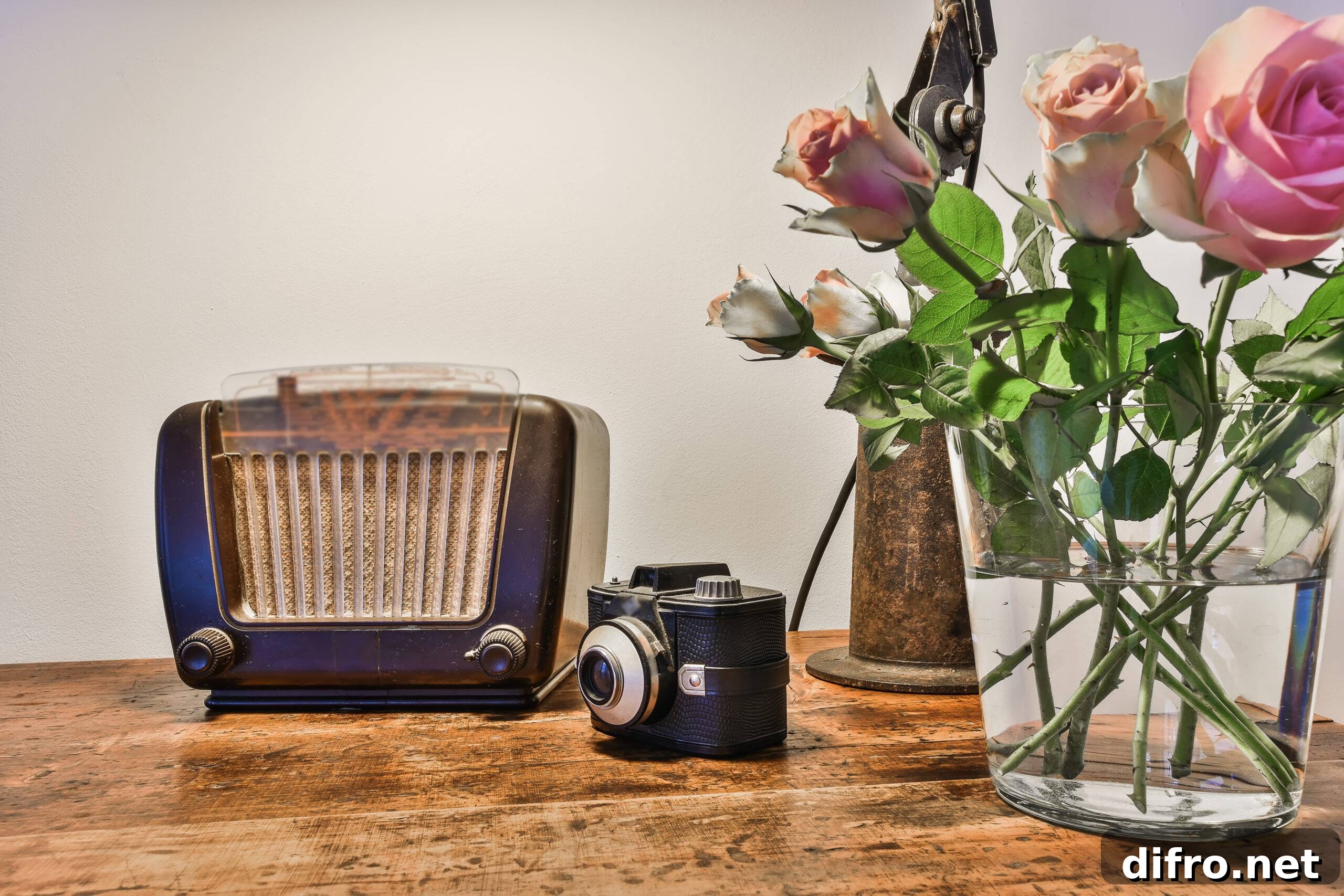
Styling vintage decor is ultimately about balance and storytelling. Choose pieces that resonate with you, mix them thoughtfully with contemporary elements, and give each item room to be appreciated. Consider scale, texture, and function, and let one era anchor your design while allowing subtle nods to others. With patience and restraint, you can create a home that blends character and comfort — a place where vintage pieces don’t just preserve the past, but enrich the present.