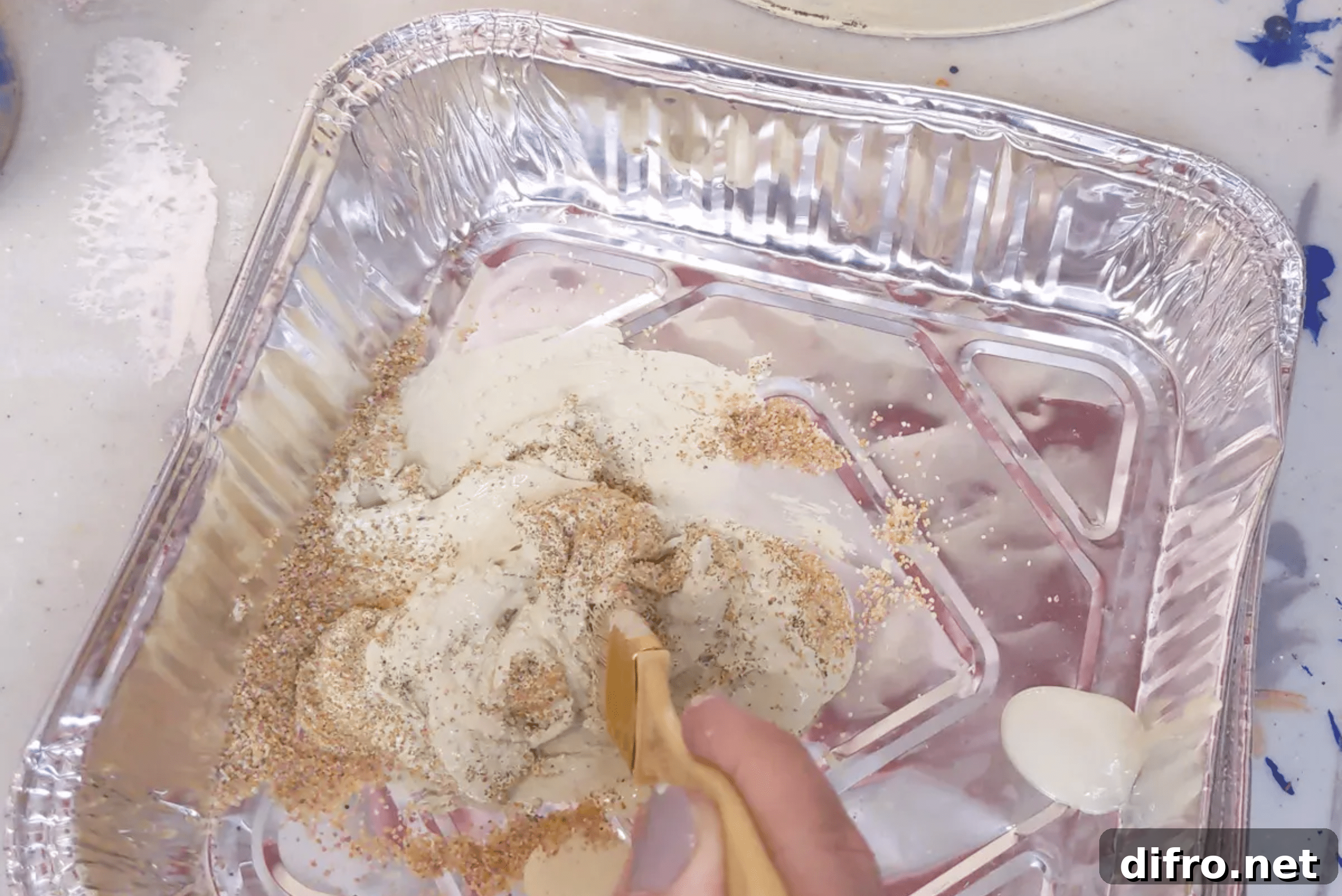
When painting a room in your home, there are several important choices to make: the color, the type of paint, whether to include patterns or wallpaper, and how to achieve a distinctive finish. If plain paint feels uninspired, consider a simple but effective trick: mixing sand into paint. Adding sand creates texture, improves safety, and can deliver a high-end look without expensive materials. Below we explore the advantages of sand-mixed paint and offer practical guidance for using it well.
1. Creates a Non-Slip Surface
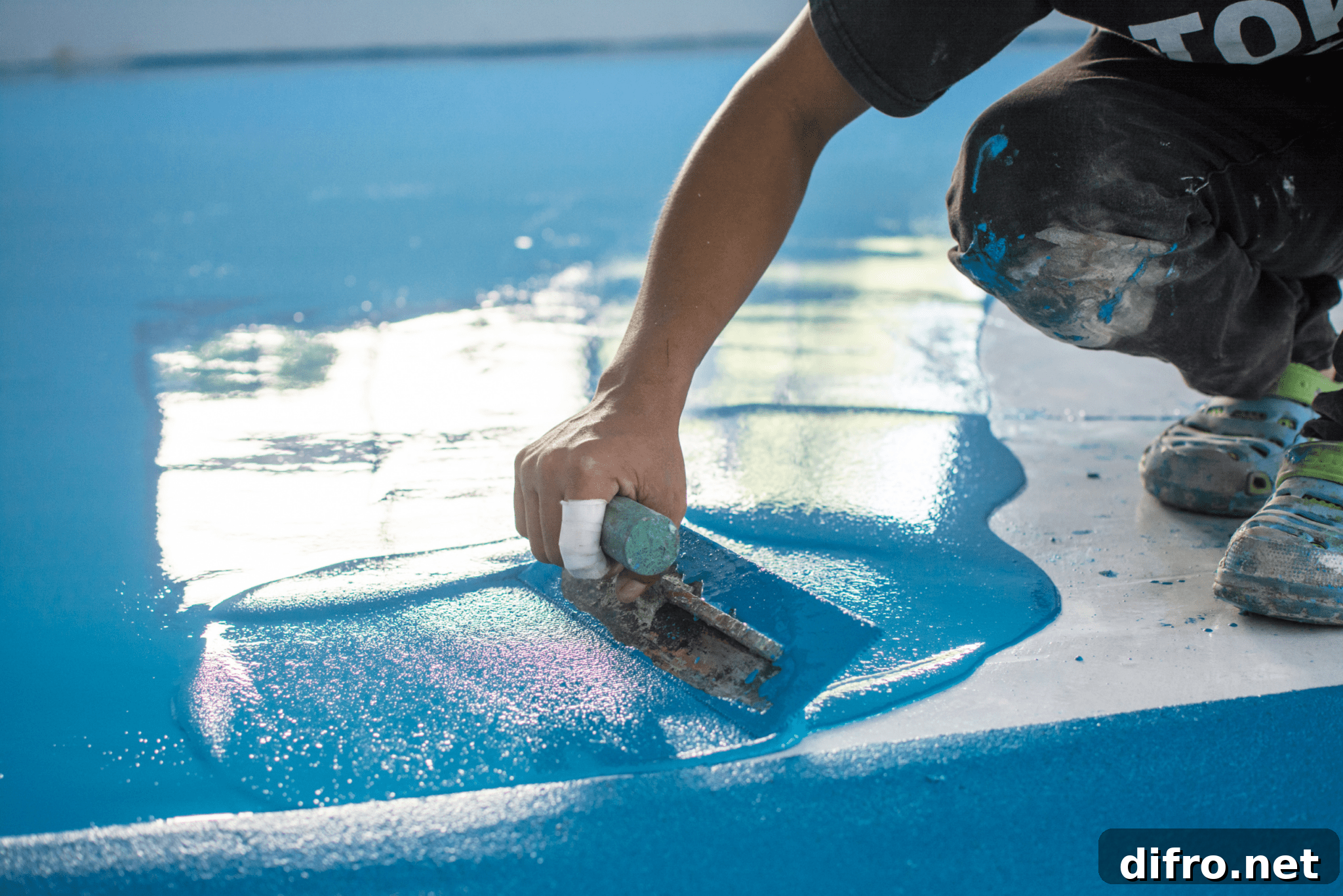
One of the most practical benefits of adding sand to paint is increased traction. In high-traffic or moisture-prone areas—such as stair treads, outdoor patios, porches, and garage floors—slippery surfaces are a real hazard. A textured paint finish reduces the risk of slips and falls by creating grip underfoot. For floors and stairs you can test small areas to get the level of texture you want before committing to an entire surface.
2. Hides Imperfections
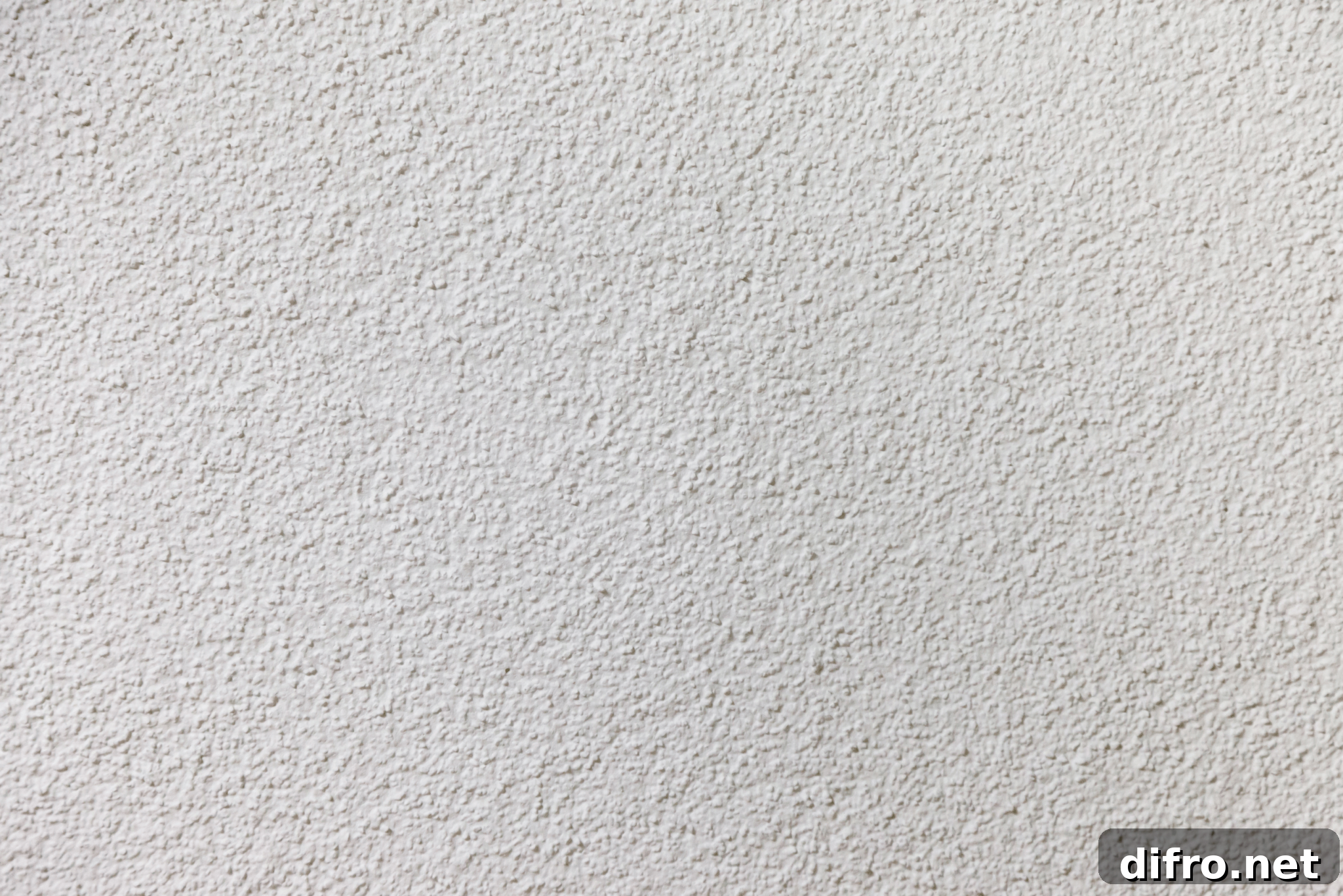
Textured paint with sand can disguise minor dents, dings, and uneven patches on walls or ceilings. A rougher surface scatters light in different directions compared to a smooth paint finish, making small blemishes less obvious. This approach is particularly useful on older plaster or drywall where complete smoothing would require significant prep work.
3. Adds Durability
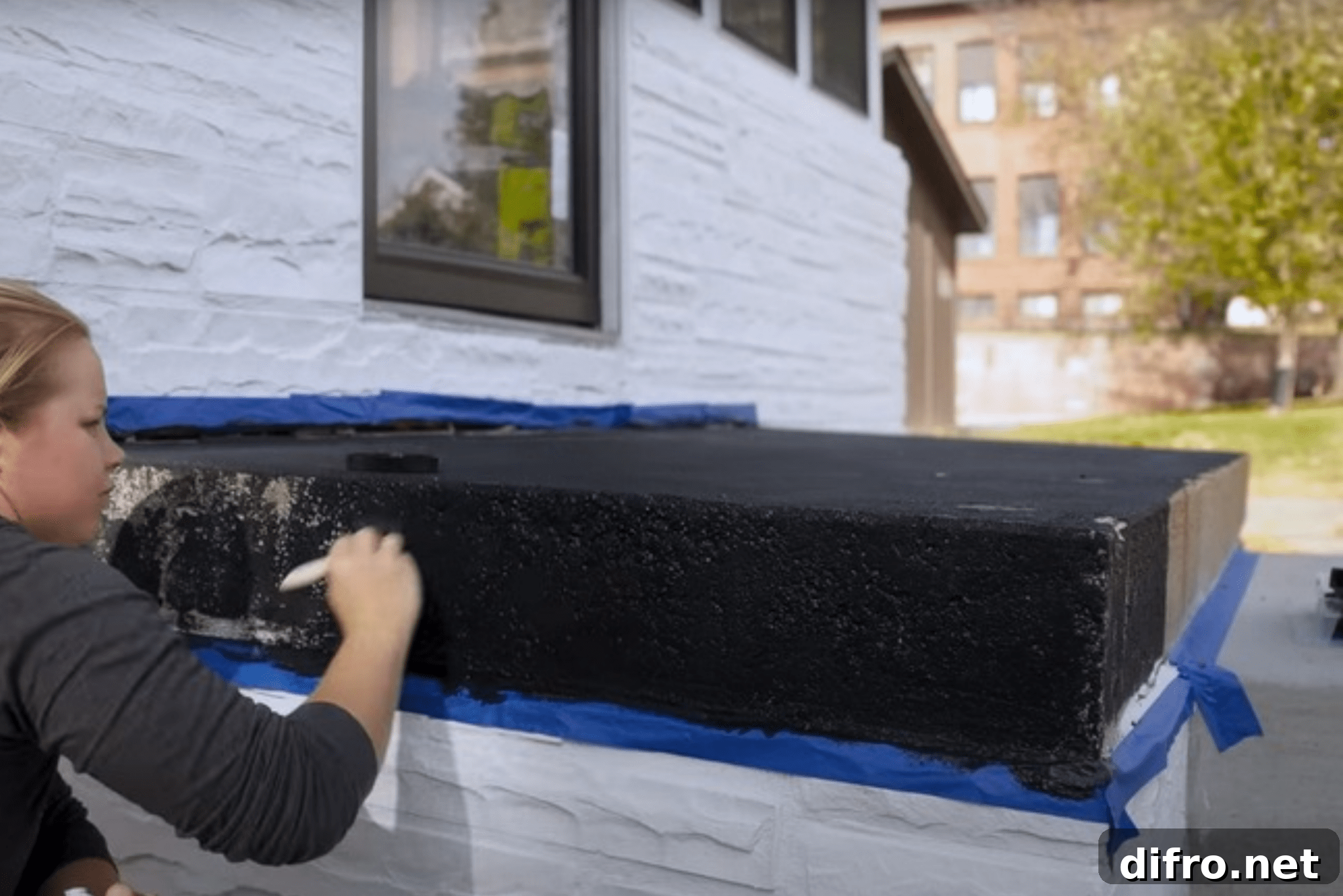
Paint mixed with sand tends to stand up better to scuffs and abrasion than flat, smooth paint alone. That makes it a good choice for areas that see heavy wear—garage floors, basement concrete, outdoor fences, and play areas. The added grit helps protect the underlying surface and extend the life of the finish. For high-wear surfaces, consider combining sand with a durable exterior or floor-grade paint and, if appropriate, a protective topcoat.
4. Enhances Decorative Finishes
Beyond practical uses, sand gives paint a tactile, decorative quality. You can achieve rustic, stone-like, or weathered effects by varying the sand size and application method. This technique is popular for accent walls, faux-stone finishes, and craft projects where a textured, high-end appearance is desired without the cost of real stone or specialty plasters.
How to Mix and Apply Sanded Paint
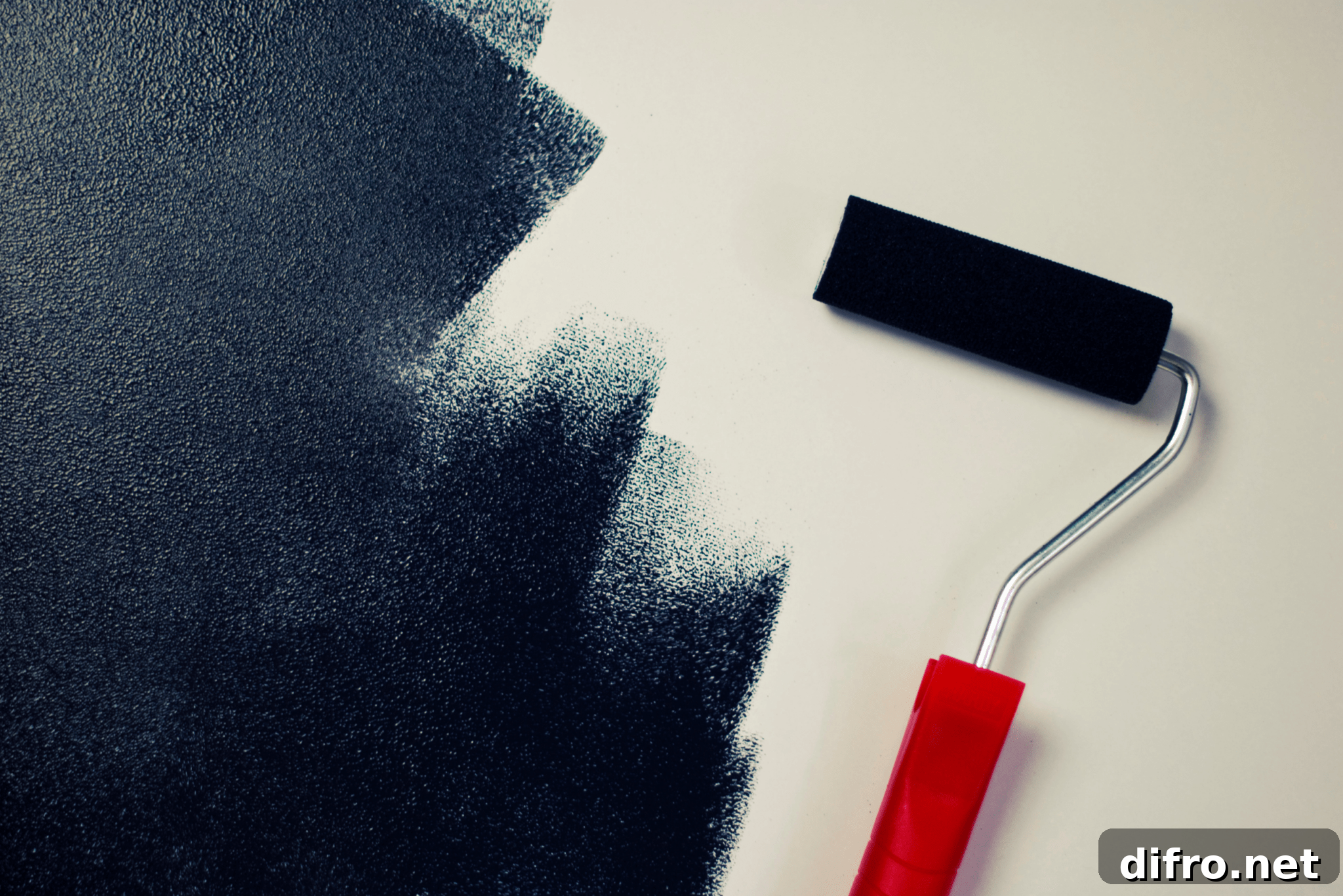
To get a consistent result, follow a few basic steps. Choose clean, dry sand—play sand or fine silica sand are common choices. Finer sand produces a subtle texture; coarser sand yields a more pronounced grit. Start by stirring a small amount of sand into a test pot of paint, then apply it to a scrap board or inconspicuous wall area to evaluate the look and texture. Adjust the amount of sand gradually until you reach the desired finish.
Use a sturdy mixing tool and make sure the sand disperses evenly through the paint. Apply sanded paint with a roller or brush; a thicker nap roller can help carry and press the sand into the surface. For floors or exterior surfaces, consider a sealing coat or clear finish to lock the texture in and improve longevity.
Tips, Safety, and Maintenance
Always clean and prepare surfaces before applying textured paint—remove dirt, grease, and loose material for better adhesion. If you’re uncertain about compatibility, test the sanded paint with your chosen base paint (latex or oil) and primer. Wear a dust mask and eye protection when handling dry sand, and avoid creating airborne silica dust. After application, maintain textured surfaces by cleaning gently—vacuuming or using a soft brush often works well; avoid aggressive scrubbing that could dislodge the texture.
Adding sand to paint is an economical, flexible method to enhance safety, conceal imperfections, boost durability, and create interesting decorative finishes. With basic preparation and a bit of testing, sand-mixed paint can transform ordinary surfaces into functional, attractive elements of your home.