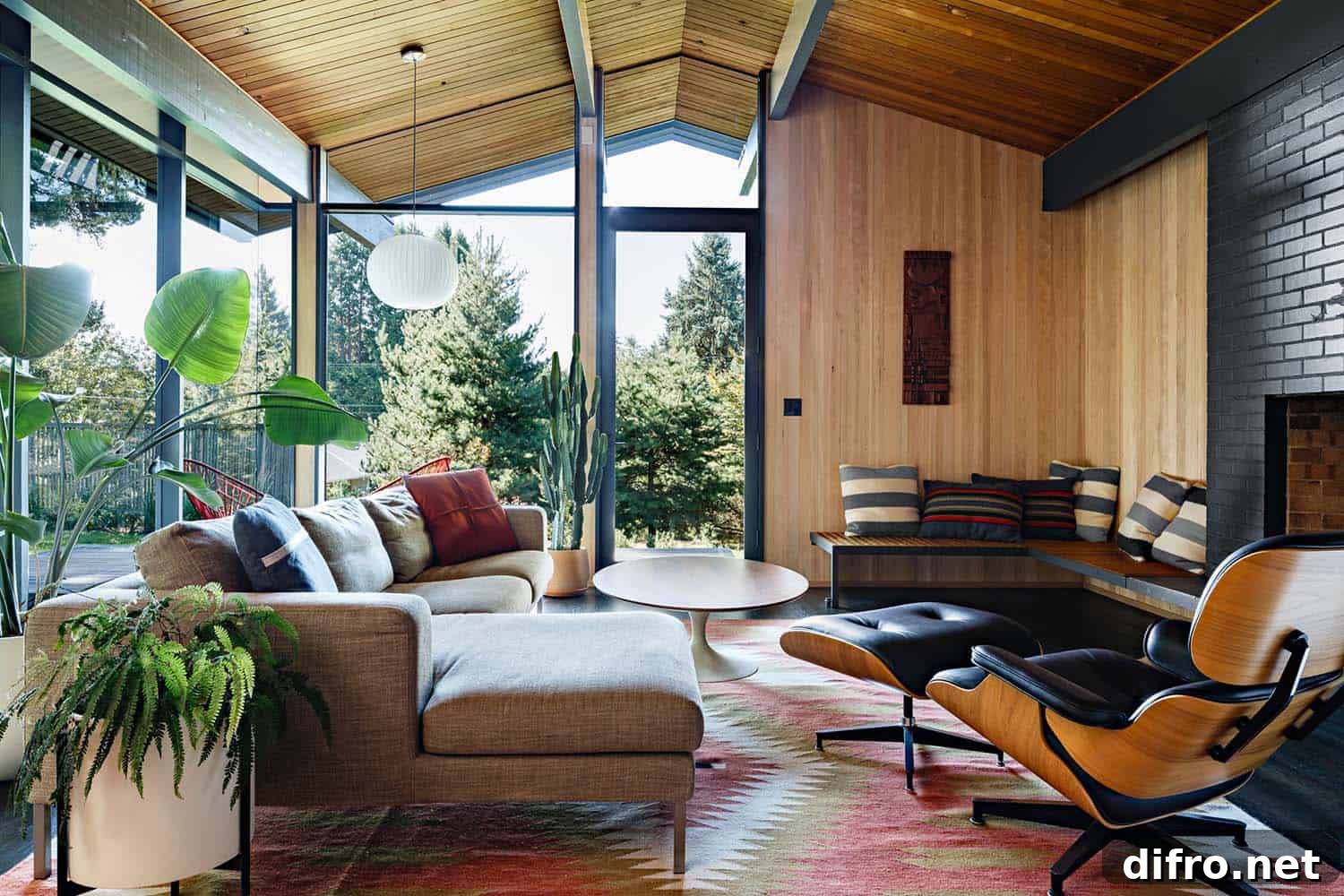
At first glance, mid-century modern design can look like a lively mix of clean lines, soft curves, bold colors and abstract patterns. It can be difficult to know how to introduce the style into an existing home without overwhelming the space. Today, most interpretations of mid-century modern present a contemporary take that blends classic pieces with modern sensibilities.
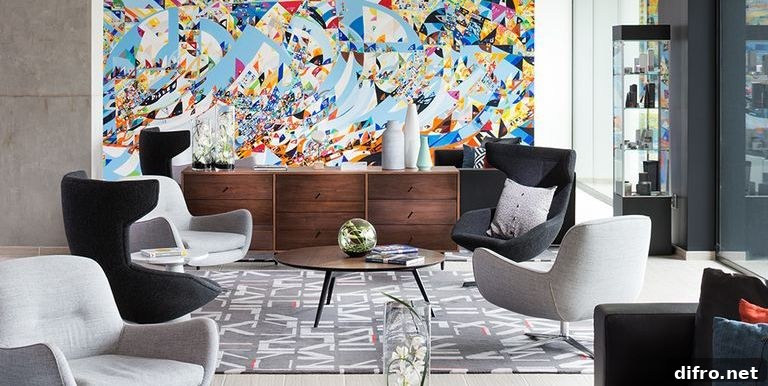
Designers, both amateur and professional, usually achieve a mid-century modern look by blending well-chosen vintage-inspired pieces with contemporary items. The goal is a curated, balanced space that nods to mid-century principles—simplicity, function and tasteful ornament—without feeling like a period museum. Below, we break down what mid-century modern means and offer five practical rules to bring the style into your home in an authentic, restrained way.
So what exactly is Mid-Century Modern decor?
The mid-century movement reached its peak from the 1940s through the 1960s and reflects the period’s interest in optimistic modern living. Originating in the post–World War II era, designers embraced open interiors, functional planning, clean geometry and natural materials. Many of the core ideas were influenced by European modernism and the Bauhaus, resulting in interiors that feel both forward-looking and surprisingly timeless.
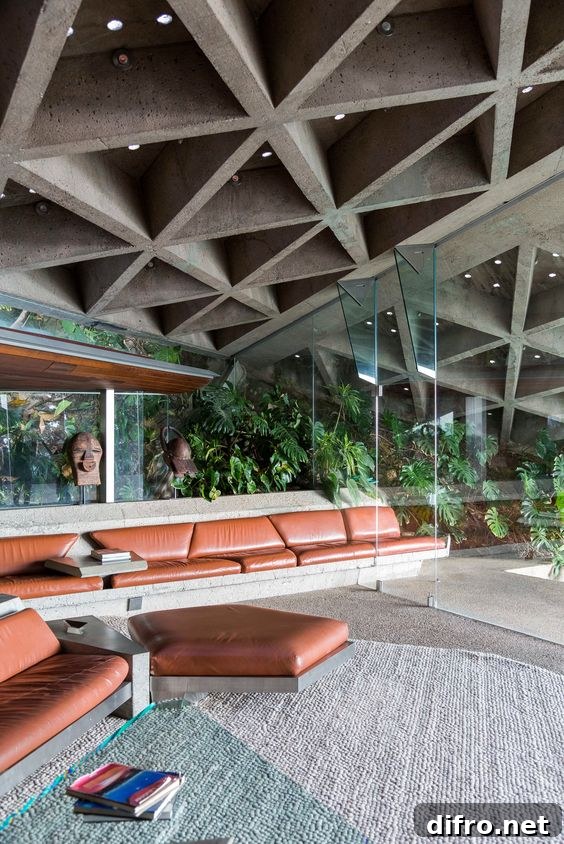
Practicality and speed influenced the rise of this style as much as aesthetics did. Architects and builders responded to a growing demand for efficient suburban housing, prioritizing functionality and simple, repeatable design elements. The result was a modern approach that touched everything from furniture to landscaping and textiles.
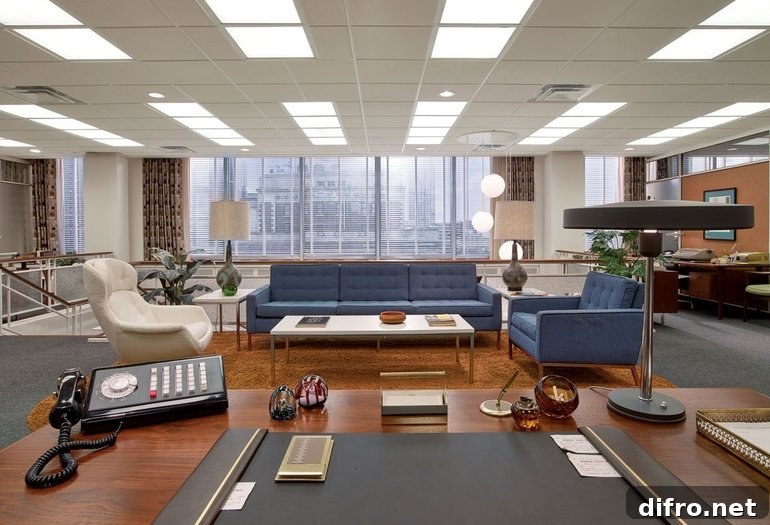
Mid-century modern design also embraced a playful optimism—futuristic forms, inventive material use, and visually interesting focal points. The style balances organic curves with straight lines, and favors thoughtful restraint over cluttered decoration.
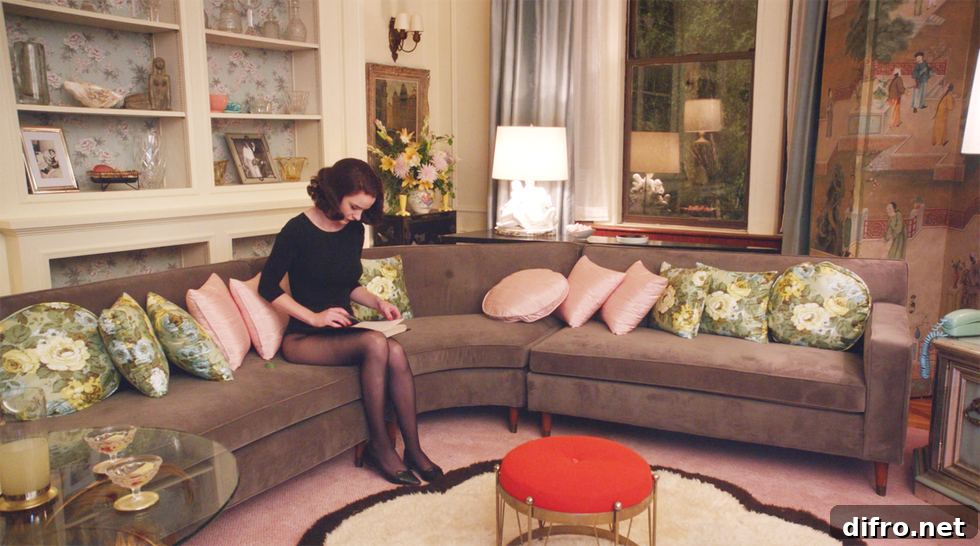
Below are five straightforward rules to help you introduce mid-century modern style into your home without overdoing it. Each rule supports the movement’s core ideas: function, clarity and visual balance.
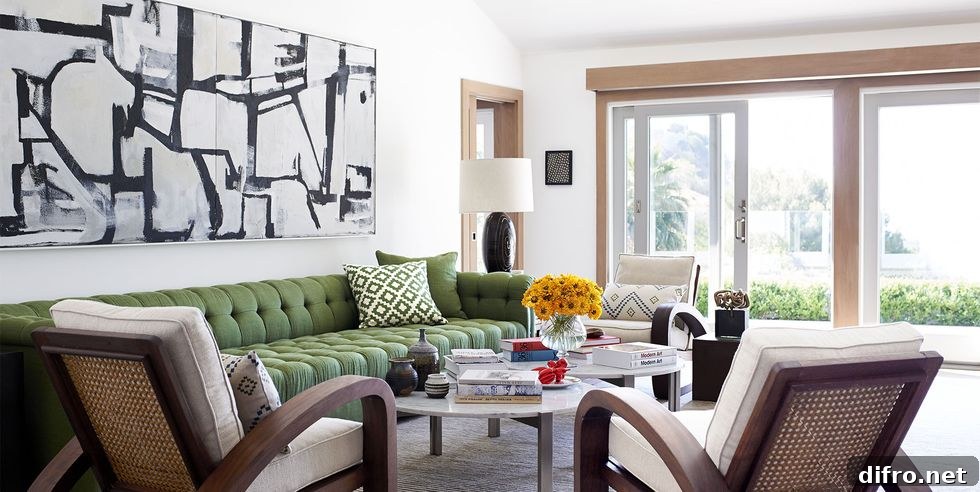
1. Introduce a furniture centerpiece to build the room’s aesthetic around. A single statement piece—often organic in shape—creates contrast against clean-lined items and sets the tone for the space. Popular mid-century pieces include lounge chairs with sculptural profiles and low-profile sofas in bold colors. Choose one focal item and let other furniture support it rather than compete with it.
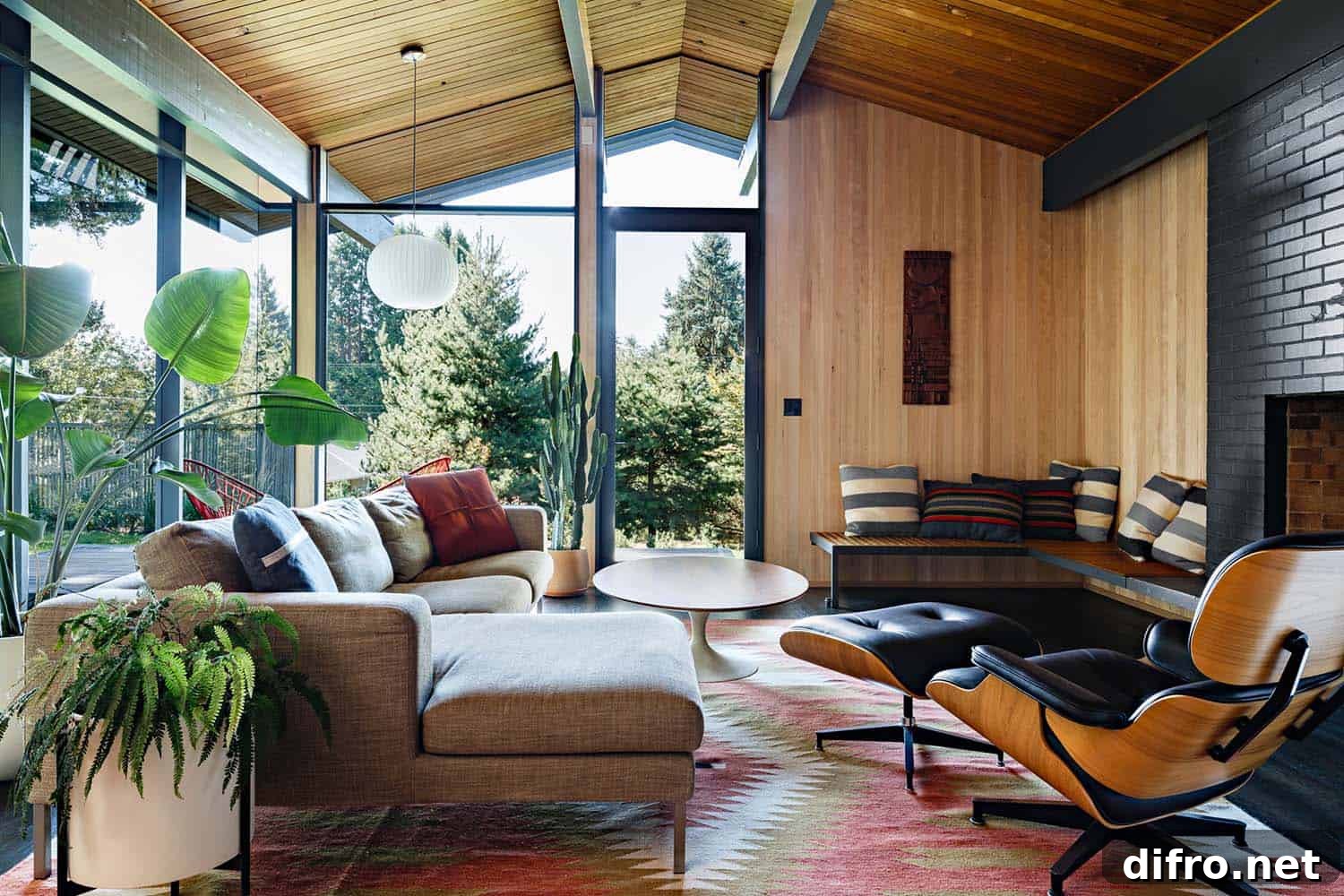
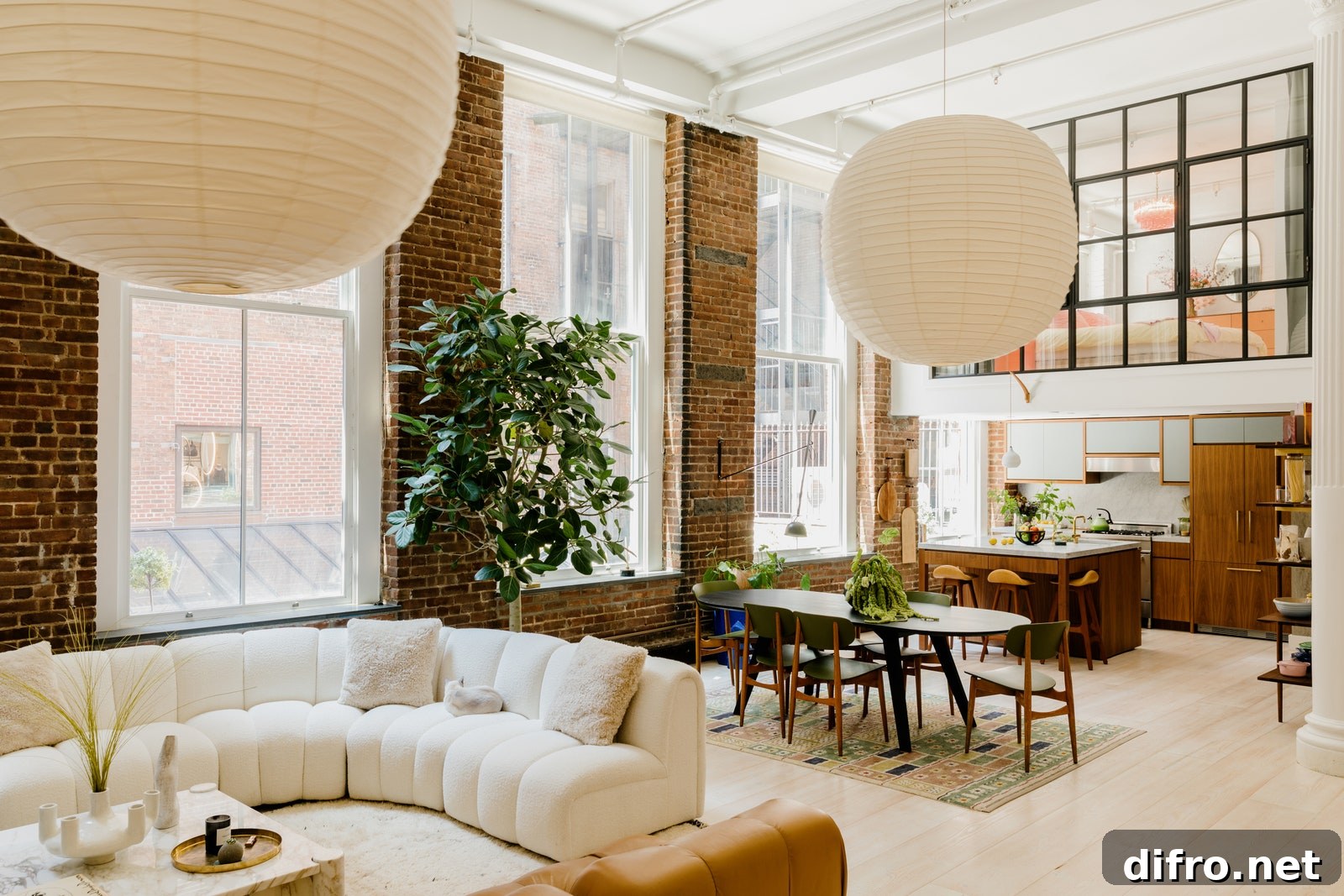
2. Embrace natural materials. Mid-century interiors favor wood, stone, clay and brick—materials that bring warmth and texture. Use metal, glass and vinyl sparingly as accent elements rather than primary finishes. Well-crafted wood furniture and mixed wood grain details are hallmarks of an authentic mid-century approach.
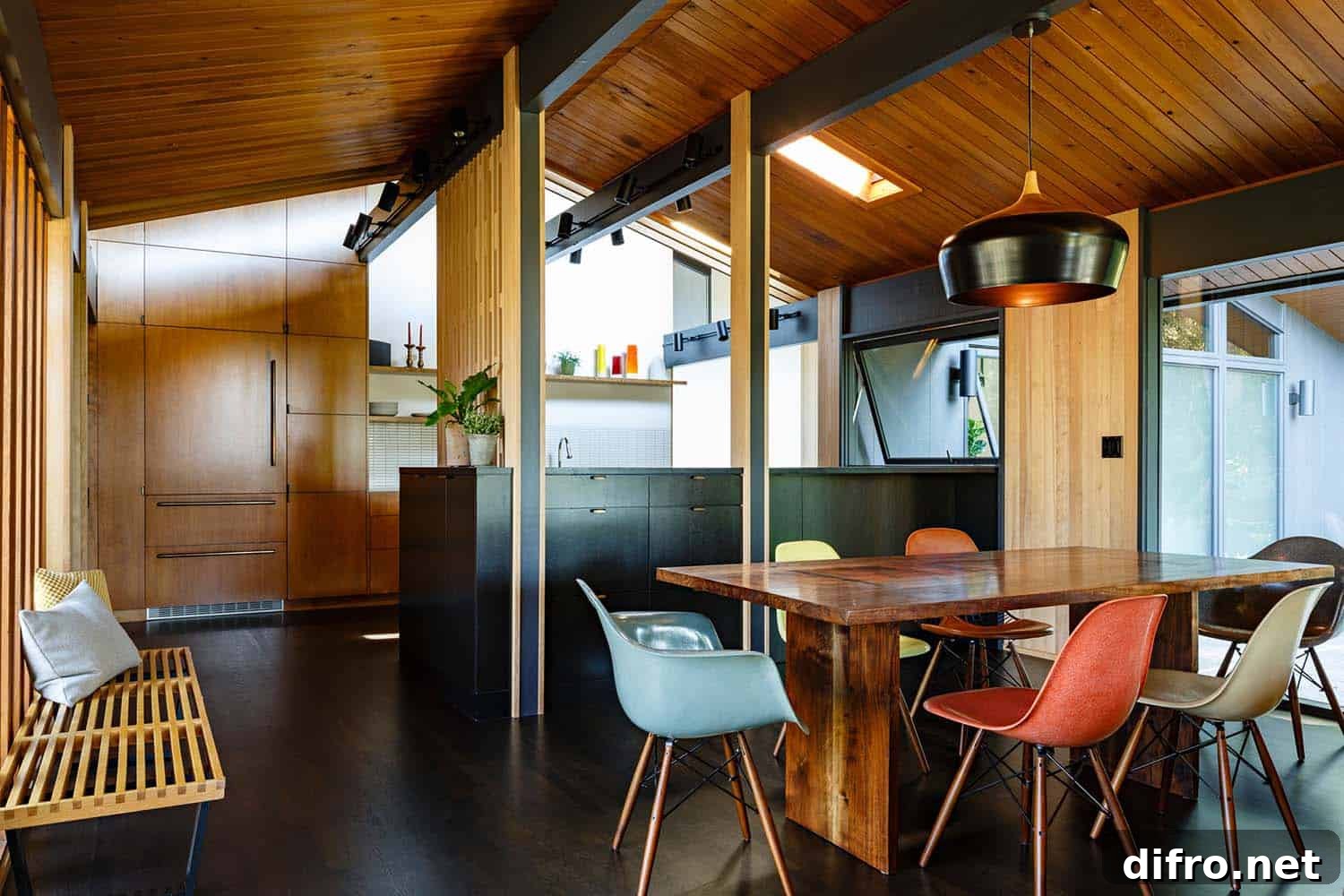
3. Introduce bold color thoughtfully. Mid-century rooms commonly include one or two vivid tones as accent colors. Use color in isolated spots—an upholstered sofa, an ottoman, or a single painted wall—so the rest of the palette, often neutral or muted, can balance the visual impact. Controlled pops of color feel fresh and intentional rather than overpowering.
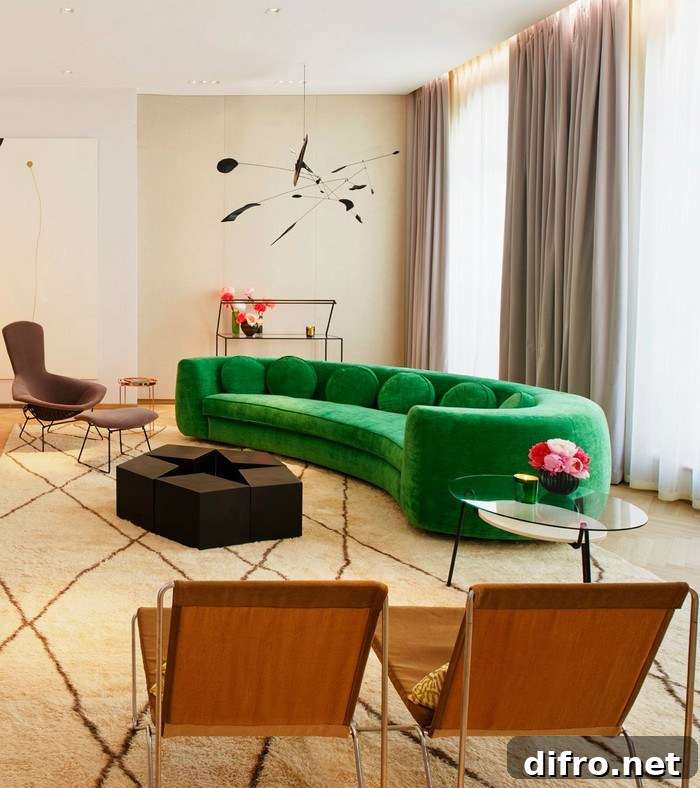
4. Decorative art is essential. Abstract, graphic artwork amplifies mid-century modern’s artistic side. Large-scale pieces—especially those with geometric motifs or bold contrasts—help unify a room’s shapes and textures. A few well-placed works tie the space together without cluttering walls.
5. Statement lighting completes the look. Mid-century lighting—often pendant fixtures, globe lamps or sculptural chandeliers—adds texture, depth and mood. Lighting with interesting silhouettes casts dynamic shadows, emphasizes architectural lines and provides layered illumination ideal for open-plan living.
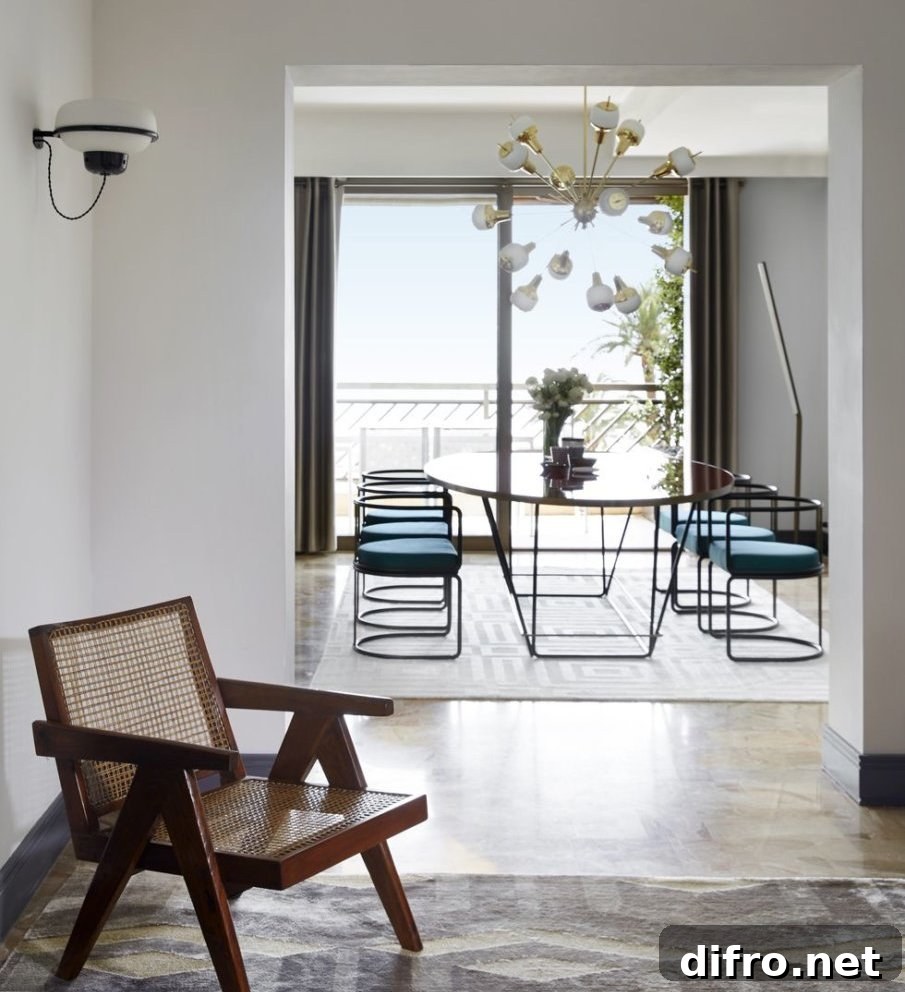
Follow these five design principles—choose a statement piece, favor natural materials, add restrained bold color, place strong decorative art, and select distinctive lighting—and you’ll be well equipped to create a mid-century modern interior that feels both authentic and comfortably livable.