Marble countertops are timeless and elegant, but they often come with trade-offs: high cost, ongoing upkeep, and vulnerability to stains and etching. If you admire the look of marble but prefer a more practical surface for a busy kitchen, there are many marble-like alternatives that combine beauty with greater durability and easier care. Below are some of the top options for achieving a marble aesthetic without the fragility or maintenance demands of natural marble.
Quartz
Quartz is an engineered stone made from ground quartz mixed with resins and pigments. It can replicate the delicate veining and light tones of marble while offering far superior performance for everyday use. Quartz is non-porous, so it resists staining and does not require sealing. It stands up well to scratches and moderate heat, and its wide range of veining patterns—from subtle to dramatic—makes it easy to match many design schemes. While quartz can be pricier than some alternatives, it typically costs less than high-end marble and provides excellent long-term value because of its low maintenance and longevity.
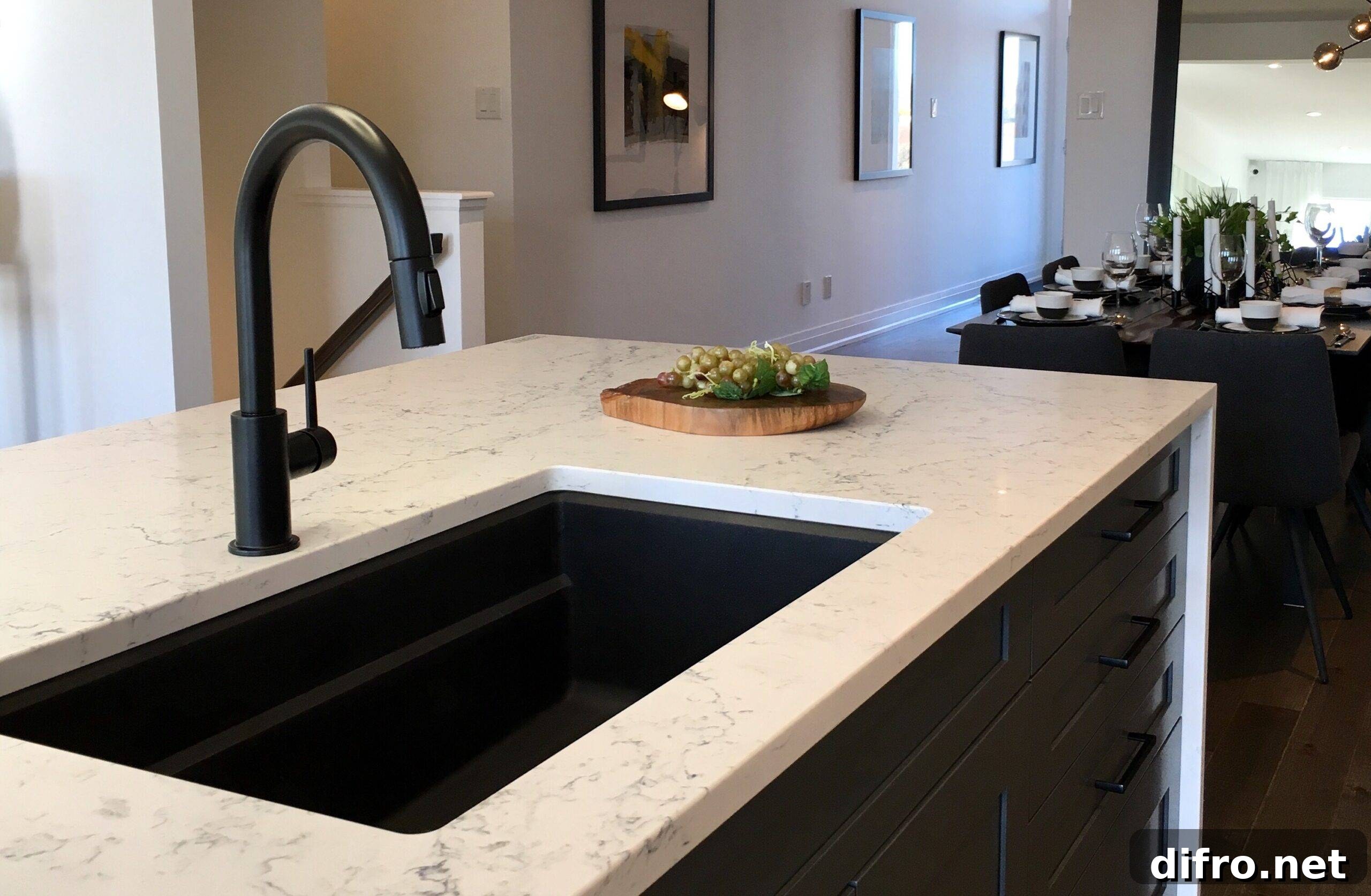
Dolomite
Dolomite is a natural stone that visually resembles marble but is generally a bit harder and less prone to acid etching. Its soft veining and refined appearance make it a great option for homeowners who want a classic, high-end look with slightly improved durability. Dolomite still benefits from periodic sealing to protect against spills and staining, but overall it demands less intensive care than marble. It’s a smart middle ground if you want authentic natural stone with fewer maintenance headaches.
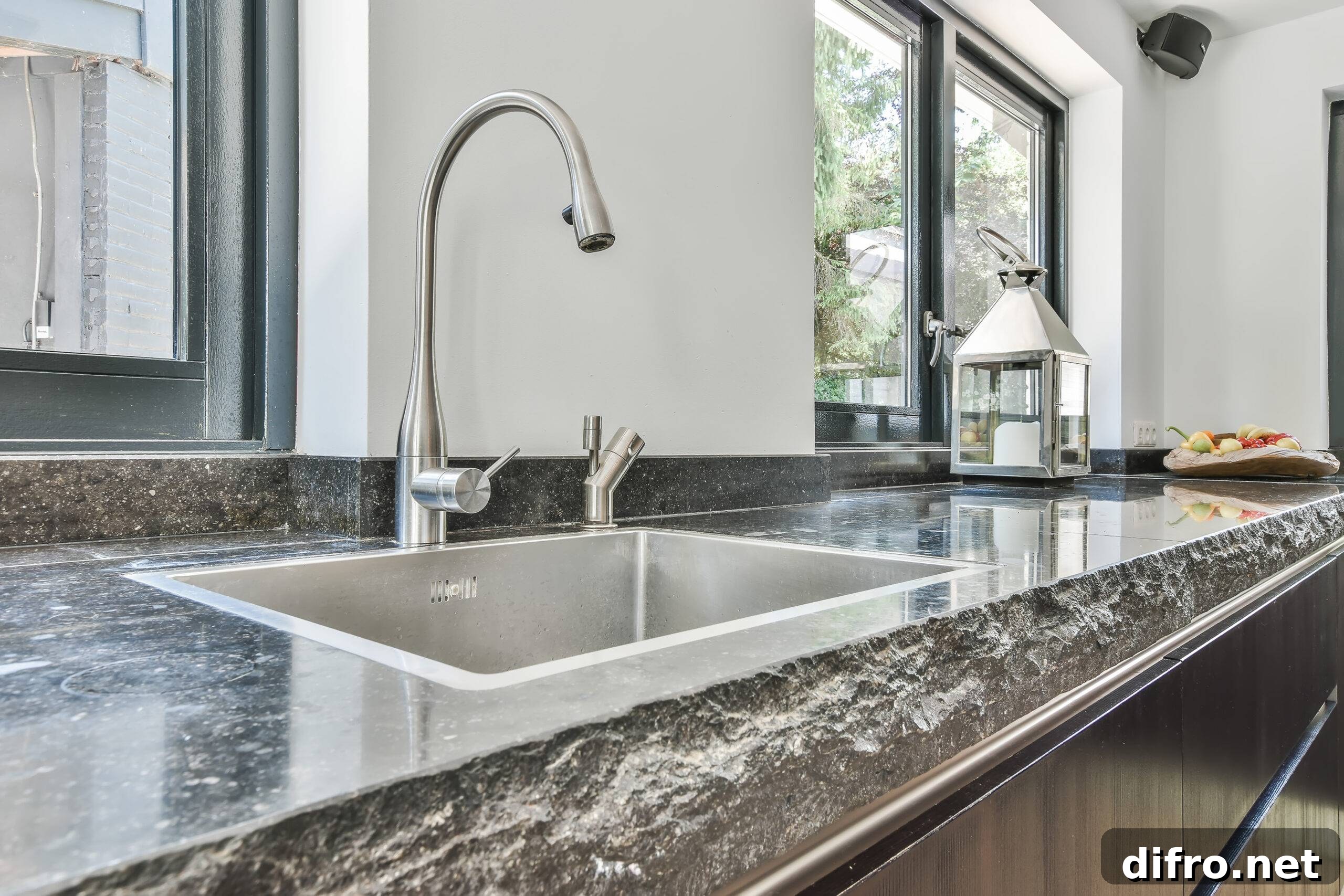
Porcelain Slabs
Porcelain slabs are manufactured from refined clay and minerals that are fired at extremely high temperatures, producing an ultra-dense, non-porous surface. Modern printing and finishing techniques allow porcelain to mimic marble veining and texture with remarkable realism. Porcelain resists stains, scratches, heat, and UV exposure, and it never needs sealing. Cleaning is straightforward—typically just mild soap and water—making porcelain one of the most practical choices for a long-lasting, low-maintenance marble look.
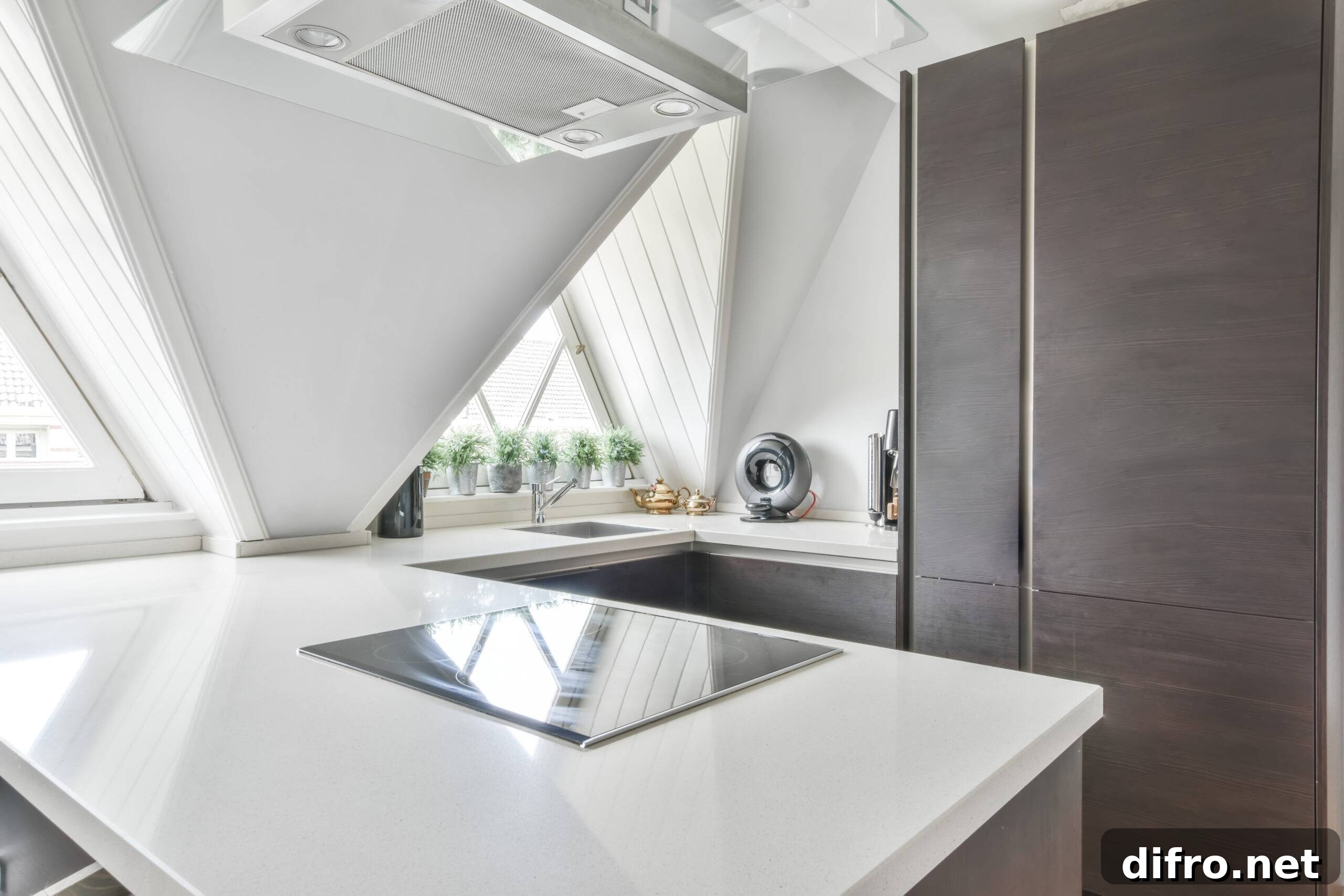
Sintered Stone
Sintered stone is a high-performance material created by compacting minerals at extreme pressure and heat to form a uniform slab. This process yields a countertop material that is non-porous, exceptionally strong, and highly resistant to stains, scratches, and heat. Sintered stone can be produced with very detailed veining and color variations that emulate marble closely, and it maintains its appearance without sealing or special treatments. Though often a premium-priced option, sintered stone is a durable long-term investment for homeowners who prioritize longevity and low maintenance.
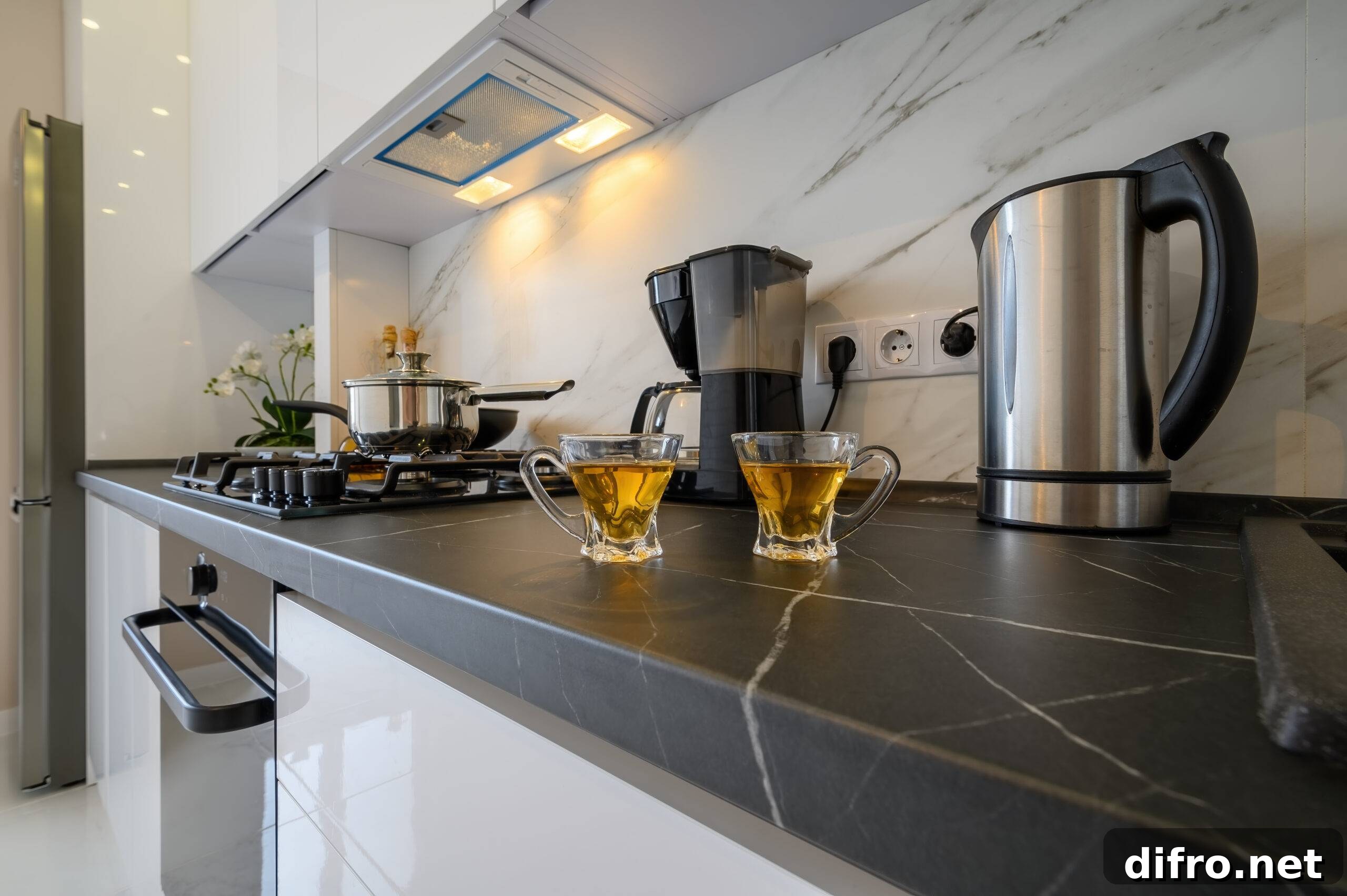
Whitewashed Butcher Block
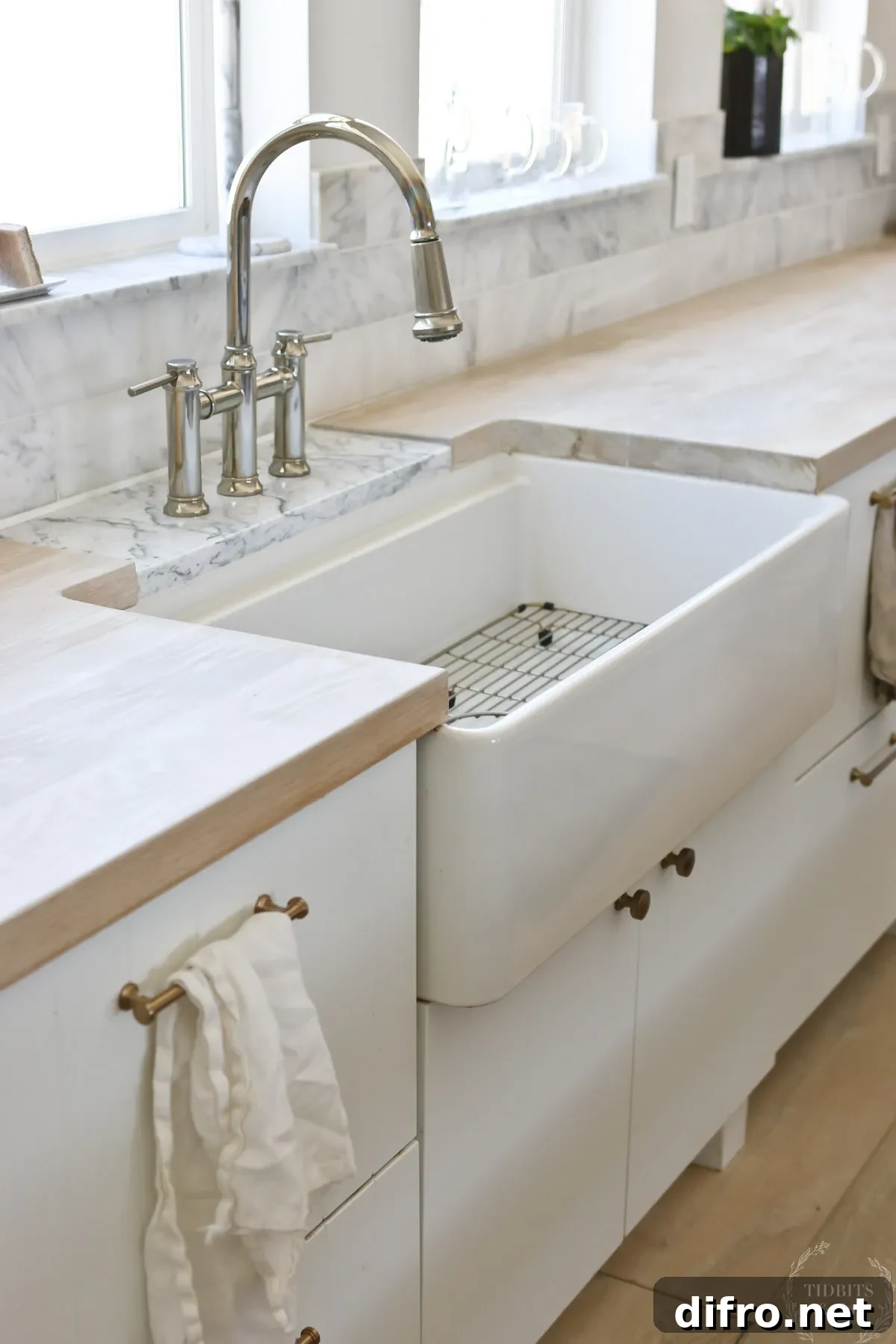
If you want the light, airy appearance associated with marble but prefer a warmer, more organic surface, a whitewashed butcher block is an appealing alternative. Natural wood countertops bring warmth and texture to a kitchen, and a whitewash finish softens the grain to create a pale, slightly weathered look that echoes marble’s brightness. Butcher block requires periodic oiling to maintain moisture balance and prevent drying, yet it’s simple to repair: scratches and dents can be sanded and refinished much more easily than stone. This option is ideal for those seeking character and a more forgiving surface.
Solid Surface
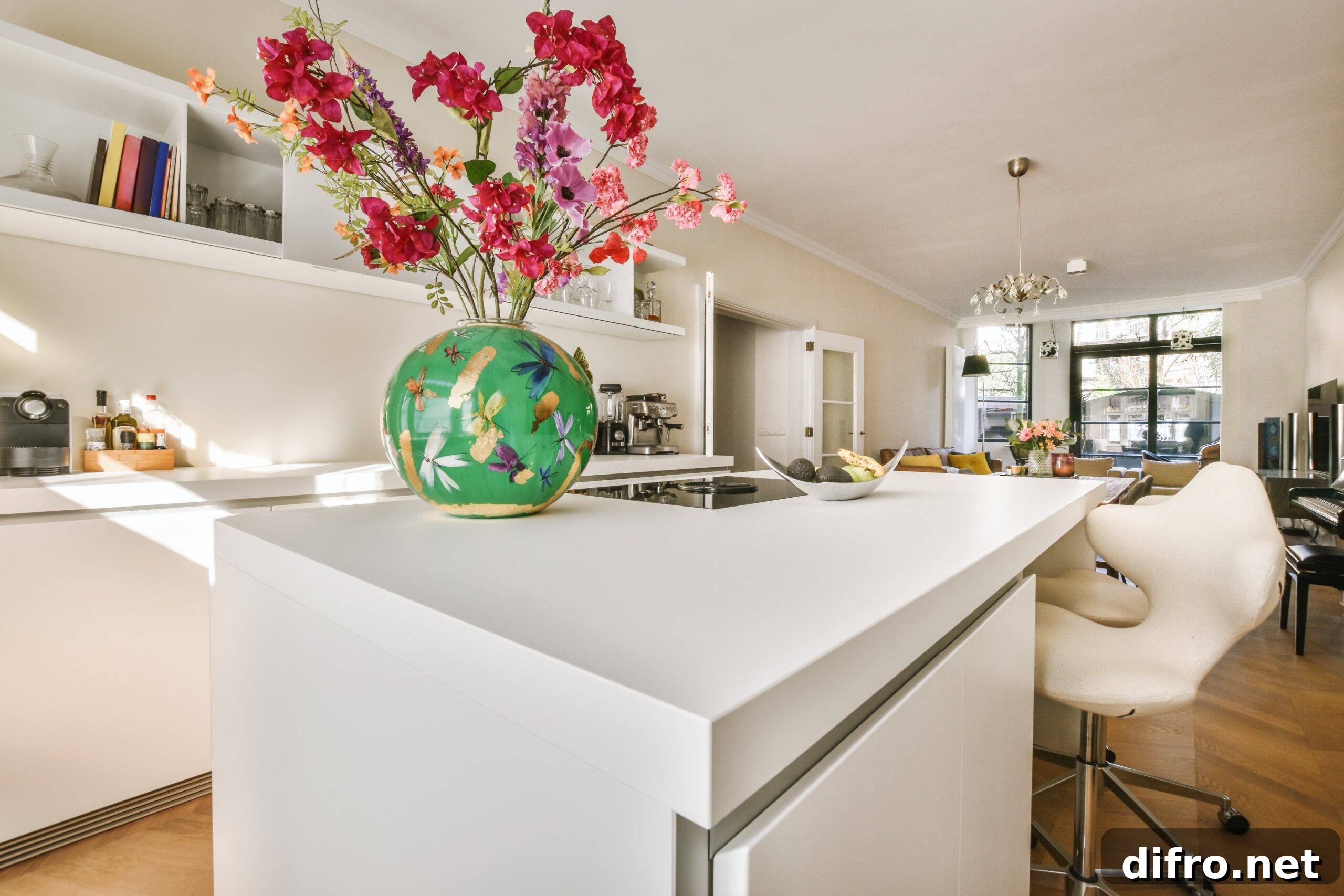
Solid surface materials, such as acrylic-based countertops, offer seamless installation and a smooth finish that can be fabricated to resemble marble. These non-porous surfaces resist stains and bacterial growth, and small scratches are typically repairable by buffing or light sanding. While solid surface is not as heat tolerant as stone, it is one of the most budget-friendly options for achieving a continuous, marble-like appearance and is easy to keep clean and sanitary.
Choosing the right marble alternative depends on how you balance cost, maintenance, durability, and appearance. Quartz and porcelain are excellent for homeowners who want realistic marble visuals with minimal upkeep. Sintered stone offers exceptional longevity and resistance to wear, while dolomite provides an authentic natural stone feel with slightly better durability than marble. If you prefer warmth and easy repairability, a whitewashed butcher block can deliver a light, marble-inspired aesthetic. Solid surface materials are a practical, budget-conscious choice for a seamless look. Consider how your household uses the kitchen and prioritize the qualities—stain resistance, heat tolerance, repairability, or price—that matter most to you when selecting a marble-like countertop.