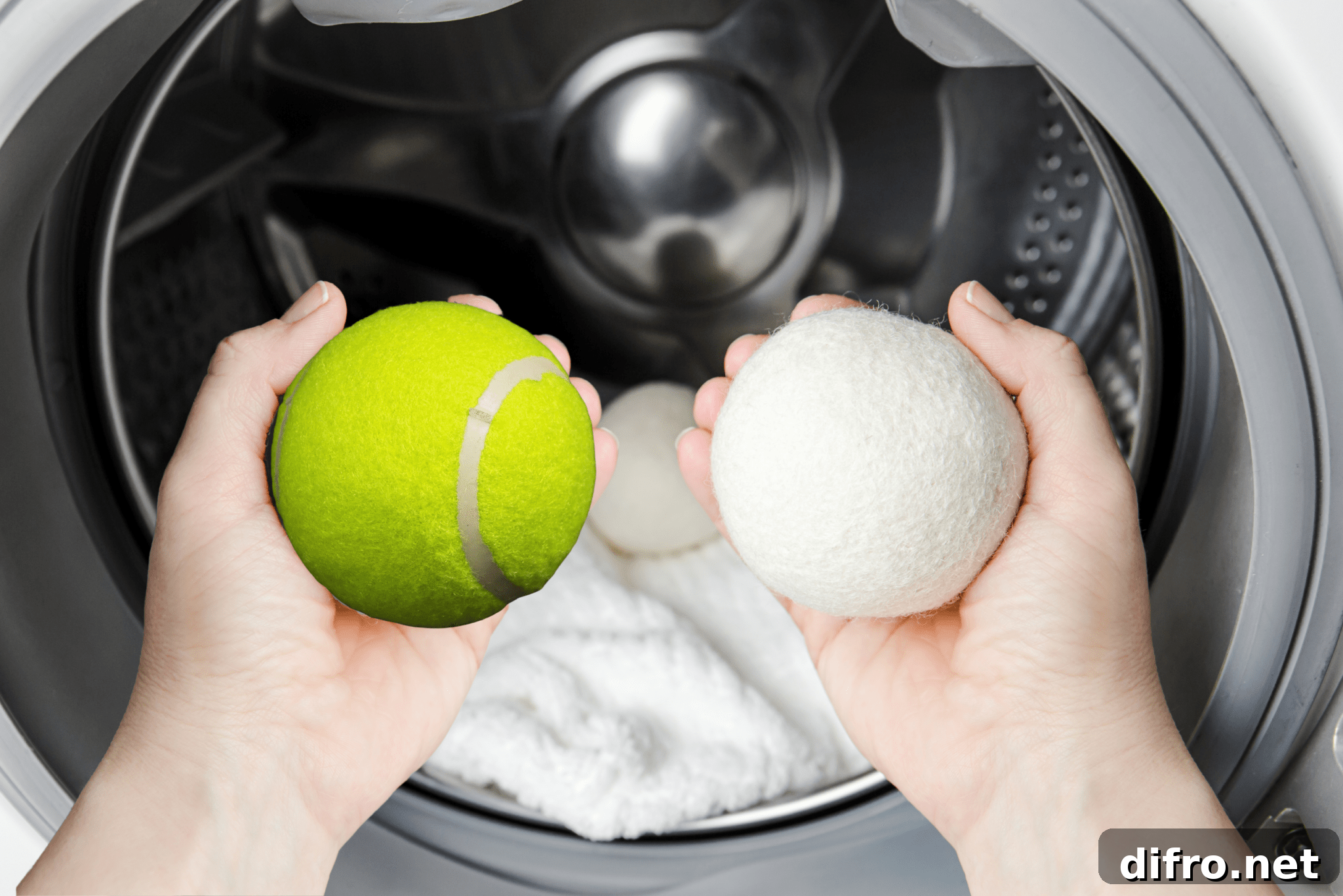
Dryer balls are a popular eco-friendly alternative to liquid fabric softeners and dryer sheets, promising faster drying, fewer wrinkles, and softer laundry. But if you don’t have dryer balls on hand, many people reach for tennis balls as a quick substitute. Are tennis balls a practical hack or a risky shortcut? This article examines how tennis balls perform in the dryer, the advantages and disadvantages, and best practices for using them safely.
How Tennis Balls Compare to Dryer Balls
Both tennis balls and purpose-built dryer balls work by tumbling with your laundry to separate items and improve air circulation, which can shorten drying time and reduce clumping. However, conventional dryer balls—typically made of wool or durable rubber—are specifically engineered for this task. Tennis balls are designed for sport, not appliances, so they differ in material, surface texture, and overall performance. Understanding those differences helps you decide when a tennis ball is an acceptable short-term replacement and when it’s better to use real dryer balls.
Pros of Tennis Balls
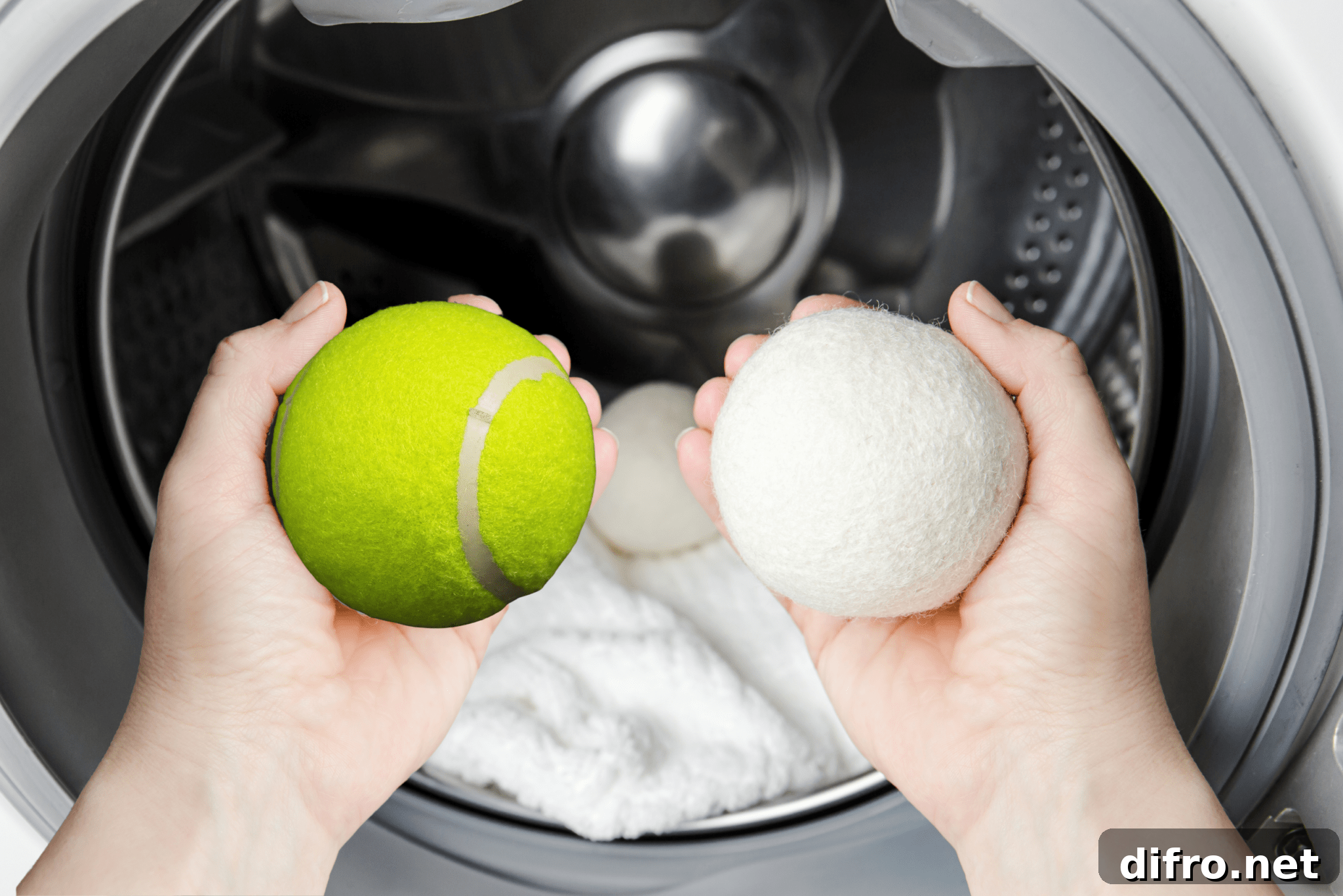
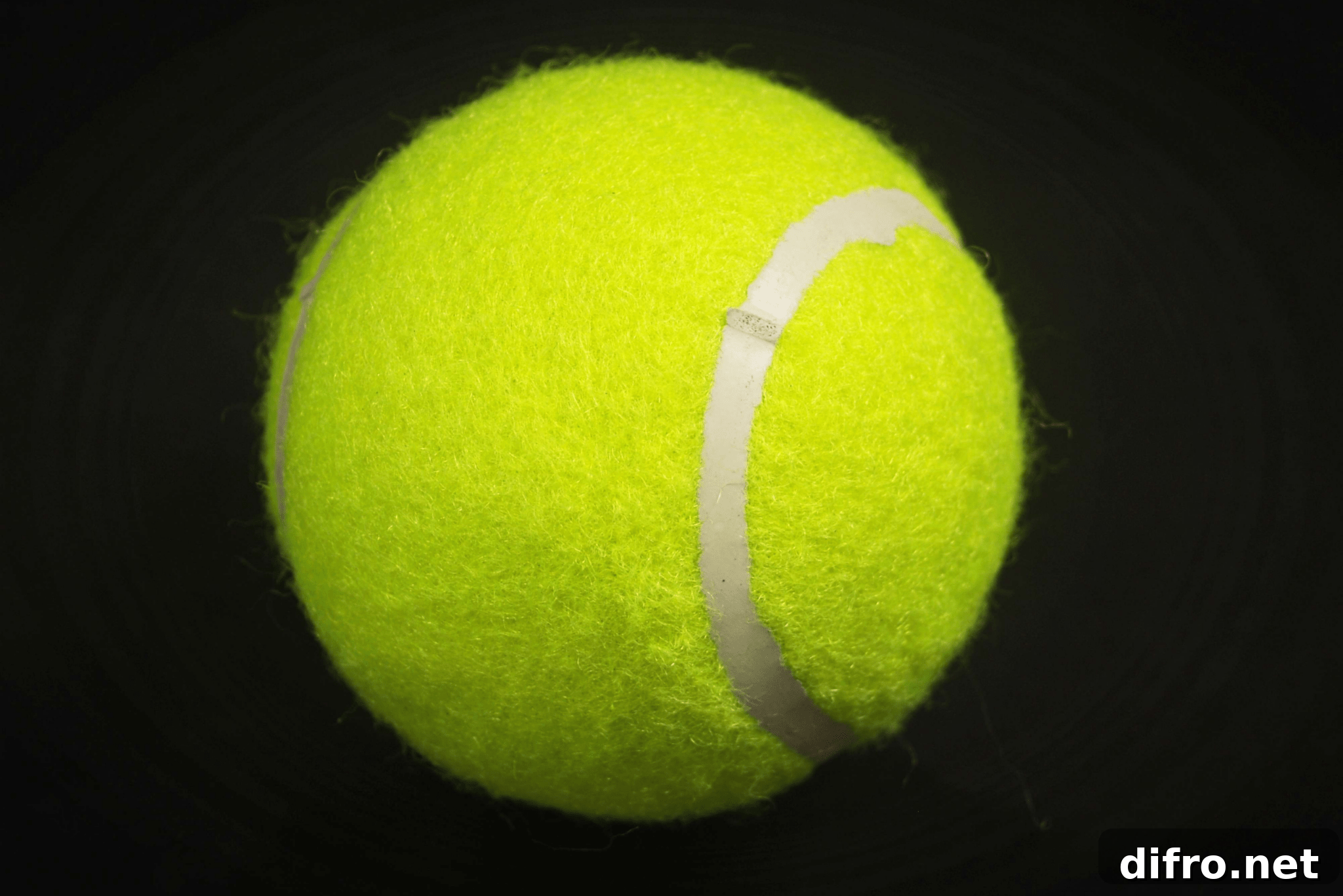
Tennis balls offer several practical benefits when used in the dryer. They are inexpensive and widely available, making them a convenient option for occasional use. When added to loads with bulky items like comforters, pillows, stuffed toys, or heavy jackets, tennis balls help keep filling evenly distributed so items dry more evenly and resist clumping. They can also reduce static and smooth out wrinkles to a certain degree, especially for thick, bulky fabrics. For many households, tennis balls provide a fast, low-cost way to get some of the same mechanical benefits that dryer balls deliver.
Cons of Tennis Balls
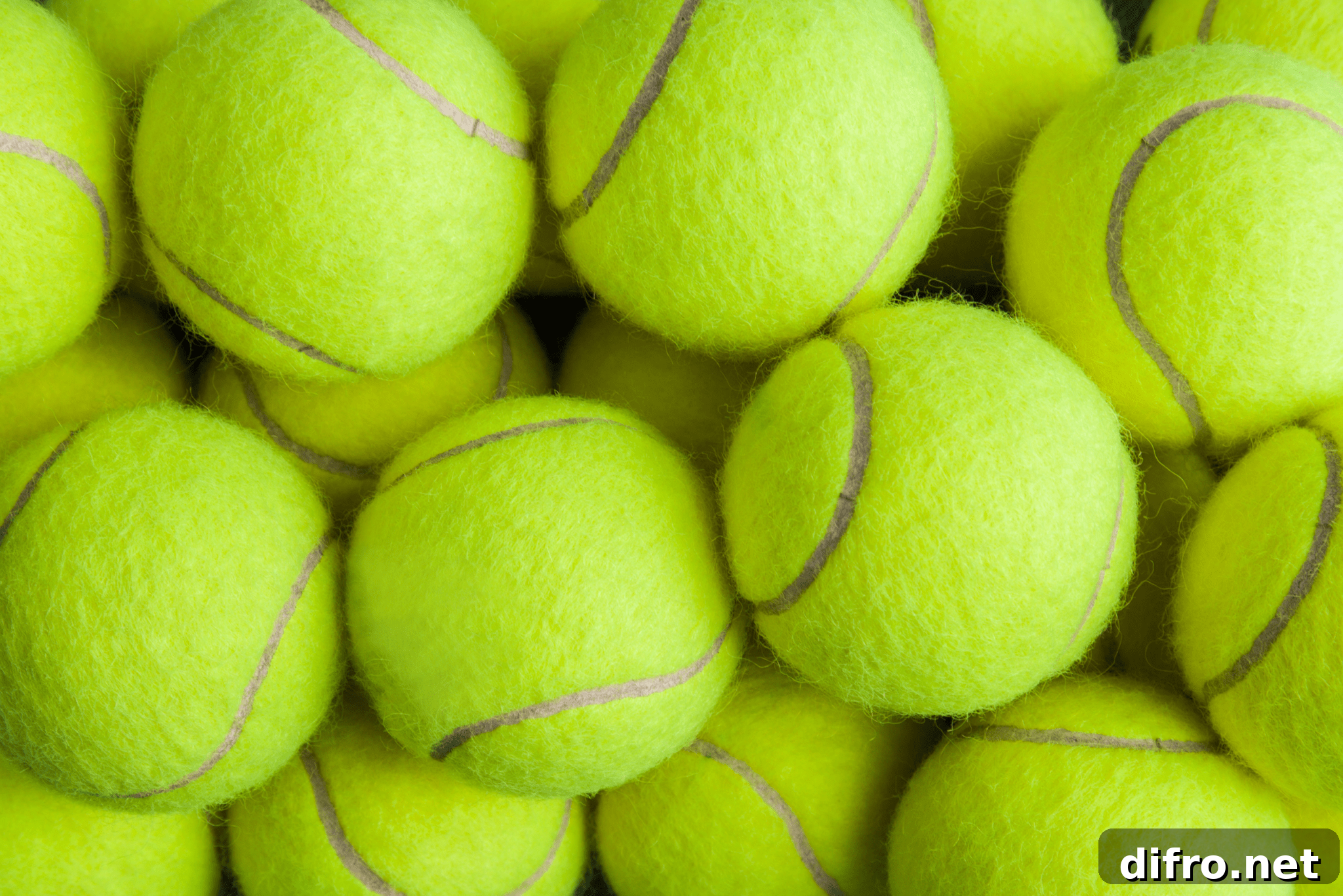
There are a few important drawbacks to consider before routinely using tennis balls in your dryer. First, they are significantly louder than wool or rubber dryer balls; the constant thumping can be disruptive, especially in small living spaces. Second, many tennis balls have chemical coatings, dyes, or felt treatments that were not created for high heat and prolonged tumbling. Under dryer conditions, those finishes could transfer onto clothing or break down over time. Finally, tennis balls are prone to wear and tear from repeated use inside a dryer: the felt can shred and the internal rubber core can become brittle, potentially leaving bits of debris or lint that require cleaning.
Best Practices
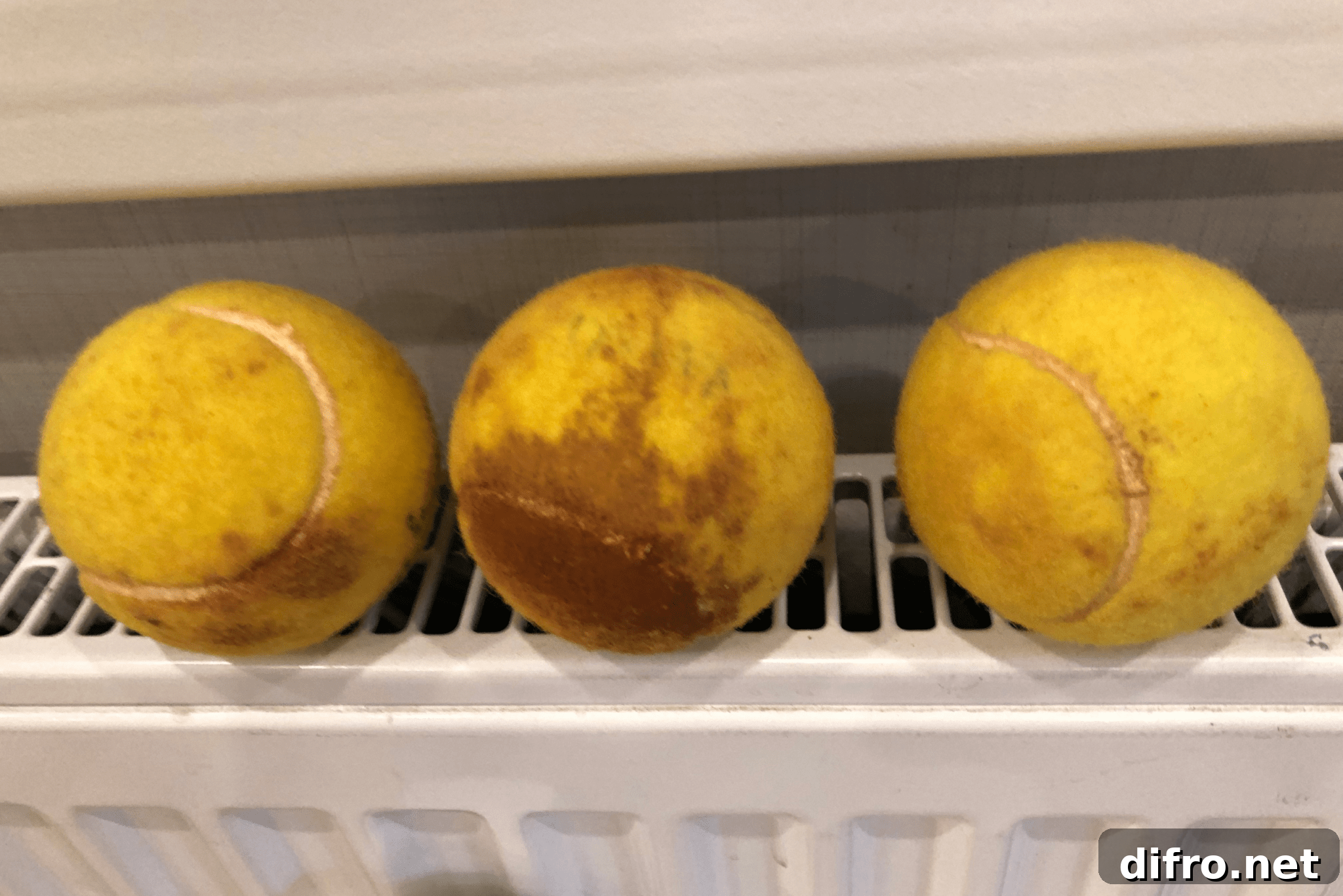
If you choose to use tennis balls as a temporary replacement for dryer balls, follow a few precautions to reduce the risk of damage to clothes and the dryer. Use new, clean tennis balls rather than old, dirty ones to avoid transferring grime or dye. Placing each tennis ball inside a sock, small pillowcase, or mesh laundry bag will mute the noise and prevent direct contact with delicate fabrics. Avoid using tennis balls with light-colored garments or anything with delicate finishes that could stain. Finally, reserve tennis balls for occasional bulky loads rather than daily use; over time they will deteriorate and should be discarded before they begin to shed fibers or break apart.
Should You Stick with Traditional Dryer Balls?
For occasional use, tennis balls can be a quick, low-cost substitute—particularly for drying large, bulky items that need lofting. However, if you do laundry frequently or want the best combination of safety, noise control, and longevity, purpose-made dryer balls are the smarter investment. Wool dryer balls are quieter, long-lasting, and naturally reduce static and wrinkles without the risk of coatings or breakdown. Durable rubber dryer balls offer a similar mechanical effect and are built to withstand repeated drying cycles. In the long run, proper dryer balls can save energy by cutting drying time and protect your fabrics better than tennis balls.
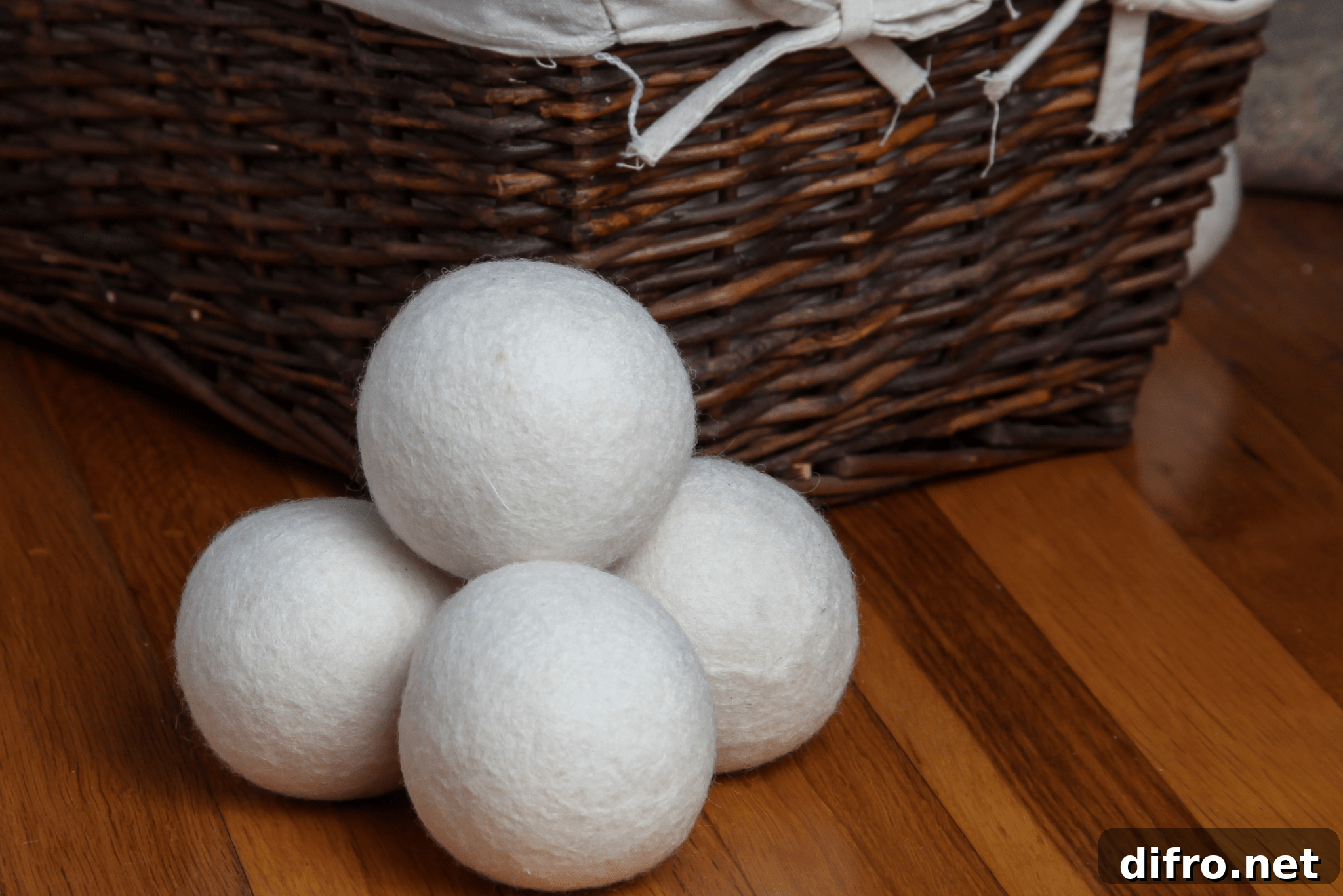
In summary, tennis balls can work as a short-term alternative to dryer balls for bulky loads, but they carry trade-offs: increased noise, potential surface treatments, and faster wear. For reliable, everyday results—improved drying time, reduced wrinkles, and gentler fabric care—investing in a set of wool or rubber dryer balls is the recommended approach.