Designing a space from the ground up can feel daunting. Choices about color, furniture, lighting, and layout all add up, and it’s easy to get overwhelmed or to second-guess yourself. Good design isn’t about following a rigid set of rules; it’s about making informed decisions that reflect your needs and lifestyle. Below are seven practical design secrets—from planning to finishing touches—that will help you create a room that looks great and functions well.
1. Define the Purpose Before Anything Else
Before you select paint colors or buy furniture, clearly define how the room will be used. A living room intended for entertaining will have different priorities than a space meant for quiet evenings. Think beyond a single use: will the area double as a home office, a play space for children, or a guest room? Identifying every expected function makes it much easier to choose materials, furniture, lighting, and a layout that support your daily life rather than just photograph well. When purpose drives decisions, the result is a more durable, comfortable, and practical interior.
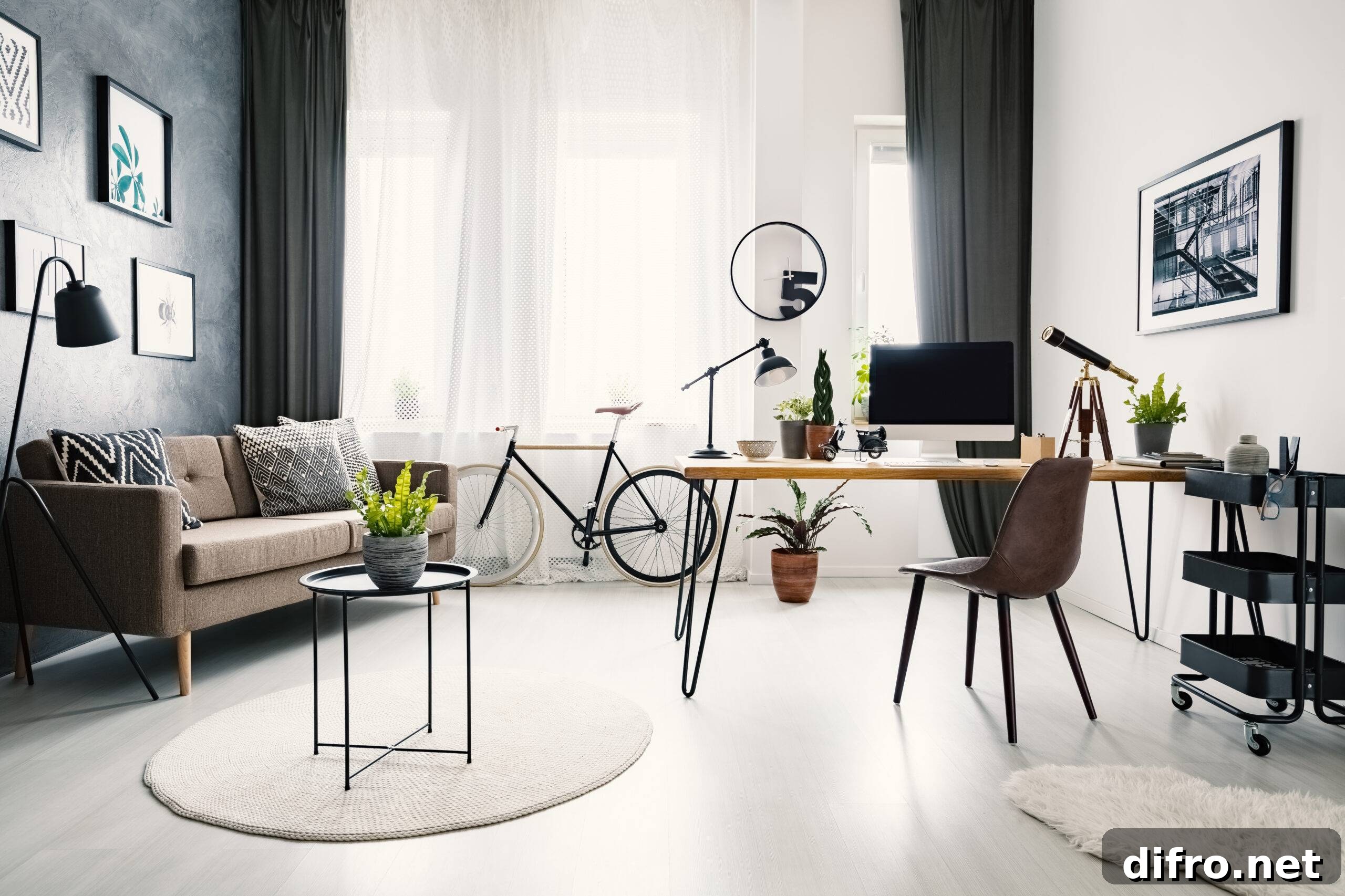
2. Create a Mood Board
Mood boards are an invaluable planning tool for anyone, not just professional designers. Gather images, fabric swatches, paint chips, and textures that appeal to you and arrange them together to identify recurring themes. Notice which colors and materials repeatedly attract your attention—warm woods, deep textiles, light neutrals, or a particular accent hue. Layering elements on a board helps you confirm what works together and prevents impulse purchases that clash with your overall vision. This visual reference keeps the project cohesive from start to finish.
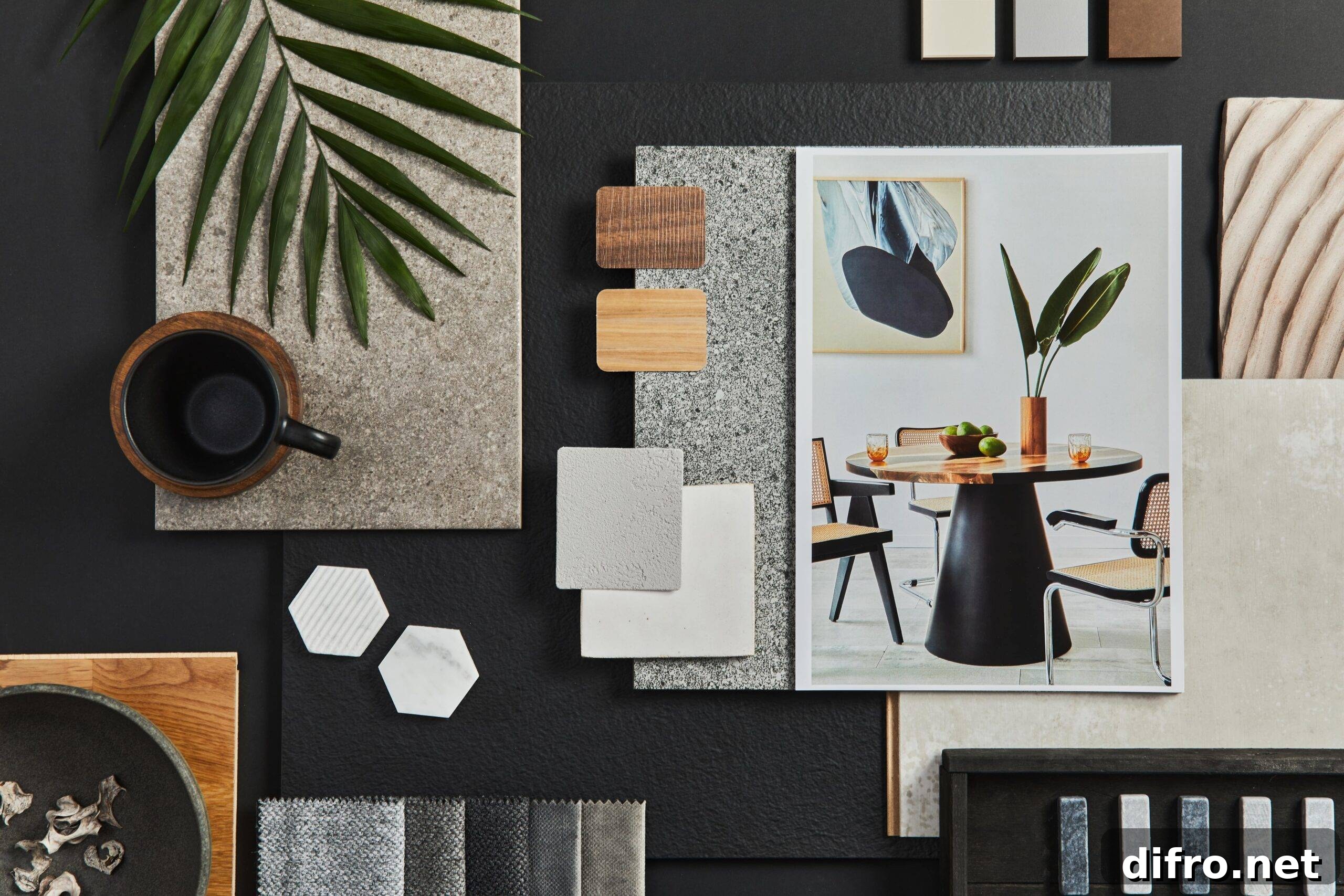
3. Think About Flow
Design must accommodate movement. A beautiful room that’s difficult to navigate quickly becomes frustrating. Observe how people will move through the space and identify potential pinch points: doors that swing into furniture, tight turns between seating, or pathways blocked by low tables. Clear circulation routes make a room feel larger and more welcoming. If an item interrupts flow, consider relocating or removing it. Trust your instincts—if a layout feels awkward when you walk in, it likely needs adjustment.
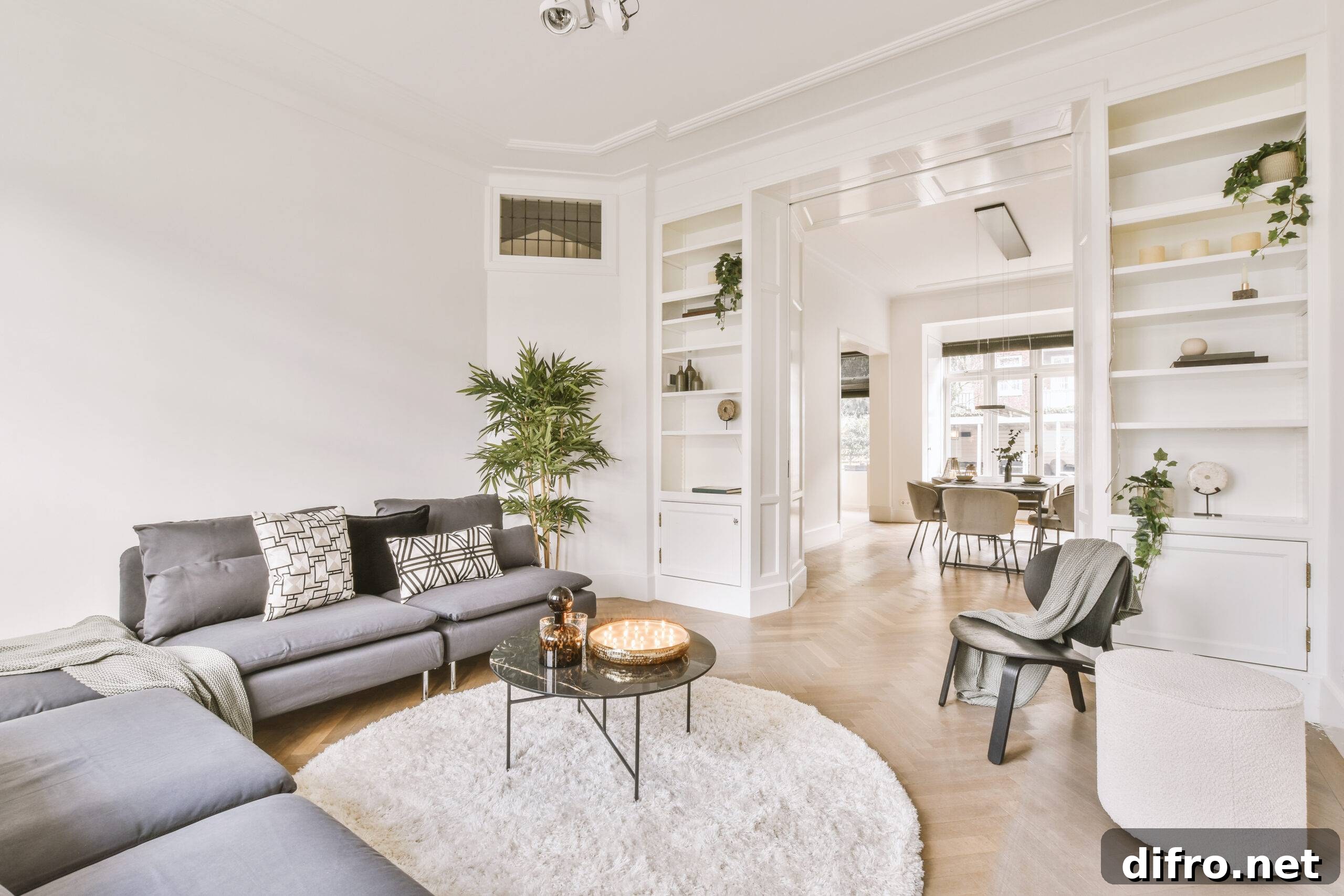
4. Choose Key Pieces First
Begin with large, defining furniture pieces—the sofa, bed, dining table—before sourcing smaller accessories. These anchors shape the scale, color, and function of the room and make subsequent choices easier. When you pick a central piece first, lamps, rugs, and decorative objects can be coordinated around it. If you start with too many small items, the space can end up feeling disjointed. It’s simpler and more effective to match accessories to a main piece than to force a main piece to harmonize with an eclectic collection of small items.
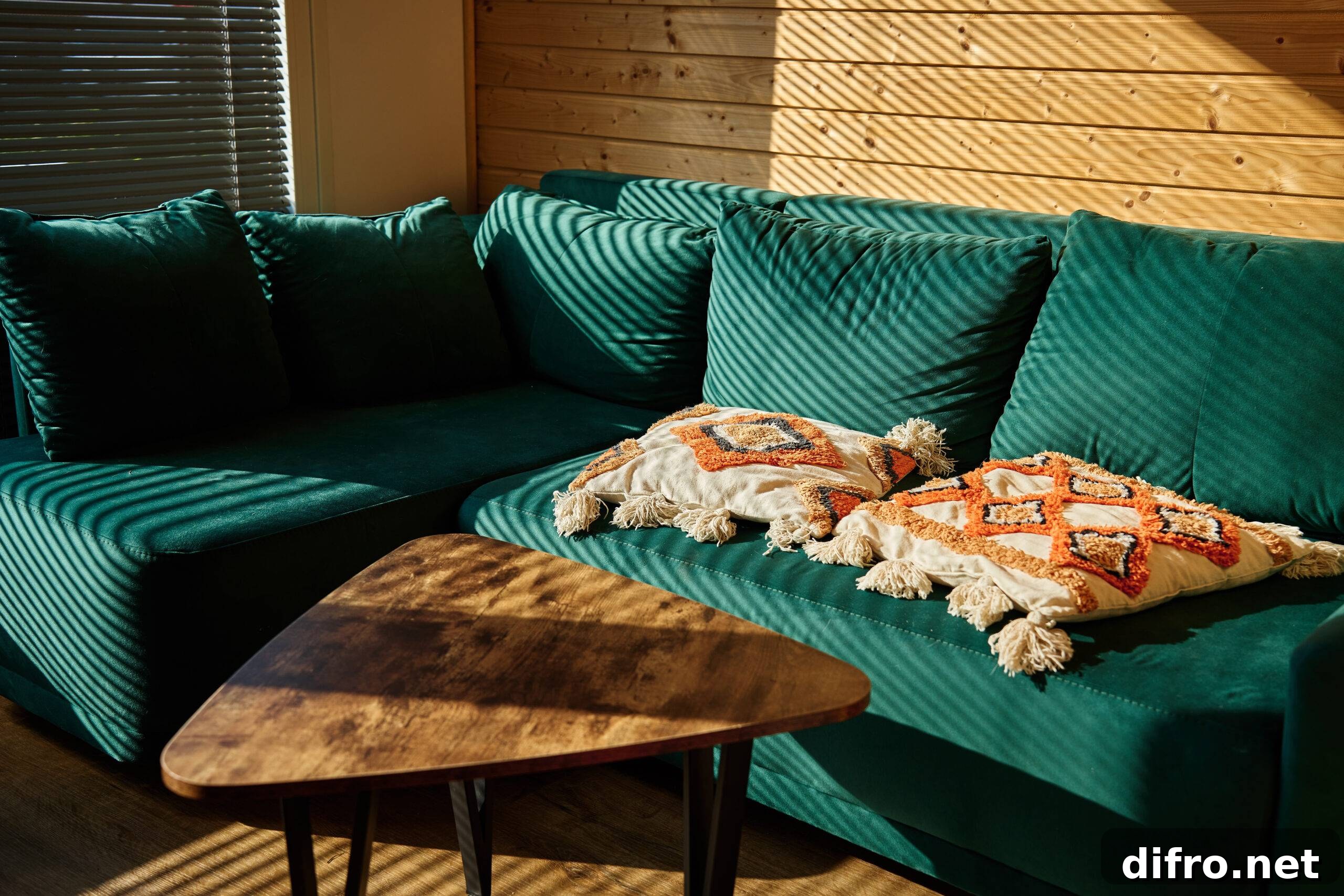
5. Don’t Rush the Process
Great design evolves—don’t force it. Allow time to live in the space, experiment with different layouts, and test finishes under natural and artificial light. Paint appears differently in morning and evening light, and a rug or sofa may feel different after daily use. Small, deliberate adjustments over time yield better long-term results than a frantic, all-at-once approach. Patience reduces buyer’s remorse and ensures your final choices fit comfortably with how you actually use the room.
6. Edit Ruthlessly and Keep It Personal
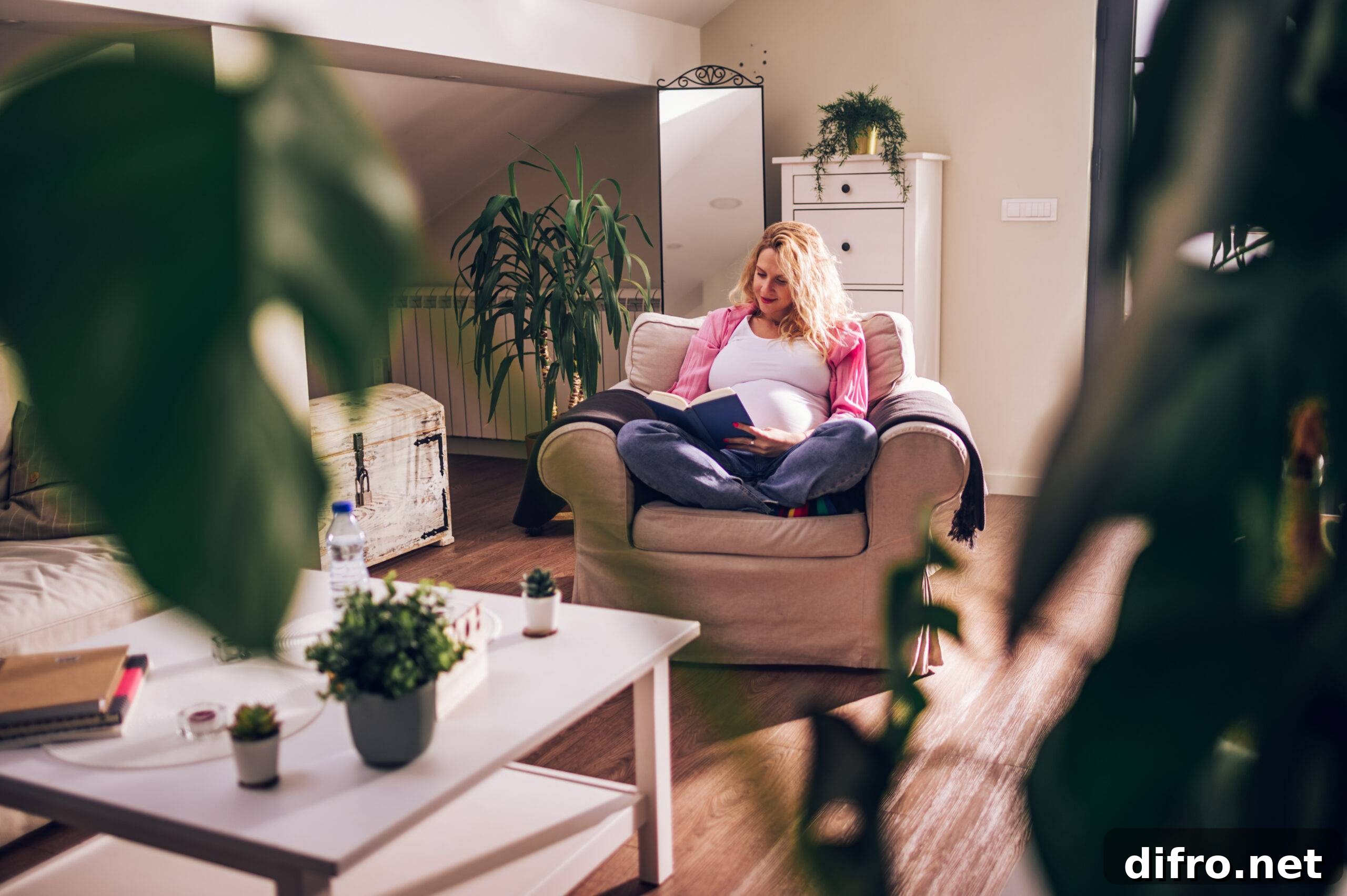
Less is often more. Before adding anything new, ask whether it improves the room’s function or enhances its atmosphere. Items chosen purely to follow trends can make a space feel impersonal and cluttered. Prioritize pieces with emotional value—art, photos, or heirlooms that tell your story. Even styles that embrace abundance, like maximalism, work best when they’re curated thoughtfully. Aim for intention in every choice: each object should serve a purpose or reinforce the room’s character.
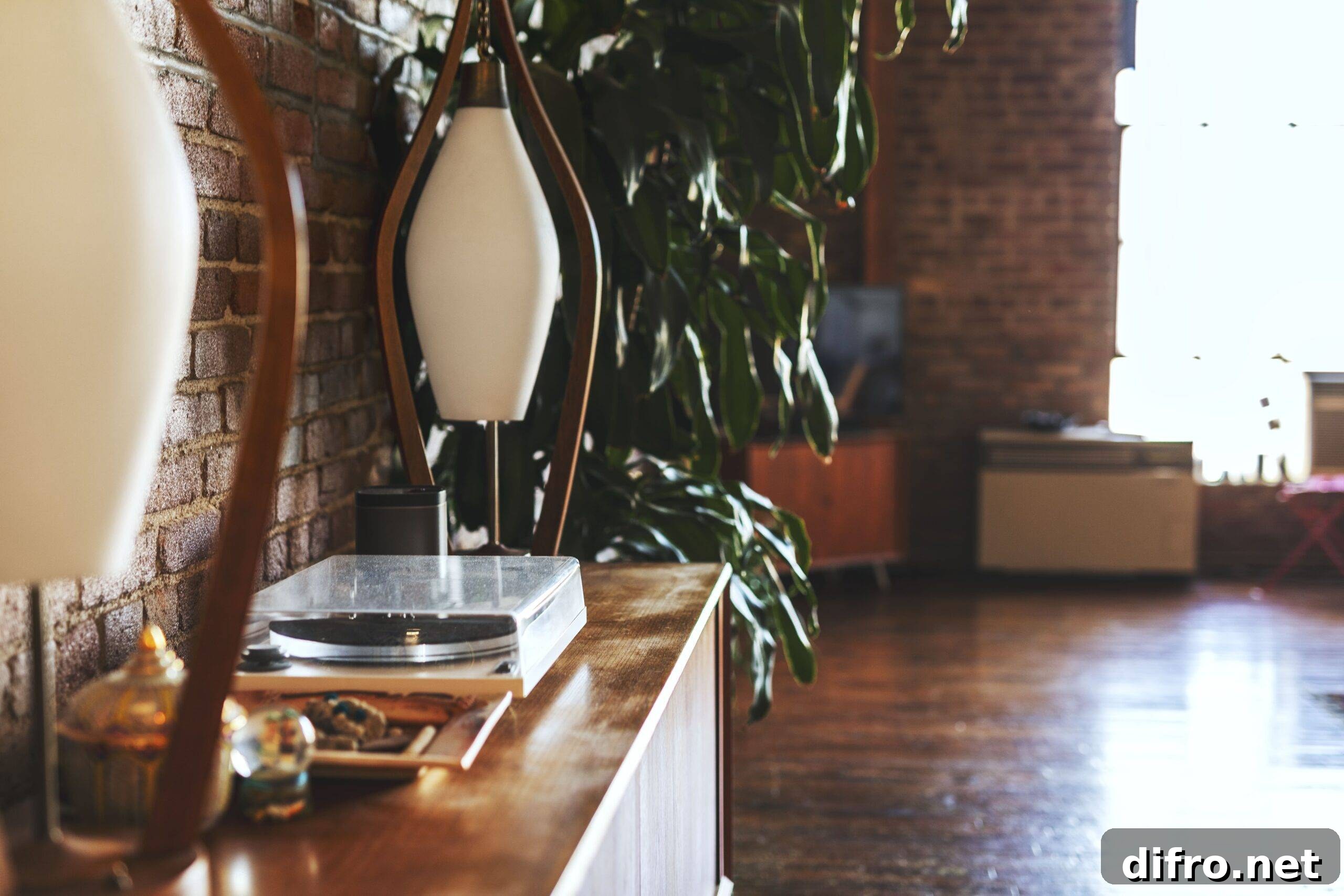
The most successful interiors are both beautiful and functional. By defining the room’s purpose, assembling a mood board, prioritizing flow and key furniture, and allowing the design to unfold gradually, you’ll create a space that feels intentional and comfortable. Keep your choices personal and edit without hesitation—doing so will result in a home that not only looks polished but also supports the way you live. Design with confidence, and let the space reflect who you are.