Kitchens are one of the most important—and sometimes most difficult—rooms to design. They serve as the heart of a home and play a central role in daily life, yet updating a kitchen often feels like a major undertaking. Fortunately, one simple change can transform the whole room without a full renovation: replacing the light fixture. A new fixture can be scaled to any budget and has the power to turn a drab kitchen into a polished, welcoming space.
This upgrade works especially well when you have an island, a breakfast table, or another focal point for the fixture to center on, but even a smaller, closed-off kitchen benefits from thoughtful lighting. Below are practical tips to help you choose the right fixture and ensure the swap enhances both form and function.
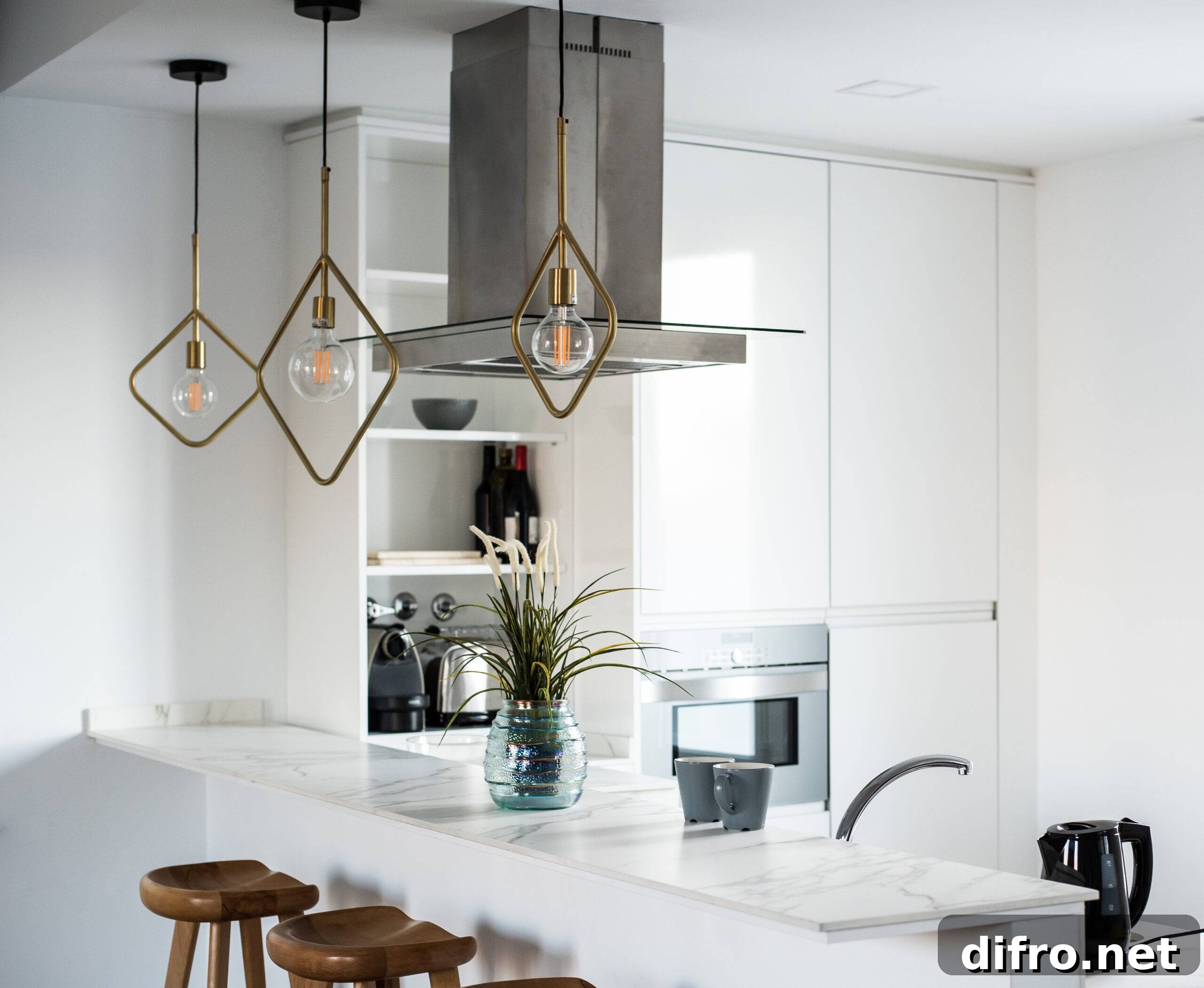
Consider A Statement Piece
Lighting is often treated as purely functional, but a fixture can add character and personality in the same way artwork or textiles do. A statement fixture becomes the room’s jewelry—drawing the eye, setting the mood, and elevating the overall design. Options range from sculptural pendants and vintage-inspired chandeliers to minimalist linear fixtures. Choose a piece that complements the kitchen’s style while creating the contrast needed to stand out: bold yet harmonious, eye-catching but not jarring.
When selecting a statement fixture, consider the visual weight—materials, finish, and silhouette all affect how prominent the piece appears. If your kitchen has simple cabinetry and neutral tones, a distinctive fixture in a rich finish will read as intentional, giving the room a custom, thoughtful feel.
Scale Matters
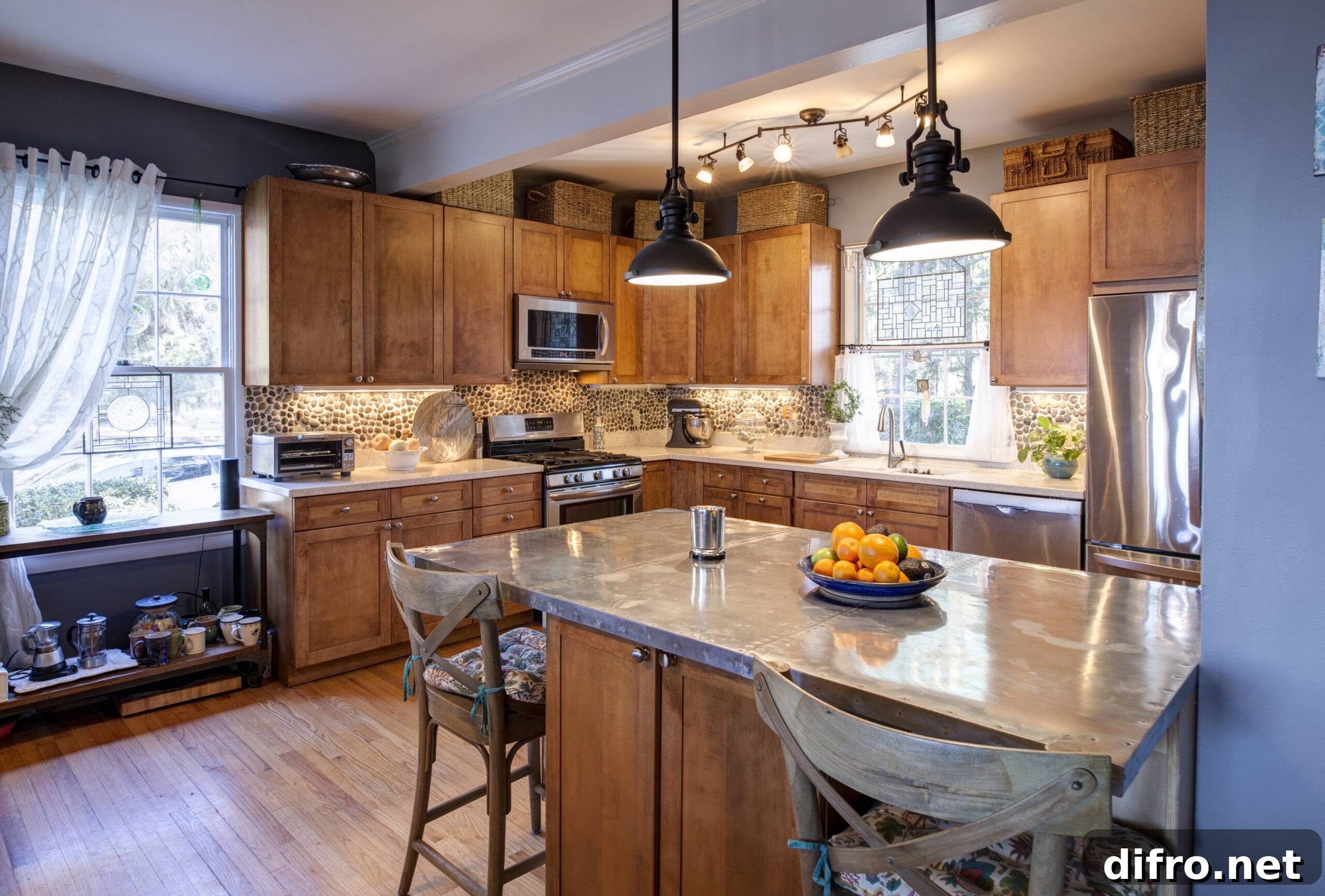
Proportion makes or breaks a lighting choice. A fixture that’s too small will disappear, while an oversized fixture can overwhelm the room and make it feel cramped. As a practical guideline, aim for a fixture length that’s roughly one-third of the island or table it’s intended to light. For multiple pendants, space them evenly and select sizes that complement each other rather than compete.
Also think about the surrounding visual elements: open shelving, range hoods, and tall cabinets influence how a fixture reads in the space. Low-profile fixtures suit compact areas, while rooms with generous clearance can handle larger, more sculptural pieces. If you’re unsure, mock the scale with paper templates or cardboard cutouts before making a purchase.
Make Sure The Height Is Right
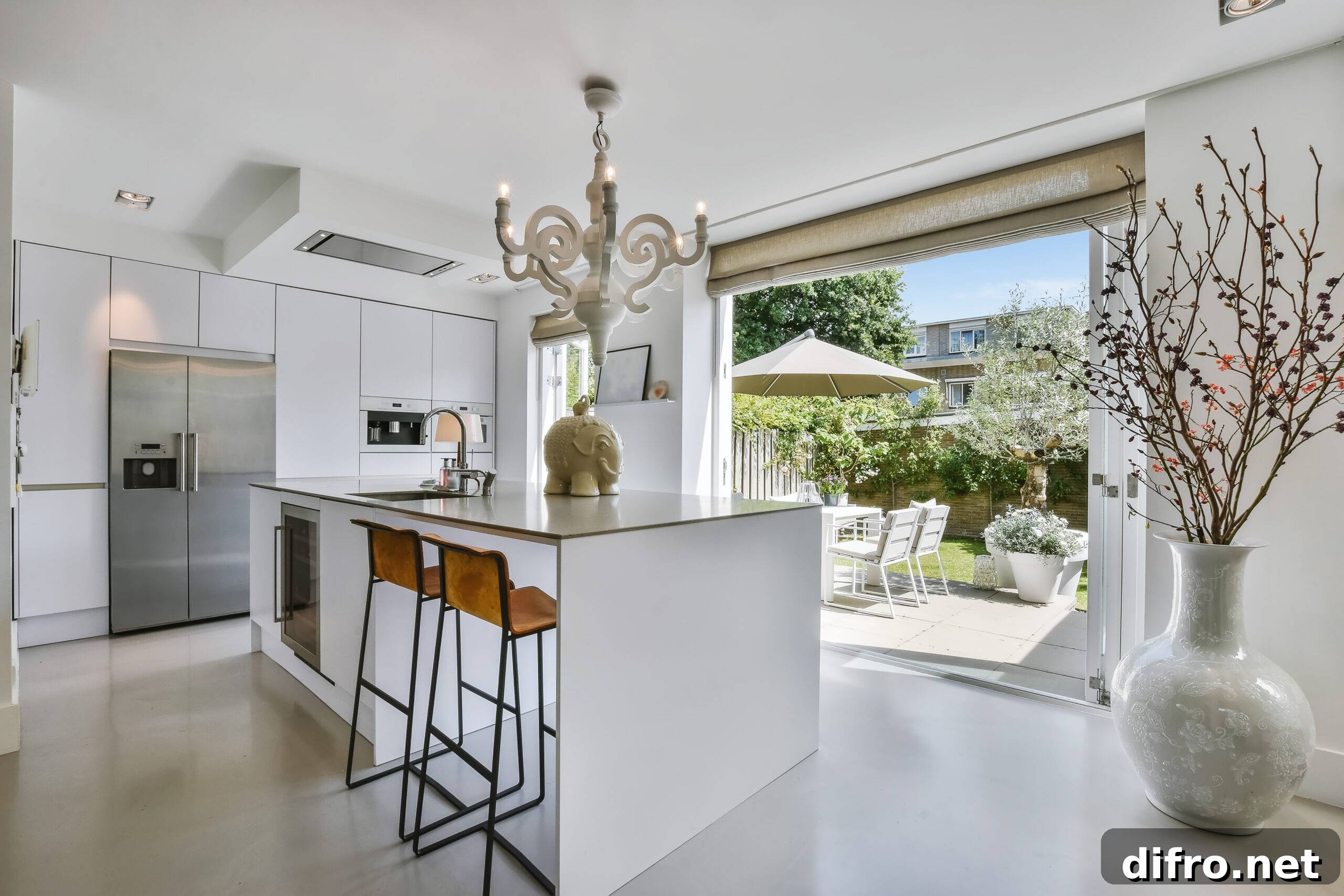
Placement height affects both function and aesthetics. If a fixture hangs too high, it can feel disconnected from the space; too low and it may block sightlines or feel intrusive. For fixtures over an island or table, a general recommendation is to hang them about 30–36 inches above the surface. This height provides effective task lighting while keeping the room open and visually balanced.
For rooms with higher ceilings, choose a fixture with an adjustable chain or rod so you can fine-tune the drop. Also consider the activities that take place beneath the light: for food prep you might prefer brighter, more focused light, while a dining area benefits from slightly softer illumination. If multiple fixtures are being installed, adjust each so their combined height and glow create a cohesive look.
Choose The Right Material
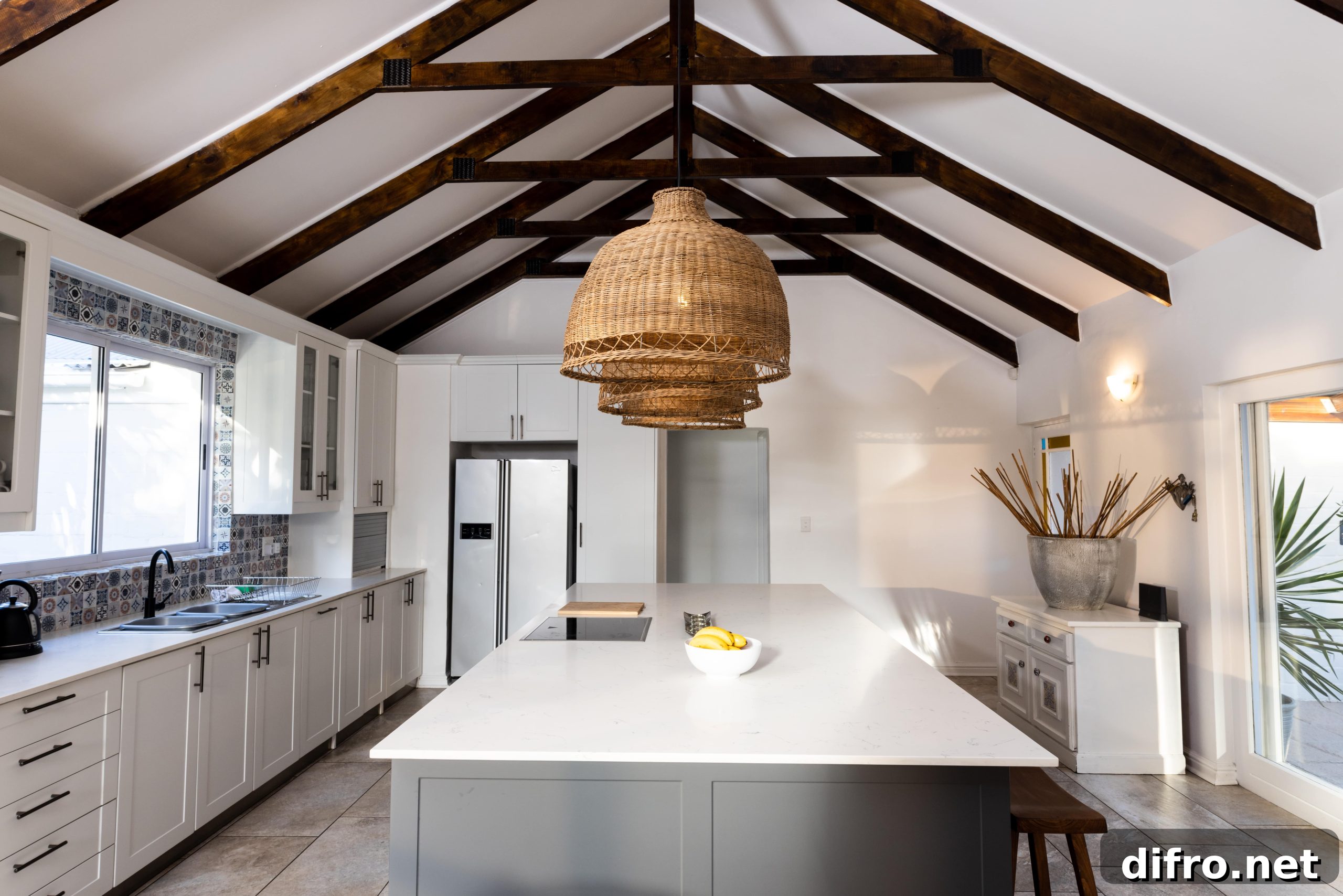
Material and finish greatly influence how polished a kitchen feels. Lightweight plastic or thin metals can cheapen the look, while finishes like aged brass, matte black, polished nickel, or hand-blown glass add visible quality and texture. A refined fixture can make a modest kitchen look intentional and well-designed.
Think beyond appearance: consider durability and ease of cleaning. Kitchens are busy places exposed to humidity, steam, and grease, so select materials and finishes that age well and are simple to maintain. For pendant clusters, a mix of complementary materials—metal shades with glass accents, for example—can create depth without cluttering the design.
Upgrading your kitchen lighting improves brightness, but it also enhances the room’s overall refinement. The right fixture communicates intentional design and can make even a simple kitchen feel more expensive. Beyond the fixture itself, consider the full lighting plan: layer ambient lighting with recessed or ceiling fixtures, add task lighting under cabinets for workspace clarity, and use accent lighting to highlight architectural features or decor. Choose bulbs with the appropriate color temperature—warm white for cozy dining areas, cooler white for focused task zones—and opt for energy-efficient LEDs to reduce maintenance and energy costs.
Finally, plan for installation and maintenance. If your project involves new wiring or multiple fixtures, consult a licensed electrician to ensure safety and code compliance. Regular cleaning and occasional inspection will keep fixtures looking their best for years. A well-chosen light fixture is a relatively small investment that yields a significant visual and functional payoff—bringing warmth, style, and a sense of completeness to your kitchen.