Finding the right area rug can feel overwhelming with so many choices in size, shape, color, pattern and material. But a rug doesn’t have to be an afterthought. Rugs anchor rooms, define seating and traffic areas, and add texture and warmth. Choosing the right size, shape and placement will make the rug feel intentional and integral to the room’s design rather than something tacked on. This guide simplifies the process, offering practical tips for living rooms, bedrooms, dining areas and hallways so you can pick a rug that looks great and functions well.
1. Consider the Room’s Purpose
Start by thinking about how the room is used. In living rooms, rugs help group furniture and define the seating area, creating a focal point around the coffee table or sofa. In dining rooms, the rug must be large enough to accommodate chairs when they are pulled out so they don’t catch on the rug edge. In bedrooms, rugs add softness underfoot when you get out of bed and can frame the bed to create a cozy retreat. Entryways and hallways benefit from durable runners that protect floors and guide movement. Choosing a rug that supports the room’s daily activities will ensure it’s both attractive and practical.
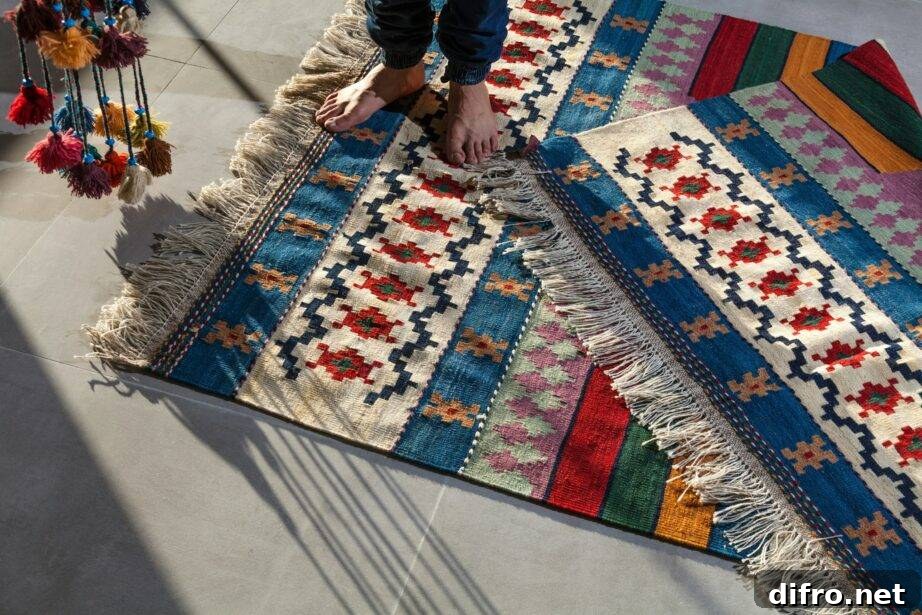
2. Match the Rug Size to the Space
Proportion matters. A rug that’s too small will make a room feel fragmented; one that’s too large can swamp the furniture and flatten the layout. In living rooms, aim for a rug that allows at least the front legs of sofas and chairs to sit on it so pieces read as a cohesive group. For dining rooms, choose a rug large enough that all chair legs stay on the rug even when chairs are pulled back. In bedrooms, a rug that extends beyond the sides and foot of the bed creates balance and a soft landing. Measure your room and furniture before shopping so you can compare rug dimensions to the actual layout instead of guessing.
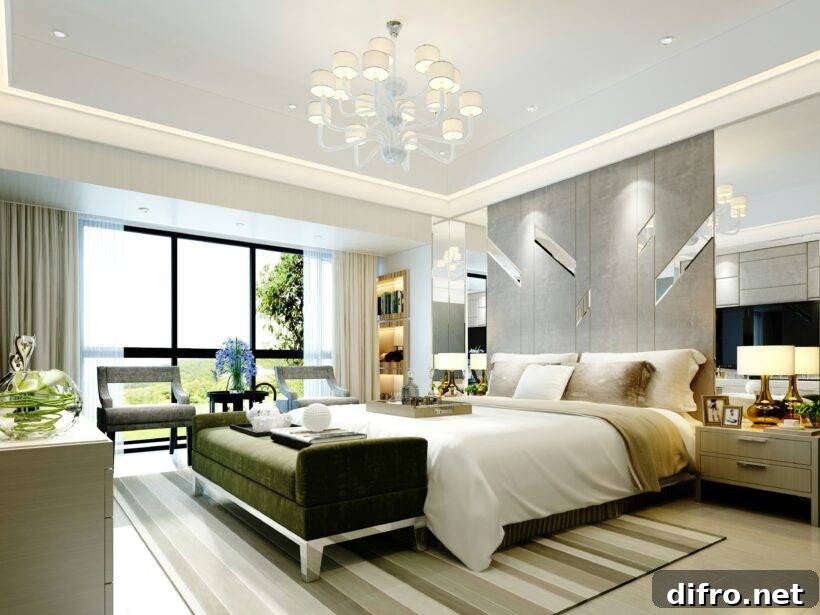
3. Placement Makes All the Difference
Placement determines how a rug reads in a room. For living rooms, center the rug beneath the coffee table so seating clusters around it. In larger rooms you might position a rug to anchor a specific seating group; in smaller rooms, pulling all furniture onto the rug can make the space feel more unified. In bedrooms, slide the rug partially under the bed so it extends on two or three sides, offering a warm surface to step onto in the morning. Runners work best down the center of a hallway or along one side of a bed. Thoughtful placement turns a rug into an intentional design element instead of a random accent.
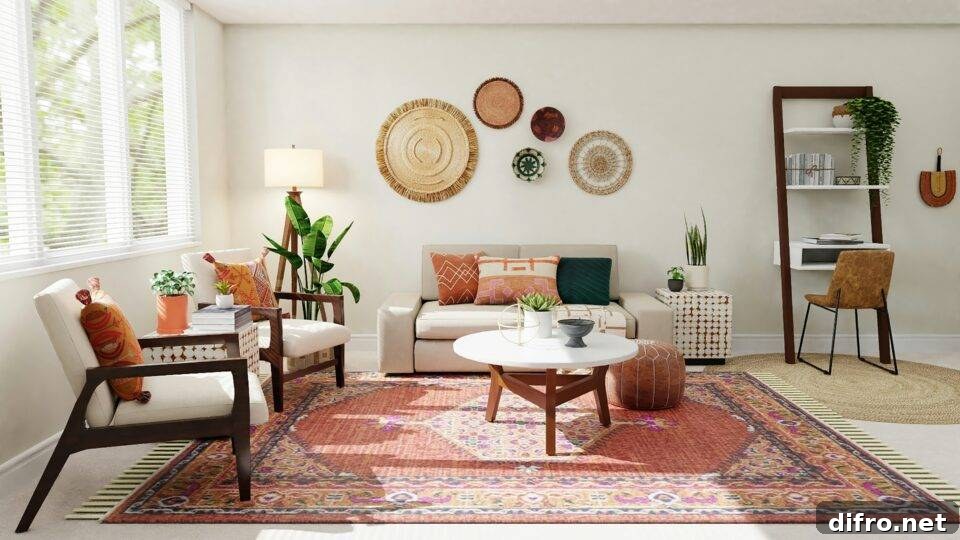
4. Experiment with Shape and Style
Don’t feel limited to rectangles. Round rugs can soften a boxy room or work well beneath a round table. Runners are ideal for narrow spaces like hallways and kitchens, and square rugs can add structure to a smaller sitting area. Style choices—pattern, texture and color—help set the mood: bold patterns make a strong statement, vibrant colors add life, and neutrals provide a calm backdrop. Consider how the rug’s visual weight will interact with furniture and wall color. If you’re unsure, test ideas with temporary templates on the floor to see how different shapes and patterns influence the room.
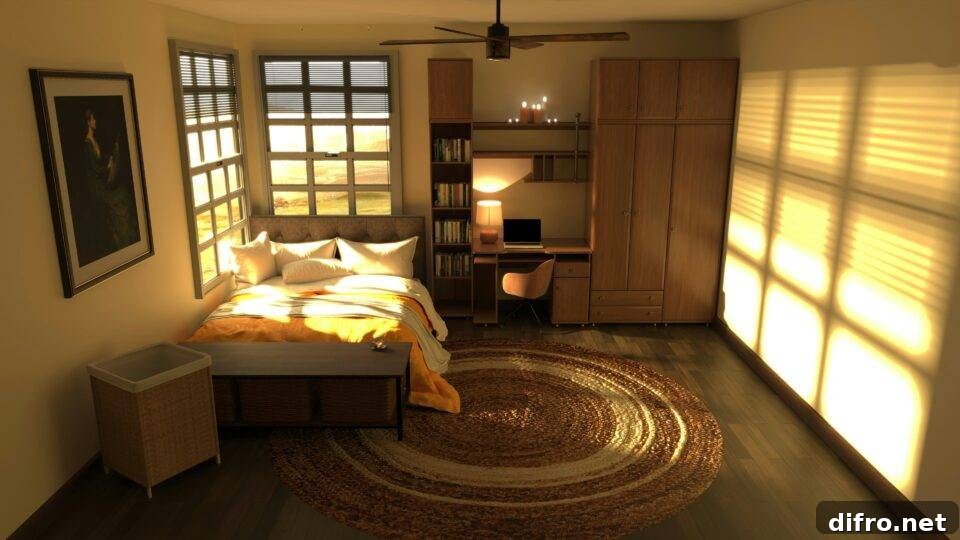
5. Try Layering
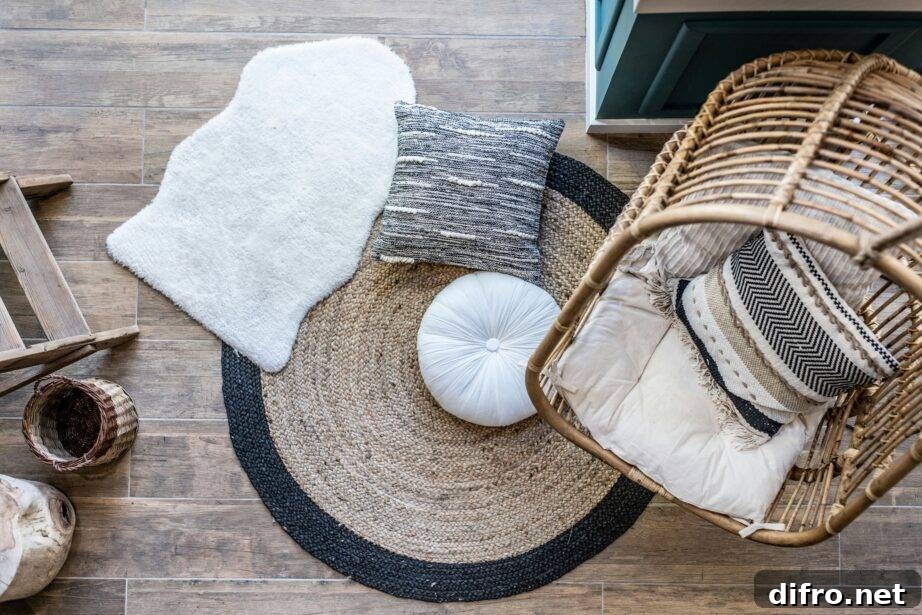
Layering rugs is an easy way to add depth and personality. Start with a larger, neutral rug as the foundation and place a smaller, patterned or textured rug on top. Mixing shapes—such as layering a round rug over a rectangle—creates visual interest. Layering is also useful for protecting a precious rug or experimenting with bolder colors and patterns without committing to a single piece. Use a quality rug pad beneath each layer to prevent slipping and to extend the life of both rugs.
Choosing the perfect rug doesn’t have to be complicated. Focus on the room’s purpose, measure carefully, consider how the rug will be placed, and experiment with shape, color and layering. Pay attention to material and maintenance needs—wool, synthetic and flatweave rugs all perform differently depending on traffic and cleaning requirements—and use a rug pad to preserve condition and comfort. With a little planning and a clear idea of how you want the space to feel, you can select a rug that ties the design together, adds texture and warmth, and reflects your personal style.