Decluttering is something many of us delay. It’s not just about tidying up or packing items into boxes; it’s often emotional, mentally demanding, and can feel overwhelming. Beyond the physical act of sorting, decluttering requires making decisions, reflecting on priorities, and shaping a living space that feels comfortable and functional. Before you begin, take a moment to prepare yourself and set realistic expectations about the effort and emotions involved.
1. It’s Okay to Feel Overwhelmed
Beginning a decluttering project—especially after putting it off—can feel like facing a large, daunting task. That feeling is normal. You aren’t only handling objects; you’re encountering memories, attachments, and long-standing habits. Feeling overwhelmed does not mean you’re failing. It often means you are engaging with something important. Start small: choose a single drawer, a shelf, or one corner of a room. Focus on short, timed sessions (15–30 minutes) and acknowledge progress, however small. Small steps compound into big change.
2. Decluttering Is Personal
Decisions about what to keep and what to let go are deeply personal. Guidelines and tips from books or friends can be helpful, but you know your own life and needs best. Decluttering isn’t a competition to achieve a magazine-perfect home; it’s about creating usable space that supports your daily routine and the lifestyle you want. Set your own standards and be guided by how each item fits into your present life rather than an external ideal.
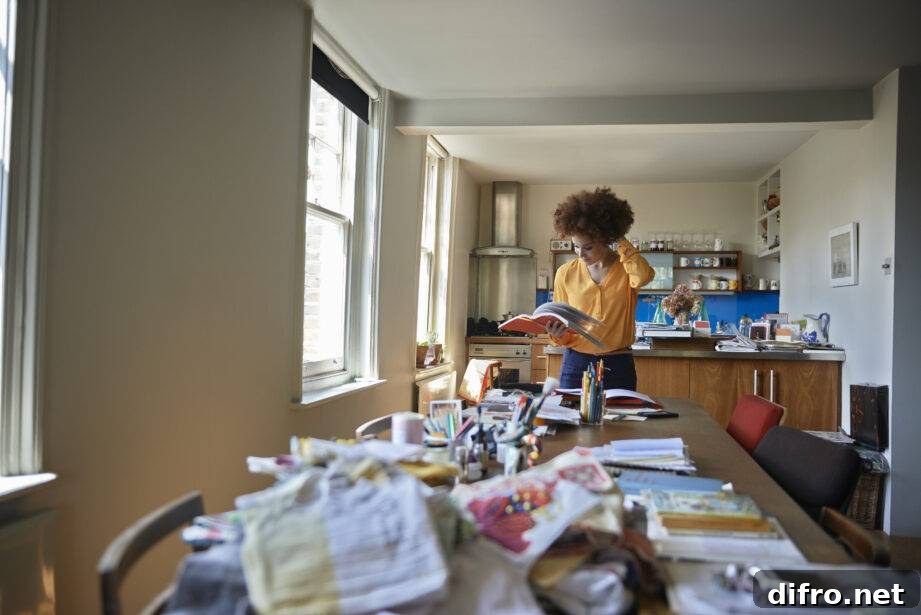
3. Sentimental Items Can Be the Hardest
Items tied to memories are often the most difficult to sort through. Separating an object from the feelings it evokes can be painful, and that’s understandable. Letting go of a physical item does not erase the memory associated with it. Consider alternatives that preserve the memory while reducing physical clutter: take photos of items, keep a single representative piece from a larger collection, or write short notes about what each object means. Give yourself permission to take your time and be gentle with choices, but also try not to let sentimentality prevent progress.

4. Your Environment Affects Your Emotions
The state of your surroundings often mirrors your mental state. A cluttered room can contribute to mental clutter, while a clearer environment supports calm and focus. Decluttering is not only about appearance; it’s an investment in your emotional and psychological wellbeing. When you clear physical space, you may notice reduced stress, improved concentration, and a lighter mood. Use those sensations as motivation—remembering how good a decluttered space feels can help you push through the harder moments.

5. You Might Face Unexpected Decisions
Decluttering often surfaces choices you didn’t anticipate. You may discover that you’ve kept things out of guilt, obligation, or habit—items received as gifts from people no longer central to your life or objects that reflect a past identity. It’s okay to let go of possessions that no longer align with who you are. Being honest with yourself about what fits your life today will help you create a space that supports your present needs and goals.

6. Decluttering Takes Time
Decluttering is rarely finished in a single session. Depending on the size of your space and the depth of the project, it can take days, weeks, or months. Rushing often leads to burnout or second-guessing. Instead, break the work into manageable chunks and build a routine: set aside regular short sessions, create categories (keep, donate, recycle, toss), and clear one area at a time. Celebrate small wins and track progress to stay motivated. Consistency matters more than speed—steady effort yields lasting change.

Decluttering, organizing, cleaning, and reorganizing require sustained energy and mental focus. It’s normal to feel drained or discouraged as you work through the process. Be patient with yourself, honor your emotions, and use motivational strategies that suit you—play music, set short goals, or reward progress. With patience, consistency, and careful decisions, you will create a home that feels lighter, calmer, and more aligned with who you are.