Blue is a versatile and transformative color in interior design, and it can be especially effective in the kitchen. Different shades of blue can create a range of moods—from tranquil and subtle to bold and modern—depending on how you use them and what you pair them with. Whether applied sparingly as accents or embraced as the dominant hue, blue brings freshness and personality to any kitchen style. Below are practical, design-forward ways to introduce blue into your kitchen while keeping the result cohesive, stylish, and functional.
1. Blue Cabinets
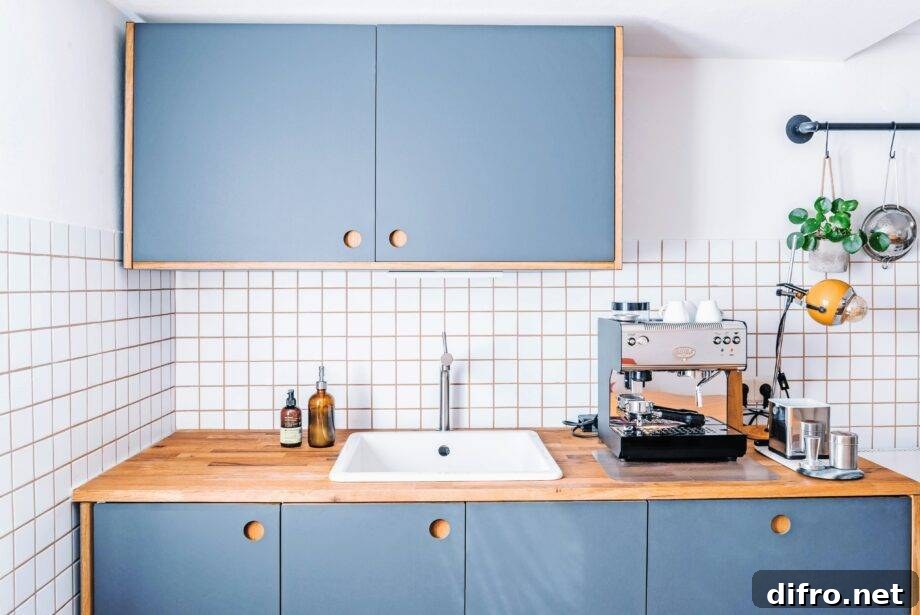
Cabinets have a major visual impact, so choosing blue for cabinets is one of the most direct ways to influence a kitchen’s character. Deep navy or indigo cabinets lend a sophisticated, moody vibe that pairs well with brass or matte black hardware. Softer blues—like powder blue or muted teal—make a kitchen feel bright and airy, working especially well with natural wood finishes and white countertops. For a modern look, consider glossy or semi-gloss paint and streamlined hardware; for a traditional approach, opt for shaker-style doors with subtle detailing. Blue cabinets can harmonize with many countertop materials, from marble to engineered stone, and they create a strong foundation for layered textures and accents.
2. A Blue Island
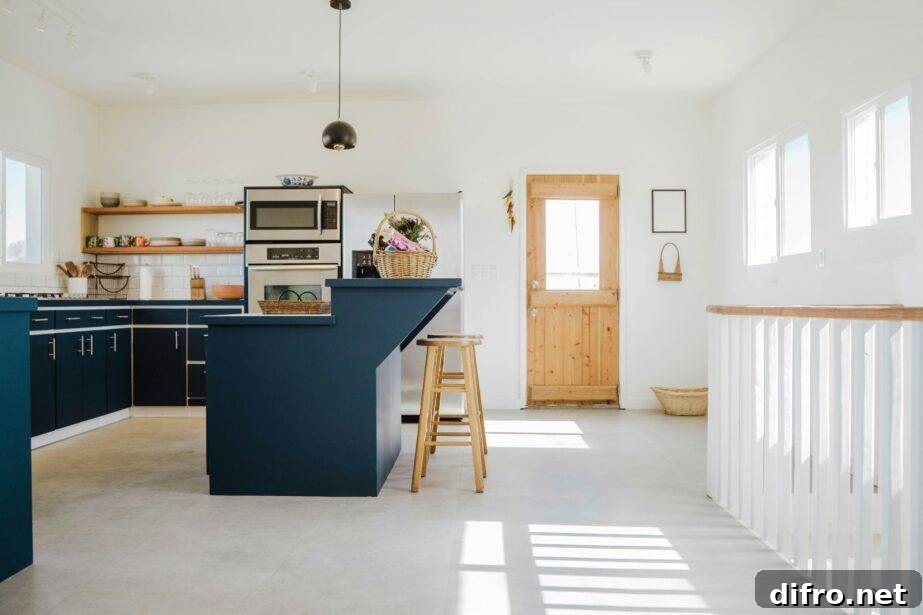
If committing to floor-to-ceiling blue feels too bold, paint the island instead. A blue island becomes an instant focal point in a kitchen with neutral cabinetry, creating contrast without overwhelming the room. Navy, teal, or a rich cerulean work particularly well as island colors because they ground the space and coordinate with butcher block, wood, or stone countertops. Consider pairing a blue island with coordinating barstool upholstery, pendant lights with blue accents, or brass fixtures to create a cohesive centerpiece that still allows the rest of the kitchen to remain understated.
3. Blue Walls
Walls are often overlooked in the kitchen but are an easy and effective place to introduce blue. A full coat of paint in a soft or saturated blue can instantly change the mood. Wallpaper with subtle blue patterns—florals, geometrics, or vintage motifs—adds texture and interest without taking up physical space. For layered impact, paint a single feature wall, apply blue wainscoting, or paint the back wall behind open shelving to make displayed items pop. Blue walls can make a kitchen feel warmer and more finished when paired with complementary cabinetry and natural materials.
4. Blue Detailing
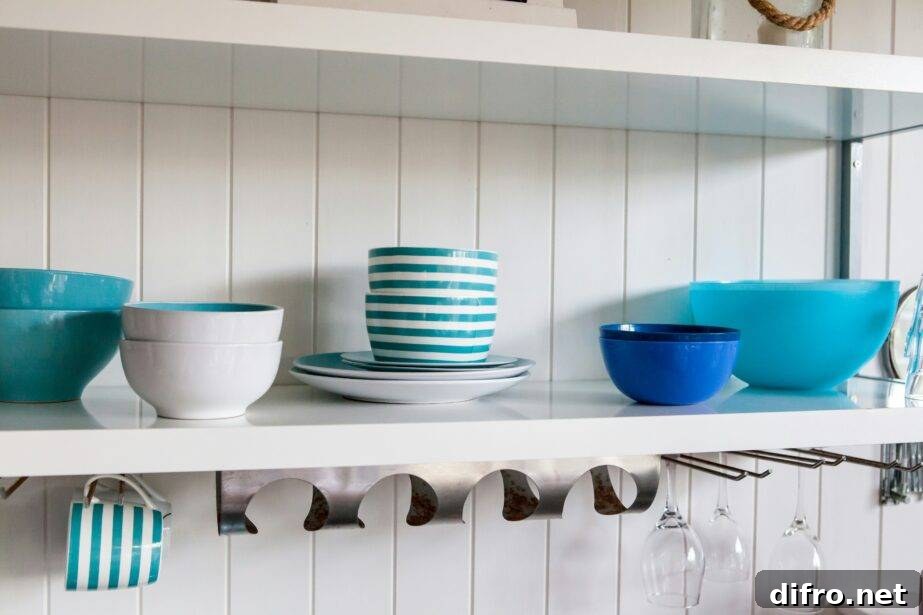
Small details often create a pulled-together design. Blue dishware, glassware, vases, and textiles (like tea towels or oven mitts) add color without committing to a major renovation. Open shelving is an ideal stage to display blue ceramics and glass, providing both storage and visual interest. If cabinets remain closed, subtle touches like blue drawer liners, painted cabinet interiors, or blue hardware backplates offer pleasant surprises when you open them. These restrained choices let you introduce blue in a way that feels intentional but low-risk.
5. Blue Materials
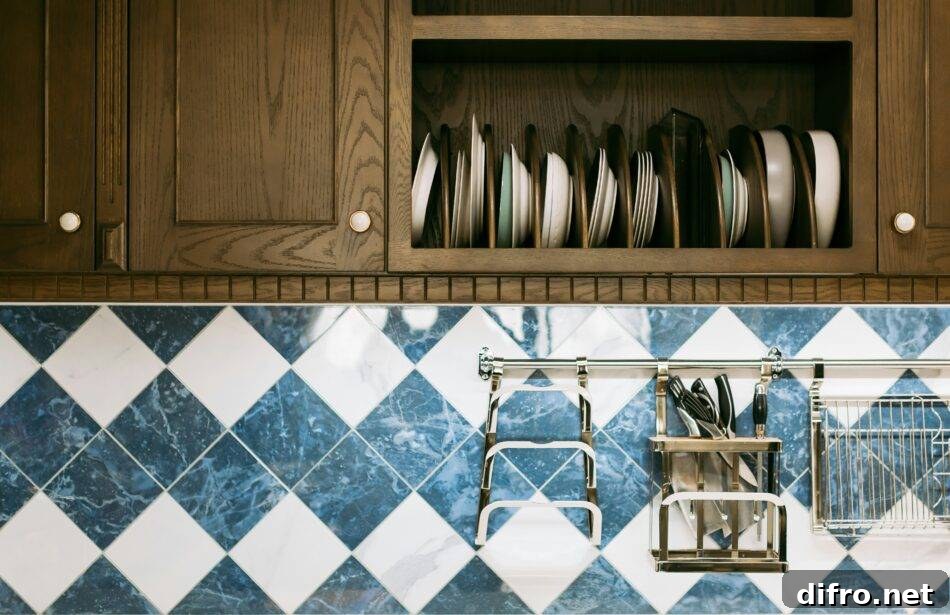
Materials such as tile, stone, and glass offer creative ways to add blue that also enhance texture and craftsmanship. A blue ceramic tile backsplash can feel artisanal and add depth, while glass tiles bring reflective shimmer. Natural stone with blue veining or blue-tinted quartz can make countertops feel elegant and cohesive with other elements. For playful or vintage-inspired kitchens, blue mosaic tiles or patterned linoleum flooring introduce pattern and character. These material choices are durable and often become standout design features that age gracefully.
6. Blue Accents
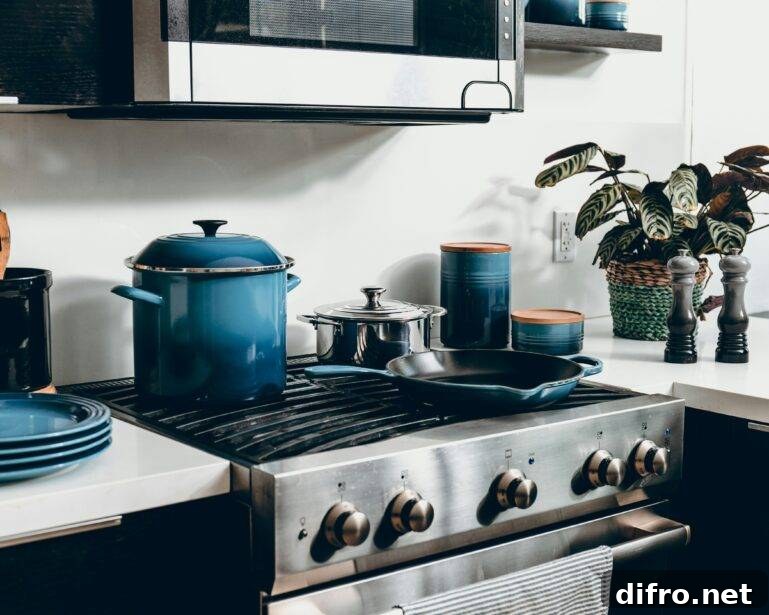
If you’re hesitant about large-scale changes, blue accents let you test the color’s effect with minimal commitment. Think small appliances—mixers, toasters, kettles—in cheerful blue shades, or lighting fixtures with blue glass or finishes. Upholstered barstools, a bold rug, or framed artwork can weave the color into the room’s palette. Accent pieces make it easy to change or update the look seasonally or whenever your taste evolves, and they help you assess whether a deeper blue investment is right for your space.
Kitchens are often underrated when it comes to decoration, but they offer many opportunities to experiment with color without a full remodel. You can introduce blue in small ways—textiles, accessories, lighting—or take bolder steps with cabinets, islands, or material choices. Blue is calming, versatile, and visually appealing; used thoughtfully, it elevates a kitchen’s style and atmosphere. Try one or two of these ideas to see how blue can refresh your space and reflect your personal design sense.