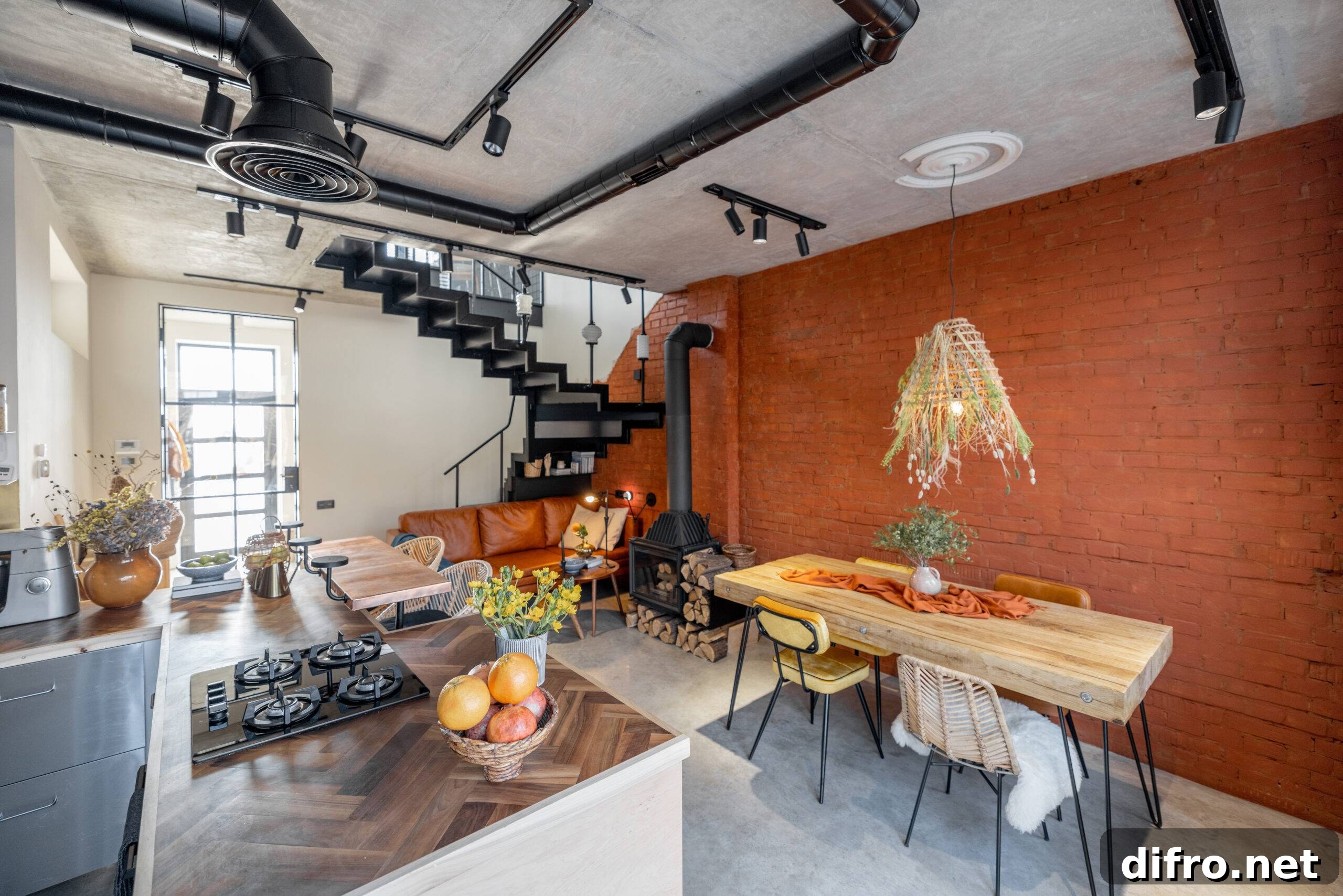
Trends come and go, and interior design is no exception. Some trends introduce fresh ideas and useful innovations, but others quickly feel tired or gimmicky. Many of these less-favored trends circulate because they’re highly marketable or easy to produce, yet they can undermine a room’s long-term appeal and functionality. Below are the furniture and decorating trends that designers most often advise avoiding, with practical alternatives to help you create a more lasting, personal home.
1. Overly Matching Furniture Sets
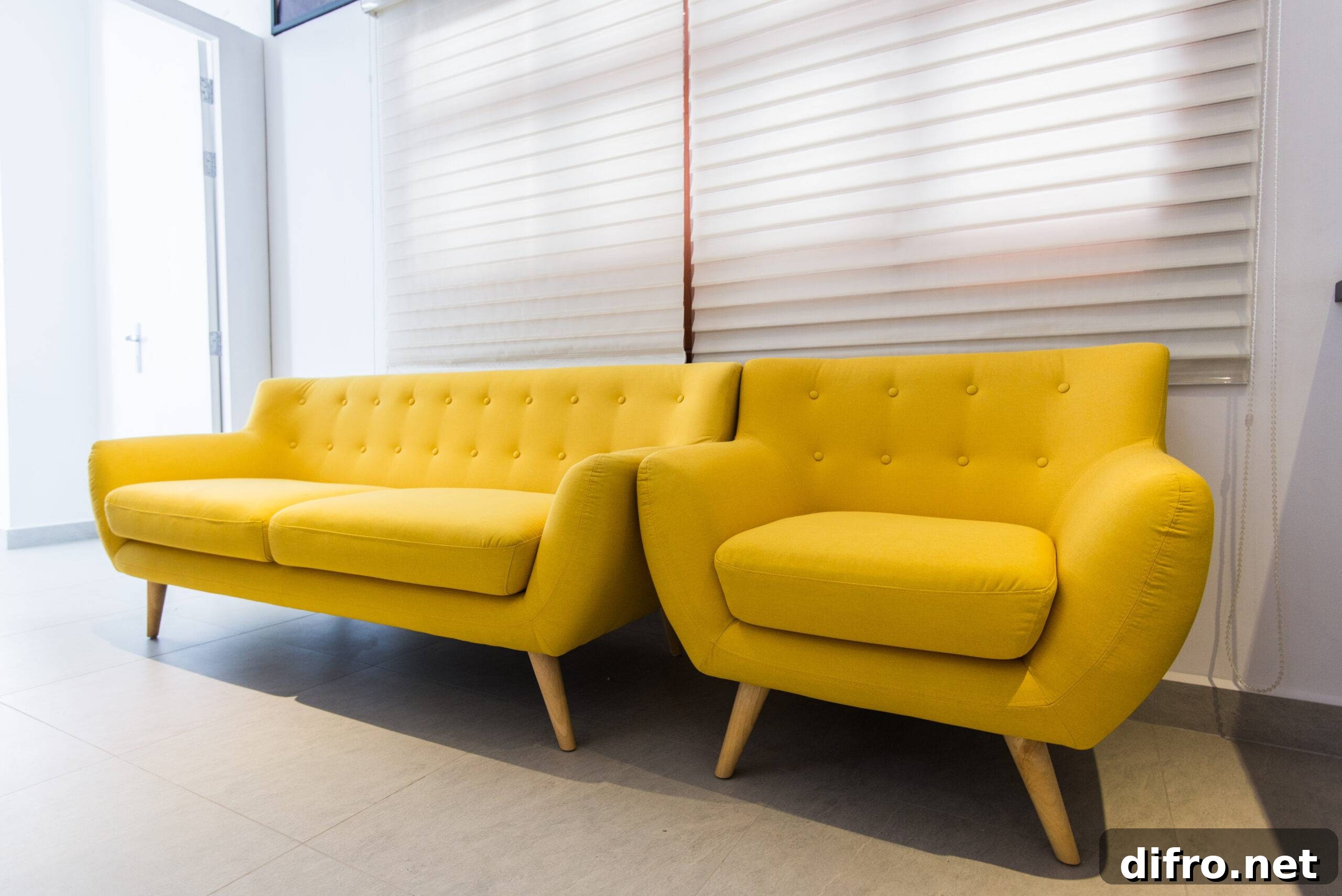
The idea of a perfectly coordinated furniture set can be tempting, but in practice it often leaves a room feeling flat and generic. When every piece matches exactly, the space can resemble a showroom rather than a lived-in home. Designers prefer mixing styles, finishes and textures—pairing a classic sofa with a modern accent chair, or a sleek coffee table with a vintage sideboard. Mixing pieces allows you to highlight a focal item, introduce contrast, and better express your personality. Aim for cohesion through color palettes and proportion rather than identical matching.
2. Faux Vintage Pieces
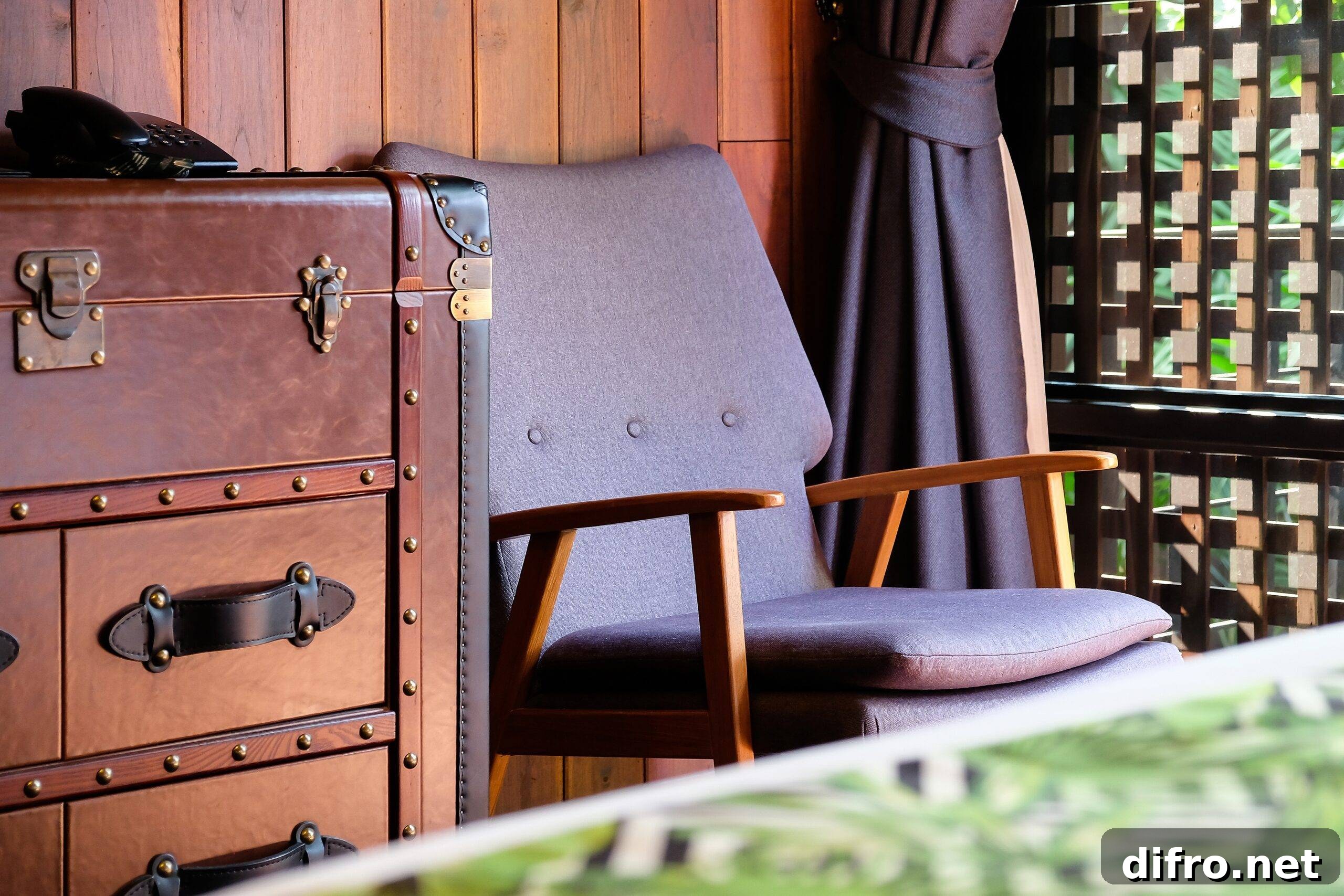
There’s a growing appetite for vintage-inspired decor, but mass-produced faux vintage furniture rarely captures the authenticity or craftsmanship of genuine pieces. These imitations often look contrived and lack the imperfections and stories that make true vintage items special. Designers recommend hunting for authentic vintage or antique pieces when possible—thrift stores, estate sales, and reputable dealers are better places to invest than mass-market lookalikes. Acquiring original vintage items over time adds depth and character to a home in a way faux pieces cannot duplicate.
3. Excessive Open Shelving
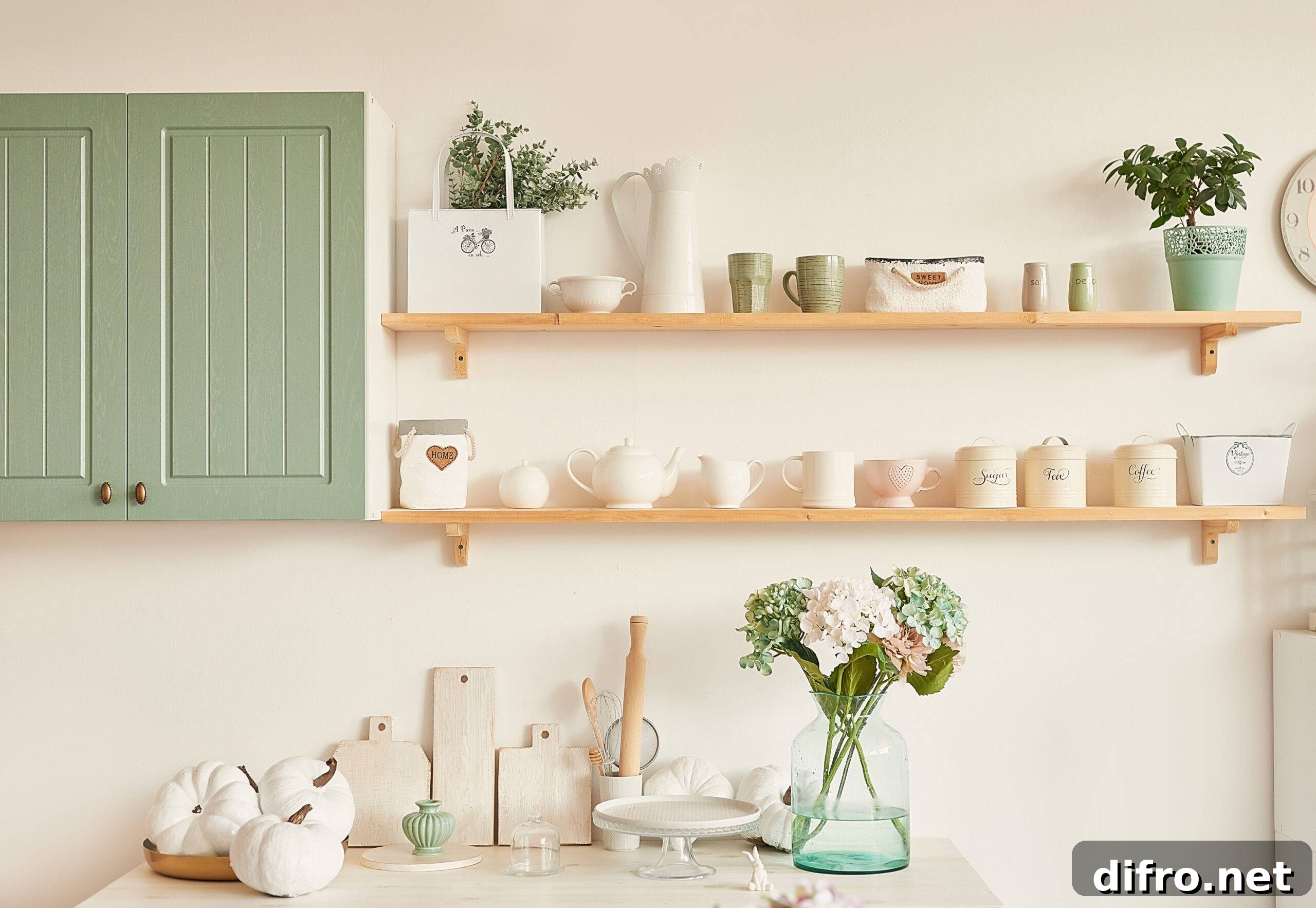
Open shelving can create an airy, modern look and is ideal for showcasing curated collections. But when applied everywhere without careful planning, it quickly becomes a magnet for clutter. Open shelves require consistent styling and regular maintenance to look intentional. Designers often recommend a balanced approach: combine open shelving with closed storage so frequently used or unattractive items can be tucked away, while a few well-chosen objects, plants, or books are displayed to add personality. This mix keeps rooms tidy and visually interesting.
4. Fast Furniture
Cheap, quickly produced furniture may be tempting because of the low upfront cost, but it often carries hidden downsides: poor durability, inferior materials, and environmental or ethical concerns in production. Replacing disposable furniture frequently becomes more expensive and wasteful over time. A better strategy is to invest in well-built essentials—sofas, beds and dining tables that use quality materials and solid construction. These items not only last longer but also offer better long-term value and reduce the need for frequent replacement.
5. Overuse of Grey
Grey has been a dominant neutral in interiors for years because it’s versatile and easy to layer. However, relying on grey too heavily can leave a room feeling cold and lifeless. To keep grey spaces warm and inviting, pair greys with warmer hues, natural textures like wood and rattan, and layered lighting. Accent colors, art, textiles and plants can all introduce warmth and personality. Use grey as a base or a unifying element, not the sole defining feature of a room.
6. Industrial Overload
Industrial design—with exposed brick, metal fixtures, concrete floors and visible ductwork—can add character and an urban edge. But when every surface leans industrial, the result can feel heavy and unwelcoming. Rather than adopting an all-in industrial approach, bring in a few industrial touches and balance them with softer materials and warmer finishes. Mixing styles—metal with wood, raw textures with plush fabrics—creates a more layered, comfortable space that still nods to industrial aesthetics without overpowering the room.
In a fast-changing design landscape, the most sustainable choices are those that reflect your taste and stand the test of time. Avoiding overly trendy, low-quality or overly prescriptive design fads helps create interiors that feel authentic and resilient. Prioritize quality, mix styles thoughtfully, and choose colors and materials that support the mood you want in your home. Trends can inspire, but the best rooms are built on balance, attention to detail, and personal expression.