Have you ever entered a room and immediately felt calm, energized, or creatively inspired? Thoughtful interior design shapes those first impressions. Whether you want a subtle refresh or a full-scale makeover, learning the defining interior design styles helps you build a home that reflects your tastes and supports your daily life. Below are key styles, what defines them, and practical tips to make each one work in your space.
Coastal
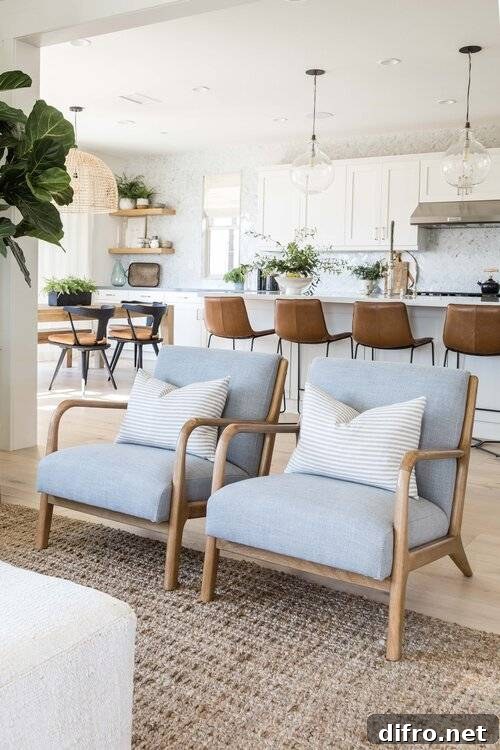
Coastal design brings the relaxed clarity of seaside living into any home, not just beach houses. It relies on light, airy color palettes—soft blues, seafoam greens, sandy neutrals, and crisp whites—to evoke ocean breezes and open skies. Natural textures such as weathered wood, jute, rattan, and linen add warmth and tactile interest. Avoid overdoing nautical motifs; instead, use driftwood accents, striped textiles, and light-reflecting surfaces sparingly for a subtle, breezy atmosphere. Coastal style works well in living rooms and bedrooms where you want a peaceful, restorative feel.
Traditional
Traditional design emphasizes classic proportions, refined details, and a sense of history. Think plush upholstery, tailored draperies, patterned area rugs, and warm, inviting color palettes. Architectural elements like crown molding, chair rails, and built-in cabinetry anchor the room. Layered lighting—ambient, task, and accent—adds depth and formality without feeling cold. Traditional interiors feel comfortable and elegant, ideal for homeowners who value timeless craftsmanship and a composed, deliberate aesthetic.
Maximalism
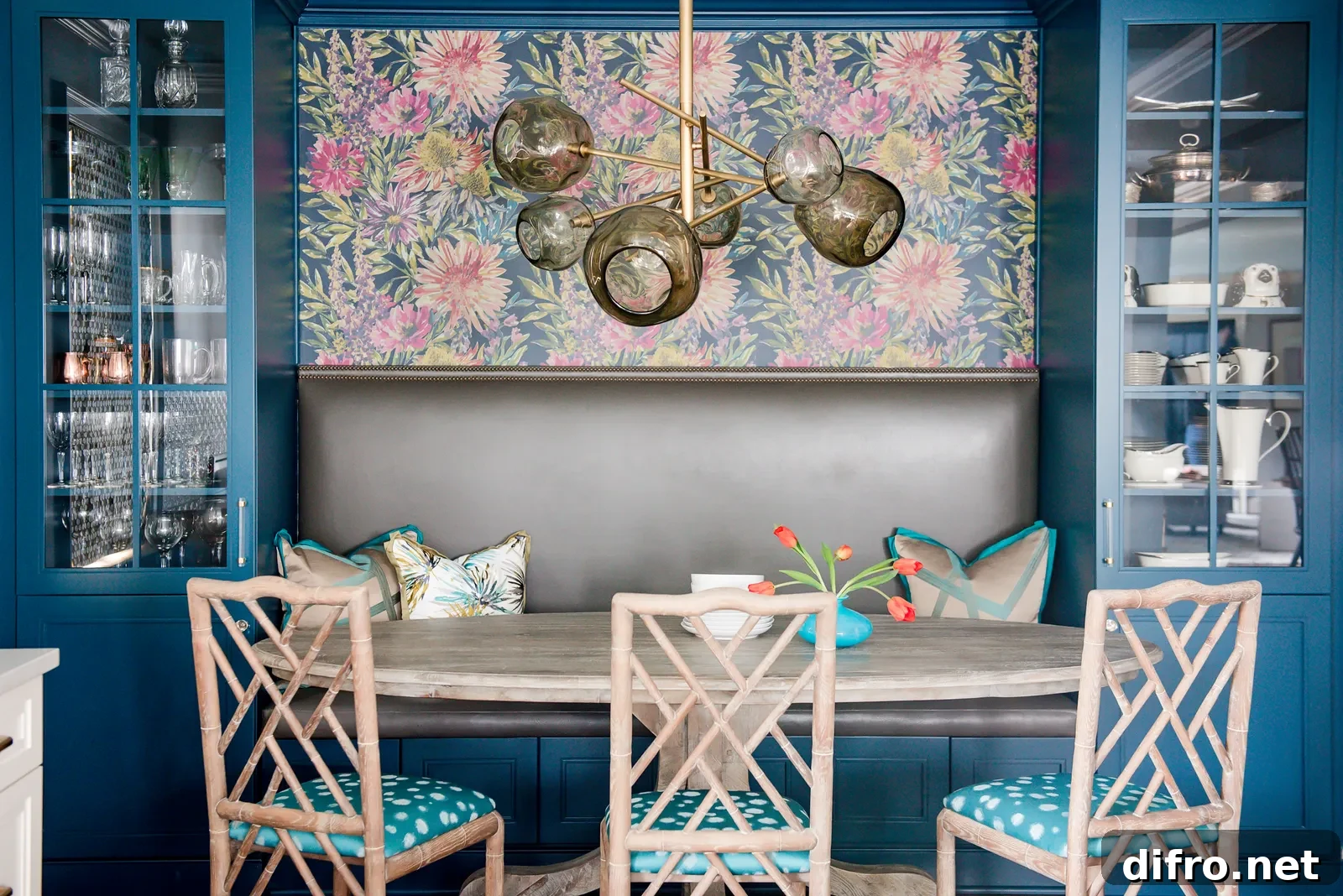
Maximalism celebrates abundance: bold colors, mixed patterns, and curated collections that tell a story. This style invites you to layer textures, artwork, and objects from different eras to create lively, personal interiors. Successful maximalist rooms still follow a few unifying rules—consistent color accents, repeating shapes, or a shared theme—to avoid visual chaos. Use bold wallpaper, statement lighting, and gallery-style art arrangements to build cohesion. Maximalism is ideal for those who want their home to reflect a rich, expressive personality.
Rustic
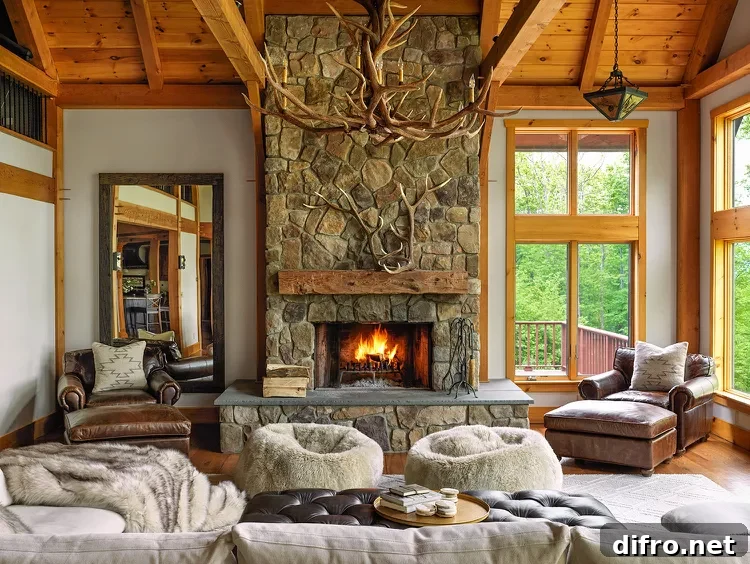
Rustic design celebrates natural materials and handmade charm. Exposed wood beams, stone or brick fireplaces, leather seating, and patinated metals create a grounded, cozy environment. Earthy color palettes—warm browns, deep greens, and muted ochres—reinforce the connection to nature. Vintage and salvaged pieces provide character and history, but balance is important: choose a few standout items rather than filling a space with clutter. Rustic interiors work especially well in family rooms, cabins, and country homes where comfort and authenticity matter most.
Minimalism
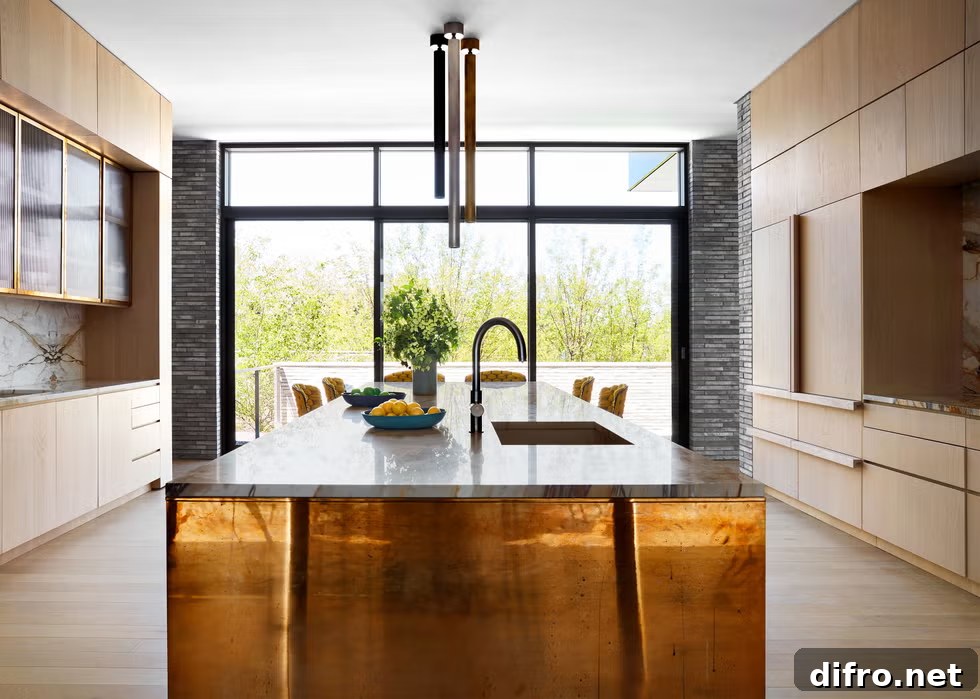
Minimalist design follows the “less is more” principle to create calm, uncluttered spaces. Clean lines, restrained color palettes—often neutral—and carefully chosen furnishings emphasize function and proportion. In a minimalist home, every item earns its place, contributing to a sense of clarity and ease. To avoid a sterile feel, introduce natural materials, soft textiles, and layered lighting to add warmth while keeping the overall composition spare and intentional.
Modern
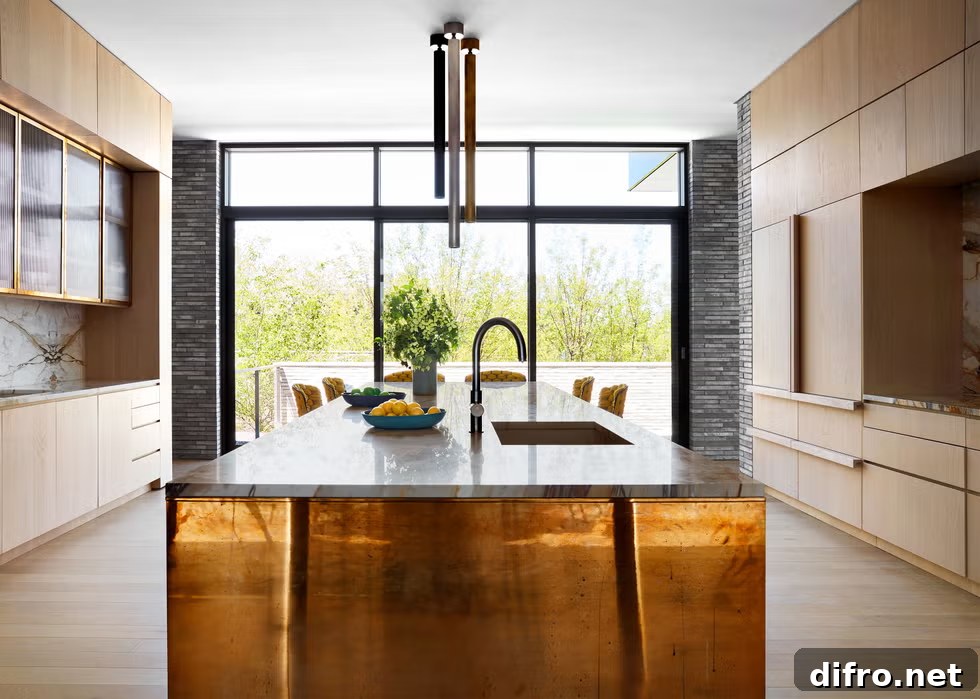
Modern interiors favor simplicity, open layouts, and straightforward forms. Common materials include glass, metal, and polished or matte surfaces, combined with a mostly neutral palette accented by bold colors or sculptural pieces. Emphasize functional furniture, streamlined storage, and unobtrusive detailing to let space and light take center stage. To keep modern rooms inviting, add texture through rugs, throws, and strategically placed plants or artwork.
Transitional
Transitional design blends the comfort of traditional style with the clean lines of modern design. Neutral palettes, comfortable yet streamlined furniture, and subtle use of pattern create balanced, livable rooms. Transitional interiors avoid fussy ornamentation while retaining warmth through wood tones and textured fabrics. This style is a practical choice if you want a home that feels current but not trendy.
Modern Farmhouse
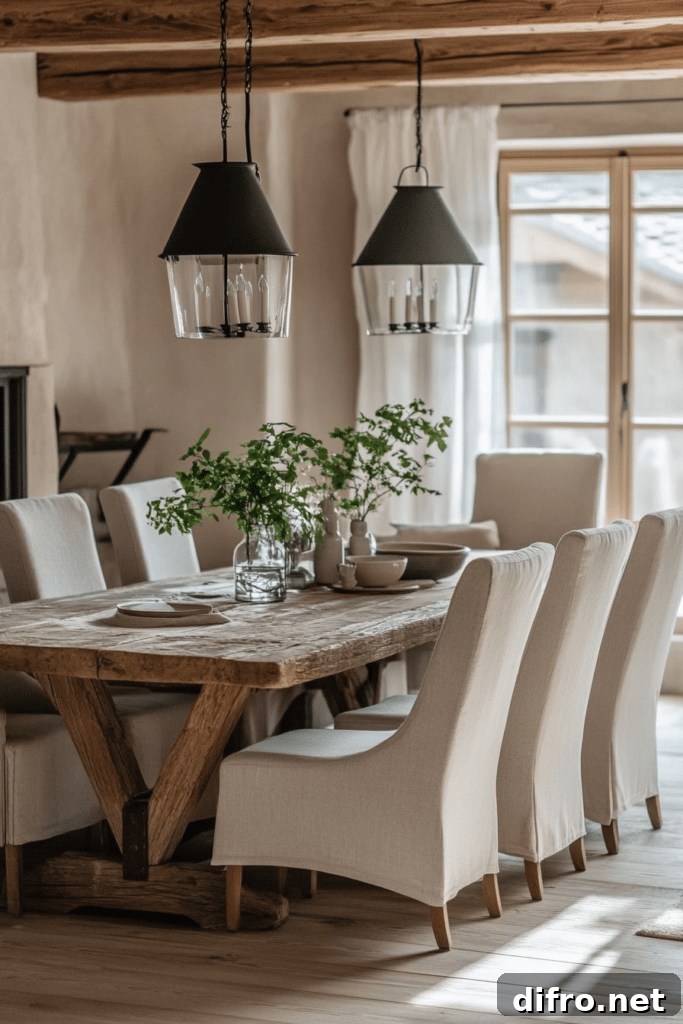
Modern farmhouse combines rustic warmth with contemporary simplicity. Think white or light walls, warm wood accents, and black or metal hardware for contrast. The look often mixes vintage pieces with clean-lined furniture, creating a welcoming yet updated atmosphere. It’s a versatile style for family homes: practical, comfortable, and visually appealing without feeling overly styled.
The most important principle across all these interior design styles is authenticity: create a home that reflects your lifestyle and preferences. Use these descriptions as a starting point—mix elements, edit ruthlessly, and select pieces that make you feel at ease. With attention to proportion, color, texture, and function, you can shape rooms that look great and support the way you live.
If you’re ready to refresh your home, consider signing up for curated interior design tips and ideas to help you plan color schemes, furniture layouts, and finishing touches.